
Level 1 sweep and inspection to the NFPA 211 annual standard - flue, crown, cap, and flashing checked and photographed
Chimney sweep logs do not sweep chimneys. They loosen some creosote - which then falls where a brush and vacuum still have to collect it.
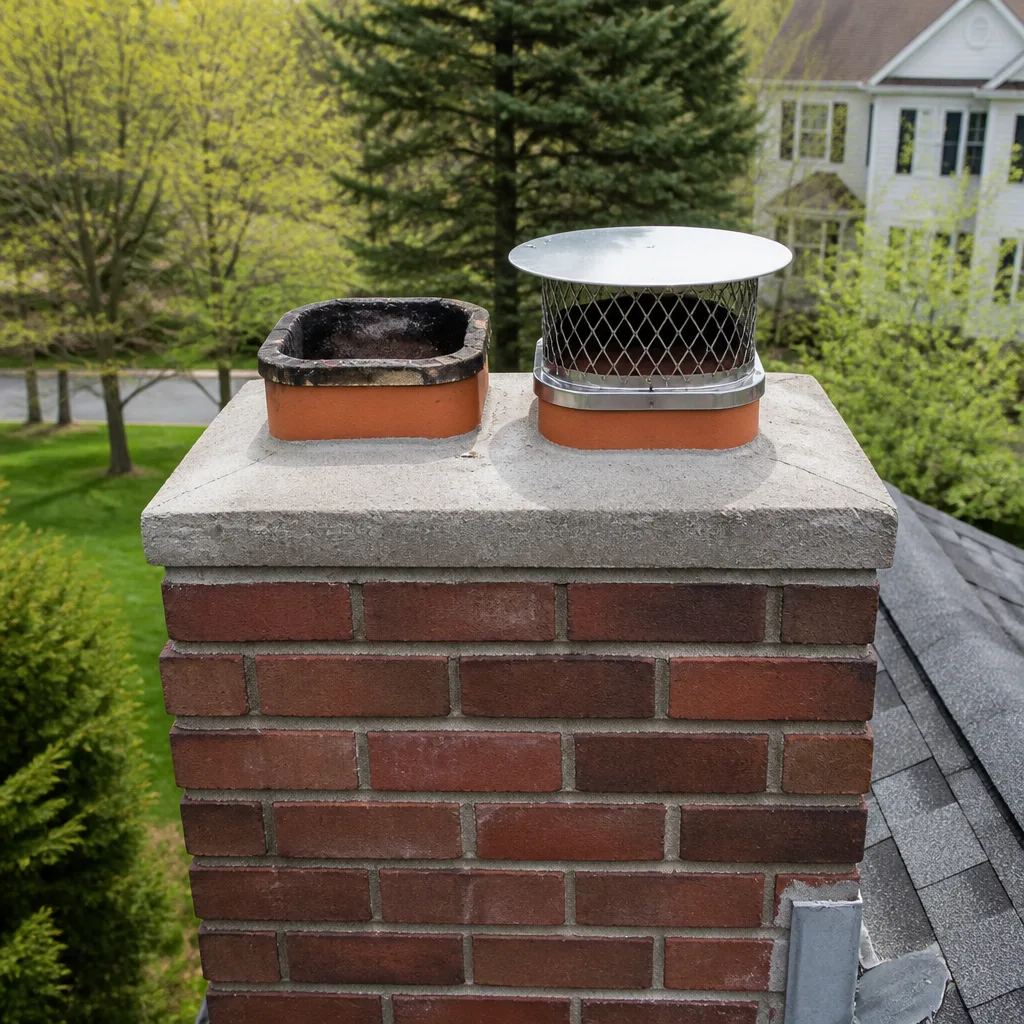
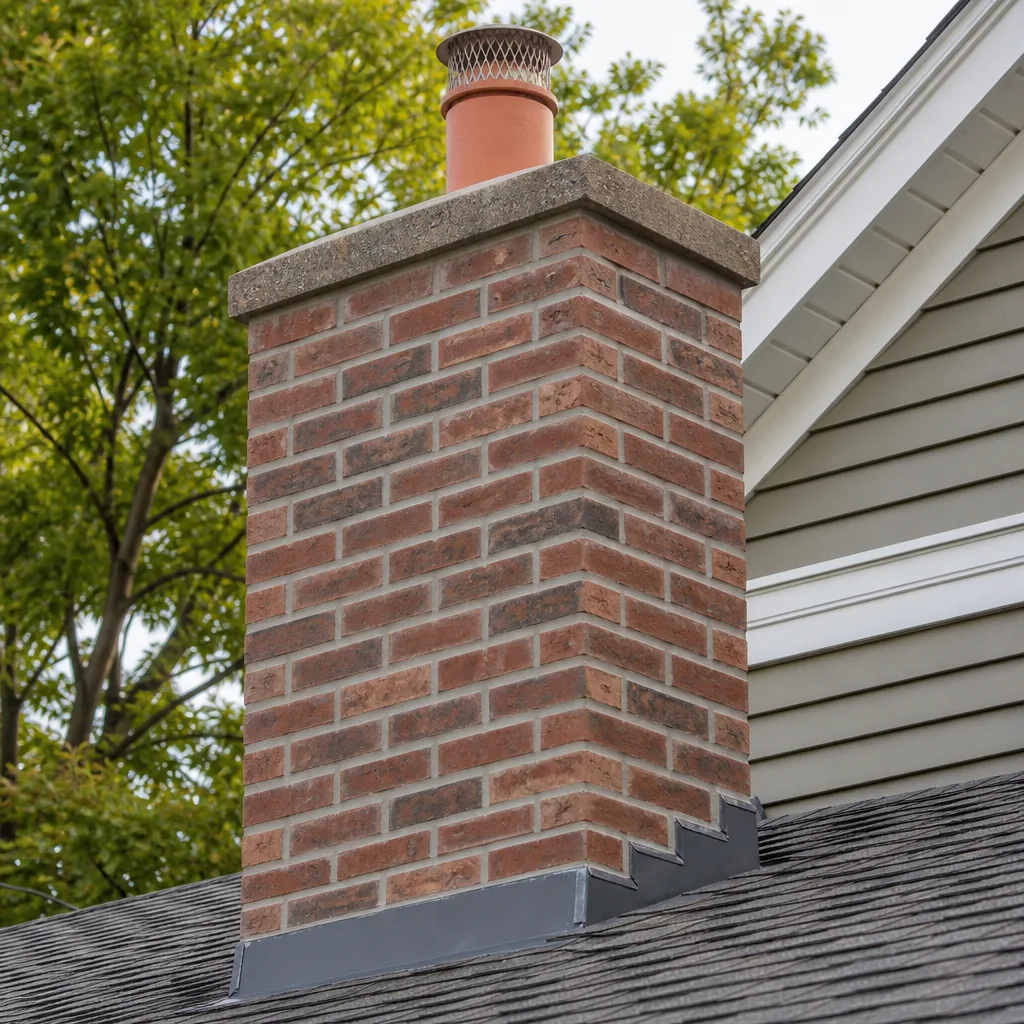
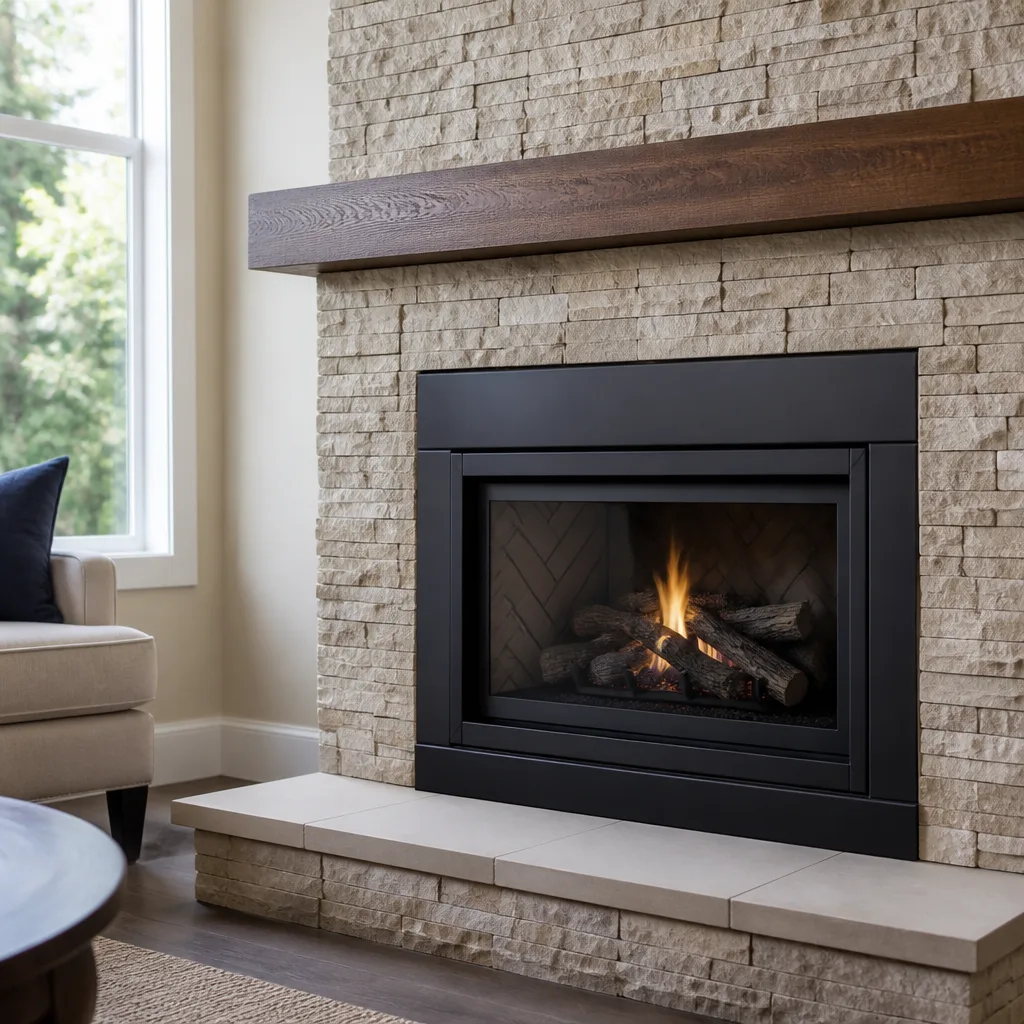
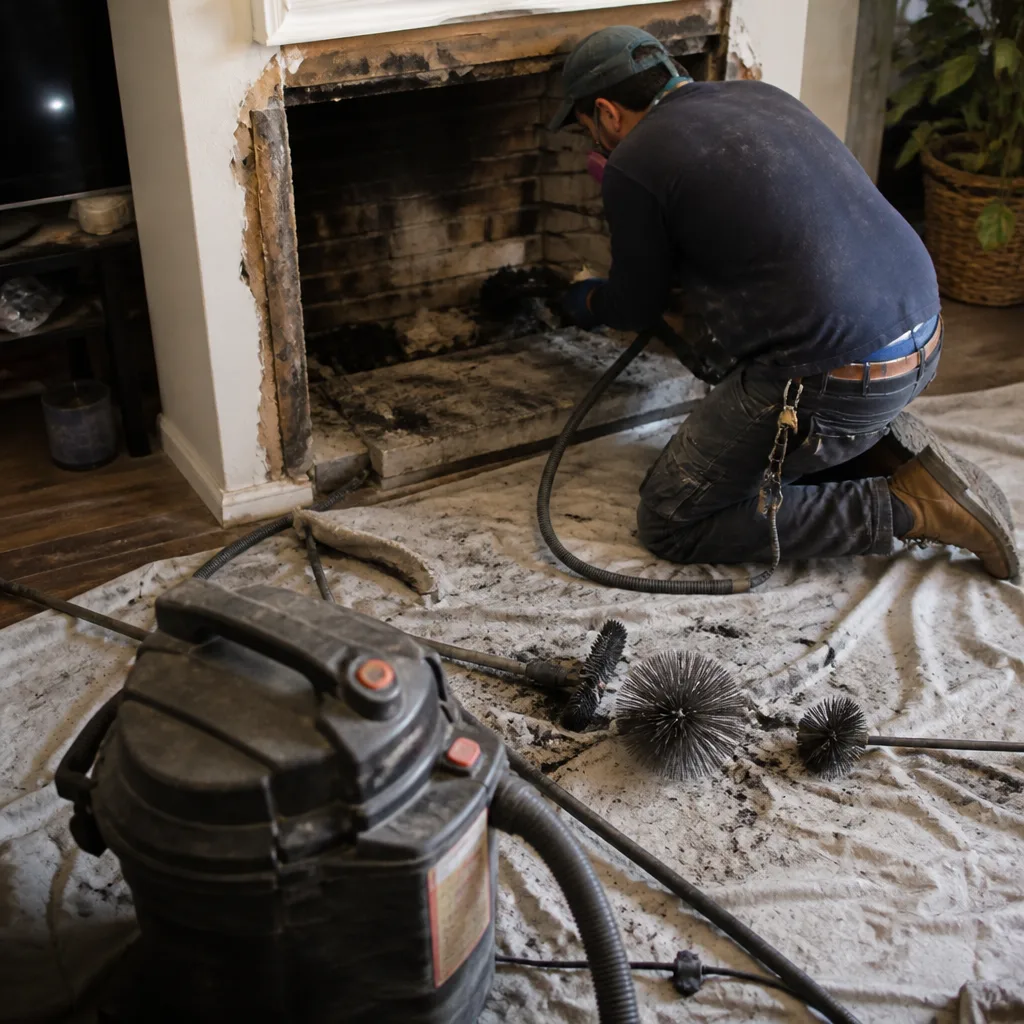 Before
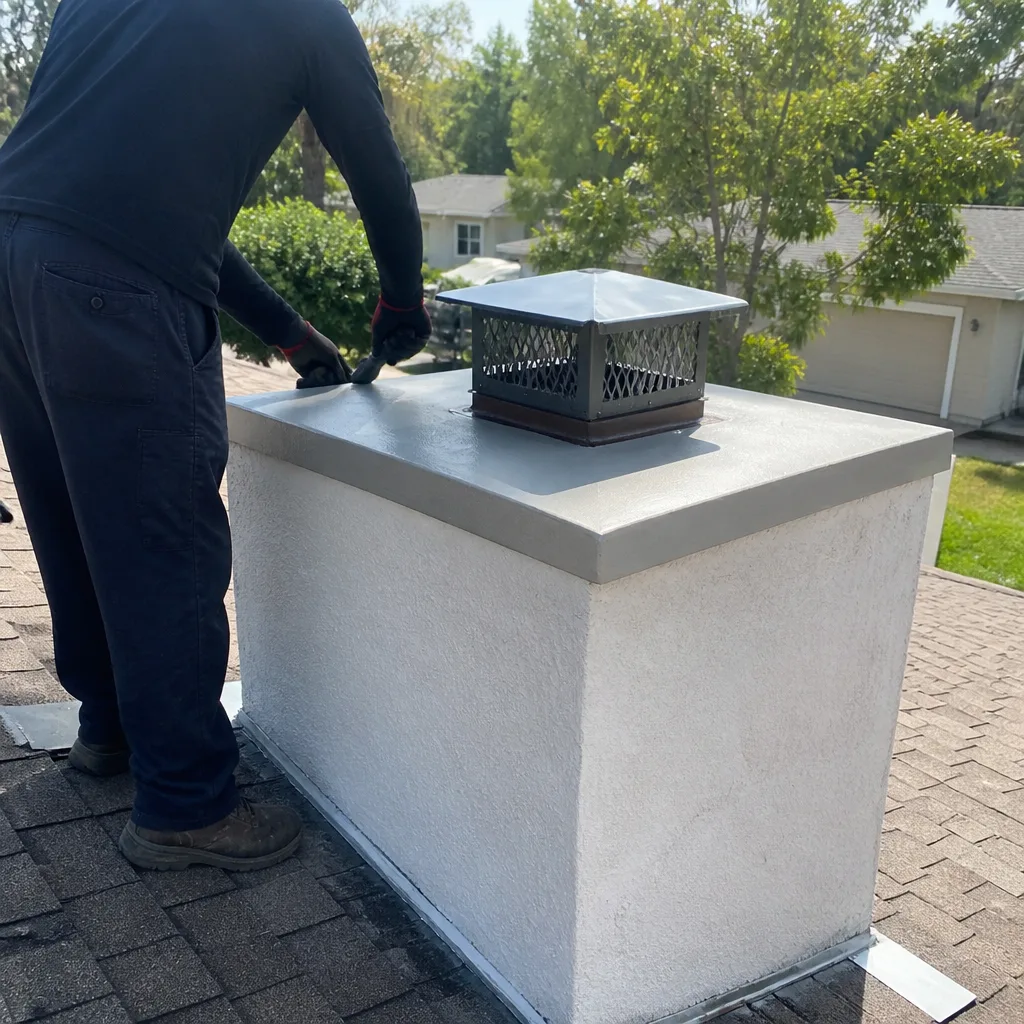 After
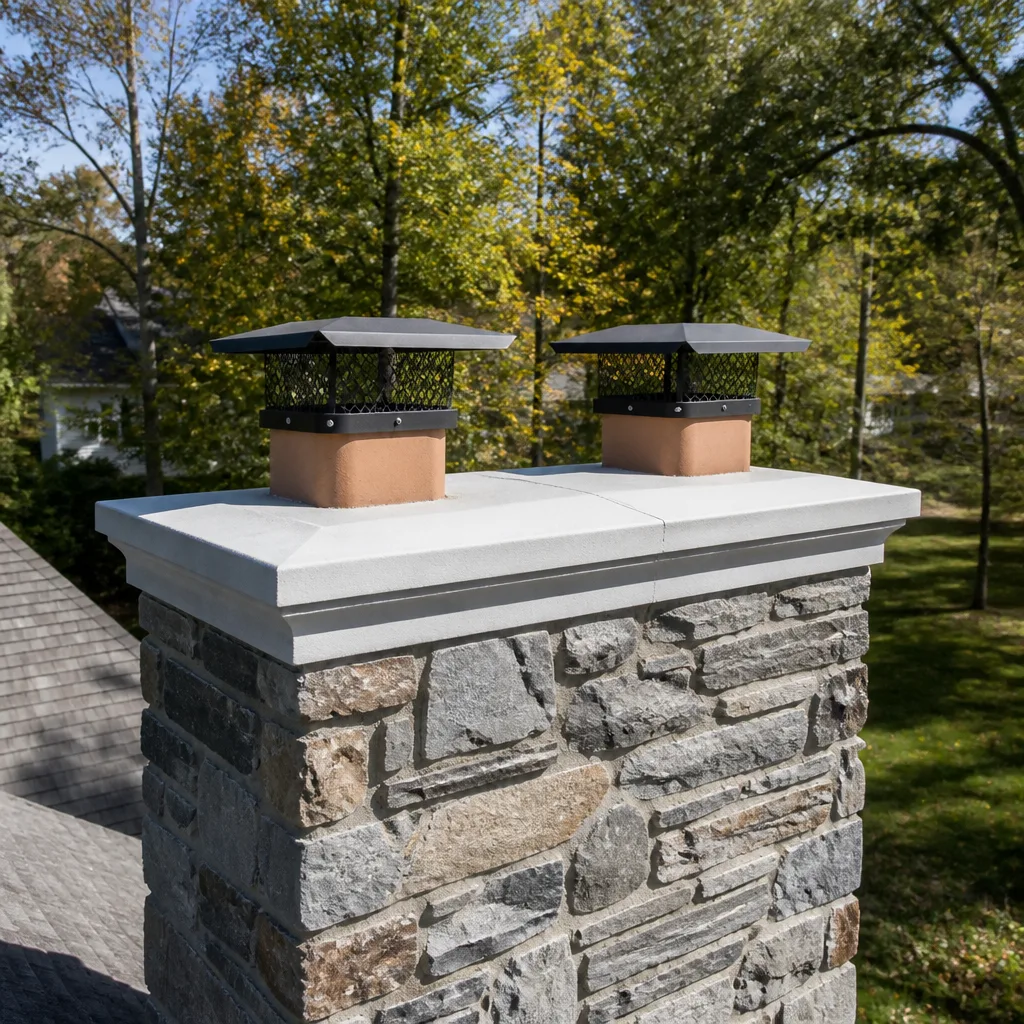
After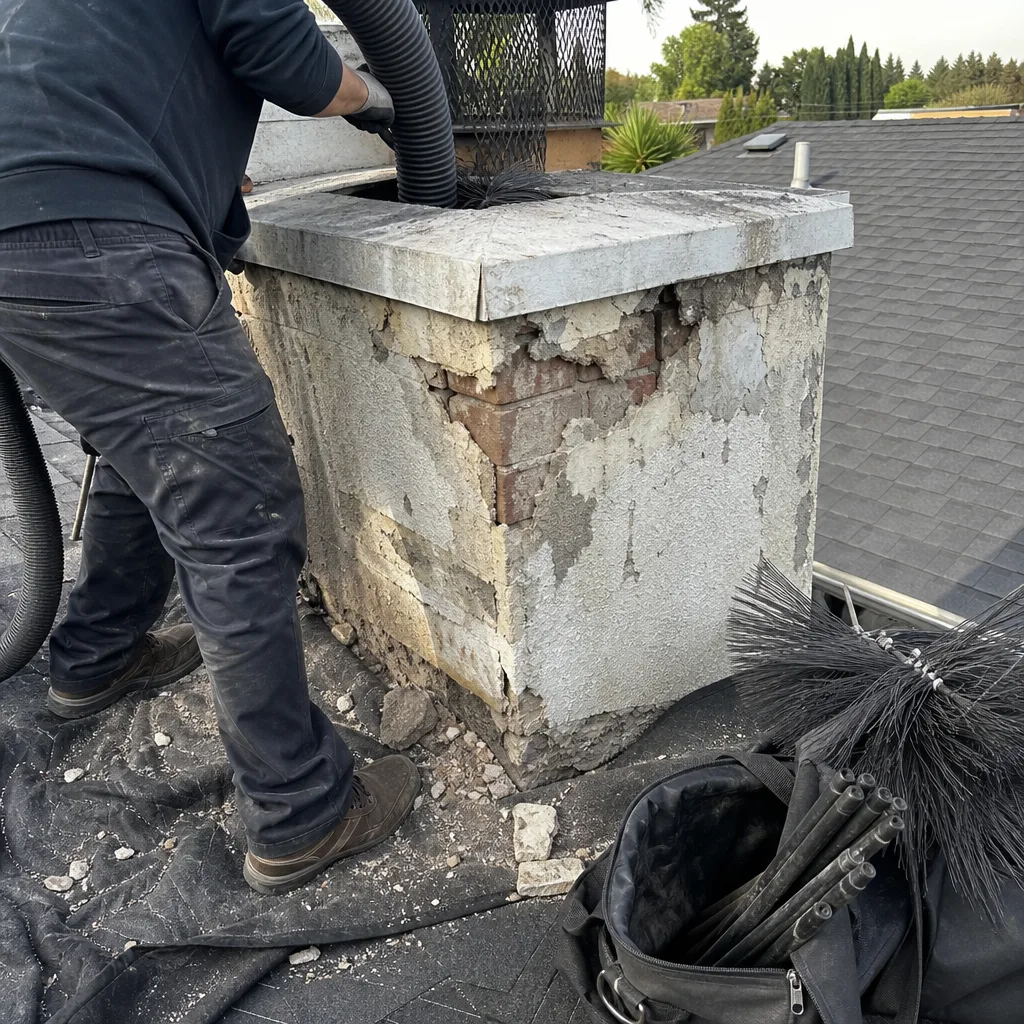 Before
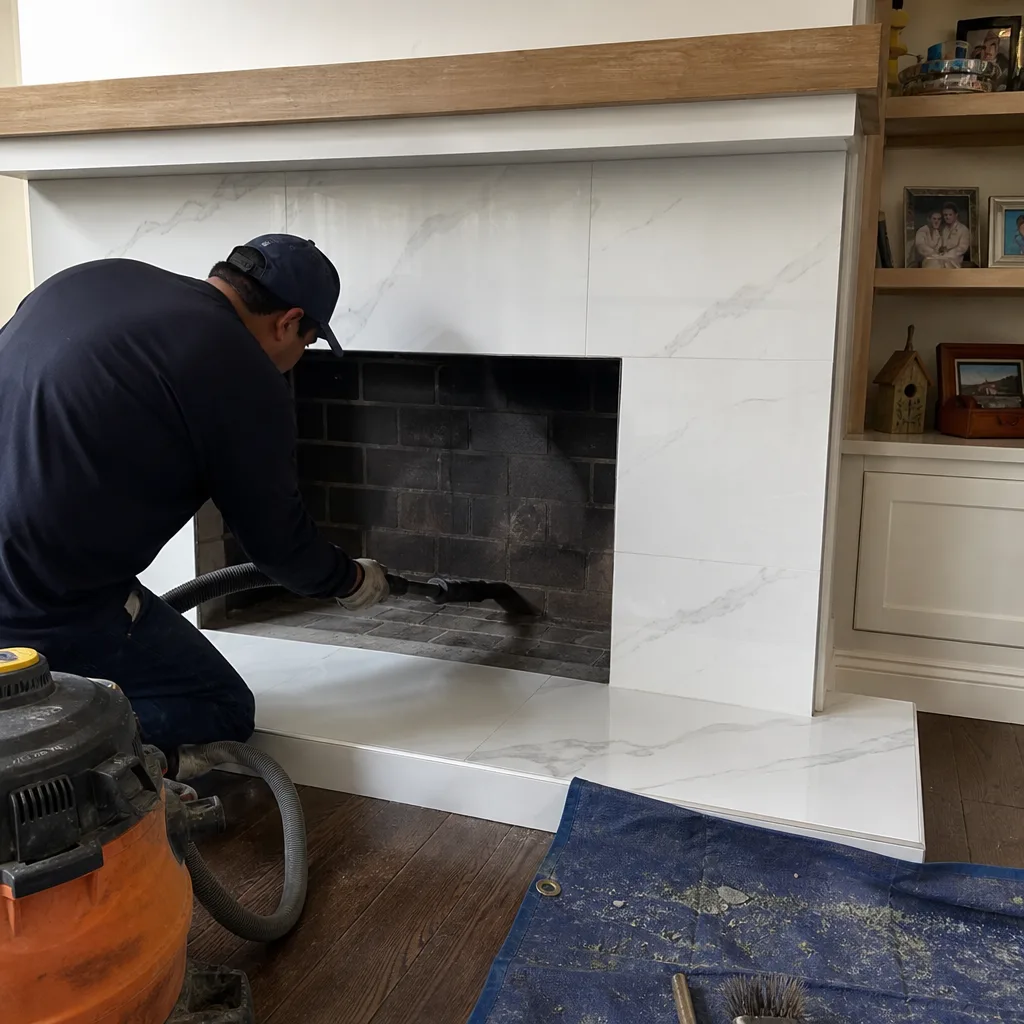 After
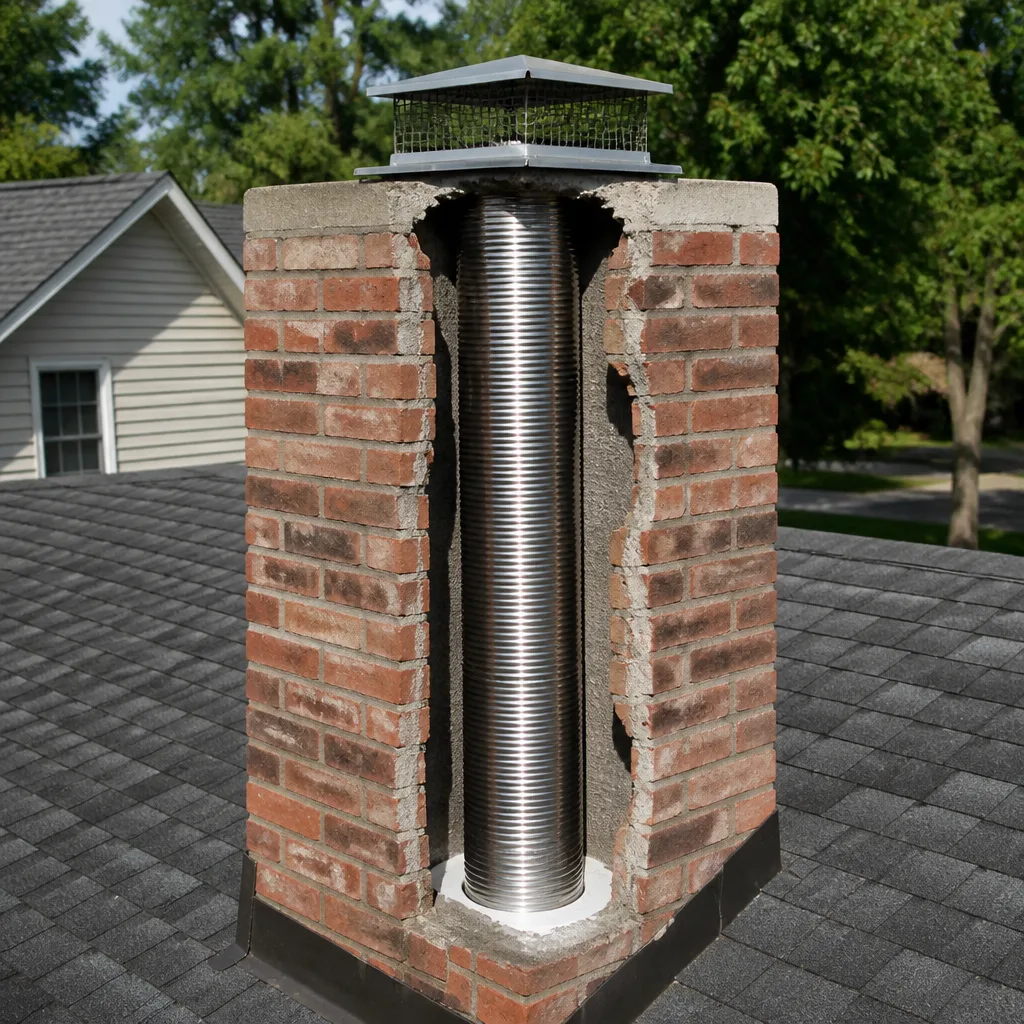
After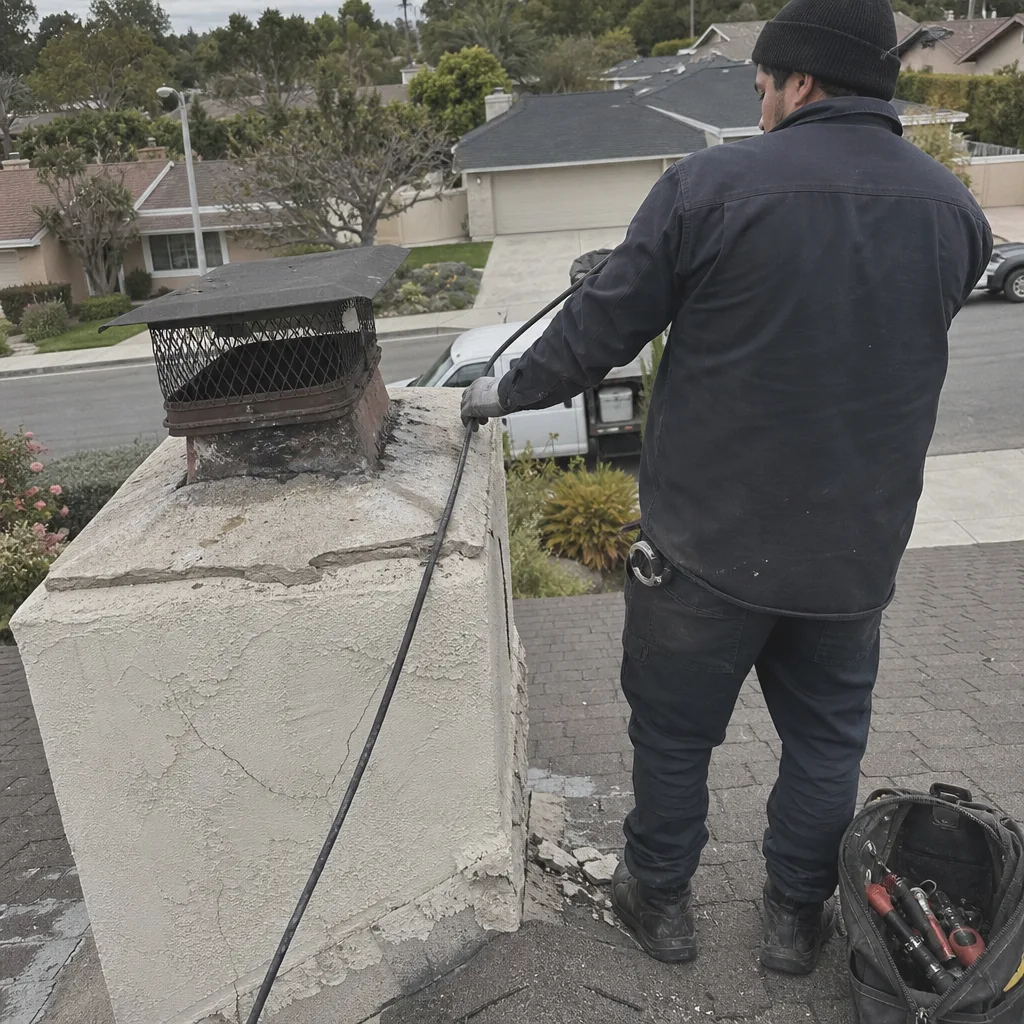 Before
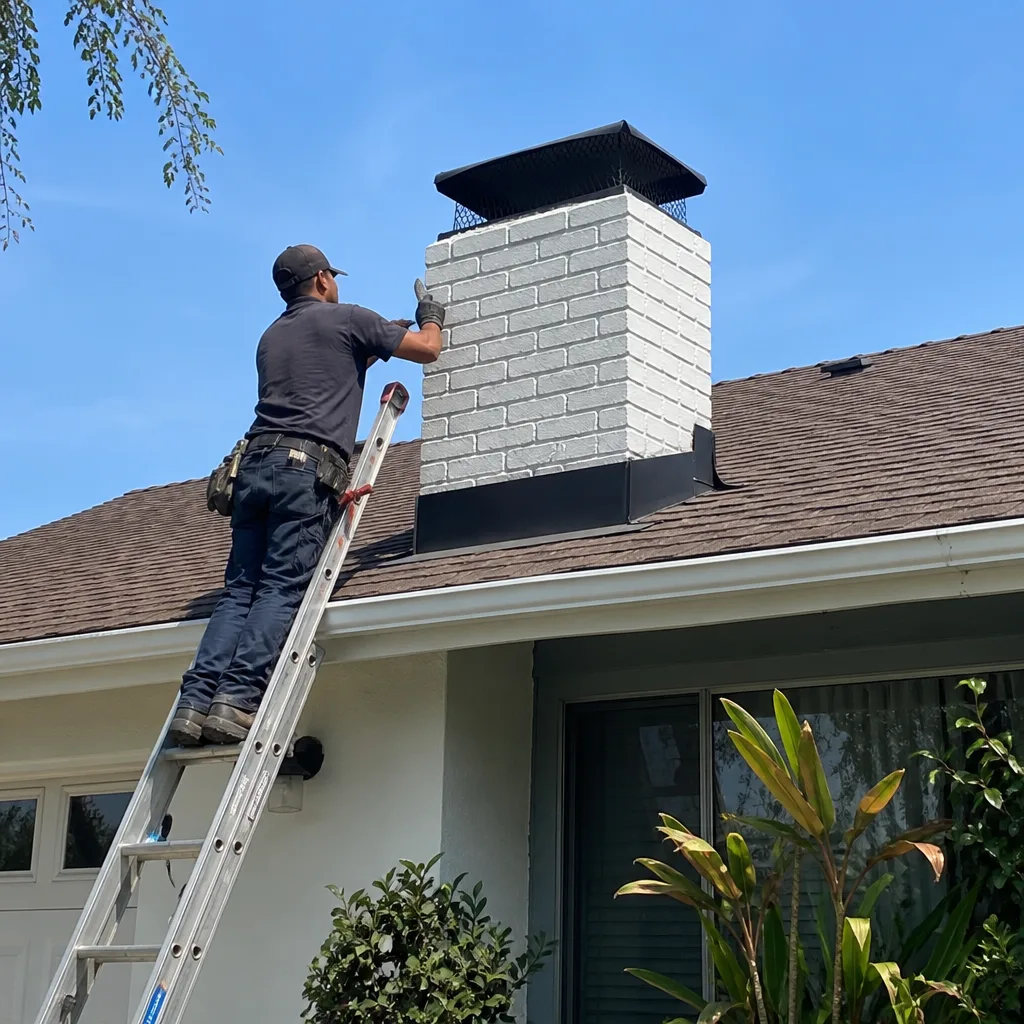 After
AfterFast, Reliable Chimney Inspection Across Country Club
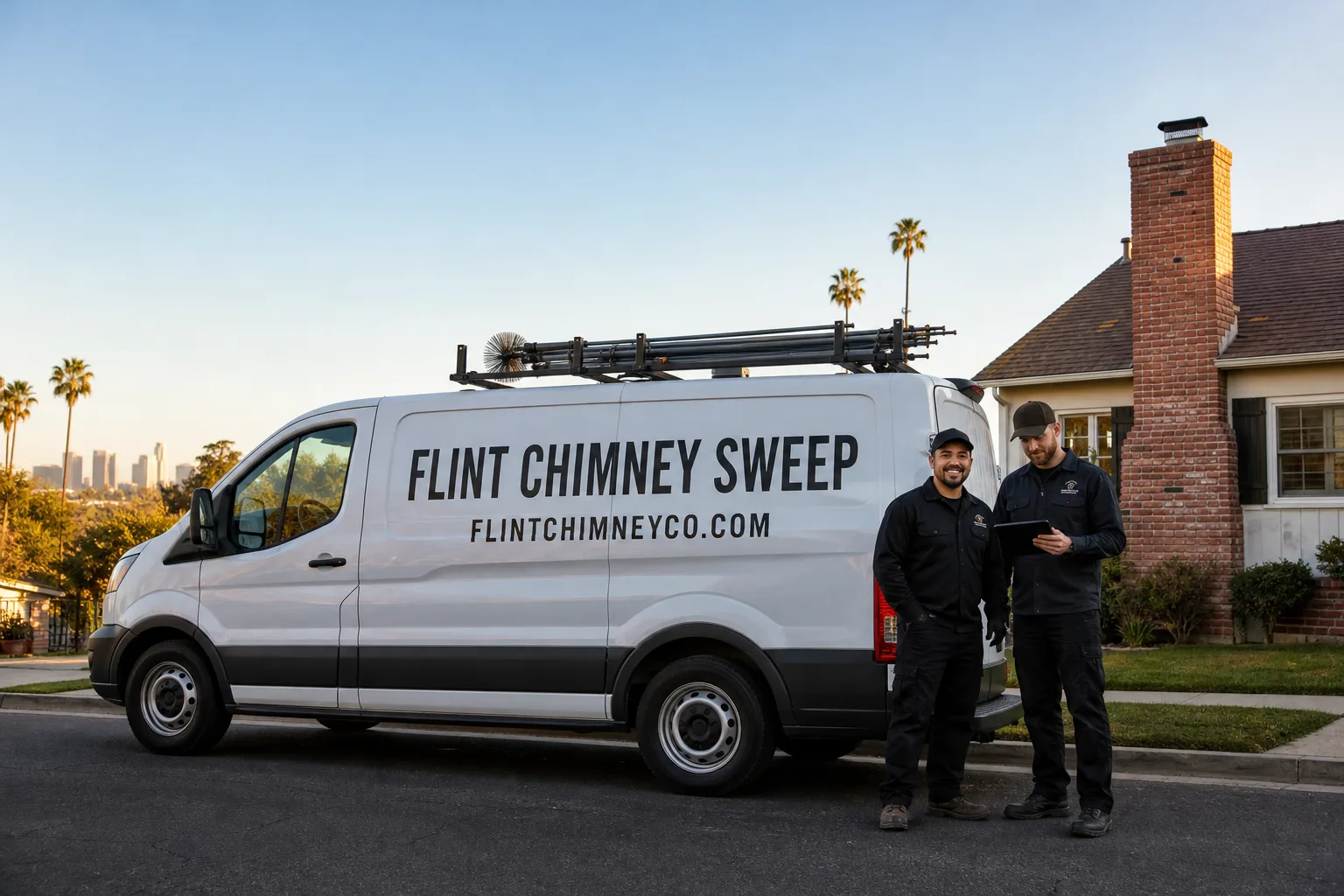
A standard chimney inspection in Country Club runs $149 – $289 depending on the level. That’s the honest number, not a teaser to get a truck in your driveway. Flint Chimney Sweep serves Country Club with background-checked, uniformed technicians who arrive with a written price before any tool comes off the truck.
We know Country Club’s properties well. Most lots around the community core sit on wooded acreage where wood stoves and fireplace inserts pull real duty as primary heat from November through February. That changes what a chimney inspection needs to accomplish out here compared to a decorative fireplace in a coastal condo. Our crews schedule Country Club calls with the drive time already accounted for, and the number you call is answered by a live person, not a voicemail tree. Call (830) 251-4560.
Why Flint Chimney Sweep Is Country Club’s Preferred Chimney Inspection Company
Country Club homeowners tend to ask the same thing before booking: will the price change at the door? It won’t. Every inspection, from a Level 1 visual to a full Level 3 teardown investigation, gets a written quote before work begins. That’s The Garrison Standard, the operating code every Garrison Partners location follows, and it’s been that way since 2002.
Flint Chimney Sweep operates under The Garrison Code: document the scope, name the price, stand behind the work for a full year. For inspections, the 365-Day Done Right Promise means if a repair we identify and complete fails within 12 months, we return at no charge. Country Club customers get the same written guarantee on any repair that follows an inspection, whether it’s a new chimney cap or a flue relining.
Our technicians are uniformed and background-checked. You’ll know who’s walking through the door. And the phone at (830) 251-4560 rings to a person, 24 hours a day, seven days a week. No callback forms. No “we’ll get back to you Monday.”
Local knowledge matters out here. Country Club homes aren’t cookie-cutter, and neither are their chimneys. We’ve worked on flues tied to freestanding stoves off the wooded lots near the community center, masonry fireplaces in older ranch homes, and prefab setups in newer construction. That familiarity means we know what to look for before the camera even goes up.
Chimney Leak in Country Club
A chimney leak in Country Club is rarely just one problem. By the time water shows up on the ceiling or stains the brick, you’re usually looking at a combination of a rusted chimney cap, cracked crown, or failed flashing. Our job is to find every entry point, document it with photos, and give you a written repair price before any work starts.
In Country Club, where heavy summer rains meet the humidity that hangs around well into fall, the exterior components take a beating. A rusted chimney cap that would limp along in a drier climate will actively channel water into the flue here. We inspect the cap, crown, flashing, and masonry joints on every leak call.
Water Entry Points We Check First
Chimney caps rust from the inside out along the seams, especially with the salt-tinged air that reaches inland from the coast. We check cap seams, crown hairline cracks, flashing at the roofline, and the brick or stone surface for spalling (the flaking you see when water soaks in and pops the face off).
If the leak is active, we recommend addressing it before the next heavy rain. The written quote you approve is the price you pay, and any repair we make carries the 365-Day Done Right Promise.
Leak vs. Condensation: What We Rule Out
Sometimes a Country Club homeowner calls about a “leak” that is actually condensation inside the flue. High-efficiency gas appliances push cooler exhaust, and in Florida’s humidity, that exhaust condenses on the flue walls. The tell is where the moisture shows up: condensation stains tend to stay near the appliance connection, while a true leak travels down from the top. We don’t sell repairs for condensation. We tell you what’s actually happening.
Chimney Camera Inspection in Country Club
A chimney camera inspection in Country Club is how we see what brushing alone can’t reach. The camera goes up past the smoke chamber and gives us a real-time view of the flue liner’s condition, missing mortar joints, hidden cracks, or creosote glazing. Most chimney inspection levels include some form of camera work, but a dedicated camera inspection is what tells us whether you need a sweep, a repair, or are safe for another season.
On Country Club properties, we lean on camera inspection more than most places. The creosote loading in a wood stove used daily builds in layers, and what looks like a routine sweep from the firebox may hide third-degree glazing higher up. The camera confirms what we’re dealing with without guesswork.
What the Camera Sees on a Country Club Flue
The footage shows creosote thickness and type (first-degree sooty powder, second-degree flaky tar, third-degree hard glaze), liner cracks or separations, and any obstruction like a nest or fallen masonry. You see the footage yourself. We don’t recommend a liner replacement on our say-so alone. If the camera shows damage, we review the images with you on site.
When We Require It
Any chimney that hasn’t been inspected in over two years, any stove that’s burned more than three cords of wood in a season, and every real estate transaction. In Country Club, where wood stoves often run as primary heat, we recommend a camera inspection at least once every two years, more often if you burn daily through winter.
Trusted Brands We Service in Country Club
We specify materials by job, not margin. On Country Club inspections and the repairs that follow, we work with professional-grade products: DuraFlex for flue relining, HeatShield for resurfacing damaged flue interiors, and Famco or Copperfield for caps, dampers, and other top-end hardware. These are brands a homeowner can look up and verify independently. If we write a repair quote, the brand is on the quote. No generic “quality materials” language. For Country Club customers, we keep common cap sizes and damper replacements in local stock, which shortens turnaround when an inspection uncovers a problem.
Common Chimney Inspection Problems We See in Country Club Homes
- Third-degree creosote glazing from daily wood stove use. Homes on wooded lots that heat primarily with wood pack far more creosote on the flue than a decorative fireplace ever will. By the time the draft turns lazy, the glaze is already hard and hazardous.
- Rusted chimney caps and cracked crowns from Florida rain and humidity. The exterior components fail faster here than inland. A cap that’s been up five years in Country Club often shows rust at the seams.
- Failed flashing where the roof meets the chimney on older ranch homes. Many Country Club homes from the 1970s and 1980s still have original flashing, and the sealant breaks down under constant UV and rain cycles.
- Nesting and obstructions in flues that go unused from April to October. The off-season here is long, and birds and squirrels take advantage. A fall inspection before the first fire catches what’s moved in over the summer.
Pricing for Chimney Inspection in Country Club, FL
What moves the price: access difficulty (steep roofs, tall flues requiring additional safety rigging), the condition of the chimney, and whether the flue was recently cleaned or hasn’t been touched in years. Every Country Club inspection gets a written quote before work starts. You approve the number. That’s the number you pay. Call (830) 251-4560 for a free estimate.
We Also Serve Cities Near Country Club
Beyond Country Club, our technicians run Chimney Inspection calls across the broader metro area, including Jacksonville, Miami, Tampa, and Orlando. If you live in one of those cities, the same written-price guarantee and 365-Day Done Right Promise apply to every job. Dispatch schedules are coordinated from our Miami office, and crews serve Country Club and the surrounding areas locally.
Serving Country Club, FL - Our Local Coverage Area
We’re based in the Country Club area and know this community well. Use the map below to see our service coverage - if you’re nearby, we can almost certainly help.
FAQs About Chimney Inspection in Country Club
How often should a Country Club wood stove be inspected if it is our main heat?
Every six months, and swept at the same interval if you burn daily through the cool season. A wood stove used as primary heat in Country Club can build second- and third-degree creosote in four to six months of steady use, far faster than the once-a-year schedule decorative fireplaces can get away with. Call (830) 251-4560 to schedule an inspection, and we’ll help you set a realistic interval based on how much wood you actually burn.
What does a chimney camera inspection actually find on a Country Club flue?
It finds creosote thickness and type, liner cracks, missing mortar joints, obstructions, and water damage. On Country Club flues where wood stoves run as primary heat, the camera most often reveals glazed creosote that a brush alone can’t remove, plus failed caps letting rain into the flue. You see the footage yourself before any repair is recommended.
How do I know if my Country Club chimney is leaking versus just condensating?
A true leak shows up as water stains on the ceiling or wall near the chimney, usually after rain. Condensation shows up as moisture inside the firebox or around the appliance connection, and it’s more common with gas appliances in Florida’s humidity. A chimney camera inspection settles it in about 20 minutes. If it’s condensation, we’ll tell you that and nothing more.
What are the different levels of chimney inspection, and which does Country Club need?
Level 1 is visual only and runs $149 – $189. Level 2 adds camera work and runs $249 – $329; it’s what we recommend for any Country Club wood stove that heats daily or hasn’t been inspected in two years. Level 3 involves opening up masonry and runs $450 and up. For most Country Club homes with wood stoves, a Level 2 every two years, plus a six-month sweep, is the right protocol. Call (830) 251-4560 for an exact quote on your setup.
What burning habits reduce creosote in a Country Club wood stove?
Burn seasoned hardwood only, never pine or wet wood. Run the stove hot enough to keep the flue gases above 250°F at the top, which means not damping down to a smolder overnight. And burn a hot fire for 20 to 30 minutes each morning before you turn the air down. Those habits don’t eliminate creosote entirely, but they keep it in first-degree form that a brush removes cleanly. Call (830) 251-4560 if you want us to check what’s built up so far.
Contact Flint Chimney Sweep in Country Club
If your chimney hasn’t been inspected in the last year, or you’re burning wood as your main heat, the safest move is to get eyes on the flue before the next cold snap. Flint Chimney Sweep serves Country Club with written pricing, background-checked technicians, and a guarantee in writing on every repair. Call (830) 251-4560 for a free estimate, and we’ll schedule your inspection at a time that works for you.
Written by Hank Delano, Owner at Flint Chimney Sweep, serving Country Club as part of the Garrison Partners family of chimney service companies. The Garrison Standard: written pricing, uniformed technicians, and a 365-Day Done Right Promise on every job.