
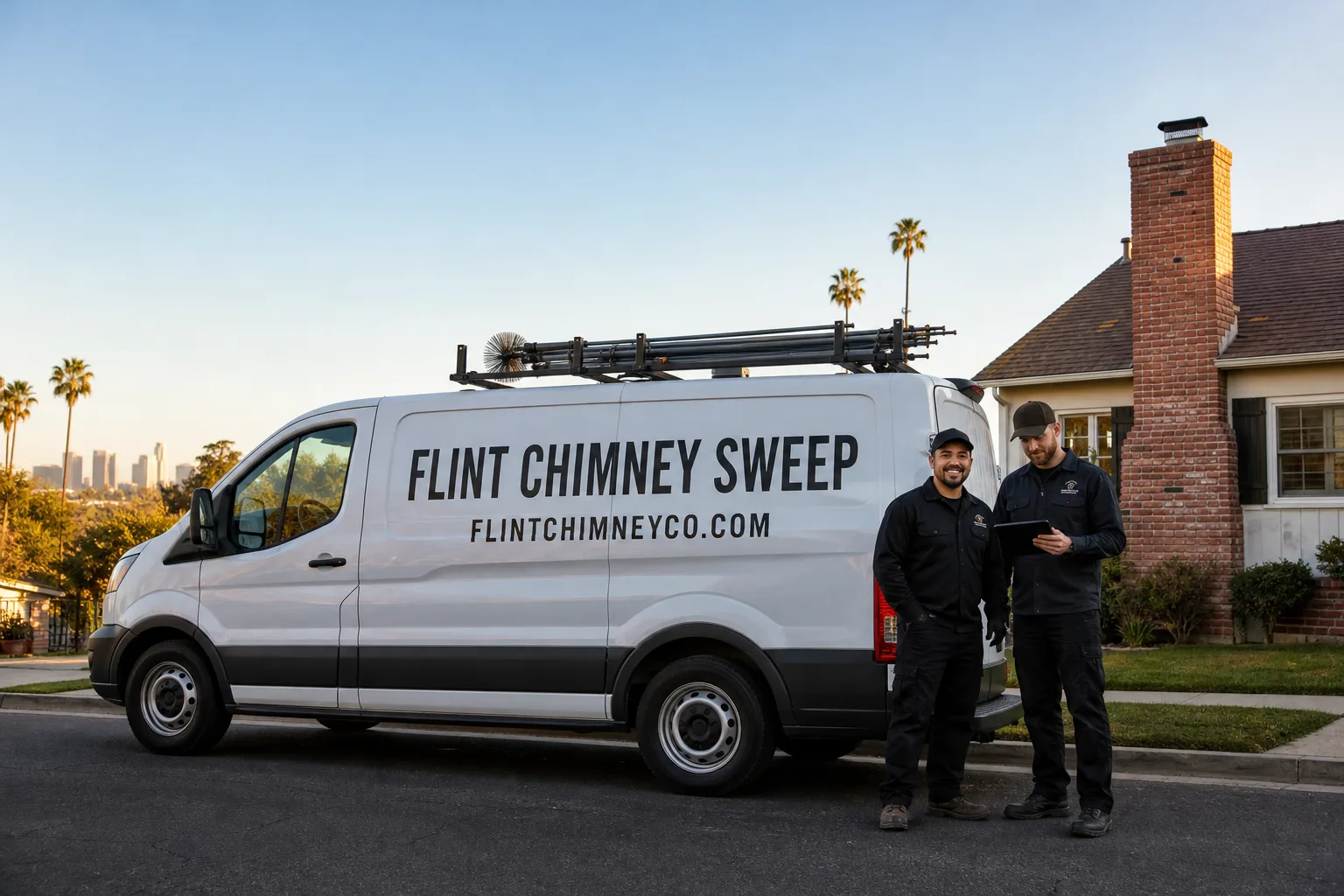
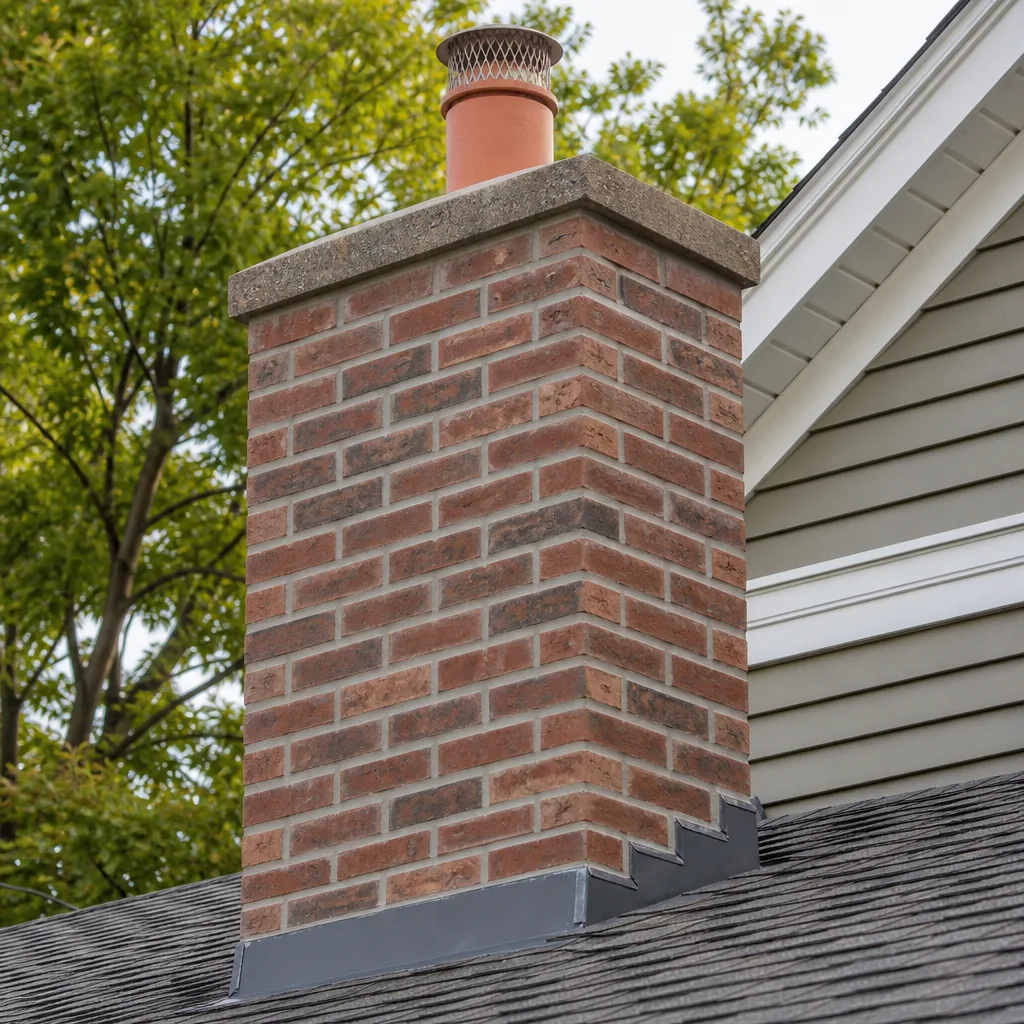
Level 1 sweep and inspection to the NFPA 211 annual standard - flue, crown, cap, and flashing checked and photographed
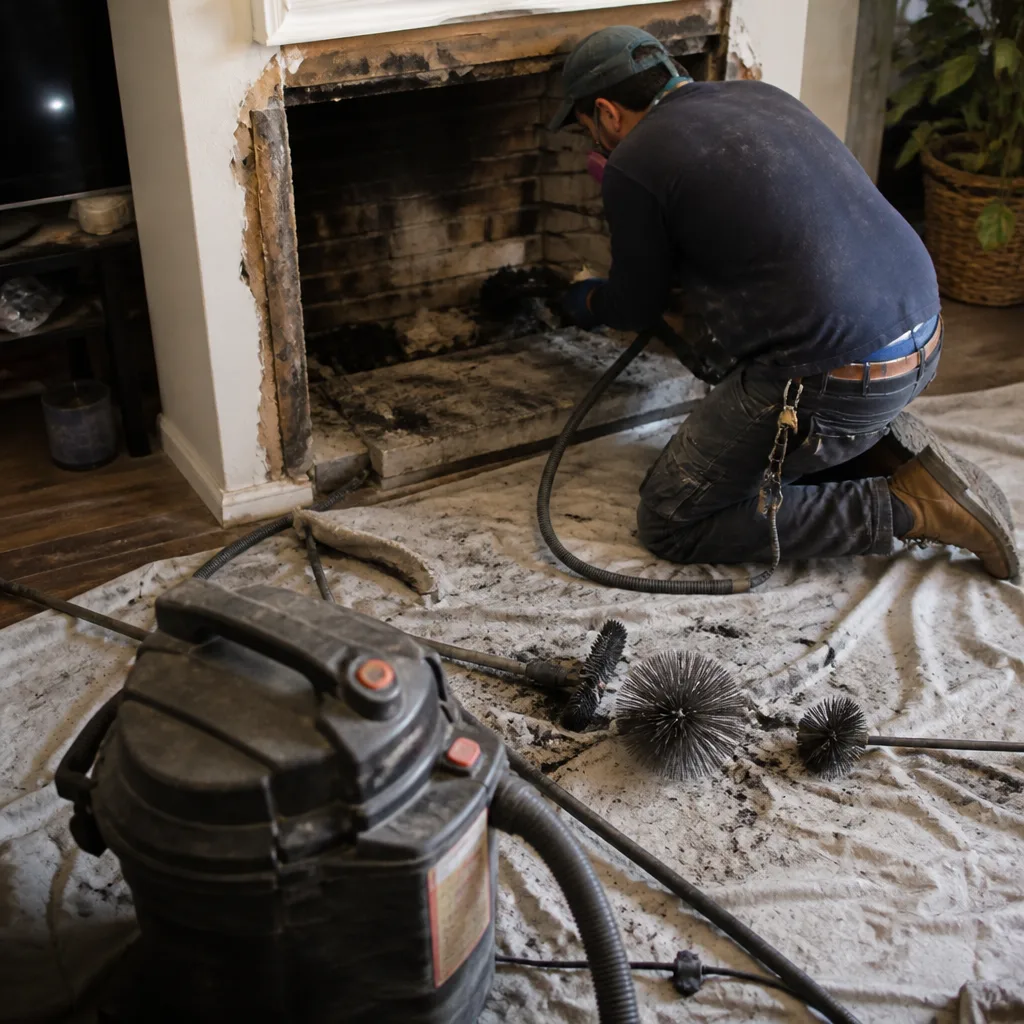
Chimney sweep logs do not sweep chimneys. They loosen some creosote - which then falls where a brush and vacuum still have to collect it.
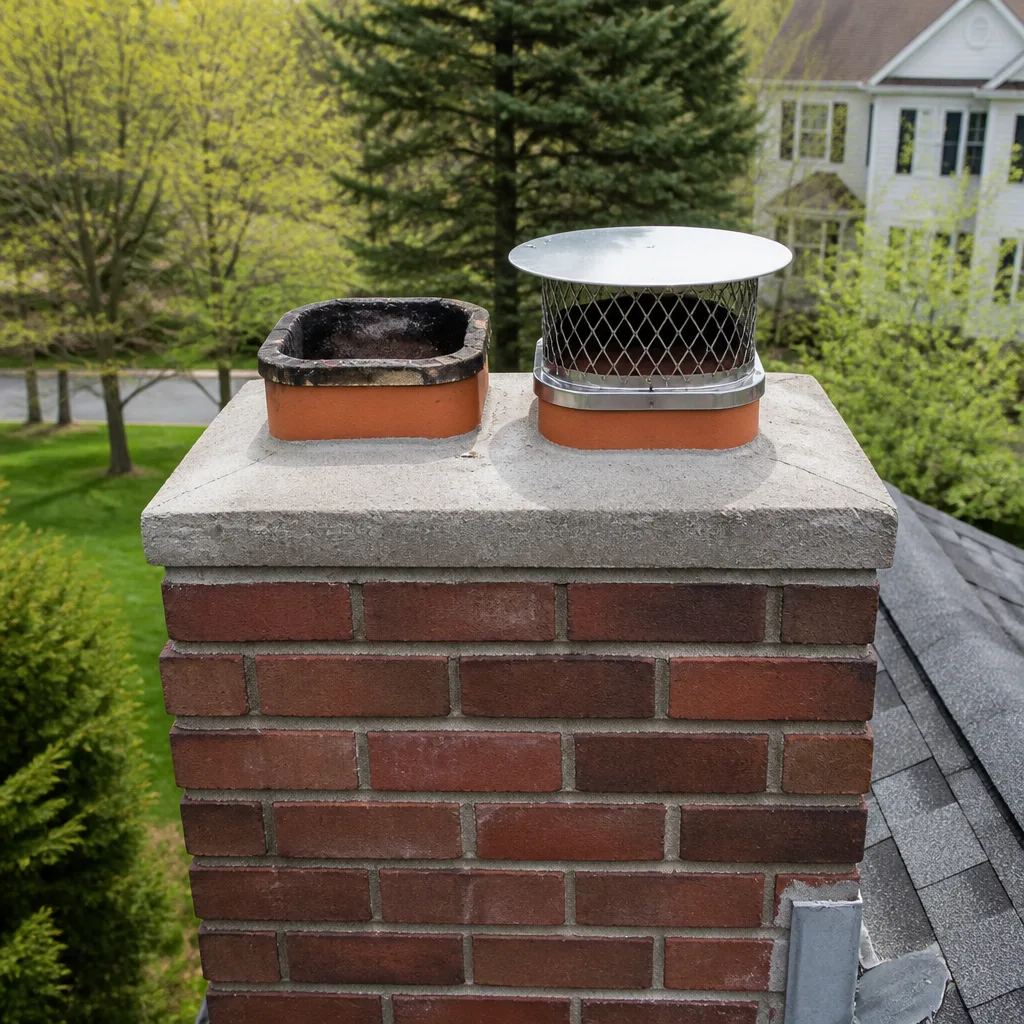
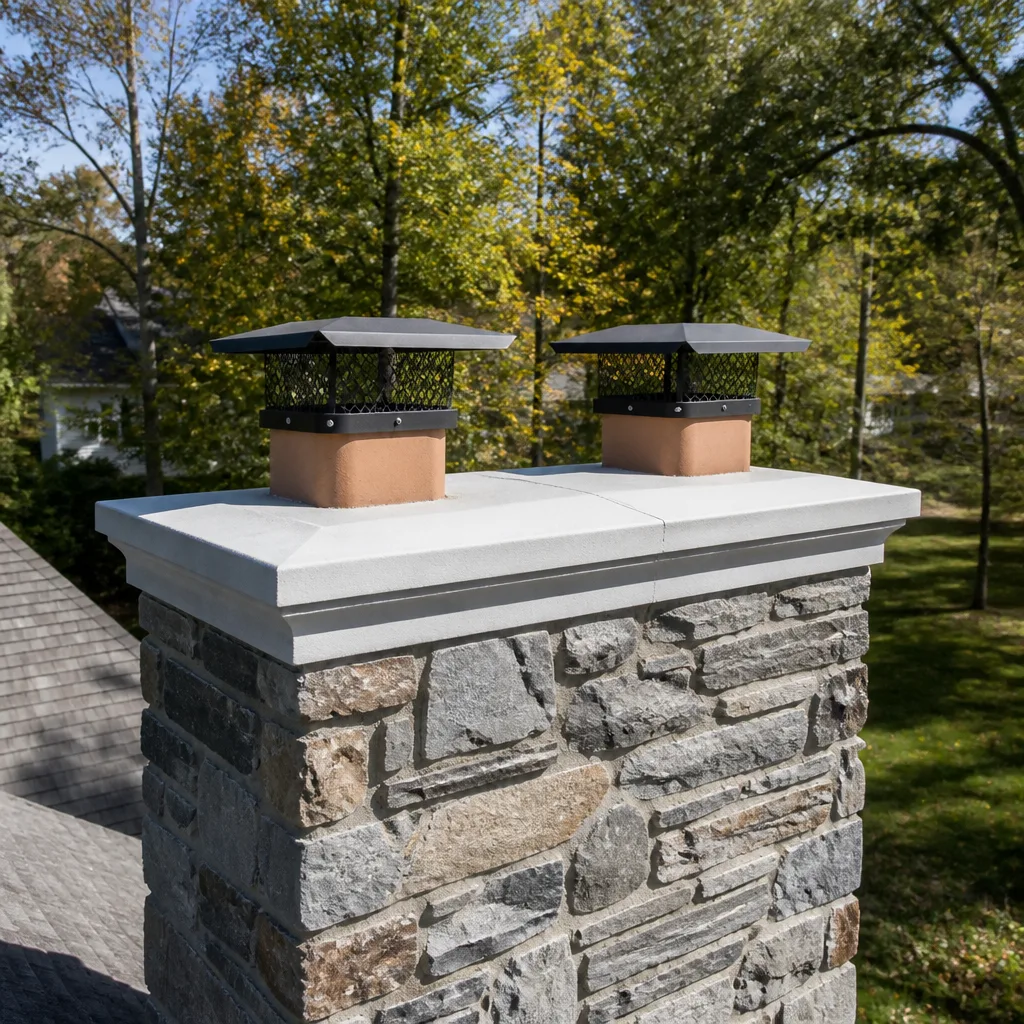
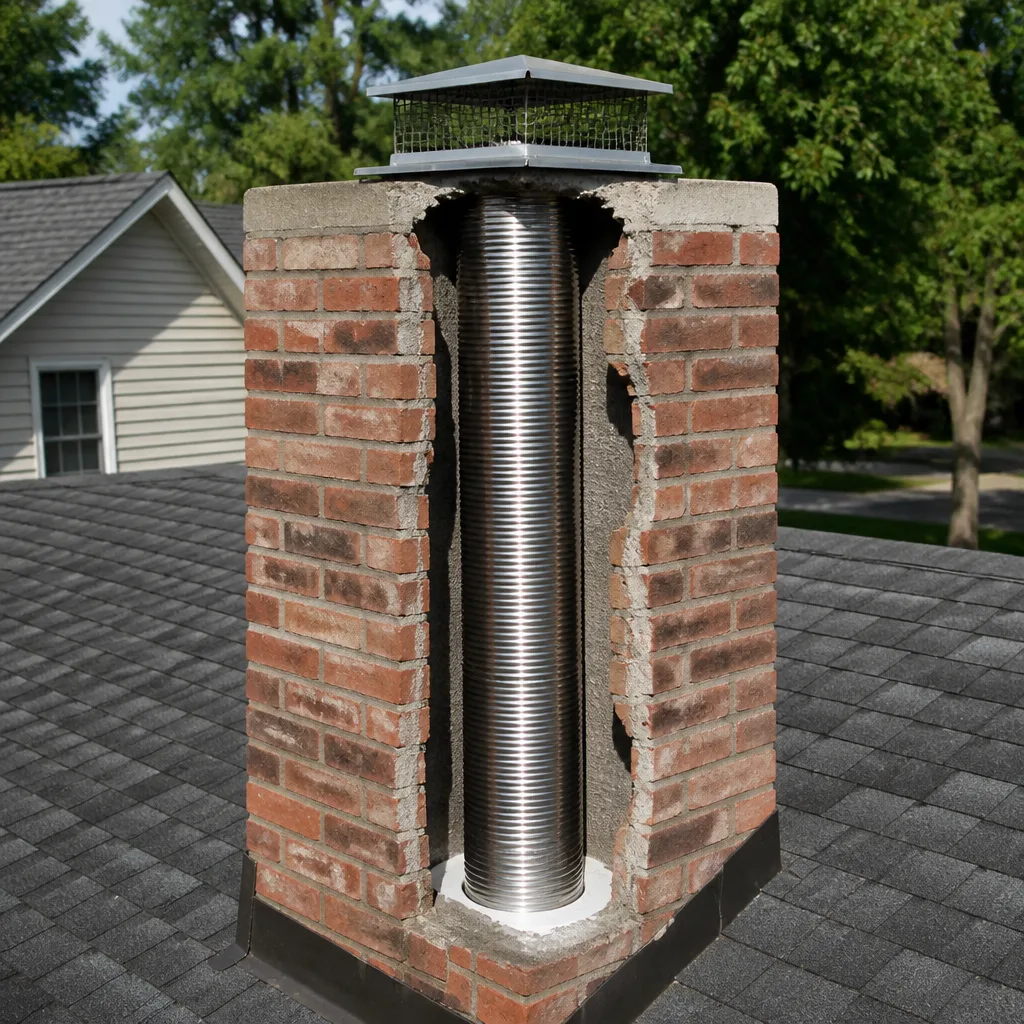
 Before
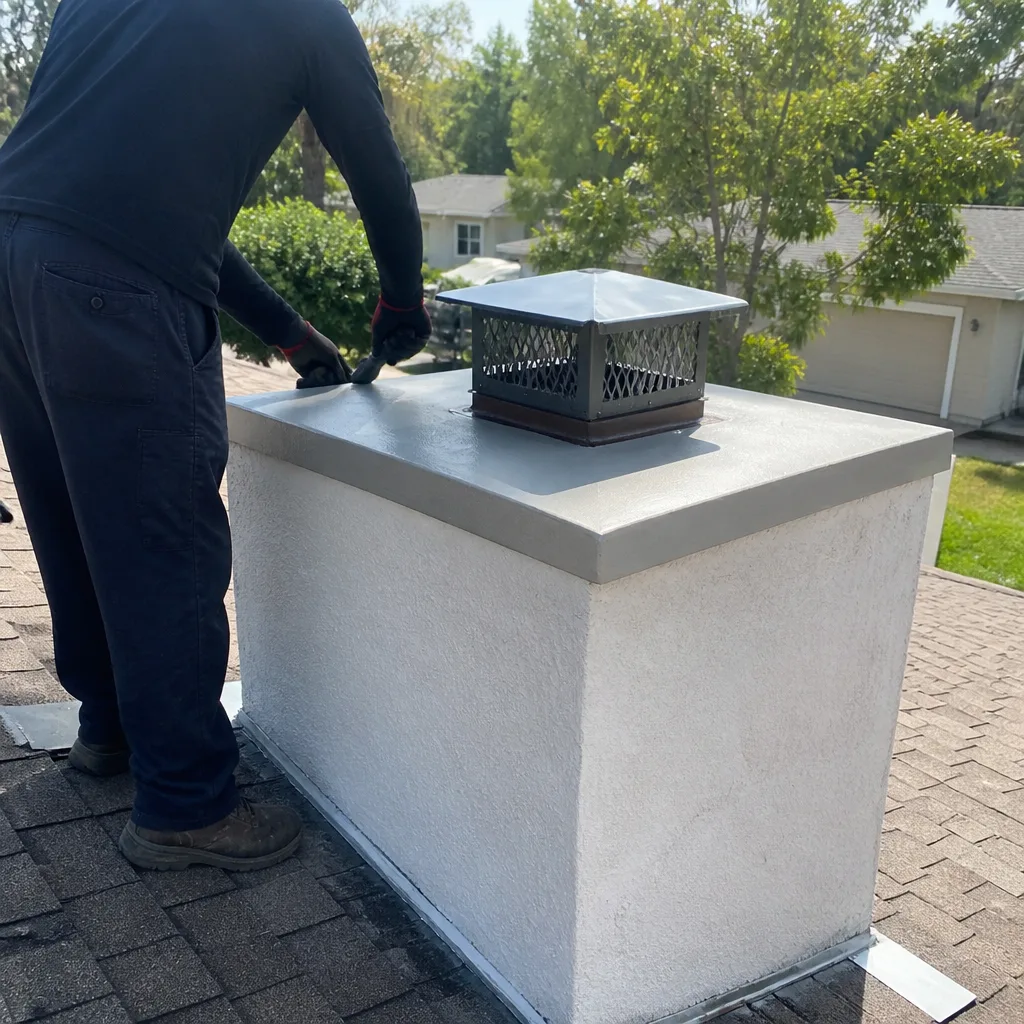 After
After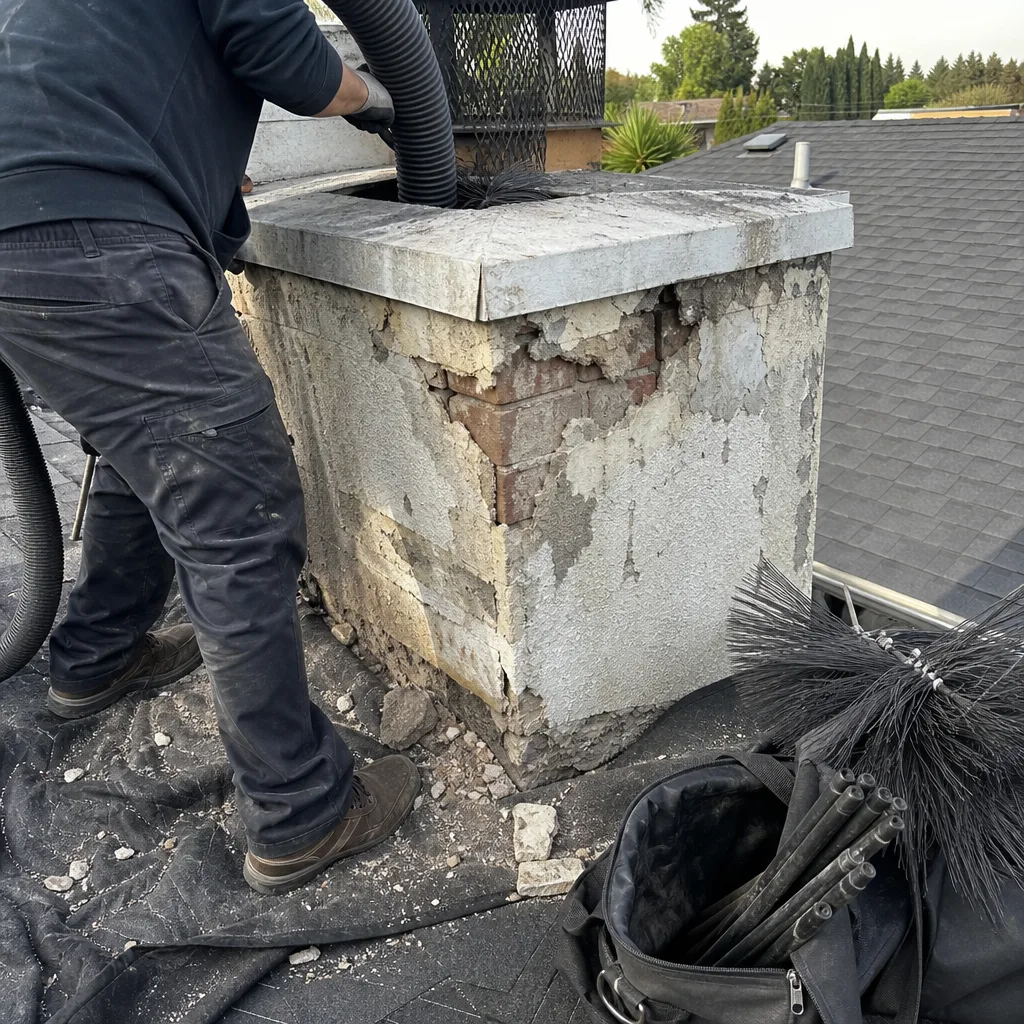 Before
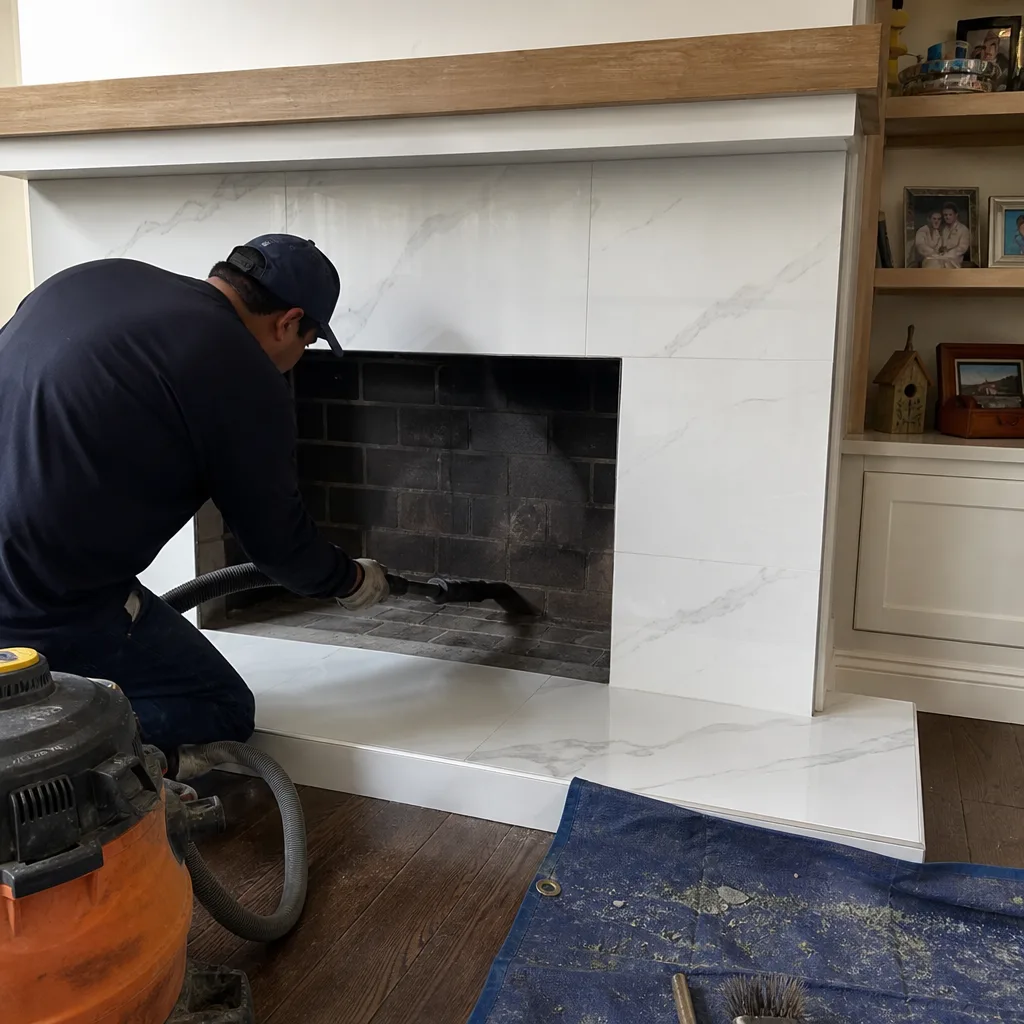 After
After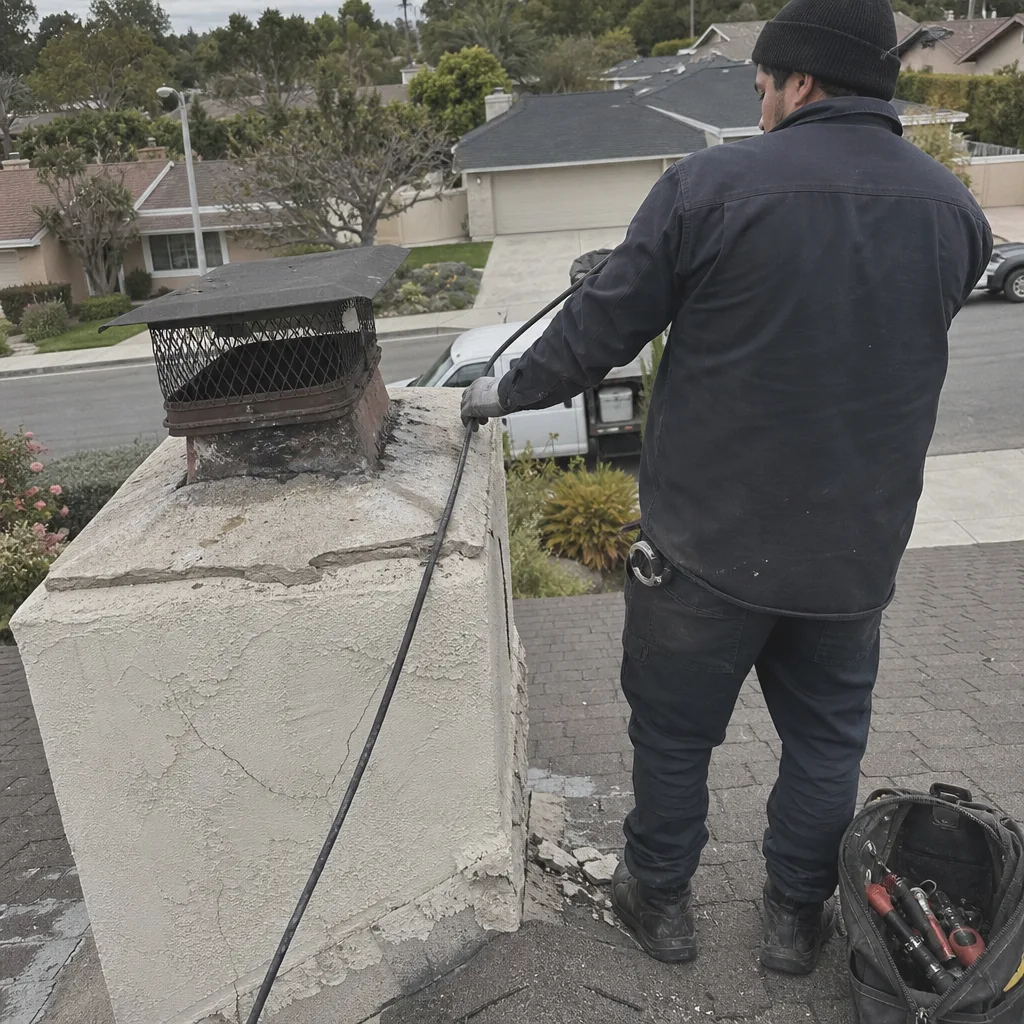 Before
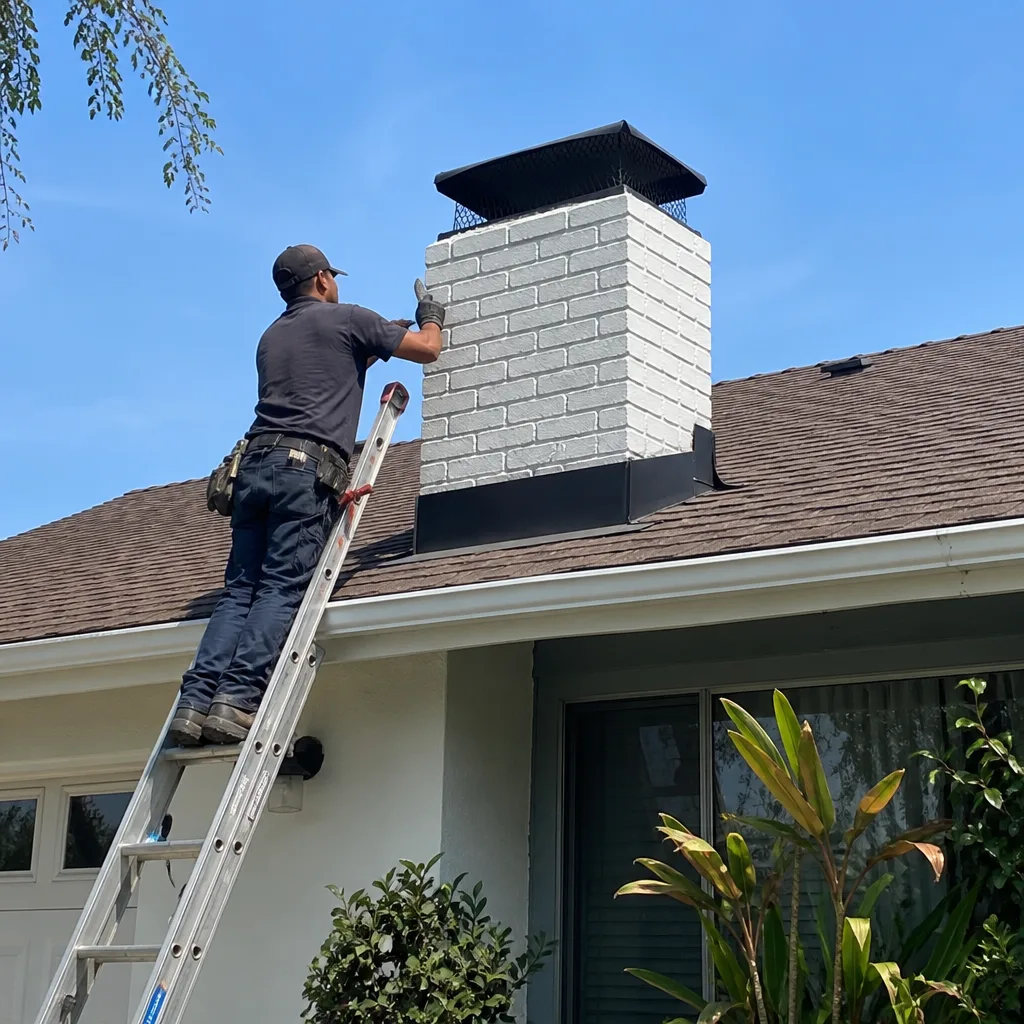 After
AfterFast, Reliable Chimney Inspection Across Foothill Farms
A chimney inspection in Foothill Farms typically costs $189 to $489 depending on the level, with a Level 2 camera inspection (the one we recommend for most mid-century homes here) usually landing between $340 and $469. Most Foothill Farms inspections take 45 to 90 minutes, and you get a written report with photos before we leave. Call (830) 251-4560 and we’ll give you a flat price before the truck rolls.
We’ve worked our way through hundreds of chimneys in Foothill Farms, from the ranch-style tracts off Auburn Blvd to the split-levels tucked north of Madison Ave. These aren’t new prefab flue systems. They’re original masonry fireplaces from the 1950s and 60s, and they age in a very particular way here. If you’ve never had yours inspected, or it’s been more than a couple years, the honest answer is that you’re overdue. The good news: an inspection is fast, affordable, and tells you with certainty whether you can burn safely or need work done. And if you do need work, we hand you a written price before anything starts – no surprise invoice at the door.
Why Flint Chimney Sweep Is Foothill Farms’s Preferred Chimney Inspection Company
Flint Chimney Sweep is part of the Garrison Partners family, founded in 2002, and our crews serve Foothill Farms directly from the Sacramento metro office. Every technician who walks through your door is background-checked and in uniform, so there’s no mystery about who’s standing in your living room. That matters in a community like Foothill Farms, where residents have lived in the same homes for decades and know exactly who belongs on their street.
Our Foothill Farms customers keep us around for one reason: we put everything in writing. We call it the Garrison Standard. Before a single tool comes off the truck, you get a written scope of work and a written price. If any repair is needed, it carries our 365-Day Done Right Promise – the written guarantee that says if a covered repair fails within one full year, we return and make it right at no charge. No arguing, no re-quoting.
And when you call, a live person answers. Twenty-four hours a day, seven days a week. No voicemail tree, no “press 2 for scheduling,” no waiting until Monday morning. Say the words “Foothill Farms” and we know exactly which map grid to pull up.
Level 2 Chimney Inspection in Foothill Farms
A Level 2 Chimney Inspection is the right call for most Foothill Farms homeowners, especially those in the original mid-century tracts where chimneys have 60-plus years on them. This is a camera inspection – we send a video scope through the full length of the flue and document every inch. It’s the same type of inspection required when you’re buying or selling a house, and it’s what we run when a home has never been inspected, changed hands recently, or sat with an uncapped flue through a wet season.
In Foothill Farms, a Level 2 chimney inspection runs $340 to $469. That price includes the camera work, a written photo report, and a straight answer on whether you can burn safely. You’ll see exactly what we see – we don’t ask you to trust a verbal summary. The camera doesn’t leave anything to interpretation.
When a Level 2 Makes Sense
If you just bought a home in Foothill Farms and the seller’s disclosure said nothing about the chimney, get a Level 2. If the last owner caulked around the flashing and called it a day, get a Level 2. If you’re not sure when the chimney was last seen by anyone who actually knows what they’re looking at, that’s a Level 2 situation. We see chimneys off Auburn Blvd and Madison Ave that haven’t been opened in twenty years, and the camera report is usually the first honest record the homeowner has ever seen of what’s actually happening inside the flue.
What the Camera Shows
The scope documents cracks in the flue liner, creosote buildup, water intrusion, animal nests, and separations between flue tiles. On original Foothill Farms masonry chimneys, the most common findings are cracked crowns and deteriorated mortar joints between tiles in the middle and upper flue. Those are slow failures – they don’t announce themselves with a bang. They just sit there degrading until water or fire finds the weak spot. The camera shows it before it gets there.
Chimney Leak in Foothill Farms
A chimney leak in Foothill Farms most often traces back to the crown or the flashing – and that’s true for nearly every original masonry chimney in this city. The crown is the concrete cap on top, and after 60 years of Sacramento Valley summer heat cycling, it cracks. Once water gets into those cracks, it migrates down through the smoke chamber and into the flue liner, where it causes staining, spalling brick, and eventually structural damage nobody sees from the ground.
Diagnosing a chimney leak in Foothill Farms runs $189 to $249 for a focused inspection, and if the problem is limited to re-sealing the crown or flashing, the repair usually lands between $425 and $875 depending on access and how much area needs work. We’ll always show you the water path on camera before recommending any repair. If the flue liner itself has failed from long-term water exposure, the fix may involve a HeatShield resurfacing or a DuraFlex liner replacement, and we’ll quote that in writing before proceeding.
Flashing and Crown Failures
Flashing is the metal that seals the joint where the chimney meets your roofline. On a lot of Foothill Farms ranch-style homes, that flashing is original to the house and pulling away by now. We see it constantly near the Madison Ave corridor and throughout the older tracts. Crown cracking is even more common – the summer heat expands the concrete, winter chills contract it, and hairline fractures open up over decades.
Water in the Smoke Chamber
When water sits in the smoke chamber or flue, it does two things: it erodes mortar joints and it mixes with creosote to form an acidic sludge that accelerates liner deterioration. If you’re seeing stains on the ceiling near the fireplace, or hearing dripping inside the chimney during rain, it’s already past time to get eyes on it. A leak that’s been going on for years can turn a simple crown re-seal into a much bigger masonry repair.
Trusted Brands We Service in Foothill Farms
When a Foothill Farms chimney needs parts, we specify them by job, not by margin. That means DuraFlex when a liner needs to flex around an offset flue, HeatShield when the original clay tiles are cracked but still structurally sound enough to resurface, and Famco or Copperfield when the cap or damper assembly is the weak point. We keep the common components for mid-century masonry chimneys stocked locally, which means most Foothill Farms repairs finish on the first visit – no waiting two weeks on a backordered part. If a product has a weak point or a better alternative for your specific chimney, we’ll tell you. That’s part of the Garrison Standard: no recommending work you don’t need or parts with a fatter margin.
Common Chimney Inspection Problems We See in Foothill Farms Homes
- Cracked crowns on original 1950s-60s masonry chimneys. The concrete cap expands and contracts through hot Sacramento summers and wet winters until hairline cracks form, then widen. Within a few seasons, water is inside the chimney and the homeowner hasn’t seen a single drop inside the house.
- Flashing pulling away from the roofline. On a lot of the ranch-style homes between Madison Ave and Auburn Blvd, the flashing is original to the house. Wind, rain, and heat have separated the metal from the shingles enough to let water track down the exterior of the chimney chase.
- Bird and rodent nests in uncapped flues. Foothill Farms has established trees and open space nearby, and that means ladder-climbing rodents and nesting birds. An uncapped flue in the off-season becomes a vacancy sign, and the first burn of fall pushes smoke back into the house because the passage is blocked.
- Third-degree creosote glazing in flues that “barely get used.” Homeowners here skip annual sweeps and inspections because the winters are mild and the fireplace is decorative. But low, slow burns produce the most creosote per log burned. NFPA 211 says inspect annually, and it does not care how many fires you had.
Pricing for Chimney Inspection in Foothill Farms, CA
Here’s what we charge for chimney inspection work in Foothill Farms right now. A Level 1 visual inspection – what we recommend for an annual check when nothing has changed since the last one – runs $189 to $249. A Level 2 camera inspection, the right call for home sales, new ownership, or never-inspected chimneys, runs $340 to $469. A Level 3 inspection, which involves opening access panels or removing portions of the chimney to reach hidden areas, starts at $1,200 and is quoted in writing before any demolition begins.
Every one of these prices is delivered in writing before we schedule, so you never discover the number when the invoice arrives. We don’t price by what we think your street can afford. We price by the level of inspection and the condition of the chimney. If we find something that needs repair, you get a separate written quote, and you decide. If it holds, we tell you it holds. Call (830) 251-4560 for a free estimate and a flat price.
We Also Serve Cities Near Foothill Farms
Our inspection crews work the whole Sacramento metro and beyond. If you have family or a rental property outside Foothill Farms, we handle Chimney Inspection in Foothill Farms as well as Los Angeles, San Diego, San Jose, and San Francisco. Same written pricing, same guarantee, same Chimney Inspection team.
Serving Foothill Farms, CA - Our Local Coverage Area
We’re based in the Foothill Farms area and know this community well. Use the map below to see our service coverage - if you’re nearby, we can almost certainly help.
FAQs About Chimney Inspection in Foothill Farms
Once a year is the NFPA 211 standard, and it applies whether you burn three cords a season or light a decorative fire twice a year. In Foothill Farms, low and slow burns are exactly what create the heaviest creosote deposits, so “barely burning” does not mean “clean flue.” It often means the opposite. We also find issues that have nothing to do with burning at all – cracked crowns, animal nests, degraded flashing – and those worsen every year they go unaddressed. A Level 1 visual inspection takes under an hour and tells you honestly whether you can wait or need work. Call (830) 251-4560 to schedule one.
No, we don’t promise same-day service. We schedule inspections deliberately because a proper chimney inspection, especially a Level 2 with camera, cannot be rushed. What we do promise is a specific arrival window and a call when we’re on the way. If you’re near Madison Ave or Auburn Blvd and have a property transaction or safety concern, call (830) 251-4560 and we’ll get you on the schedule at the earliest available slot, usually within a day or two in Foothill Farms.
A Level 1 is a visual inspection of the accessible portions of your chimney – what we can see from the firebox, the roof, and the flue opening. It’s appropriate when nothing has changed since your last inspection and you use the fireplace in the same way as before. A Level 2 adds camera scanning of the full interior flue and is required under most conditions: property transfer, new ownership, after a chimney fire, after an earthquake or storm event, or when the chimney has never been inspected. For Foothill Farms homes that are still on their original 1950s-60s masonry chimney, we recommend a Level 2 on the first visit with us. After that, annuals can be Level 1 if the camera report came back clean.
Condensation shows up as intermittent dampness or minor staining around the firebox, usually after a cold night, and it dries quickly. A chimney leak is persistent, worsens with heavy rain, and produces water that smells like wet masonry or creosote. In Foothill Farms homes, the most reliable indicator is visible staining on the ceiling near the chimney chase or water droplets inside the firebox during or right after a storm. If you’re not certain, a chimney inspection with a moisture meter run will answer the question in five minutes. We’d rather tell you it’s condensation than sell you a repair you don’t need. Call (830) 251-4560 and we’ll sort it out.
First-degree creosote is a light, dusty or flaky soot that brushes off easily during a routine chimney sweep. Second-degree is a hardened, shiny black deposit that requires mechanical removal with rotary tools. Third-degree is glazed, tar-like creosote that is extremely fuel-dense and extremely difficult to remove – it’s the form most responsible for chimney fires. We see third-degree glazing frequently in Foothill Farms flues where homeowners burn unseasoned wood or run long, low-burn fires. The practical difference: first and second degree are manageable with a standard sweep, while third-degree often requires resurfacing or chemical treatment. The camera report shows you which one you have, in your own flue, with photos.
Written by Hank Delano, Owner at Flint Chimney Sweep, overseeing chimney inspection and repair across the Sacramento metro including Foothill Farms since 2002.