
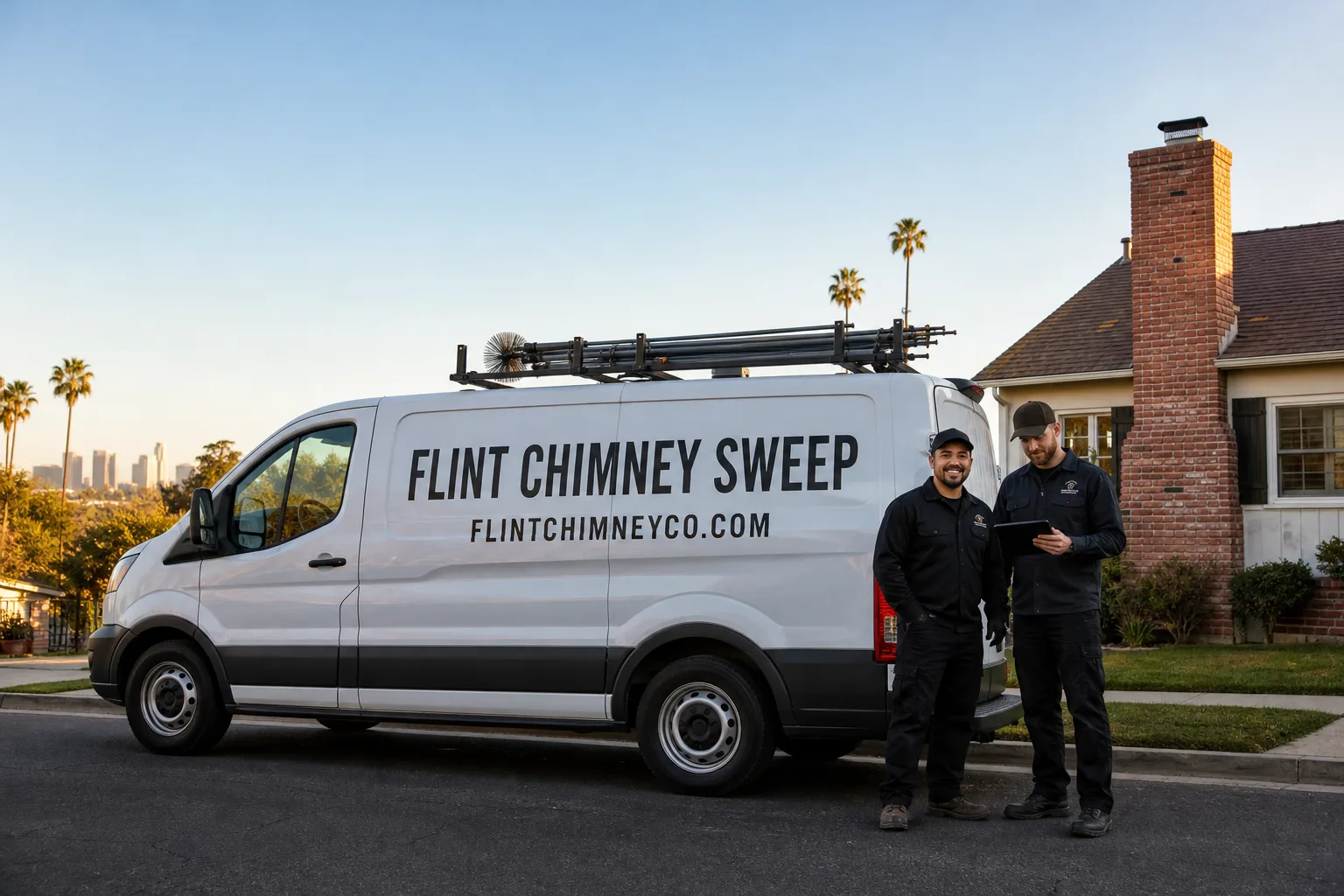
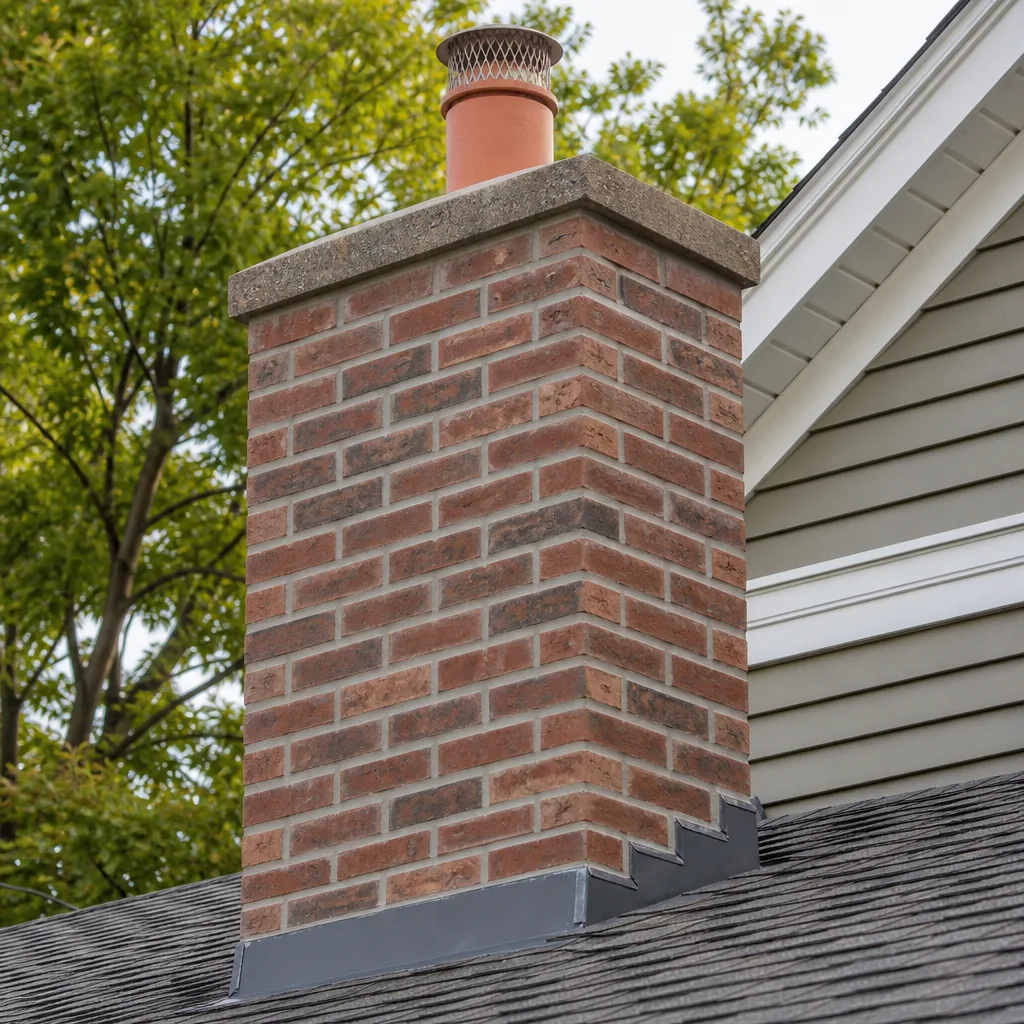
Level 1 sweep and inspection to the NFPA 211 annual standard - flue, crown, cap, and flashing checked and photographed
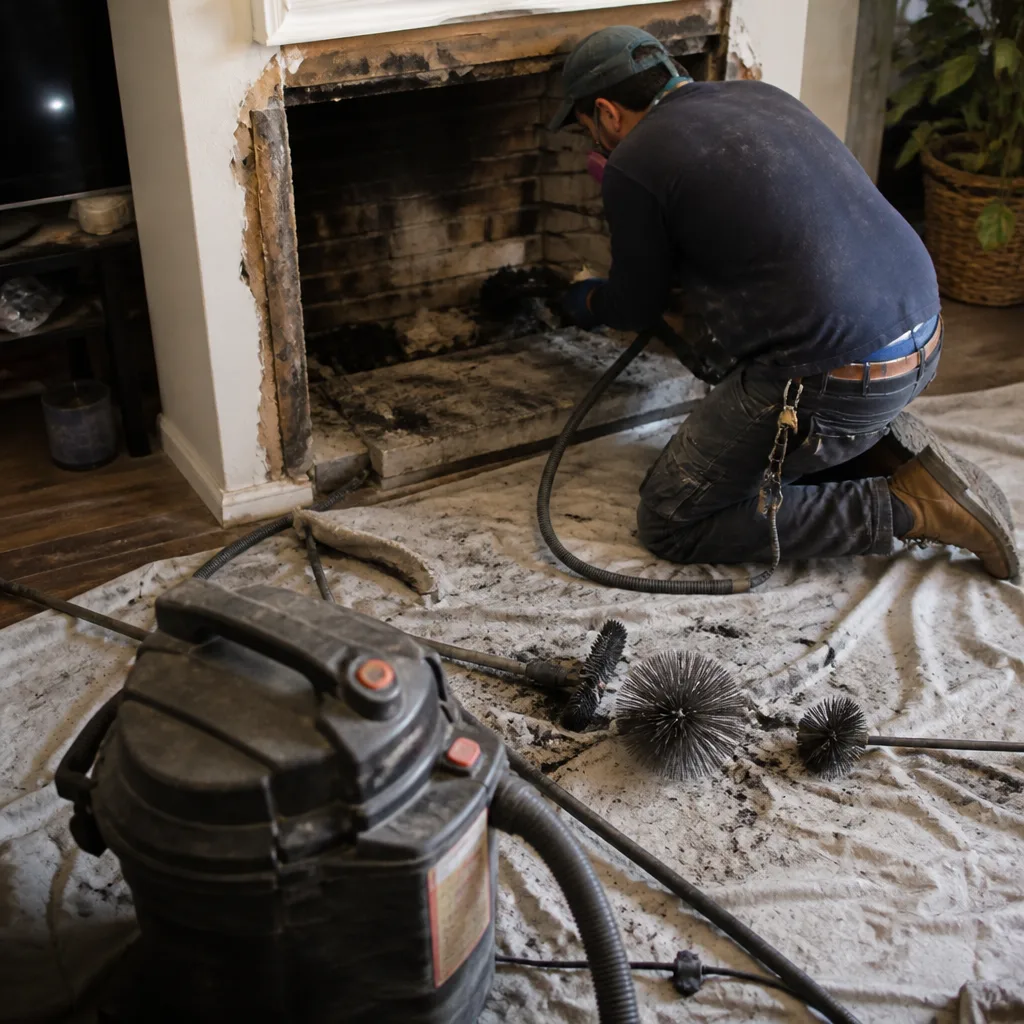
Chimney sweep logs do not sweep chimneys. They loosen some creosote - which then falls where a brush and vacuum still have to collect it.
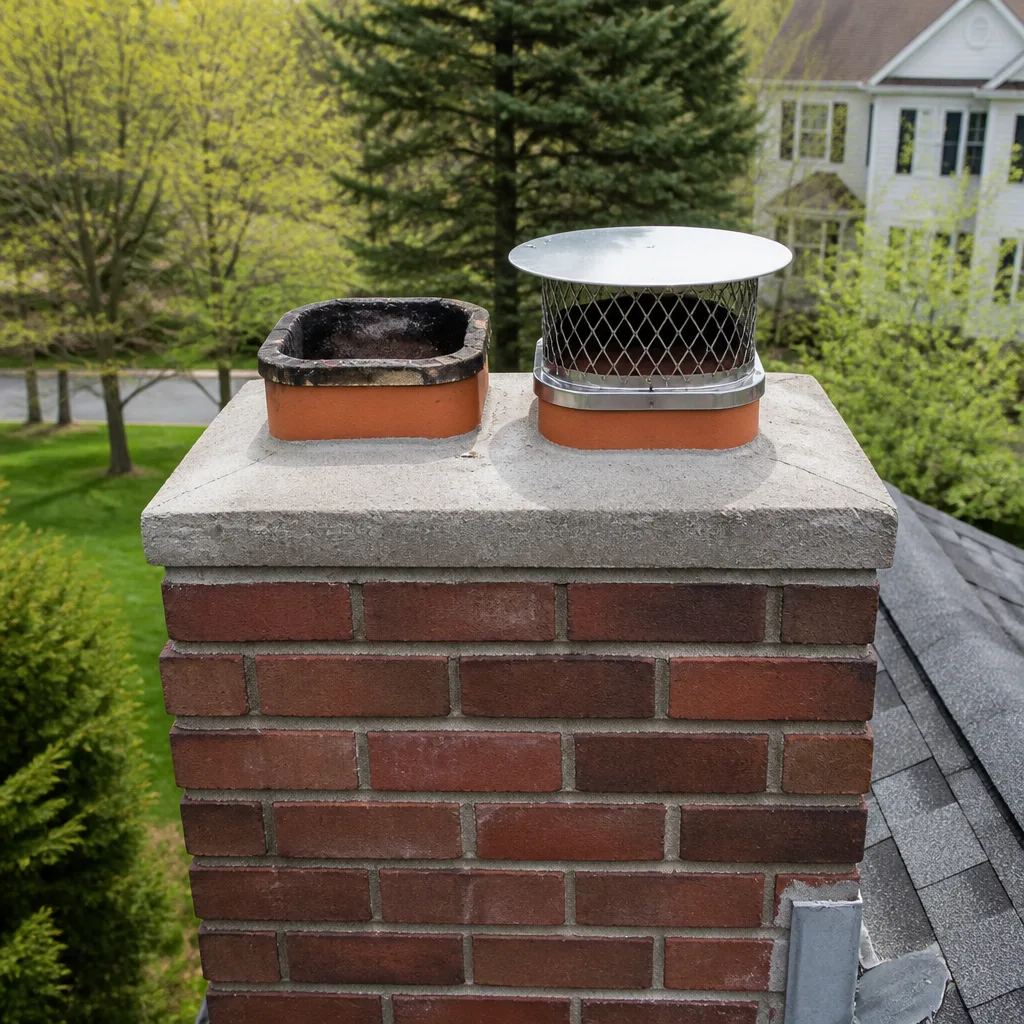
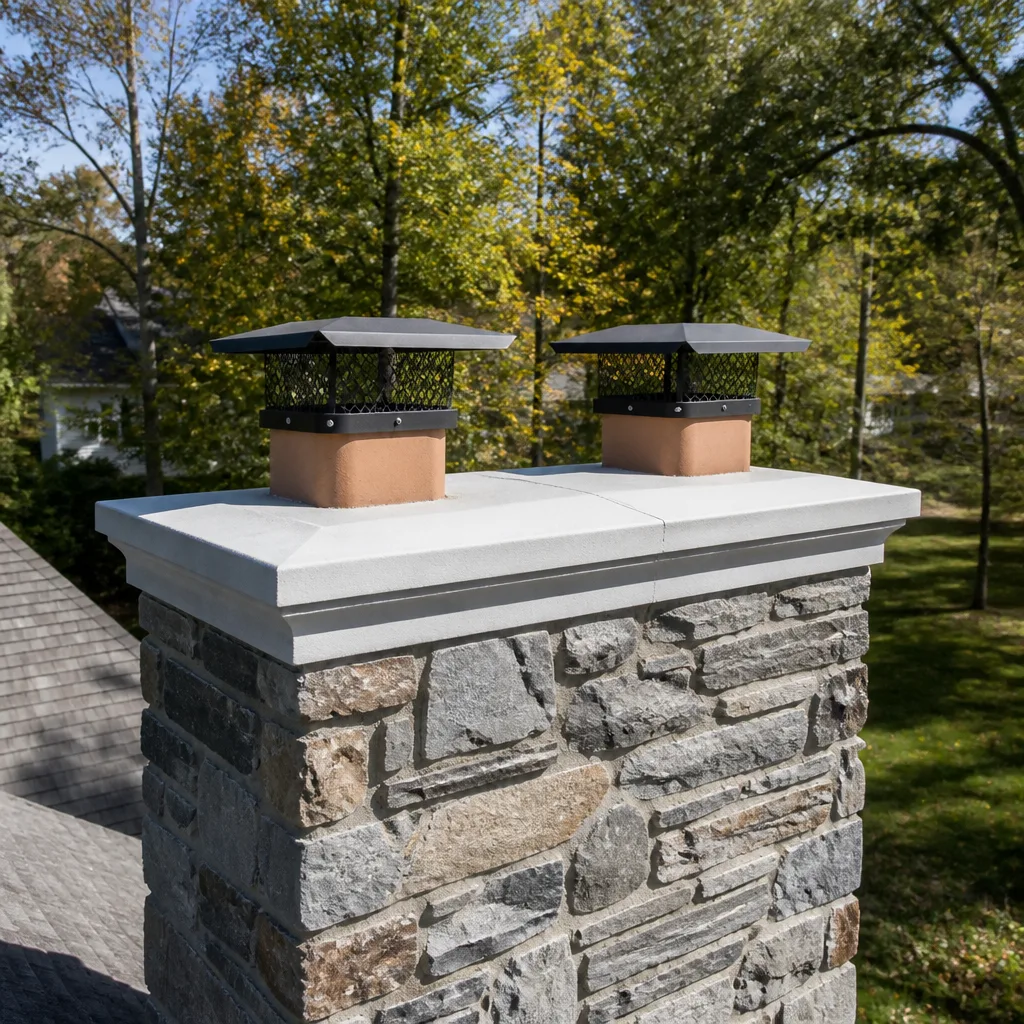
 Before
 After
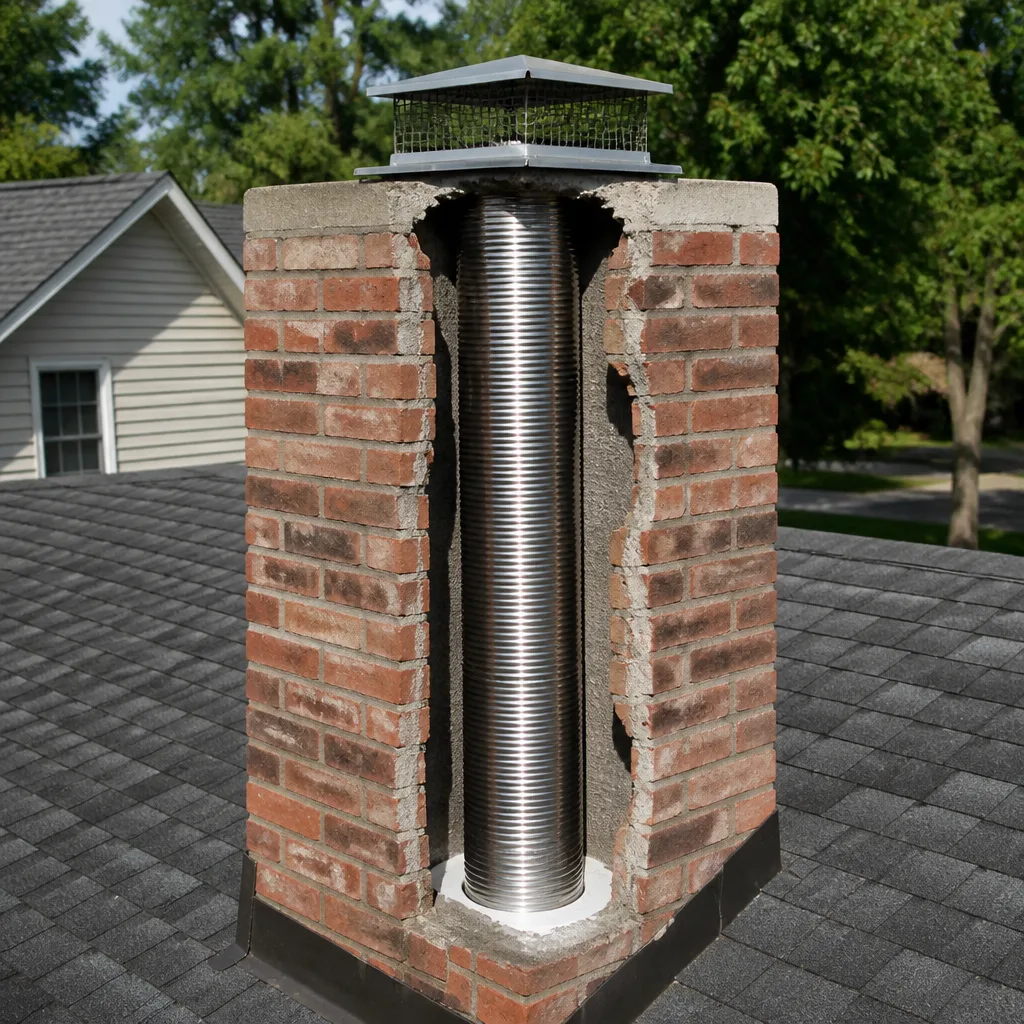
After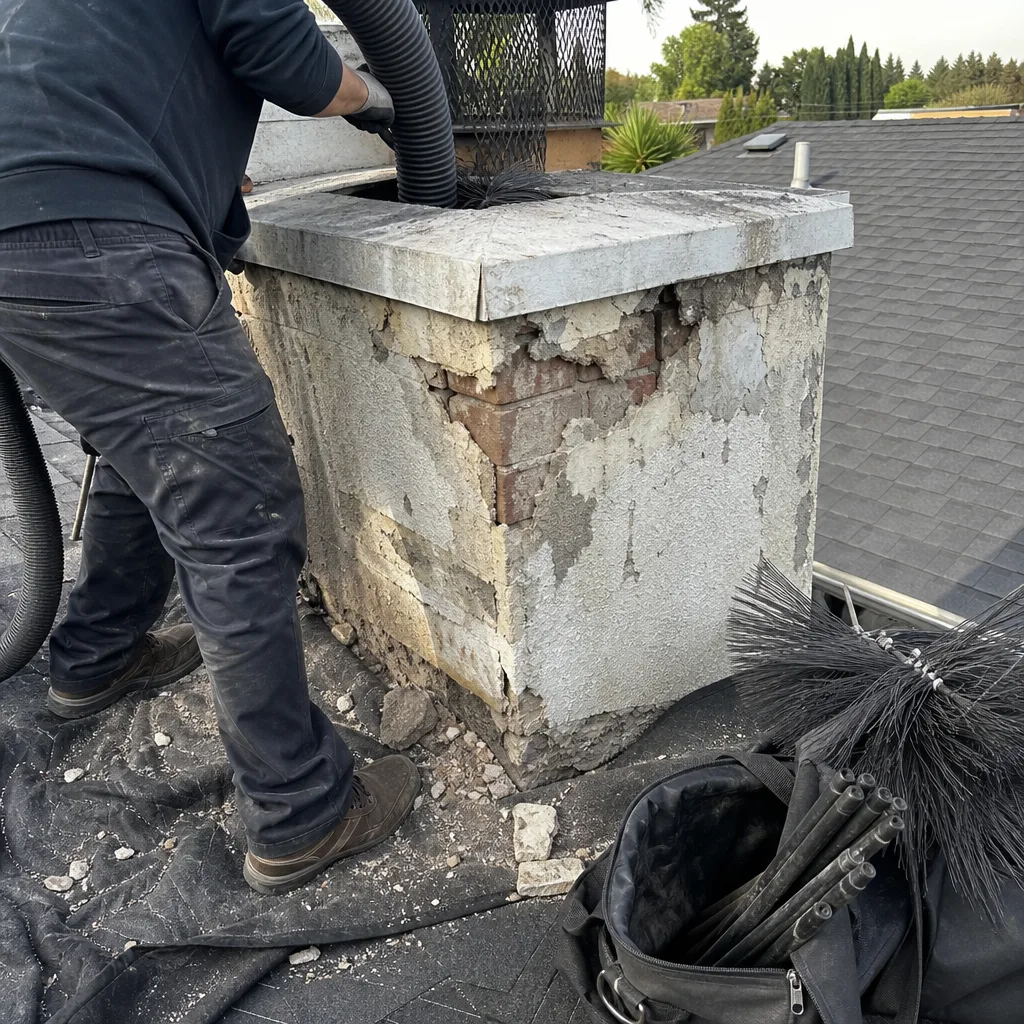 Before
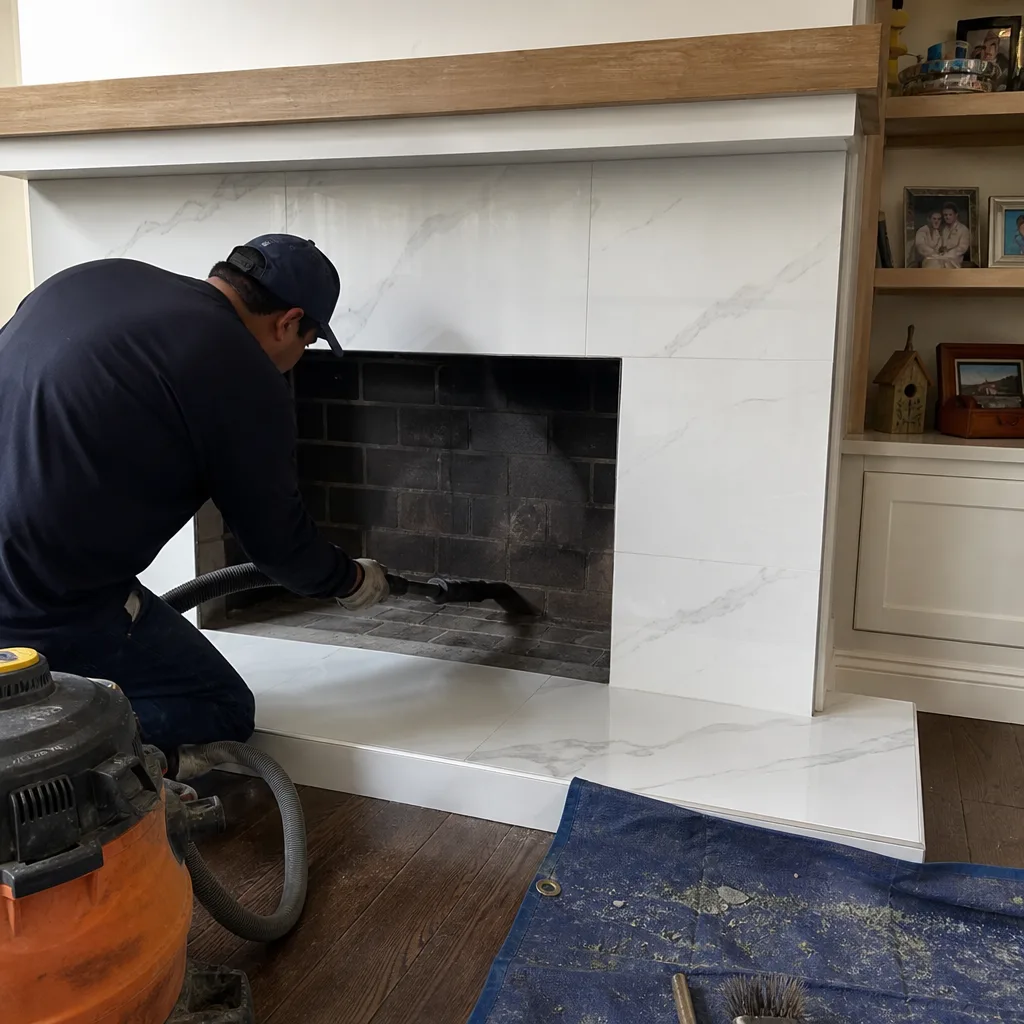 After
After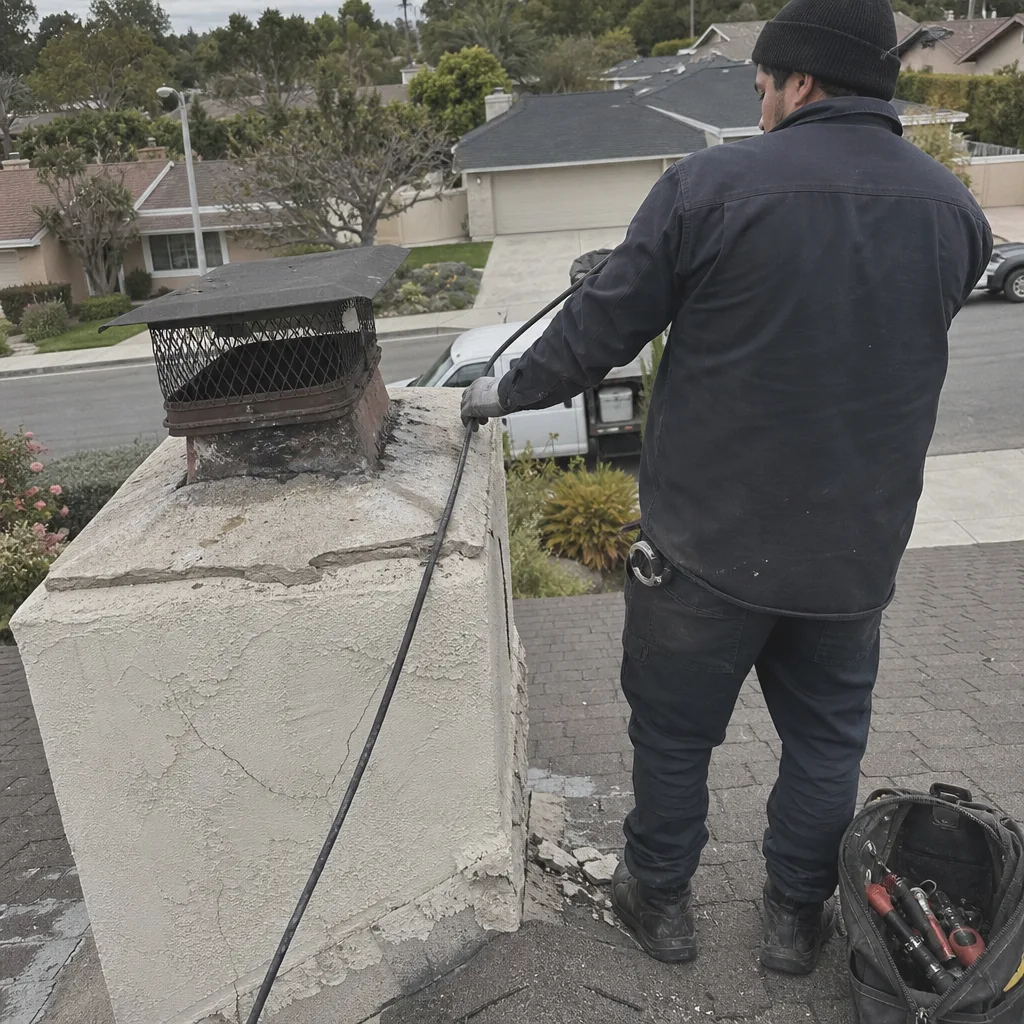 Before
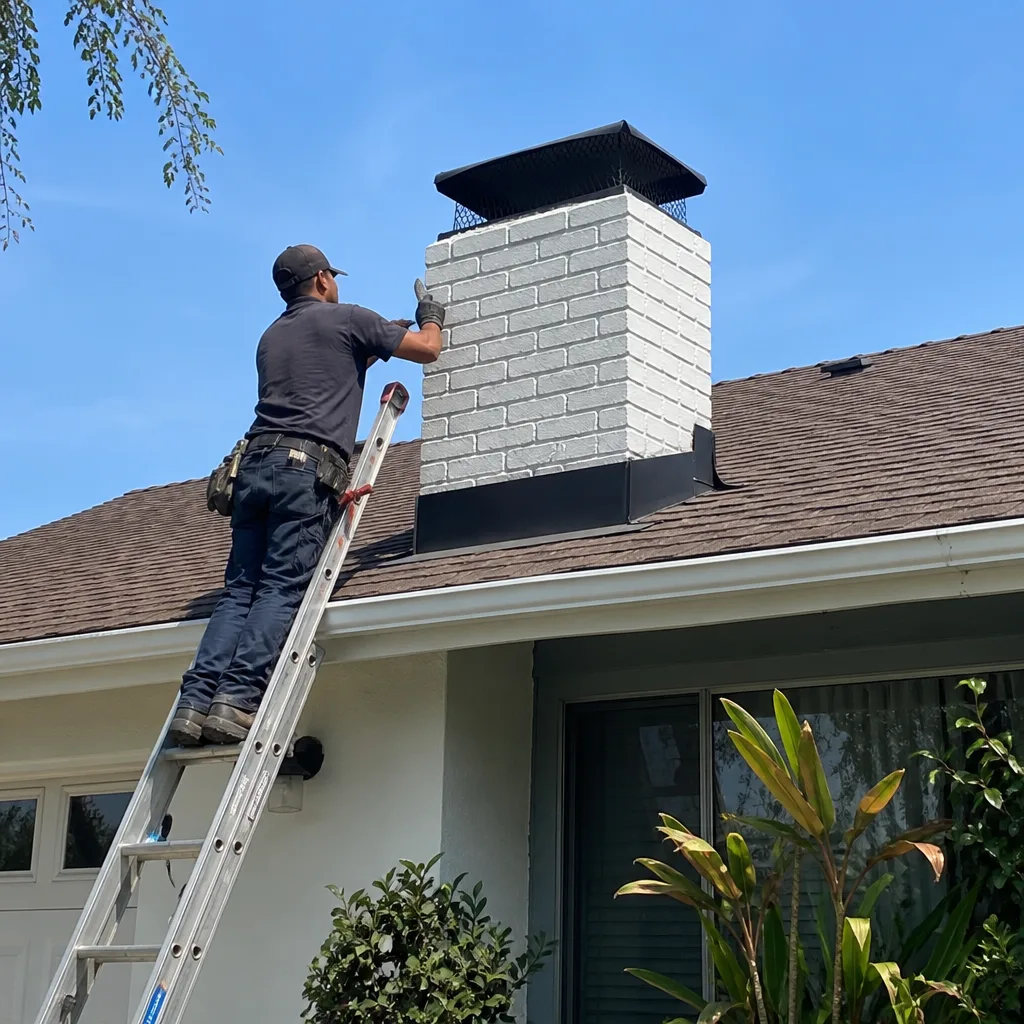 After
AfterFast, Reliable Chimney Inspection Across Miami
A chimney inspection in Miami typically runs $189 – $349 depending on the level and whether we bring a camera up the flue. We schedule most inspections within three to five business days, and every job gets a written price before any work starts, so the number we quote is the number you pay. If you live in Brickell, Coconut Grove, Pinecrest, or anywhere else in Miami-Dade, our techs know the housing stock here: older coral-rock and stucco homes near the bay, newer builds west of the Palmetto, and everything in between. Call (830) 251-4560 and a live person answers, day or night.
We cover the full Miami area, from the high-rises along Biscayne Boulevard to the single-family homes off Bird Road and Kendall Drive. No voicemail trees, no callback forms. You tell us what you’re seeing, we give you a straight answer and a firm price, and we show up inside the window we give you. That’s how Flint Chimney Sweep has operated since 2002 under The Garrison Standard, and it’s the same code every Garrison Partners location follows.
Why Flint Chimney Sweep Is Miami’s Preferred Chimney Inspection Company
Miami homeowners don’t call us because they think their chimney is about to catch fire. They call us because water is staining the ceiling near the chimney, or because a home inspection flagged the flue before closing, or because they haven’t thought about the fireplace in five years and want to know if it’s safe to use. We’re built for those calls.
Our techs are background-checked, uniformed, and dispatched from our Miami office, which means you know exactly who is walking through your door. Every inspection includes a camera run up the flue and a photo report you keep, so there’s no mystery about what we found. The 365-Day Done Right Promise applies to every repair we recommend: if it’s not done right, we make it right, backed by a written guarantee valid for a full year from the service date. That guarantee is the reason Miami homeowners call us back, and it’s the reason our Chimney Inspection team handles hundreds of Miami inspections every year.
Hank Delano, who leads Flint Chimney Sweep, built the company on a simple rule: nothing gets recommended without camera evidence the homeowner can see for themselves. That rule matters more in Miami than almost anywhere else, because our chimneys fail differently than chimneys in colder cities. More on that below.
Level 2 Chimney Inspection in Miami
A Level 2 Chimney Inspection in Miami is the standard inspection we recommend for most homes here, and it’s what a buyer or seller needs during any real estate transaction. The job involves running a camera from the firebox up through the smoke chamber and flue liner, checking the chimney crown, flashing, and cap from the roof, and documenting every finding with photos. Miami code follows NFPA 211, which requires a Level 2 inspection when there’s been a change in use, a property transfer, or any event that could have damaged the chimney, like a hurricane. We charge $249 – $349 for a Level 2 inspection depending on roof access and flue height, and the written price comes before we start, never after.
What a Level 2 Camera Actually Finds Here
In Miami, the camera usually finds water damage before it finds creosote. We’re looking at rusted damper assemblies from salt air, spalled (crumbling) chimney crowns, lifted flashing, and moisture staining inside the smoke chamber. Creosote buildup does happen here, especially in fireplaces people actually use during the handful of cool weeks in January and February, but it’s rarely the primary problem. A camera catches what a visual look from the firebox misses: cracks in the flue liner, failed mortar joints, and water tracking down the interior walls. That’s why we won’t do a Level 2 without one.
When Miami Homeowners Actually Need One
If you’re buying or selling a home anywhere in Miami, your realtor or lender will likely require a Level 2 inspection before closing. If your chimney went through Hurricane Ian, Nicole, or any summer squall strong enough to throw debris at the roof, a Level 2 is the right call. Same if you hear dripping inside the chimney during a storm, smell musty air near the firebox, or see water staining on the ceiling surrounding the chimney chase. If you just want a basic check because you use the fireplace once a year, a Level 1 inspection ($189 – $219) is usually enough.
Chimney Leak in Miami
A chimney leak in Miami is almost never just a chimney problem, and it’s almost never just a roof problem either. It’s a flashing problem, a crown problem, or a cap problem, and the rain here finds weakness fast. Miami gets hammered with wind-driven rain from May through October, and salt water carried inland accelerates rust on chimney caps, damper assemblies, and any exposed metal component. We charge $189 – $349 for a leak-diagnostic inspection, which includes the camera run and photo report. If we find the leak source, we put the repair in writing with a firm price before any work begins.
Where Water Gets In: Crown vs. Flashing vs. Cap
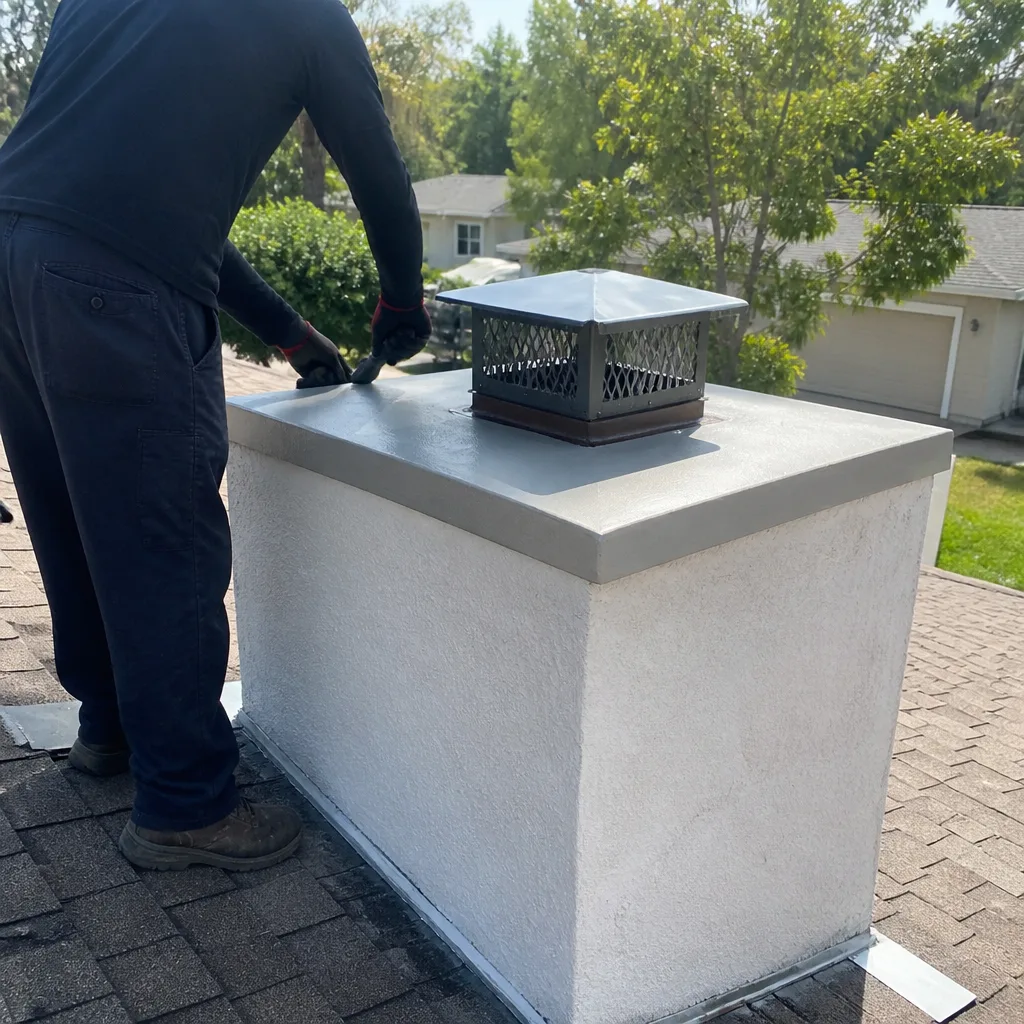
The three places water enters a Miami chimney are the crown (the concrete cap on top), the flashing (the metal seal where chimney meets roofline), and the chimney cap (the metal cover over the flue opening). Salt air corrodes caps quickly, especially on older homes in Coral Gables and Coconut Grove where the cap was installed decades ago. Flashing lifts when hurricane-force winds flex the roof structure. Crowns spall when repeated wet-dry cycles crack the concrete, and Miami’s sun bakes those cracks wider with every dry season. A camera inspection tells us which one is the problem, and we only recommend repairs we can show you in the photo report.
What We Tell Homeowners When the Liner Is Fine
Sometimes we climb down off the roof and tell you the liner is in good shape and the leak is purely a flashing or crown issue. That happens more than people expect. Last spring, on a Coral Gables home near the Biltmore, our tech pulled a Level 2 camera up through the smoke chamber and found the flashing had lifted and the chimney crown had spalled after a summer squall. Not a creosote problem at all. We re-secured the flashing, patched the crown, and left the Gelco liner as-is since it passed. We reseated the damper and handed the homeowner a photo report showing exactly where the water was tracking in. No fire hazard that visit, but if that crack had gone another wet season, moisture would have reached the flue liner and turned a $400 repair into a $4,000 reline.
Trusted Brands We Service in Miami
Flint Chimney Sweep works with professional-grade materials, and we name them so you can verify quality yourself. For Miami homes with rusted or damaged liner sections, we often specify HeatShield, a cast-in-place material that resurfacing flues without a full teardown. For masonry waterproofing and crown repair, we use Gelco products built for coastal exposure. Olympia Chimney supplies the caps and dampers that hold up best to salt air, and Famco makes the fans and terminations we install on Miami roofs. We keep common parts stocked locally, which means faster turnarounds for Chimney Inspection in Miami customers who need a cap replaced or a damper swapped. Fast turnaround, honest material choices, and a written price before the work starts.
Common Chimney Inspection Problems We See in Miami Homes
- Rusted chimney caps and damper assemblies. Salt-laden air off Biscayne Bay and the Atlantic eats exposed metal fast. We pull rusted caps off Miami chimneys regularly, and a replacement cap is almost always cheaper than the water damage it prevents.
- Spalled (crumbling) chimney crowns. Wet summers and intense dry-season sun crack concrete crowns year after year. A cracked crown lets water into the brick below, which turns a surface patch into a structural repair if it’s ignored too long.
- Lifted flashing from wind-driven rain. Hurricanes and summer squalls flex roof decks and lift the flashing where chimney meets shingle. The leak often shows up as a ceiling stain in a second-floor bedroom, nowhere near the firebox.
- Third-degree creosote in rarely-used fireplaces. Even if you only light fires a few weeks a year, the creosote that does form can be the dense, tarry kind that brushes won’t remove. A camera inspection identifies it, and we tell you straight whether you need chemical treatment or mechanical removal.
Pricing for Chimney Inspection in Miami, FL
We Also Serve Cities Near Miami
Flint Chimney Sweep handles inspections across the Miami metro. We regularly serve Miami Beach, Coral Gables, Key Biscayne, and Hialeah, with the same written pricing, background-checked technicians, and 365-Day Done Right Promise on every job, in every neighborhood. If you’re anywhere in these nearby communities, give us a call and we’ll schedule you on the same rotation as our Miami work.
Serving Miami, FL - Our Local Coverage Area
We’re based in the Miami area and know this community well. Use the map below to see our service coverage - if you’re nearby, we can almost certainly help.
FAQs About Chimney Inspection in Miami
How often do I really need a chimney inspection in Miami if I almost never light a fire?
NFPA 211 recommends an annual inspection, and that applies even in Miami where fires are rare. The reason isn’t creosote; it’s water intrusion, rust, and general deterioration from salt air and summer rain. An annual Level 1 or Level 2 inspection catches caps, flashing, and crowns failing before they leak into your ceiling. Yearly might sound like a lot, but a $219 inspection is a lot cheaper than repairing water damage in a second-floor ceiling. Call (830) 251-4560 and we’ll schedule yours.
Do you do same-day chimney inspections in Miami?
No, we don’t offer same-day dispatch because every inspection is scheduled with a firm time window, and our techs come prepared for the specific chimney type and roof access at your home. We typically schedule within three to five business days. If you have a real water leak or storm damage concern, tell us when you call and we’ll do our best to get to you sooner. A live person answers 24/7 at (830) 251-4560.
What does a Miami chimney inspection actually include?
A Level 2 inspection includes a camera run from the firebox up through the smoke chamber and flue liner, a roof-level check of the crown, flashing, and cap, a damper operation test, and a written photo report showing exactly what we found. That report is yours to keep, and if a real estate transaction needs it, we format it accordingly. Nothing gets recommended without camera evidence you can see. Same process, same price, whether you’re in Kendall, the Upper Eastside, or anywhere else in Miami.
My chimney leaks during summer storms – is that a chimney problem or a roof problem?
It’s usually a flashing problem, which means both the chimney and the roof are involved. Chimney flashing is the metal seal where the chimney meets the roofline, and when a Miami summer storm drives rain sideways, failed flashing lets water run straight down the chimney chase and into the house. It can also be a cracked crown or a rusted cap. A camera inspection with a roof evaluation tells you which one it is, and we only recommend the repair we can prove in photos. Estimates are free at (830) 251-4560.
What is third-degree creosote and can you just brush it out?
Third-degree creosote is the dense, tarry, baked-on glaze that forms when flue gases condense and harden. Standard chimney brushes won’t remove it; it requires chemical treatment or mechanical removal with a rotary chain. In Miami, we see this less often than water damage, but it happens in fireplaces that get heavy use during the few cold weeks we get. A camera inspection identifies what type and how much creosote you have, and we give you a written price for removal if it’s needed. Call (830) 251-4560 for an exact quote.
Written by Hank Delano, Owner at Flint Chimney Sweep, serving Miami and the surrounding communities since 2002.