
Level 1 sweep and inspection to the NFPA 211 annual standard - flue, crown, cap, and flashing checked and photographed
Chimney sweep logs do not sweep chimneys. They loosen some creosote - which then falls where a brush and vacuum still have to collect it.
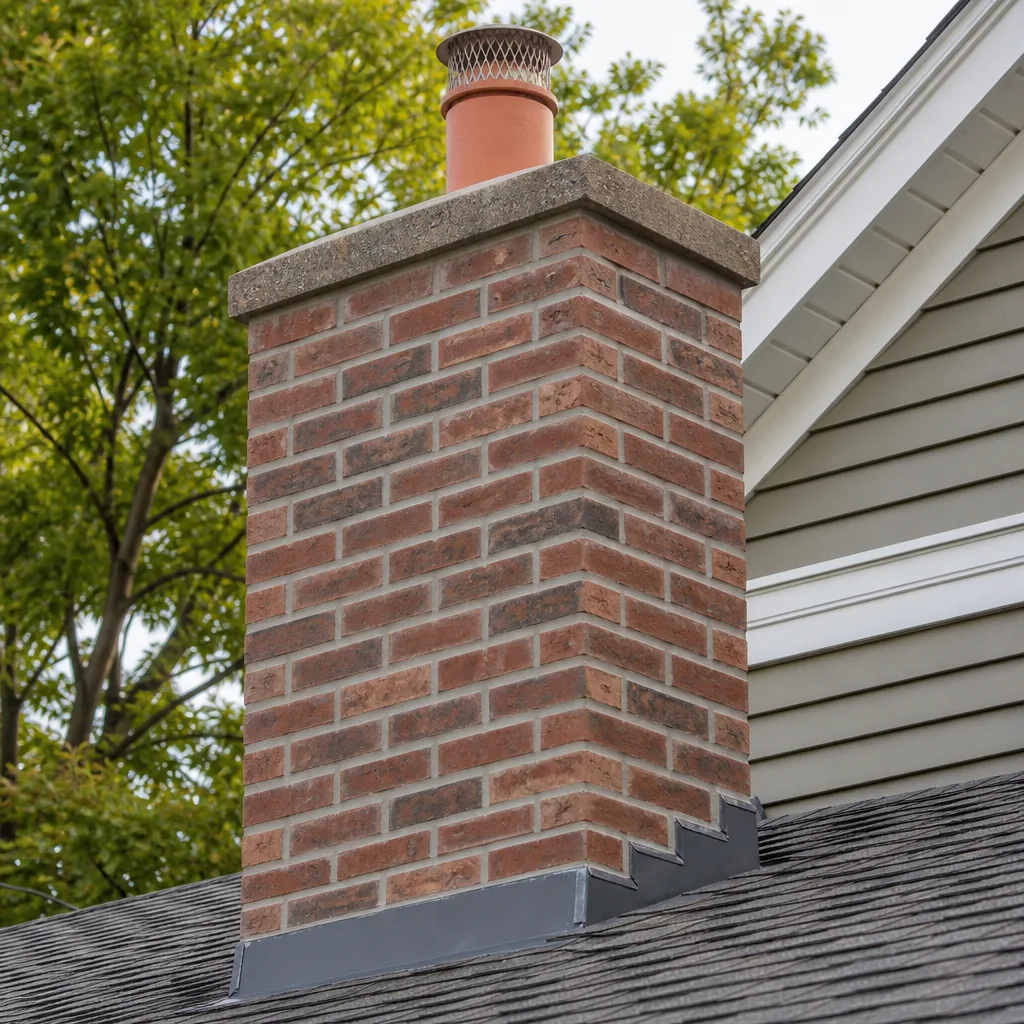
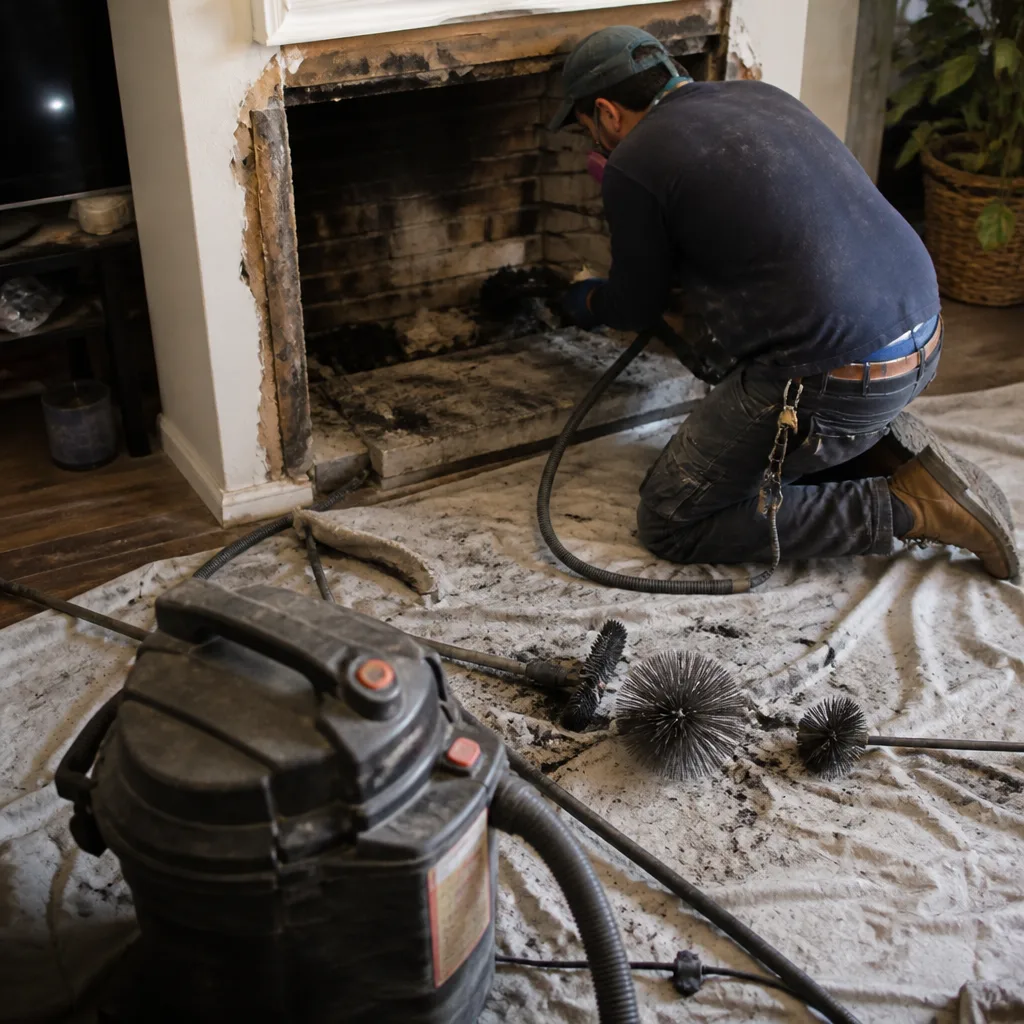 Before
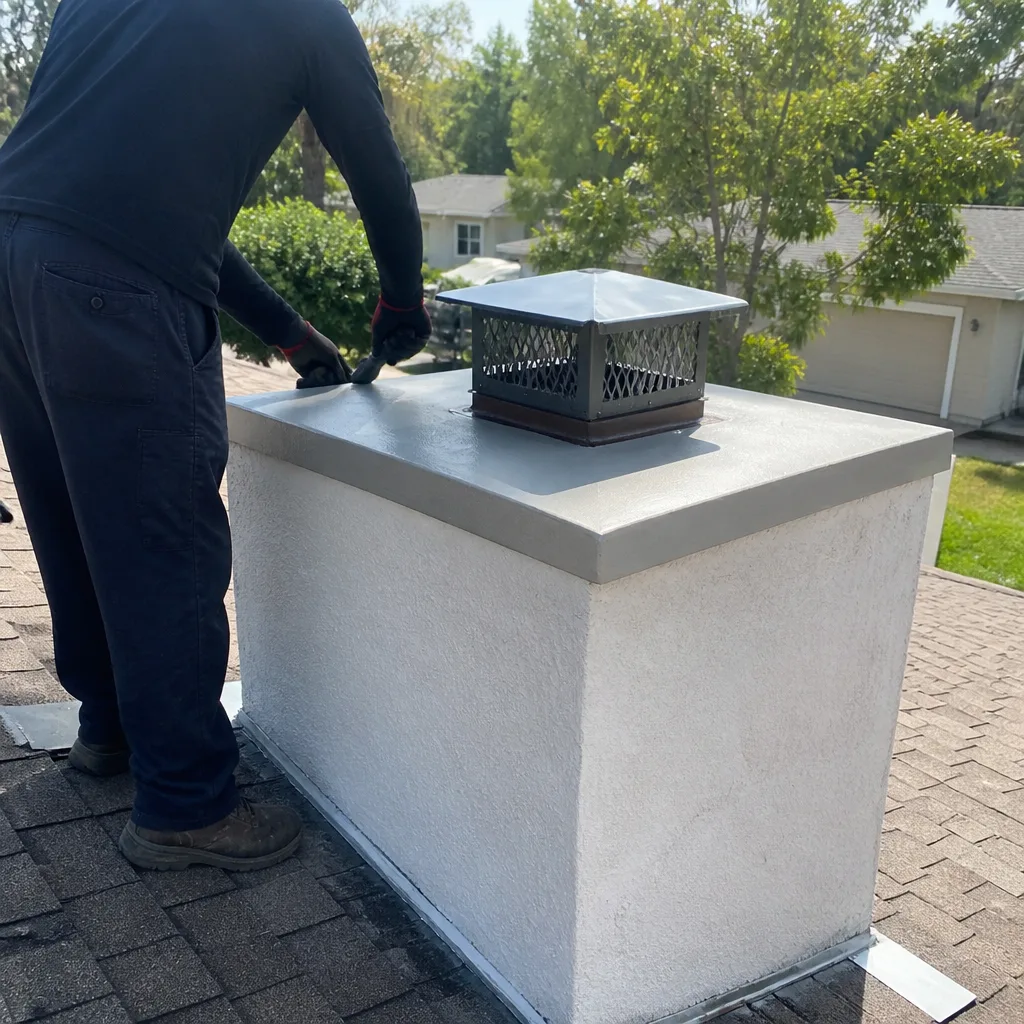 After
After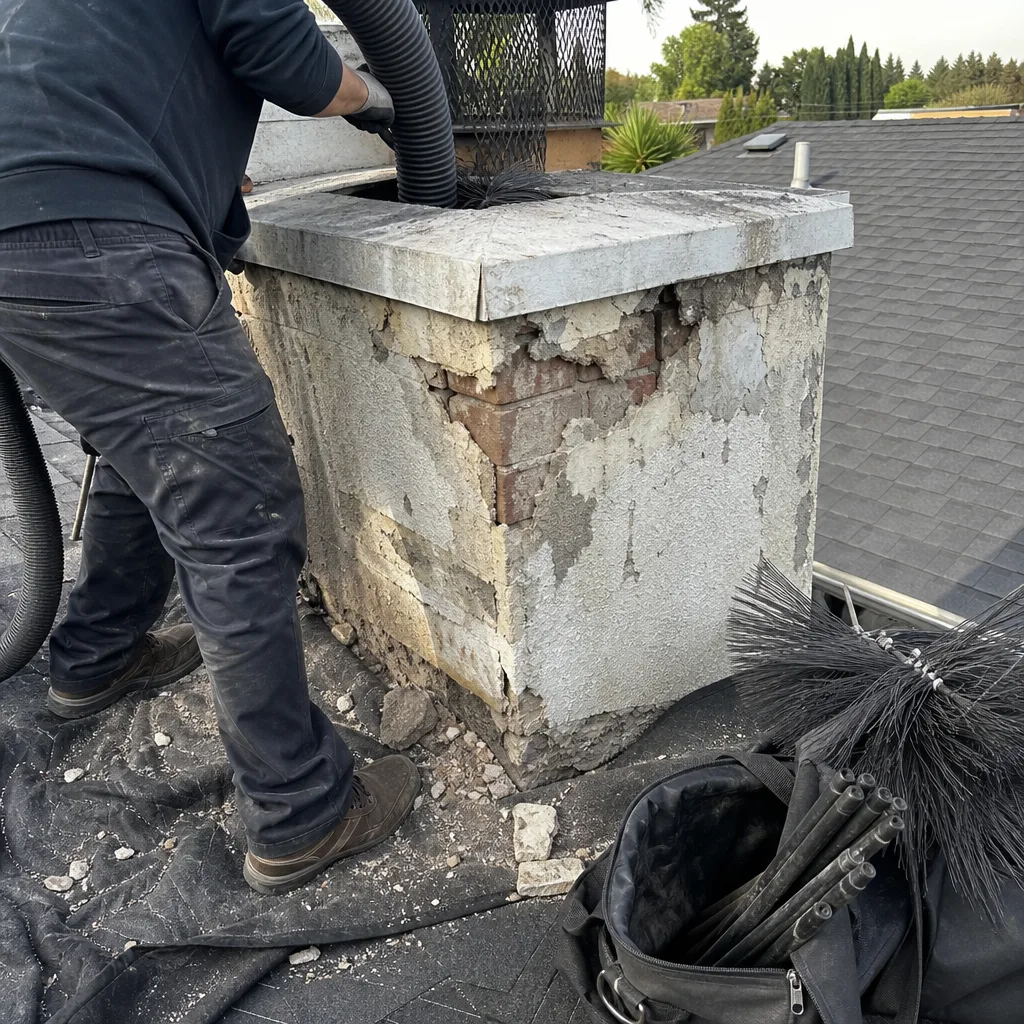 Before
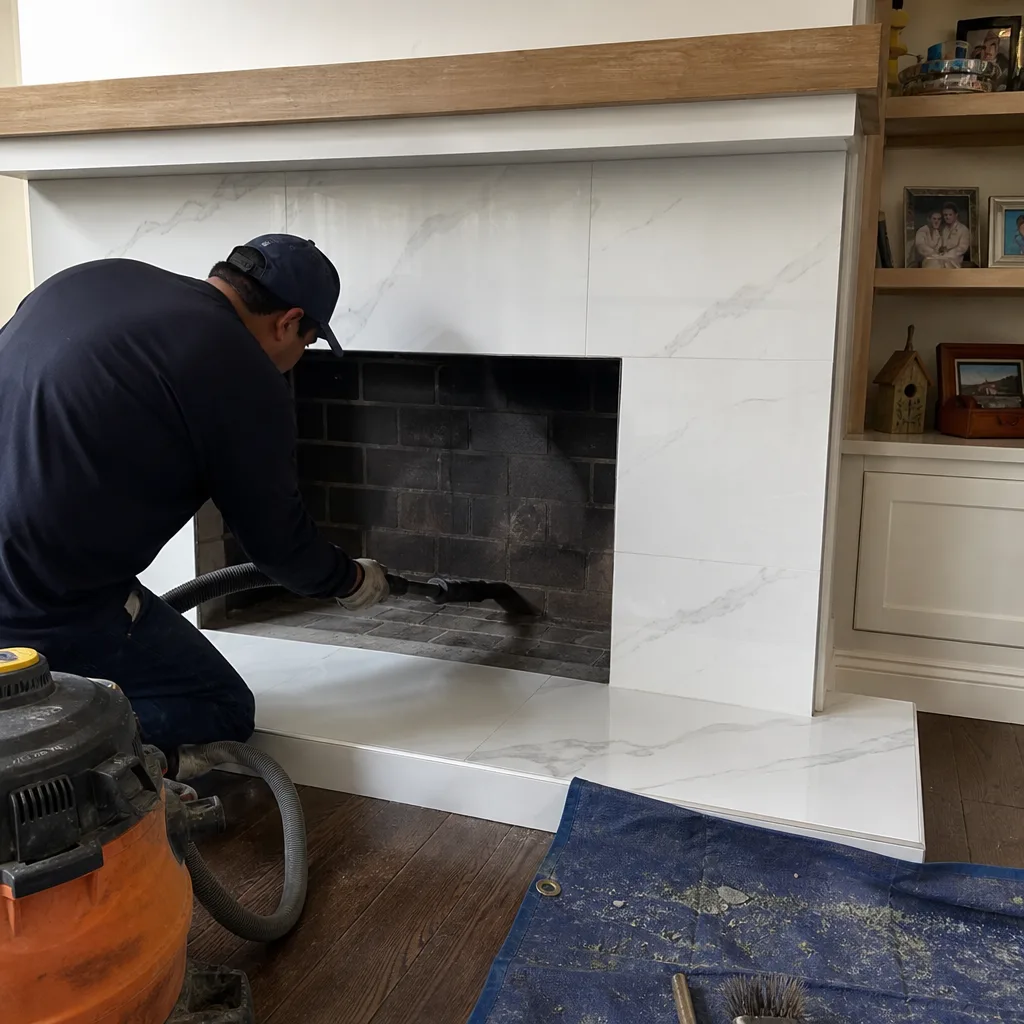 After
After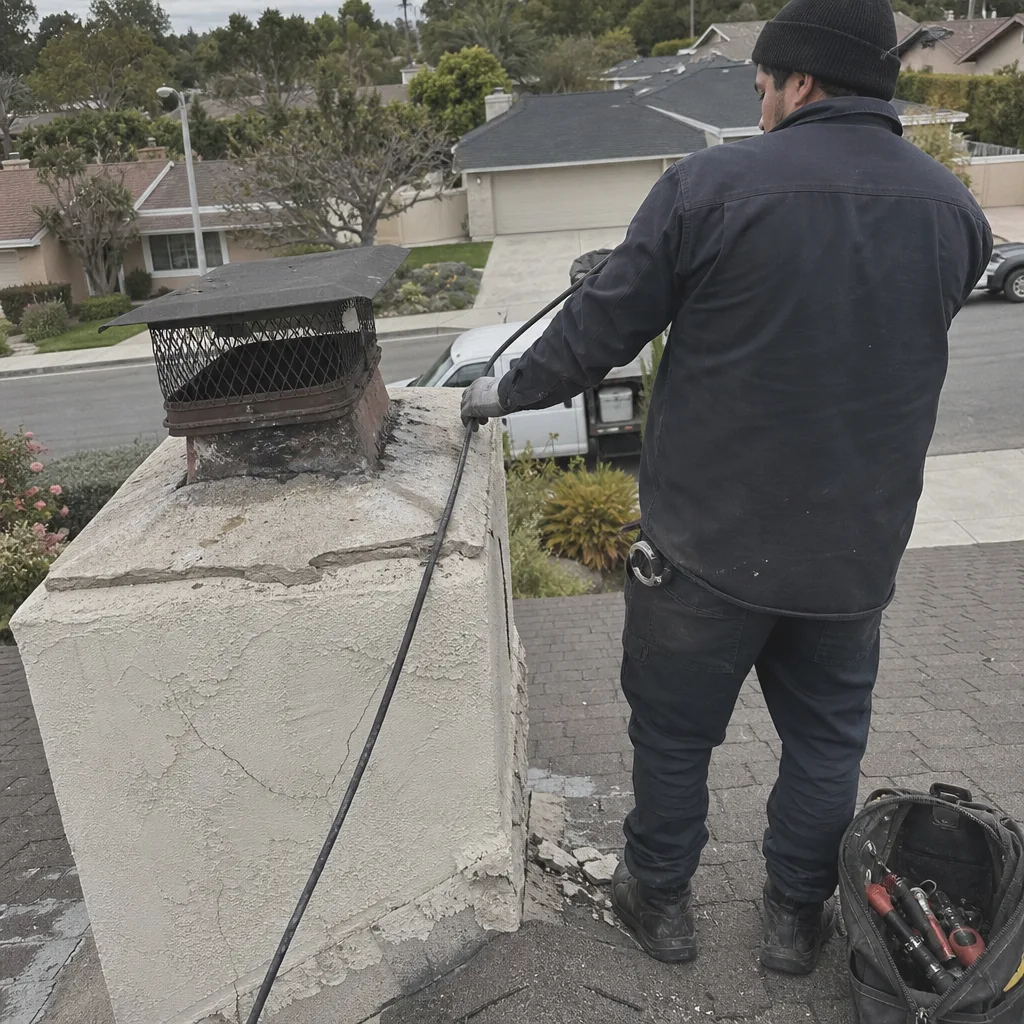 Before
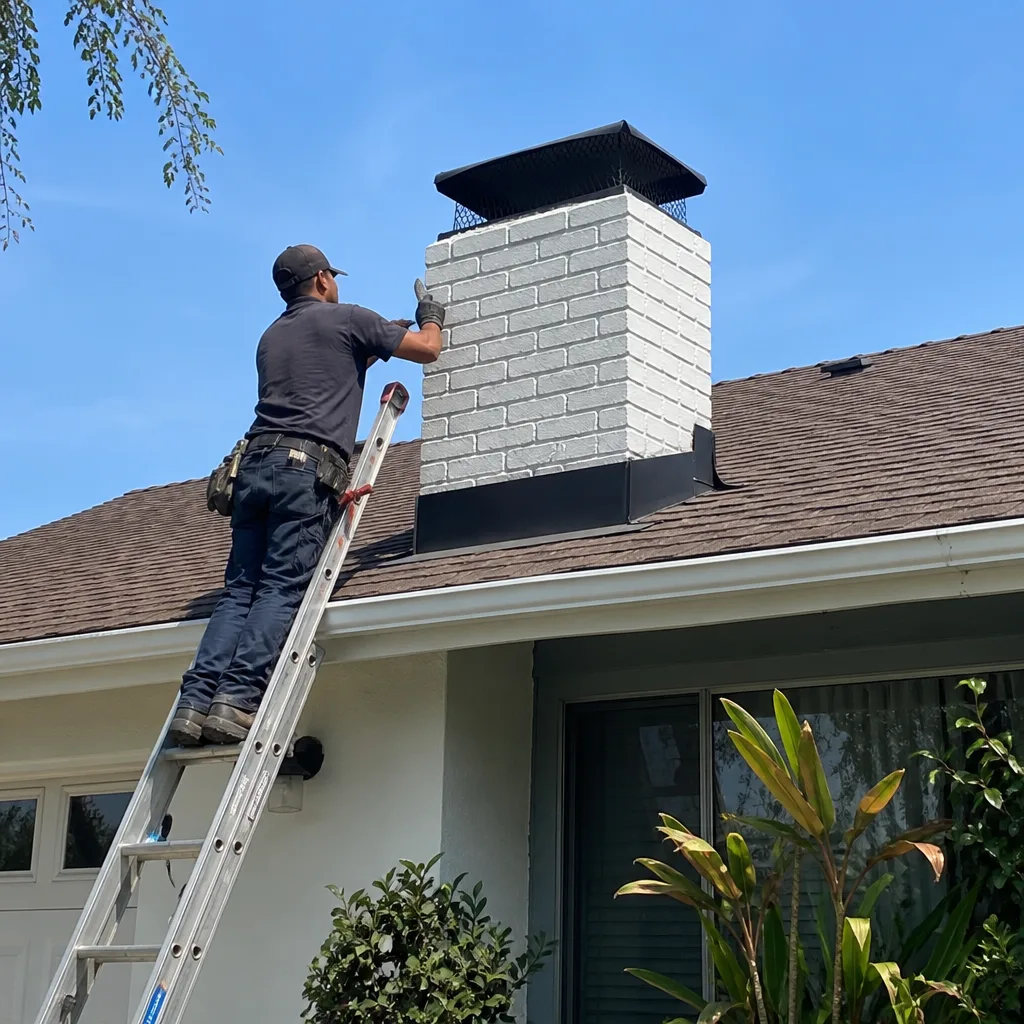 After
AfterFast, Reliable Chimney Inspection Across Newark
A chimney inspection in Newark is a thorough visual and camera-based check of your flue, firebox, damper, cap, and chimney crown to confirm the system is safe to burn or identify exactly what needs repair. Most inspections take 45 to 90 minutes and include a written photo report you can hold in your hands before the tech leaves. At Flint Chimney Sweep, every inspection gets a written price before the work starts, and every repair we recommend comes with our 365-Day Done Right Promise in writing. Call (830) 251-4560 to book.
We work across Newark’s neighborhoods daily: the Ironbound, Forest Hill, Weequahic, the North Ward, and down along McCarter Highway. That matters because a Level 2 camera inspection on a brick three-decker in the East Ward can show a completely different chimney than a post-war ranch near Branch Brook Park on the same afternoon. Newark’s housing stock is old enough and varied enough that guessing is expensive. Our techs know the difference because they see it week after week.
Why Flint Chimney Sweep Is Newark’s Preferred Chimney Inspection Company
Flint Chimney Sweep has been operating since 2002 as part of the Garrison Partners family of independently owned chimney service companies. That means every crew rolling into Newark runs on the same written code: a documented price before any tool comes off the truck, a written guarantee on every repair, and a uniformed, background-checked technician you can identify at the door. We don’t ask Newark homeowners to trust us on faith. We put the scope and the price in writing, and we stand behind the repair for a full year.
Led by Hank Delano, our Newark dispatch and scheduling is coordinated from the brand’s New York City office, with local crews serving the city directly. When you call, a live person answers, not a voicemail tree. That’s true at 9 a.m. on a Tuesday and at 2 a.m. on a Sunday. Newark homeowners who have been burned by no-show sweep companies tend to notice that.
We carry a strong local reputation in Newark because the report you get is specific to your house, not to your ZIP code. You’ll see photos of what we found, an honest note about whether it can wait, and a written price for anything we recommend. No upsell pressure. No vague assurances. Just the facts, in writing.
Chimney Flue Inspection in Newark
A Chimney Flue Inspection in Newark is the process of running a camera up the inner liner of your chimney to check for creosote buildup, cracked clay tiles, spalling mortar joints, and any blockage that could push smoke or carbon monoxide back into the house. In Newark, where flues range from unlined brick on an 1890s iron-front in Forest Hill to stainless HeatShield-relined chimneys on gut-renovated Ironbound properties, the only way to know what you actually have is to look. A standard flue inspection with a camera report typically runs $180 to $340 in Newark’s market, depending on chimney height, flue access, and whether we’re also doing a full Level 2 inspection at the same time.
Camera Verification Before Any Recommendation
We don’t recommend a liner replacement or a HeatShield resurface because a flue “looks dirty.” We run the camera, take stills, and show you exactly what we saw. If the clay tile is cracked at the third course, you’ll see it. If the flue is in good shape and just needs a sweep, we’ll say so, and you’ll get the sweep at the written price you approved before we started.
What the Flue Report Tells Us
The camera report tells us three things: the flue construction (brick, clay tile, or steel liner), the creosote stage (first, second, or third degree), and any structural damage like spalling or separation. That’s what drives the recommendation. In Newark, we routinely find century-old chimneys with parged smoke chambers that have shed mortar into the firebox, but a clean flue above. The report separates what needs attention now from what can wait.
Chimney Fire in Newark
A Chimney Fire in Newark most often starts when third-degree creosote, a hard, glazed, tar-like coating on the flue walls, ignites from a hot fire or a stray ember. The fire can reach 2,000 degrees Fahrenheit inside the flue, cracking the clay liner, warping the damper, and in the worst cases spreading to the roof structure. Newark’s older housing stock, especially the brick rowhouses and three-deckers built before 1940, carries higher risk because many still have original clay tile liners or unlined brick flues never designed for modern wood stoves or continuous burning. A camera inspection is the only way to know whether your creosote is first-degree (light soot, safe to brush) or third-degree (glazed, hardened, a genuine fire hazard).
Signs We Look For Before a Chimney Fire Happens
Third-degree creosote doesn’t announce itself from the living room. What we look for: glazed black deposits visible at the flue top, smoke backing up into the room during startup, a strong campfire smell even when the fire is out, and popping or crackling sounds from the flue while burning. If a Newark homeowner reports any of these, the inspection becomes urgent, not routine. We’ll still give you a written price before any remediation starts.
What Fixes It and What Doesn’t
A standard chimney sweep removes first- and second-degree creosote with rotary brushes and rods. Third-degree creosote, the glazed kind, requires chemical treatment or mechanical removal with a specialized chain whip, and sometimes a professional-grade product application. After the flue is clean, we re-camera the flue and show you the before and after. If the liner is already cracked from a previous chimney fire, a HeatShield resurfacing or a new DuraFlex liner may be the right call, and we’ll put that recommendation and a written price on paper before you decide.
Trusted Brands We Service in Newark
We install and service professional-grade chimney products including HeatShield, Gelco, and Olympia Chimney. When we recommend a lining repair or a damper replacement, we name the specific brand and model on your written quote so you can verify the product independently. We stock common parts and materials for Newark customers, which keeps turnaround on flue relining and smoke chamber parging faster than ordering blind. Our crews are trained on these systems, and we back every repair with the 365-Day Done Right Promise, a written guarantee valid for one full year from the service date.
Common Chimney Inspection Problems We See in Newark Homes
- Spalling mortar in the smoke chamber on pre-war brick flues. Newark’s iron-front Victorians and three-deckers often have parged smoke chambers that shed mortar after decades of heating and cooling. The camera catches it before the debris blocks the flue.
- Missing or rusted chimney caps on rowhouses near the Passaic River. Damp air off the river accelerates cap and crown deterioration. A missing cap lets rain, birds, and leaves into the flue, which turns into a blockage and a carbon monoxide risk.
- Glazed third-degree creosote in wood-burning flues. Homes in Forest Hill and Weequahic that burn hard through winter without an annual sweep often show glazed creosote at the top three feet of the flue. It’s a fire hazard, and only mechanical removal clears it safely.
- Cracked clay tile liners in chimneys built before 1960. Newark’s post-war ranches and older colonials often still have the original clay tile flue. A Level 2 camera inspection will show whether a crack is surface-level or structural, and whether it can wait or needs a HeatShield resurface.
Pricing for Chimney Inspection in Newark, NJ
A Level 1 visual inspection in Newark typically runs $99 to $175. A Level 2 camera inspection, which includes the photo report and is what we recommend for most homes over 50 years old or any chimney that has had a fire, runs $180 to $340. A Level 3 inspection, which involves opening a portion of the chimney to inspect the interior structure, starts around $500 and goes up with access complexity. What moves the number: chimney height, roof pitch, whether the flue is brick or lined, and whether we’re combining the inspection with a sweep. Every quote is written before work starts, and the price on the invoice is the price you approved. Call (830) 251-4560 for a free estimate.
We Also Serve Cities Near Newark
Our crews run Chimney Inspection work throughout the metro area, including Elizabeth, Bayonne, Jersey City, and Hoboken. If you’re outside Newark but still in Hudson or Union County, the same written-price process and 365-Day Done Right Promise apply. Call (830) 251-4560 to book in any of these cities.
Serving Newark, NJ - Our Local Coverage Area
We’re based in the Newark area and know this community well. Use the map below to see our service coverage - if you’re nearby, we can almost certainly help.
FAQs About Chimney Inspection in Newark
No. If you burn fewer than 20 fires a season and the flue was clean at the last inspection, an inspection every two to three years is usually sufficient. What we care about is creosote buildup and structural change, not a calendar. If you burn wood heavily or your chimney is unlined brick from the early 1900s, an annual Level 2 camera inspection is the safer schedule. If you’re not sure what schedule fits your chimney, call (830) 251-4560 and we’ll give you a straight answer after looking at it.
A Level 1 inspection is a visual check of the accessible parts of the chimney and flue, good for homes that have not changed anything and have no history of problems. A Level 2 inspection adds a camera run up the full flue and a photo report, required for property transfer, after any chimney fire, or if the home has had major renovations. A Level 3 inspection is more invasive, involving opening a portion of the chimney or surrounding structure to examine hidden areas, and we only recommend it when a Level 2 camera inspection points to a suspected structural problem. In Newark, we recommend Level 2 for most pre-1950 homes.
We can give you the honest range: $99 to $340 for the inspection depending on level and access. But we won’t quote a repair sight unseen, and neither will a reputable company. A century-old brick flue in Forest Hill can hide spalling mortar that changes the scope. A post-war ranch near Weequahic might have a clean clay tile liner and need nothing but a cap replacement. We look first, quote in writing, and you decide.
Third-degree creosote is hard, glazed, and black, and it looks like tar baked onto the flue wall. You can’t see it from the firebox, and you can’t brush it out with a standard chimney sweeper. The only way to confirm it is a camera inspection. If it’s present, the fire risk is real, and it should be removed before your next burn. We’ll show you the photos, quote a written price for removal, and re-camera after to confirm it’s clean. Call (830) 251-4560 to schedule.
Anything that is currently venting smoke and carbon monoxide properly can wait until spring: cosmetic spalling on the exterior brick, a rusted but functional cap, first-degree creosote that a sweep can handle. What can’t wait: third-degree creosote in a flue you’re actively burning, a cracked flue liner that’s leaking into the house, or a blocked flue that’s pushing smoke back into the room. Those are safety items, not spring projects. On a three-decker in Newark’s Ironbound, our tech pulled the damper and ran the camera up the flue liner: the smoke chamber was parged with spalling mortar and third-degree creosote glazed the top three feet. We brushed the first-degree creosote out of the firebox, recommended a HeatShield resurface for the chamber, and left the owner with a photo report showing exactly what could wait until spring and what couldn’t.
For a straight answer and a written price, call Flint Chimney Sweep at (830) 251-4560. A live person answers, and your estimate is free.
Written by Hank Delano, Owner at Flint Chimney Sweep, serving Newark since 2002.