
Last updated October 9, 2026
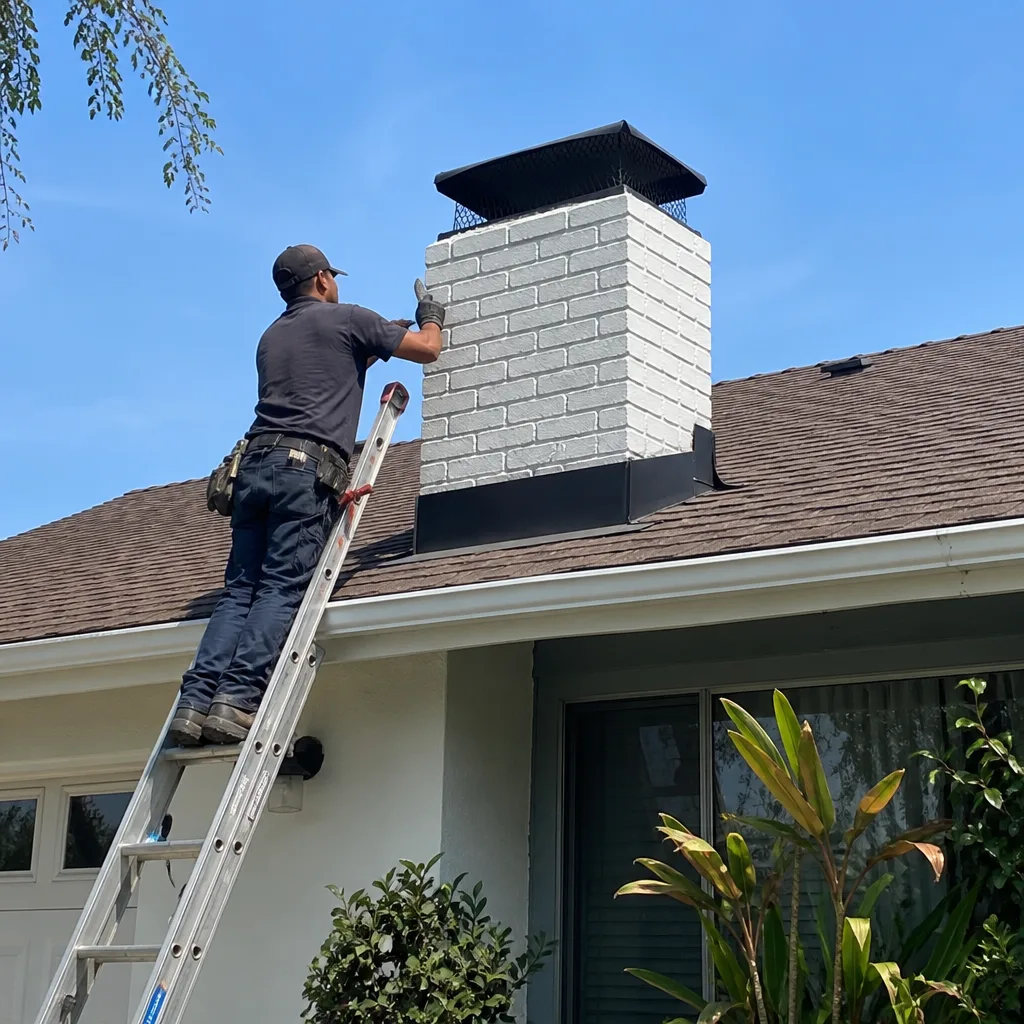
Level 1 sweep and inspection to the NFPA 211 annual standard - flue, crown, cap, and flashing checked and photographed
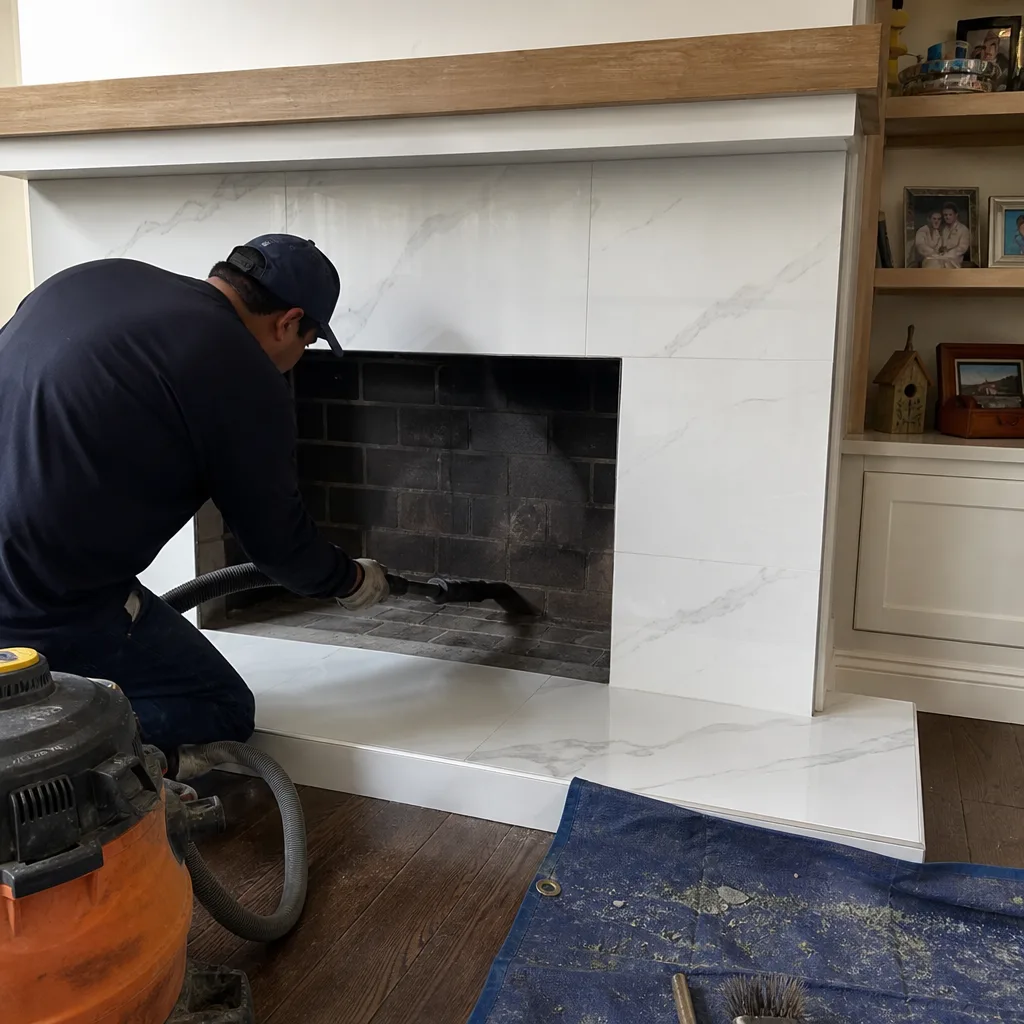
Chimney sweep logs do not sweep chimneys. They loosen some creosote - which then falls where a brush and vacuum still have to collect it.
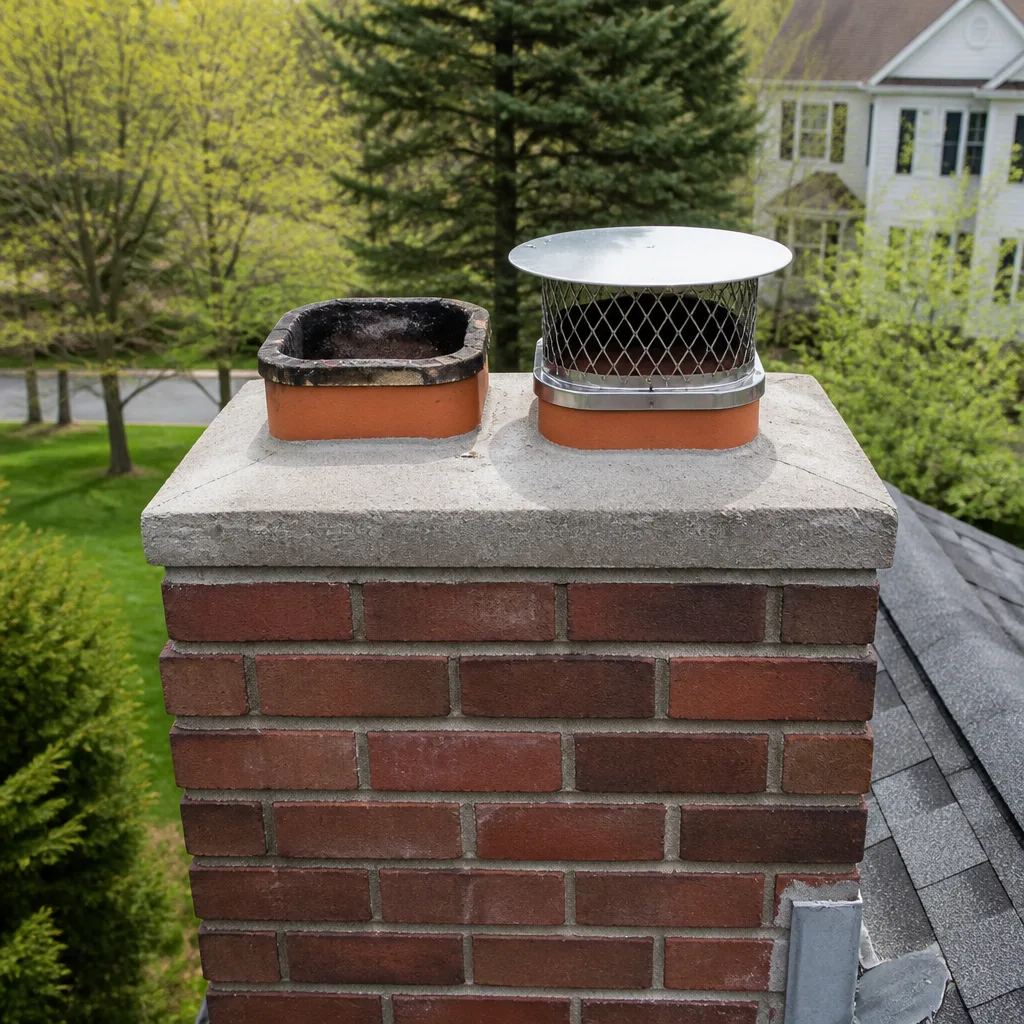
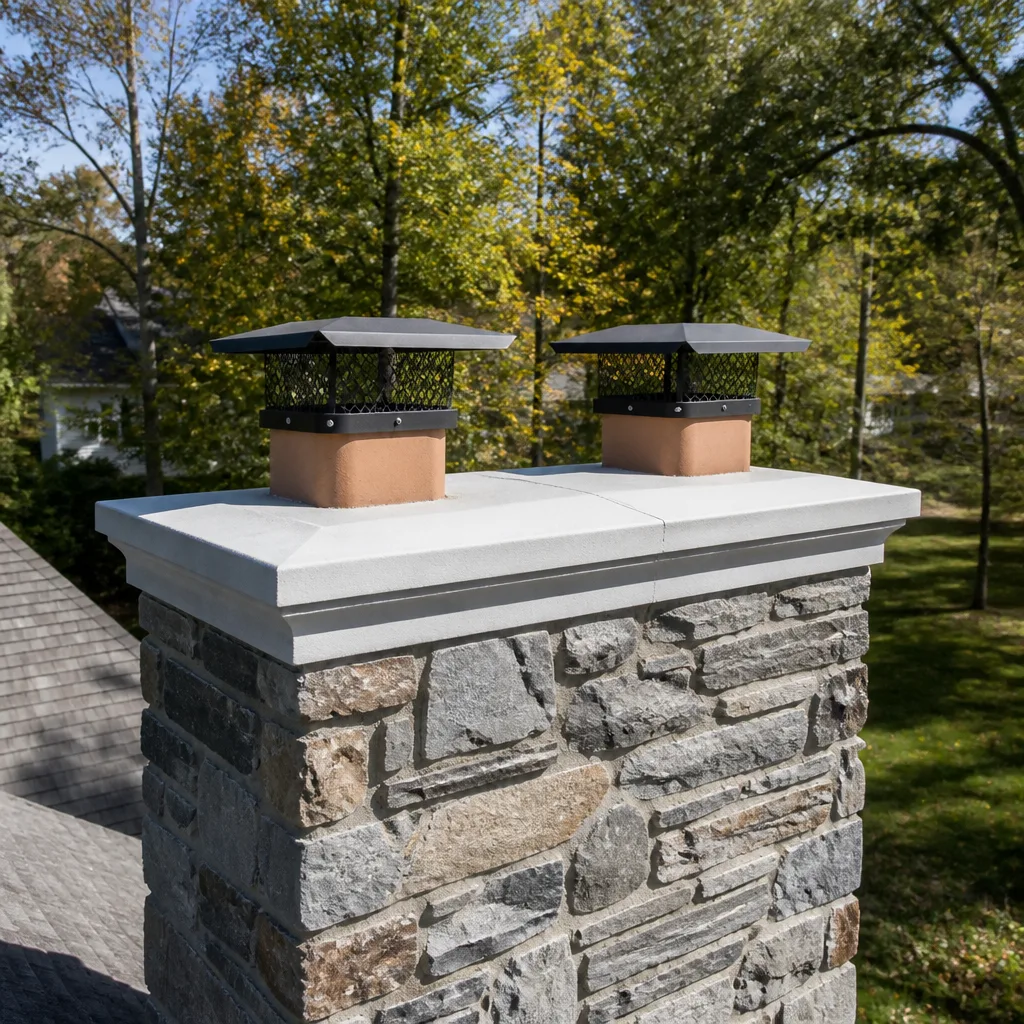
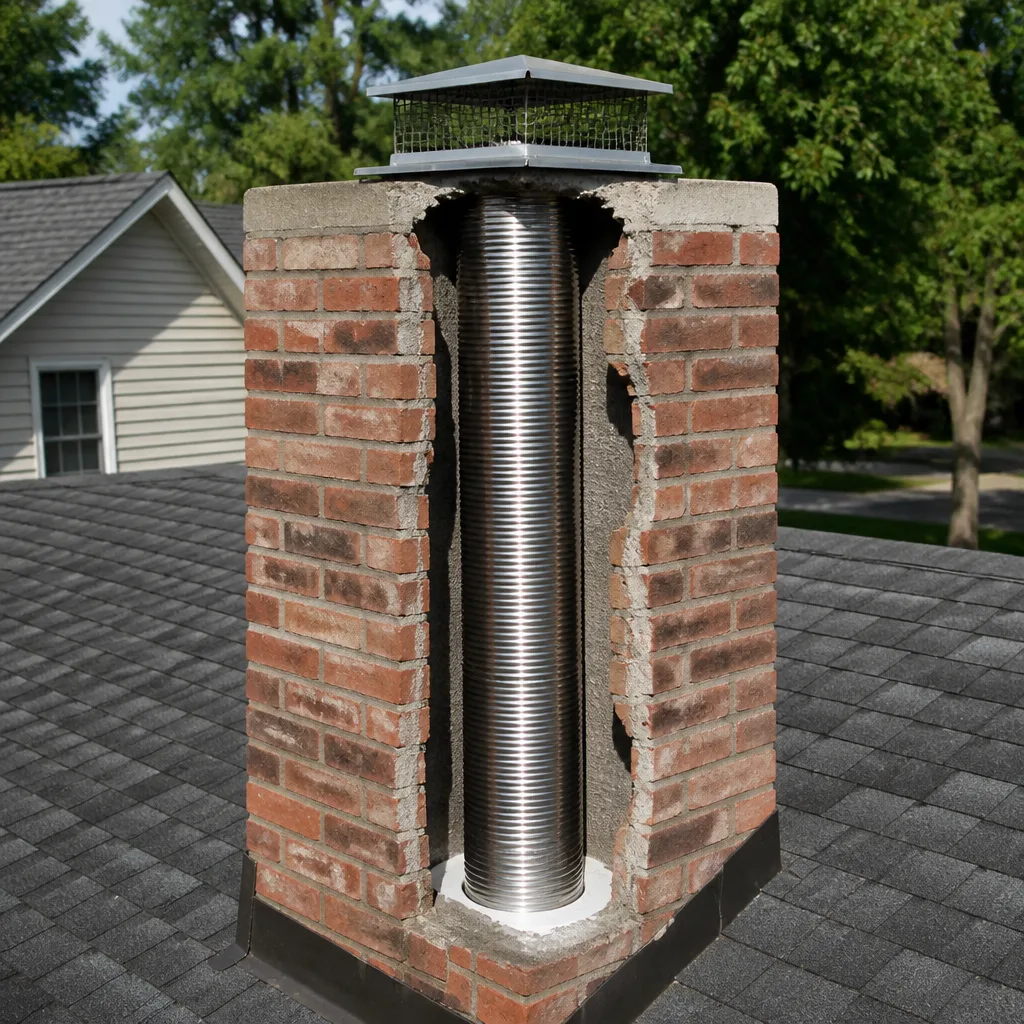
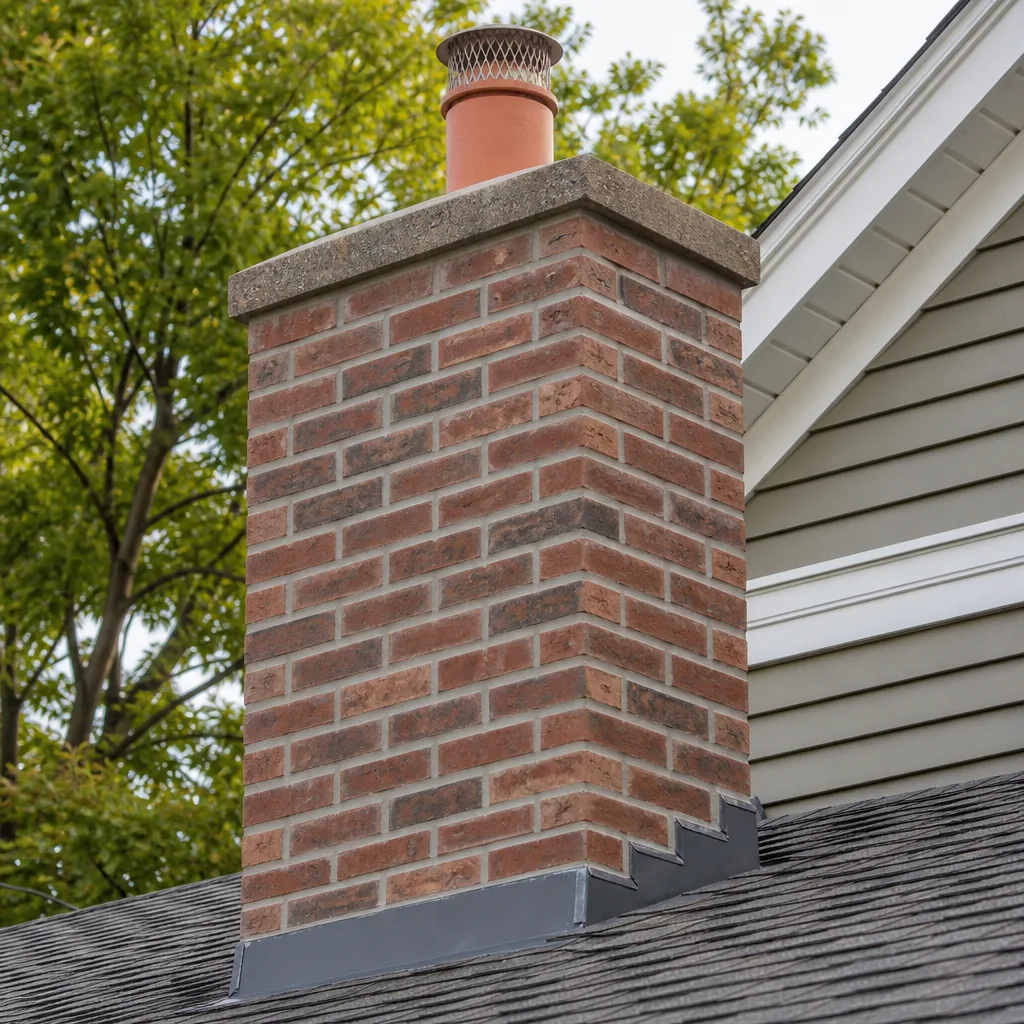
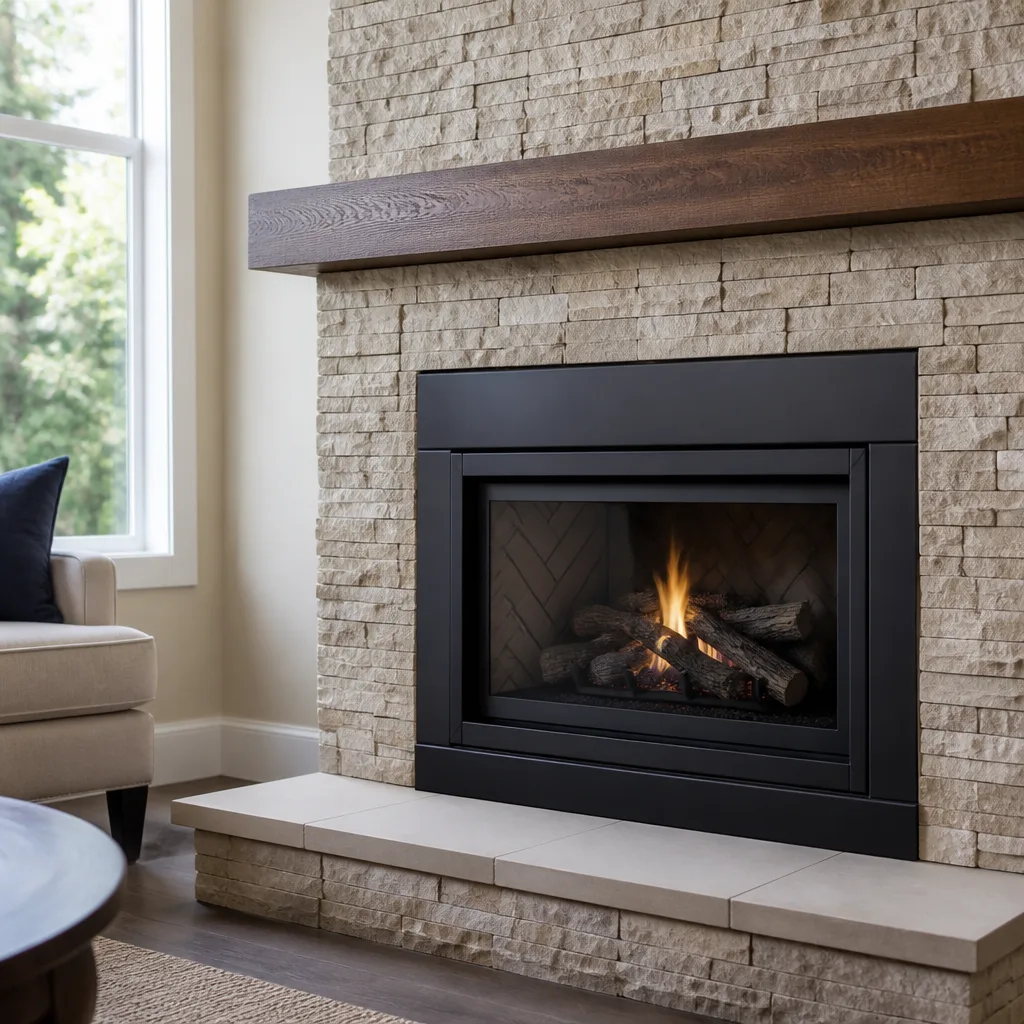
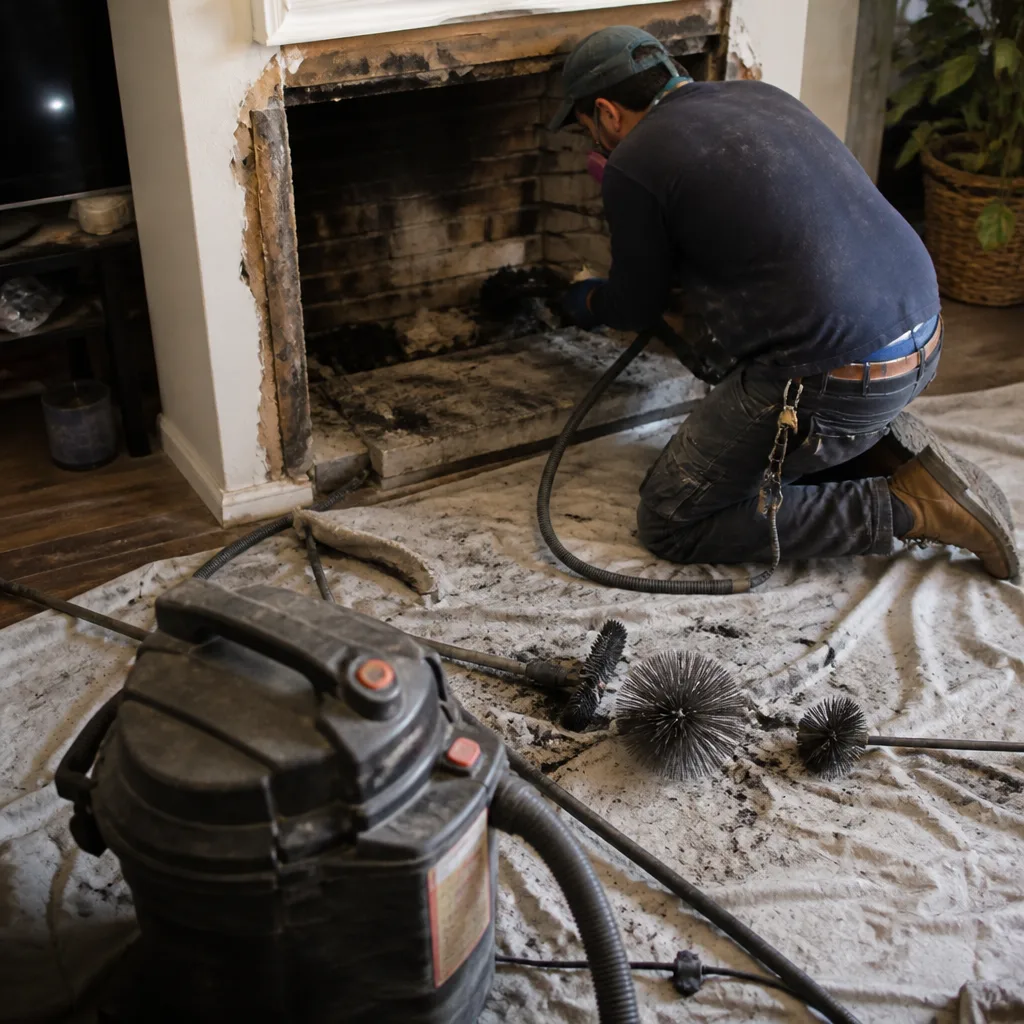 Before
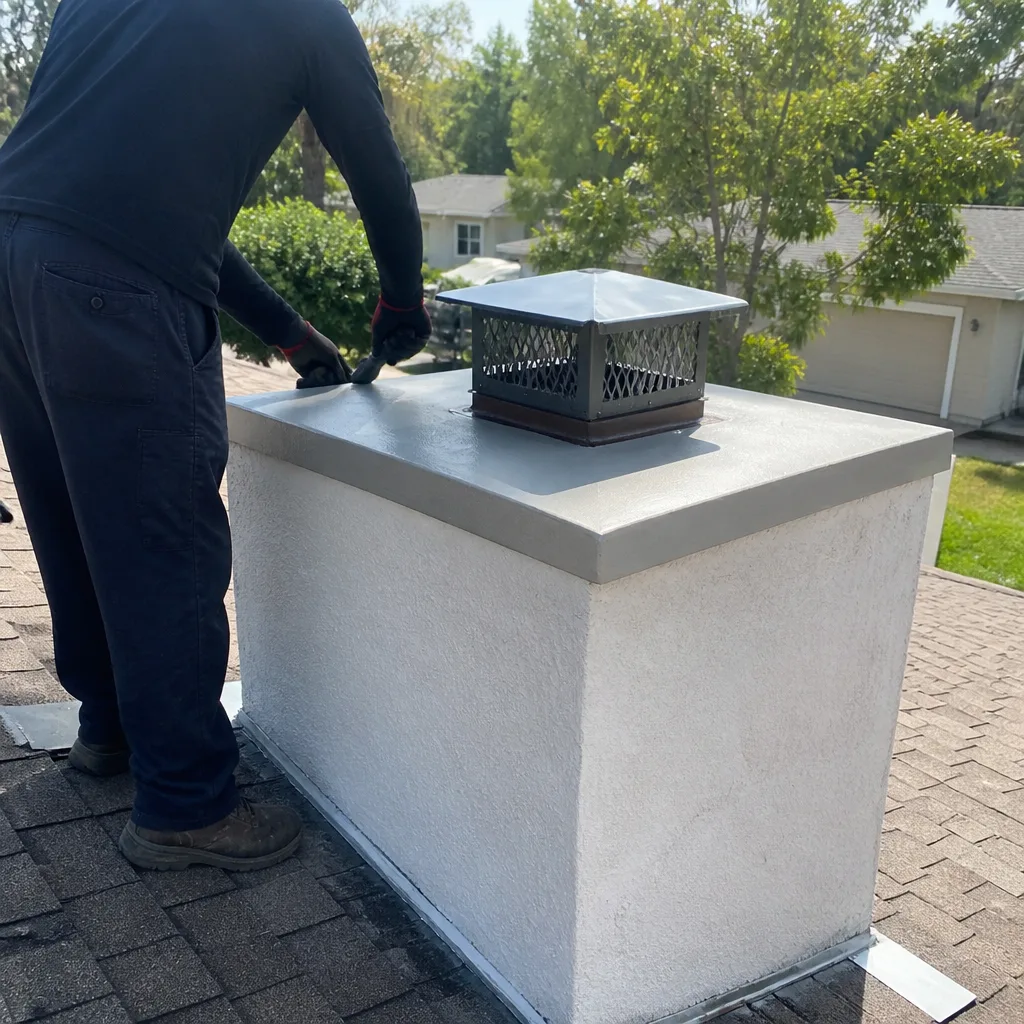 After
After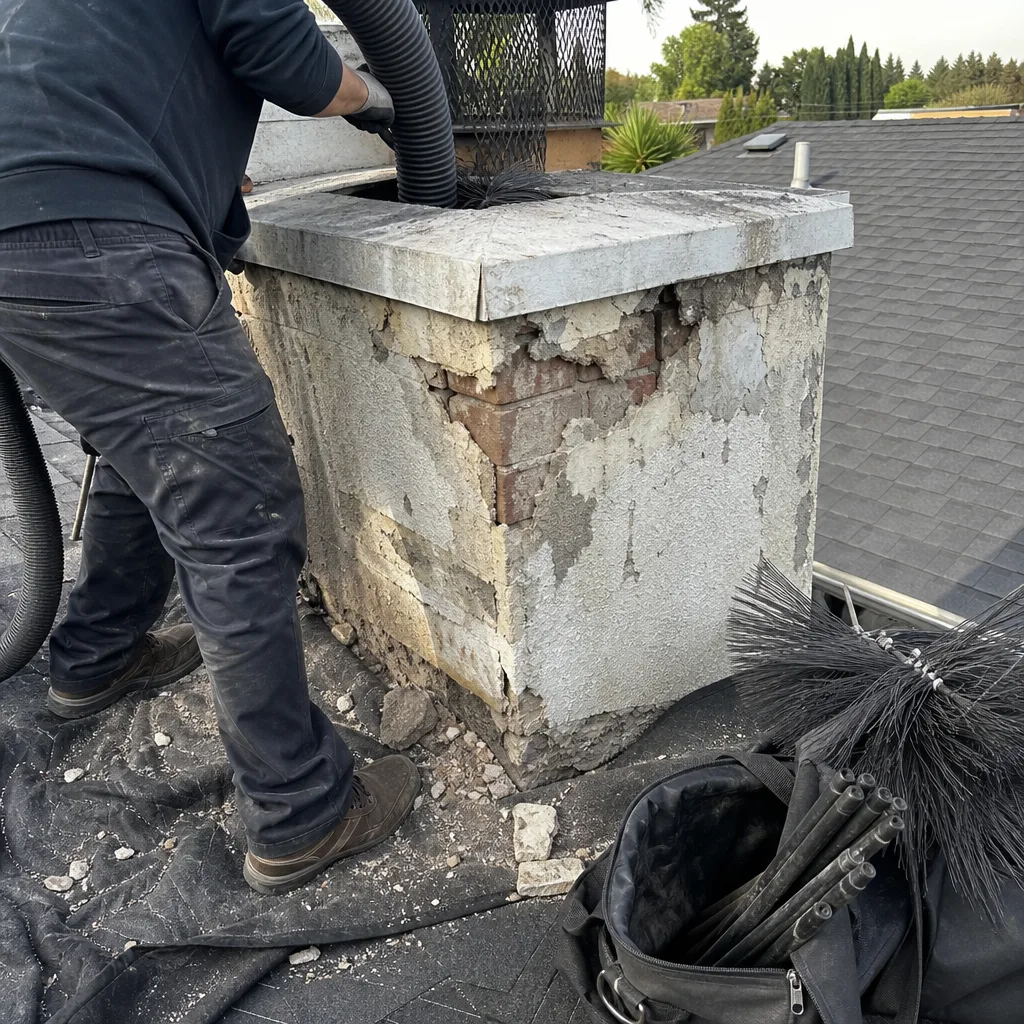 Before
 After
After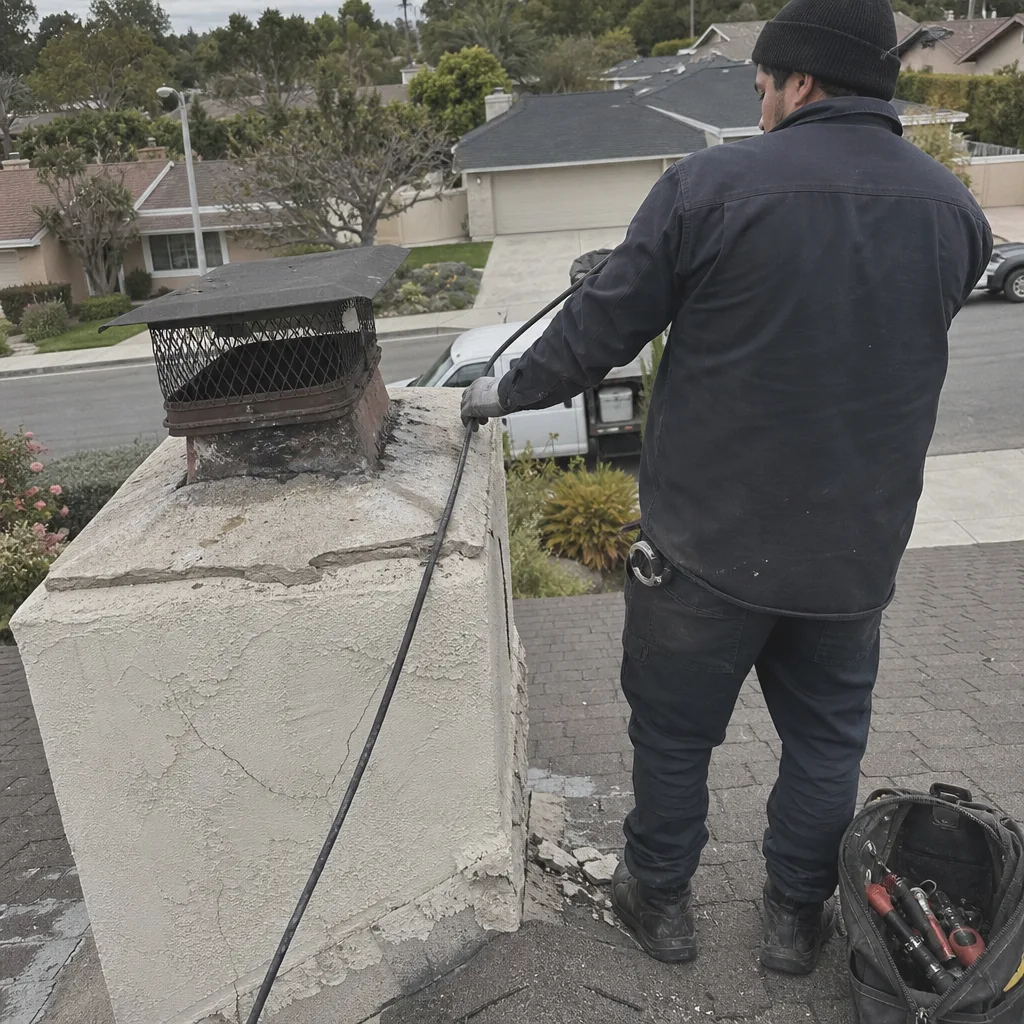 Before
 After
AfterChimney Sweep Maintenance Checklist for Los Angeles Homeowners
Eucalyptus leaves and seed pods, common backyard debris across Los Angeles County, burn at a higher temperature than oak or pine and leave a denser ash residue that standard chimney brushes don’t fully clear on a single pass. Most national chimney checklists ignore this entirely because most national checklists were written for New England winters, not Southern California fire seasons. This guide is different. It’s built around what actually happens to chimneys in Los Angeles: seismic mortar cracking, Santa Ana wind intrusion, brush-adjacent spark arrestor buildup, and a rainy season that arrives suddenly after nine dry months. We’ll walk through the exact maintenance calendar we use when servicing homes from the San Fernando Valley to the Westside, what you can safely inspect yourself, what records to keep, and when to bring in a professional for our Chimney Sweep services.
Quick Answer
A Los Angeles chimney maintenance checklist has three parts: a seasonal calendar built around fire season and Santa Ana winds, a monthly visual inspection of the firebox and smoke chamber using a flashlight and mirror, and documented professional sweeps and inspections on a schedule that matches your burn frequency. Most LA homes burning wood 2 to 3 times per week during winter need one professional sweep per year, with a self-inspection every 30 days during burn season. Homes near brush-heavy hillsides should add a spark arrestor and cap check before every red flag warning.
Table of Contents
- Why Los Angeles Needs Its Own Chimney Checklist
- Month-by-Month Maintenance Calendar for LA
- How to Inspect Your Smoke Chamber and Firebox Yourself
- Seismic Checklist: What Cracks First and What to Document
- Cap and Spark Arrestor Inspection for Hillside Homes
- What Records to Keep and Why They Matter at Resale
- Signs Your Chimney Needs Attention Between Sweeps
- What a Professional Chimney Sweep in Los Angeles Should Include
Why Los Angeles Needs Its Own Chimney Checklist
Copying a chimney maintenance routine from a national source is like using a Minneapolis winter driving guide in Topanga Canyon. The conditions don’t transfer. Los Angeles County has a Mediterranean climate with wet winters and bone-dry summers, which means chimneys here cycle through extreme moisture swings that Midwest chimneys never experience. Clay tile liners expand and contract. Mortar joints, already stressed by decades of sun exposure, develop hairline cracks that widen with every thermal cycle.
Then you add the seismic factor. Los Angeles sits on an active fault network, and even minor ground movement, the kind you barely feel, is enough to crack mortar joints in a masonry chimney. We’ve opened chimneys in Pasadena and Sherman Oaks where the interior flue tiles had shifted a full quarter-inch out of alignment from years of micro-quakes. The homeowner was burning fires the entire time.
Add the eucalyptus factor. Eucalyptus trees are everywhere in LA backyards, from Eagle Rock to Culver City. Their leaves and bark contain volatile oils that burn hotter and faster than traditional firewood, and their seed pods are dense enough to survive combustion partially intact, leaving a residue that coats the flue walls. A standard brush sweep doesn’t always remove it fully. It takes a rotary cleaning head or a second pass with chemical treatment to break it down.
And then there’s the Santa Ana wind pattern. From October through December, dry offshore winds push embers and debris down chimneys and across roofs in a way you simply don’t see in other climates. A chimney cap that was fine in August can be clogged with eucalyptus bark and wind-driven leaves by November. Your maintenance checklist has to account for all of this, in sequence, not as a generic annual task list.
Month-by-Month Maintenance Calendar for LA
Here’s the Chimney Sweep Maintenance Schedule: What to Do and When we recommend to Los Angeles homeowners. It’s calibrated to LA’s fire season, rainy season, and wind events, not to a national average. You can use this as your baseline and adjust for your own burn habits.
September: Pre-Burn Season Prep
- Schedule your professional chimney sweep and inspection. In Los Angeles, September is the right month to book, before the first cold snap creates a scheduling backlog. A standard sweep in the LA metro usually runs $180 to $280, with inspection often bundled in.
- Check the chimney cap and spark arrestor. If you live within 500 feet of brush, unburned embers are a real concern. Make sure the arrestor mesh is intact and free of rust-through.
- Clean the firebox. Remove old ash from last season. Ash absorbs moisture, and moisture accelerates mortar deterioration in the firebox floor.
October – December: Santa Ana Season
- Inspect the cap and arrestor after every red flag warning. Santa Ana winds strip leaves, bark, and seed pods from eucalyptus trees and deposit them on roofs, inside gutters, and against chimney caps. Clear debris before you light a fire.
- Watch for smoke smell inside the house even when the fireplace isn’t in use. Strong wind events can create negative pressure inside the flue, pulling residual soot odor into the living space. This is often a sign of a partially clogged arrestor or a damper that’s not sealing fully.
- Burn only seasoned hardwood. In LA, the temptation is to burn whatever fell in the yard, but eucalyptus and pine create accelerated creosote conditions. Seasoned oak burns cleaner and cooler in the flue.
January – February: Peak Burn Season
- Do a monthly flashlight mirror inspection of the firebox and the bottom of the smoke chamber (steps below in the inspection section).
- Watch for white, flaky residue on the damper or the visible flue walls. That’s early-stage creosote, and if you’re burning weekly, you may see it build faster than you expect.
- Check the damper operation. It should open fully and close with a tight seal. A sticky damper is often a symptom of creosote buildup on the hinges, not just a mechanical issue.
March – April: Rainy Season and Post-Burn Takedown
- Look for water stains in the firebox after the first heavy rains. Dark, damp blotches on the firebrick mean moisture is entering through the cap, the crown, or a failing mortar joint.
- Check the chimney crown. The crown is the concrete cap at the top of the chimney stack. Hairline cracks allow rainwater to seep into the masonry, where it expands during the next heat cycle. In LA, this is one of the most common chimney problems we repair.
- Schedule any repair work now. Spring is when repair crews have availability and when masonry repairs have time to cure before the next burn season.
May – August: Off-Season Checks
- Keep the damper closed when the fireplace isn’t in use. An open damper all summer lets hot, dry air escape and allows birds to nest in the flue.
- Listen for animal activity. Birds and squirrels in Los Angeles find chimneys with missing or damaged caps irresistible. Scratching or chirping sounds mean something is inside the flue.
- Document any changes. If a crack you photographed last year looks wider, note it. That’s useful information for any chimney professional you bring in later.
How to Inspect Your Smoke Chamber and Firebox Yourself
You can see a surprising amount of chimney condition without climbing on the roof or hiring anyone. The two areas you can inspect from inside your living room are the firebox (the brick or stone box where the fire burns) and the lower portion of the smoke chamber (the angled section above the damper that funnels smoke up into the flue). Here’s what to do:
- Get the right tools. You need a bright LED flashlight and a small hand mirror. A mechanics mirror on an extendable handle works best. Work in daylight with the damper open so you can actually see.
- Look at the firebox walls. Check the mortar joints between the firebricks. In Los Angeles, seismic movement shows up first as vertical cracks in the mortar, especially in the back wall of the firebox and along the side walls near the front opening.
- Angle the mirror up past the damper. Tilt the mirror to see the smoke chamber walls. This area is often overlooked, but it’s where creosote accumulates fastest because the smoke slows down as it passes through this wider space.
- Read the discoloration. Flat black, sooty buildup that wipes away with a finger is normal. Shiny, tar-like black residue that feels wet or sticky is third-degree creosote and it’s a serious fire risk. White, chalky staining on the brick means water has been entering, often through a cracked crown or failed flashing.
- Photograph what you see. Use your phone with the flashlight on. Date-stamped photos are valuable records if you need to document change over time or file an insurance claim related to chimney damage.
Do this inspection once a month during burn season. It takes five minutes and it will catch the most common problems early, before they require a costly repair. If you see something you can’t identify, don’t brush it off. That’s what a professional inspection is for.
Seismic Checklist: What Cracks First and What to Document
We’ve inspected chimneys across Los Angeles after enough seismic events to recognize the pattern. When the ground moves, even subtly, chimney damage appears in predictable locations. Knowing where to look means you can document damage early and compare it after any shaking event.
The first place to check: the mortar joint where the chimney meets the roof line. This is a structural stress point because the chimney is anchored to the foundation at its base, but it’s braced against the roof framing partway up. When the two structures move differently, the mortar at roof level cracks first. Look for horizontal or stair-step cracks in the masonry just above and below where the chimney meets the roofline.
The second location: the interior flue tiles. You can’t see these without a camera inspection, but shifted or cracked flue tiles are common after seismic activity in Los Angeles. A cracked flue tile compromises the chimney’s ability to contain heat and smoke. Symptoms include smoke smell in walls, crumbling tile fragments in the firebox, or a visible offset when looked at from the top down. A professional inspection with a camera will identify these.
The third location: the firebox floor and back wall. These are the areas closest to the fire itself, and they take the thermal stress from every burn. Add seismic movement on top of thermal stress, and these are often the first masonry sections to show cracking. Document any crack wider than a hairline with photos. If the crack widens after a seismic event, that’s a clear signal the chimney needs professional evaluation.
When documenting chimney damage in Los Angeles, record four things: the date, the location of the crack, the approximate width (a nickel is about 2mm thick, a quarter about 1.75mm, use a coin for scale in your photos), and whether the crack was present before the most recent shaking event. This level of documentation is useful for insurance purposes and for any chimney sweep you bring in to assess the chimney.
Cap and Spark Arrestor Inspection for Hillside Homes
If your home sits near brush, your chimney cap and spark arrestor aren’t just a maintenance item. In many parts of Los Angeles County, they’re a fire safety requirement. Homes in the Very High Fire Hazard Severity Zone, which includes much of the hillside areas of Los Angeles, are typically required by local code and LAFD guidelines to have a functioning spark arrestor with mesh openings small enough to prevent embers from escaping the chimney.
Here’s the inspection routine for hillside homeowners:
- Check the mesh size. A proper spark arrestor mesh should have openings no larger than half an inch. Anything larger allows embers through, which defeats the purpose. If you’re installing a new cap, choose one with the correct mesh specification for your zone.
- Look for rust-through. Spark arrestor mesh is thin metal exposed to the elements. Inspect the mesh where it meets the cap frame, as that’s where rust weakens the material first. If you can push a finger through the mesh anywhere, it needs replacement.
- Clear debris from the cap. During Santa Ana wind events, the cap catches everything from eucalyptus leaves to palm fronds. Clear visible debris before each burn season and after high-wind events. A clogged arrestor restricts airflow, reducing draft, and can push smoke back into the house.
- Check the cap attachment. The cap should be firmly secured to the flue. Loose caps rattle in the wind, and more seriously, a wind-driven cap can damage the flue tile. Verify the mounting brackets are tight. If the cap shifts when you push on it, it needs refastening.
- Inspect the flue opening from below by looking up from the firebox with your mirror. If you can see daylight through a full opening, the cap isn’t installed correctly or the flue tile is off-center.
These inspections are straightforward, but if you’re not comfortable on a ladder or your chimney is tall, the cap check can wait for your professional sweep. A chimney sweep in Los Angeles includes cap and spark arrestor inspection as part of the service.
What Records to Keep and Why They Matter at Resale
Most homeowners don’t think about chimney documentation until it’s too late to reconstruct it. We hear from people selling their homes every month in Los Angeles who need to produce evidence of chimney maintenance for the buyer or the buyer’s inspector, and they can’t recall when the last sweep happened or who did it.
Here’s what we recommend keeping:
- Date of service. Every sweep and every inspection. This establishes a maintenance cadence, which matters to buyers and insurance companies.
- Name of the company and the technician. On a professional team, the technician’s name matters. At Flint Chimney Sweep, the technician who performs your service signs the report. If you ever have a follow-up question or a guarantee claim, having the name means you get answers faster.
- Scope of work. Exactly what was done: sweep, inspection level, any repairs performed, any parts replaced. This is the difference between “we had the chimney cleaned” and “the sweep performed a Level 2 inspection and replaced the cap with a Copperfield model,” which is a much stronger statement at resale.
- Guarantee terms. If any repair was performed, keep the written guarantee document. A repair that carries a one-year written guarantee, like every repair we perform at Flint Chimney Sweep, is a documented asset. If the chimney was inspected and a repair was declined, keep that too; it shows you acted on the information you received.
- Photos. Before-and-after photos, inspection camera stills, damage documentation. Digital files with date stamps are strongest.
At resale, this paper record answers the buyer’s inspector’s questions without any ambiguity. It also demonstrates that the home has been maintained, which strengthens your negotiating position. In Los Angeles, where real estate transactions move fast, having a documented chimney history can be the difference between a clean close and a last-minute repair credit.
Signs Your Chimney Needs Attention Between Sweeps
Between professional visits, your chimney will tell you when something is wrong. You just have to know what you’re looking and listening for. Here are the signals we tell Los Angeles homeowners to watch for:
- Smoke smell when the fireplace isn’t burning. This often means a downdraft caused by negative pressure in the house, a partially clogged cap or arrestor, or a damper that isn’t sealing. If the smell persists after opening a window, the flue likely needs professional attention.
- A fire that struggles to get going or burns smoky. Poor draft has many causes, but a cold flue, an obstructed cap, or creosote accumulation in the smoke chamber are the most common in LA. If the problem continues after burning dry, seasoned hardwood for 30 minutes, the chimney needs a look.
- Visible smoke coming from the chimney crown or the masonry joints. Smoke should exit the flue only. Smoke seeping through the brickwork means the flue liner is cracked or the mortar joints have failed. This is a structural issue, not a cleaning issue.
- Crumbling mortar or brick in the firebox. Loose pieces of mortar on the firebox floor are a sign of moisture damage or seismic movement. Small flakes are normal after a season of burning; chunks the size of a dime are not.
- A damper that won’t open or close fully. Creosote buildup on the hinge and track is the usual culprit, but warping from heat exposure also plays a role. A damper that won’t seal tightly means warm air escapes your home all winter and increases the risk of pest intrusion during summer.
- Water in the firebox. After rain, check the firebox floor. Even a small puddle or dark wet staining indicates water entry through the cap, crown, or flashing. In Los Angeles, our rainy season is short but intense, and water intrusion during those weeks causes the masonry damage you’ll deal with for the rest of the year.
What a Professional Chimney Sweep in Los Angeles Should Include
Not every chimney sweep service in Los Angeles performs the same scope of work. You’ll find price differences, and you should understand what those differences buy you. A proper sweep in the LA metro should include:
- Full flue cleaning from the firebox to the cap, using brushes sized to your flue diameter. For homes with heavy eucalyptus creosote, a rotary cleaning attachment or a second pass is often necessary.
- Smoke chamber cleaning. The smoke chamber is the angled section above the damper. We spend extra time here because it is the most common place for creosote to accumulate beyond what a simple flue brush removes.
- Firebox cleaning, including removal of ash and debris, plus a visual inspection of the firebrick and mortar.
- Damper inspection to confirm it opens, closes, and seals properly.
- Cap and spark arrestor inspection from the roof, not just from the ground. The cap frame, mesh, and mounting need a close look, especially in brush-adjacent neighborhoods where LAFD requirements apply.
- Visual inspection of the crown and flashing. A sweep should identify visible issues at the roof line, including cracks and failing sealant.
- A written report. If you’re not handed a written document describing what was cleaned, what was inspected, and any recommended repairs, ask for one. At Flint Chimney Sweep home, every job includes a written report before the technician leaves the property.
In Los Angeles, a standard chimney sweep typically runs $180 to $280. That range covers a full cleaning with the cap inspection. If you’re paying less than that, you’re likely not getting the smoke chamber or cap work, which means you’re paying for an incomplete job. If you’re paying more, you should be told specifically why: a heavier creosote condition, a taller chimney, a complex roof access, or bundled inspection services. Every legitimate chimney company should be able to tell you the exact scope before work begins.
If you’re looking for a chimney sweep in Los Angeles, we recommend asking three questions before you book: What exactly is included in the sweep? Will I receive a written report? Does a repair recommendation come with a written price and guarantee? Companies that answer these questions clearly are the ones that stand behind their work. We’ve operated Flint Chimney Sweep under this standard since 2002, with every job documented in writing before any work starts.
Common Mistakes to Avoid
- Skipping the cap inspection because “it’s fine from the ground.” You cannot see cap condition from the ground. We find damaged caps on nearly every first-time inspection we perform in Los Angeles, and the homeowner rarely knows. A rusted cap or bent arrestor is invisible from below but creates a real fire risk.
- Using a national checklist for an LA chimney. Most national checklists were written for cold-climate houses with heavy winter burn seasons. They don’t address the LA-specific issues: eucalyptus creosote, seismic cracking, Santa Ana debris loading, and brush-zone spark arrestor requirements.
- Burning eucalyptus wood because it’s free. Free wood is expensive when it coats your flue with high-temperature creosote that requires extra cleaning passes or a chemical treatment to remove. Seasoned oak burns cleaner and is worth the cost if you burn regularly.
- Ignoring small firebox cracks. In seismically active Los Angeles, small cracks don’t stay small. Document them, watch them, and if they grow after a shaking event, get a professional assessment before the next burn season.
- Waiting until November to schedule a sweep. October and November are peak demand months in LA. By then you’ll have trouble booking a quality sweep for weeks. September is the right month to schedule.
- Not getting a written report. A verbal “everything looks good” is worth nothing at resale or if a problem appears later. A written report documents what was done and what was found, and it should be standard practice. If a company won’t provide one, that’s a signal.
- Leaving the damper open all summer. This lets conditioned air escape, pulls in hot outside air, and invites birds to nest in the flue. Close it when the fire is out and cold.
When to Call a Professional
Some chimney issues are obvious enough to identify yourself, but certain situations demand a trained professional. Call a chimney sweep in Los Angeles when you find shiny, tar-like creosote anywhere in the firebox or smoke chamber; this is third-degree creosote and it is a genuine fire hazard that requires professional removal. Call when you see smoke seeping through masonry joints, when you hear or see animals inside the flue, when you find water in the firebox after rain, or when you notice a crack that has widened after seismic activity. If you smell smoke when the fireplace is cold, or if your carbon monoxide detector has alarmed near the fireplace, stop using the chimney until a professional performs an inspection. For any repair, request a written price before work starts and a guarantee that covers the fix. Flint Chimney Sweep offers free estimates in Los Angeles, call (830) 251-4560.
Frequently Asked Questions
A standard chimney sweep in Los Angeles typically costs between $180 and $280, which should include full flue cleaning, smoke chamber access, firebox cleaning, and a cap and spark arrestor inspection from the roof. Homes with heavy eucalyptus creosote buildup or tall chimneys may run higher. Call (830) 251-4560 for an exact quote, estimates are free.
In Los Angeles, most wood-burning homeowners need one professional sweep per year, typically scheduled in September before burn season. If you burn more than three times per week, if you burn eucalyptus or other resinous wood, or if you live in a brush-adjacent hillside area, you may need twice per year. The National Fire Protection Association recommends an annual inspection for all chimneys regardless of burn frequency.
Not always. A cracked or shifted flue liner is a legitimate repair need because it compromises the chimney’s ability to safely contain heat and smoke, but you should never accept a liner replacement recommendation without seeing the evidence. A camera inspection provides visual proof of the crack, offset, or deterioration. If a company is pushing a liner replacement, ask to see the footage. At Flint Chimney Sweep, we use professional-grade products like DuraFlex and HeatShield when a liner repair is genuinely needed, and we document the condition with camera images before making any recommendation. If the liner is intact, we tell you plainly that no repair is needed.
Creosote accumulation in the flue is the primary risk. A creosote fire inside the chimney can reach temperatures high enough to crack flue tiles and spread to the home’s structure. Skipped inspections also allow small problems like a cracked crown or a failing flashing to compound into water damage, masonry deterioration, and ultimately a far more expensive repair. If you skip one year, don’t skip the next. Call (830) 251-4560 to get back on schedule, estimates are free.
Yes. A chimney cap keeps rain out of the flue, prevents birds and squirrels from nesting in the chimney, and in brush-adjacent areas of Los Angeles County, a cap with a spark arrestor is often required by local fire code. Without a cap, rainwater enters the flue and attacks the masonry from inside, which is a leading cause of chimney deterioration in LA. If your cap is missing or damaged, it’s a legitimate repair priority.
A Level 2 inspection includes everything in a Level 1 inspection plus a video camera scan of the flue interior, a check of accessible attic and roof areas, and an assessment of the chimney’s structural condition. In Los Angeles, you need a Level 2 inspection when you’re buying or selling a home, after a seismic event that was strong enough to shake the house, after a chimney fire, or when you’ve made any change to the heating system that affects the chimney. Our repair team uses camera equipment on every Level 2 inspection, and you receive the footage as part of your written report.
The Bottom Line
A Los Angeles chimney checklist built for LA’s actual conditions will always outperform a generic national guide. The maintenance items that matter most here are the ones that don’t appear on standard checklists: eucalyptus creosote, seismic cracking, Santa Ana debris loading, and cap maintenance for brush-adjacent homes. If you do one thing from this guide, do the monthly flashlight mirror inspection during burn season. If you do two, add a September professional sweep with a written report. Document everything. A chimney that’s maintained on a documented schedule protects your home, your resale value, and most importantly, the people inside it.
Need a chimney sweep in Los Angeles? Call (830) 251-4560 for a free estimate, or visit our Chimney Sweep in Los Angeles page to see what’s included and what you’ll pay before anyone arrives.
Written by Hank Delano, Owner at Flint Chimney Sweep, serving Los Angeles since 2002.