
Last updated October 9, 2026
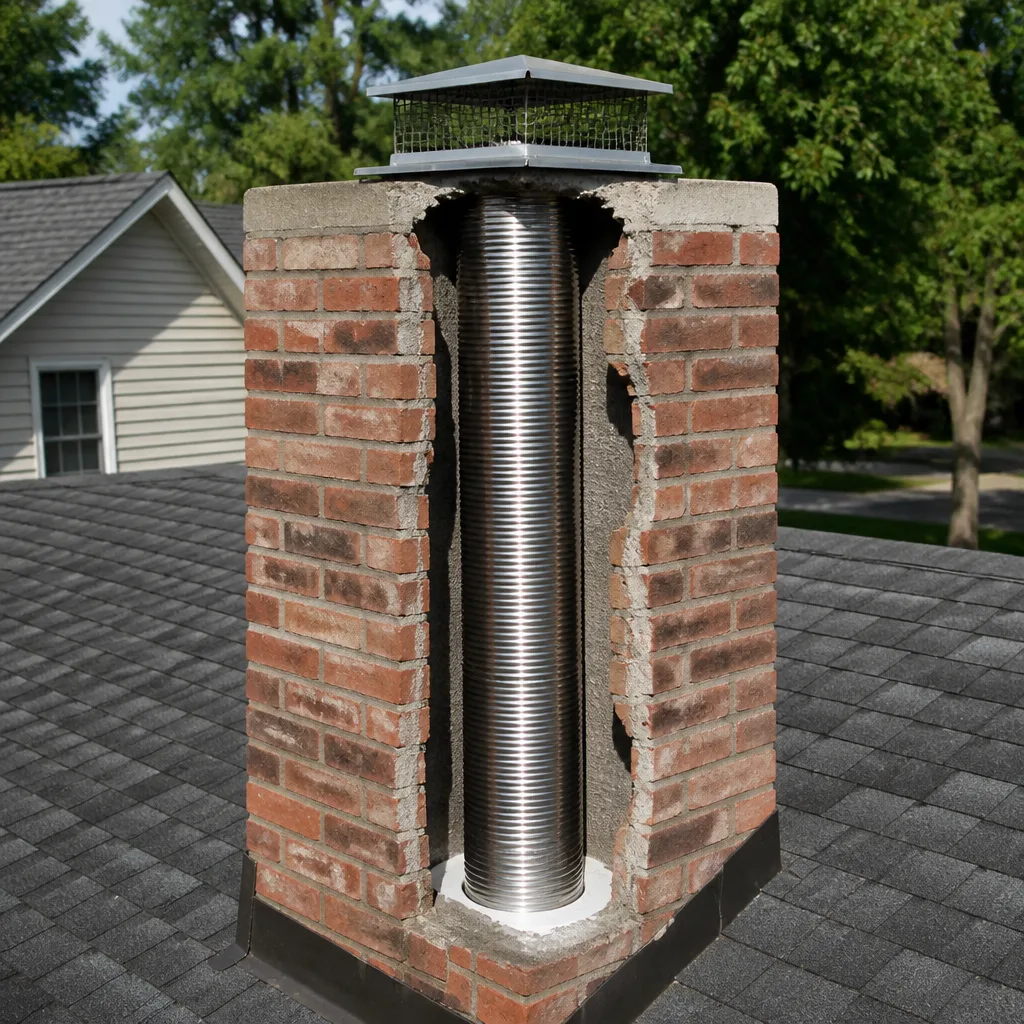
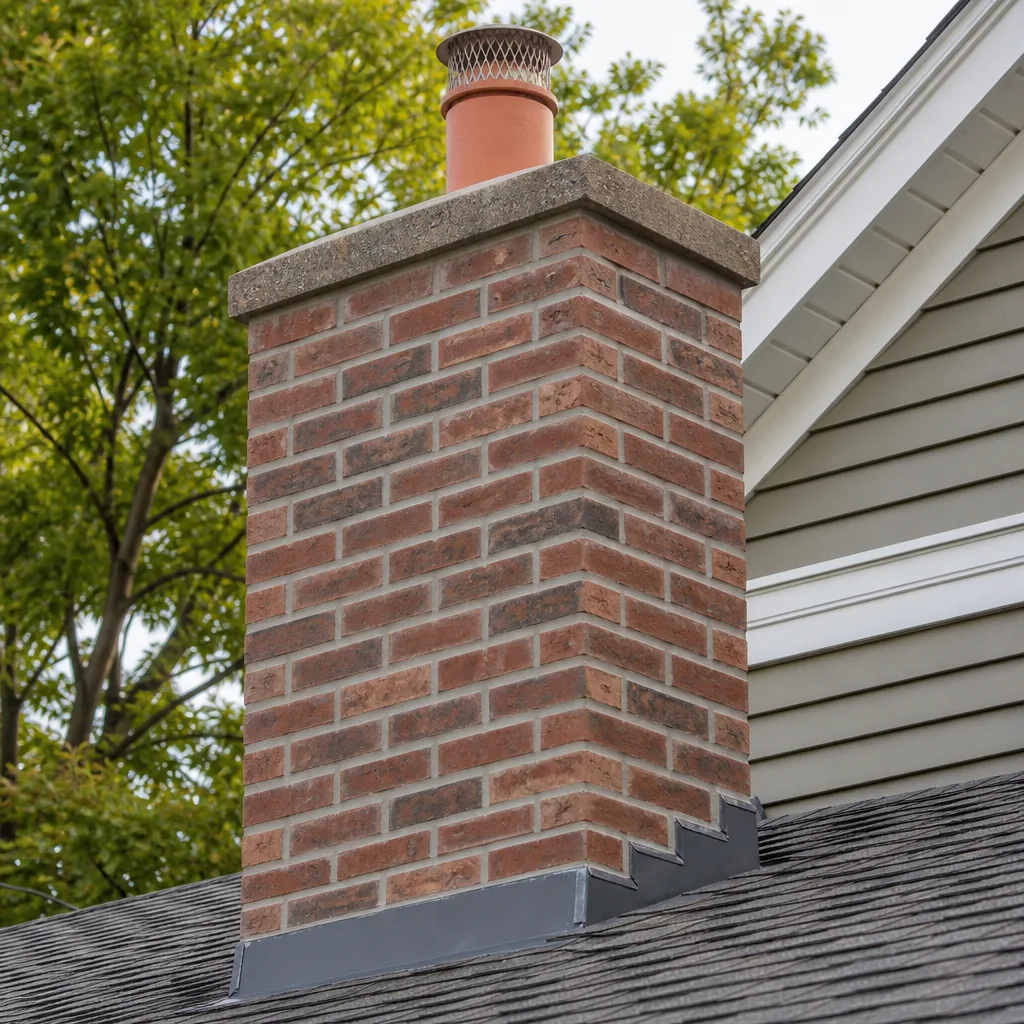
Level 1 sweep and inspection to the NFPA 211 annual standard - flue, crown, cap, and flashing checked and photographed
Chimney sweep logs do not sweep chimneys. They loosen some creosote - which then falls where a brush and vacuum still have to collect it.
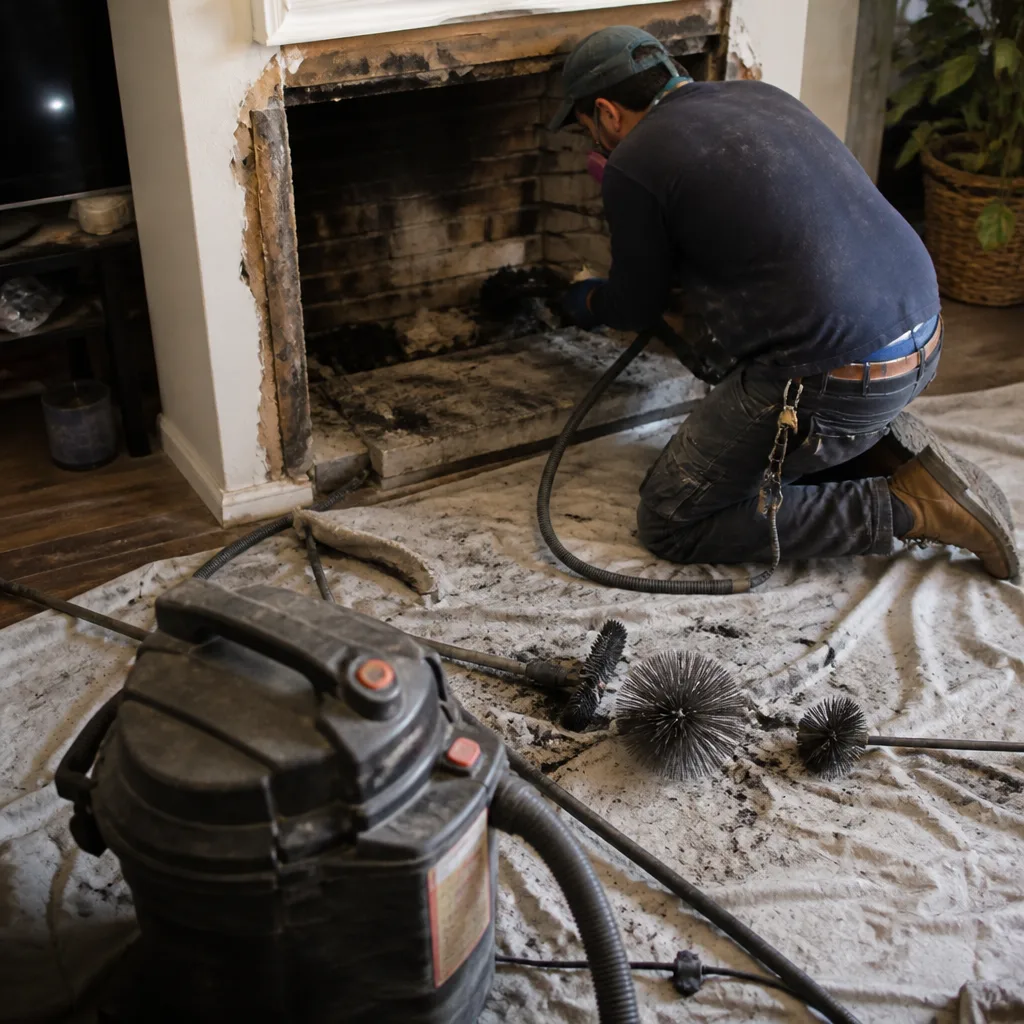 Before
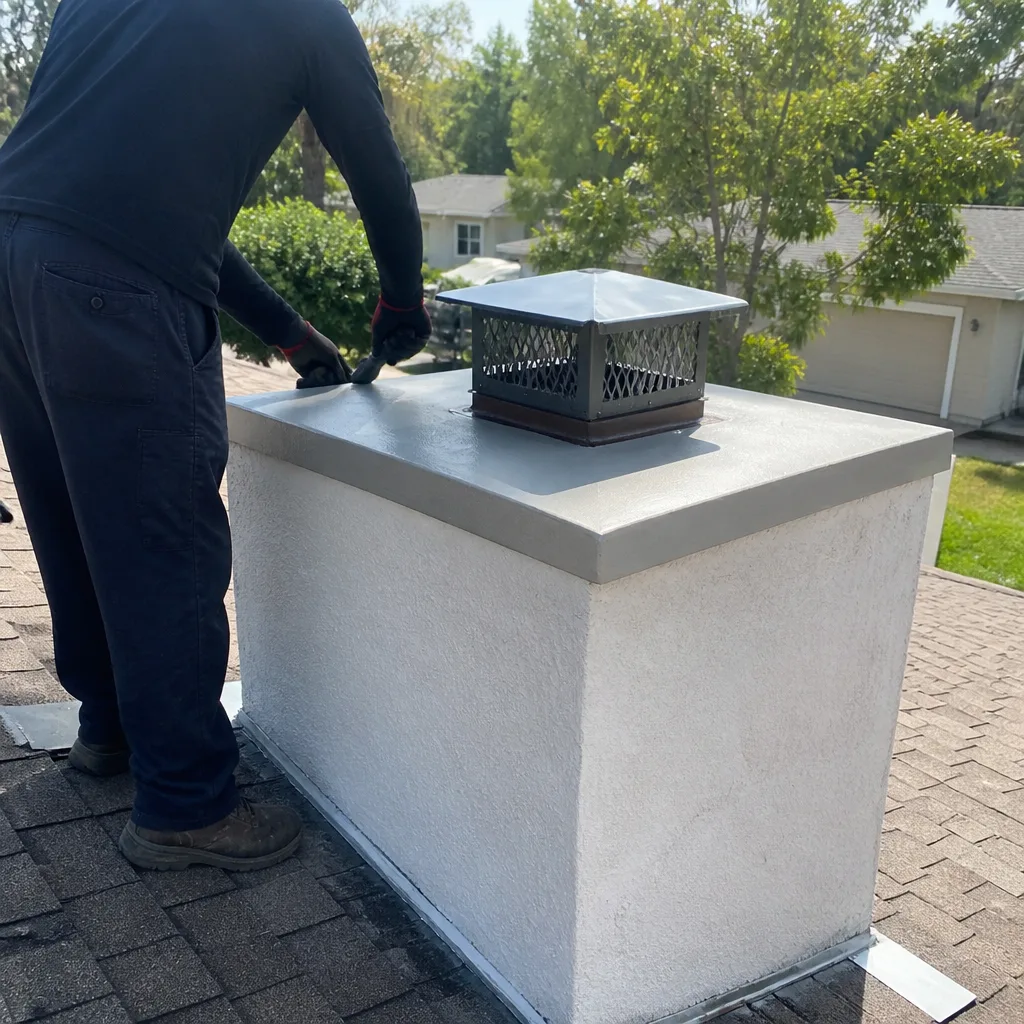 After
After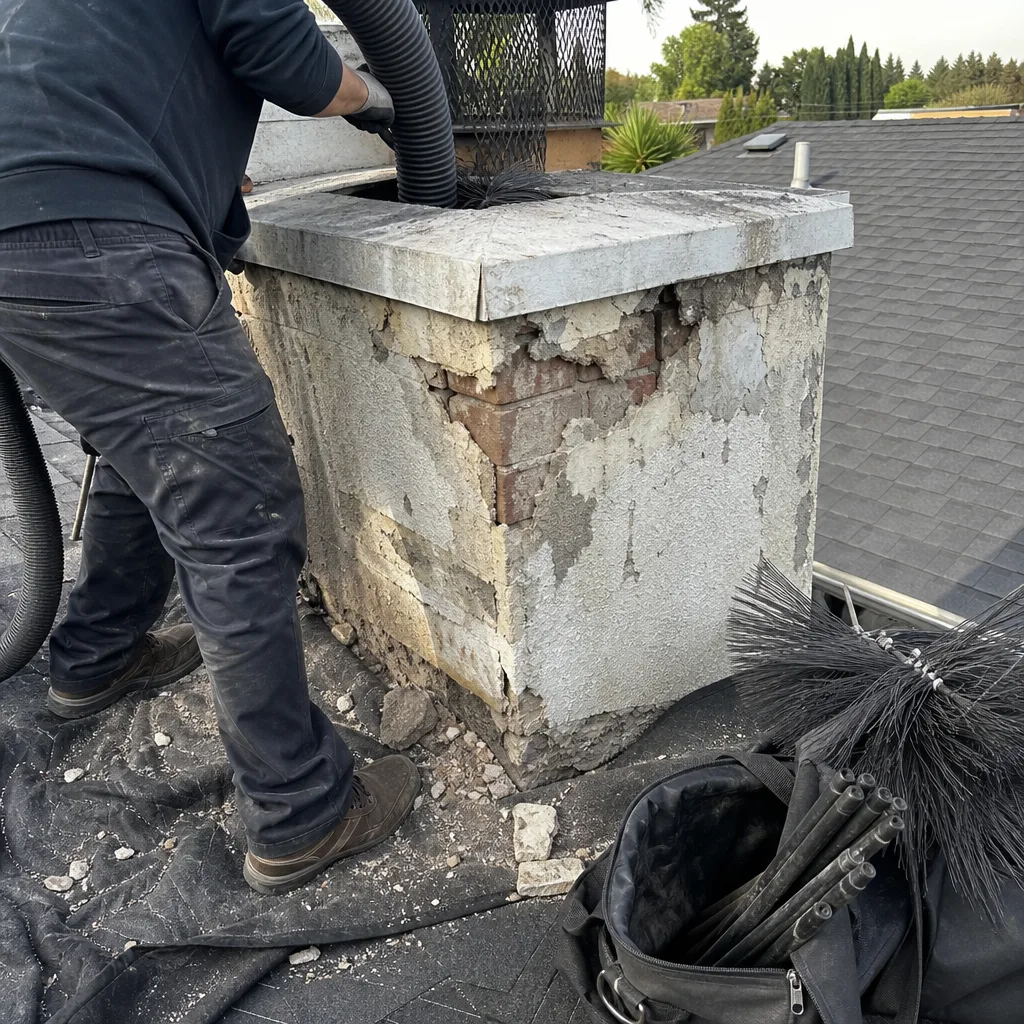 Before
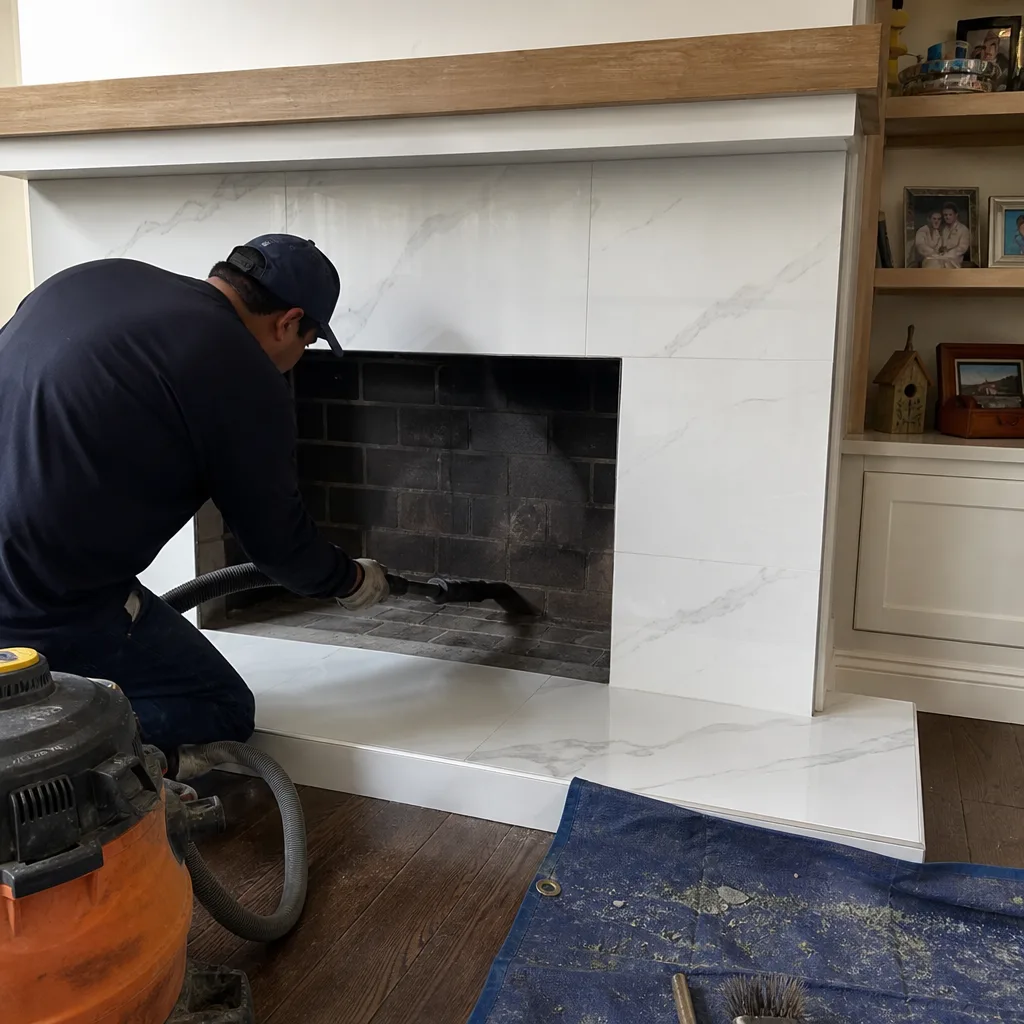 After
After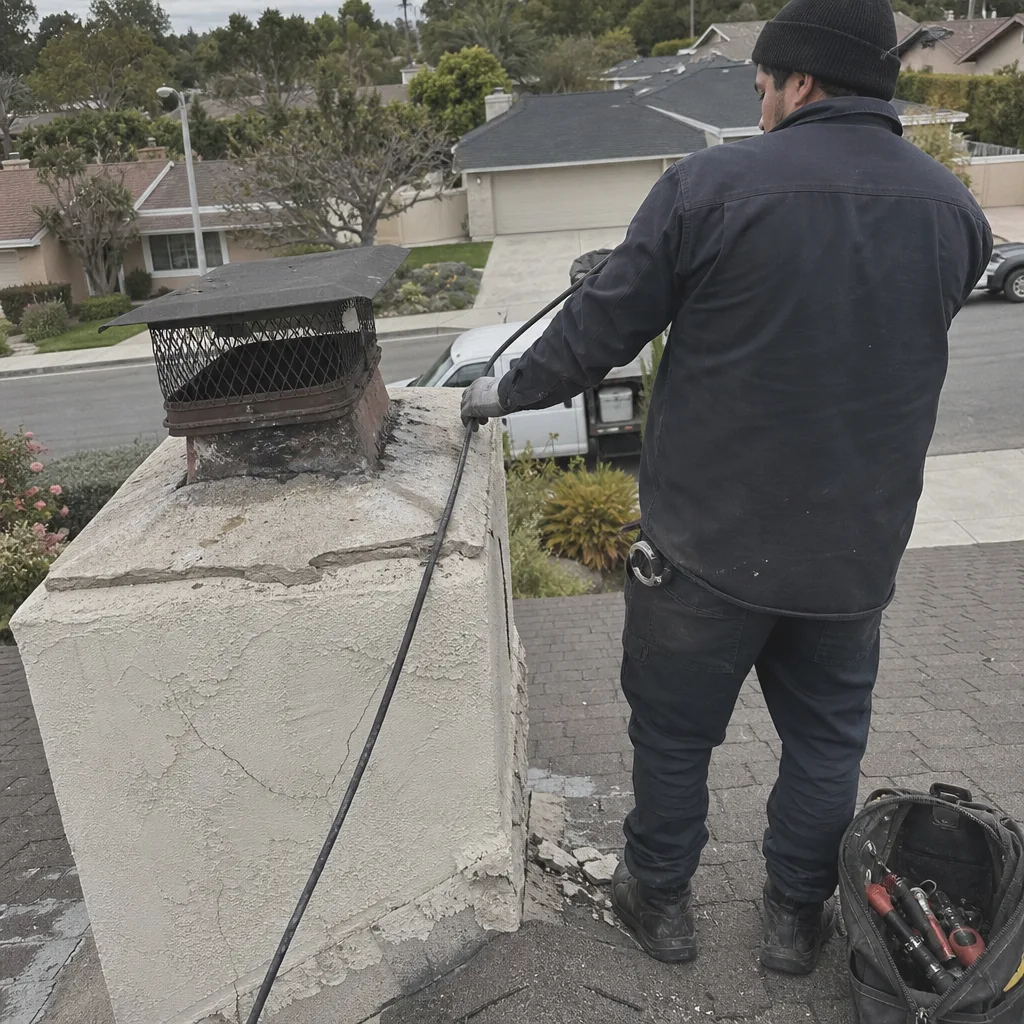 Before
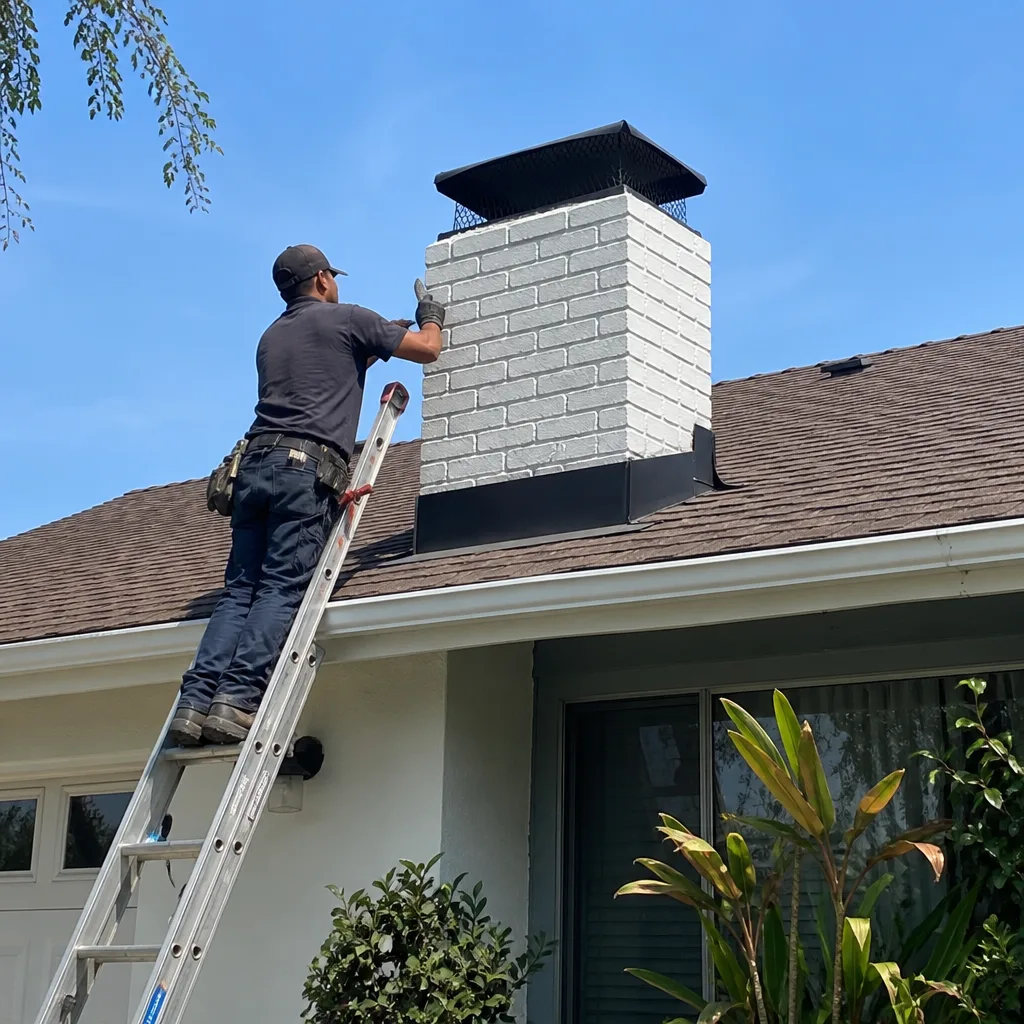 After
AfterSeasonal Chimney Cleaning Care for Los Angeles: Year-Round Homeowner’s Guide
Most Los Angeles homeowners schedule chimney cleaning in January, right after the holiday burn season ends, and that timing mistake costs them money every single year. The January sweep feels responsible, but it leaves the flue unprotected through the entire spring nesting window, when birds and squirrels in Los Angeles neighborhoods like Sherman Oaks, Pasadena, and the Valley actively colonize uncapped chimneys. This guide reorganizes chimney care around the two seasons LA actually has: the dry, high-fire-risk period and the wet, corrosion-risk period. For more guides & resources, see our blog. You’ll learn exactly when to schedule each service, what to check after Santa Ana winds, and how to avoid paying for visits you don’t need.
Quick Answer
Los Angeles homeowners should schedule two chimney service visits per year: one cleaning in September before fire season and one moisture assessment in April after the rains end. A standard chimney sweep in Los Angeles typically runs $189 to $329-see our Chimney Cleaning Cost Breakdown: The Los Angeles Homeowner’s Reference for 2026 for full pricing details-and skipping the April check is what leads to most expensive liner repairs later. Homes with uncapped chimneys need a third visit after the March through June nesting window to remove animal debris that a standard creosote sweep won’t address.
Table of Contents
- Why Los Angeles Has Two Chimney Seasons, Not Four
- The Optimal LA Chimney Service Calendar
- What Happens Inside an Uncapped Chimney From March to June
- Santa Ana Winds and Your Chimney: What to Check Before the First Fire
- Reading Moisture and Efflorescence on LA Masonry Chimneys
- Why LA’s Mild Winters Keep Creosote at Stage 1 Longer
- Common Mistakes to Avoid
- When to Call a Professional
- Frequently Asked Questions
- The Bottom Line
Why Los Angeles Has Two Chimney Seasons, Not Four
National chimney associations publish cleaning schedules built around a northeastern climate: burn all winter, clean in spring, inspect in fall. That calendar does not apply to Los Angeles. Our burn season is short and intermittent. Our fire risk is driven by wind and drought, not snow. And our biggest chimney threat is not creosote buildup, it’s moisture and animal intrusion during the months when the fireplace sits idle.
In our experience cleaning chimneys across Los Angeles since 2002, the failures we see fall into two clear patterns. Between October and January, we see problems caused by wind-driven debris, dry conditions, and sudden heavy use during cold snaps. Between February and September, we see the slow damage of moisture intrusion, nesting animals, and neglected masonry. Organizing care around these two windows means you do the right task at the right time.
The dry season in Los Angeles, roughly August through November, is when Santa Ana winds push debris into flues and when wildfire risk puts pressure on every homeowner to verify their chimney is safe before lighting the first fire. The wet season, roughly December through April, is when rain finds every crack in the crown, every gap in the flashing, and every uncapped flue opening. The damage from the wet season doesn’t show up right away. It shows up months later as efflorescence on brick, rust on the damper, or a liner that has begun to separate.
Most Los Angeles homeowners we speak with have never been told this. They’ve been told “clean your chimney once a year” and left to guess when. The answer matters because cleaning at the wrong time, specifically in January, means the chimney goes unprotected through the exact months when it’s most vulnerable to animals and moisture. A September cleaning and an April assessment solve that problem for most homes.
The Optimal LA Chimney Service Calendar
Here is the two-visit schedule we recommend for most Los Angeles homes, plus the specific conditions that justify a third visit.
- September: Pre-fire-season cleaning and inspection. This removes whatever accumulated over summer, including any early debris from wind, and verifies the flue is safe before the first burn. A standard chimney sweep in Los Angeles at this time of year typically runs $189 to $329 depending on flue height and accessibility.
- April: Post-rain-season moisture assessment. This is the visit most homeowners skip. After the last significant rain, a technician checks the crown, flashing, brick, and liner for water damage. Catching efflorescence or spalling in April means a small repair now instead of a liner replacement in October. A chimney inspection in Los Angeles during this window costs less than most repair work it prevents.
- Conditional third visit: Post-nesting debris removal. If your chimney is uncapped or the cap has gaps, schedule this between July and August, after the nesting window closes. This visit removes packed twigs, nesting material, and sometimes dead animals that a standard creosote sweep is not designed to handle. If you install a proper cap during the April visit, this third visit usually becomes unnecessary.
Here’s the honest part: not every home needs all three visits. A home with a properly installed cap, good flashing, and a recently inspected liner can usually run on the September and April schedule alone. The third visit is for homes where animal intrusion is already a problem or the cap is missing. We’d rather tell you the visit isn’t needed than sell a cleaning that doesn’t serve you, because our Flint Chimney Sweep home guarantee means we’re accountable for what we recommend. If it’s not done right, we make it right, in writing, for a full year.
What you should never do is schedule a cleaning in January and call it done for the year. That leaves the flue untouched from January through September, which is nine months of exposure to nesting animals, spring rain, summer debris, and early fall wind. The September visit becomes a much bigger job, and the April damage assessment never happens at all.
What Happens Inside an Uncapped Chimney From March to June
Between March and June, Los Angeles chimneys without caps become active nesting sites. We see it most often in neighborhoods with mature trees: Altadena, La Cañada, Studio City, and parts of the San Fernando Valley. Birds, particularly chimney swifts and starlings, and squirrels looking for a dark, protected cavity will enter through an open flue and build nests that block airflow.
A bird nest inside a flue is not a minor inconvenience. The nesting material, typically twigs, grass, and feathers, is highly flammable. When you light the first fire of the season in November or December, that material can ignite inside the flue and start a chimney fire. A squirrel nest carries the same risk, plus the additional problem of the animal itself, which may have died inside the chimney and left behind remains that block the flue and create an odor problem that’s very difficult to resolve.
Post-nesting cleaning is not the same as a creosote sweep. A standard sweep uses wire or poly brushes to remove the thin, tar-like creosote deposits that build up from burning wood. Animal nests require different tools: specialized retrieval equipment to pull packed debris without pushing it further down the flue, and in some cases, removal of the animal itself. The debris can be dense, matted, and wedged into the flue liner, which means the technician spends more time and uses more aggressive mechanical removal than a routine cleaning calls for.
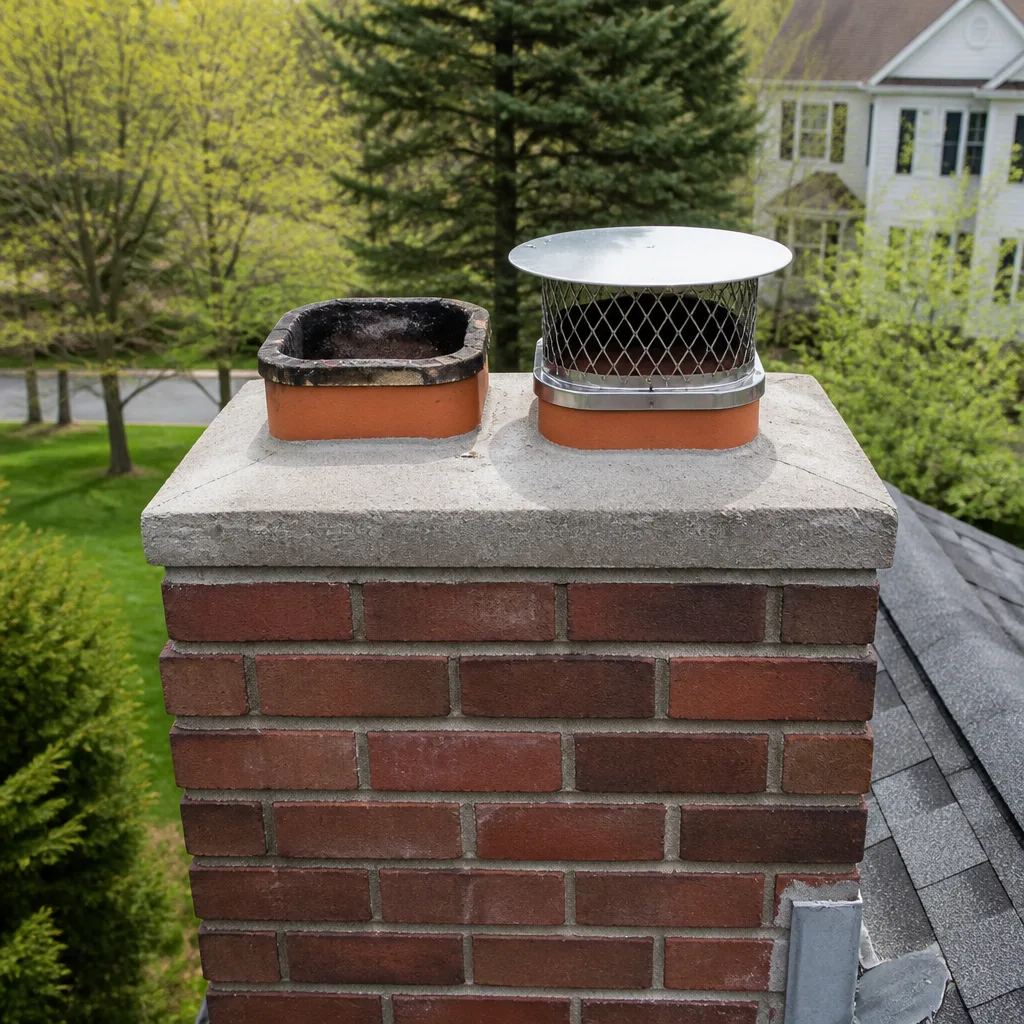
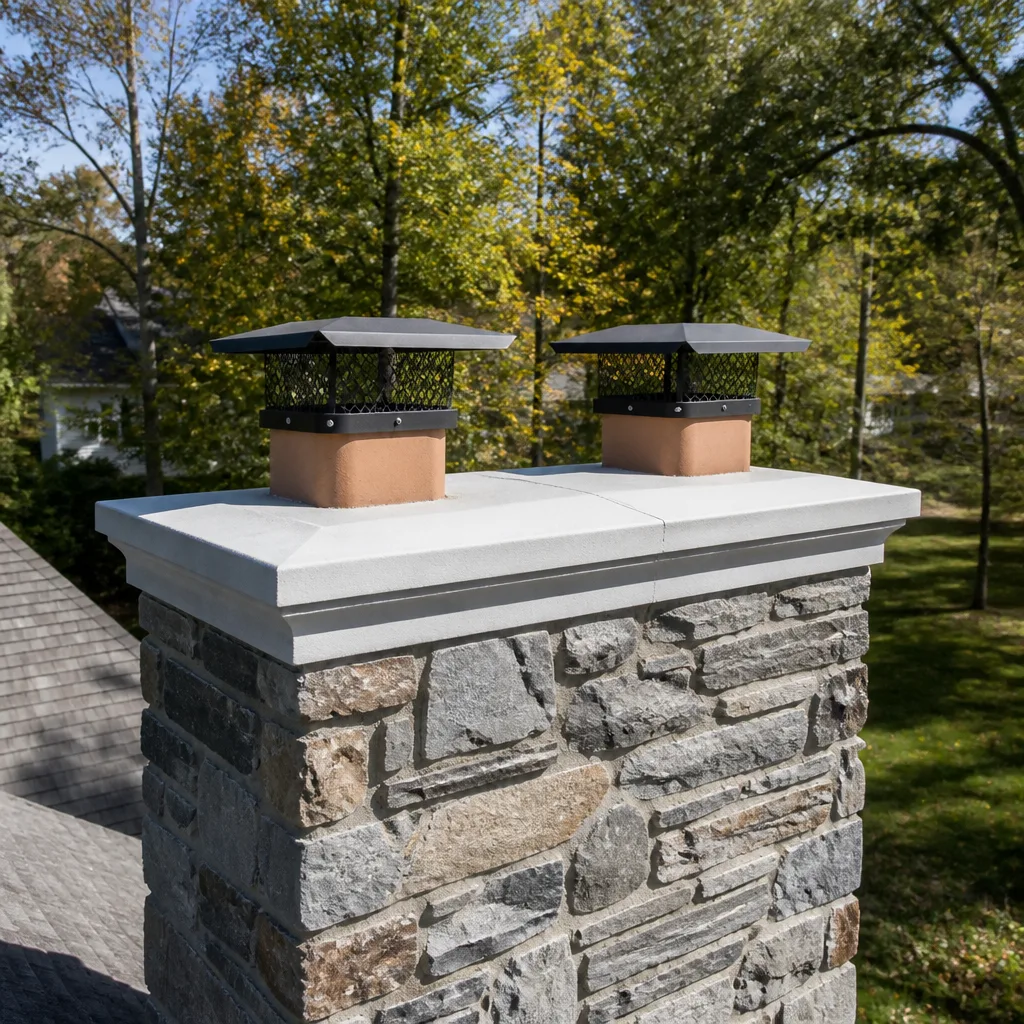
The fix that prevents this entirely is a properly fitted chimney cap with mesh sides. The cap sits over the flue opening and keeps animals out while still allowing smoke and gases to vent. If your chimney is currently uncapped, the April visit is the time to address it, before the next nesting window opens. We install caps from Famco and Copperfield, both of which hold up well to LA’s sun exposure and the salt air in coastal neighborhoods like Santa Monica and Playa del Rey.
Santa Ana Winds and Your Chimney: What to Check Before the First Fire
Santa Ana wind events in Los Angeles, which typically start in October and can continue through November, push an enormous amount of debris into chimneys. Leaves, small branches, dust, and sometimes roofing material get forced into the flue opening, especially on homes in the foothills and canyon areas like Burbank, Glendale, and the northern Valley, where wind speeds are highest.
Beyond debris, Santa Ana winds create negative pressure inside the home that can draw smoke back down the flue when you do light a fire. The wind rushing over the chimney top creates a downdraft. If your damper doesn’t seal properly or your chimney lacks a proper cap, that downdraft pushes smoke and carbon monoxide back into the living space. This is not a theory, it’s a pattern we respond to every fall, when Los Angeles homeowners report smoking fireplaces on windy nights.
Here is the numbered check to run after the first major wind event of the season and before you light the first fire:
- Look down the flue with a flashlight. The firebox and damper should be clear of debris. If you see leaves, twigs, or dark matted material, do not light a fire until it’s removed.
- Check the cap from outside. If you can see dented mesh, missing sections, or a cap that’s shifted off-center, wind has damaged it and it needs replacement before animals find the opening.
- Inspect the roof around the chimney. Wind-driven debris, loose shingles, and small branches on the roof or around the chimney base are a warning sign that debris has entered the flue.
- Test the damper operation. Open and close it fully. A damper that’s stuck, rusted, or won’t seal tightly will make downdraft problems worse on windy days.
- Look for new cracks in the crown. Wind doesn’t usually cause these directly, but a windy season is when existing crown cracks get worse and let moisture into the chimney structure.
If any of these checks turns up a problem, the fix is usually a professional chimney repair in Los Angeles, not a DIY patch job. The work of clearing debris, replacing a damaged cap, or repairing a crown is straightforward for a trained technician and genuinely risky for a homeowner on a roof. The safety angle here is real: a blocked flue plus a lit fire equals smoke and carbon monoxide in the house, and that’s a problem you don’t discover by testing it.
Reading Moisture and Efflorescence on LA Masonry Chimneys
After Los Angeles gets its concentrated winter rain, usually between December and March, masonry chimneys show specific damage patterns that are easy to read if you know what you’re looking for. The most common is efflorescence: a white, chalky residue that appears on the brick surface. It’s caused by water moving through the masonry, dissolving salts inside the brick and mortar, and leaving those salts behind on the surface as the water evaporates.
Efflorescence itself is not structural damage. It’s a symptom. It means water is getting into the chimney structure somewhere: through a cracked crown, through failed mortar joints, through damaged flashing, or through a porous brick face. On its own, efflorescence can be brushed off. But if you don’t fix the water entry point, the same moisture that causes the white staining will eventually cause spalling, which is when the brick face begins to flake, pop, or crumble off entirely. Spalling is structural damage and requires masonry repair, not just a cleaning.
There’s a second moisture pattern we look for on Los Angeles chimneys after the rainy season: dark staining on the interior firebox walls or water pooling at the base of the firebox. This indicates water is entering through the flue itself, usually because the cap is missing or damaged, or because the flue liner has cracked and is allowing rain to run down the inside of the chimney. That water carries creosote residue down with it, leaving dark streaks on the firebox that look like leaks.
The April moisture assessment exists to catch these patterns early. A technician checking the chimney in April sees efflorescence at its freshest, before summer heat bakes it in, and can trace it back to the source. By October, when most people finally have their chimney looked at, the damage has had six more months to progress, and the repair is bigger. In Los Angeles, where the rainy season is short but intense, waiting until fall to check for moisture damage is the most expensive scheduling mistake a homeowner can make. Make sure you understand Chimney Cleaning Permits, Codes & Inspections in CA: What You Need to Know before scheduling any work.
Why LA’s Mild Winters Keep Creosote at Stage 1 Longer
Creosote forms in three stages. Stage 1 is a light, flaky, gray or brown dust that brushes off easily. Stage 2 is a thicker, tar-like deposit that requires more aggressive scraping. Stage 3 is a hardened, glazed coating that is highly concentrated fuel and requires chemical treatment or mechanical removal. National guidelines from the Chimney Safety Institute of America recommend cleaning when creosote reaches 1/8 inch of buildup, which for most American fireplaces happens after roughly one full burn season.
Los Angeles is different. Our burn season is short. Most LA homeowners light fires on cold nights between November and February, and not every night. The total number of burn hours per year is a fraction of what a Chicago or Boston homeowner puts on their chimney. The result is that creosote in LA flues stays at Stage 1 much longer. Many chimneys we clean in Los Angeles still have Stage 1 deposits after two or even three years of use.
That does not mean you can skip cleaning for three years. It means the cleaning frequency should be based on actual buildup, not on a national calendar. Here’s what we tell Los Angeles homeowners: if you burn wood more than twice a week during the winter, stick with an annual cleaning. If you burn occasionally, a cleaning every 18 to 24 months is usually sufficient, provided you have the April moisture assessment done annually. The moisture check matters more than the cleaning for low-use fireplaces, because water damage accumulates whether you burn or not.
The one exception is if you burn unseasoned wood, construction scraps, or anything other than properly dried firewood. That changes the picture entirely. Green wood produces more smoke, more particulate, and faster creosote accumulation, even in a short burn season. We see this in Los Angeles homes where people burn wood from their own trees after trimming, or where they buy cheap wood that hasn’t been properly dried. If that’s your situation, annual cleaning is the minimum, and we’d recommend September every year without exception.
Common Mistakes to Avoid
- Scheduling the annual cleaning in January. This leaves the chimney unprotected through the spring nesting window and the summer moisture season. Move the cleaning to September and add an April assessment.
- Skipping the chimney cap because the fireplace isn’t used. An unused chimney is actually more attractive to nesting animals than one that’s used regularly. The cap keeps animals out whether you burn or not.
- Ignoring white staining on exterior brick. Efflorescence is the first visible sign of water intrusion. In Los Angeles, where rain comes all at once, that staining in April means a leak that will be structural damage by October.
- Assuming “once a year” applies to everyone. In LA’s mild climate, a low-use fireplace may only need cleaning every 18 to 24 months, while a heavy burner needs annual service. The schedule should match your usage, not a national guideline.
- Waiting until October to schedule the pre-season cleaning. Every chimney company in Los Angeles is booked solid in October. September is the window when you can get the service done at your convenience and at standard pricing.
- Using the fireplace after a major wind event without checking the flue. Santa Ana winds pack debris into flues in a matter of hours. A blocked flue after a wind event is a carbon monoxide risk, not just a cleaning issue.
When to Call a Professional
Any time you see debris in the flue after a wind event, white staining on the exterior brick, or evidence of animal activity near the chimney, that’s a call. The same goes for a fireplace that suddenly starts smoking into the room, a damper that won’t open or close fully, or water pooling in the firebox after rain. These are not conditions that improve with time. The safety component matters here: a blocked flue is a carbon monoxide hazard, and chimney work on a roof or inside a flue is genuinely dangerous for someone without training and proper equipment. Los Angeles homeowners should also call, not climb. Flint Chimney Sweep offers free estimates in Los Angeles, call (830) 251-4560 and we’ll schedule a time that works. We arrive inside the window we give you, in uniform, with a written price in hand before any work starts.
Frequently Asked Questions
Most Los Angeles homeowners should clean every 18 to 24 months if they burn occasionally, and annually if they burn more than twice a week during winter. The mild LA climate means creosote builds up slower than in colder regions, but the April moisture assessment should happen every year regardless of how often you burn.
A standard chimney sweep in Los Angeles typically runs $189 to $329, depending on flue height, accessibility, and the level of buildup. Repairs, cap installation, and animal removal are priced separately, always in writing before any work begins. Call (830) 251-4560 for an exact quote on your specific chimney.
You can extend the time between cleanings if you rarely burn, but you should not skip the annual moisture inspection. An unused chimney still takes on water, still attracts animals, and still develops structural problems. The cleaning interval can stretch to 18 to 24 months, but the inspection should be yearly.
The nesting material can block the flue and create a fire hazard when you light the first fire of the season. Dead animals create odor and blockage problems that get worse over time. Post-nesting removal requires specialized tools beyond what a standard creosote sweep uses, so it’s a separate service call.
Yes. The cap is the single most effective protection against the two biggest LA chimney threats: nesting animals in spring and moisture intrusion in winter. A properly fitted cap from Famco or Copperfield pays for itself the first time it prevents a nest or a rain-soaked liner.
The white staining called efflorescence means water is moving through your masonry. If you don’t fix the water entry point, the brick will eventually spall, which means the face flakes off and structural repair becomes necessary. The fix is cheaper if you catch it during the April assessment than if you wait until fall. Call (830) 251-4560 and we’ll take a look.
The Bottom Line
Los Angeles chimneys need a different care calendar than the rest of the country. Two visits per year, one in September and one in April, cover the real threats: fire-season readiness and moisture protection. The January sweep is a habit that costs money and leaves the chimney exposed through its most vulnerable months. If your chimney is uncapped, fix that first, because the cap prevents most of the problems this guide describes. And if you’re not sure what your chimney needs, the honest answer is a call to someone who will look at it and tell you straight, with a written price before any work starts.
Contact Flint Chimney Sweep for a free estimate in Los Angeles. Call (830) 251-4560.
Written by Hank Delano, Owner at Flint Chimney Sweep, serving Los Angeles since 2002.