

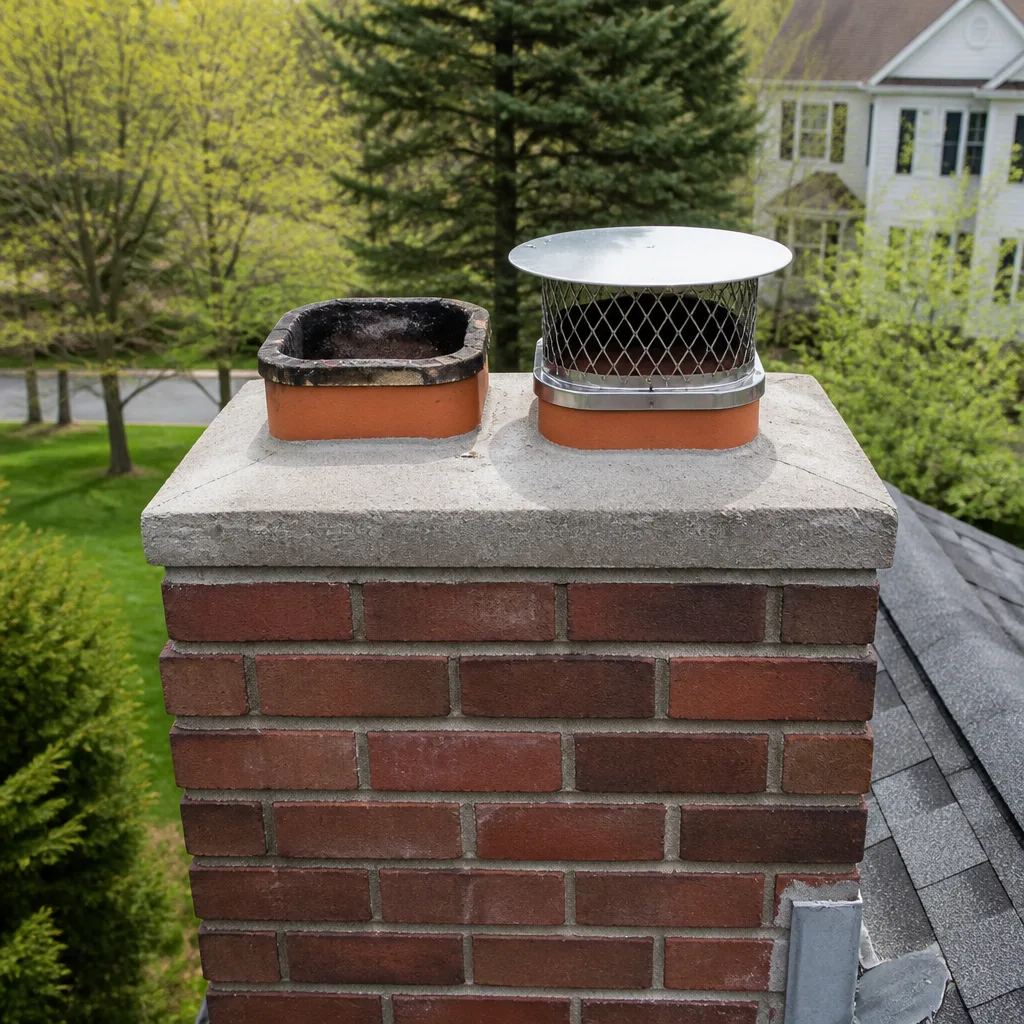
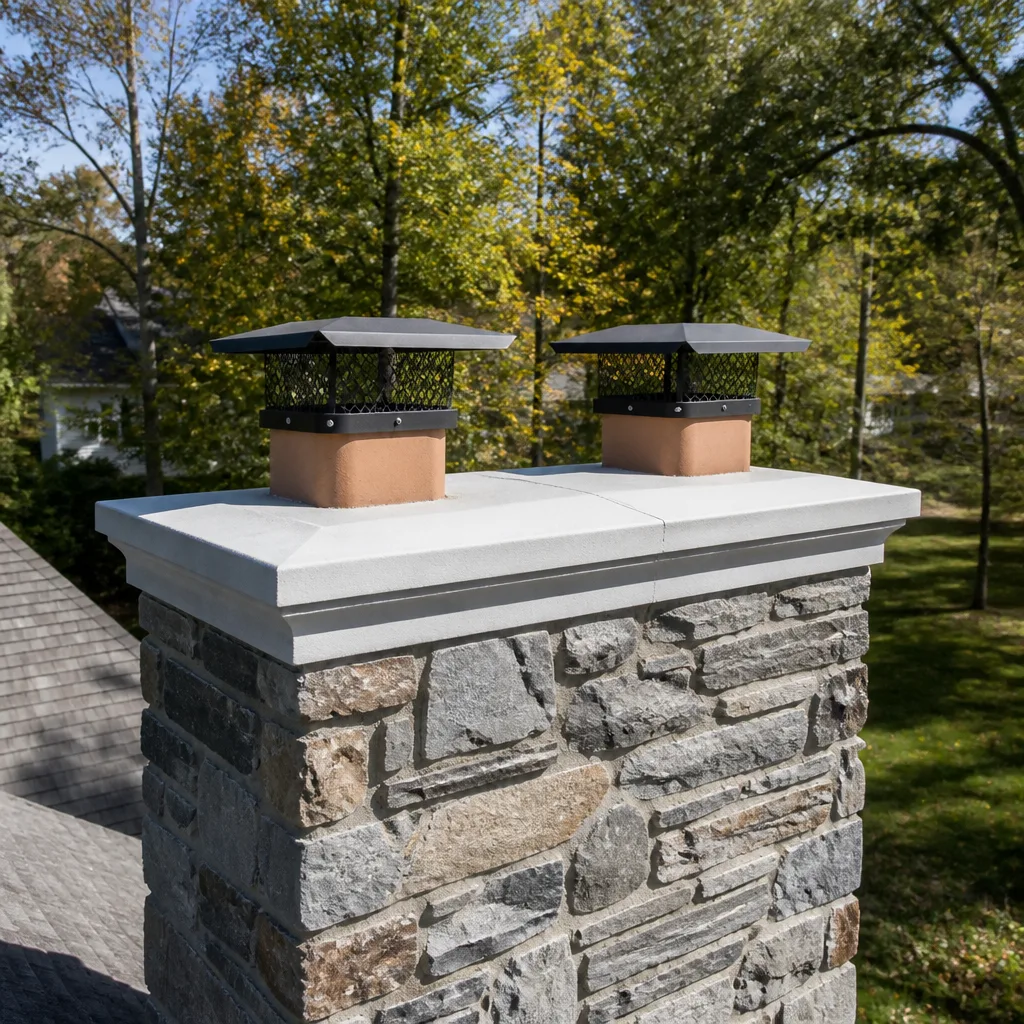
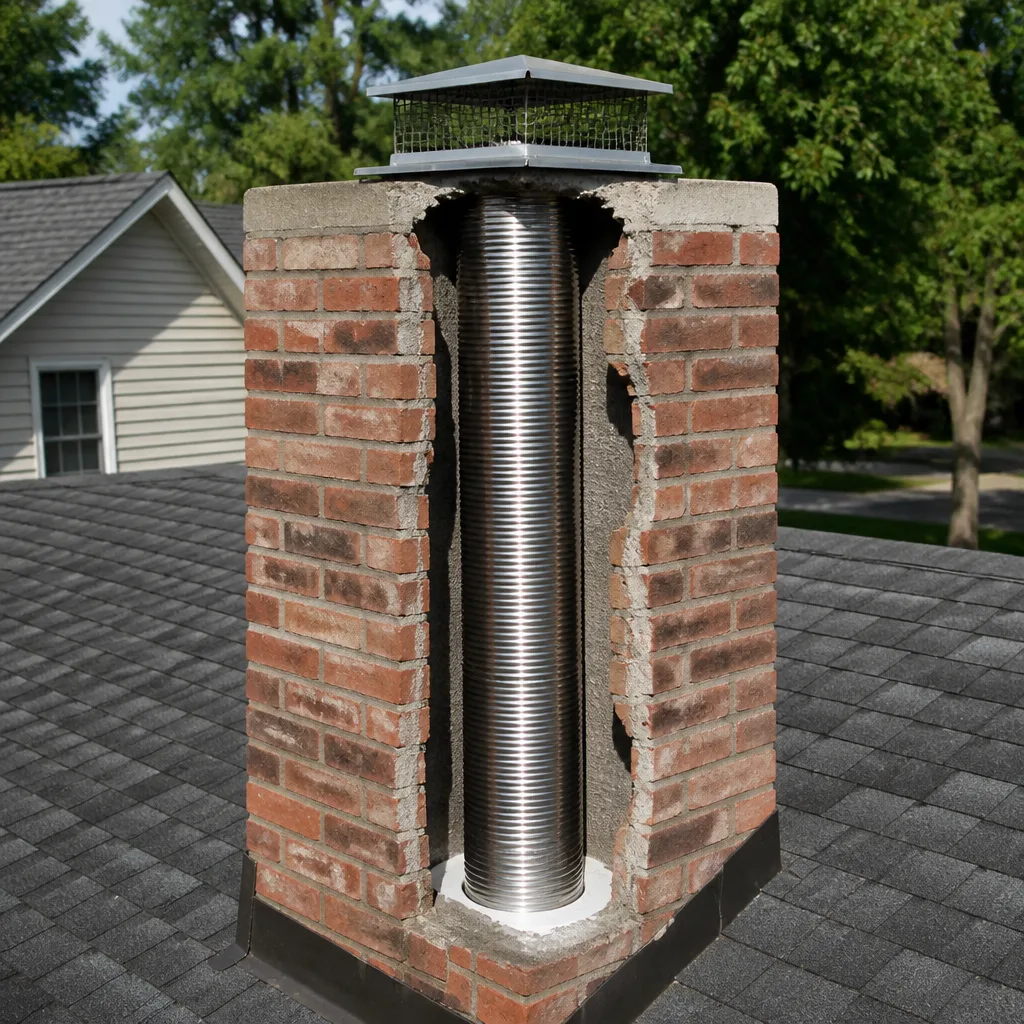
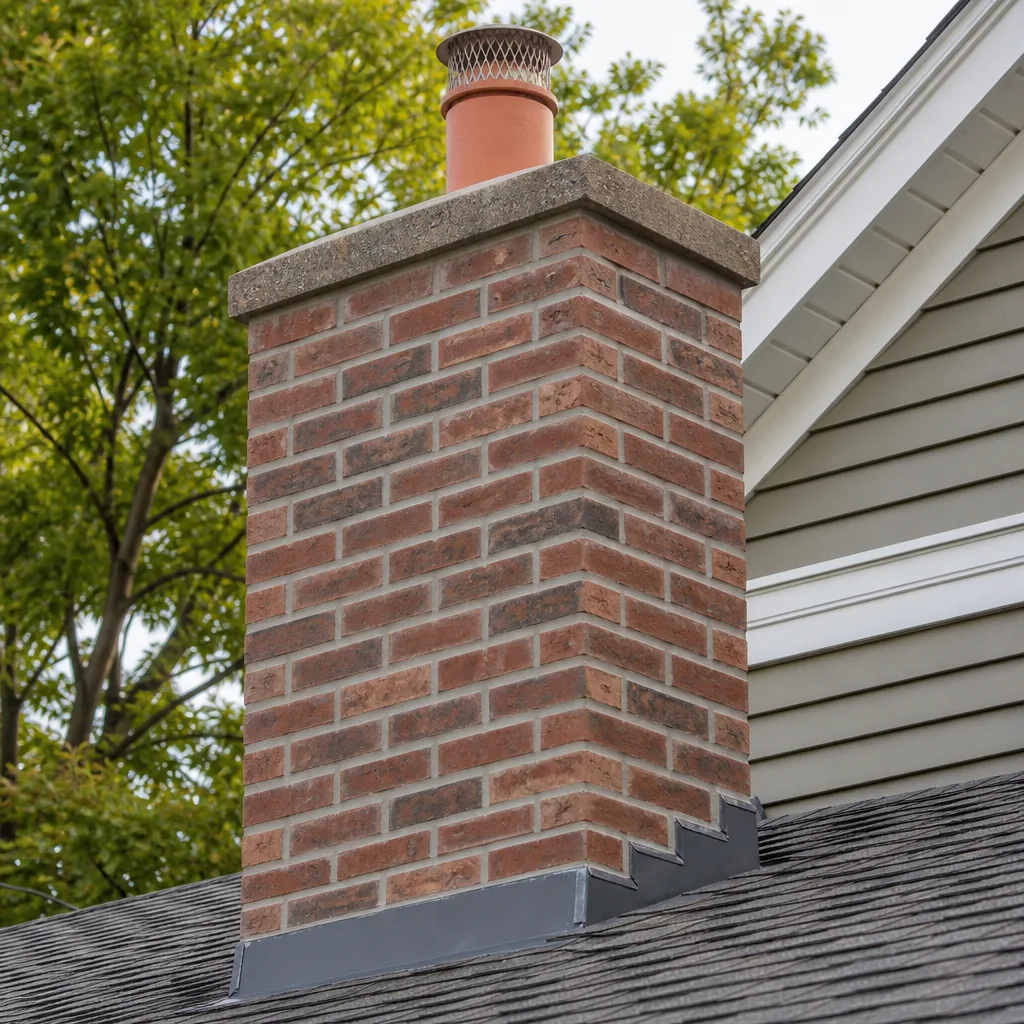
Level 1 sweep and inspection to the NFPA 211 annual standard - flue, crown, cap, and flashing checked and photographed
Chimney sweep logs do not sweep chimneys. They loosen some creosote - which then falls where a brush and vacuum still have to collect it.
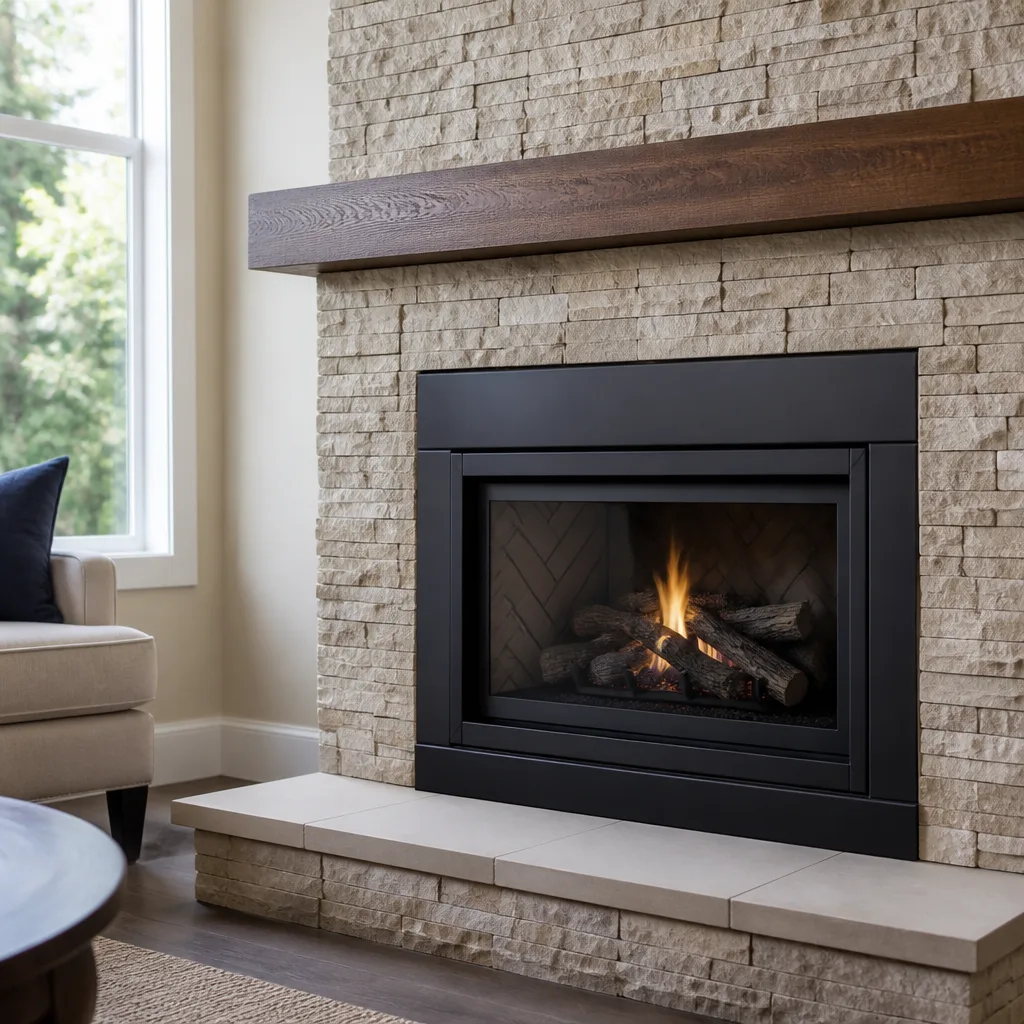
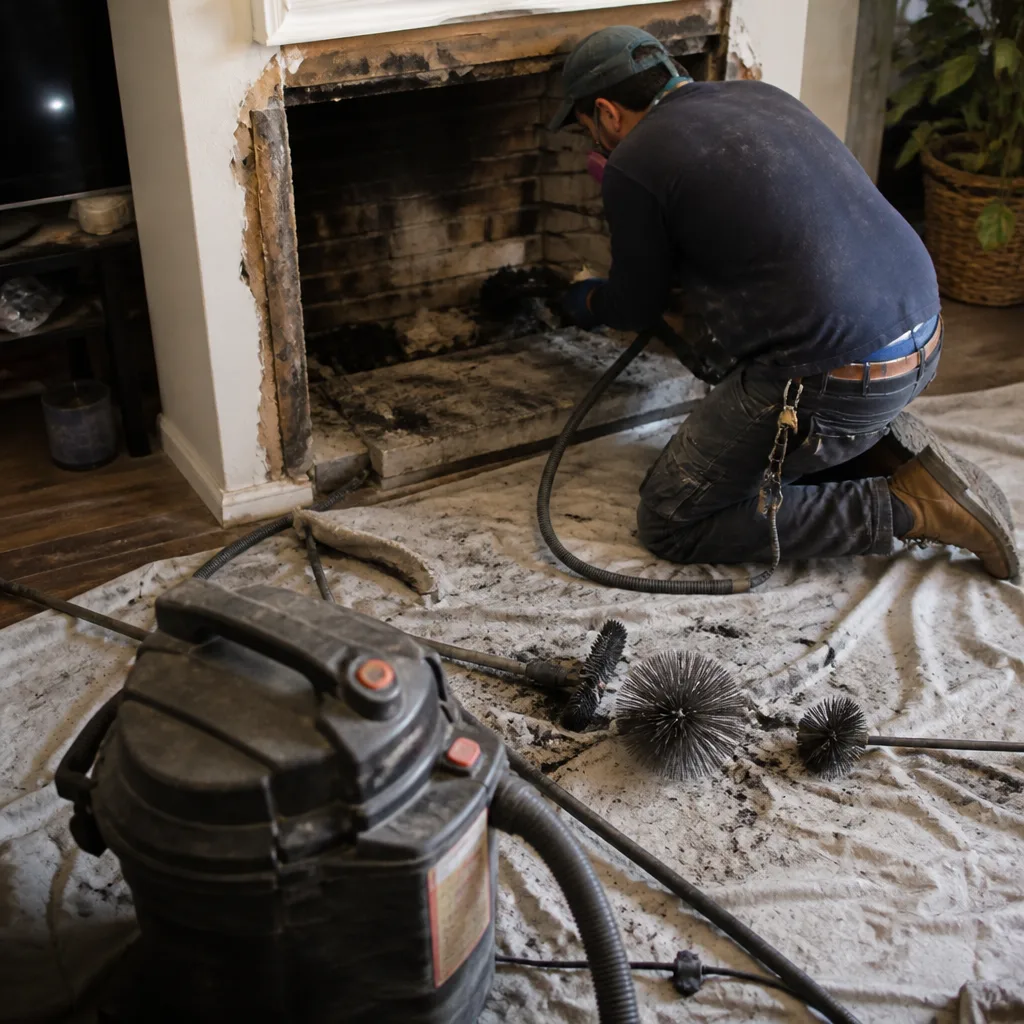 Before
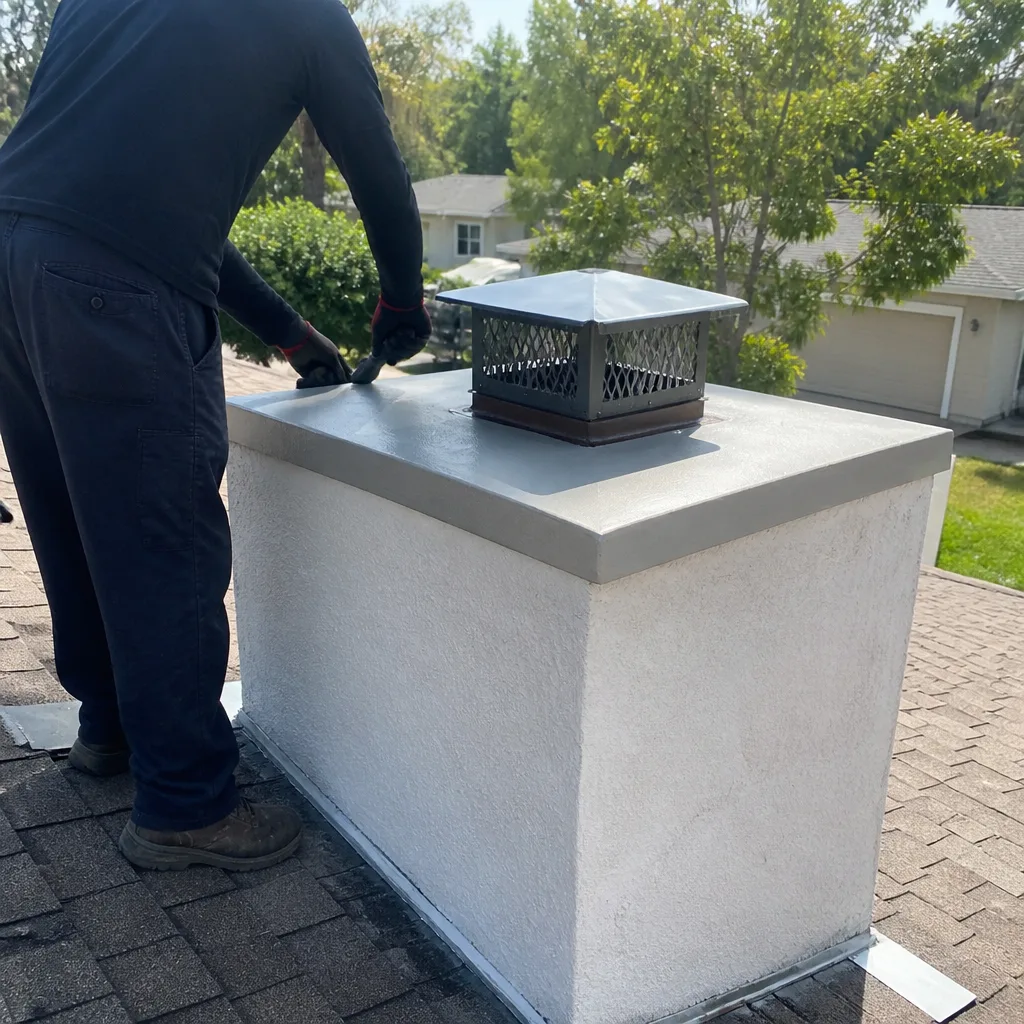 After
After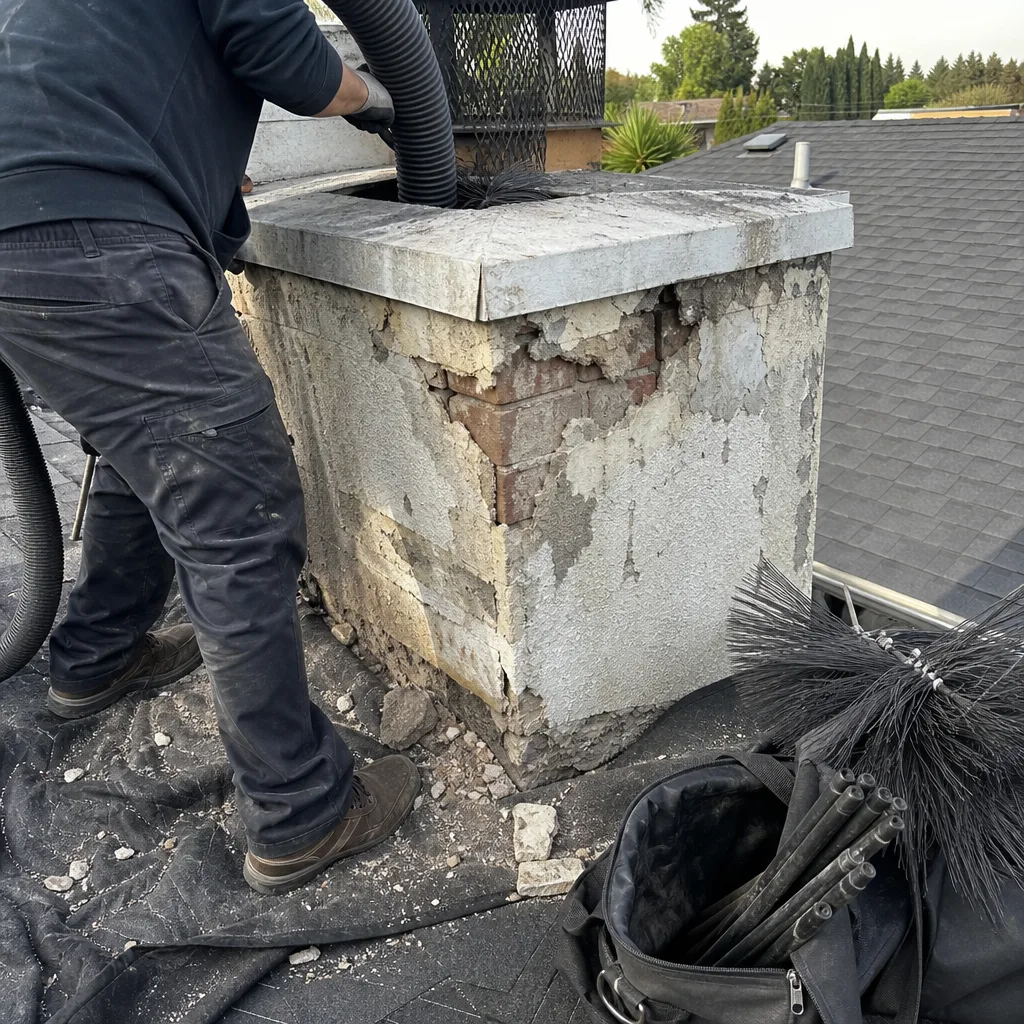 Before
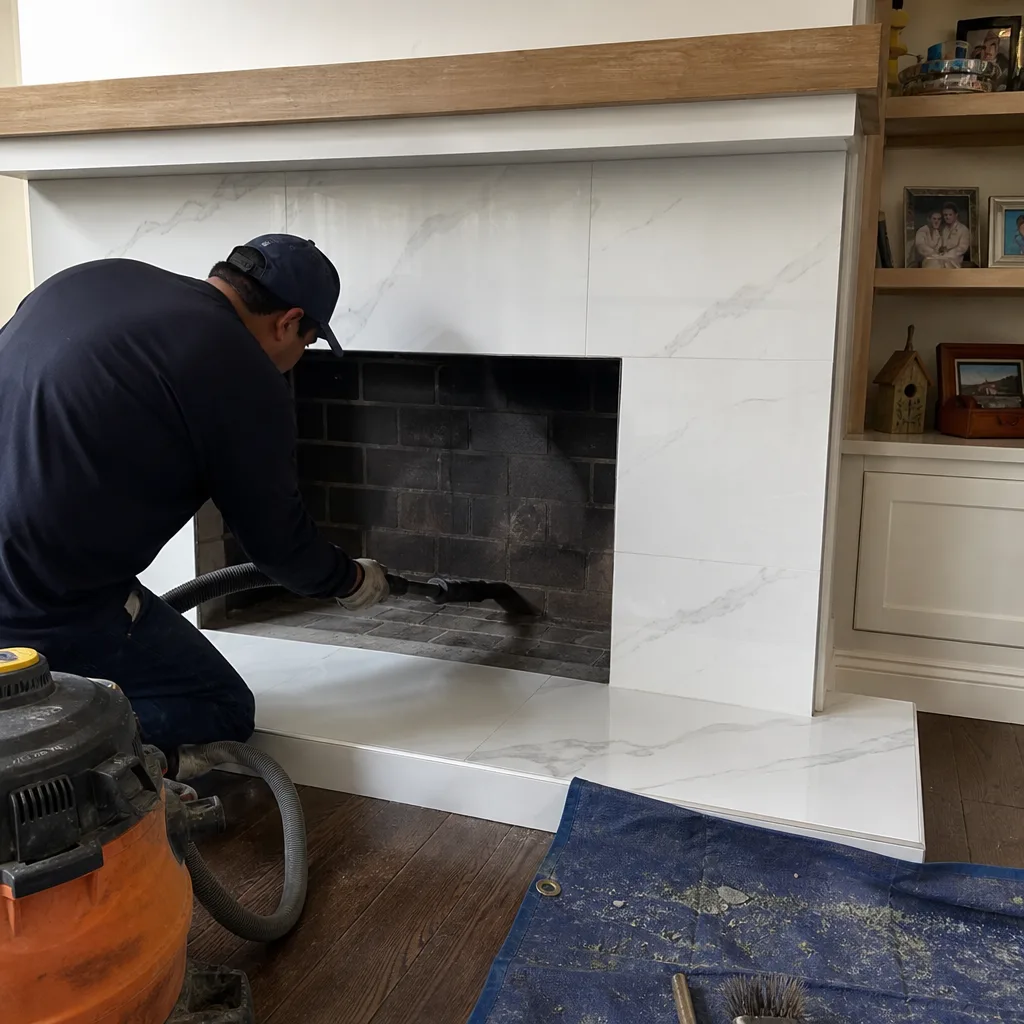 After
After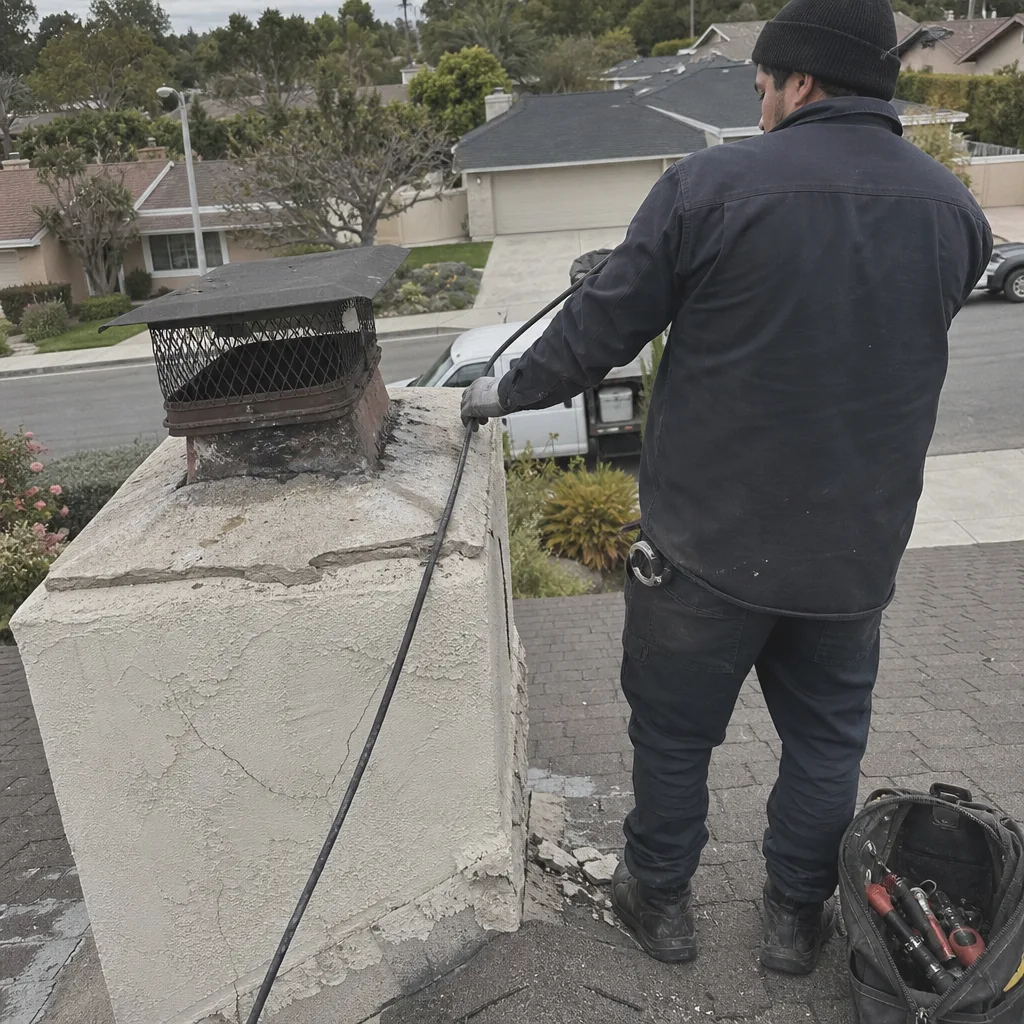 Before
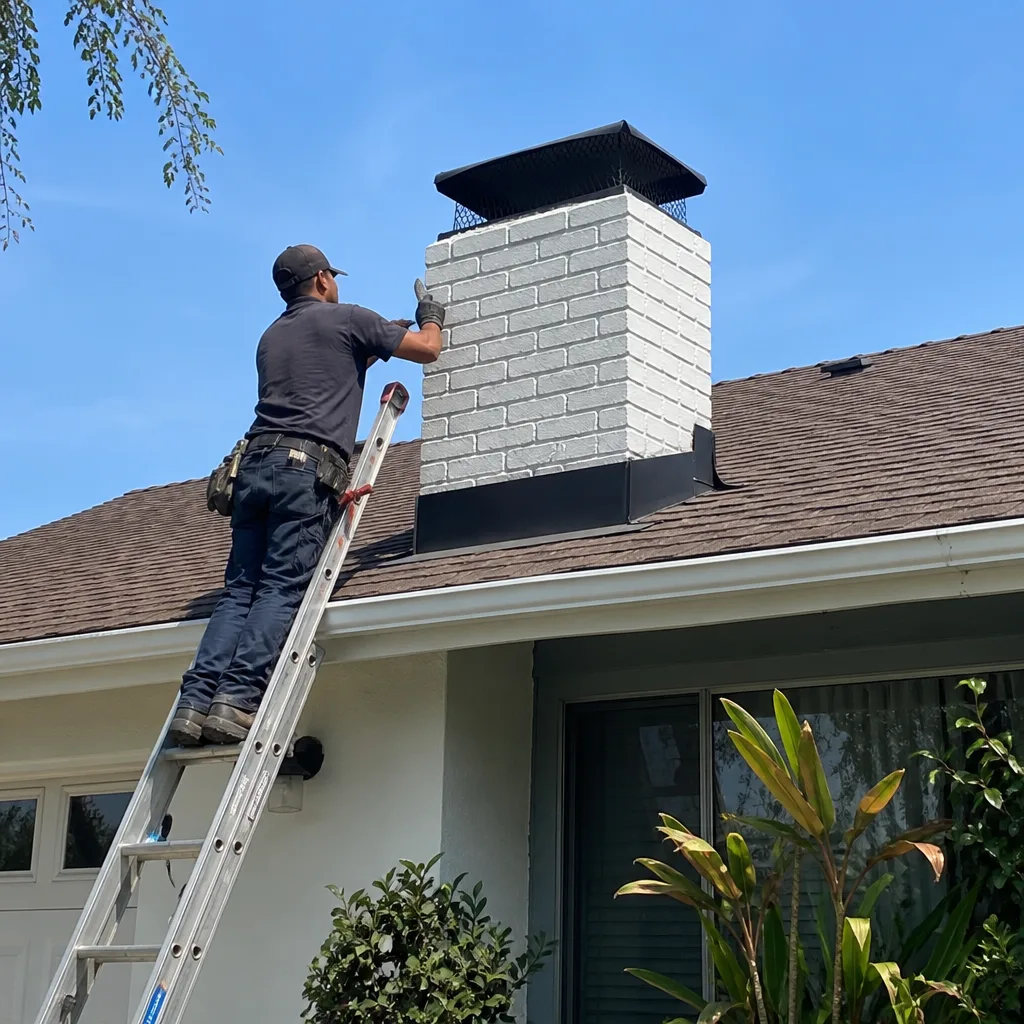 After
AfterCrumbling Mortar Inside the Firebox
What’s Happening
Crumbling mortar inside the firebox almost always means the refractory joints between your firebox bricks are breaking down from repeated heating and cooling cycles. This is one of the most common structural findings during a chimney inspection, and it signals that your firebox needs professional attention before you burn again.
The mortar that holds your firebox together is not the same stuff that holds a garden wall up. It’s a refractory compound, engineered to flex with extreme temperature swings. When it starts to powder, crack, and fall out in chunks, the bricks behind it are no longer sealed. Combustion gases – including carbon monoxide – can migrate through those gaps into wall cavities or adjacent rooms. The firebox itself can eventually shift if joints erode far enough. Neither outcome is theoretical. Both are preventable with a straightforward repair done at the right time.
Why It Happens
Thermal Cycling Wear
Every fire you build heats that mortar to several hundred degrees, then it cools back down over hours. Refractory mortar is tough, but it’s not indestructible. After years of this, the joints simply fatigue. You’ll notice a sandy, reddish-orange powder collecting on the firebox floor, and when you run a finger along a joint, the mortar crumbles out rather than holding firm. This is the most common cause by far, and it appears gradually over many burning seasons.
Wrong Mortar Used on a Previous Repair
Standard masonry mortar – the gray type used for brick walls and patios – cannot handle firebox temperatures. If a previous repair used the wrong product, it typically fails within one or two burning seasons, sometimes faster. The giveaway is fresh-looking crumbling confined to a specific area of the firebox, usually where a patch or fill job was done, while the surrounding original mortar still looks intact.
Water Infiltration
Water is mortar’s other enemy. A cracked crown, missing cap, or deteriorating flashing lets rain down the flue, where it soaks the firebox masonry and accelerates joint breakdown. If your crumbling is worse at the back wall or the throat area, and you’ve noticed staining or a damp smell after rain, water is likely driving the damage. A chimney inspection with camera imaging will show exactly where the water is entering.
Age and Settlement
Older firebox masonry can crack and crumble simply because the house has settled over decades, putting stress on the firebox structure. This type of damage often shows up as diagonal cracks running through both brick and mortar, rather than joint-only deterioration. If you see the bricks themselves shifting or tilting slightly, that’s a structural conversation – not just a repointing job – and it needs a technician’s eyes before you draw any conclusions.
What to Do Right Now
- Stop using the fireplace. Burning in a firebox with open mortar joints is a direct carbon monoxide and fire risk. Close the damper if you can reach it safely from inside the firebox, but do not climb in or apply any pressure to loose bricks.
- Photograph what you see. Get a few clear photos of the crumbling areas before you disturb anything – straight-on shots of the back wall, both side walls, and the firebox floor. Those photos help the technician triage the job before arriving and give you a baseline record.
- Check the firebox floor for debris. A significant pile of mortar dust or chunks on the floor tells you how active the deterioration is. Leave it in place for now – sweeping it away removes useful diagnostic information.
- Note any smell or staining. A persistent smoky or musty smell when the fireplace isn’t in use, or dark staining on the back wall, points toward a flue or water problem layered on top of the mortar issue. Write it down and mention it when you call.
- Do not attempt to patch it yourself. Hardware store mortar products are not rated for firebox temperatures. A DIY patch delays proper repair and can mask the extent of the damage from the technician who arrives to fix it correctly.
How We Fix It
When your local Flint Chimney Sweep technician arrives, the first step is a thorough chimney inspection – visual and, where the damage warrants it, camera-assisted. Before any repair discussion happens, you get a written price. That number doesn’t move. It’s part of how every Garrison company operates: price in writing before any work starts, no exceptions.
For mortar joint deterioration, the standard repair is firebox repointing – removing the failed material and packing the joints with a proper refractory compound. Depending on what the inspection reveals, the technician may also recommend a chimney sweep to clear debris before sealing the firebox. Both services are handled in a single visit when the scope allows.
Most firebox repointing jobs on a standard firebox are completed in a few hours. All repair work at Flint Chimney Sweep is covered by the 365-Day Done Right Promise: if a covered repair fails within a year of the service date, we come back and make it right at no charge. That’s in writing on every repair invoice, not just something we say on the phone.
Frequently Asked Questions
Open mortar joints in a firebox are a genuine fire and carbon monoxide hazard, not a cosmetic issue you can defer indefinitely. Combustion gases travel through gaps in masonry, and the longer the firebox is used in this condition, the wider those gaps get. Stop using the fireplace now and schedule an inspection. Call (830) 251-4560 – a live person answers around the clock.
The honest answer is: it depends on how much joint material needs replacing and what the inspection reveals underneath. Flint Chimney Sweep doesn’t publish flat rates for firebox repointing because the scope varies too much from one firebox to another. What we do guarantee is a written price before any work starts – no estimates that grow at the door. Call (830) 251-4560 and we’ll get a technician out to give you that number in writing.
Your local Flint Chimney Sweep team schedules appointments and we work hard to get to you quickly, especially when the fireplace is out of service. The best way to find out the earliest available slot is to call (830) 251-4560 – phones are staffed by a live person 24 hours a day, seven days a week, so you won’t hit a voicemail tree regardless of when you call.
Repointing – replacing the mortar joints while leaving the bricks in place – resolves the large majority of firebox mortar problems. A full rebuild is only warranted when the bricks themselves are spalled, cracked through, or structurally compromised. The inspection tells you which situation you’re in, with camera documentation you can see for yourself. Nothing gets recommended without evidence, and nothing gets started without a written price you’ve approved.
Get It Fixed
Your local Flint Chimney Sweep team is ready to inspect, diagnose, and repair your firebox the right way – with a written price before any work starts and a full year of coverage on every repair. Call (830) 251-4560 anytime, day or night, to speak with a live person and schedule your visit.
Written by Hank Delano, Owner at Flint Chimney Sweep, part of the Garrison Partners family serving homeowners nationwide since 2002.
What Our Customers Say
"Rebuilt the crown on our chimney where water had been getting in. Neat masonry and a fair price."
- Eddie J."Very respectful, wore boot covers, laid drop cloths. Left no soot."
- Jan S."Level 2 inspection before we bought the house. Report was detailed and saved us from a bad surprise."
- Archie M.