
Last updated October 9, 2026
Level 1 sweep and inspection to the NFPA 211 annual standard - flue, crown, cap, and flashing checked and photographed
Chimney sweep logs do not sweep chimneys. They loosen some creosote - which then falls where a brush and vacuum still have to collect it.
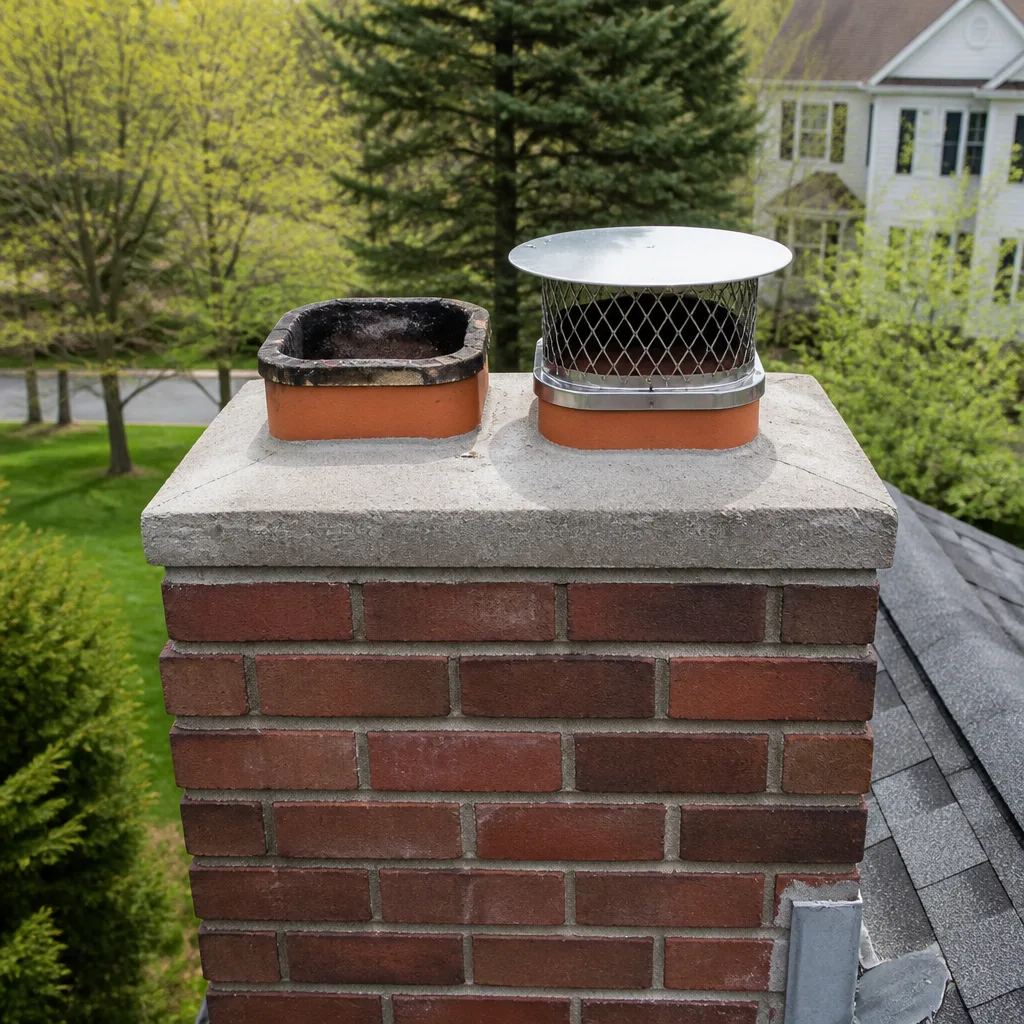
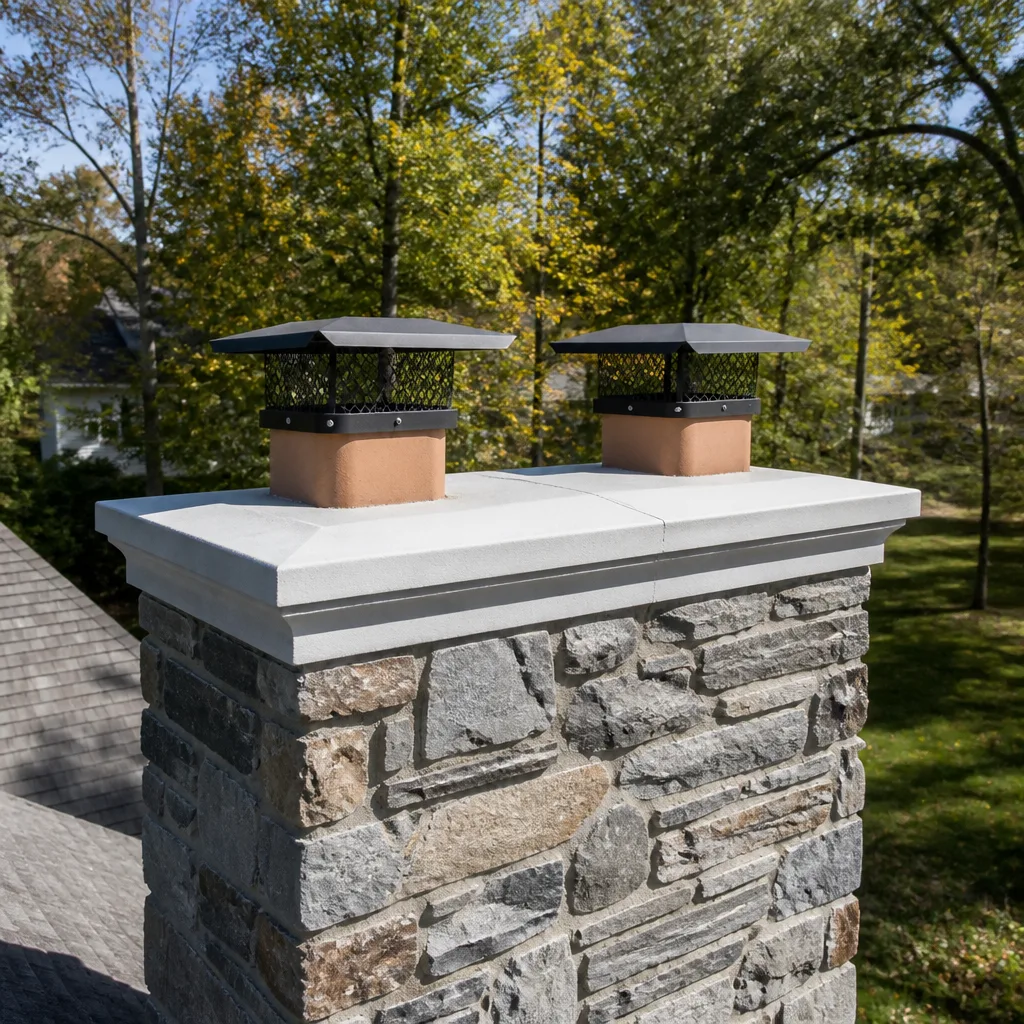
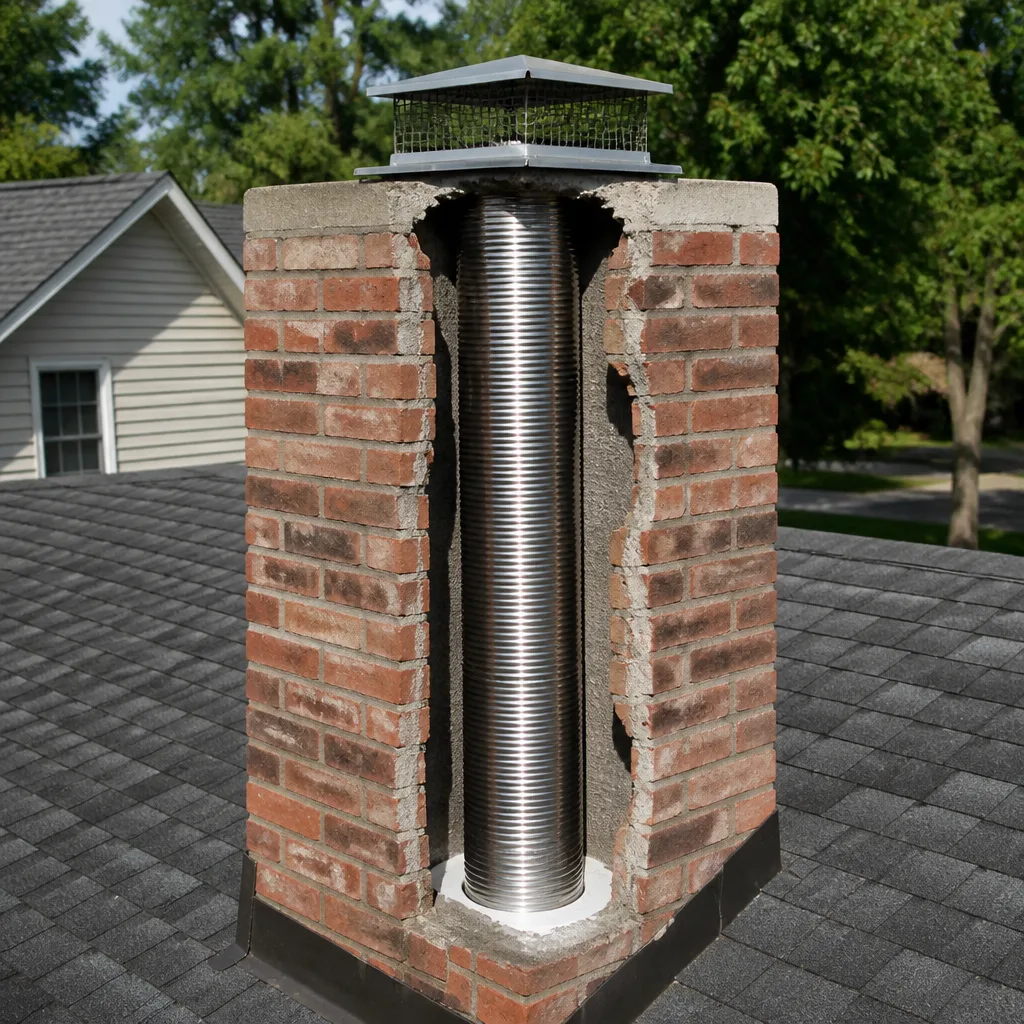
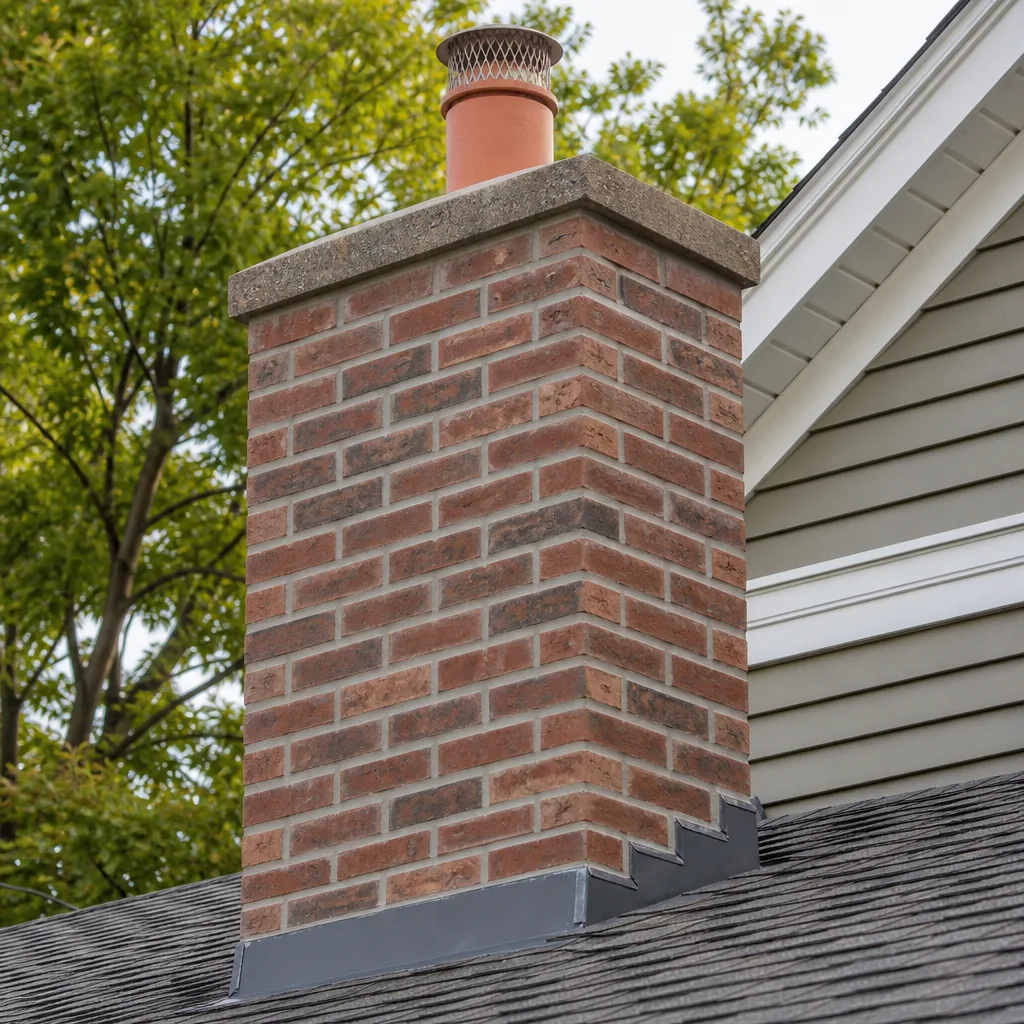
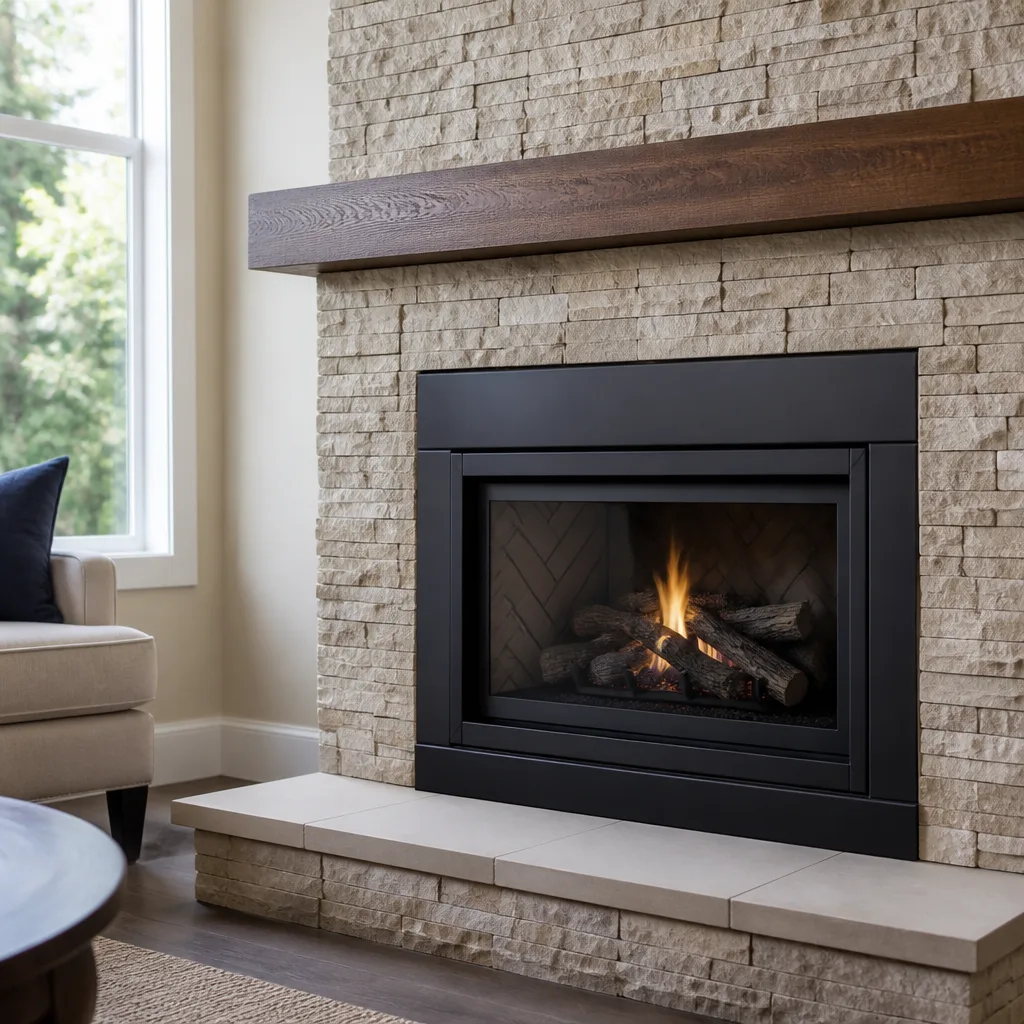
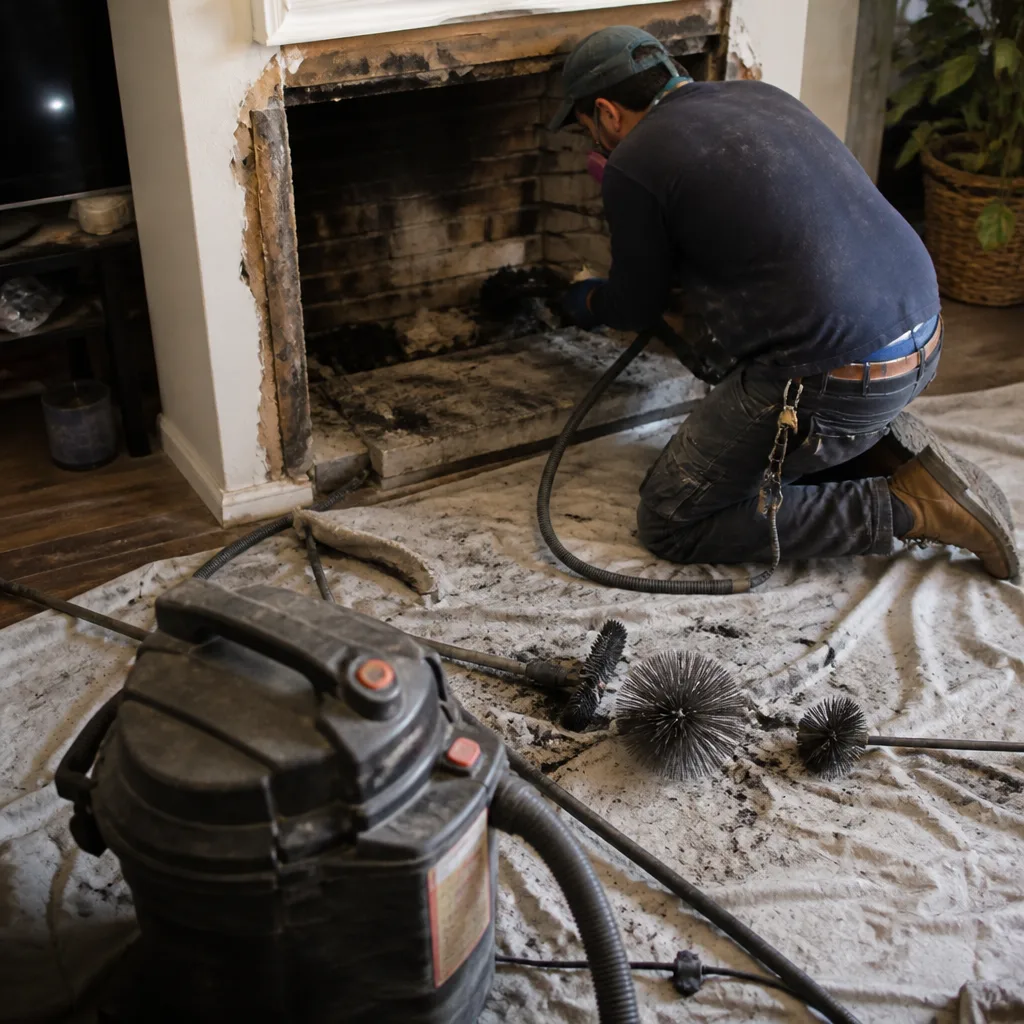 Before
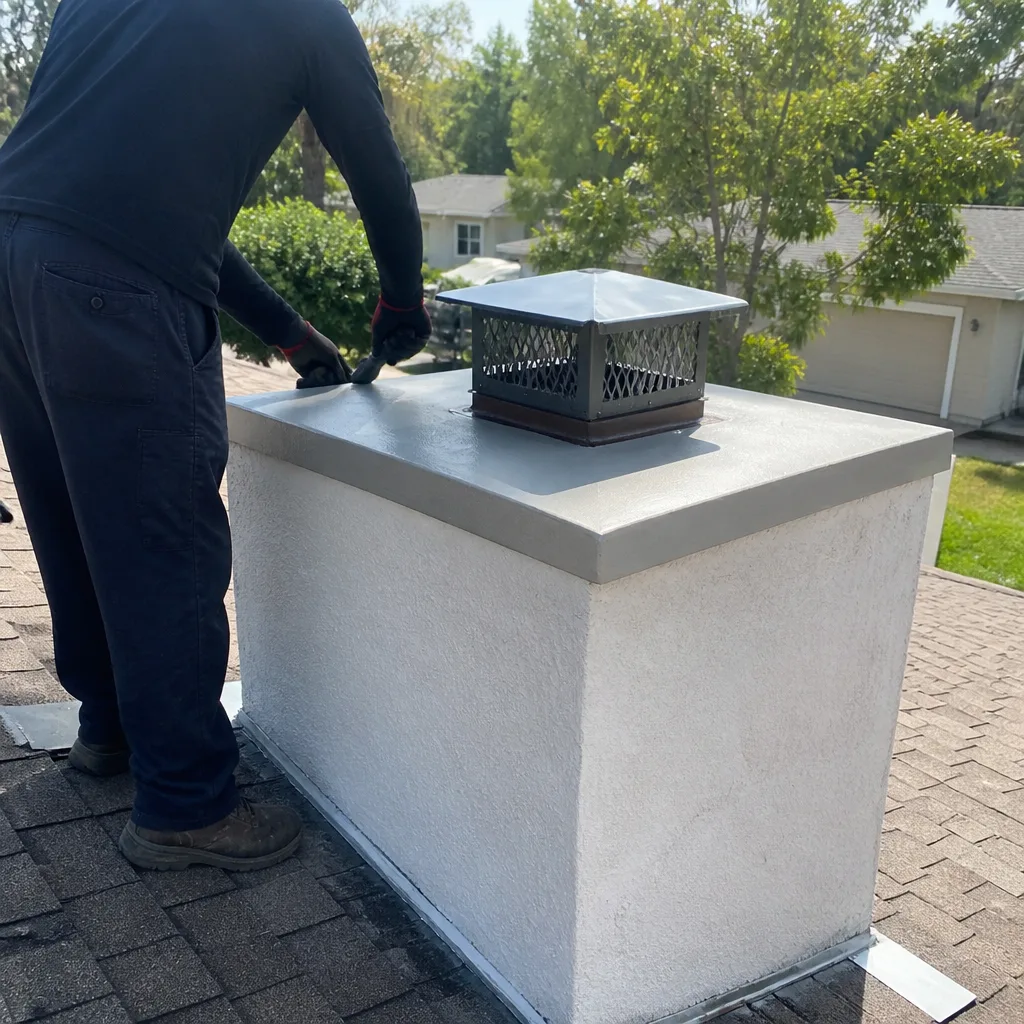 After
After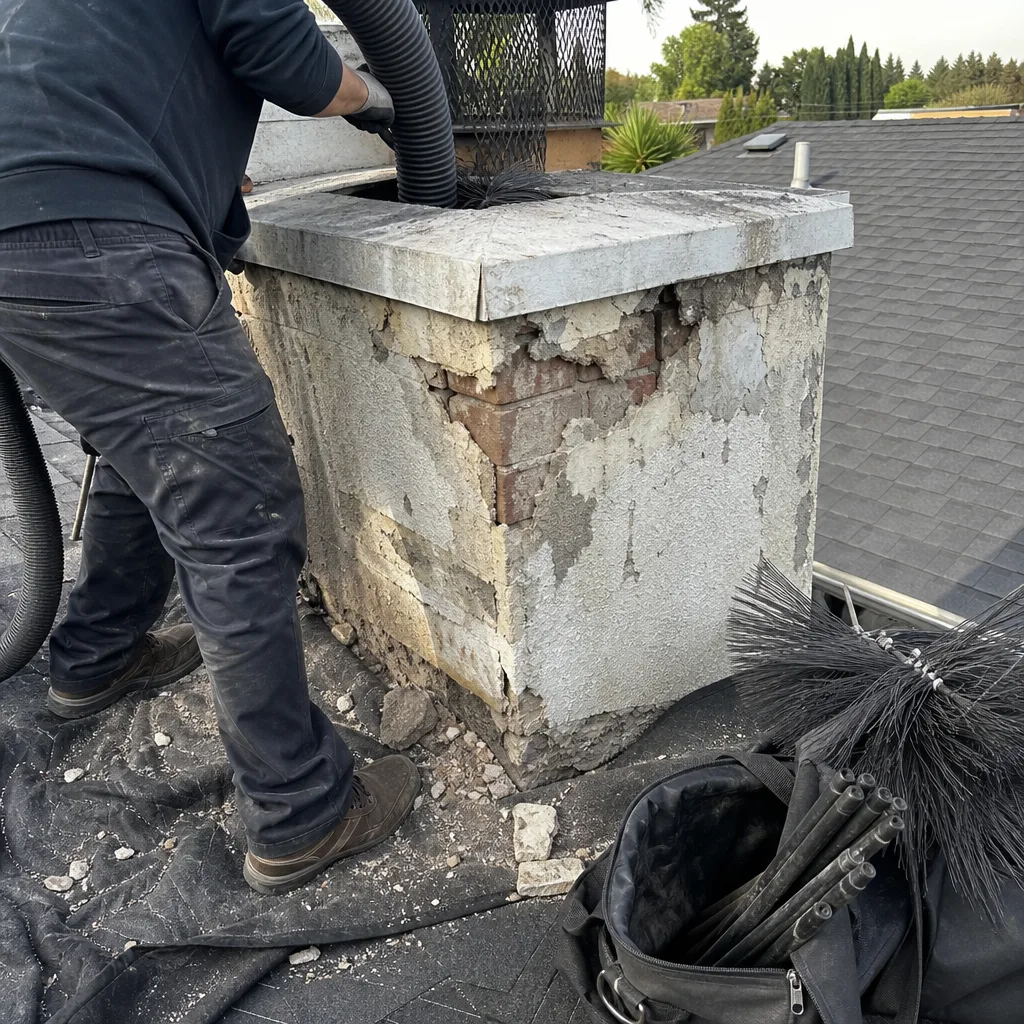 Before
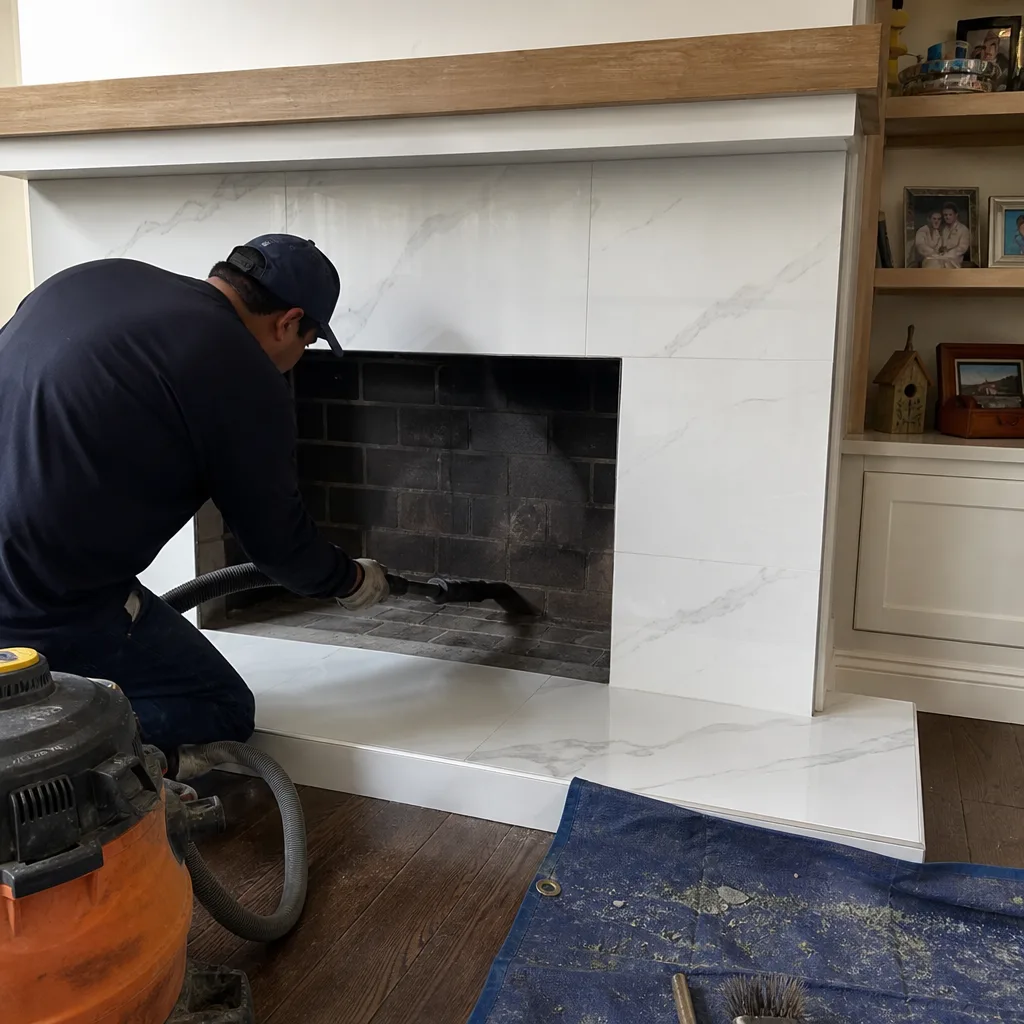 After
After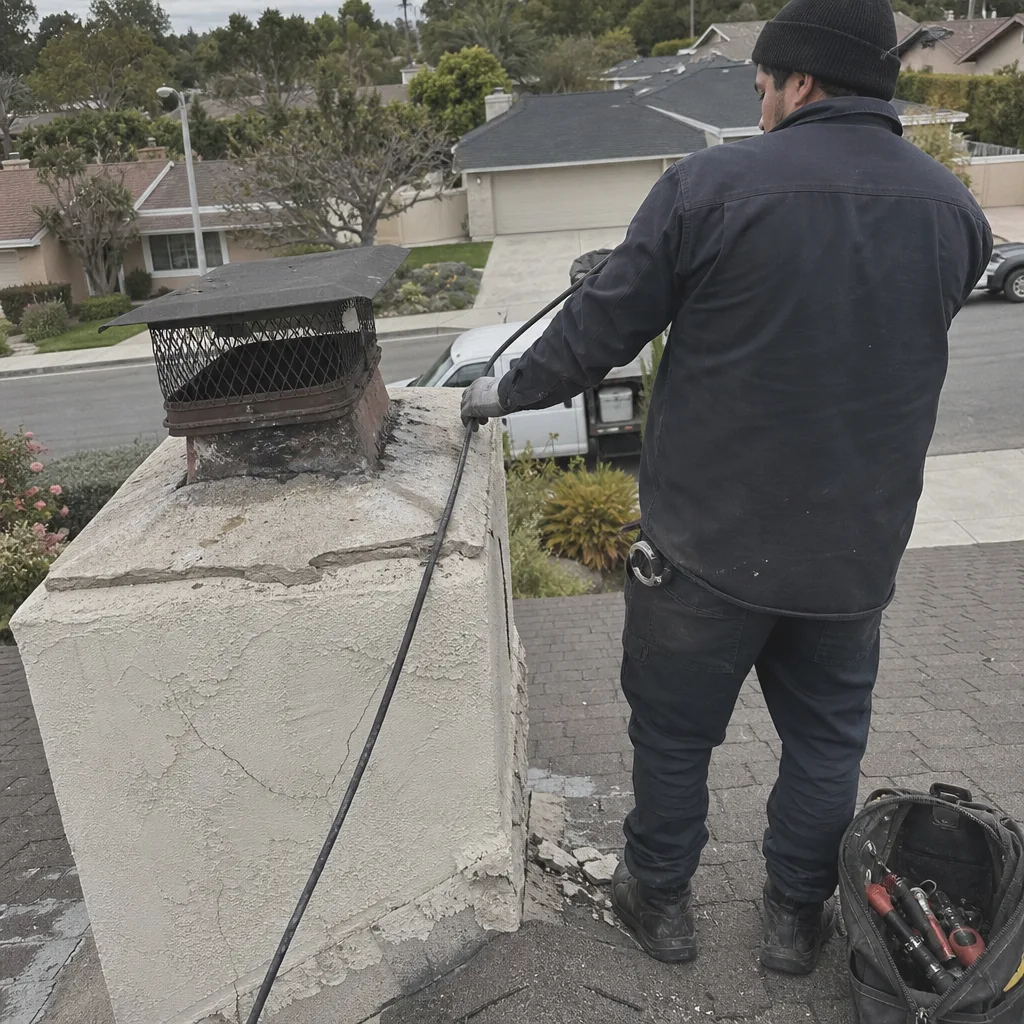 Before
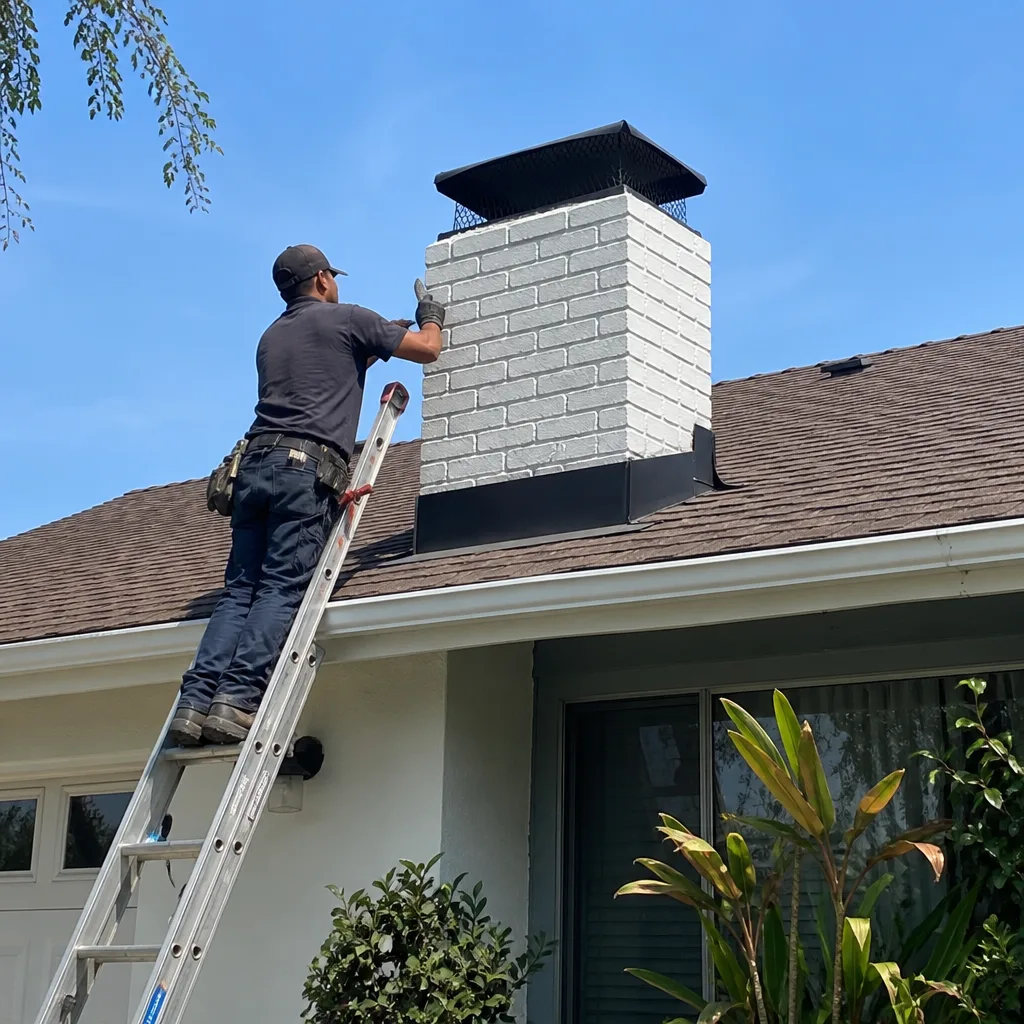 After
AfterChimney Repair Warning Signs Every Homeowner Should Know
A thin white line of mortar dust on the firebox floor isn’t dirt. It’s spalled joint material, and it means the joint above it is now open to water and combustion gas. Most Los Angeles homeowners don’t discover their chimney needed work until a $400 repair has become a $3,400 rebuild. Our Chimney Repair services can catch these issues early. This guide walks through the warning signs you can spot from your living room floor or the front walk, what each one costs to fix now versus later, and which signs mean you should not light another fire until a professional looks at it.
Quick Answer
The most common chimney repair warning signs are spalling brick or mortar dust in the firebox, visible cracks in the exterior masonry, a damper that sticks or won’t seal, rust on the firebox or damper assembly, white staining (efflorescence) on exterior brick, and a persistent campfire-like odor when the fireplace is not in use. Any one of these signs may indicate water intrusion, compromised flue integrity, or blocked ventilation. Any sign combined with visible smoke entering the room during use means the fireplace should not be used until professionally inspected.
Table of Contents
- 1. Mortar Dust or Gritty Debris in the Firebox
- 2. White Staining on Exterior Brick (Efflorescence)
- 3. A Damper That Sticks, Rusts, or Won’t Seal
- 4. Persistent Smoke Smell When the Fireplace Is Cold
- 5. Stepped Cracks in Mortar Joints and Offset Crown Sections
- 6. Spalling Brick Faces or Flaking Masonry
- 7. Rust Stains Inside the Firebox or on the Damper
- 8. Water in the Firebox After Rain
1. Mortar Dust or Gritty Debris in the Firebox
A fine layer of sand-like grit on the firebox floor after burning season is a red flag, not a housekeeping problem. That grit is disintegrated mortar from the joints between firebrick, not ash. In our experience across the Los Angeles basin, we see this most often in homes built before 1980, where decades of heating and cooling cycles have slowly broken down the original mortar. In neighborhoods like Sherman Oaks, Studio City, and the San Fernando Valley, the combination of summer heat expansion and winter firebox heat accelerates this breakdown. For prevention tips, see our Chimney Sweep Maintenance Checklist for Los Angeles Homeowners.
The mechanics are simple. Mortar joints hold the firebrick in place and keep combustion gas moving up the flue rather than through the brickwork. When a joint opens, gas and heat find that opening. Over another season or two, the opening widens, the brick behind it loosens, and what started as a $200 repointing job becomes a $1,200 to $2,600 partial firebox rebuild. The repair cost now is a fraction of the repair cost later.
Look at the quantity and location of the grit. A small amount in the center of the floor is less urgent than grit collecting at the back or sides of the firebox. Grit at the back often means the throat joint, the highest-stress joint in the firebox, is failing. That throat joint channels the hottest gas through the narrowest opening before it enters the flue. If it fails, the smoke path becomes erratic and carbon monoxide intrusion becomes a real concern.
- Shine a flashlight into the firebox, angled up at the walls rather than straight down.
- Look for joints that appear recessed, darkened, or missing material compared to adjacent joints.
- Run a fingernail across a suspect joint. Good mortar resists. Failing mortar powders out.
- Note the color of any dust. Pure white or tan dust is mortar. Dark gray or black flakes are creosote, which is a different problem with different urgency.
One clarification: this is not a do-it-yourself repair. Deep repointing inside a firebox requires removing loose material, cutting clean joint lines, and packing fresh refractory mortar that can withstand direct flame contact. Using hardware store mortar in a firebox leads to faster failure than the original joint. A trained chimney professional will know the difference and specify refractory mortar, not standard masonry mix.
2. White Staining on Exterior Brick (Efflorescence)
That chalky white film spreading across your chimney’s exterior brick is efflorescence, and it is visible from the street. Efflorescence forms when water moves through masonry and carries dissolved salts to the surface. When the water evaporates, the salt crystallizes and leaves the stain. In the Los Angeles climate, we see it most after the first heavy winter rains, when brickwork has been saturated and then dried quickly by Santa Ana winds.
Efflorescence itself is not structural damage. The damage is what the water is doing inside the masonry, out of sight. Water that moves through brickwork erodes mortar, rusts wall ties, and deteriorates the fire clay liner inside the flue. A water-repellent application and minor pointing typically costs $300 to $700. Deferred 12 to 24 months, that water intrusion can require flue relining (replacing the inner liner that channels smoke safely out of the house), which in Los Angeles typically runs $2,800 to $6,000 depending on flue height and access.
There is a secondary warning sign that often accompanies efflorescence: spalling brick faces, which we’ll cover in more detail below. If you see white staining combined with brick faces that are flaking or popping off in shards, the water has gone through freeze-thaw or salt-crystallization cycles that physically fracture the brick. In those cases, the brick is part of the problem, not just the joint.
The responsible way to handle efflorescence is not to power wash it and call it resolved. Washing removes the symptom, not the water source. A professional will identify how water is entering: a failed cap, an unsealed crown, porous brick, or a cracked wash. Fix the entry point first, then clean the staining, then apply a breathable water repellent. That order matters. Sealing over active water intrusion traps the water inside the masonry and makes the damage faster and worse.
3. A Damper That Sticks, Rusts, or Won’t Seal
A damper that is hard to open or close, or that visibly rusts at the hinges or blade, is not just a nuisance. It is a control mechanism that no longer does its job. The damper has two functions: it seals the flue when the fireplace is not in use, and it controls draft while a fire burns. When it sticks, rusts, or warps, it fails both functions.
Sealing is the one most Los Angeles homeowners underestimate. A damper that doesn’t seal lets conditioned air escape up the chimney year-round. During summer, air-conditioned air pulled up through the open flue can add $20 to $45 per month to cooling costs depending on the home size and the temperature differential. During winter, heated air escapes the same way. That is a slow, quiet cost that runs 12 months a year.
The repair economics are straightforward. A replacement top-sealing damper installed at the flue opening, or a rebuilt throat damper, typically costs $400 to $900 in the Los Angeles market. The alternative, leaving a failed damper in place for a season or two, leads to rust migrating from the damper components to the smoke chamber walls above, which turns a damper replacement into a $1,400 to $2,200 smoke chamber repair in addition to the damper work. The dampers we install for our Los Angeles clients come from manufacturers like Olympia Chimney and Famco, both of which build damper assemblies designed to survive the smoke environment without warping in the first few seasons. See our Chimney Sweep Maintenance Schedule: What to Do and When for timing guidance.
Here’s what to check without a ladder:
- Open and close the damper three times in a row, and note where it sticks in the travel.
- Look for rust streaks on the handle, the hinges, or the blade edges.
- Close the damper and hold a candle flame inside the firebox, away from the walls. If the flame flickers or pulls upward, air is moving past the seal.
- Check whether the handle or gear mechanism is stiff in one direction but not the other, which often indicates a bent linkage rather than a broken blade.
One thing to be realistic about: a damper that exhibits minor stiffness where the handle meets the bracket is often repairable. A damper that is visibly rusted through the blade, with holes or scalloped edges, is spent and should be replaced outright. Repairing a rusted-through damper blade is throwing money at a failing component.
4. Persistent Smoke Smell When the Fireplace Is Cold
A fireplace that smells like last winter’s fire in the middle of July is not normal. That campfire or cold-smoke odor means the flue is breathing into the living space, not out the top of the chimney. The movement comes from changes in differential air pressure: a cool flue with warm indoor air creates a downward draft that carries the smell of creosote and soot out of the firebox and into the room.
There are three common causes, and they point to different repairs. A failing flue liner, which we discuss below in more detail, allows creosote to accumulate in and behind the liner, where damp air releases its odor. A poorly seating damper contributes the same way, because the seal is no longer holding back the flue air. And negative air pressure inside the home, common in newer Los Angeles construction with tight framing and strong bathroom or kitchen exhaust fans, can pull chimney air into the living space when the house itself is sealed up tight.
The first two causes are chimney repairs. The third is a house ventilation issue that can be managed with make-up air or damper adjustment, but it should still be diagnosed by a professional rather than guessed at. What we’ve seen in Los Angeles homes is a pattern: the client reports a smoke smell in August or September, and what we find on inspection is not just creosote but a spalled firebox joint or a cracked liner that has been trapping creosote for years.
The cost range is worth knowing before you call. A sweep and firebox cleaning, which addresses the accumulated creosote, typically runs $200 to $350 in Los Angeles. If the odor comes back after a sweep, the flue liner itself is suspect, and a camera inspection is the honest next step. We don’t recommend a liner replacement based on smell alone. We want the camera evidence first, because the homeowner deserves to see exactly why a liner replacement is or is not necessary. That is a core operating rule at our shop: nothing gets recommended without camera evidence the client can see for themselves.
5. Stepped Cracks in Mortar Joints and Offset Crown Sections
Here’s a warning sign that national chimney guides rarely cover. In Los Angeles, we build and inspect chimneys in a seismic zone, and earthquake movement leaves its own diagnostic signature. A stepped crack in the exterior chimney mortar, where cracks run in a stair-step pattern through the joint lines rather than straight up through the brick faces, points to lateral movement. Something shifted. It may have been a small quake, a larger one, or the cumulative effect of two decades of minor tremors, but the chimney moved sideways and the mortar cracked rather than flexing.
A straight, hairline crack through a mortar joint with no displacement is often cosmetic or minor settling. We can repoint it for $200 to $500. A stepped crack that is wide enough to fit a penny edge, or one that is wider at the top than the bottom, tells a different story. That pattern indicates one side of the chimney has moved or settled independently of the other, and it deserves a structural inspection. The repair range in Los Angeles for these cases runs from $1,500 for partial rebuilding to $6,000 or more for a full teardown and rebuild, depending on chase height and access.
The second seismic sign we look for is an offset crown section. The crown is the concrete slab that caps the masonry at the top of the chimney. A crown that has moved laterally relative to the brickwork below it, leaving one edge overhanging and one edge set back, means the top of the chimney moved during a quake and did not move back. That offset crown gives water a direct path into the flue and the masonry core, and it also signals that the structure above the roofline may not be stable. Seattle gets the earthquake narrative in chimney marketing. Los Angeles lives it.
The third sign is loose cap movement. A chimney cap should not rotate or shift when pressed against. A cap that moves under hand pressure has lost its mechanical fastening to the crown or flue, which happens in seismic events. This is not just a missing cap. It is a cap that may come off in the next strong quake and take flue tile with it. Re-securing a cap typically costs $150 to $350 when the crown is sound. Rebuilding a crown after a cap tears through it runs $1,200 to $2,000.
6. Spalling Brick Faces or Flaking Masonry
Spalling is the name trade professionals use for brick faces that flake, pop, or shear off in shards. It is not normal weathering. It is a failure of the brick itself, driven by water that entered the masonry, saturated the brick, and then expanded through heating or mineral crystallization cycles until the brick face could no longer hold together. In Los Angeles, where we run long dry spells followed by heavy rain, the repeated soaking and drying accelerates spalling more than constant dampness would.
Spalling matters for two reasons. The first is structural. As brick faces peel off, the remaining brick loses section, and the masonry shell loses the compressive strength it was designed with. A chimney is a cantilevered masonry structure, standing free above the roofline and resisting wind and seismic loads. When spalling removes a quarter inch of brick face across a wide area, that chimney is now a weaker structure than it was.
The second reason is water entry. Spalled pockets collect water, which freezes and expands, which spalls the brick deeper, which collects more water. It is a feedback loop, and it accelerates if not interrupted. Repairing spalled brick in a localized area, where the damaged brick is individually removed and replaced with matched brick, typically runs $400 to $1,200 in Los Angeles depending on how many units are affected and the height above the roofline. Deferred to the point of a partial or full rebuild, the same chimney runs $3,000 to $8,000.
One thing to be clear about: not every crack in a brick requires replacement. If the brick face shows a hairline crack but is solidly attached, with no movement when pressed, and the surrounding mortar is intact, the brick is often serviceable. Spalling is not the crack. Spalling is the separation. If you can wiggle a piece of the brick face or if the face is already gone, the brick needs to be replaced, not repointed. A good chimney professional in Los Angeles will be honest about the difference, because replacing brick that doesn’t need replacing is not service. It’s overselling.
7. Rust Stains Inside the Firebox or on the Damper
Rust inside the firebox is the most direct sign of water intrusion into the chimney system, because it tells you water has reached metal components that should stay dry. The firebox itself is built with firebrick and refractory mortar, which do not rust. But the damper assembly, the cap, the flashing, and in some cases an ash dump door are all metal, and rust is the chemical record of water contact.
The standard path of water into the firebox follows this order: the crown develops cracks or begins to erode, rainwater enters through those cracks and runs down the flue, and it reaches the damper and firebox floor as a slow drip. In Los Angeles, we also see a faster failure mode, which is chimney flashing. Flashing is the metal seal where the chimney meets the roof surface, and in the heavy rain years we get, failed flashing funnels roof runoff directly down the outside of the chimney and into the firebox through the throat.
Rust on the damper is not repairable in place. The rust will return, because the water source is still active. Addressing rust properly means finding and correcting the water entry point, replacing the rusted component, and verifying with a camera inspection that the water has not compromised the flue liner. A flashing repair on a standard Los Angeles roofline runs $300 to $800 depending on roof pitch and flashing type. A crown repair runs $800 to $1,500. A full flue relining with a product like DuraFlex, which is a stainless steel liner system, runs $2,800 to $6,000. The cost hierarchy is there for a reason: the earlier the water is stopped, the less metal and liner you replace.
Check for rust the same way you check a used car. Look at the seams, the pivot points, and the underside. Bring a flashlight. Light surface staining on the damper blade from condensation is one thing. Pitted rust with flaking metal is another. The first may respond to a crown or flashing repair. The second means the component has reached the end of its service life and needs replacement, not painting.
8. Water in the Firebox After Rain
Visible water in the firebox after rain closes the diagnostic loop. All of the previous signs point toward water intrusion as a possibility, but standing water or wet firebox walls after a storm are direct evidence. There is an active leak path from the top of the chimney or the roof flashing into your firebox, and it is not going to dry itself out of existence.
The first thing to do after noticing water in the firebox is to stop using the fireplace until the water source is identified and corrected. Water in the firebox means water in the smoke chamber, water in the flue, and water in the masonry core. Burning a fire on top of that water converts it to steam inside the masonry, which accelerates spalling and mortar breakdown. It also makes for a smoky, poor-drafting fire. The fireplace is not usable until the leak is found and fixed.
The diagnostic process is straightforward. A professional will inspect the cap and crown first, then the flashing, then the masonry shell, then run a camera up the flue to check for internal damage. The cost to fix the most common sources, cap replacement and crown sealing, ranges from $800 to $1,500 in Los Angeles. If the water has been entering for more than one rain season, the flue liner may also need replacement, which brings the total to the range we described above. Deferring the repair because it only happens when it rains is how a $1,000 crown repair becomes a $5,000 reline plus rebuild. Water doesn’t need to be dramatic to be expensive. It just needs time.
Common Mistakes to Avoid
- Ignoring the first season of mortar dust. A thin layer of grit in the firebox floor always means joint material is failing above, and repointing now costs a fraction of a firebox rebuild later.
- Painting over efflorescence or water stains. Latex paint seals the surface but does nothing to stop water entering the masonry, and the trapped moisture accelerates spalling behind the paint surface.
- Assuming a smoke smell means the fireplace just needs to be cleaned. If the odor returns after a sweep, the flue liner or damper seal is suspect, and continuing to live with it means creosote is building up somewhere it shouldn’t be.
- Replacing a damper without checking the smoke chamber above it. Rust and smoke damage migrate upward over time, and a new damper installed below a deteriorating smoke chamber is a short-term fix that leaves the real problem growing.
- Using the fireplace after visible water intrusion. Water in the firebox means water in the flue system, and burning on top of it turns a repairable leak into a masonry breakdown that costs thousands to rebuild.
- Caulking a stepped crack with exterior sealant. A stepped crack indicates movement, and sealant masks the sign without addressing the structural change. The crack will reopen, but by then the damage will be deeper.
When to Call a Professional
Call a professional when any of these signs appear: mortar dust in the firebox, efflorescence or spalling on exterior brick, visible rust in the firebox, a damper that won’t seal, a smoke smell that persists after cleaning, or water in the firebox after rain. If two or more signs appear together, the chimney has multiple active deterioration pathways, and a camera inspection is the only way to know what’s failing first. No guide can replace a visual inspection of your specific chimney, your specific roof, and your specific firebox condition. Flint Chimney Sweep offers free estimates in Los Angeles, and every estimate includes a written price before any work starts. Call (830) 251-4560 to schedule yours.
Frequently Asked Questions
Chimney repair costs in Los Angeles typically range from $200 for minor mortar repointing to $6,000 or more for a full flue relining and masonry rebuild. The most common repairs we quote fall between $400 and $1,500: damper replacement, crown sealing, flashing repair, and localized brick replacement. The final number depends on what the camera inspection shows, which is why every job with our crew starts with a written price after inspection, not before, and never a number that moves at the door. Call (830) 251-4560 for a free estimate with an exact quote, or browse more guides & resources on our blog.
The clearest signs are mortar dust in the firebox, white staining on exterior brick, a damper that sticks or won’t seal, rust inside the firebox, a persistent smoke smell when the fireplace is cold, and stepped cracks in the mortar joints. Any one of these signs means the chimney should be inspected. Any combination means you should schedule the inspection sooner rather than after one more season. A visual inspection takes less than an hour and gives you a documented answer instead of a guess.
Sometimes, but not always. A flue liner needs replacement when camera inspection shows cracks, gaps, or deterioration that compromises the chimney’s ability to channel smoke and combustion gas safely out of the house. We do not recommend a liner replacement based on age alone, smell alone, or a visual inspection from the roof alone. The camera tells the truth, and we show you the footage before we recommend a liner. If the liner is sound, we will say so, and you will not be sold a replacement you don’t need. That is how we operate under our chimney inspection process in Los Angeles.
Every 30 to 50 fires, or at minimum once per burning season, according to the National Fire Protection Association. For most Los Angeles homeowners who burn fires on winter weekends, that works out to an annual sweep. If you burn wood fires more than three times a week, or you burn unseasoned wood, you may need a second sweep mid-season. A chimney sweep in Los Angeles typically runs $200 to $350, and the sweep should include a basic visual inspection of the firebox and damper condition.
The repair cost escalates, and in predictable ways. A $200 repointing job becomes a $1,200 firebox rebuild. A $600 crown repair becomes a $2,800 flue relining because water entered the flue and degraded the liner. A $400 flashing repair becomes a $4,000 masonry repair because water saturated the chimney core for two more winters. The chimney does not fail quietly in a way that is cheaper later. It fails in the most expensive direction possible. The chimney repairs we do in Los Angeles are documented with photos, and we show the client exactly what changed between the first visit and the repair visit.
It depends on where the crack is and whether water or smoke has entered the equation. A small, stable crack in exterior brick with no displacement is often cosmetic and does not affect fireplace safety. A crack inside the firebox, a crack that has opened enough to admit water, or a crack paired with a smoke smell means the fireplace should not be used until inspection. When in doubt, don’t burn. The risk of carbon monoxide intrusion through a compromised flue is not something any homeowner should gamble on to save a week of fireplace use.
The Bottom Line
Chimney warning signs present as minor, invisible, or inconvenient, and every one of them gets more expensive the longer it waits. The mortar dust on the firebox floor, the white staining on the brick, the damper that doesn’t quite seat, the smoke smell in July: each is a specific clue pointing at a specific repair, and each has a price range now versus a price range later. Los Angeles homeowners have the added factor of seismic movement, which writes its own signature in stepped cracks and offset crowns no national guide covers. The honest approach is not to guess and not to wait. It is to inspect, document, and decide with real evidence. Our team at Flint Chimney Sweep does exactly that, with a written price before any work starts and a full year of coverage after the repair is done. Call (830) 251-4560 for a free estimate.
Written by Hank Delano, Owner at Flint Chimney Sweep, serving Los Angeles since 2002.