
Last updated October 9, 2026
Level 1 sweep and inspection to the NFPA 211 annual standard - flue, crown, cap, and flashing checked and photographed
Chimney sweep logs do not sweep chimneys. They loosen some creosote - which then falls where a brush and vacuum still have to collect it.
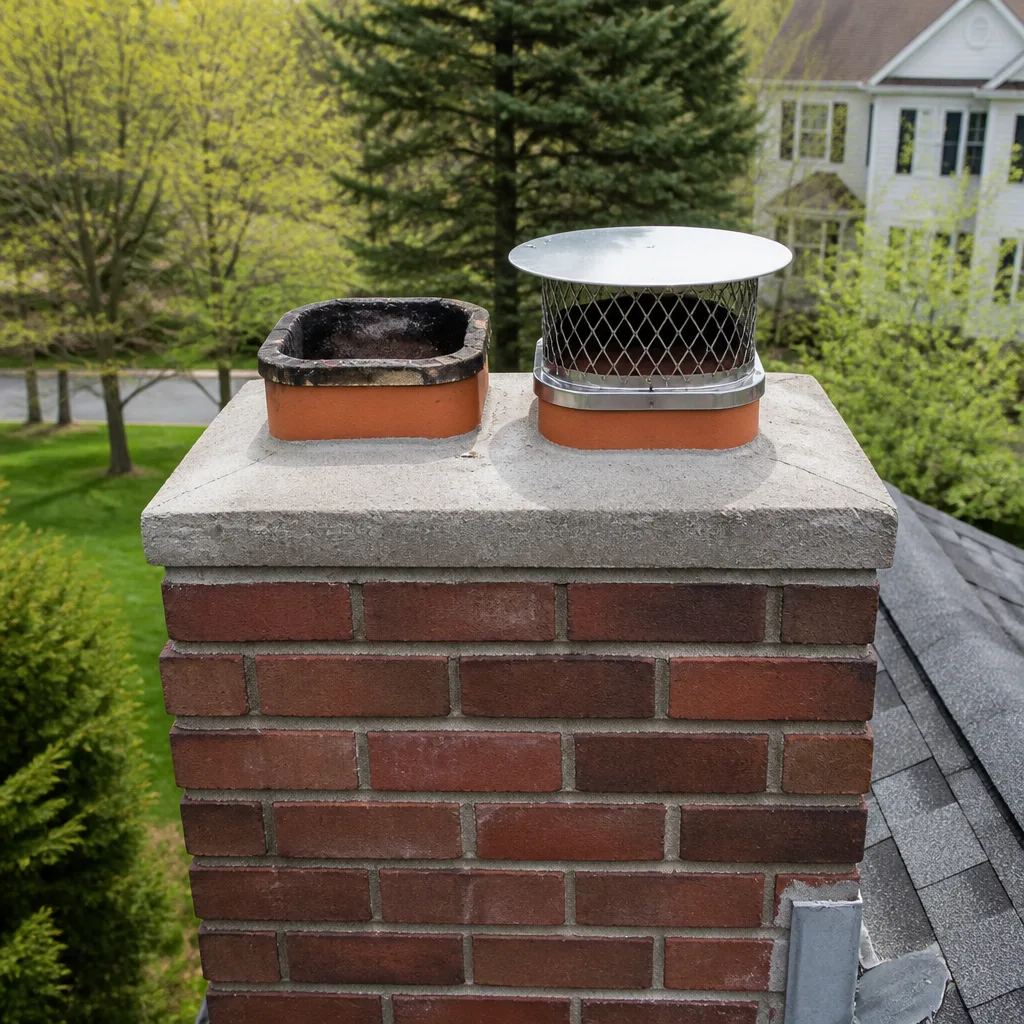
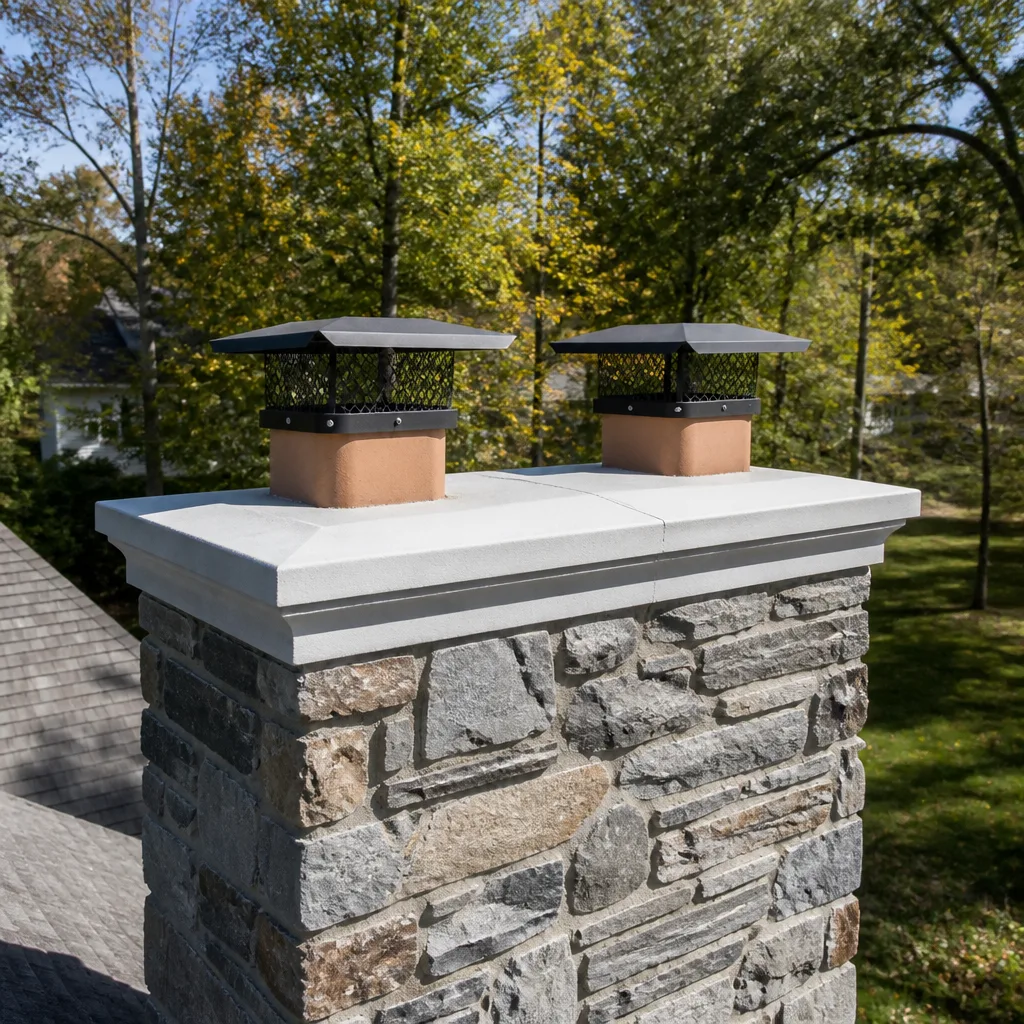
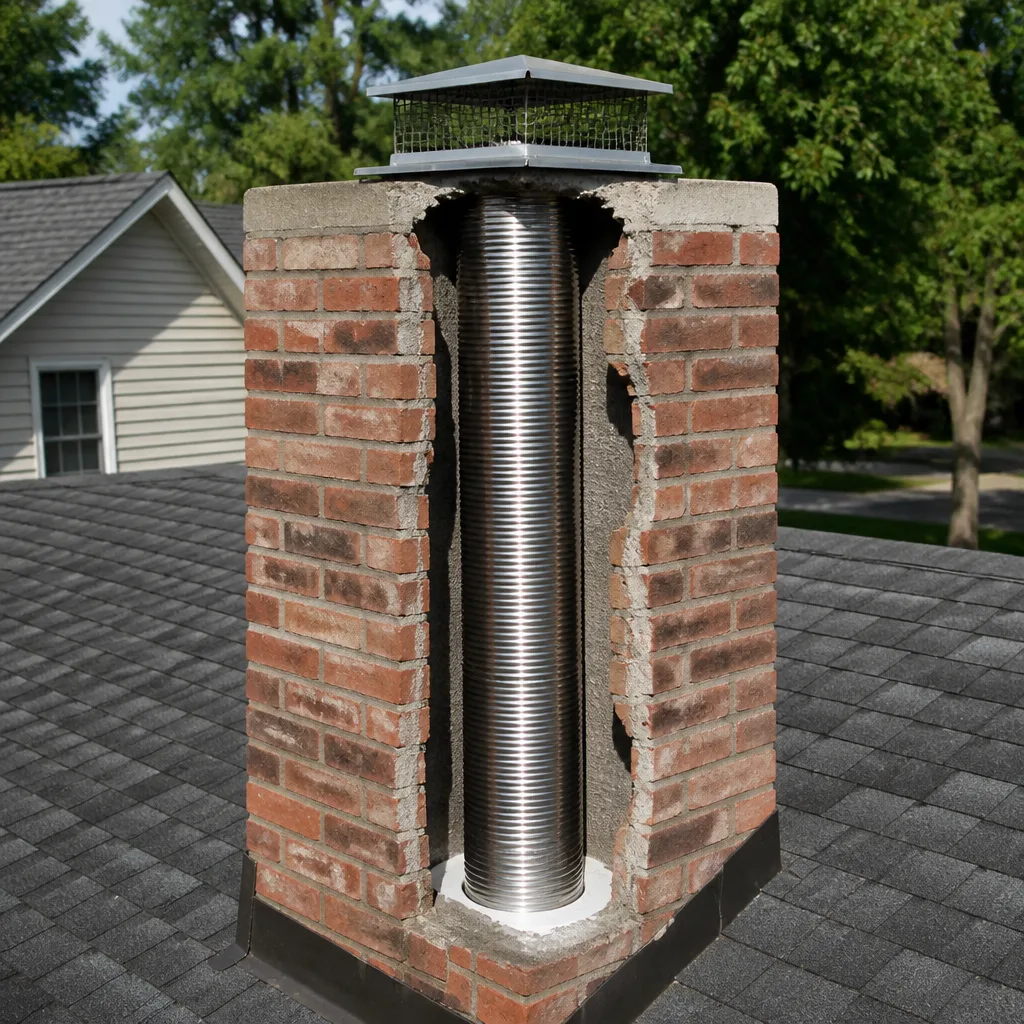
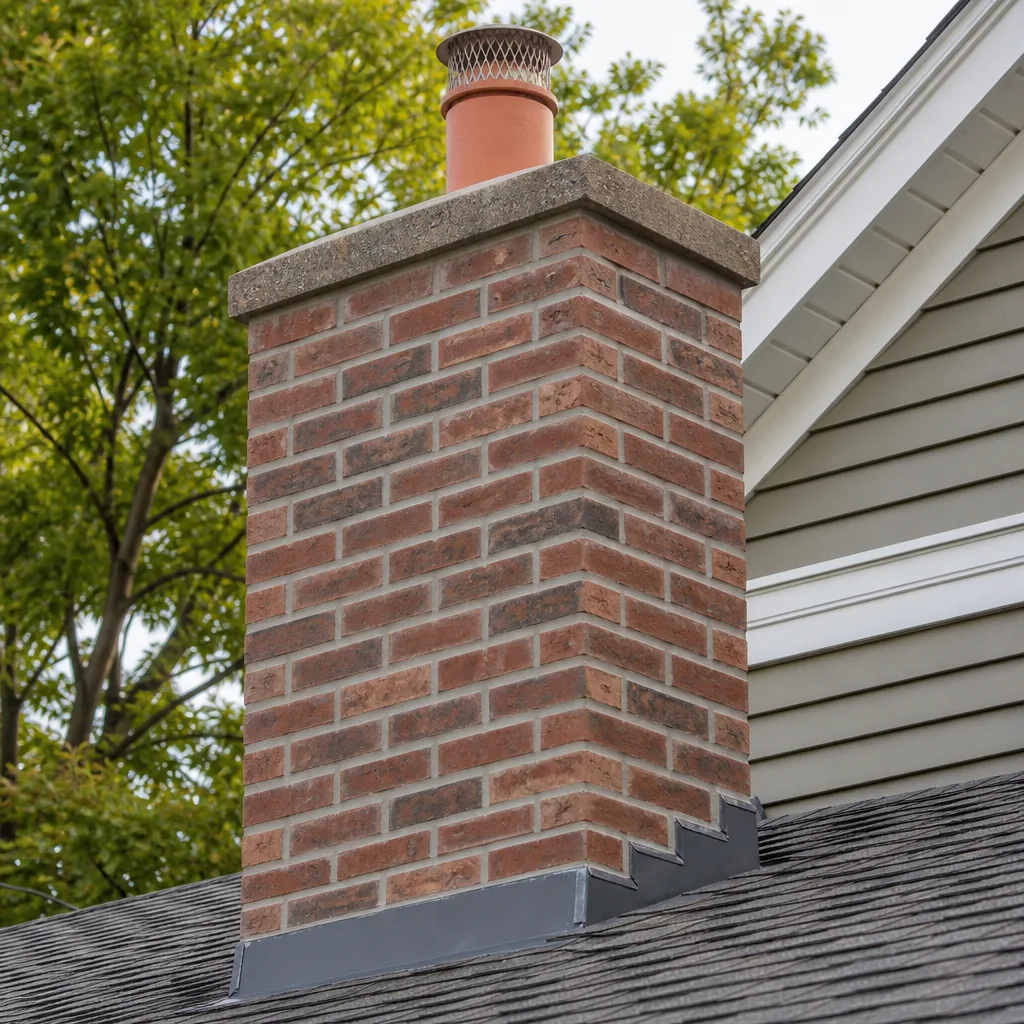
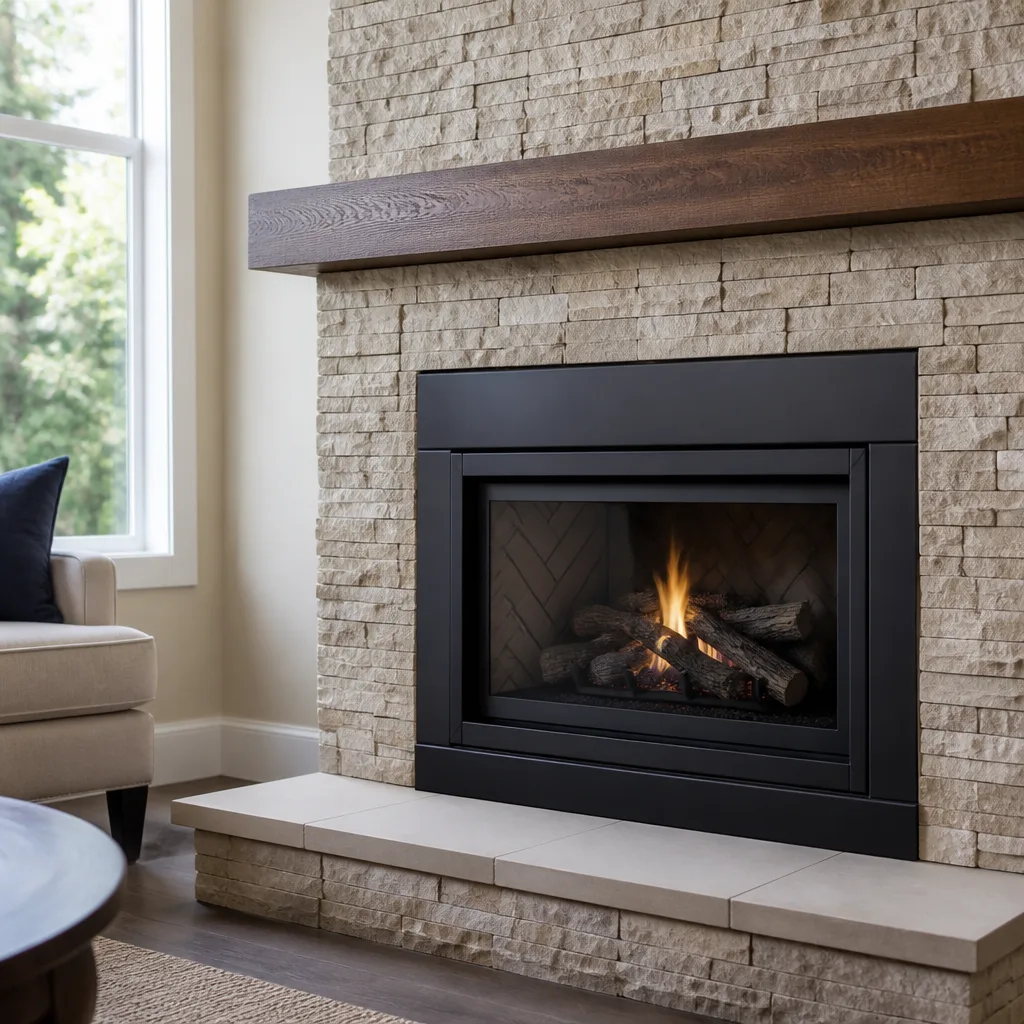
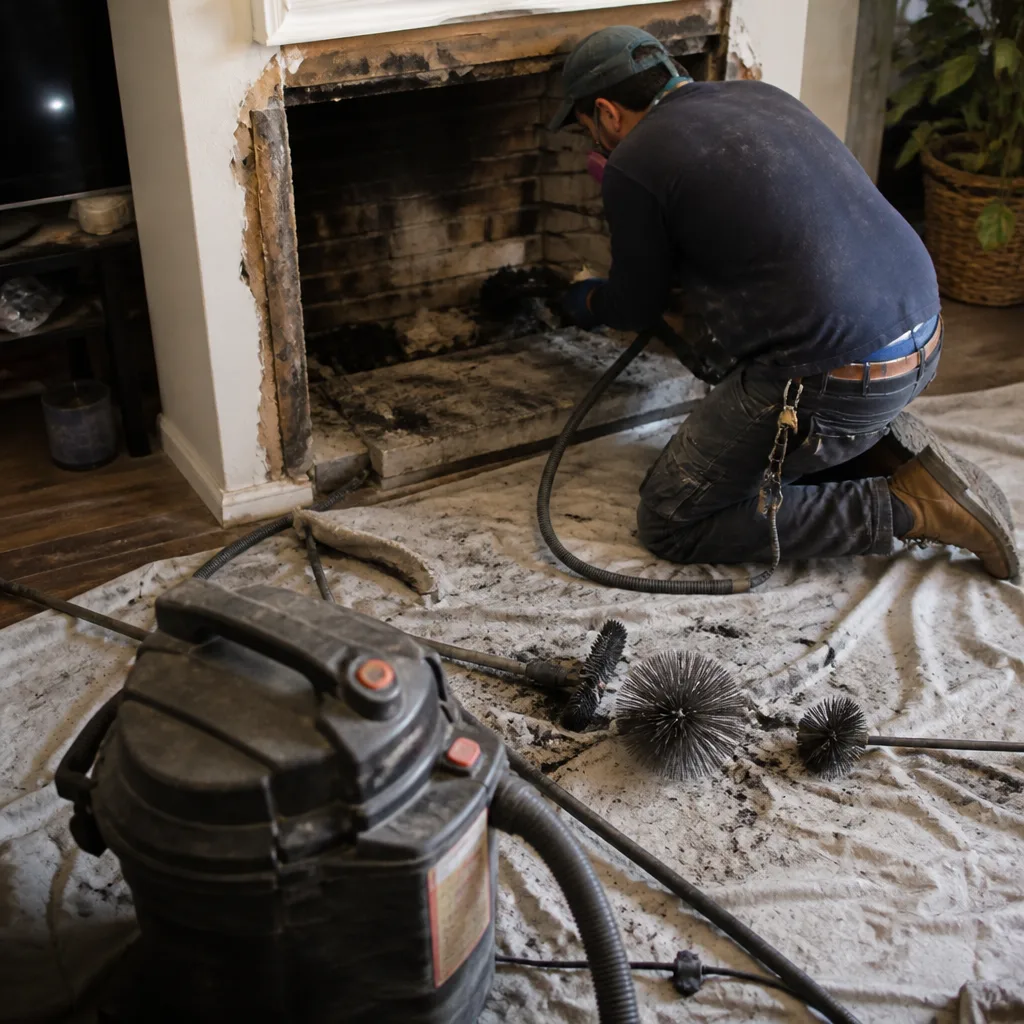 Before
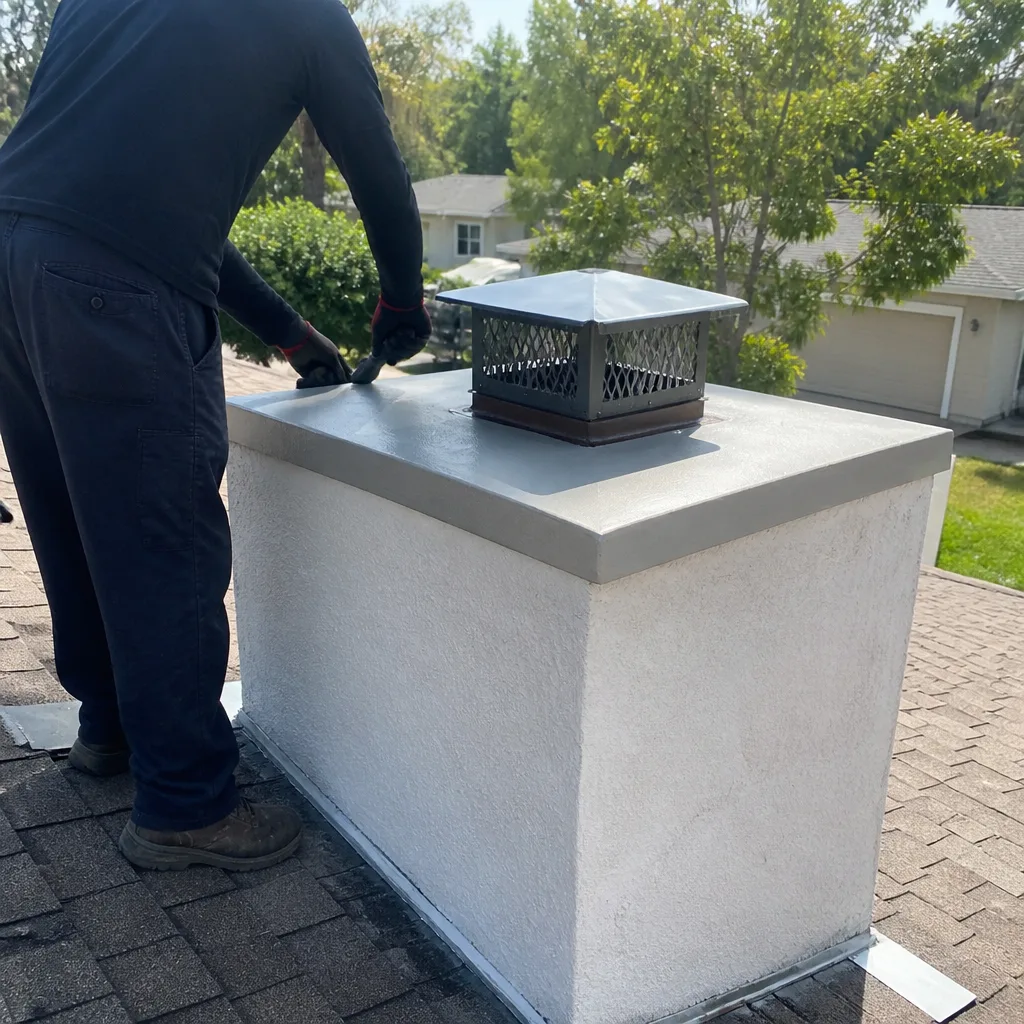 After
After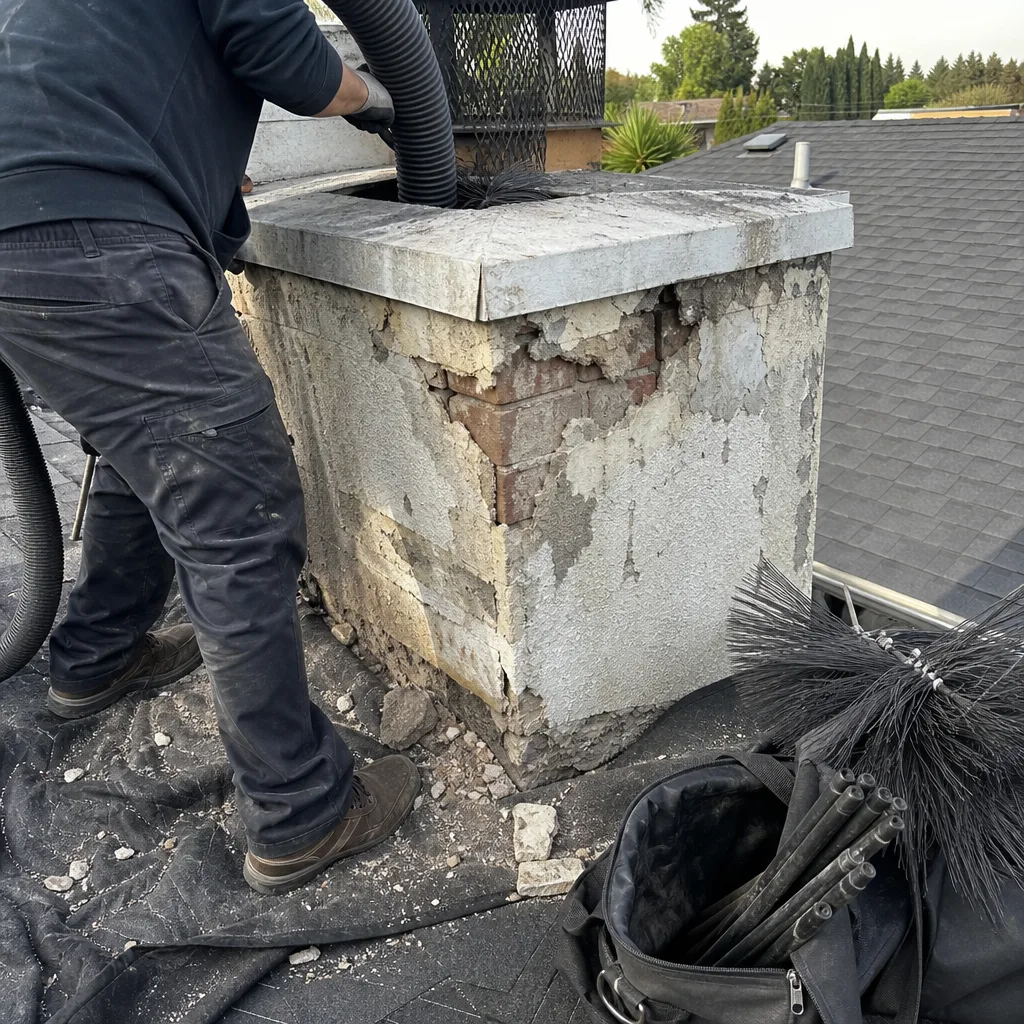 Before
 After
After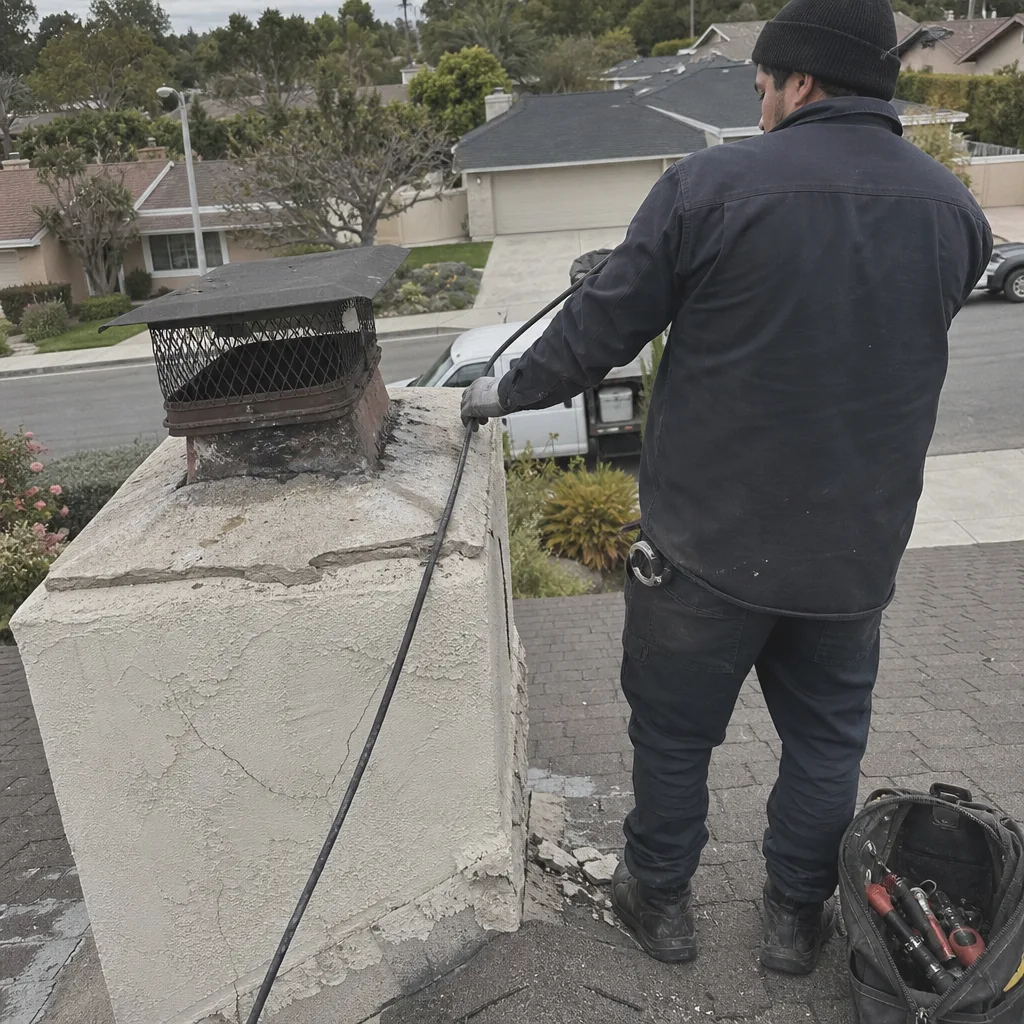 Before
 After
AfterHow Long Does Chimney Sweep Take? Timelines and What to Expect
Chimney Sweep services in Los Angeles can take anywhere from 45 minutes to 3 hours, and that range isn’t contractor padding. It’s the difference between a single-story gas fireplace with a clean flue and a two-story wood-burning system that hasn’t been serviced since before the pandemic. When a sweep says “45 minutes to 2 hours,” that’s not a non-answer. It’s a set of real variables: height, fuel type, access, and condition. This guide walks you through each one so you can predict your own timeline before the truck arrives, and know whether the crew on your roof is thorough or just slow.
Quick Answer
A standard chimney sweep for a single flue in Los Angeles takes 60 to 90 minutes from setup to cleanup. A sweep paired with a full inspection runs 90 minutes to 2 hours. Larger homes with multiple flues, steep roof pitches, or heavy creosote buildup can push the job past 3 hours, and a gas-only fireplace with a clean flue can be done in 45 minutes.
Table of Contents
- The Five Variables That Decide Your Sweep Time
- What the Sweep Is Actually Doing, Phase by Phase
- Sweep-Only vs. Sweep-Plus-Inspection: Time and Deliverables
- Fuel Type and Time: Gas, Wood, and Pellet Compared
- Los Angeles-Specific Time Factors
- How to Prepare Your Home So the Job Stays on Schedule
- Timing Red Flags: Too Fast, Too Slow
- Common Mistakes to Avoid
The Five Variables That Decide Your Sweep Time
When we quote a time window, we’re reading five things about your house. Each one adds or subtracts from the clock in predictable ways, and once you know them, you can estimate your own appointment to within about 20 minutes.
1. Chimney height. A single-story chimney in a ranch home in the San Fernando Valley takes less ladder time than a three-story chimney on a hillside property in Silver Lake. Height affects setup, roof access, and how much rod we need to push through the flue. Add 15 to 30 minutes for two stories, another 15 to 30 for three.
2. Number of flues. Some Los Angeles homes have two flues: one for the fireplace, one for a furnace or water heater. Each flue is a separate sweep, with its own setup and its own inspection pass. A two-flue home takes about twice as long as a one-flue home, plus a little extra for the transition.
3. Fuel type. Wood-burning fireplaces create creosote, which takes longer to remove than the light soot from a gas fireplace. Pellet stoves have their own internal components that need cleaning. We’ll break this down in detail below.
4. Last service date. A chimney swept every year usually cleans up in about an hour. A chimney that hasn’t been touched in five years can hold an inch of glazed creosote, which takes scraping, not just brushing. We’ve seen jobs in Pasadena where the last sweep was a decade ago, and the flue needed two full passes just to expose the liner.
5. Access difficulty. Roof pitch, roof material, and obstacles like solar panels or rooftop HVAC units all add time. A steep Spanish tile roof in Los Feliz takes more care to walk than a flat tar-and-gravel roof in West Adams. Add 15 to 45 minutes for a steep or fragile roof.
Homeowner’s Time Estimate Chart
- Gas fireplace, single story, cleaned within 2 years: 45 to 60 minutes
- Wood fireplace, single story, cleaned within 2 years: 60 to 90 minutes
- Wood fireplace, two story, cleaned within 2 years: 90 to 120 minutes
- Two flues, any fuel type, average access: 2 to 2.5 hours
- Heavy creosote or 4+ years since last sweep: 2 to 3 hours
- Sweep plus Level 2 inspection: add 30 to 45 minutes
What the Sweep Is Actually Doing, Phase by Phase
Sixty to ninety minutes might sound like a long time for one chimney. But a proper sweep is six distinct phases, and skipping any of them is the difference between a clean flue and a clean-looking flue.
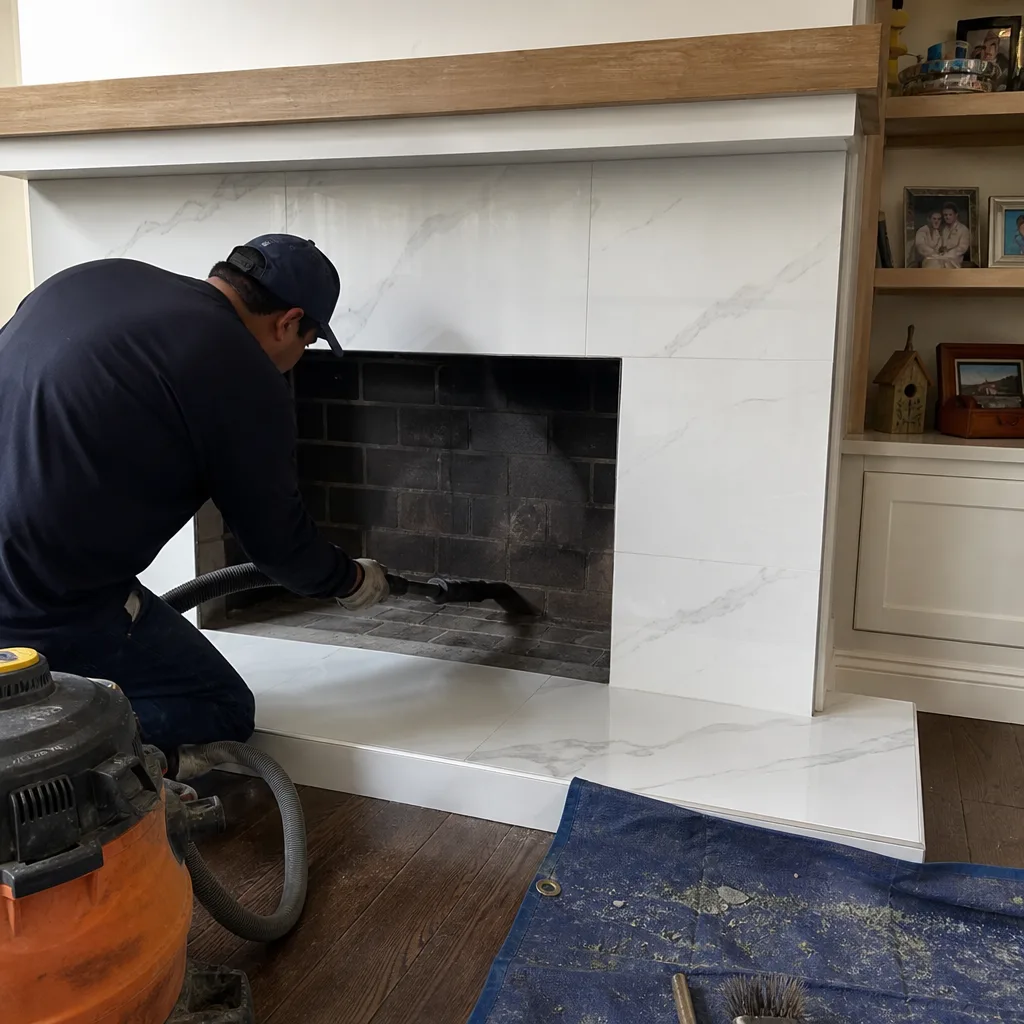
1. Setup and protection (10 to 15 minutes). Before any tool comes off the truck, the technician lays drop cloths in front of the hearth, checks the firebox for embers, and walks the roof to assess access. This is also when we verify the damper position and confirm the flue size. In Los Angeles, we’re often working in homes with original hardwood floors, so floor protection isn’t optional.
2. Mechanical sweeping (20 to 40 minutes). This is the core of the job. The technician runs rotating wire brushes through the flue from the roof, or from the firebox upward if roof access is unsafe. The brush action dislodges creosote, soot, and any nests or debris. A second pass with a finer brush or a rotary whip cleans the liner surface more thoroughly.
3. Smoke chamber and damper cleaning (10 to 15 minutes). The area above the firebox and below the flue collects creosote and debris that a flue brush can miss. This section requires hand tools and a vacuum running the whole time. It’s the part of the job that separates a real sweep from a quick once-over.
4. Vacuuming and debris removal (10 minutes). Los Angeles homes don’t need a dust cloud rolling through the living room. A HEPA-filtered vacuum runs throughout the job, and a final pass clears the firebox, smoke shelf, and hearth. The floor in front of the fireplace should look exactly like it did when we arrived.
5. Visual inspection (10 to 15 minutes). After the flue is clean, the technician looks at what the brush exposed: cracks in the liner, gaps in the mortar joints, rust on the damper, or damage that was hidden under creosote. This is where serious problems surface, and it’s why a sweep should never skip the inspection pass.
6. Breakdown and report (5 to 10 minutes). Tools come off the roof, drop cloths come up, and the technician walks you through what they found. At Flint Chimney Sweep, you get a written summary of the condition of the flue before we leave, and a written price for any recommended repairs, before any repair work is booked. For how to hire a chimney cleaning contractor in Los Angeles, see our step-by-step guide.
Sweep-Only vs. Sweep-Plus-Inspection: Time and Deliverables
A sweep and an inspection are different services with different purposes. A sweep removes material. An inspection evaluates the system. Together, they give you a complete picture of what’s happening inside the chimney.
Sweep-only visit: 60 to 90 minutes. You get a clean flue and a verbal note if the technician sees something concerning. The downside: a sweep-only visit doesn’t produce a written inspection report, and it may not include a camera pass. If you already know your chimney is in good shape and you just need it cleaned for burning season, a sweep-only appointment is appropriate.
Sweep-plus-inspection visit: 90 minutes to 2 hours. You get everything in the sweep, plus a documented evaluation of the flue liner, smoke chamber, damper, crown, and exterior masonry. A Level 2 inspection includes a camera that goes inside the flue to photograph the liner surface, which is the only way to see hairline cracks or hidden blockage that a visual check from the top or bottom can miss.
The time difference comes from the camera work and the documentation. The camera pass takes 15 to 20 minutes, and writing up findings takes another 10. For Los Angeles homeowners buying a house or transferring a fireplace into regular use, the sweep-plus-inspection is the better value. Our Chimney Inspection in Los Angeles service includes the camera pass and a written report, and if we’re already on the roof for a sweep, adding the inspection costs less than scheduling it separately.
Fuel Type and Time: Gas, Wood, and Pellet Compared
What you burn changes what the chimney accumulates, and that changes how long the sweep takes. Here’s what to expect by fuel type in Los Angeles homes.
Gas fireplaces: 45 to 60 minutes. Gas burns clean, so the flue accumulates fine, light soot rather than creosote. The sweep is usually faster, and the bigger time factor is the condition of the gas logs and burner, which the technician will inspect while the flue is being cleaned. If you have a vent-free gas fireplace, there is no flue to sweep at all, and the service is more of a component cleaning than a traditional sweep.
Wood-burning fireplaces: 60 to 120 minutes. Wood smoke creates creosote, which condenses on the flue walls as the smoke cools. The longer it sits, the harder it gets. First-stage creosote brushes off easily. Third-stage creosote is a hard, tar-like glaze that can require chemical treatment or rotary cleaning tools, which adds real time. In our experience across Los Angeles, a wood fireplace that was swept last year cleans in about an hour, and one that has been neglected for three or more years usually takes two.
Pellet stoves: 60 to 90 minutes. Pellet stoves need their vent pipe cleaned, but they also have internal components, burn pots, and ash traps that require service. The vent pipe sweep itself is usually shorter than a wood flue, but the component cleaning brings the total time back up.
Los Angeles-Specific Time Factors
Some things about chimney sweeping in Los Angeles are different from other markets, and they affect the clock.
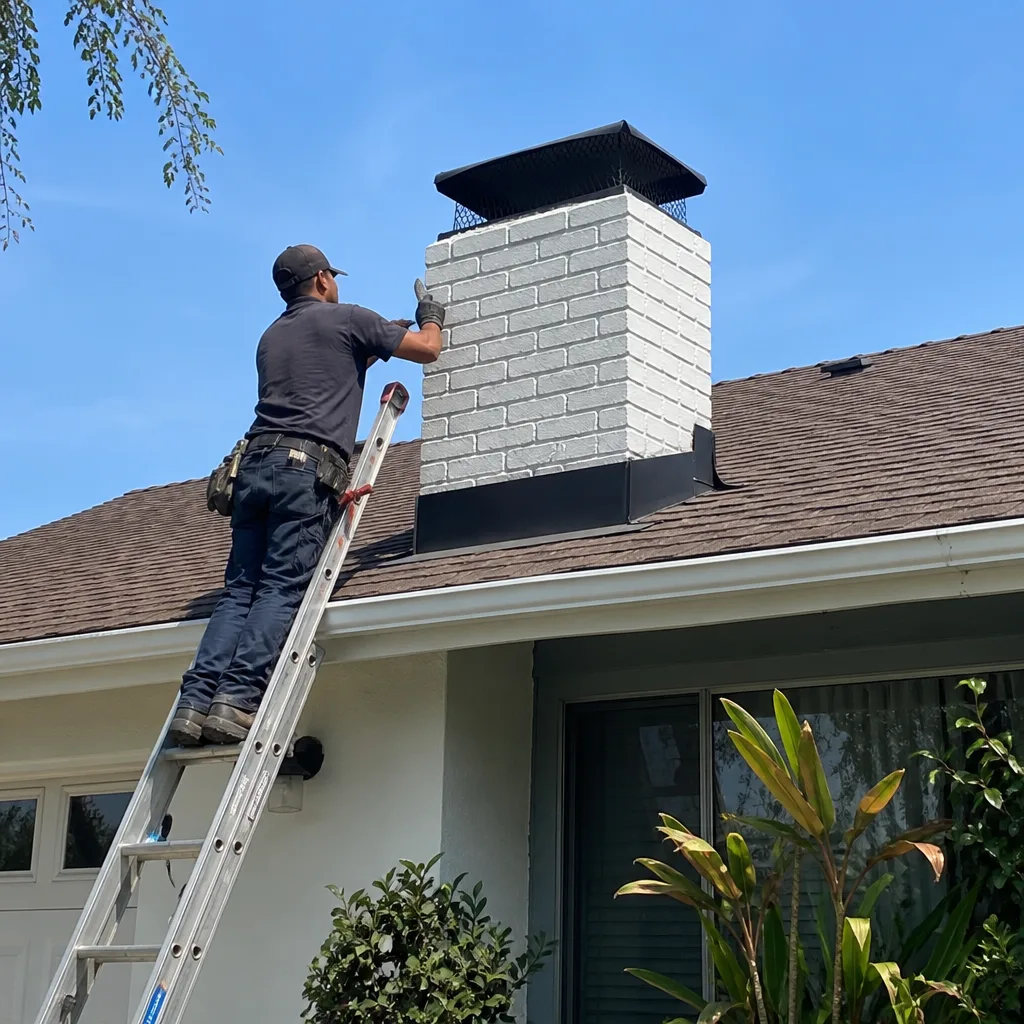
Roof materials. A huge share of Los Angeles homes have Spanish tile or clay tile roofs. Tile is fragile. It cracks under foot traffic and it breaks if a ladder leans against it the wrong way. A good sweep takes more time moving across a tile roof, which adds 10 to 15 minutes compared to an asphalt shingle roof. We carry roof ladders and foam pads specifically for tile work, and the extra care is part of the quoted time.
Hillside access. Los Angeles has tens of thousands of homes on slopes, some with the chimney on the downhill side of the house. If the technicians can’t place a ladder on level ground, they need to work from the roof peak or use a taller ladder, both of which add time. Homes in Hollywood Hills, Mount Washington, and Baldwin Hills frequently need this extra setup.
Chimney age and construction. Many Los Angeles chimneys date from the 1920s through the 1950s and were built with unlined masonry or clay tile liners that have been through decades of earthquakes. These older chimneys often take longer to sweep because the uneven interior surfaces hold creosote differently than a smooth modern liner. We’re also looking for earthquake damage, which is more common in Los Angeles than in almost any other U.S. market. For older chimneys, our Chimney Repair in Los Angeles service is often the logical next step after a sweep reveals the condition of the original liner.
Burning season scheduling. Los Angeles has a short and specific burning window. Most homeowners use their fireplaces from November through February, and that means the sweep calendar fills up fast in September and October. If you book in July or August, you’ll get more scheduling flexibility and the same flat written price. For details, see our seasonal chimney cleaning care guide for Los Angeles homeowners.
How to Prepare Your Home So the Job Stays on Schedule
You control more of the timeline than you might think. These five steps take 10 minutes before the appointment and keep the crew moving at full speed.
- Clear the hearth area. Move furniture, rugs, and decor at least 8 feet back from the fireplace opening. The technician needs room for drop cloths, vacuum hoses, and a tool bag. If we’re moving your antique armchair for you, the clock is still running.
- Check the damper. If you know your damper sticks, let the technician know in advance. A stuck damper can add 15 minutes of fiddling, and sometimes requires repair before the flue can be swept at all.
- Secure the parking spot. In neighborhoods like Koreatown, West Hollywood, or anywhere with street parking only, a clear spot near the house saves 10 minutes of unloading. If your driveway is gated or your HOA restricts parking, flag it when you book.
- Extinguish embers. Don’t burn a fire the morning of your sweep. Cool-down time isn’t optional. Embers buried in ash can cause a fire hazard when the vacuum hits them, and a hot firebox means the technician waits 20 minutes before starting.
- Lock up the pets. Cats and dogs don’t love the sound of a rotary brush echoing down the chimney. A calm household is a faster household, and a dog barking at the tech doesn’t help either of you.
Timing Red Flags: Too Fast, Too Slow
Time on site is a signal, not a verdict. But there are two patterns that should make you ask questions.
Under 30 minutes. A legitimate sweep of a wood-burning chimney cannot be completed in under 30 minutes, period. Even a gas fireplace with a clean flue takes longer once you count setup, vacuuming, and the inspection pass. If a company finishes your wood chimney in 20 minutes, they skipped something: the smoke chamber, the damper area, the roof inspection, or the floor protection. Ask what was included, and get it in writing. At Flint Chimney Sweep, every sweep follows the same phase-by-phase process, and you can watch the work happen.
Over 3 hours without explanation. A chimney that takes more than 3 hours is either very dirty, very difficult to access, or the technician is struggling with something. All three are legitimate, but the technician should be able to tell you exactly what’s adding time. “The flue has heavy glazed creosote and needs a two-pass rotary treatment” is an explanation. Silence is not. If a job runs long, you deserve to know why, and the added time should translate to documented findings, not just a longer bill.
The trust test: show me the debris. A good sweep will show you what came out of your chimney, or at least describe the volume. If the job is done and you can’t tell what was actually removed, that’s a problem. The whole point of a sweep is that material leaves your chimney, and you should be able to verify that.
Common Mistakes to Avoid
- Assuming all sweeps are the same. A $99 special from a flyer may include only the flue brush pass, skipping the smoke chamber, damper, and inspection. In Los Angeles, those low-price sweeps are common in the fall, and most of them don’t include floor protection or a written condition report. Ask what the price covers.
- Scheduling during peak season and expecting fast service. Every Los Angeles chimney company is slammed from October through December. If you wait until the first cold night to book, you’ll wait weeks. Book in late summer and you’ll get your choice of days.
- Burning a fire the night before. The firebox needs to be fully cool before a sweep. A warm chimney means the technician sits on the tailgate waiting, and that’s your time being spent on nothing.
- Hiring based on price alone. The cheapest sweep in Los Angeles is often the one that spends 25 minutes at your house and hands you a verbal “looks fine.” A proper sweep with inspection and written documentation costs more because it takes more time and produces actual deliverables. You get what the invoice describes.
- Skipping the inspection on an older home. Los Angeles chimneys from the 1930s and 1940s are now 80 to 90 years old. A sweep cleans, but only an inspection finds cracks. If your home was built before 1980, pair the sweep with an inspection every time. The Chimney Sweep in Los Angeles service we provide always includes a visual inspection as part of the job, and a camera inspection is available for a complete liner evaluation.
- Ignoring the damper during the off-season. A damper that’s rusted open in July sends conditioned air up the chimney all summer. It’s a time-sensitive issue that shows up during a sweep, but most homeowners don’t discover it until they’re already losing money on AC. A spring sweep catches it early.
- Not asking about the written price before work starts. In California, you have the right to a written price for home services. If a company won’t put the number on paper before they start, that’s not a company you want on your roof. At Flint Chimney Sweep, every job gets a written price before any work begins, with no exceptions.
When to Call a Professional
You should call a professional whenever the chimney hasn’t been serviced in 12 months or more, or whenever you’re unsure of its condition. Burning even one fire in a chimney with a cracked liner or a blocked flue risks carbon monoxide infiltration or a chimney fire. If you’ve bought a home and don’t know when the chimney was last swept, treat it as unswept until a professional says otherwise. A trained technician with proper equipment can clean the flue, document the condition, and tell you plainly whether any repair can wait or needs attention now. Flint Chimney Sweep offers free estimates in Los Angeles, and every visit includes a written price before work begins. Call (830) 251-4560 to schedule, or explore more guides & resources on our blog.
Frequently Asked Questions
A standard chimney sweep takes 60 to 90 minutes for a single flue in a typical Los Angeles home. Add 30 to 45 minutes if you’re also getting a Level 2 camera inspection, and add more if the chimney has heavy creosote buildup or difficult roof access. Call (830) 251-4560 for an exact time estimate for your home, and we’ll give you a written price before we start.
A standard chimney sweep in Los Angeles typically runs $180 to $340 depending on the number of flues, fuel type, and condition of the chimney. A sweep plus Level 2 inspection usually falls in the $350 to $600 range. Flint Chimney Sweep provides a written price before any work starts, so the number you approve is the number you pay.
Not every year, but you need one whenever the chimney is being swept for the first time in a while, or whenever you change fuel types, buy a home, or suspect damage. The National Fire Protection Association recommends a Level 1 inspection with every sweep, and a Level 2 inspection when the home changes ownership or the chimney has been exposed to weather or seismic events. Los Angeles earthquake risk makes the case for regular inspections stronger than in most markets.
Yes, but only for certain chimneys. A sweep from the firebox upward is possible when the flue is short, straight, and the technician can access the full length from below. Most sweeps still require roof access, especially for two-story LOS ANGELES homes or chimneys with caps, screens, or heavy creosote near the top. If a company never goes on the roof, ask what they’re sweeping and how they’re verifying the results.
The technician documents the finding and gives you a written report with photos or camera stills. From there, you get a written price for any recommended repair, and you decide what to do. At Flint Chimney Sweep, nothing is recommended without evidence you can see for yourself, and any repair we complete carries a written 365-Day Done Right Promise. If it fails within a year, we return at no charge.
Wood-burning chimneys should be swept once per year, typically in late summer or early fall before burning season. Gas fireplaces can usually go 2 to 3 years between sweeps, but still need an annual visual check if they’re used regularly. Pellet stoves should be serviced annually. If you can’t remember the last time your chimney was swept, schedule one now, and call (830) 251-4560 for a free estimate.
The Bottom Line
A chimney sweep takes 60 to 90 minutes for most Los Angeles homes, longer for two-story chimneys, multiple flues, or years of neglect. The time isn’t arbitrary: it tracks the real condition of your chimney and the exact work required to clean it properly. A sweep under 30 minutes skips steps. A sweep over 3 hours should come with documented findings that justify the time. Prepare your home, know your fuel type, and book before burning season. The right sweep, done at the right time, with a written price and a written guarantee, is the difference between a fireplace you trust and one you’re gambling on.
Written by Hank Delano, Owner at Flint Chimney Sweep, serving Los Angeles since 2002.