
Level 1 sweep and inspection to the NFPA 211 annual standard - flue, crown, cap, and flashing checked and photographed
Chimney sweep logs do not sweep chimneys. They loosen some creosote - which then falls where a brush and vacuum still have to collect it.
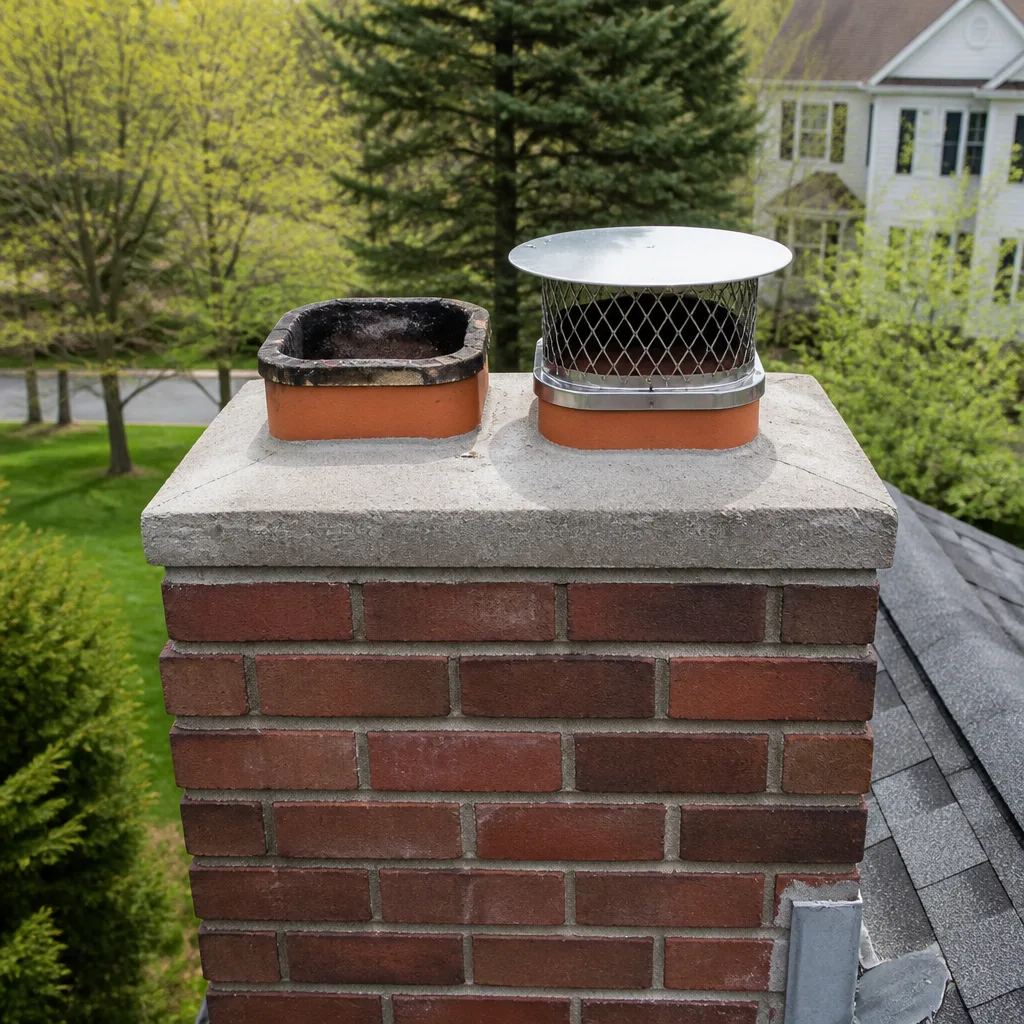
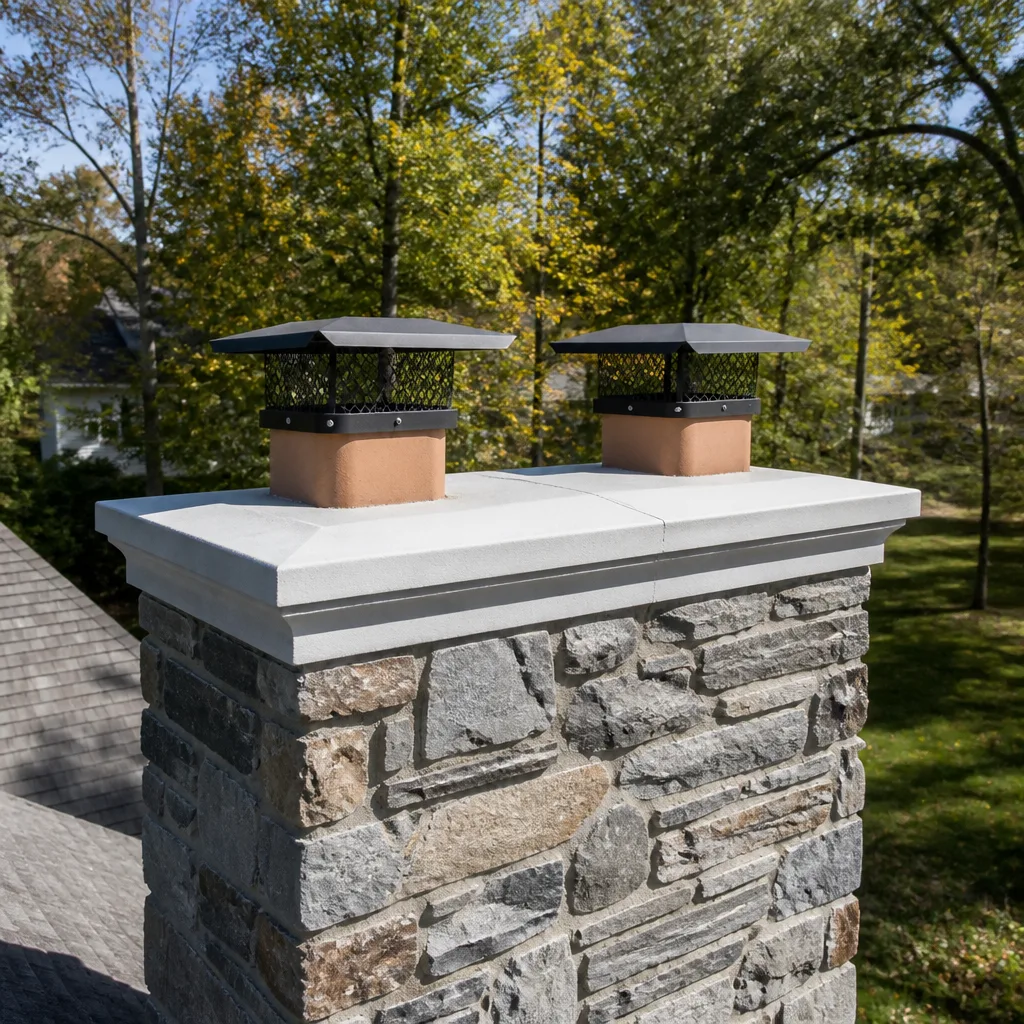
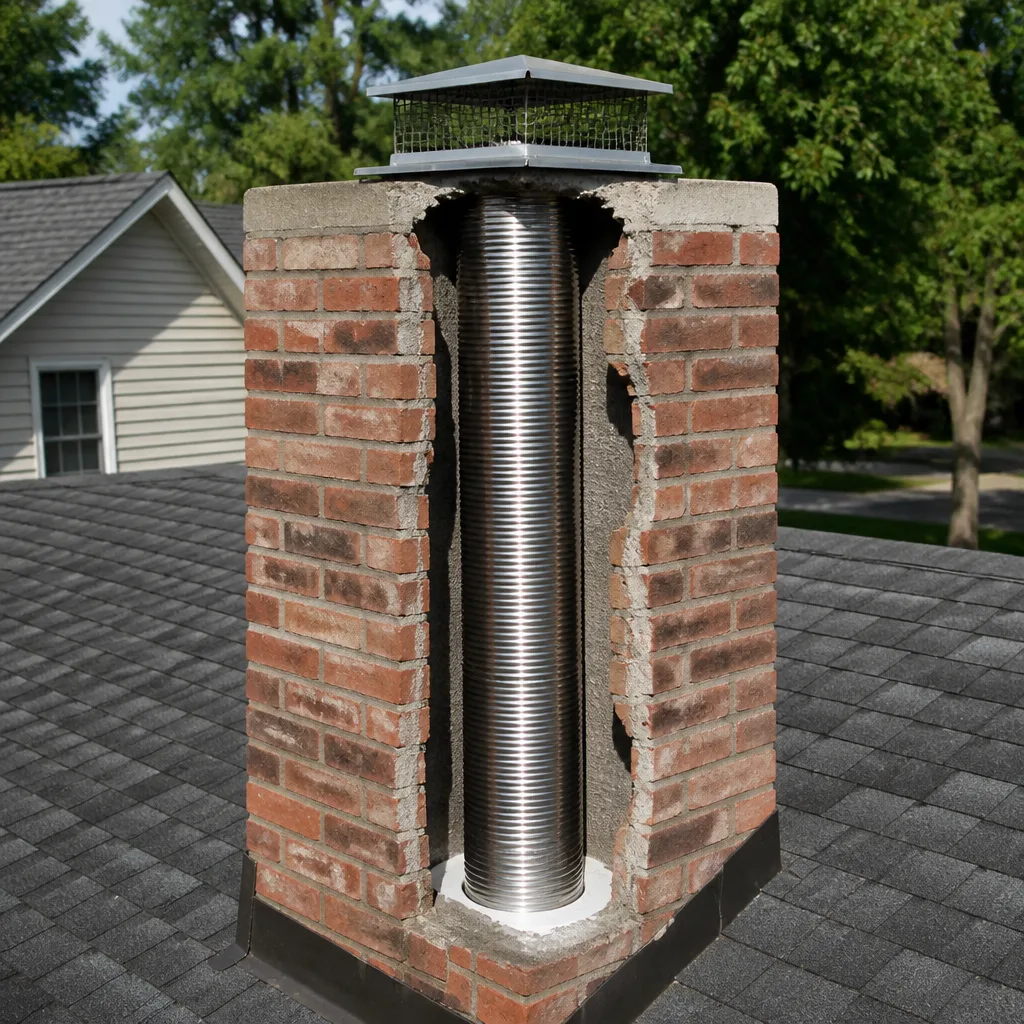
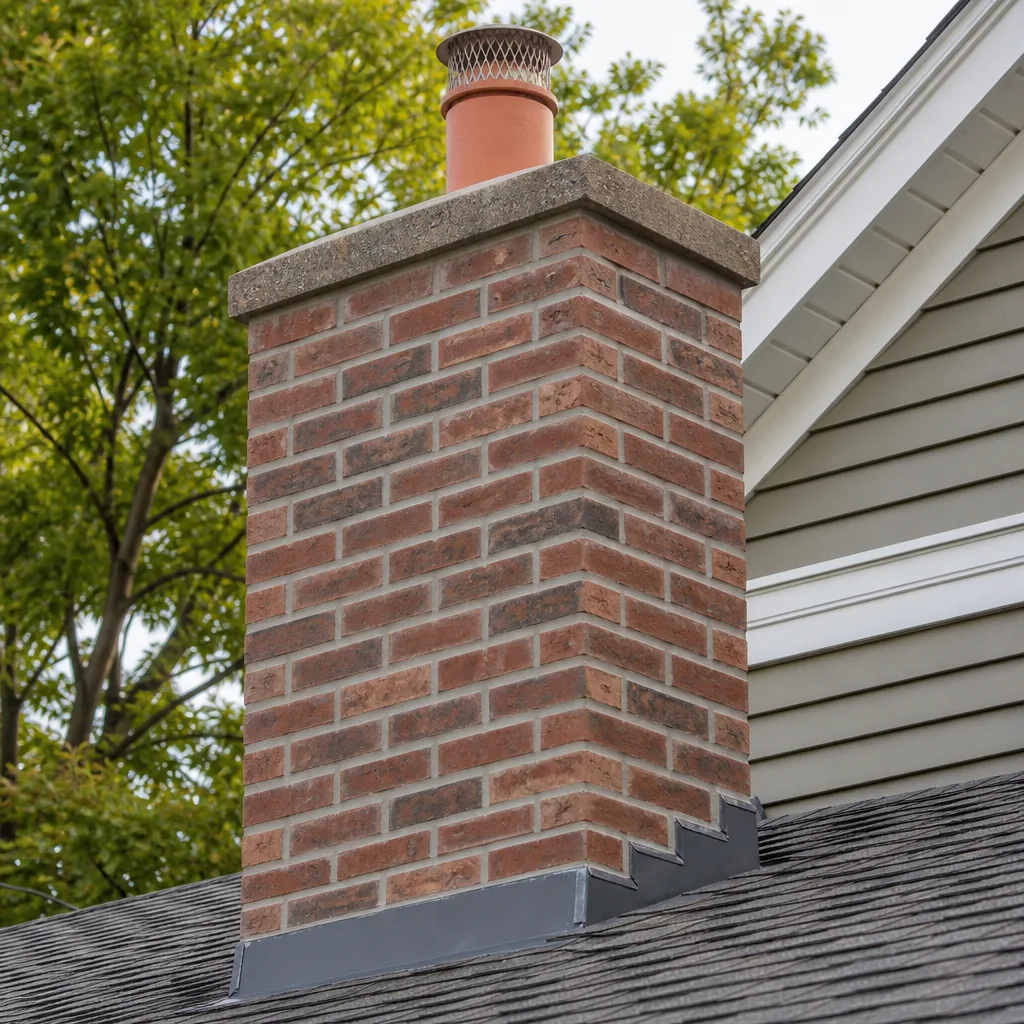
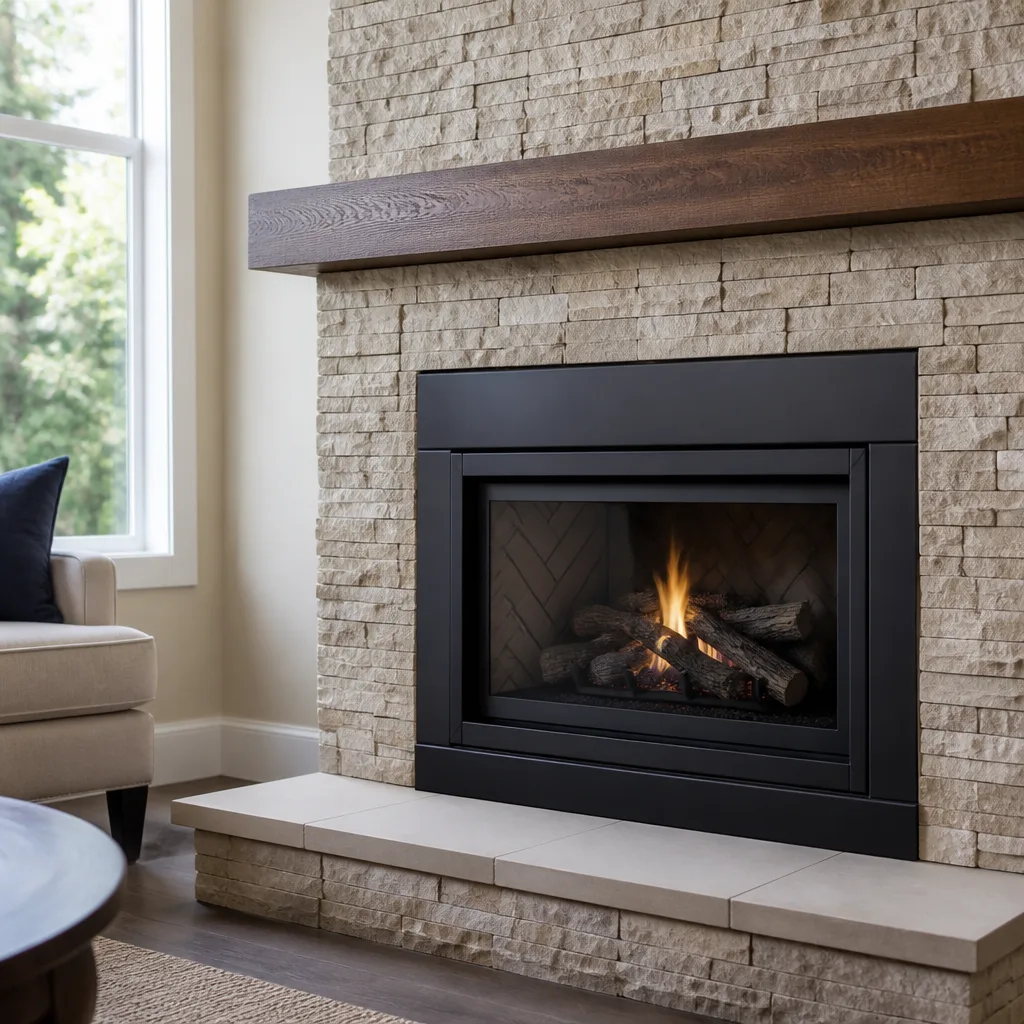
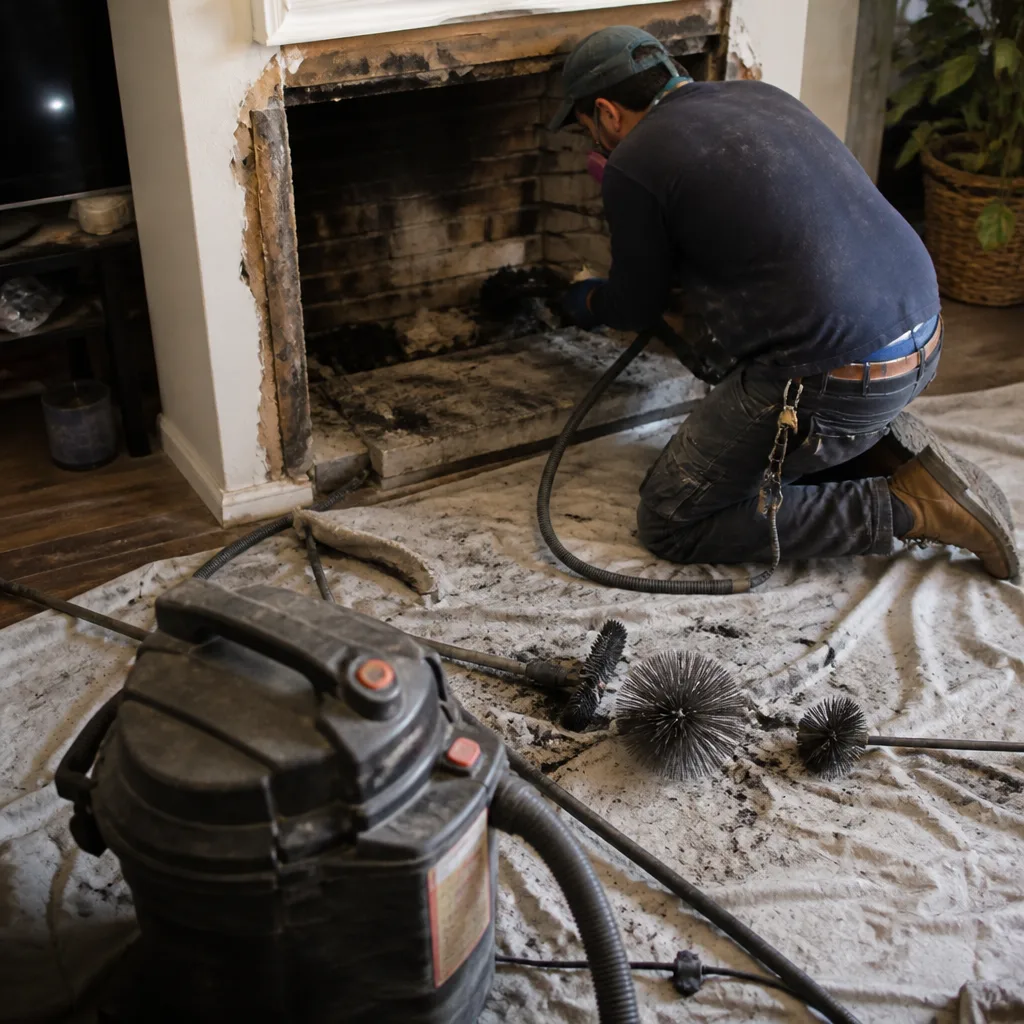 Before
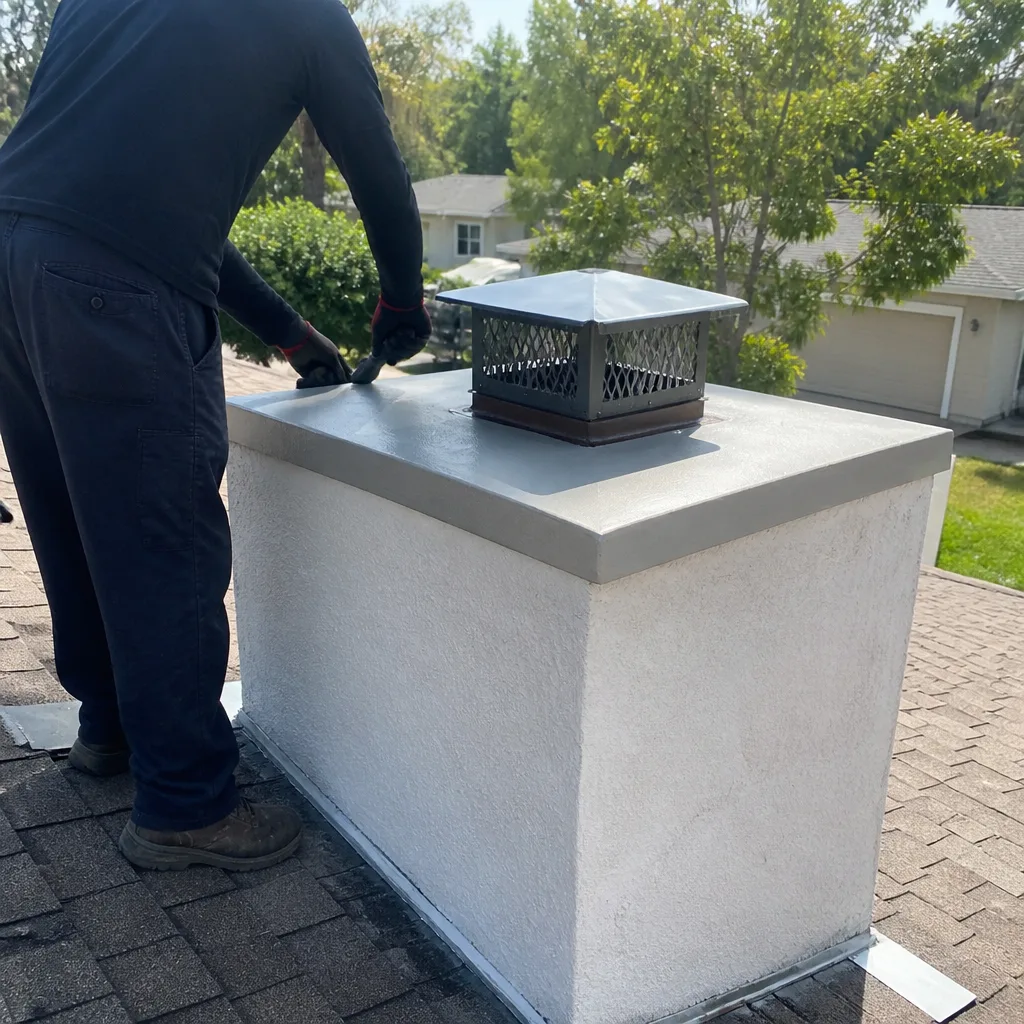 After
After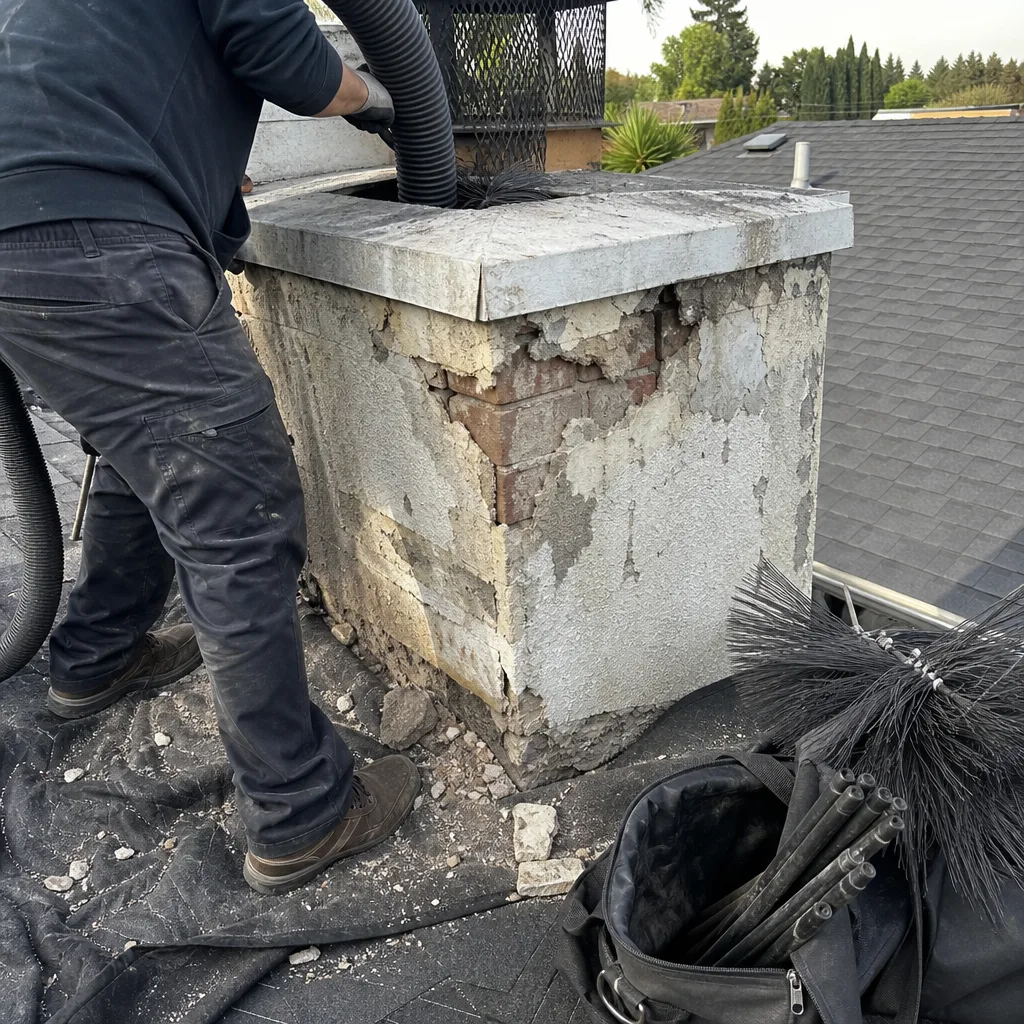 Before
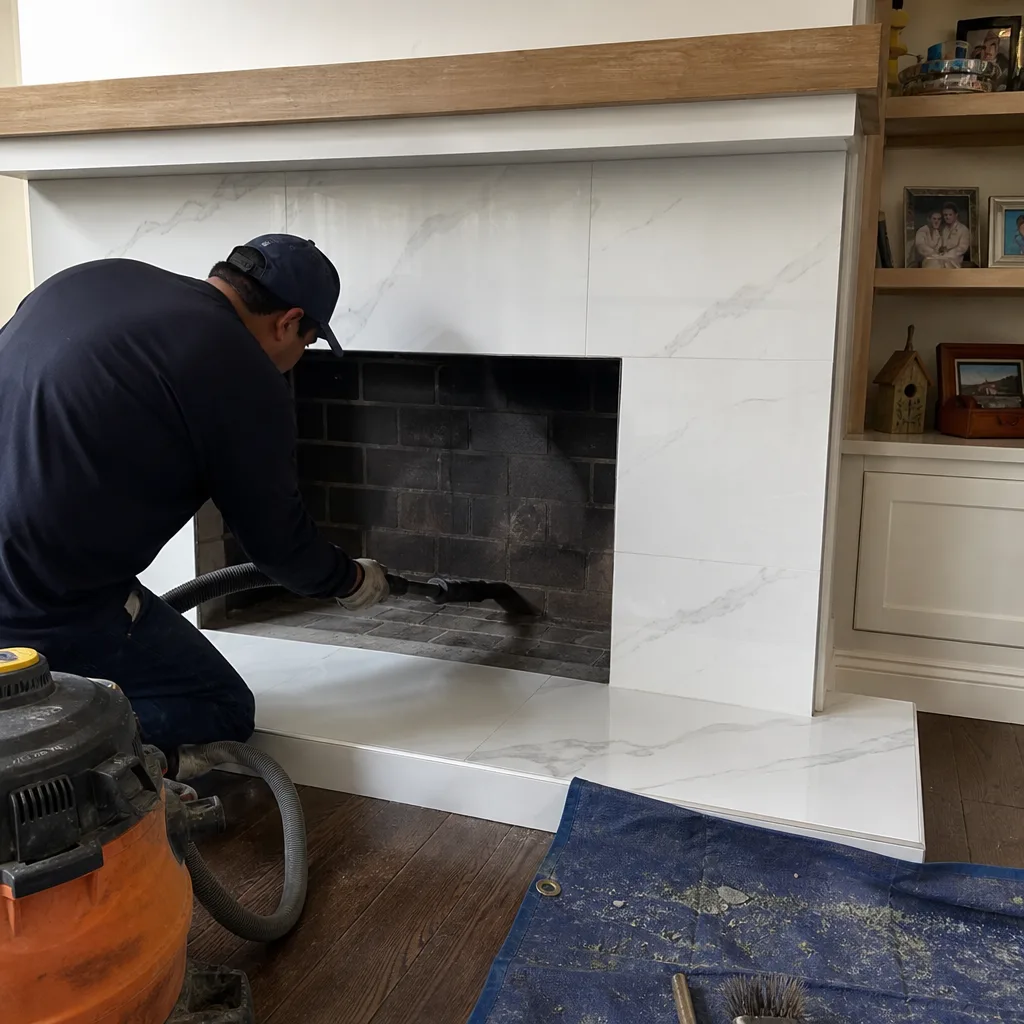 After
After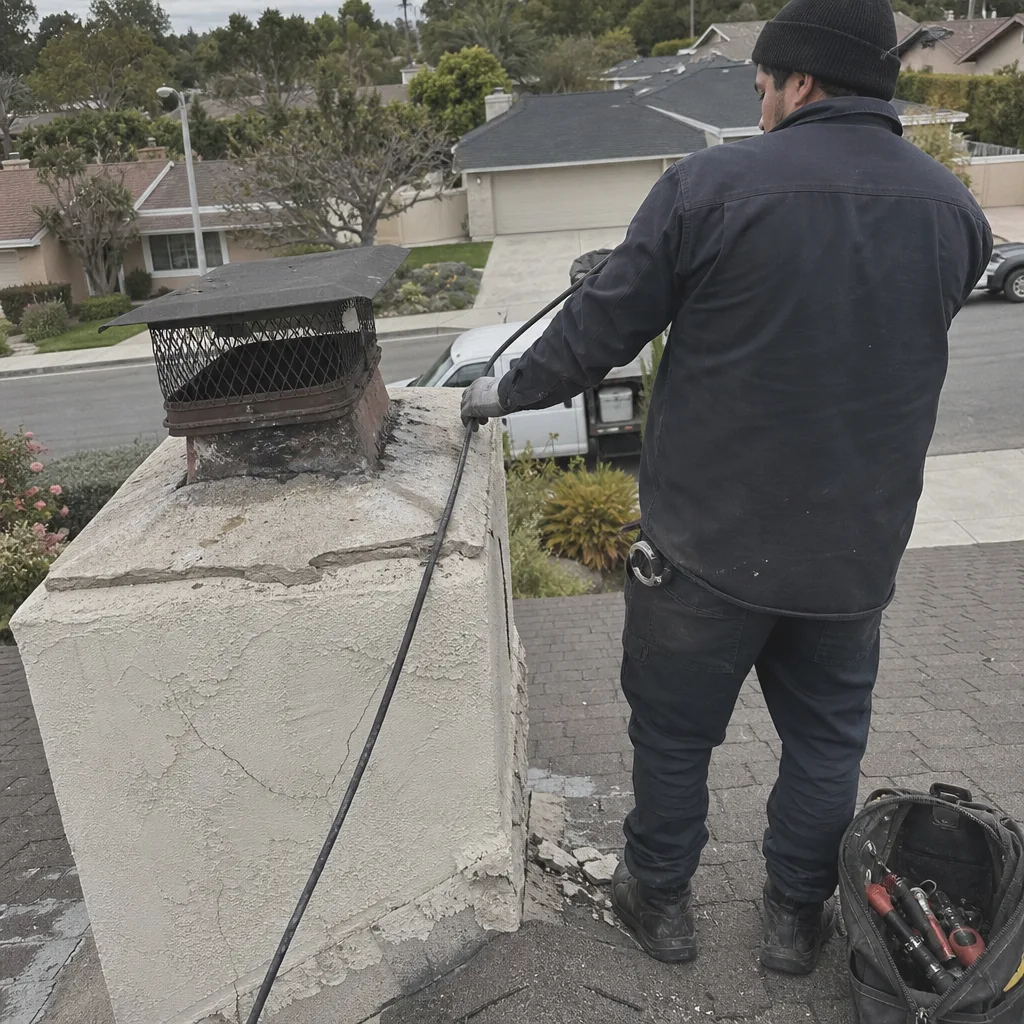 Before
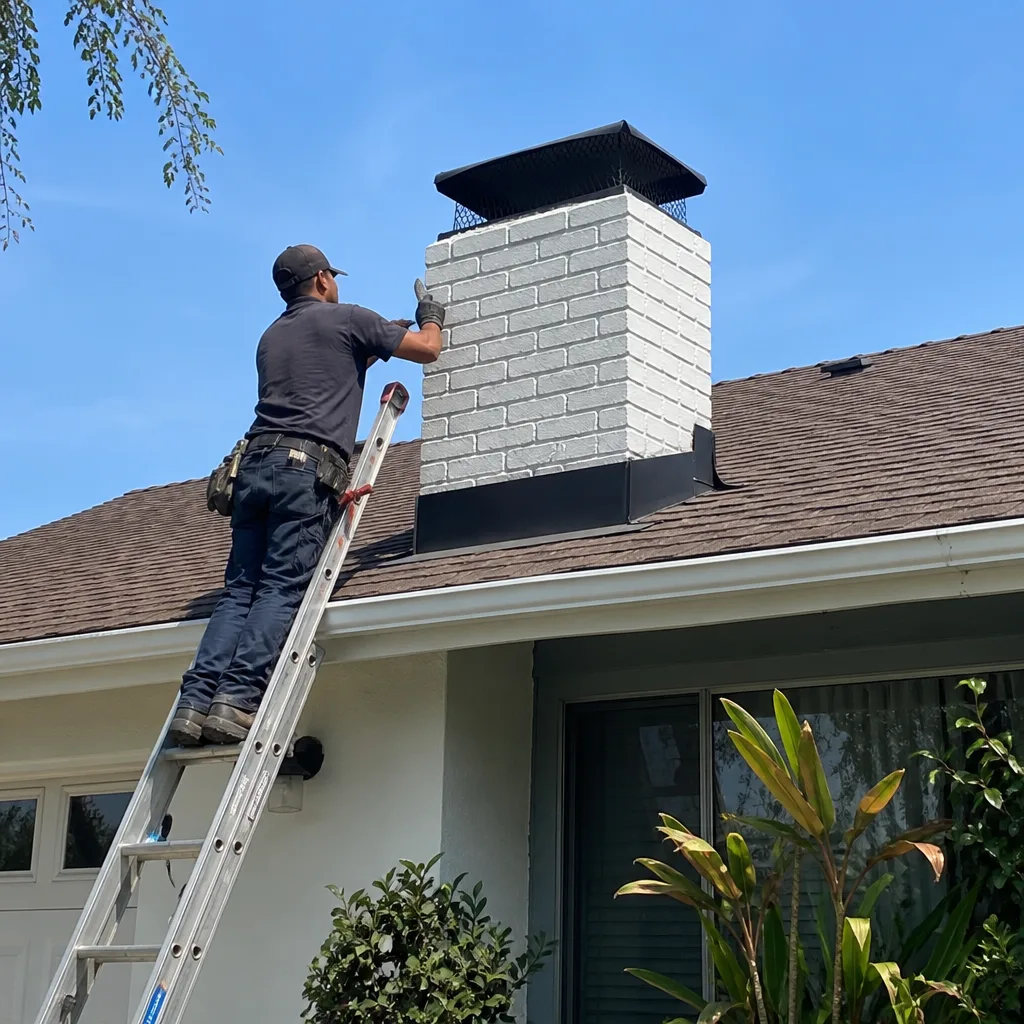 After
AfterHeatShield Chimney Cap Installation: The Los Angeles Owner’s Guide
We stock and install HeatShield-compatible chimney caps throughout Los Angeles, with most installations running between $340 and $780 depending on the cap model, chase condition, and roof access. If your HeatShield cap has come loose, rusted through, or let rain into the flue, we can usually get it swapped the same week. Most Los Angeles homeowners discover the problem after a storm, when water streaks appear on the ceiling near the chimney or a chunk of rusted cap ends up in the firebox.
Hank Delano has seen this exact scenario play out in neighborhoods from Eagle Rock to Sherman Oaks. The cap fails, the flue takes on water, and what started as a $400 part replacement becomes a $3,000 liner job because nobody caught it early. Let’s walk through what you need to know before you spend a dollar.
Which HeatShield Models This Applies To
HeatShield manufactures caps in a few distinct lines, and the compatibility details matter more than most chimney companies let on. The HeatShield top-mount damper system uses a cable-operated damper that sits on top of the flue, and the cap that pairs with it is sized to the flue tile’s outside dimensions, not the inside diameter. If a cap is ordered off the inner measurement, which we see happen often with online purchases, it will not seat correctly and wind will rattle it loose within a season or two.
HeatShield caps generally come in standard flue tile sizes from 8″ x 8″ up to 13″ x 13″ outside width, with larger custom sizes available. The key identifier on your current cap is usually a stamped model number or a label on the underside of the lid. If that has burned or weathered off, we measure the flue tile opening directly and match the cap to that number. Flint Chimney Sweep is an independent service provider, not affiliated with HeatShield, but we work with their caps and compatible aftermarket equivalents regularly, and we keep common sizes in stock.
Signs Your HeatShield Chimney Cap Installation Is Failing
- Water in the firebox after rain. The cap’s lid has rusted through or the screen mesh has separated from the frame. Water bypasses the cap and drops straight down the flue.
- A cap that rattles or bangs in the wind. The mounting brackets have corroded or were never sized correctly to the flue tile. Left alone, the cap works loose and eventually comes off entirely.
- Visible rust blooms on the cap lid. HeatShield caps are galvanized or stainless depending on the model. Once rust appears on a galvanized cap, the clock is running. Coastal moisture accelerates this in Los Angeles neighborhoods west of the 405.
- Debris or nests in the flue. The cap’s mesh has torn or opened at a seam. Birds and rodents get in, and you’re now looking at a sweep plus a cap replacement instead of just a cap.
- Smoke backing up into the room. If the cap or damper assembly partially collapses into the flue opening, it restricts draft. This is the sign to stop using the fireplace until it’s inspected.
Replacement Cost & What’s Included
In Los Angeles, the installed price for a HeatShield-type chimney cap most often lands between $340 and $780. Here’s what drives the number:
- Cap size and material. A standard 8″ x 8″ galvanized cap runs on the lower end. A larger stainless cap, or a cap with an integrated damper, pushes toward $600 to $780.
- Roof access. Single-story with a walkable pitch is straightforward. Steep second-story roofs or chase covers that need sealing add labor time and push the price up.
- Flue tile condition. If the existing tile is cracked at the top, we have to address that before a new cap will seat properly.
Every quote includes the part, the mounting hardware, installation labor, and a written price before any work starts. The number you approve is the number on the invoice. Period. The cap installation itself carries our 365-Day Done Right Promise: if the cap comes loose, leaks, or fails within a year of installation, we come back and fix it at no charge.
DIY or Call Us?
You can safely check a few things from the ground: whether the cap looks visibly tilted, whether rust is visible on the lid, and whether there’s water staining inside the firebox. That information helps us size up the job before we even set foot on the roof.
What we don’t recommend is the actual roof work. A chimney cap replacement means working at height, often on a pitch, while handling a metal assembly that has sharp edges and enough weight to do real damage if it drops. And if the flue tile is cracked or the cap was originally installed with adhesive that has since failed, you won’t know until you’re up there. We handle it with the right ladder setup and the right brackets, and the work is guaranteed. If you’re looking at this repair and want a straight answer on cost, call (830) 251-4560 and we’ll give you a written number before we touch anything.
FAQs
A stainless HeatShield cap typically lasts 15 to 20 years in Los Angeles, while galvanized caps often need replacement within 8 to 12 years, especially near the coast where salt air accelerates corrosion. The mesh screen is usually the first component to fail because it’s the thinnest material on the cap. Call (830) 251-4560 for an inspection if your cap is approaching that age or showing rust.
Small mesh tears can sometimes be spot-patched, and loose mounting brackets can be tightened, but once the lid or frame has rusted through, repair is a short-term fix that costs more over a three-year window than replacement. We’ll tell you straight if your cap has life left in it. If it doesn’t, we’ll show you why and give you a written price for the new one before any work starts.
A straightforward HeatShield cap installation takes 60 to 90 minutes once we’re on site, including roof access, removing the old cap, prepping the flue tile, and mounting the replacement. Add a little time if we’re also doing a sweep or a liner camera inspection while we’re up there. You’ll know the full scope and price before the work begins.
We carry common 8″ x 8″ through 13″ x 13″ flue tile cap sizes on our service vehicles, plus mounting brackets and hardware. For unusual sizes or integrated damper-style caps, we source from our supplier network and typically install within the same week. Either way, you get a written price before we order anything.
Written by Hank Delano, Owner, Flint Chimney Sweep at Flint Chimney Sweep, serving Los Angeles and nearby areas.