
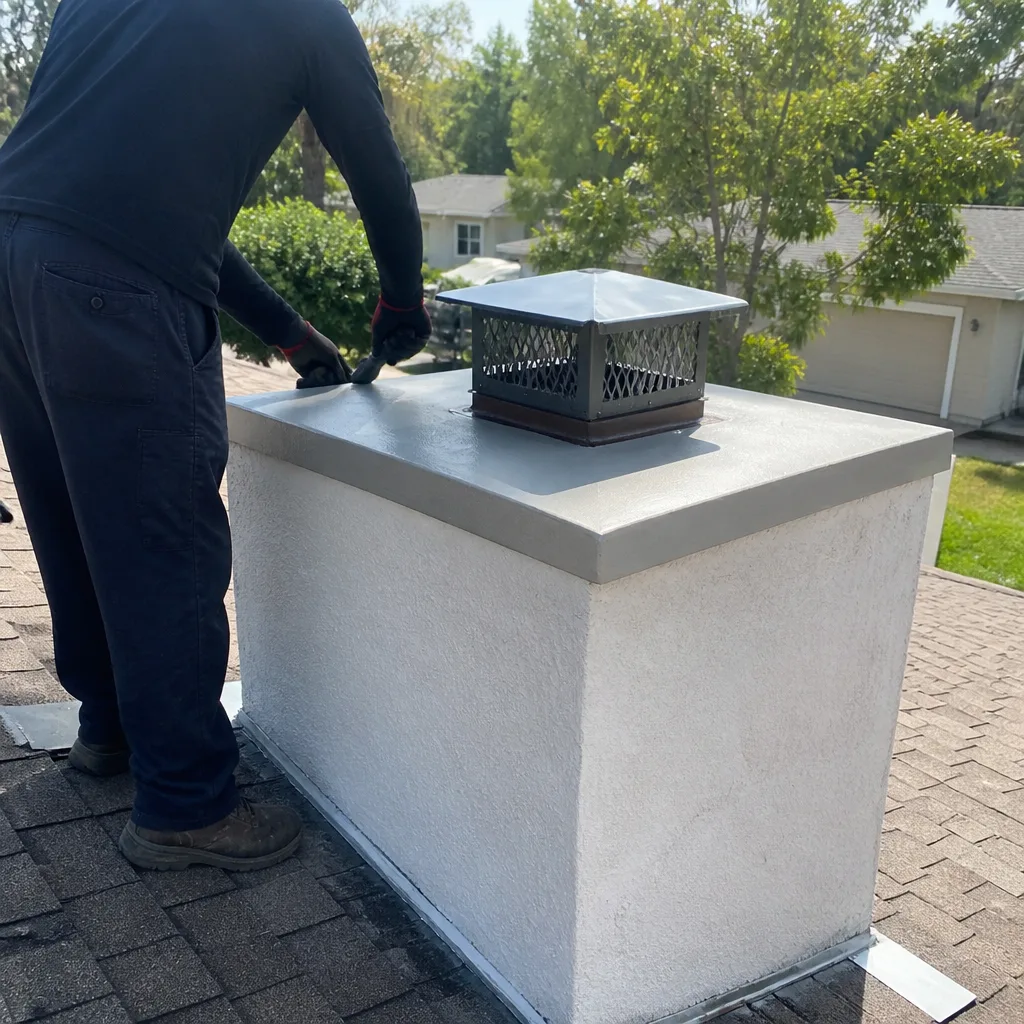
Level 1 sweep and inspection to the NFPA 211 annual standard - flue, crown, cap, and flashing checked and photographed
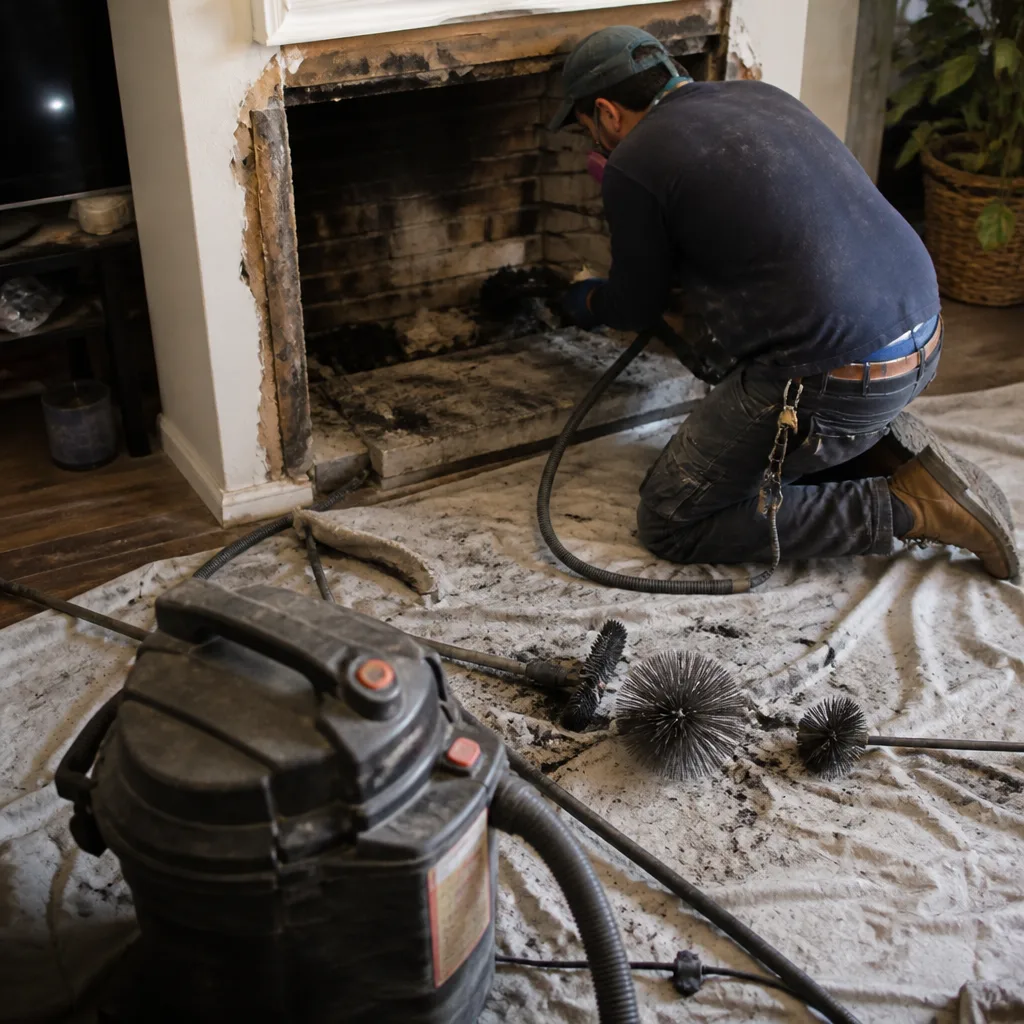
Chimney sweep logs do not sweep chimneys. They loosen some creosote - which then falls where a brush and vacuum still have to collect it.
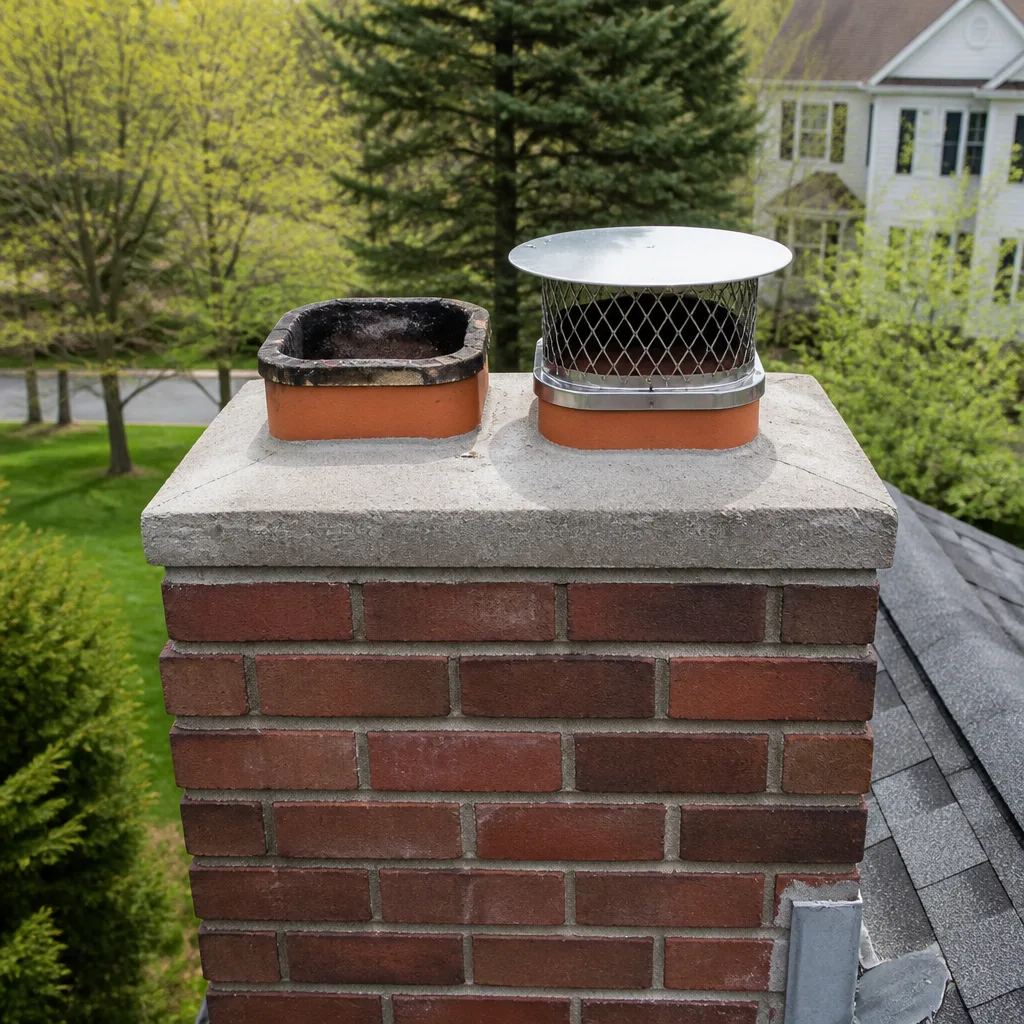
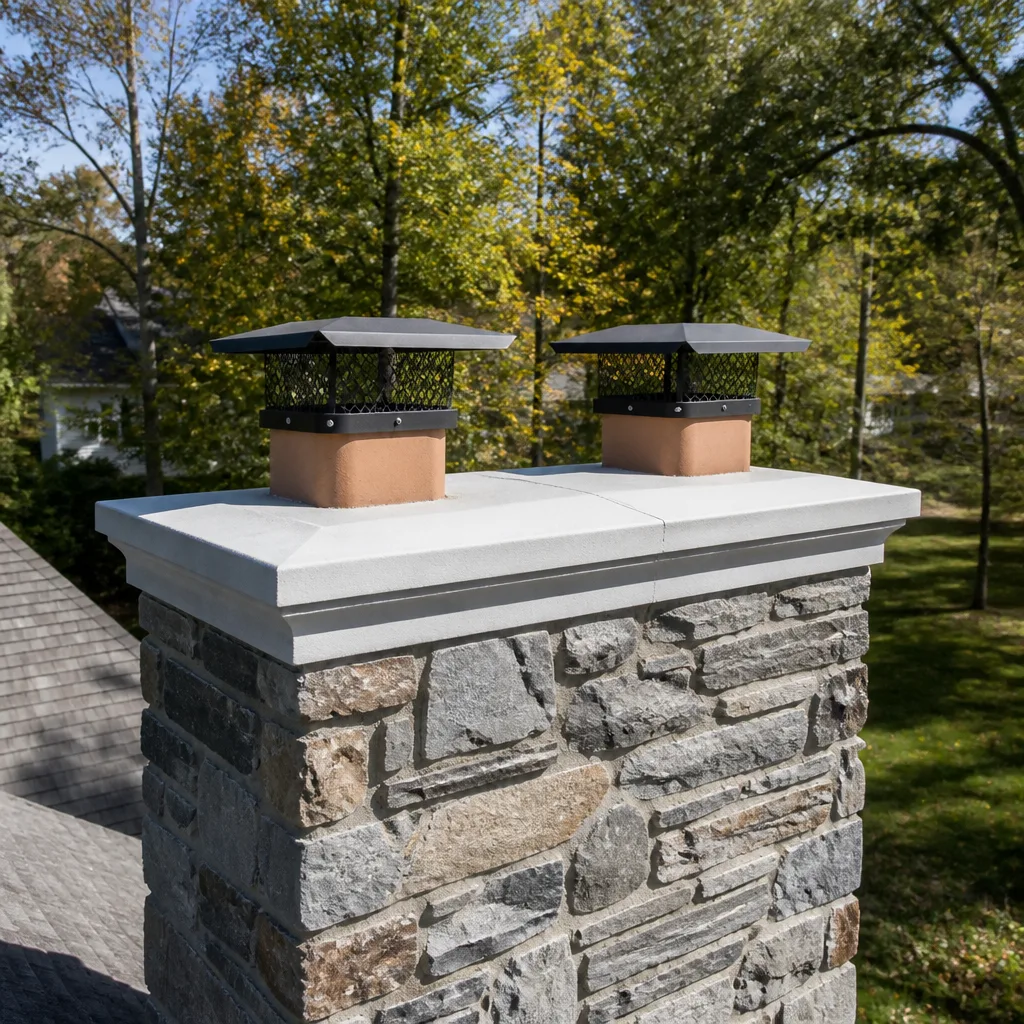
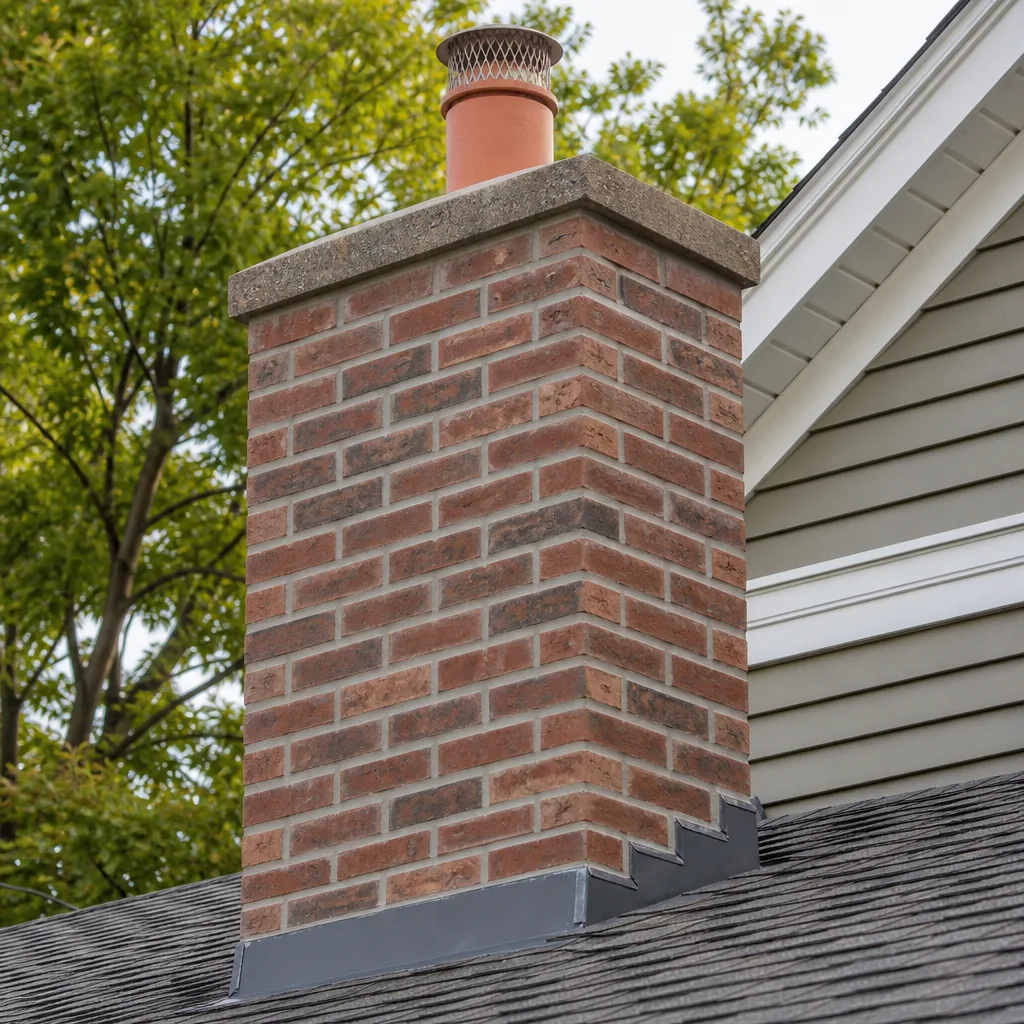
 Before
 After
After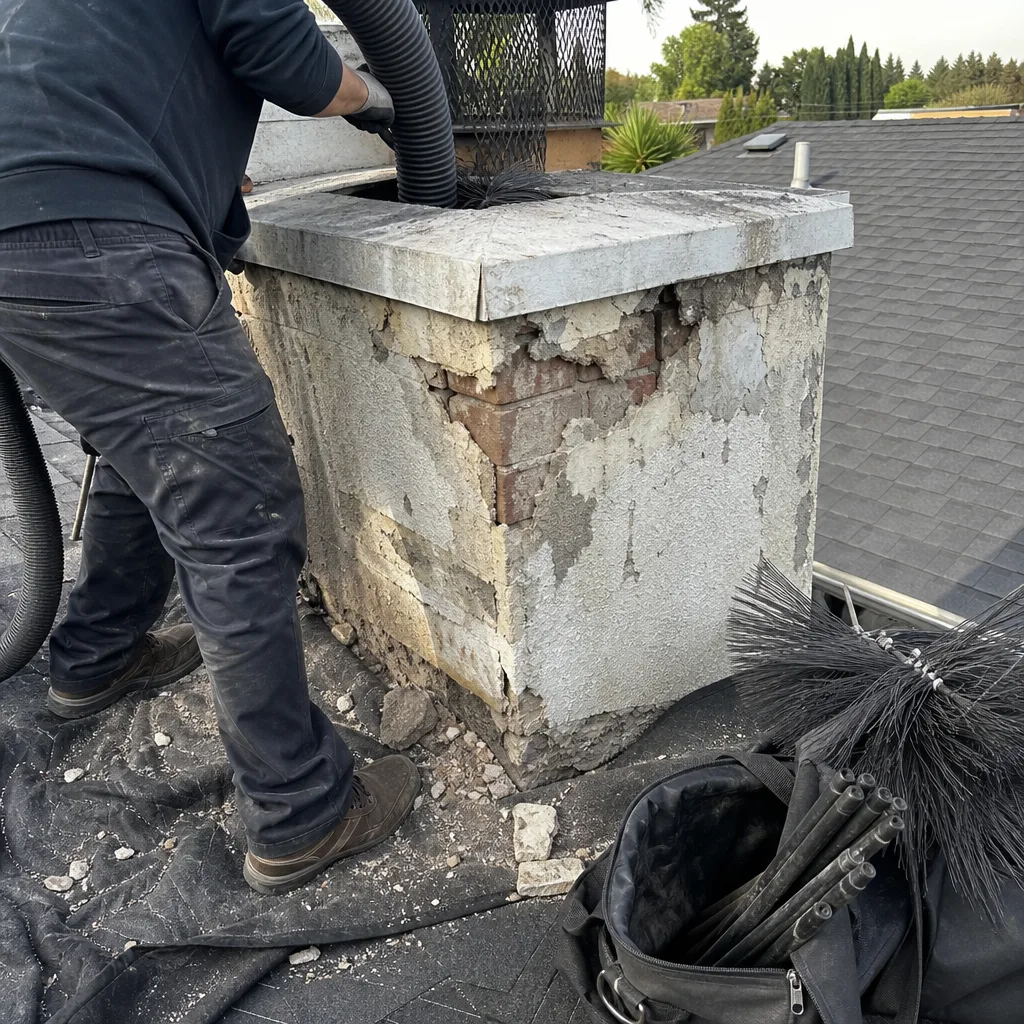 Before
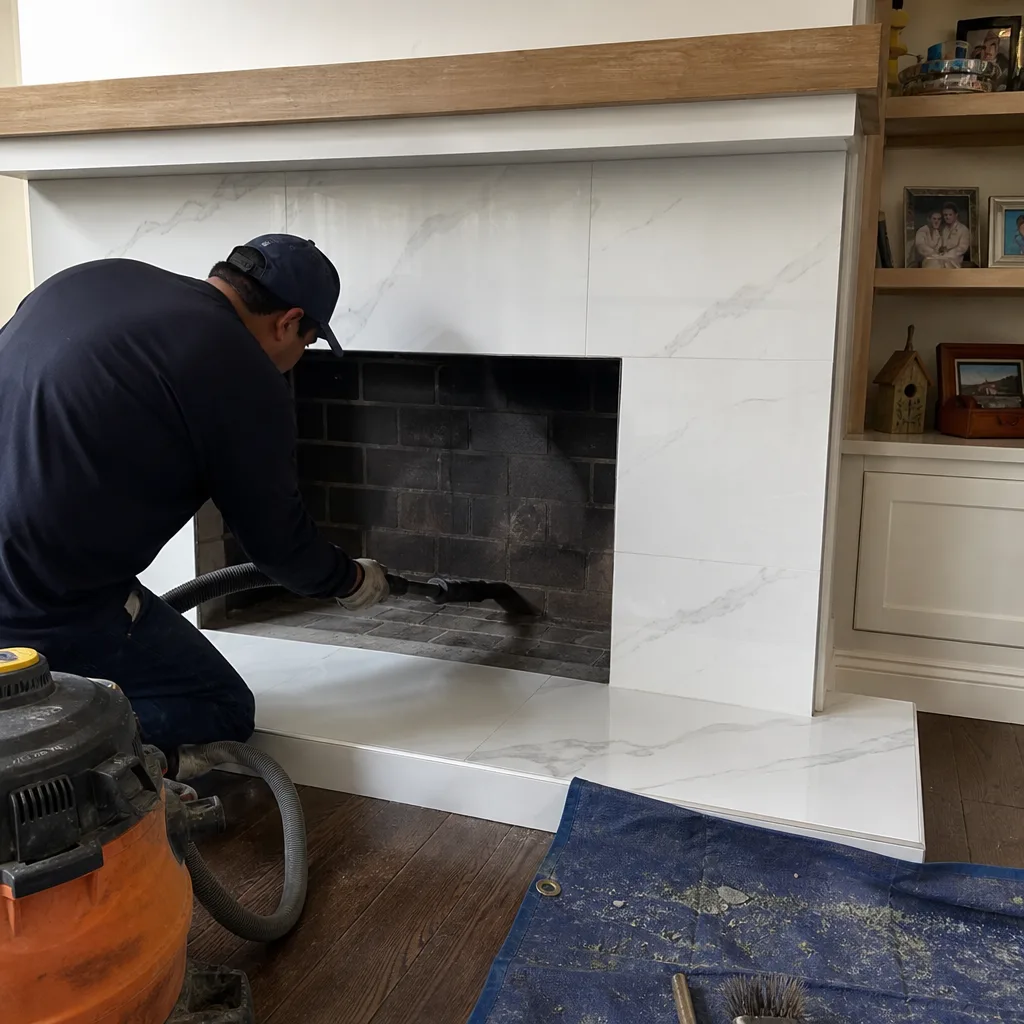 After
After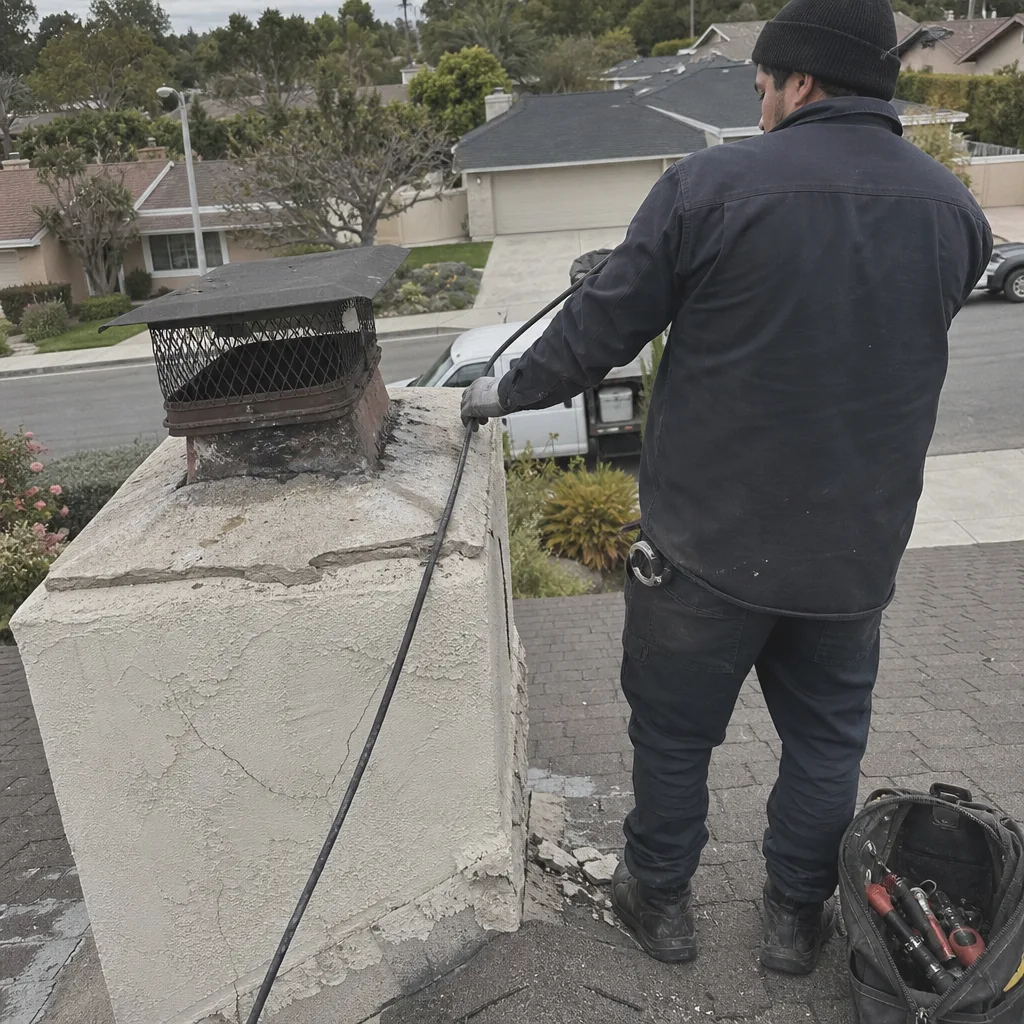 Before
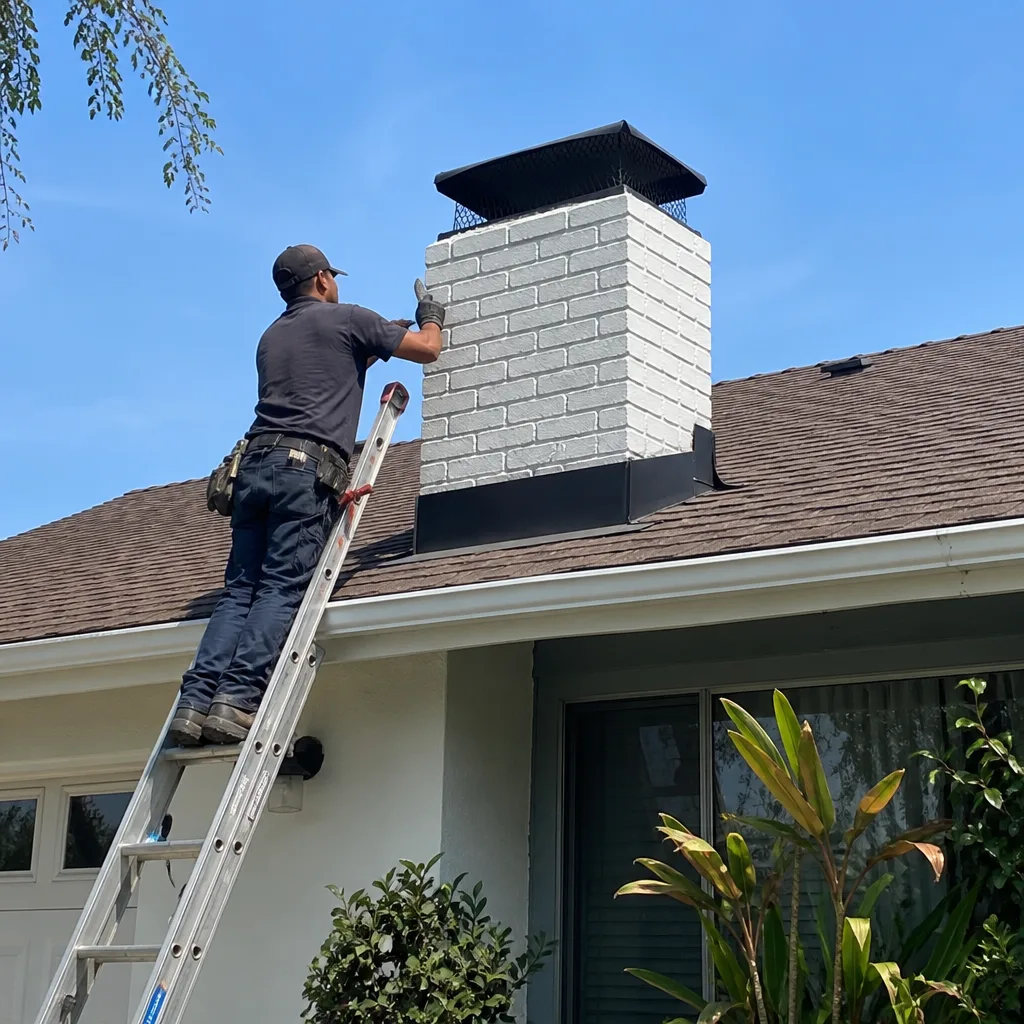 After
AfterHeatShield Flue Liner Replacement: The Los Angeles Owner’s Guide
A HeatShield flue liner replacement in Los Angeles typically runs $1,850 to $3,400 installed, depending on the liner length, access from the roof, and whether the old HeatShield material needs full removal first. We stock HeatShield-compatible materials on our trucks and can usually complete the swap in a single visit. Most Los Angeles homeowners discover the problem two ways: a level 2 inspection that shows deteriorated HeatShield material, or visible flakes of the ceramic coating falling into the firebox after a season of heavy use.
Which HeatShield Models This Applies To
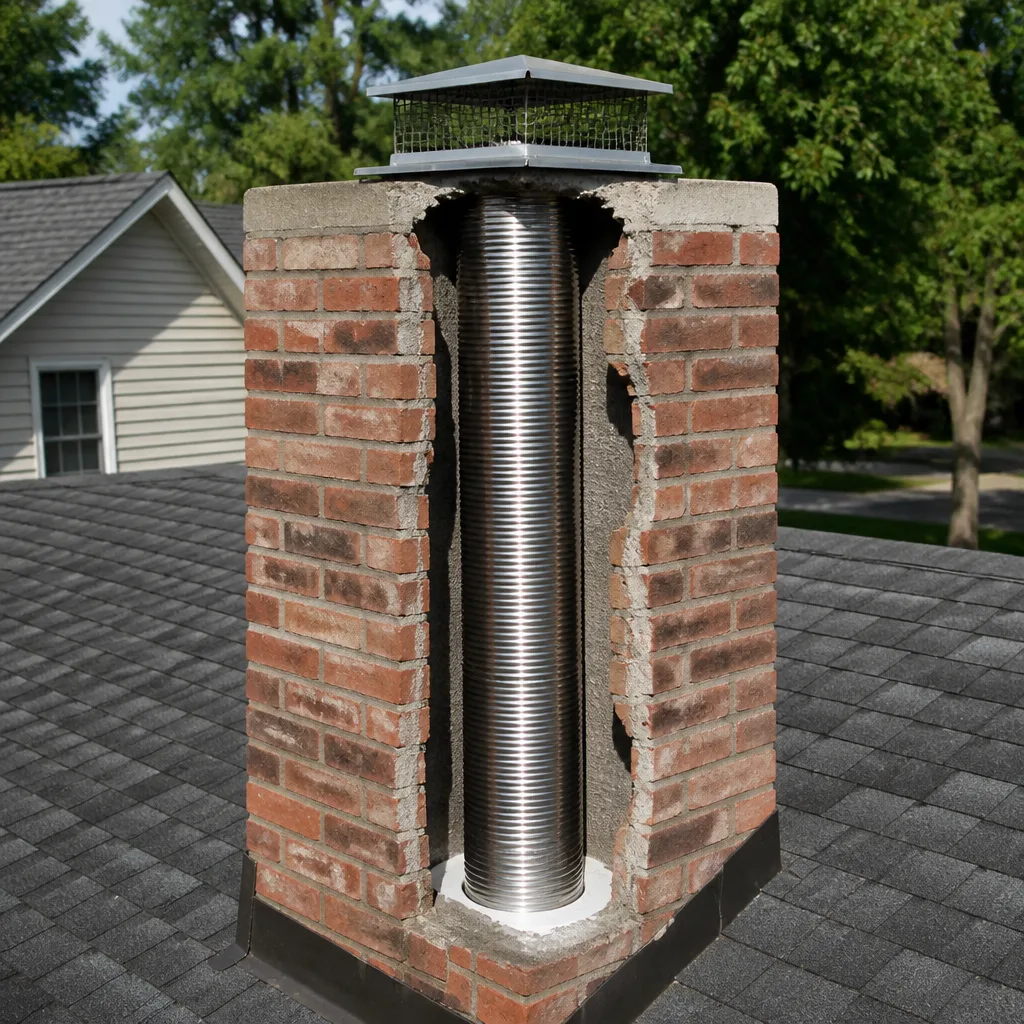
HeatShield is a poured-in-place ceramic liner system, not a rigid stainless insert. The original material, often the CeCure or Thermocrete line, was pumped around a form and cured inside the existing clay tile flue. When we do a replacement on a HeatShield system in Los Angeles, we match the exact flue dimensions first – most local chimneys run 8-by-12, 12-by-12, or 13-by-13 interior tiles, and the replacement material is specified by the cross-section, not by a model number on a badge. There is no “model sticker” on HeatShield; what matters is the flue size, the number of offsets in the chimney, and whether the original install included a stainless steel cap. Flint Chimney Sweep is an independent service provider, not a HeatShield dealer, which means we are free to tell you when HeatShield is the right call and when a better material like a DuraFlex stainless liner is the smarter Utah-or-California choice for your chimney.
Signs Your HeatShield Flue Liner Replacement Is Failing
HeatShield failure is rarely a sudden event. It walks in slowly, and the symptoms are easy to read once you know what you’re looking at.
- Ceramic flakes or grit in the firebox. This is the most common call we get in Los Angeles. HeatShield material that’s lost its bond to the clay tile starts shedding from the top down, and the debris falls into the firebox. Cause: moisture intrusion from the top, or the original cast was too thin.
- Draft reversal or smoke coming back into the room. When the HeatShield surface roughens and narrows the flue passage, the chimney can’t move air the way it did. You’ll notice smoke curling back into the living room even with the damper wide open.
- White or chalky staining on the chimney exterior. That’s efflorescence – moisture traveling through the masonry and evaporating on the face of the brick. It’s not a HeatShield symptom on its own, but it means water is getting in, and water is exactly what breaks the ceramic bond.
- Odor that smells like a mix of campfire and must. The failed liner surface holds creosote and soot differently than a smooth, intact wall. When humidity climbs in Los Angeles, that trapped moisture carries the smell down into the house.
- Animal noise or debris from the flue. A cracked HeatShield surface is an open invitation. Birds in the chimney or twigs falling into the firebox usually mean the liner has a breach big enough for a pest to work through.
Replacement Cost & What’s Included
Here’s what a HeatShield flue liner replacement in Los Angeles actually costs, in plain numbers:
- Single-story roof access, straight flue, standard 8-by-12 tile: $1,850 to $2,400 installed.
- Two-story roof access or a flue with offsets: $2,400 to $3,100 installed.
- Full removal of failed HeatShield plus new ceramic pour: $2,800 to $3,400 installed.
Those prices include the written scope, the material, the labor, the cleanup, and our 365-Day Done Right Promise: if the replacement fails within one year, we return at no charge. That’s not a handshake deal. It’s written on the invoice before we start. What drives the range in Los Angeles specifically is roof pitch and the number of stories. A steep pitch slows the job down. A two-story run means more hoisting. We never change the number after we give it – the price you approve is the price you pay.
DIY or Call Us?
You can safely do two things: look for flakes in the firebox and mark the date you first noticed them. The rest of this job is not a homeowner project. A HeatShield replacement means working from the roofline, removing old material from a vertical flue, and pouring or inflating a form inside a chimney that’s already compromised. Falls from a single-story roof kill more tradespeople than most people realize, and the chemical bond of the ceramic material has to be right or it fails again within two seasons. Hank Delano grew up in Eagle Rock and has spent his whole working life within a few miles of the San Gabriel foothills. He’s seen the DIY versions. They cost more than the original quote every time. Call (830) 251-4560 if you suspect the liner is done. Tell me what you’re seeing, I’ll tell you what it means.
FAQs
Expect 10 to 15 years from a properly installed HeatShield liner in the Los Angeles climate. Coastal moisture and marine-layer humidity shorten that lifespan by a few years compared to a dry inland town like Palm Springs. You’ll notice we say “properly installed” – that’s the variable that decides everything. Call (830) 251-4560 for a straight answer on what your current liner looks like.
Sometimes the lower portion is still intact and only the top section is gone. In those cases we can section in a replacement pour rather than redoing the whole run. It doesn’t save you the whole job, but it can save $500 to $900 on Los Angeles projects where the failure is isolated. We’ll show you the camera footage. If it can wait, we’ll say so.
Most Los Angeles replacements are single-day jobs from setup to cleanup. We arrive inside the two-hour window we give you, we cover the work area, and we leave the site the way we found it except for a working liner. If the old material needs full extraction first, add half a day.
Yes. Our Los Angeles trucks carry HeatShield-compatible ceramic material, plus Gelco and DuraFlex stock for jobs where a rigid stainless reline is the better answer. We don’t make you wait on a distributor. The truck shows up prepared.
Written by Hank Delano, Owner, Flint Chimney Sweep at Flint Chimney Sweep, serving Los Angeles and nearby areas.