

Level 1 sweep and inspection to the NFPA 211 annual standard - flue, crown, cap, and flashing checked and photographed
Chimney sweep logs do not sweep chimneys. They loosen some creosote - which then falls where a brush and vacuum still have to collect it.
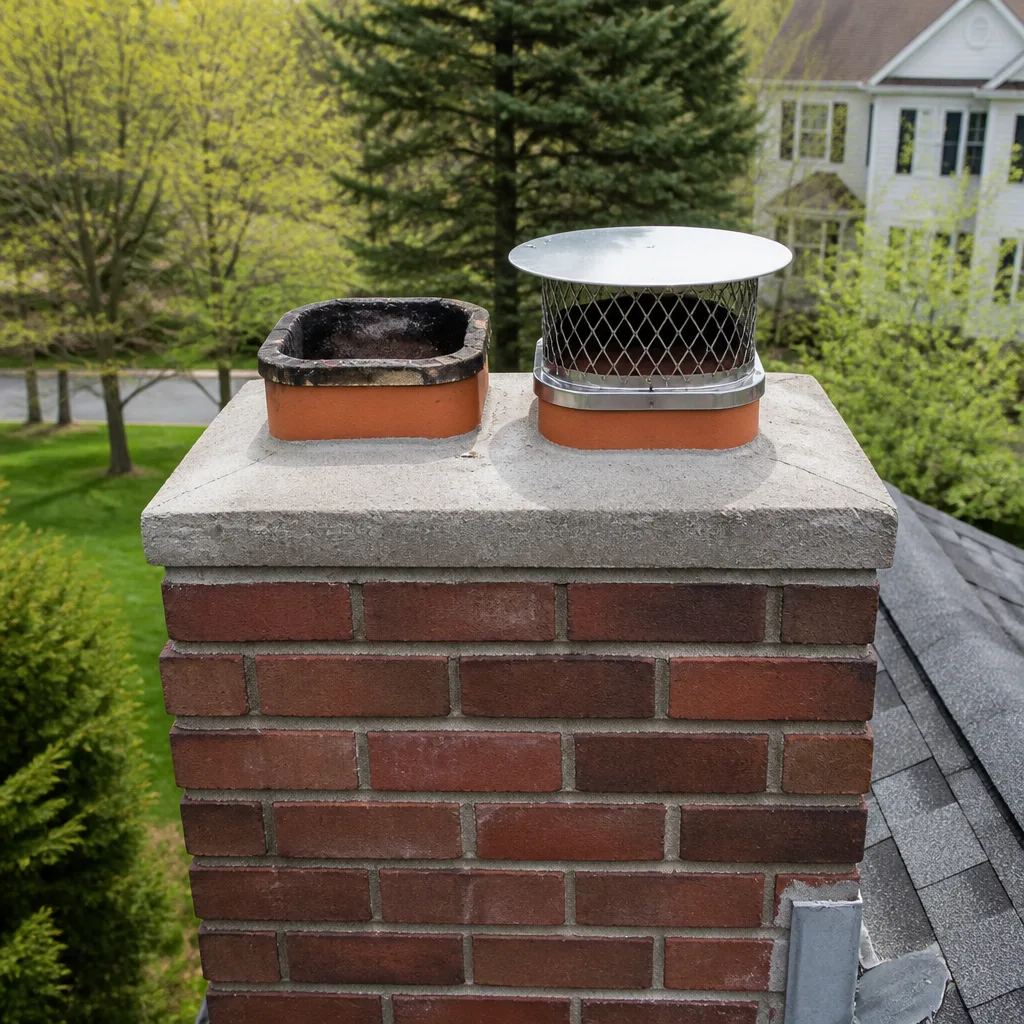
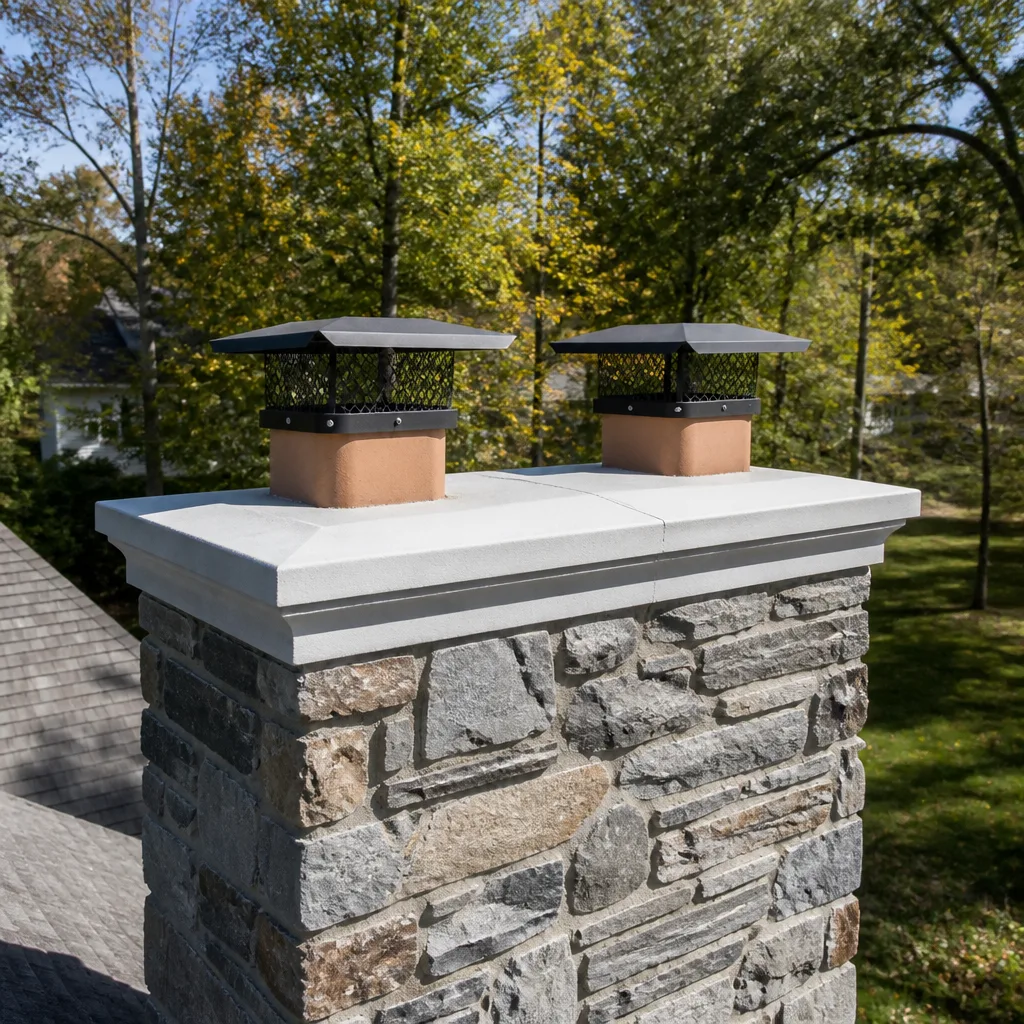
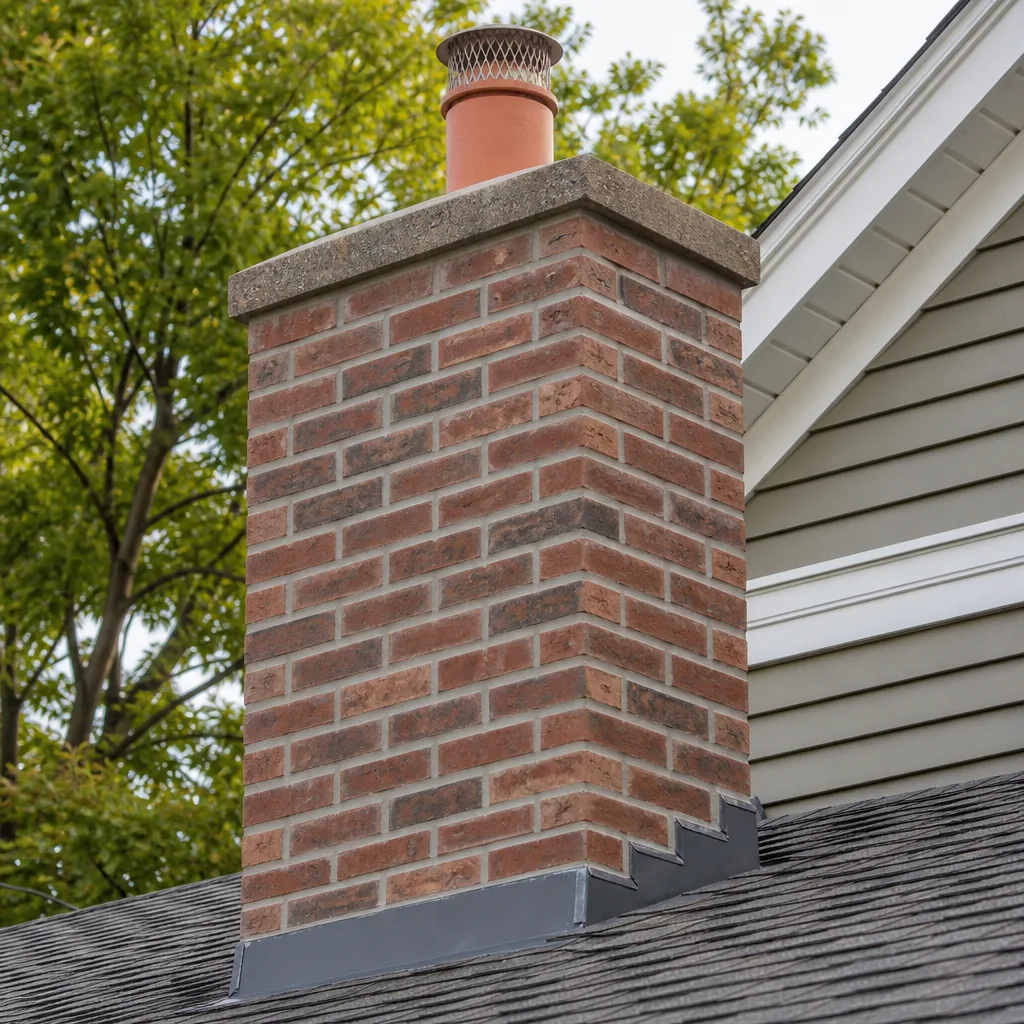
 Before
 After
After Before
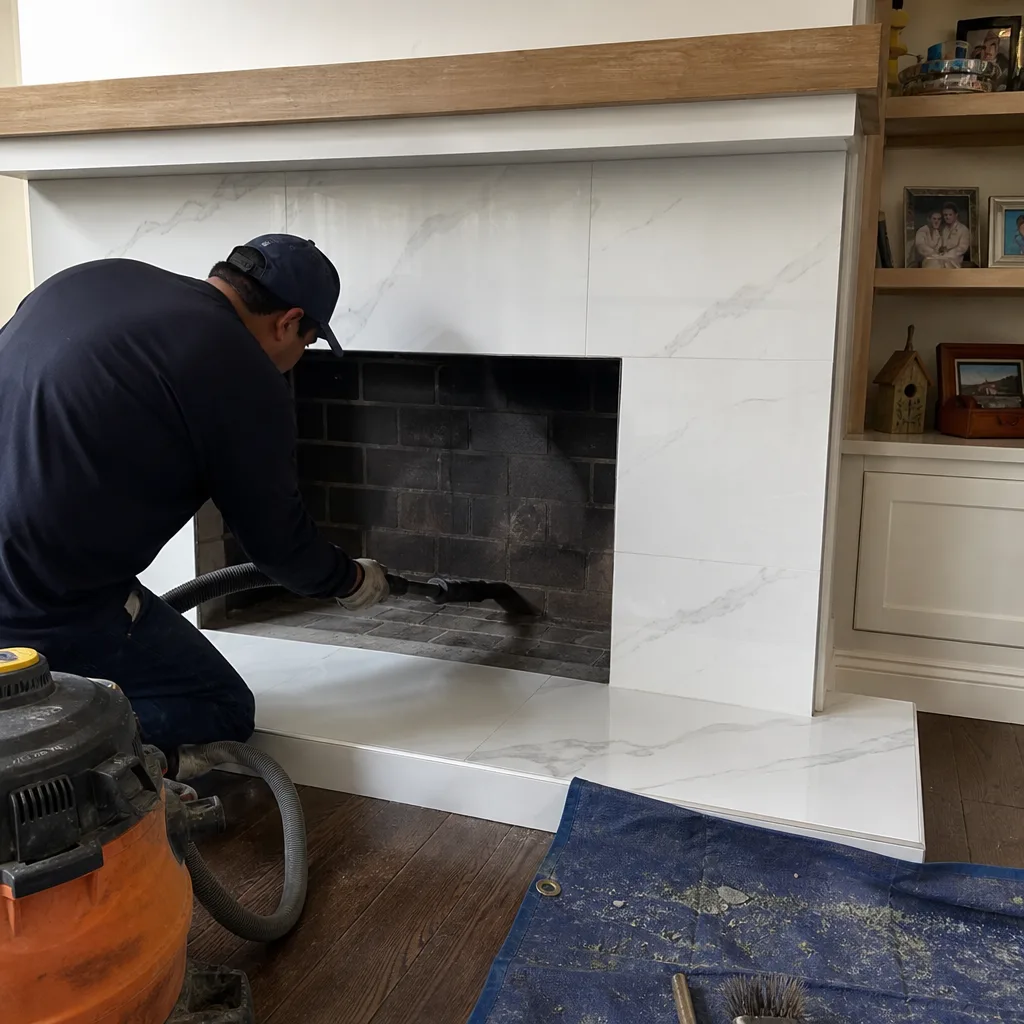 After
After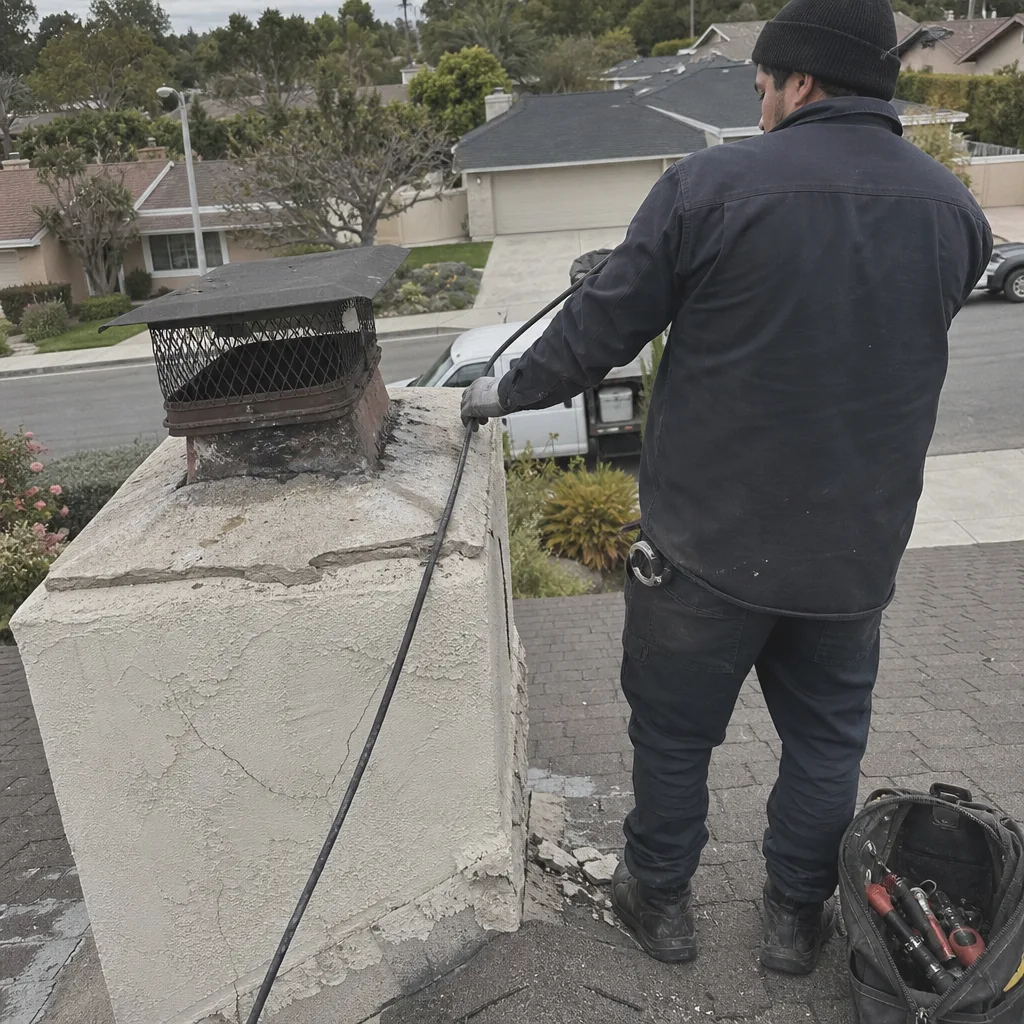 Before
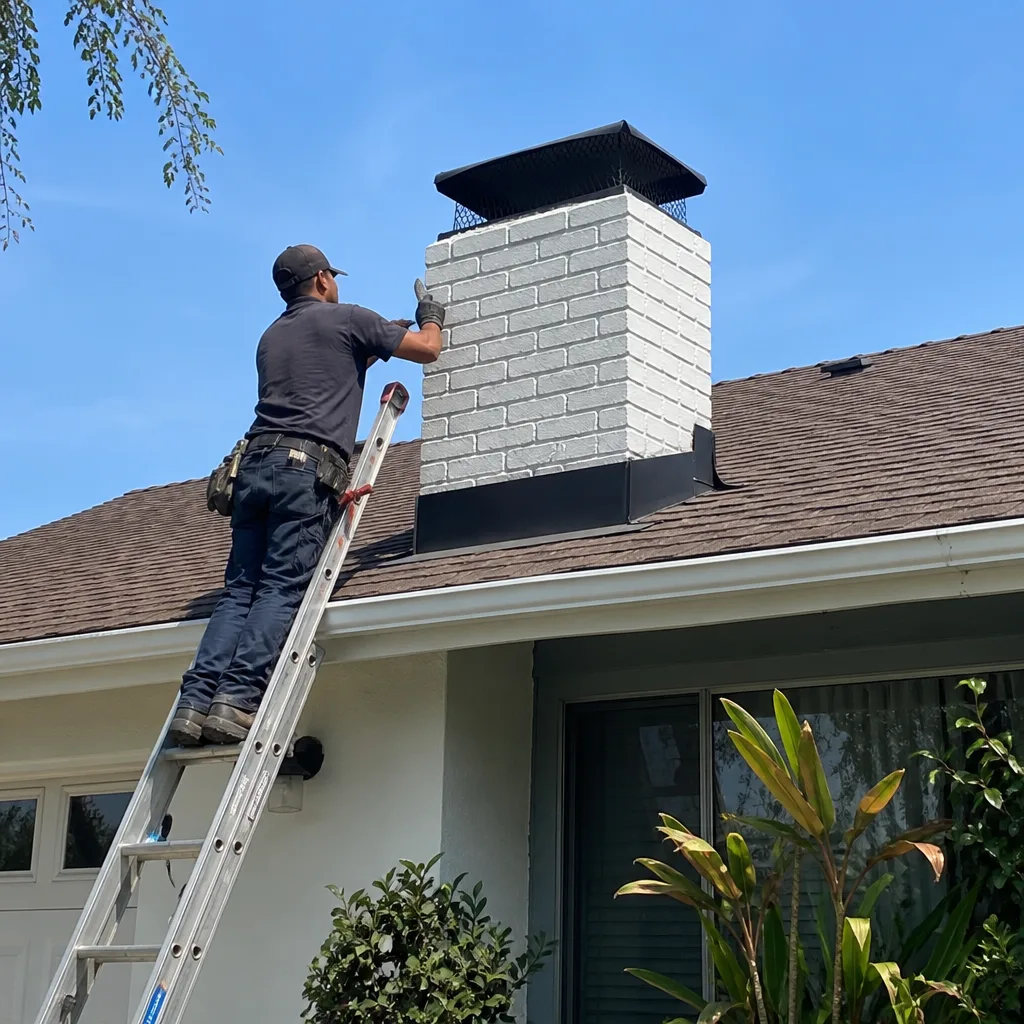 After
AfterCarbon Monoxide Alarm Going Off Near the Fireplace
What’s Happening
A carbon monoxide alarm sounding near a fireplace almost always means combustion gases are not venting out of your home the way they should be. The fireplace or the chimney connected to it is pushing CO back into your living space instead of exhausting it safely up and out. This is a life-safety situation, and you should treat it that way right now.
Carbon monoxide is colorless and odorless, which is exactly why the alarm is doing its job. When a fireplace system fails to vent properly, CO produced by burning wood or gas can accumulate in a room faster than most people realize. The causes range from a blocked flue to a cracked liner to nothing more than a damper stuck in the wrong position. Some are simple. Some are not. But none of them are something you want to diagnose by waiting to see if the alarm stops.
Why It Happens
A Blocked or Restricted Flue
The most common reason CO comes back into a room is that something is blocking the chimney flue. Bird nests, animal debris, leaves, or years of accumulated creosote can reduce the flue opening to the point where exhaust gases have nowhere to go but backward. If you look up into the firebox (with no fire burning and after ventilating the room) and see little or no daylight, or if you notice a strong smoky or musty smell even without a fire, a restriction is likely. This is not something you clear yourself – it requires a camera inspection and a professional sweep.
A Cracked or Deteriorated Flue Liner
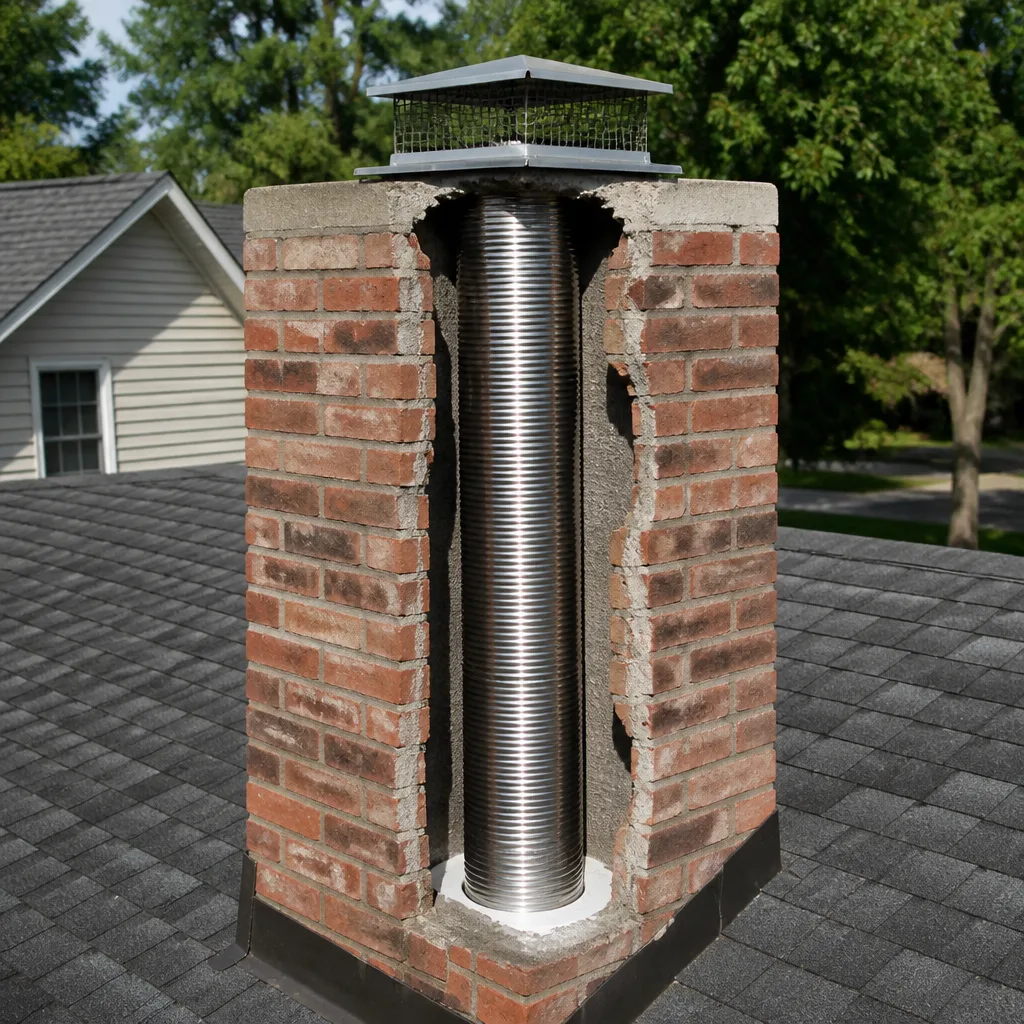
The liner inside your chimney is the sealed channel that carries combustion gases from the firebox to the outside. Over years of heating and cooling, clay tile liners develop cracks, and older metal liners can corrode or separate at the joints. When the liner fails, CO can escape laterally through those gaps into wall cavities or directly into adjacent rooms before it ever makes it out the top of the chimney. You won’t see this from inside the firebox. A camera inspection is the only reliable way to find it.
A Damper That Is Closed, Warped, or Partially Stuck
A fireplace damper controls the opening between the firebox and the flue. If it’s closed while a fire is burning, or if it has corroded or warped to a partially closed position, exhaust gases back up into the room almost immediately. You can check damper position by reaching into the firebox (fire cold, room ventilated) and feeling whether the plate moves freely and opens fully. A damper that only opens partway or won’t stay latched open is a common culprit and a straightforward repair. A damper that is fully closed when you thought it was open is a red flag for whoever lit the last fire.
Negative Air Pressure Pulling Exhaust Back In
Modern homes built or renovated to be tightly sealed can create negative air pressure conditions where exhaust gets pulled back down the chimney by the house’s own ventilation dynamics. This is more common with tighter insulation, exhaust fans running in the kitchen or bathrooms, or after weatherstripping upgrades. The clue here is that the alarm trips even when the fire seems to be drawing well and the damper is open. If other exhaust fans or appliances are running at the same time, that combination can overwhelm the chimney’s ability to draft upward.
What to Do Right Now
- Get everyone out of the house, including pets. Do not wait for symptoms. CO exposure can cause headache, nausea, and confusion – by the time you feel it, you’ve already been exposed. Leave immediately and get fresh air.
- Call 911 from outside if the alarm is still sounding or if anyone feels unwell. Emergency services can confirm whether CO levels in the home are dangerous before you go back in. This is the right call, not an overreaction.
- Do not restart the fire or use the fireplace again until it has been inspected. Once the house is safe to re-enter (confirmed by emergency services or after the alarm clears with doors and windows open), leave the fireplace shut. Using it again before the source is identified risks a repeat – or worse.
- Leave doors and windows open when you return. Cross-ventilation helps clear residual CO. Do not rely on the alarm resetting as proof the hazard is gone – it just means detectable levels have dropped below the alarm threshold.
- Photograph the damper position and anything visible in the firebox. If there’s visible blockage, debris, or you can see the damper position, take a photo with your phone. It helps your technician understand what they’re walking into before the inspection starts.
How We Fix It
When your local Flint Chimney Sweep team arrives, the first thing on the table is a camera inspection of the flue. That’s not optional – it’s the only way to know whether the problem is a blockage, a liner failure, a damper fault, or a draft issue. We run a camera from the firebox to the top of the chimney and show you exactly what we find, in real images, before any work is recommended.
From there, the fix depends on what the inspection shows. A blocked flue gets a full chimney sweep to clear the restriction. A damaged liner gets repaired using professional-grade materials – DuraFlex, HeatShield, or Olympia Chimney products depending on what the liner needs – and that repair carries our 365-Day Done Right Promise in writing. A faulty damper gets replaced or reset. Whatever the inspection finds, you get a written price before any work starts. That’s not a policy we bend on; it’s The Garrison Code, and it applies to every job this team touches. Most inspections and sweeps are completed in a single visit. Liner repair may require a return appointment depending on scope, but your technician will tell you that up front.
Frequently Asked Questions
Treat it as real until a professional confirms otherwise. CO alarms near fireplaces do occasionally trigger from a brief puff of smoke during startup or from an alarm that’s near the end of its sensor life, but those are explanations you verify after the fact – not assumptions you make while people are still in the house. The cost of treating it seriously is an inconvenience. The cost of treating it as a false alarm when it isn’t is much higher. Call (830) 251-4560 and let us confirm the chimney is the source.
You should not use the fireplace again until it has been inspected – full stop. Whether that means today or in the next day or two depends on whether anyone was symptomatic and whether your local emergency services cleared the home. If the alarm cleared, no one felt ill, and the house has been ventilated, you can schedule an inspection promptly rather than treating it as a 911-level emergency after the fact. But “promptly” means this week, not next month. Call (830) 251-4560 and we’ll get you scheduled.
A Level II chimney inspection – the standard when there’s a safety concern like CO – includes a video camera scan of the entire flue from firebox to crown. Your technician documents the liner condition, the damper, the firebox, and the exterior crown and cap. You see the images. Nothing gets recommended without photographic evidence to back it up. The written price for any repair found comes before any work starts.
Not every CO issue involves the liner, and we don’t recommend liner work unless the camera shows damage that warrants it. A blocked flue or a stuck damper is a much simpler fix. If the liner does need repair, we’ll show you the exact footage that supports that call and give you the written price before we touch anything. Nothing is recommended without camera evidence you can see for yourself, and we’ll tell you plainly when work can safely wait versus when it’s a now problem.
Get It Fixed
Your local Flint Chimney Sweep team is ready to inspect the flue, find the source, and give you a written price before any work starts. Call (830) 251-4560 right now – a live person answers around the clock, every day of the year. You can also book online. Don’t use that fireplace again until we’ve cleared it.
Written by Hank Delano, Owner at Flint Chimney Sweep, part of the Garrison Partners family serving homeowners nationwide since 2002.
What Our Customers Say
"Level 2 inspection before we bought the house. Report was detailed and saved us from a bad surprise."
- Archie M."Full inspection with a camera. Found a cracked flue tile and quoted the repair clearly. Did not push."
- Lydia C."Great sweep. Only thing, the appointment window ran long and I waited. Cleanup was spotless though."
- Marge P.