
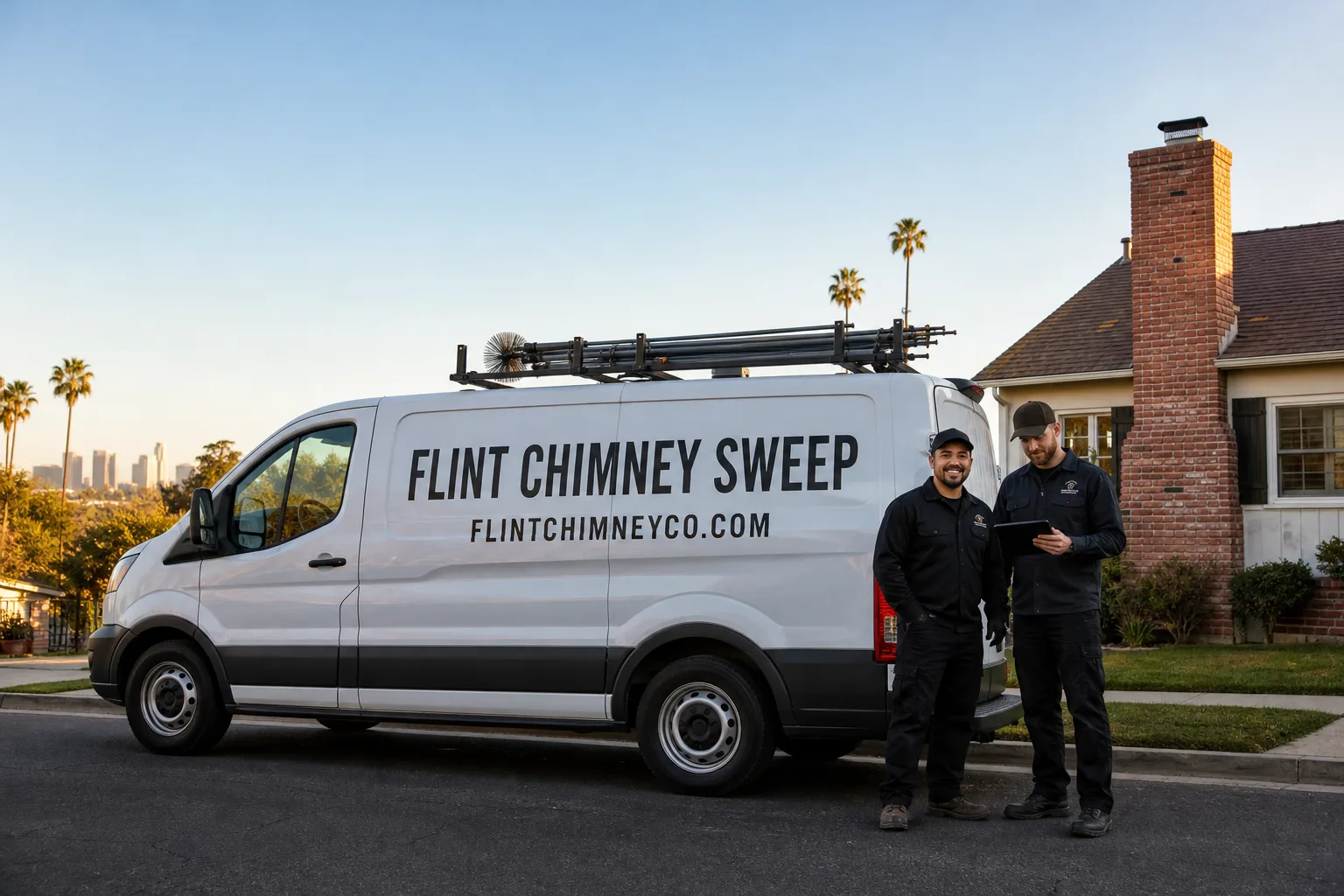
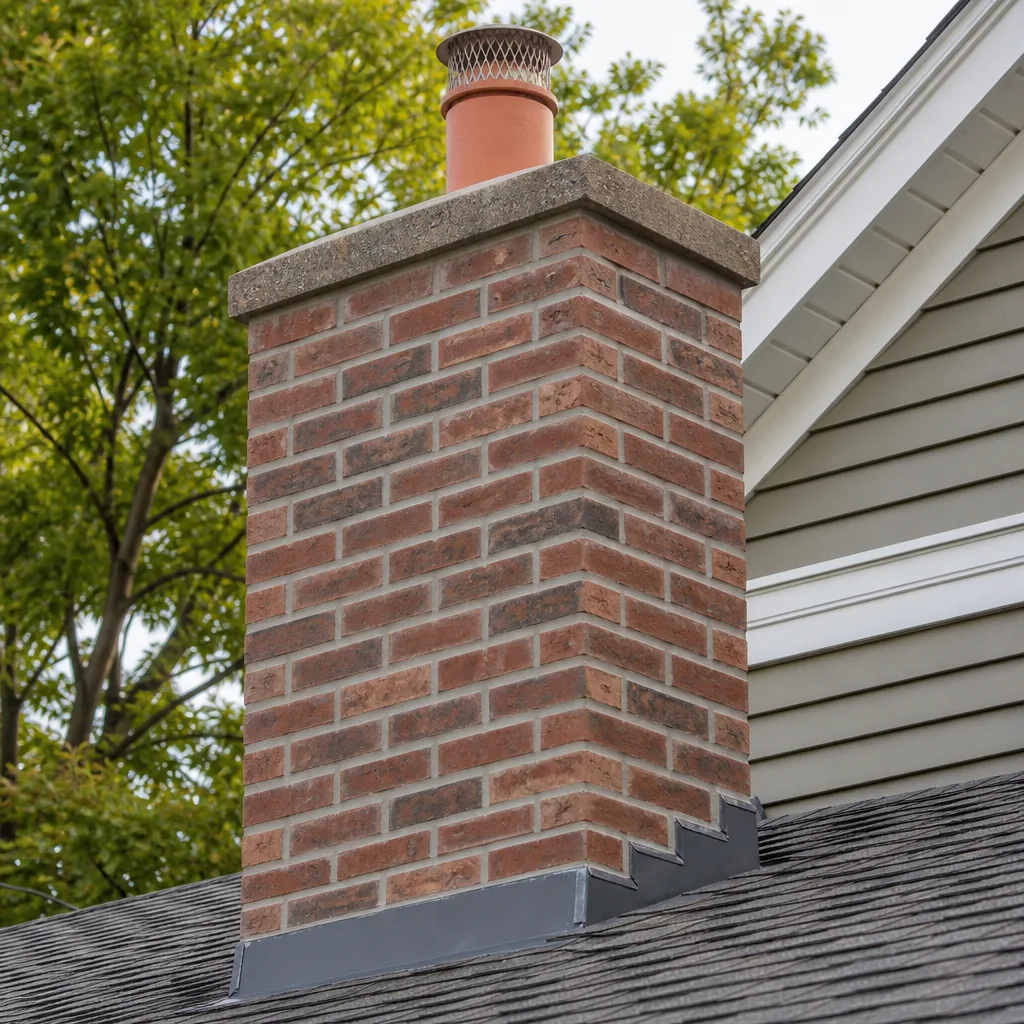
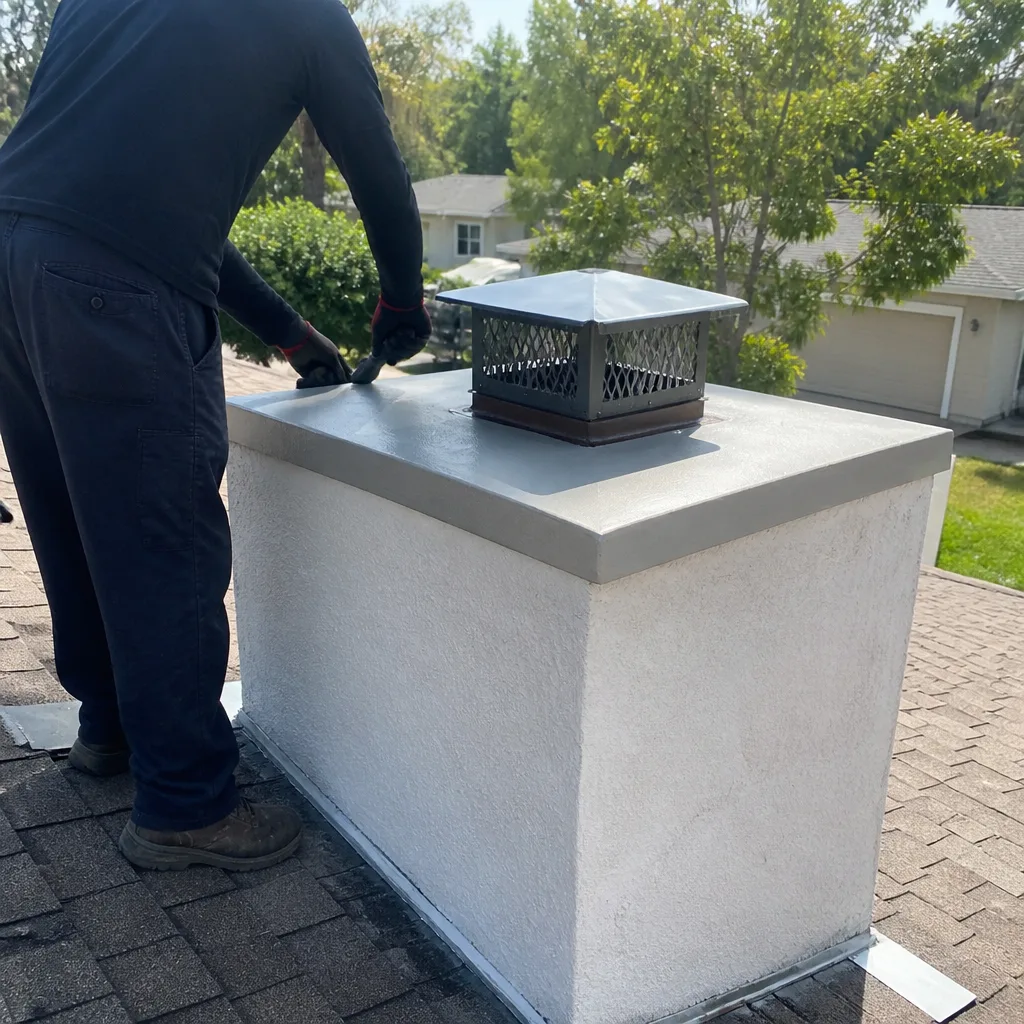
Level 1 sweep and inspection to the NFPA 211 annual standard - flue, crown, cap, and flashing checked and photographed
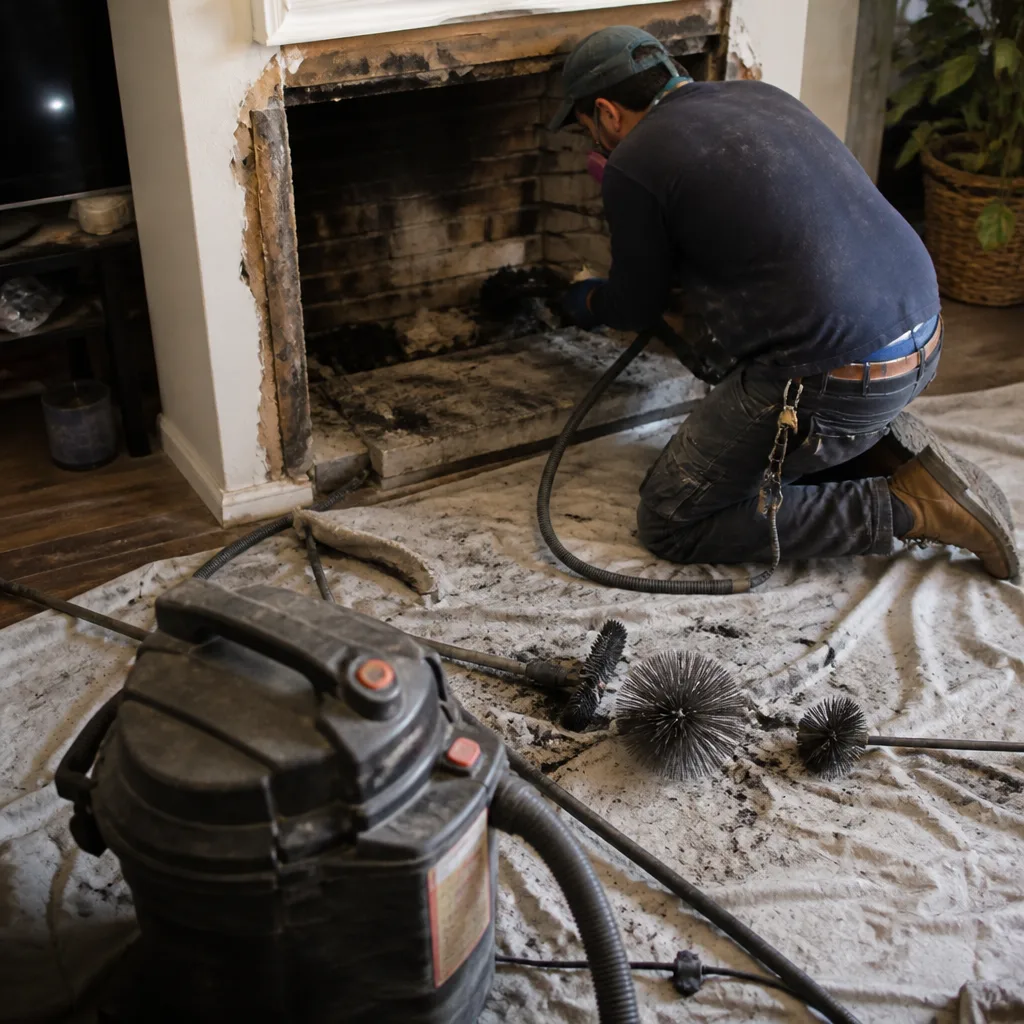
Chimney sweep logs do not sweep chimneys. They loosen some creosote - which then falls where a brush and vacuum still have to collect it.
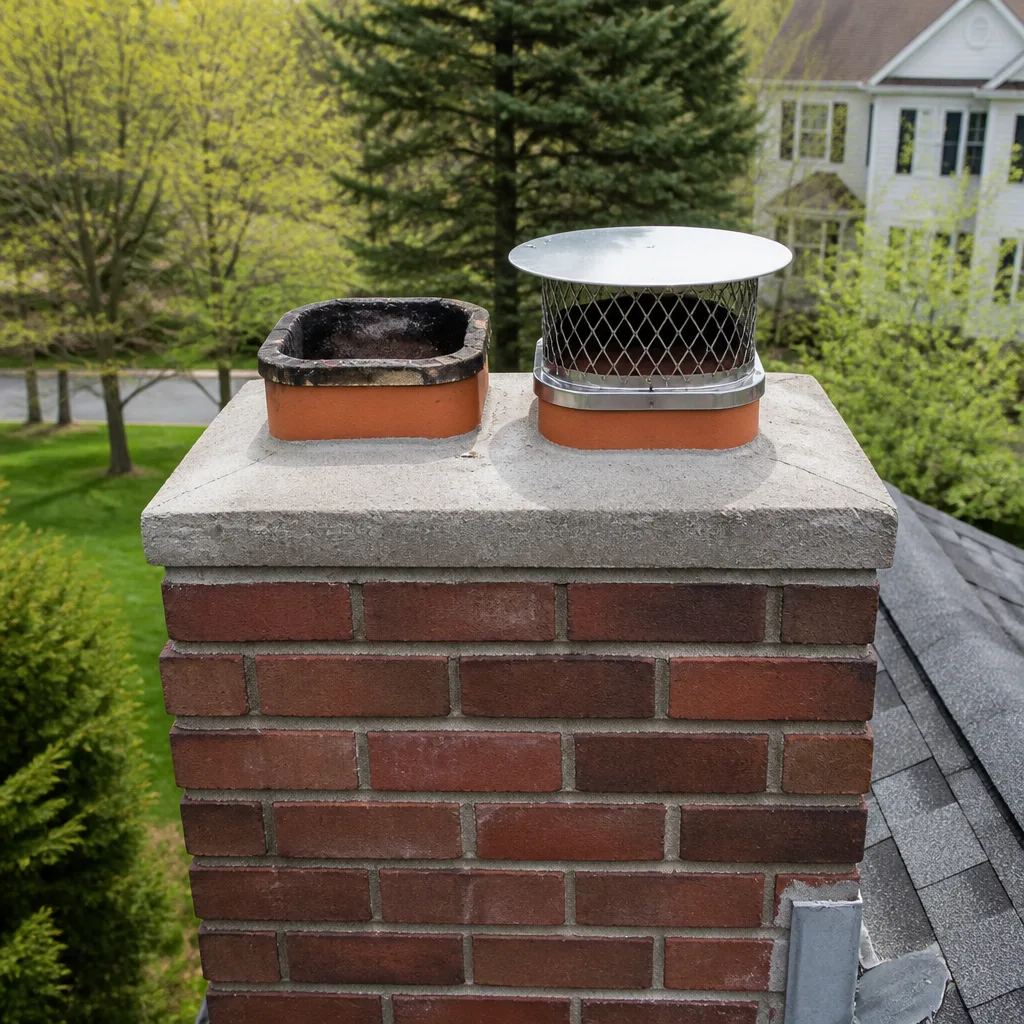
 Before
 After
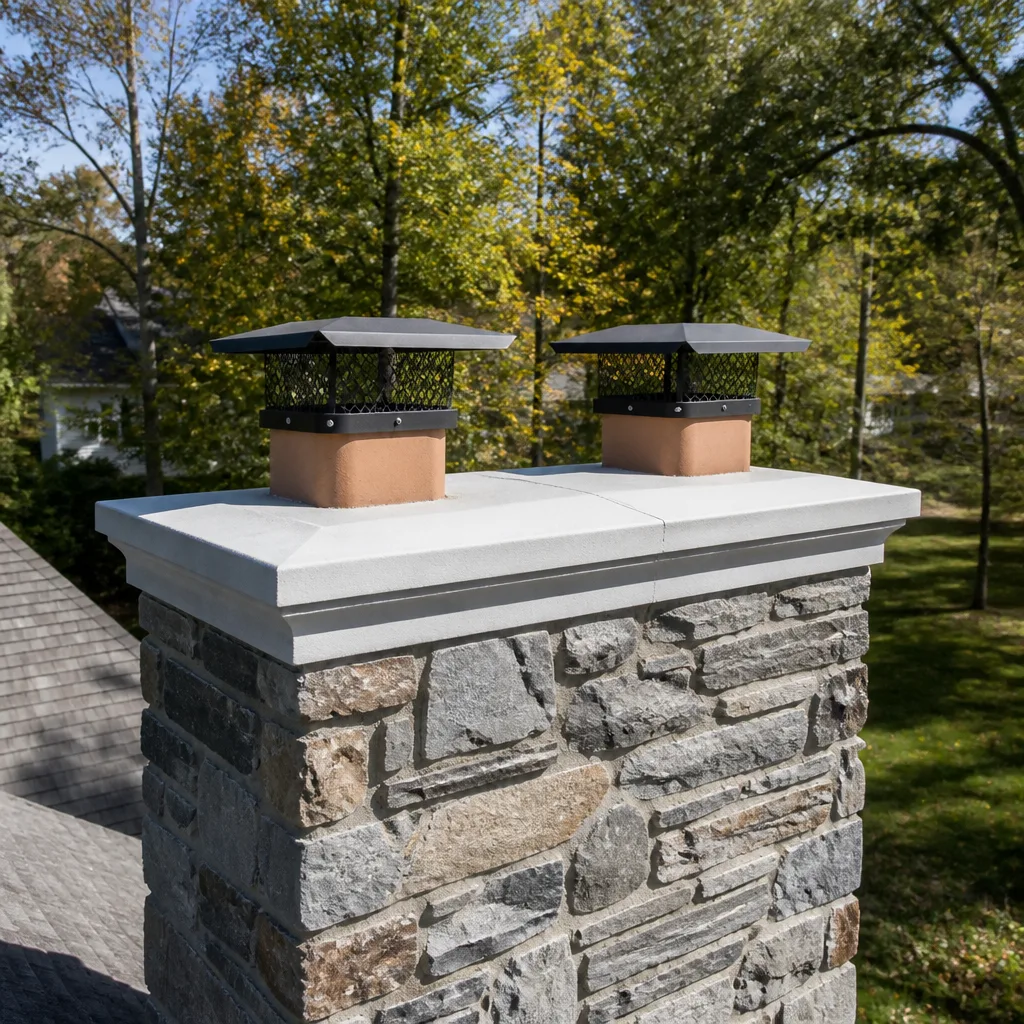
After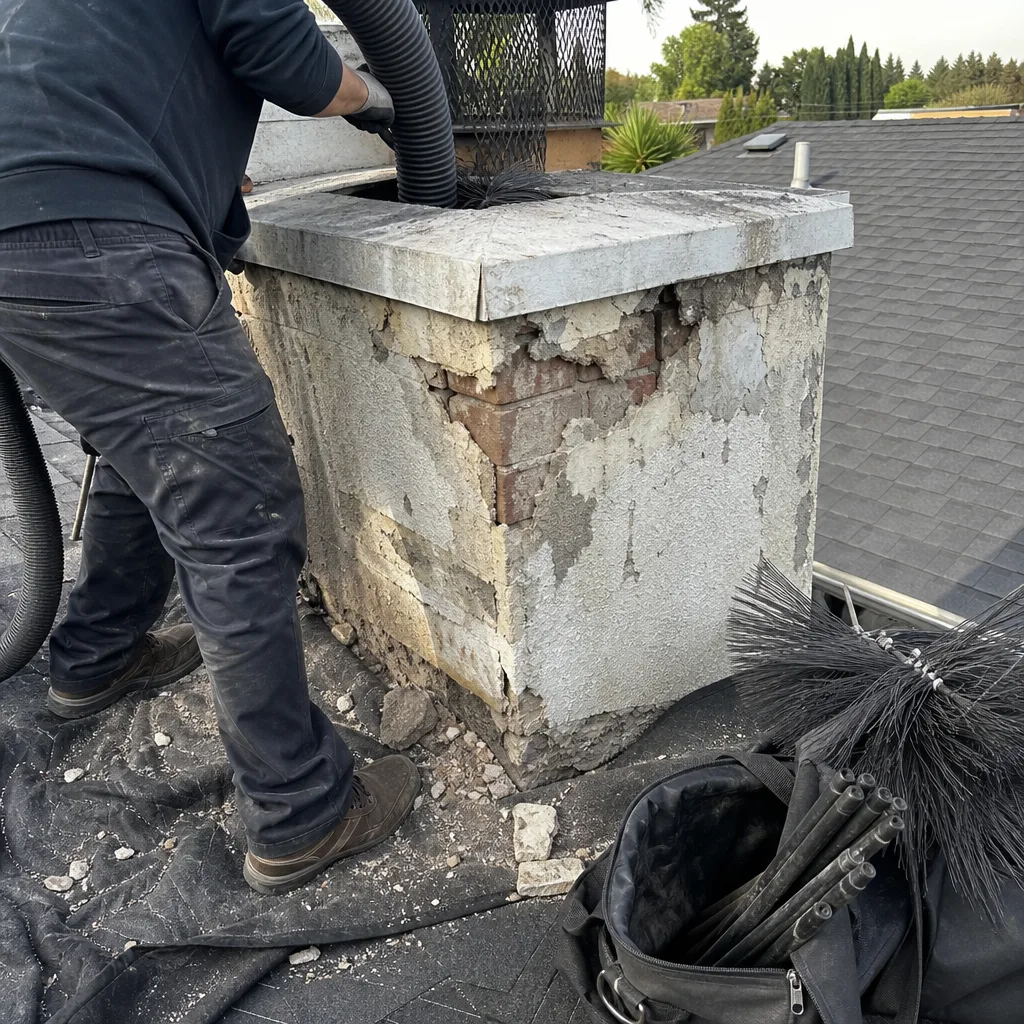 Before
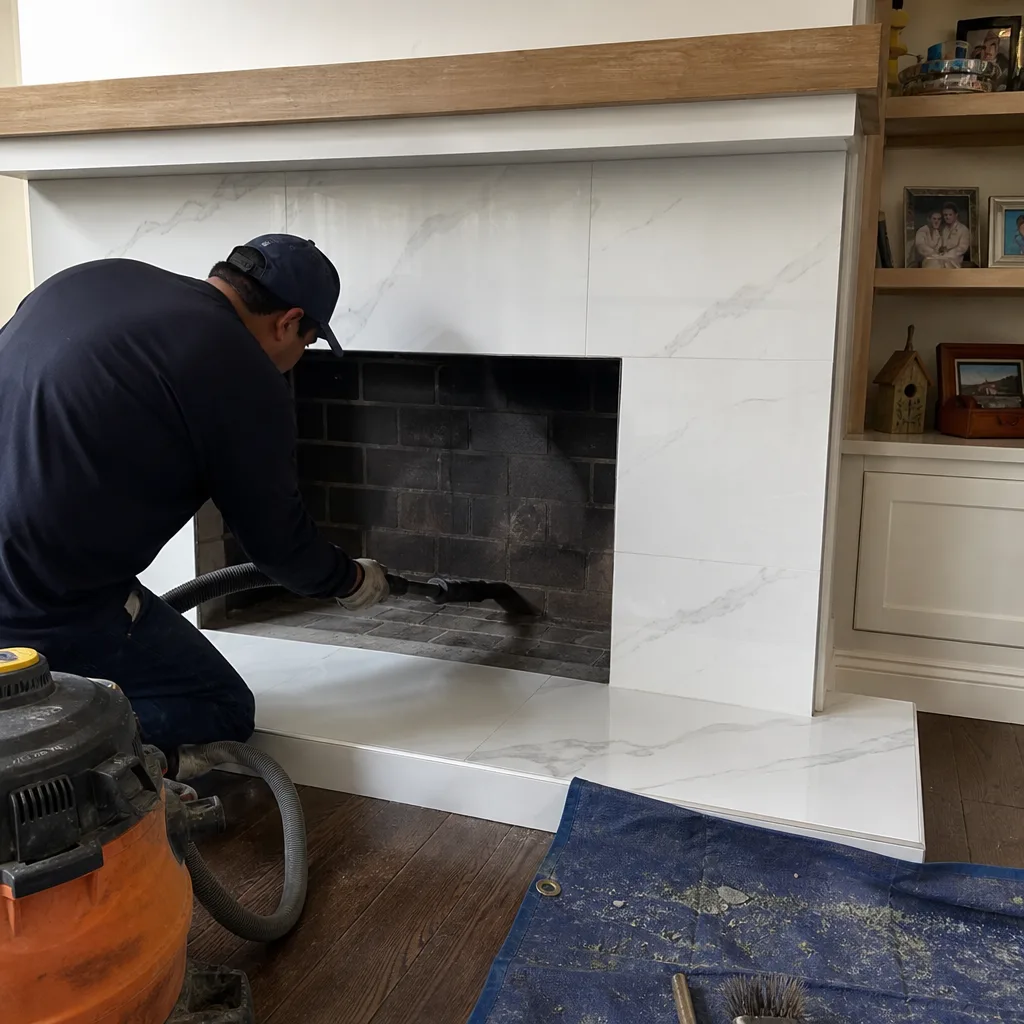 After
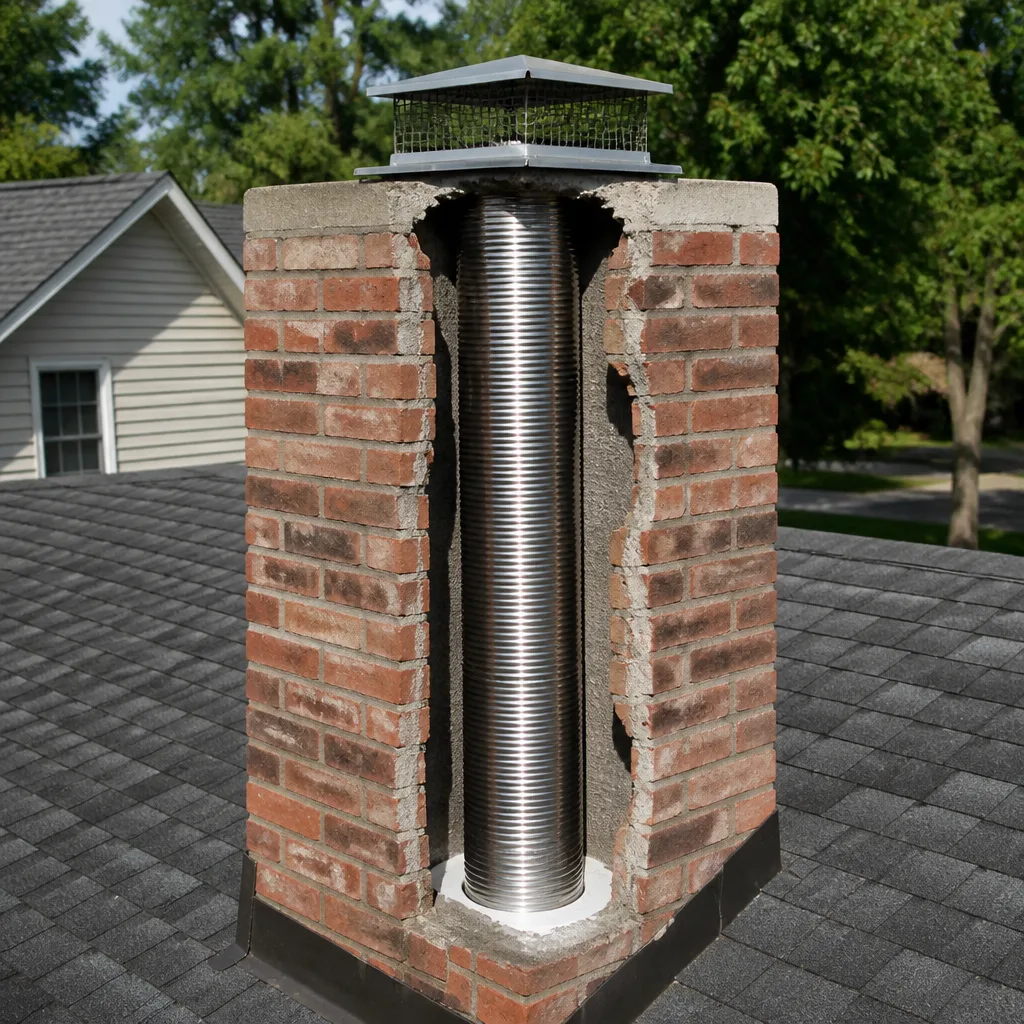
After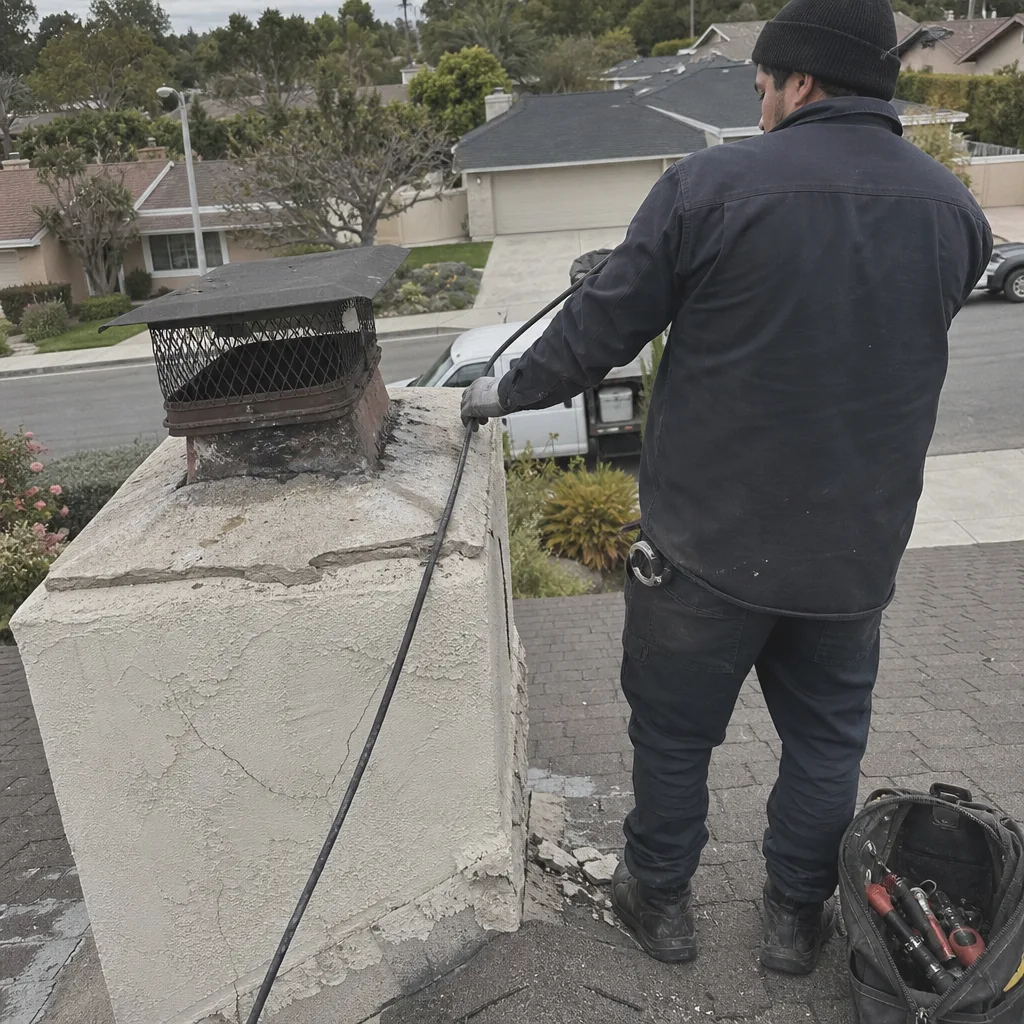 Before
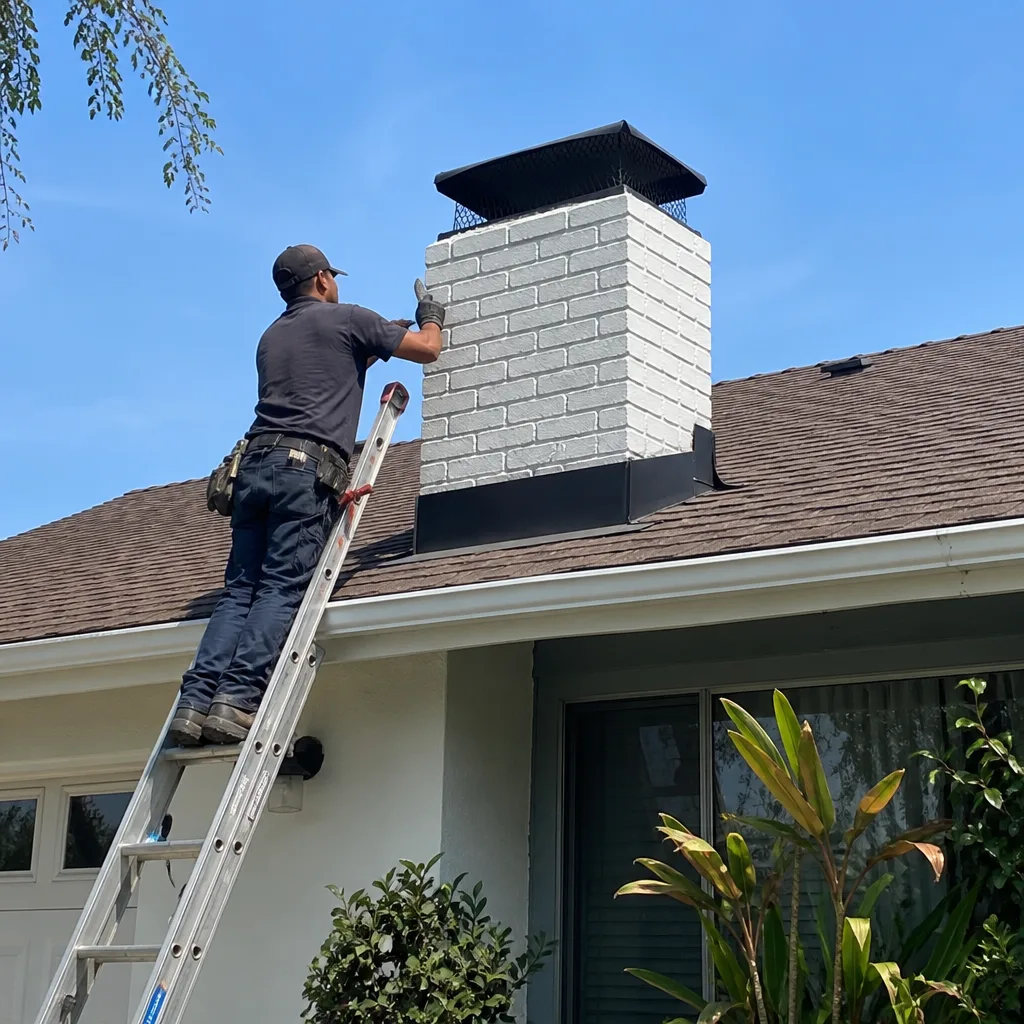 After
AfterFast, Reliable Chimney Inspection Across Loomis
A chimney inspection in Loomis typically runs $189 – $489 depending on the level, and most inspections take 45 – 90 minutes on site. We book inspections within 3 – 5 business days across Loomis, Rocklin, and Granite Bay, and every job includes a written price before any work starts plus a camera report with photos you can see for yourself. If you live off King Road, near the Loomis Basin, or up toward Penryn, you’re dealing with foothill draft patterns that flat-valley chimney companies don’t always read correctly. Call (830) 251-4560 and we’ll schedule a time that works.
Our Chimney Inspection team serves Loomis homeowners with one promise we’ve kept since 2002: the number we quote is the number you pay, and the photos we show you are from your flue, not a stock library.
Why Flint Chimney Sweep Is Loomis’s Preferred Chimney Inspection Company
Loomis homeowners call us because we don’t treat an inspection as a formality before an upsell. We treat it as a diagnostic. Hank Delano, who leads our operation, set the standard early: if we recommend a repair, you see the camera evidence that backs it up. Every inspection in Loomis includes a written report with photos, and if you don’t want work done yet, we’ll tell you plainly what can wait and what can’t.
Our technicians arrive in uniform, background-checked, and with the truck stocked for Loomis’s older masonry fireplaces and newer factory-built units alike. We work on chimneys along Taylor Road, in the neighborhoods near Sierra College Boulevard, and out toward the rural parcels east of town where clearances and wind exposure change how a chimney performs. Response time to Loomis is typically within the week, and our phone is answered by a live person 24/7, not a menu.
Every repair we recommend carries the 365-Day Done Right Promise: a written guarantee valid for one full year from the service date. If a covered repair fails within that year, we return at no charge. No argument, no re-quote, no fine print.
Chimney Flue Inspection in Loomis
A Chimney Flue Inspection in Loomis is the core of what we do: running a camera up the flue to document exactly what’s coating the liner, where the creosote sits, and whether the flue tiles or stainless liner are still sound. In Loomis, where daytime heat and cool Sierra foothill nights create stronger draft cycles than the valley floor below, a flue that looks fine in January can show flaking creosote by April. A standard flue inspection here runs $189 – $329 when it’s part of a Level 1 or Level 2 visit.
The foothill air matters. Loomis sits on the western edge of the Sierra foothills, and that geography produces a diurnal draft swing: the chimney pulls hard during mid-day heat, then cools quickly after sunset. What that means for your flue is more expansion and contraction cycles than a house in Roseville or Rocklin sees. Mortar joints crack sooner. Creosote bonds differently. That’s why we read a Loomis camera inspection through a foothill lens, not a valley checklist.
If you’ve never had a camera run up your flue, the report you get back is the whole point. You’ll see the liner condition, the creosote stage, and any gaps or cracks, with our notes on what’s urgent and what’s routine.
What the camera sees
We document your flue liner end to end, from firebox to cap. In Loomis homes built in the 1970s and 1980s, we often find deteriorated terra cotta flue tiles that pass a visual glance but fail under camera scrutiny.
We also check the smoke chamber and damper, because that’s where backdraft problems start in foothill wind conditions.
When to book it
Book a flue inspection if you’ve bought a Loomis home and the previous owner couldn’t produce a recent inspection report. Also book one if you notice ash flakes in your firebox during spring and fall shoulder seasons, a classic sign of draft-driven creosote shedding.
A flue inspection is also standard before any liner or repair recommendation. We won’t quote a repair without camera evidence, period.
Chimney Fire in Loomis
A Chimney Fire in Loomis most often starts as third-degree creosote, a hardened tar glaze that no brush removes. By the time a homeowner calls us after a chimney fire, the damage may include cracked flue tiles, a warped damper, or a compromised liner, and a full Level 2 inspection is the minimum prudent step. A post-fire inspection in Loomis runs $329 – $489, and it is not the time to skip the camera.
Loomis’s seasonal burn pattern contributes here. Winters are mild compared to the high Sierra, so many homeowners burn occasionally rather than steadily. Occasional, lower-temperature fires produce more first-degree creosote than hot, complete burns. Left unchecked across a couple of shoulder seasons, first-degree creosote accumulates, and in a foothill chimney with strong draft, that becomes fuel.
The NFPA 211 standard says chimneys should be inspected at least once a year, regardless of how little you burn. That’s not a sales line. It’s the fire code baseline. In Loomis specifically, the wind band that runs off the foothills means an ember or a creosote ignition has a shorter path to whatever’s nearby on your roof or yard.
Signs you can’t ignore
A loud popping or roaring sound from the flue during a fire is an active chimney fire. A hot, acrid smell that lingers after burning is also a warning. Either one means stop burning immediately and call for an inspection.
After any chimney fire, the flue must be camera-scanned before you burn again. The liner may look fine from the top or bottom, but internal cracks are exactly what a chimney fire causes.
What a post-fire inspection covers
We run a Level 2 inspection from top to bottom: cap, flashing, crown, flue liner, smoke chamber, damper, and firebox. You get photos of every section. If we recommend a repair, you’ll see the specific crack, gap, or glaze that justifies it.
In some Loomis homes, the firebox and flue survive a small chimney fire with only hairline cracking. We’ll tell you if that’s your situation and whether monitoring is genuinely safe.
Trusted Brands We Service in Loomis
We don’t install whatever is on sale. On Loomis chimneys we specify materials by the job: DuraFlex for stainless flue liners, Olympia Chimney for caps and chase covers, HeatShield for smoke chamber resurfacing and flue joint repair, Famco for dampers and venting, and Copperfield for masonry and crown products. If your Loomis home already has one of these systems, we service it directly. If you need a replacement component, we can typically source it faster because we keep common sizes and parts stocked for the foothill market rather than ordering everything from a distant warehouse.
That matters when your furnace or fireplace is down in December. A Loomis customer with a failed Famco damper or a cracked Olympia cap shouldn’t wait two weeks for a part that’s sitting on a shelf an hour away. We keep the turnaround tight.
Common Chimney Inspection Problems We See in Loomis Homes
- Spalled firebox liners in 1970s and 1980s masonry fireplaces. The older ranch homes near Horseshoe Bar Road and along King Road were built with fireboxes that are now forty-plus years old. We regularly find the firebrick surface flaking or crumbling, which shortens the lifespan of the firebox and lets heat reach the framing.
- Animal nests from foothill wildlife. Loomis’s proximity to open foothill terrain means squirrels, birds, and raccoons find their way into uncapped or loosely capped chimneys. A nest blocks draft and is a fire hazard waiting for the first burn of the season.
- Cracked chimney crowns from winter freezes. It doesn’t snow much in Loomis, but the crown still takes freeze-thaw abuse. A hairline crack lets water into the masonry, and by spring you have spalling brick and mortar damage that a routine inspection would have caught early.
- Stiff dampers that don’t seal. In foothill wind conditions, a damper that won’t fully close is a backdraft and carbon monoxide risk, not just a drafty fireplace annoyance. We check the damper seal on every inspection, every time.
Pricing for Chimney Inspection in Loomis, CA
We post pricing because you should not have to call just to know the ballpark. A Level 1 inspection in Loomis (visual, no camera, for chimneys that have been regularly maintained and show no changes) runs $189 – $249. A Level 2 inspection (camera scan, for real estate transactions, after a chimney fire, or after an earthquake or storm) runs $329 – $489. A Level 3 inspection, which involves removing portions of the chimney or surrounding structure to access hidden areas, starts at $489 and is priced by scope after the first look.
What affects the final number is access: roof pitch, chimney height, and whether we need a second tech on the roof or ladder. We give you that written price before any tool comes off the truck, and it doesn’t change unless you approve a change in scope.
We Also Serve Cities Near Loomis
Our Chimney Inspection in Loomis customers often ask if we cover the surrounding foothill towns. We do. We run inspection routes through Rocklin, Granite Bay, Newcastle, and Roseville, and scheduling works the same way: call (830) 251-4560, get a written quote, and we arrive when we said we would.
Serving Loomis, CA - Our Local Coverage Area
We’re based in the Loomis area and know this community well. Use the map below to see our service coverage - if you’re nearby, we can almost certainly help.
FAQs About Chimney Inspection in Loomis
Once a year, even if you only light a handful of fires. The NFPA 211 standard is annual, and in Loomis the foothill draft cycle means animal nests, cracked crowns, and wind-driven mortar damage happen whether or not you burn. A chimney that sits cold in a wind-exposed Loomis neighborhood can develop problems faster than a well-used one in the valley. Call (830) 251-4560 and we’ll schedule your annual inspection before burn season. Estimates are free.
A Level 1 in Loomis is a visual check of the accessible areas: firebox, damper, chimney top, cap, and exterior. It’s appropriate if you’ve maintained the chimney and nothing has changed since the last inspection. A Level 2 adds a full camera scan inside the flue, and you need it in Loomis if you’ve bought the home, had a chimney fire, or experienced heavy wind or seismic activity since the last check. For most Loomis homes built before 1990, we recommend a Level 2 on the first visit so you have a baseline record. Call (830) 251-4560 and we’ll help you decide, free.
No, and that’s not a sales dodge. A safe answer requires seeing the flue liner, the damper seal, and the chimney crown. Anything else is a guess. What we can do over the phone is tell you the inspection price flat, schedule a time that fits, and explain exactly what the technician will document. That’s the honest line, and we hold to it on every call. Call (830) 251-4560.
The camera documents the flue liner end to end, but we also use it to inspect the smoke chamber, the throat area where the damper sits, and the flue tiles or stainless liner surface for cracking, gaps, or glaze. In a Loomis home with a masonry chimney, that camera pass is the only way to see third-degree creosote, which is a tar glaze that hides above the firebox, out of reach of any brush. You get every photo in your report.
Yes, when your home has those systems installed. A Loomis home with a DuraFlex liner, an Olympia Chimney cap, or a Famco damper should be inspected by a company that knows those specific products, because each has its own wear pattern and failure points. We service all of them and stock common replacement parts locally for the foothill area, so a recommendation we make during an inspection is one we can actually execute. Call (830) 251-4560 for an inspection or a straight answer on any of those systems.
Why Loomis’s Foothill Location Changes How We Inspect
Loomis sits on the western edge of the Sierra foothills where daytime heat and cool canyon nights create stronger diurnal draft cycles than in the valley floor, so many Loomis chimneys draw fine in winter but pull ash and creosote flakes into the firebox during spring and fall shoulder seasons. That seasonal swing is why a Level 1 or Level 2 inspection here needs to be timed and interpreted differently than in a flatter, hotter lowland city.
We see this pattern every spring. A homeowner in the Loomis Basin calls because there’s a dusting of black flakes on the firebox floor after a couple of cold snaps. The flue was swept in late fall. What’s happened is the shoulder-season draft reversal: warm afternoons heat the masonry, cold nights contract it, and the expanding flue sheds creosote that was stable through the winter. It’s not always a hazard, but it’s always worth a camera look. That’s the kind of local detail that doesn’t show up on a generic inspection checklist.
The Flat Price, the Camera, and the Straight Answer
Here’s how an inspection with us actually goes in Loomis. You call, you get a live person, and we agree on a flat price before booking. Our tech arrives inside the window we gave you, uniformed and background-checked. We inspect, we run the camera, and you get a written report with photos. If something needs repair, you see the evidence that justifies it. If nothing needs repair, we tell you that plainly and note what to watch next season.
Nothing is recommended without camera evidence. That’s the rule Hank Delano built into how we operate, and it’s part of the Garrison Standard every location follows. It means you never have to take a chimney company’s word for a liner or masonry repair you can’t see. You look at the photos with us.
And when work can safely wait, we say so. In Loomis, that means understanding the burn season, the wet season, and the foothill wind cycles. A spalled firebox liner that isn’t yet failing doesn’t always need immediate work. A first-degree creosote deposit doesn’t need an emergency liner. We’ll put it in writing, with a date to reassess if that’s the honest call.
Chimney Inspections for Loomis Real Estate Transactions
If you’re buying or selling a home in Loomis, a Level 2 inspection is the standard your agent or lender will expect, and it’s the level we recommend for any property in the foothill wind band. We handle inspection report requests for Loomis escrows regularly, documenting flue condition, damper function, and cap integrity with photos and written findings. Our report is designed to be read by a homeowner, not just a contractor, because you should know exactly what you’re buying.
We’ve inspected chimneys on ranch properties near Horseshoe Bar Road, in established neighborhoods off King Road, and in newer construction near Sierra College Boulevard. The age and style of the home change what we’re looking for. A 1980s masonry fireplace needs different scrutiny than a 2010s factory-built unit, and a chimney exposed to foothill wind needs different attention than one sheltered in a dense subdivision.
Call Flint Chimney Sweep for Your Loomis Chimney Inspection
If you live in Loomis and your chimney hasn’t been inspected this year, the next step is a phone call, not a guess. We’ll give you a flat price over the phone, schedule a time that fits, and send a uniformed, background-checked technician who shows up when we said. You’ll get a camera report with photos, a written price before any repair, and a straight answer on what can wait.
Call (830) 251-4560 today. Estimates are free, the phone is answered by a real person, and every inspection comes with the 365-Day Done Right Promise in writing.
Written by Hank Delano, Owner at Flint Chimney Sweep, serving Loomis and the surrounding foothill communities as part of the Garrison Partners family since 2002.