

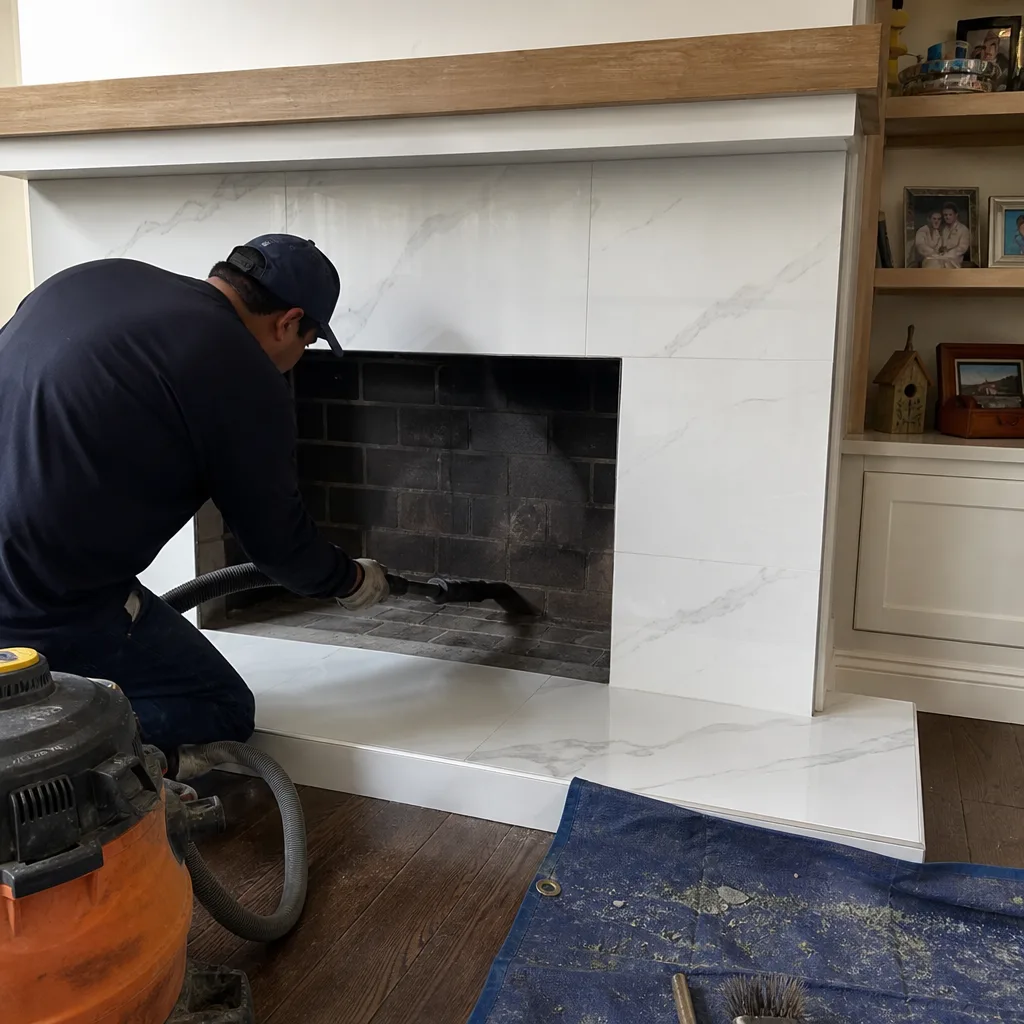
Level 1 sweep and inspection to the NFPA 211 annual standard - flue, crown, cap, and flashing checked and photographed
Chimney sweep logs do not sweep chimneys. They loosen some creosote - which then falls where a brush and vacuum still have to collect it.
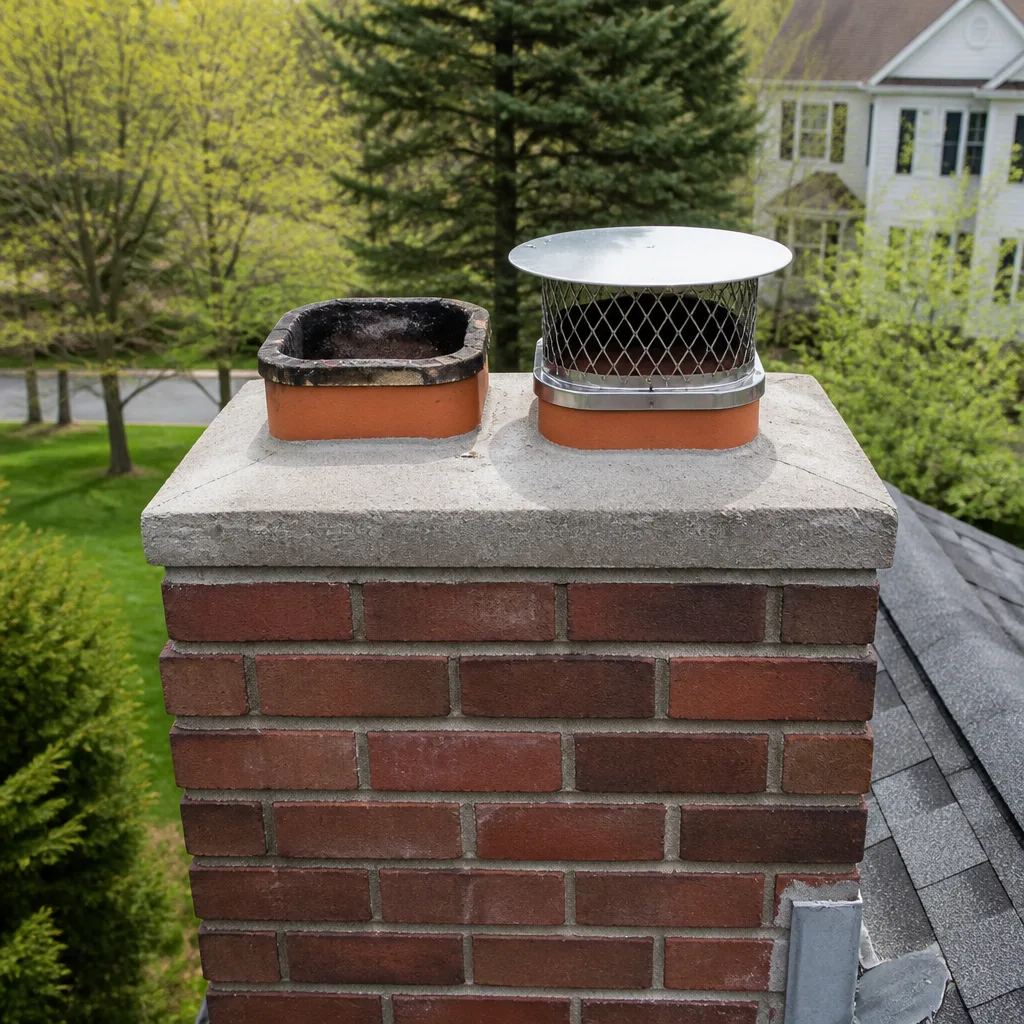
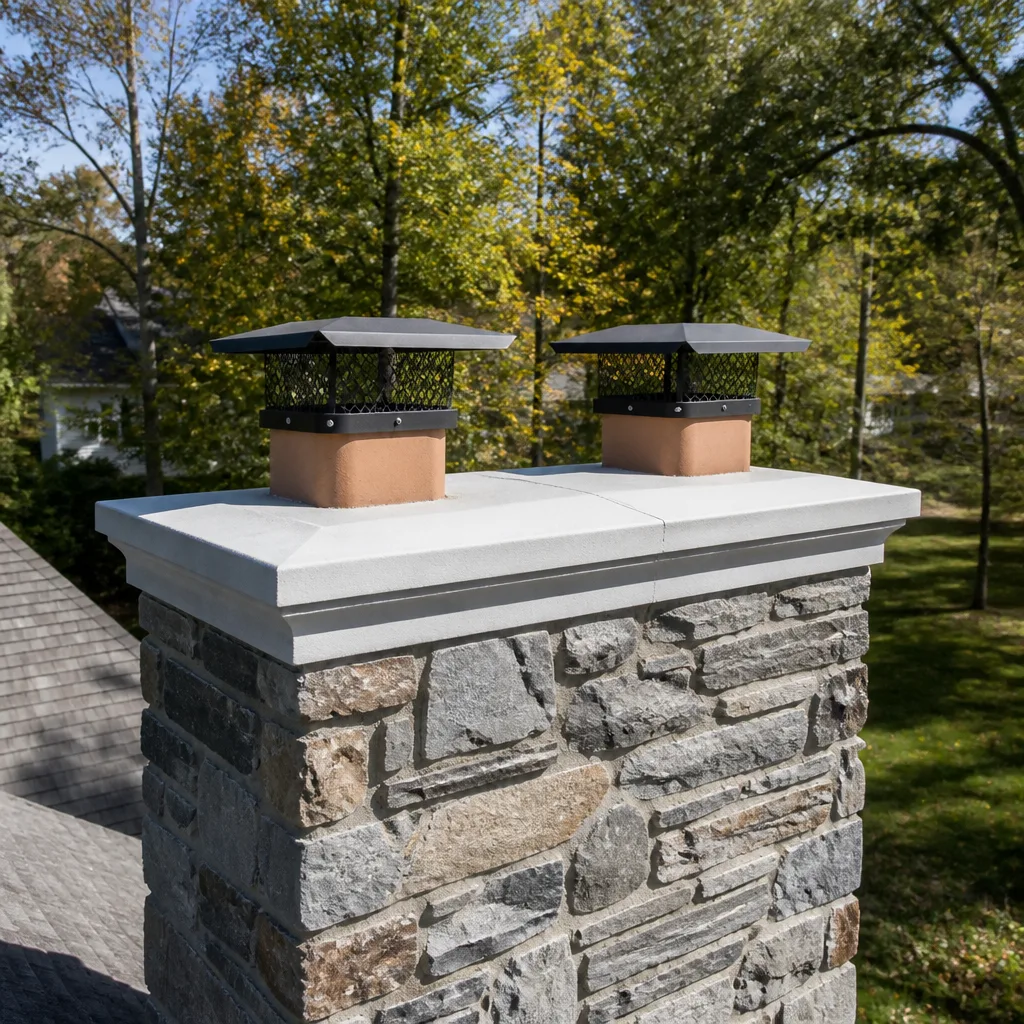
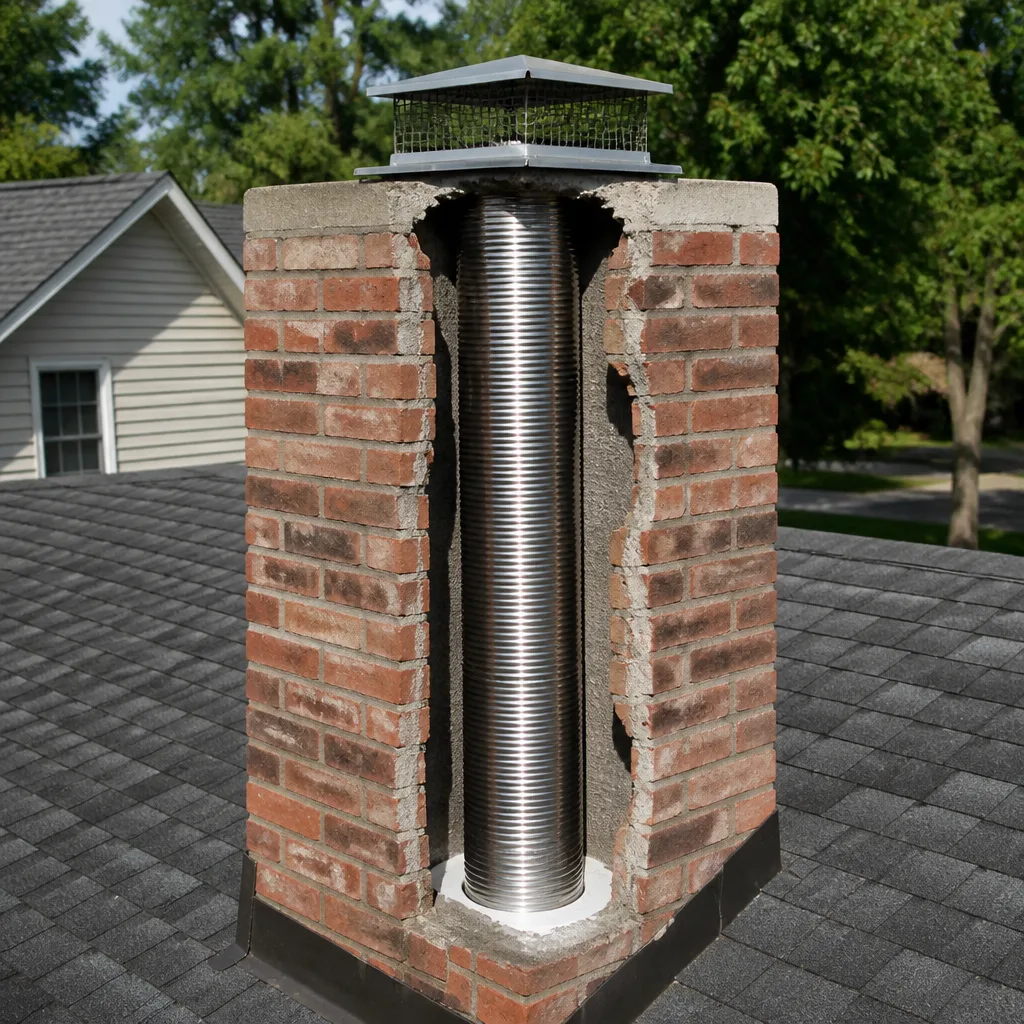
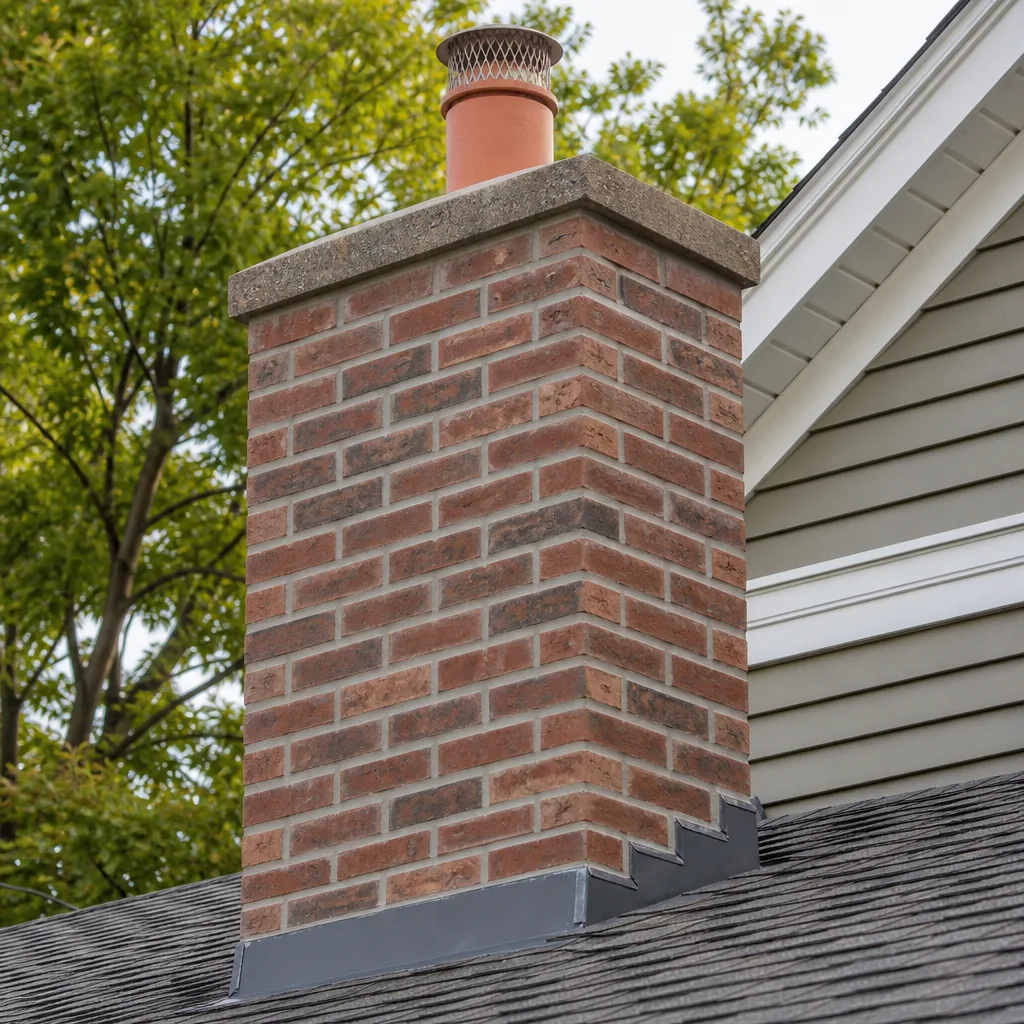
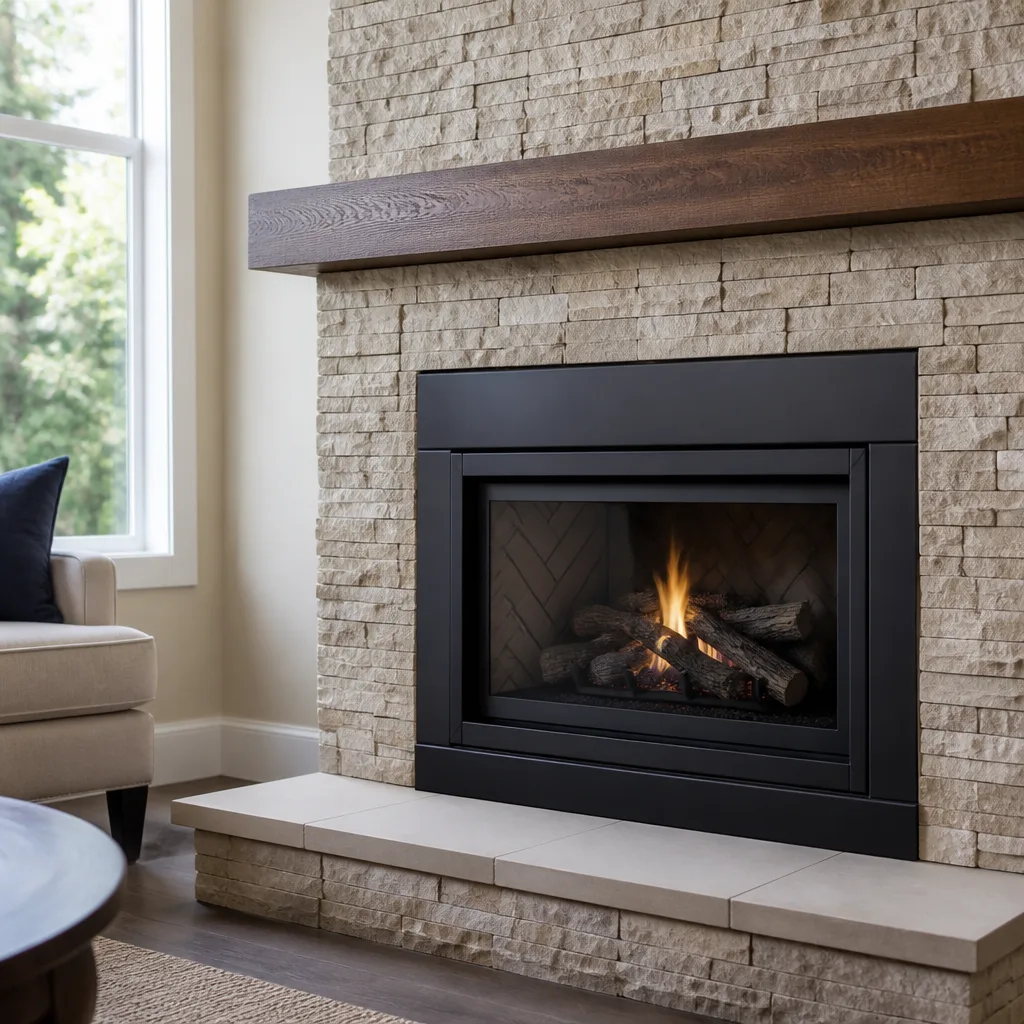
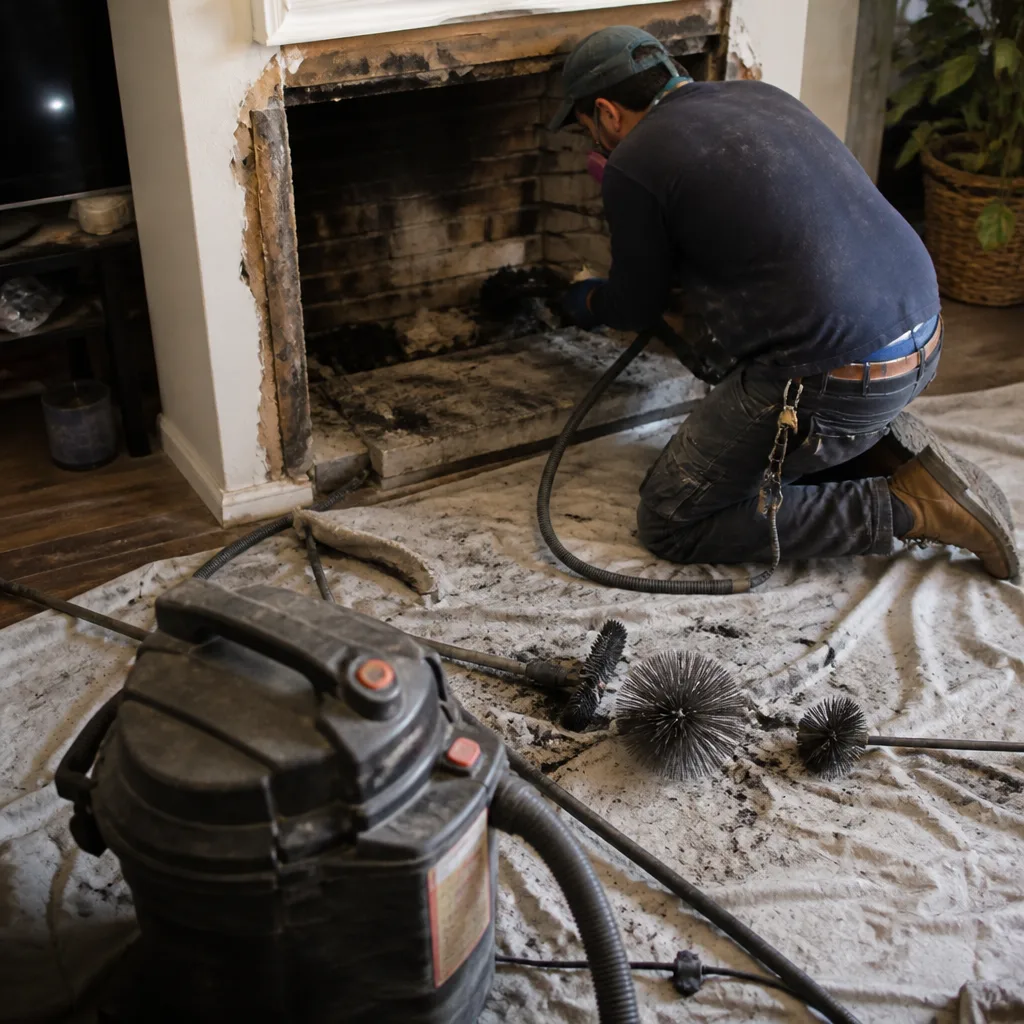 Before
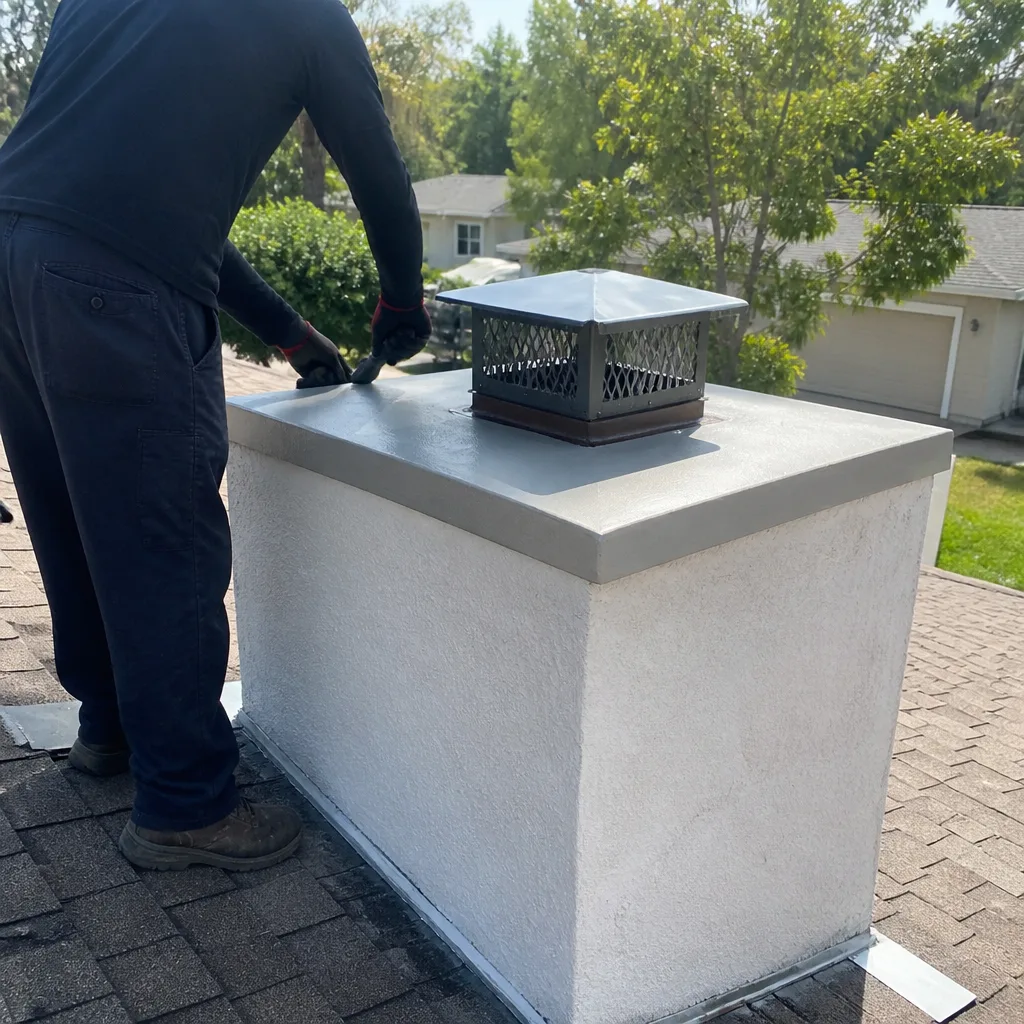 After
After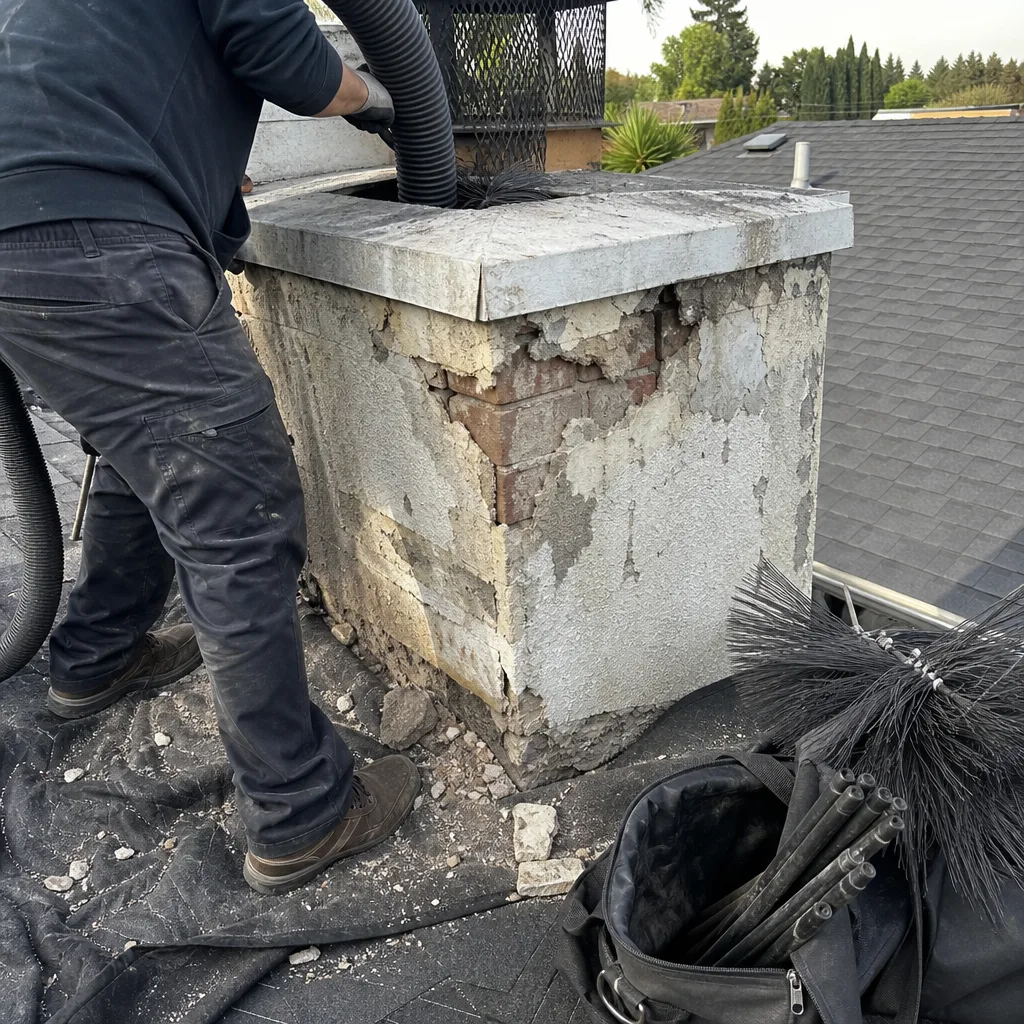 Before
 After
After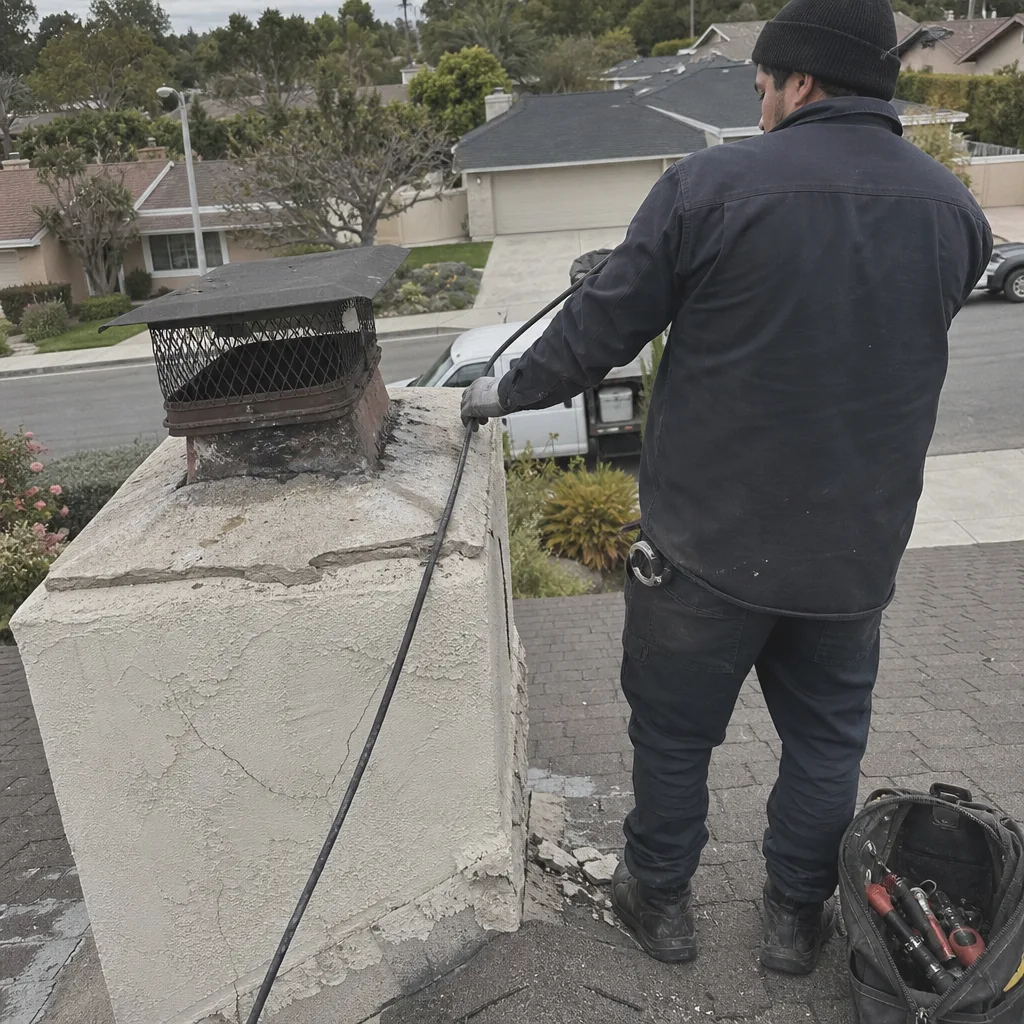 Before
 After
AfterFast, Reliable Chimney Repair Across Seagoville
Chimney repair in Seagoville typically runs $225 – $1,800 depending on what’s actually wrong, and most flashing and crown jobs are completed in a single visit. We work throughout Seagoville, TX, from the older brick ranch homes near Malloy Bridge Road to newer construction off Highway 175 and around the East Fork of the Trinity River. If you’re seeing water stains on the ceiling near the flue, white crust on the brick, or mortar crumbling onto the roof, call (830) 251-4560 and we’ll put a written price in front of you before any work starts.
Why Flint Chimney Sweep Is Seagoville’s Preferred Chimney Repair Company
Seagoville sits on blackland prairie clay that expands when wet and shrinks when dry. That soil movement is hard on masonry chimneys, and we see the results every year: crown cracks, flashing pulled loose, and mortar joints that have turned to sand. Our Chimney Repair team has worked on enough Seagoville chimneys to know what the clay does to a footing and how the shifting shows up at the roofline. We quote the repair based on what the camera actually shows, not on what a salesperson guessed from the ground.
Hank Delano runs our crews, and he holds every job to The Garrison Standard: background-checked, uniformed technicians, a written price before any work begins, and a 365-Day Done Right Promise in writing on every repair. If a covered repair fails within one full year, we return at no charge. No argument, no second invoice. That’s the guarantee Seagoville homeowners ask about most, and it’s the one we’ve been putting in writing since 2002 as part of the Garrison Partners family.
Chimney Flashing Repair in Seagoville
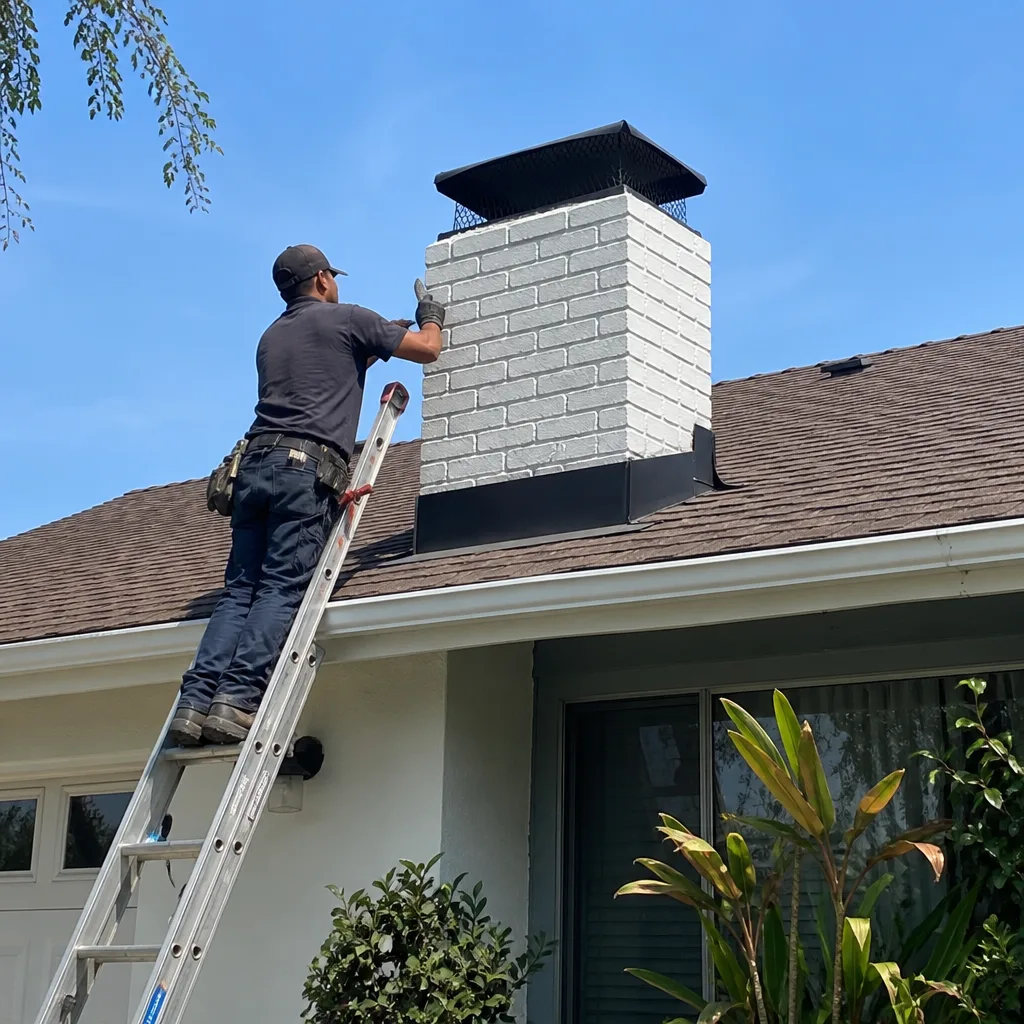
Chimney Flashing Repair in Seagoville is the most common call we get after a wet spring, because the same clay soil that shifts your foundation also shifts the chimney footing just enough to pull flashing away from the shingles. When flashing separates from the roof line, runoff tracks down the outside of the flue and into the attic chase, and by the time you see the ceiling stain the water has already been at work for weeks. A proper flashing repair here means pulling the old metal, checking the chase for rot, and resealing with new flashing cut for the specific roofline and pitch. Most flashing repairs in Seagoville run $350 – $750, depending on whether we’re replacing a full run or resealing sections.
What the soil does to flashing
The blackland clay under Seagoville doesn’t move evenly. One side of a chimney footing can rise a quarter inch in a wet season while the other side stays put. That slight racking shifts the chimney enough to break the seal where flashing meets shingle, and water finds the gap. We see this most often on brick chimneys built before 1990, when footings were shallower.
Repair versus replacement
If the flashing metal is intact but the sealant has failed, we can usually reseal and refasten in under two hours. If the metal itself is corroded or torn, we replace the run. The camera report shows you exactly which condition you have before you approve anything.
Chimney Crown Repair in Seagoville
Chimney Crown Repair in Seagoville means rebuilding or resealing the concrete cap at the top of the chimney, the part that sheds water away from the flue and the brick below. A crown with hairline cracks lets water into the smoke chamber all winter, and by spring you see spalling brick and rusted damper hardware at the firebox. In Seagoville, where the clay soil flexes the chimney through every wet-dry cycle, crowns crack faster than they do in stable-soil markets. A standard crown reseal runs $225 – $450; a full crown rebuild with proper overhang and a drip edge runs $650 – $1,100.
Cracked versus failed crown
A hairline crack is usually repairable with a professional-grade sealant like Gelco, but a crown that’s split through or sloped wrong has to be formed and poured new. We spec the fix based on what the crown surface actually shows, and the photo report goes to you before any work is approved.
Why Seagoville crowns crack early
The same clay movement that shifts flashing also torques the crown. When the chimney racks even slightly, a rigid concrete cap has no give. Add a few freeze cycles over a wet winter and those hairline fissures open into water channels. Seagoville homes built on the deeper clay lenses east of Highway 175 tend to show crown damage earlier than homes on better-drained ground near Wilmer.
Trusted Brands We Service in Seagoville
We carry and install professional-grade chimney components from brands you can verify independently. For Seagoville repairs we commonly spec Olympia Chimney caps and dampers, DuraFlex stainless liners when a flue needs relining, and Famco flashing and termination components. Every brand is chosen for the job, not for the margin, and we keep the most common Seagoville repair parts stocked locally so you’re not waiting on a warehouse. If you want to check what’s going on your chimney before approving it, the brand name is on the invoice and in the photo report.
Common Chimney Repair Problems We See in Seagoville Homes
- Hairline crown cracks: Water gets into the smoke chamber during winter rains, freezes and thaws through January and February, and by March you see spalling brick faces below the cap. Seagoville’s clay soil makes these cracks open wider each year.
- Lifted flashing from soil movement: Expansive clay under the chimney footing shifts the stack enough to break the flashing seal at the roofline, and runoff tracks into the chase instead of shedding at the cap. This is a Seagoville signature repair, not something you see in sand-soil towns.
- Spalling brick below the crown line: When water absorbs into brick and freezes, the face pops off in flakes. Homes around Malloy Bridge Road and the older streets off Kaufman Street show this most, because those chimneys have been through 40 or 50 wet-dry cycles.
- Second-degree creosote left behind by skipped sweeps: Some Seagoville homeowners are told a yearly sweep isn’t needed, and we find a hard tar glaze in the flue that one hot fire could ignite. A chimney fire from second-degree creosote is preventable with a proper sweep and a camera-verified report.
Pricing for Chimney Repair in Seagoville, TX
We post our ranges because you should not have to call just to learn the ballpark. A chimney crown reseal in Seagoville runs $225 – $450. Flashing repair runs $350 – $750 depending on whether we’re resealing or replacing. Mortar repointing runs $12 – $25 per square foot of masonry surface, and a full chimney rebuild in Seagoville, when the brick is beyond saving, starts around $1,800 and goes up with height and access. What changes a price is the extent of what the camera shows, the roof pitch and access on your specific home, and whether a flue liner needs the same visit. The written quote is free and it is binding. Call (830) 251-4560 to book a sweep-and-inspection first if you haven’t had one in a year or more.
We Also Serve Cities Near Seagoville
Our crews cover Seagoville and the surrounding Dallas County corridors, including Chimney Repair in Seagoville neighbors like Balch Springs, Wilmer, Mesquite, and Hutchins. If you’re right across the city line, the same written-price guarantee and 365-Day Done Right Promise apply. Call and we’ll get you on the schedule from the Dallas-Fort Worth office.
Serving Seagoville, TX - Our Local Coverage Area
We’re based in the Seagoville area and know this community well. Use the map below to see our service coverage - if you’re nearby, we can almost certainly help.
FAQs About Chimney Repair in Seagoville
The National Fire Protection Association standard is once a year, and in Seagoville that cadence matters for a specific reason: the same clay-soil movement that cracks crowns also opens a path for water, and a yearly inspection catches small fissures before they become spring spalling and damper rust. If you burn wood more than twice a week from November through February, stick to once a year. If you burn occasionally, every 12 to 18 months is defensible, but do not skip the visual inspection – that is where crown and flashing damage shows up first. Call (830) 251-4560 to book a sweep and camera scan.
White staining, called efflorescence, means water is moving through the brick and carrying salts to the surface. It is never purely cosmetic in Seagoville, because our clay soil and freeze cycles push that water deeper each season. The flaking brick faces are spalling, and spalling means the brick has absorbed enough water to freeze and pop. This is a chimney repair, and the fix is usually a crown reseal or rebuild plus repointing of the damaged bed joints. The camera report will show you exactly where the water is entering.
Yes, and this is how we handle most Seagoville repair calls. The sweep clears the flue so the camera can read the liner cleanly, then the crown or flashing gets repaired the same day if the damage is in scope. On a brick ranch off Malloy Bridge Road, our tech found a cracked crown and lifted flashing after a wet spring, rebuilt the crown, resealed the flashing, and ran a camera scan that showed the liner was still sound – so the homeowner got a photo report and a straight answer that the firebox needed nothing that year. The price for combined work is itemized on the written quote before we start.
The camera shows you the inside of the flue liner, the smoke chamber, the damper hardware, and any water staining or creosote buildup from top to bottom. You get a photo report with the images, and every repair recommendation is tied to a photo you can see. If the liner is sound, the camera proves it. If the crown is cracked, you see the crack in the image. Nothing is recommended without visual evidence, and nothing is sold on a guess from the roof line.
Third-degree creosote is a hardened tar glaze that forms when flue temperatures run too low for too long, often from burning unseasoned wood or running a stove on low for long stretches. It does not brush out – it has to be removed with chemical treatments or mechanical rotary methods, and that changes the sweep price. In Seagoville, where some homes have been told yearly sweeps are unnecessary, we find second-degree creosote that has baked into third-degree over a couple of seasons. A hot fire can ignite it, which is why the price goes up: it takes more time and more labor to do it right. A camera scan shows you which degree you have before the price is set.
Written by Hank Delano, Owner at Flint Chimney Sweep, serving Seagoville and the surrounding Dallas County area since 2002.