

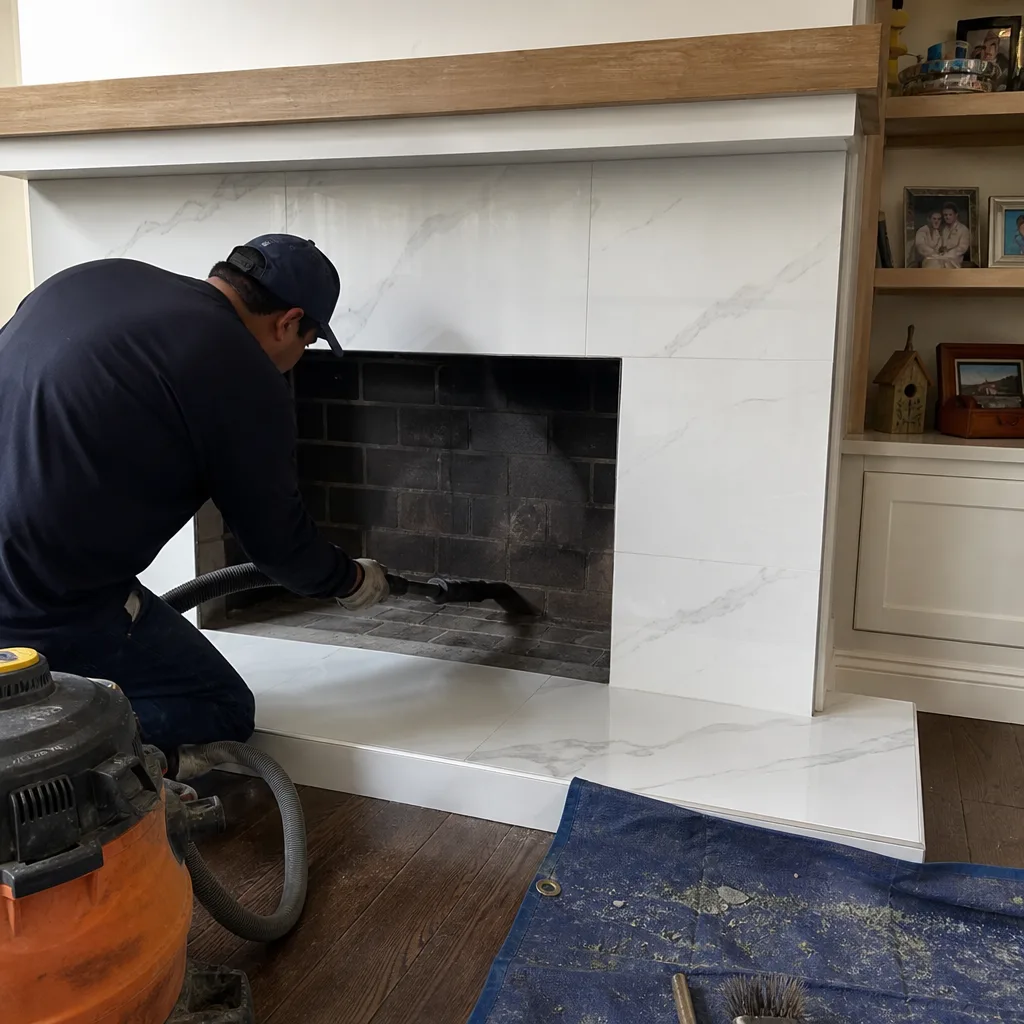
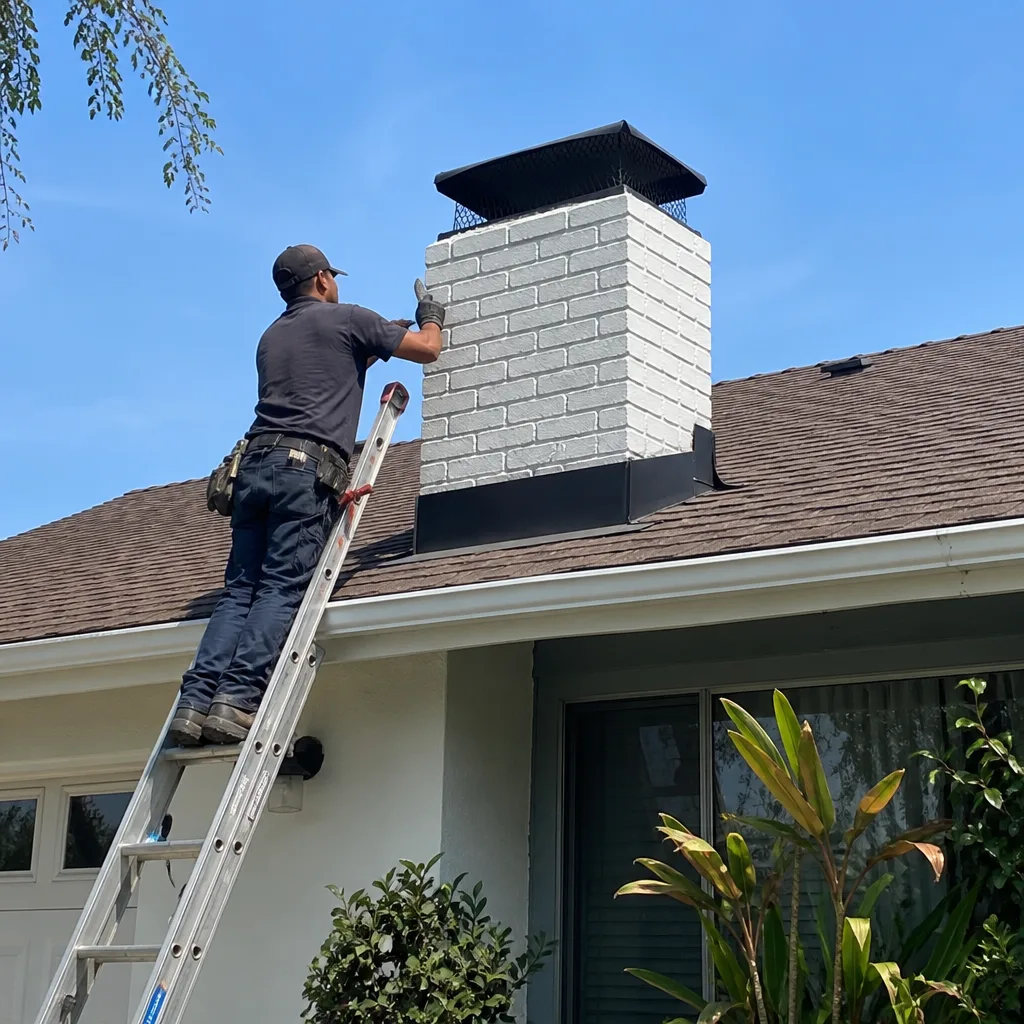
Level 1 sweep and inspection to the NFPA 211 annual standard - flue, crown, cap, and flashing checked and photographed
Chimney sweep logs do not sweep chimneys. They loosen some creosote - which then falls where a brush and vacuum still have to collect it.
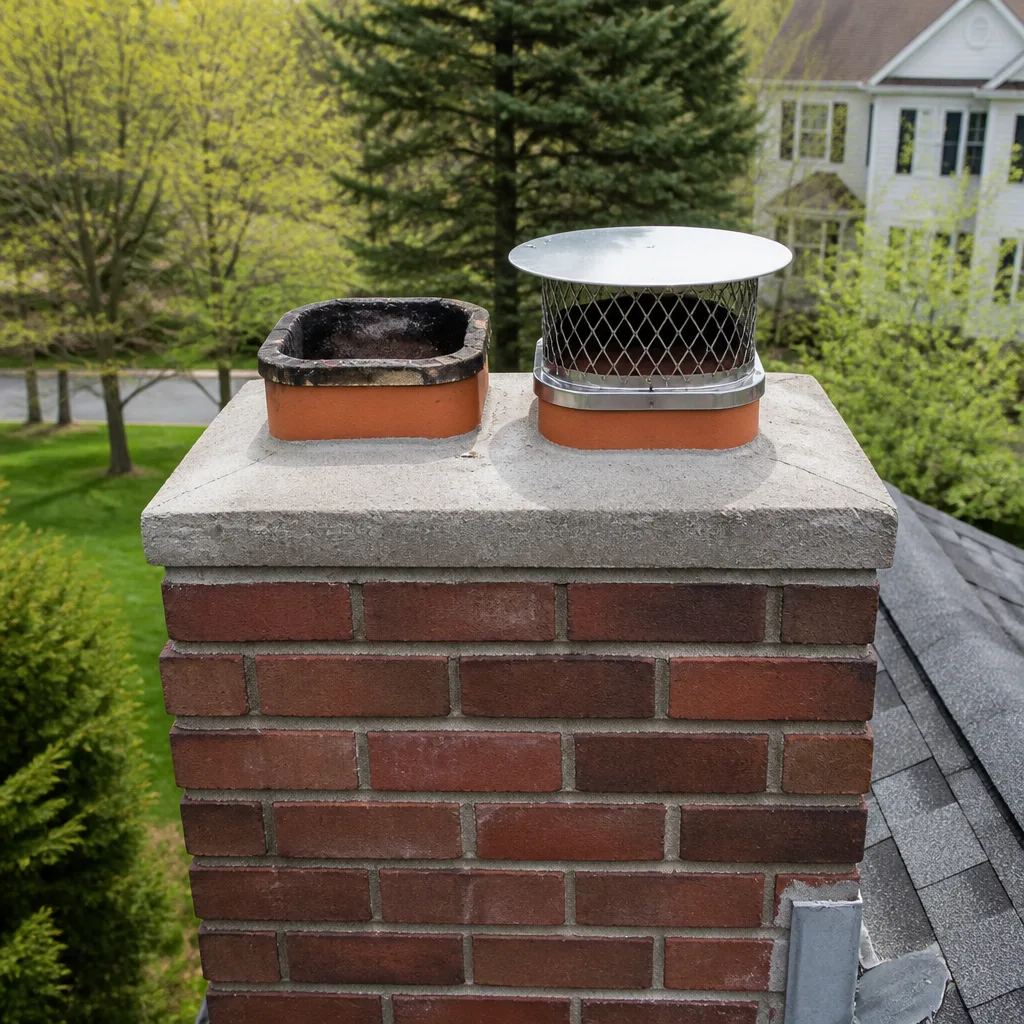
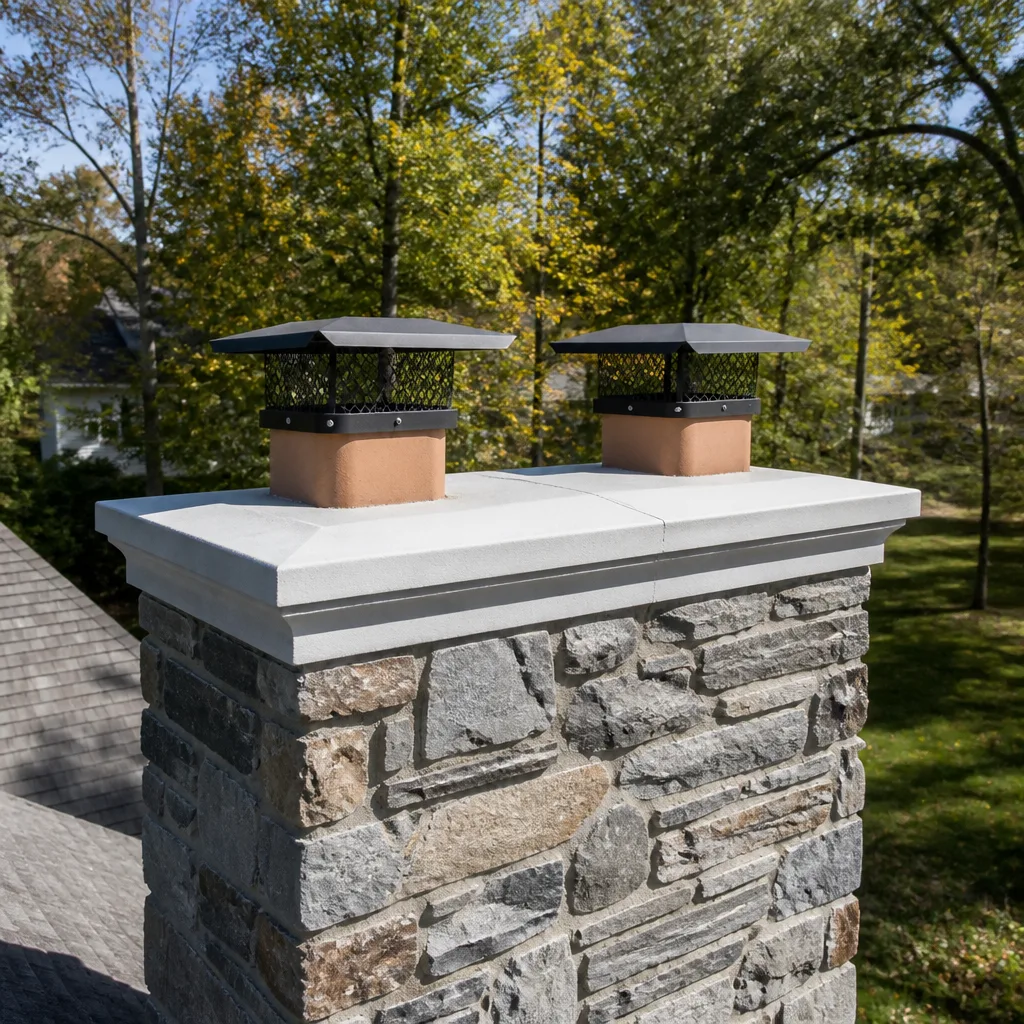
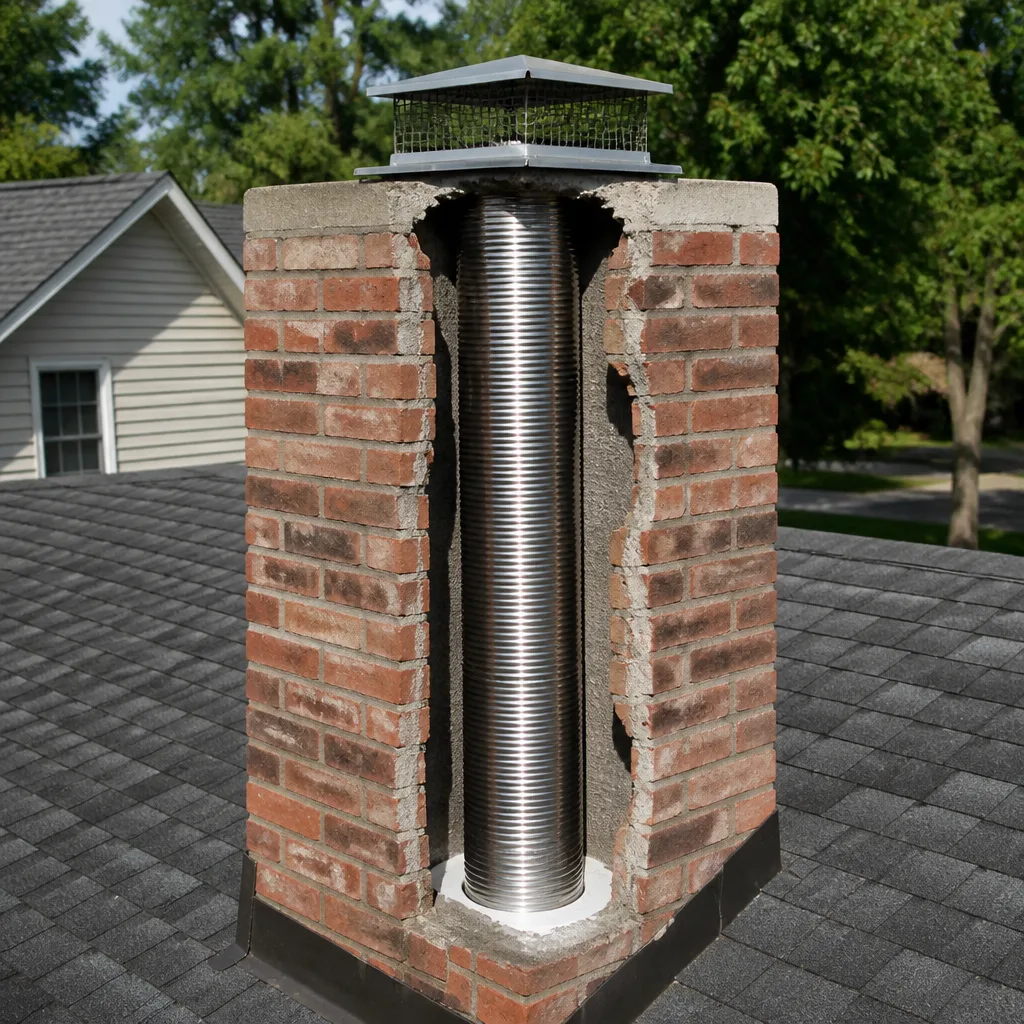
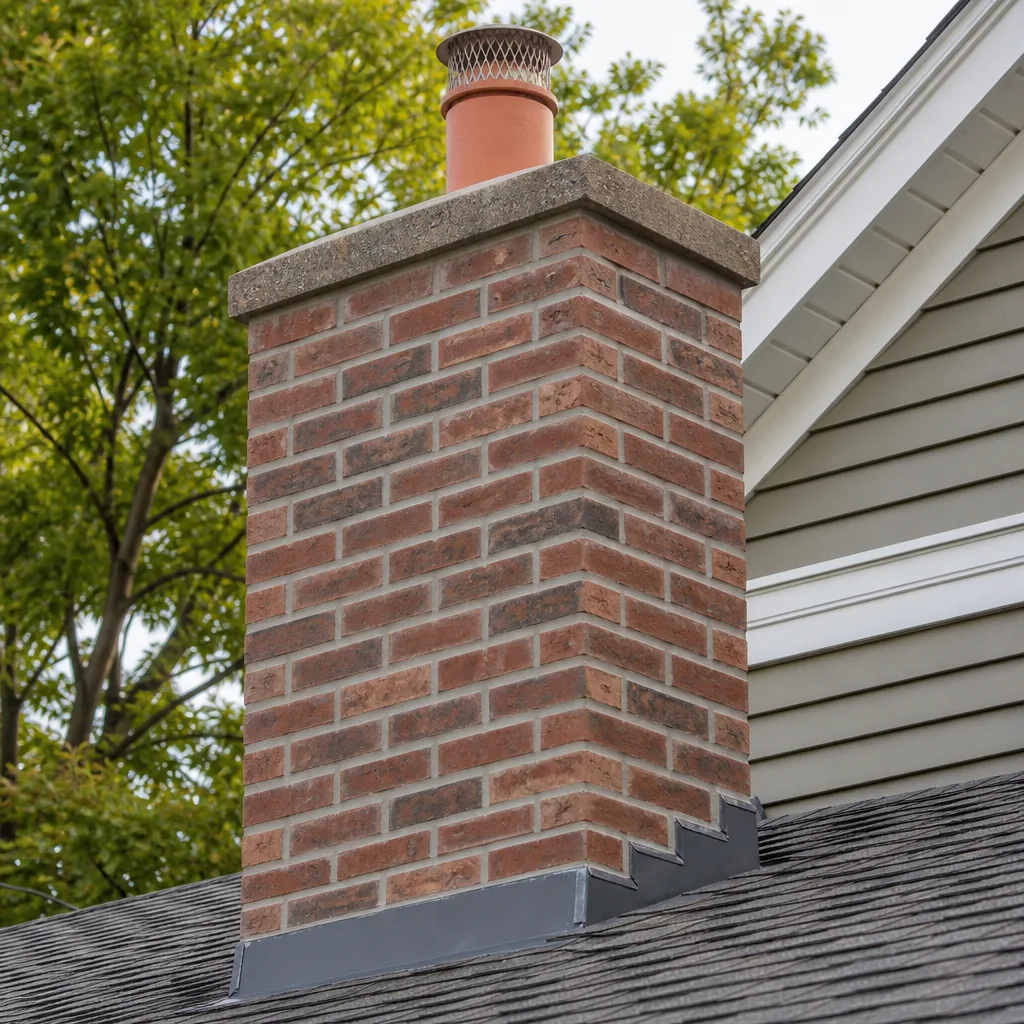
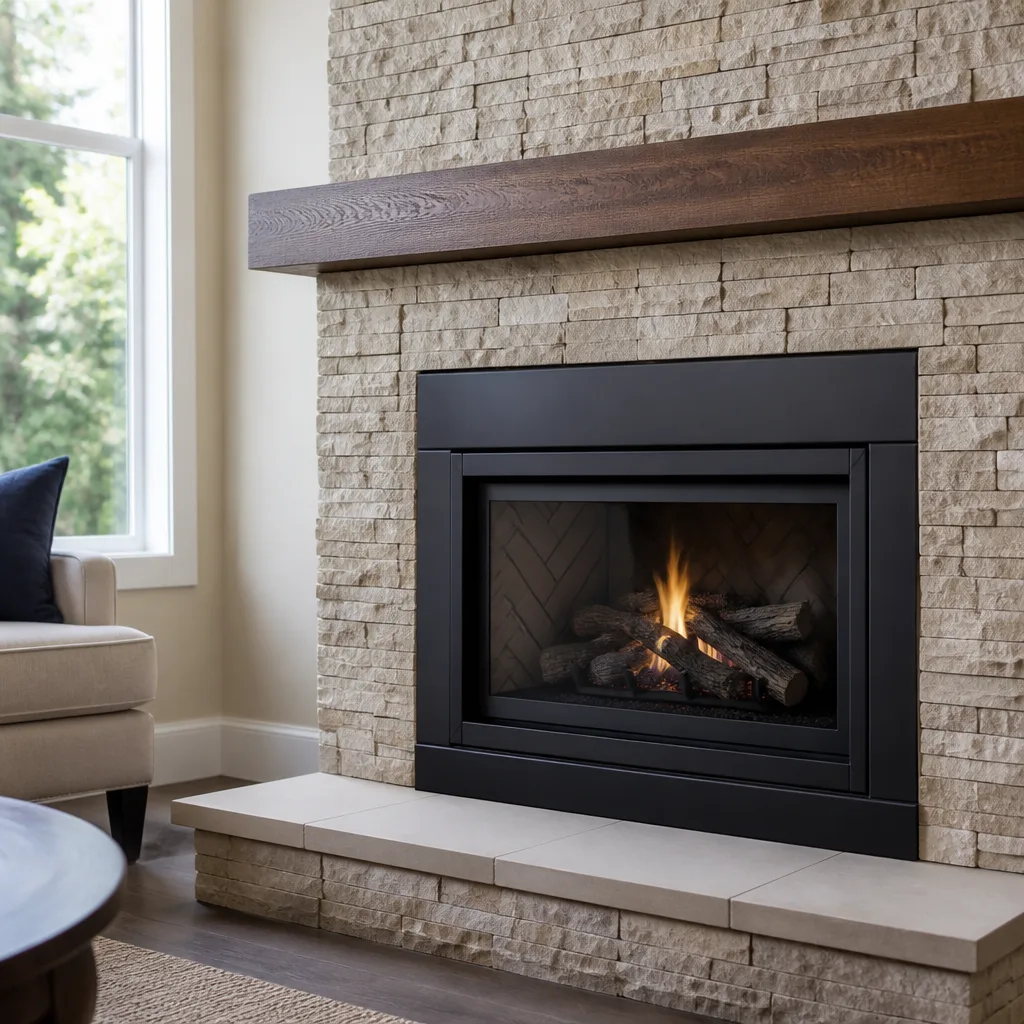
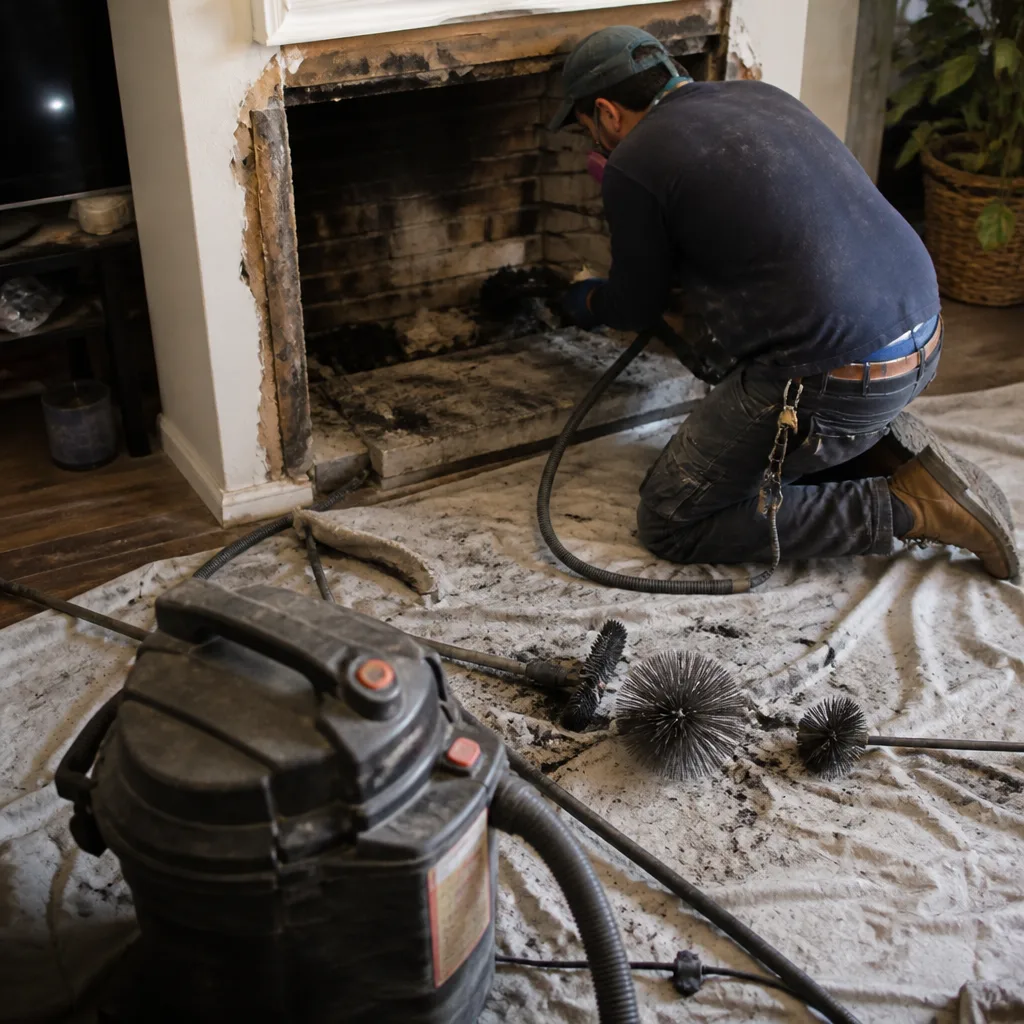 Before
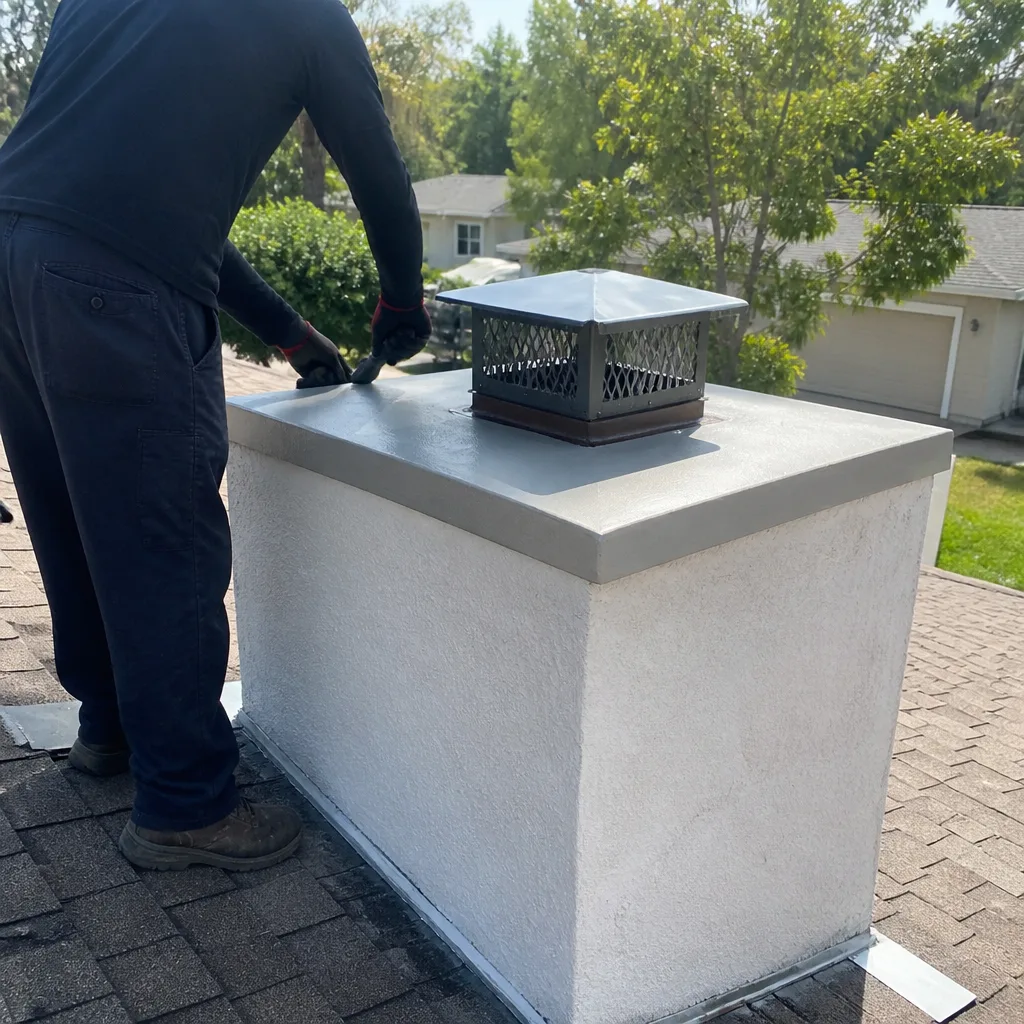 After
After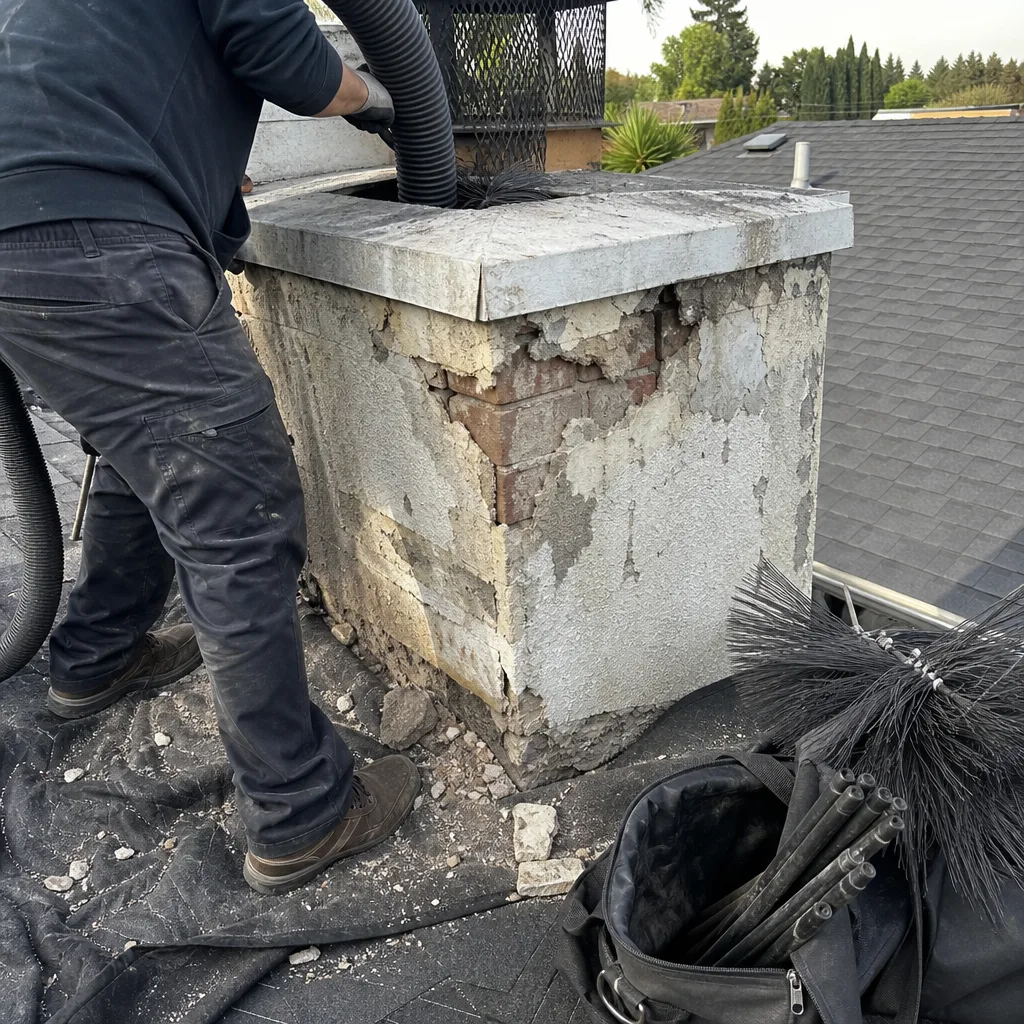 Before
 After
After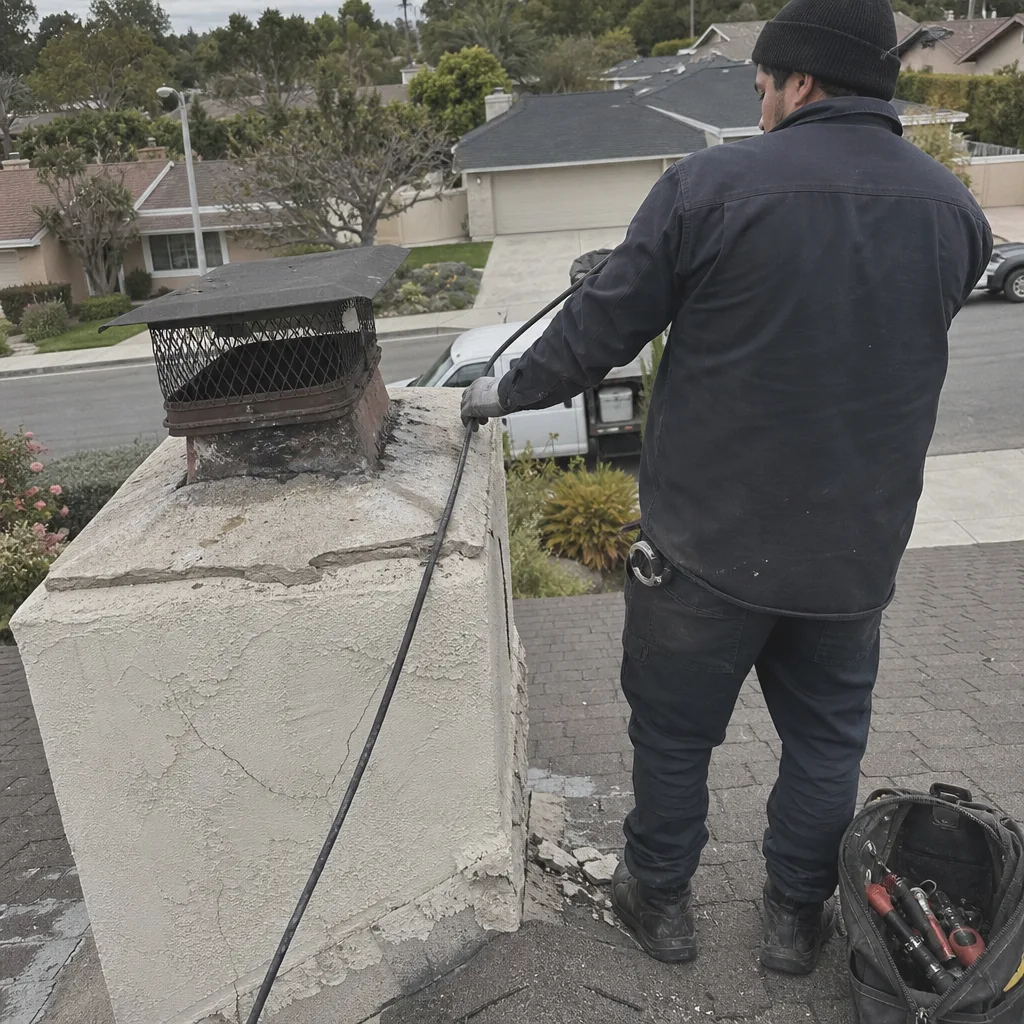 Before
 After
AfterFireplace is Hard to Light or Won’t Draw
A fireplace that won’t draw is almost always a ventilation problem: cold air sitting in the flue, a blocked or dirty chimney, or a damper that isn’t opening the way it should. None of those are normal wear you have to live with, and all of them are fixable. The symptom you’re seeing right now – smoke backing into the room, fire dying before it catches, or a flame that just won’t get going – is your chimney telling you something specific.
The good news is that poor draft has a short list of causes, and a trained eye can usually identify the right one within the first few minutes of an inspection. What follows is a plain breakdown of what’s likely going on, what you can safely check yourself, and what to do next.
What’s Happening
When a fireplace is hard to light or won’t draw, the fire is almost always starved of the airflow it needs to get going and stay going. The most common culprits are a cold flue, a blocked or heavily sooted chimney, or a damper that’s stuck or partially closed. Left alone, a draft problem doesn’t sort itself out, and some causes carry a real safety risk.
A fireplace works by draft: hot combustion gases rise up the flue and pull fresh air in behind them. That system depends on the flue being warmer than the outside air, unobstructed from top to bottom, and able to open fully at the damper. When any part of that chain breaks down, smoke has nowhere to go except back into the room. The fire reads the same signal and either dies or burns badly. Both are worth taking seriously.
Why It Happens
Cold Flue / Negative Pressure
If the fireplace smokes badly on the first attempt but gets a little better after the fire has been going for ten minutes, you’re likely dealing with a cold flue. The column of cold air sitting in the chimney is denser than the room air and actually pushes back against the fire. This is common in taller chimneys, in homes that are tightly sealed, and whenever the outside temperature drops sharply. You can often tell because the problem is worst at the very start of a fire and eases as the flue warms up.
Blocked or Obstructed Flue
A bird nest, a leaf and debris buildup, or an animal that found its way in and didn’t find its way out can block the flue almost entirely. If the draft problem came on suddenly – especially after a long stretch without using the fireplace – a physical obstruction is high on the list. You won’t see it from the firebox floor, but if you hold your hand near the damper opening and feel little to no airflow, that’s a meaningful clue.
Heavy Creosote or Soot Buildup
Creosote is the tar-like byproduct of burning wood, and it builds up on the inner walls of the flue with every fire. A heavy layer narrows the effective diameter of the flue and disrupts the smooth airflow draft depends on. If the fireplace has been used regularly over a season or more without a sweep, this is the most statistically likely cause. You might also notice a sharp, acrid smell when the fireplace is cold – that’s the creosote off-gassing. This is also a chimney fire hazard, which is the more important reason not to let it go.
Stuck, Warped, or Closed Damper
The damper is the metal plate just above the firebox that you open before lighting a fire. If it’s stuck closed, partially corroded in place, or the control rod has seized, the flue is effectively sealed and smoke has nowhere to go. Reach up carefully above the firebox opening and feel whether the damper plate moves freely when you operate the handle or chain. If it’s stiff, moves only partway, or doesn’t move at all, that’s your answer. Do not force it – a corroded damper can drop pieces into the firebox.
What to Do Right Now
- Check the damper first. Before anything else, confirm the damper is fully open. Look up into the firebox with a flashlight – you should see sky or at minimum a clear opening into the flue above. If you see a metal plate blocking the view, the damper is closed or stuck. Operate the handle slowly; if it won’t move freely, stop there and call.
- Don’t keep lighting fires if smoke is backing into the room. A fireplace pushing smoke back into the house is also pushing carbon monoxide back in. Open windows, get people and pets out of the room, and don’t use the fireplace again until it’s been looked at. This one isn’t negotiable.
- Look up the flue with a flashlight. From the firebox floor, shine a strong light upward with the damper open. You should see a clear, dark column. If you see a mass of debris, nesting material, or if the walls look coated and the opening looks noticeably narrowed, make a note – it’s useful information for the technician.
- Take a photo. If you can see something obvious – debris, a warped damper plate, heavy soot on the walls – photograph it before you do anything else. It helps the technician scope the job accurately before any work starts.
- Do not attempt to clear the flue from above yourself. Working on a roof or at chimney height, especially to clear a blockage, is how people get hurt. If the problem is a nest or debris blockage at the top of the chimney, the right call is to leave it for a trained technician with the right tools and footing.
How We Fix It
When your local Flint Chimney Sweep technician arrives, the first step is a chimney inspection – checking the damper operation, the flue interior, and the cap and crown at the top. That inspection tells us exactly what we’re dealing with before any work starts, and the written price comes from that finding, not from a general estimate we made over the phone.
If the cause is creosote buildup or a blockage, a chimney sweep clears it. If the damper is the problem, chimney repair covers the fix – whether that’s freeing a stuck plate, replacing a corroded damper assembly, or addressing a top-mounted damper that’s failed. Work that uses professional-grade materials like those from Olympia Chimney or Famco is specified by what the job actually needs.
Most of these jobs are completed in a single visit, typically running a few hours depending on what the inspection turns up. Every repair carries the 365-Day Done Right Promise: written guarantee, one full year, free return visit if a covered repair fails. The price is in writing before any work starts – that’s not a policy we bend.
Frequently Asked Questions
Yes, in some cases it is. If smoke is coming back into the room, that smoke contains carbon monoxide, and you should stop using the fireplace until the problem is resolved. A partial blockage or heavy creosote buildup also raises chimney fire risk. Some causes – like a cold flue on a very tight house – are less immediately serious, but there’s no reliable way to know which one you have without an inspection. Call (830) 251-4560 to get someone out before the fireplace gets used again.
If there’s any smoke coming back into the living space, it should not wait. If the fire simply won’t get going but there’s no smoke backing up, you have more latitude – but “more latitude” doesn’t mean ignore it. Creosote buildup, which is one of the top causes of poor draft, is also the leading cause of chimney fires. Getting a chimney sweep and inspection scheduled now, before burning season gets heavier, is the practical move. Call (830) 251-4560 and your local team will get you on the schedule.
Contact us at (830) 251-4560 and a live person will pick up – around the clock, any day of the week. Your local Flint Chimney Sweep team will tell you exactly what the scheduling looks like in your area and get you the first available appointment. We don’t do voicemail trees or callback forms.
The inspection comes first – it tells us what’s causing the draft problem. If the cause is a creosote buildup or obstruction, a chimney sweep is the fix and those typically happen in the same visit once we know what we’re dealing with. If the problem is the damper or something structural, that falls under chimney repair. You won’t be told you need work we can’t show you evidence for, and the written price for whatever the job turns out to be comes before any work starts – always.
Get It Fixed
Call (830) 251-4560 – a live person answers around the clock. Your local Flint Chimney Sweep team will schedule an inspection, put the price in writing before anything starts, and back every repair with the 365-Day Done Right Promise. No voicemail. No surprise charges. Just a clean, safe chimney.
Written by Hank Delano, Owner at Flint Chimney Sweep, part of the Garrison Partners family serving communities across the country since 2002.
What Our Customers Say
"Very respectful, wore boot covers, laid drop cloths. Left no soot."
- Jan S."Level 2 inspection before we bought the house. Report was detailed and saved us from a bad surprise."
- Archie M."Full inspection with a camera. Found a cracked flue tile and quoted the repair clearly. Did not push."
- Lydia C.