
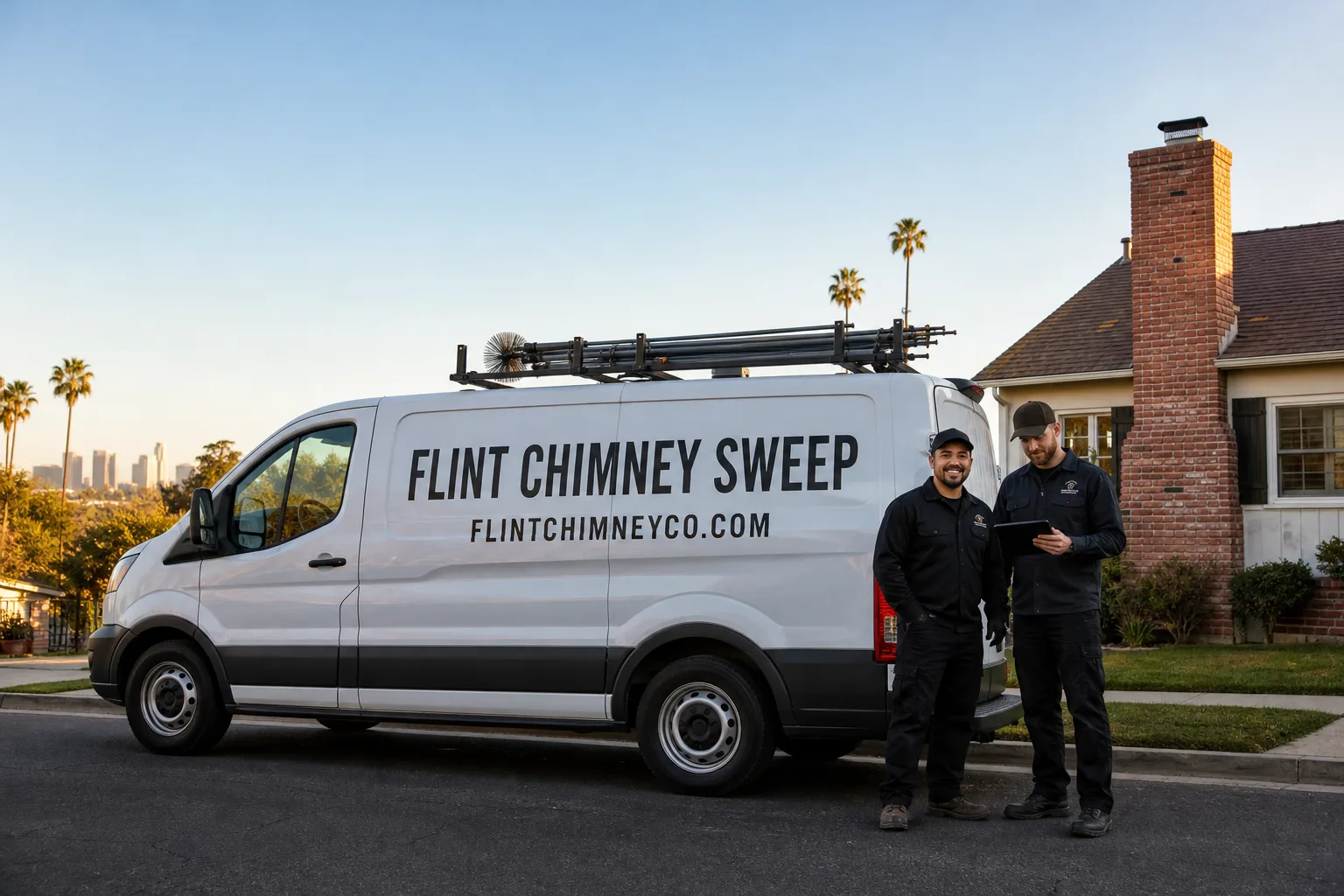
Level 1 sweep and inspection to the NFPA 211 annual standard - flue, crown, cap, and flashing checked and photographed
Chimney sweep logs do not sweep chimneys. They loosen some creosote - which then falls where a brush and vacuum still have to collect it.
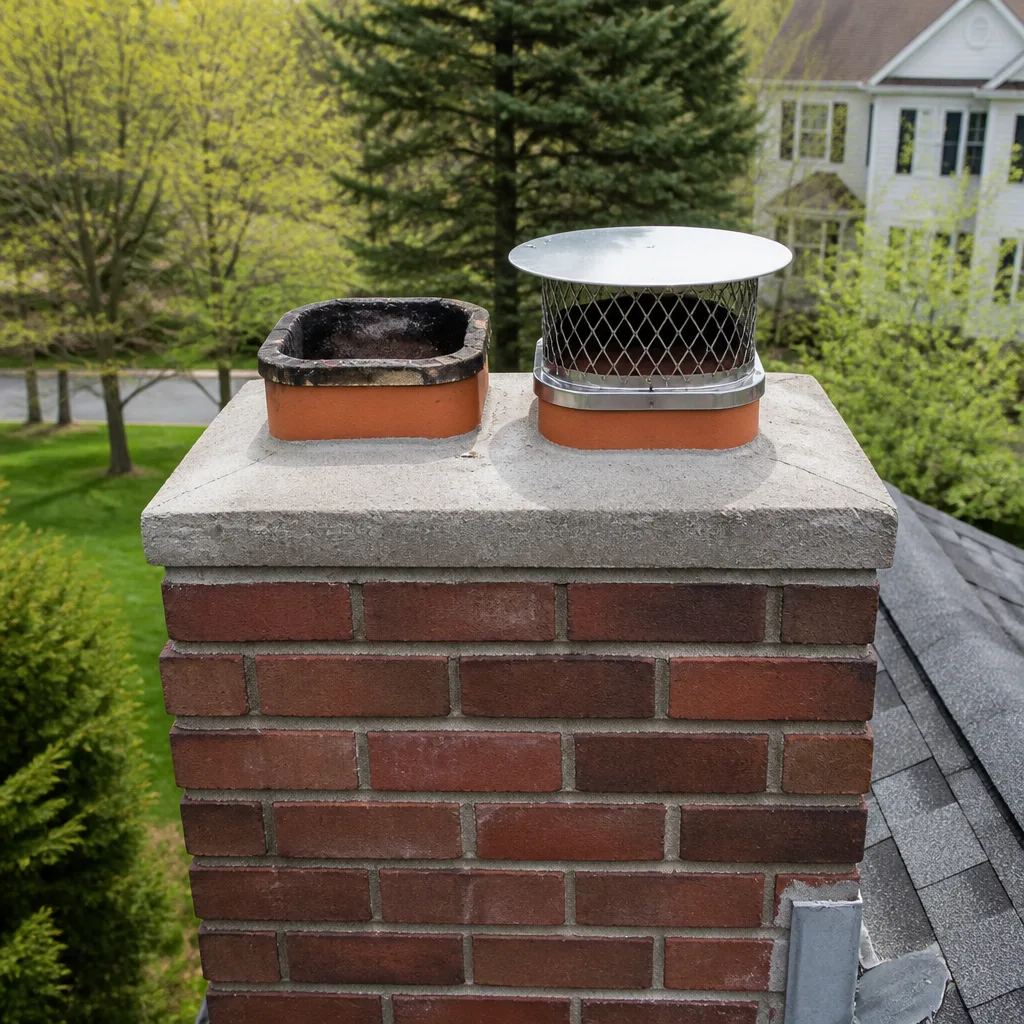
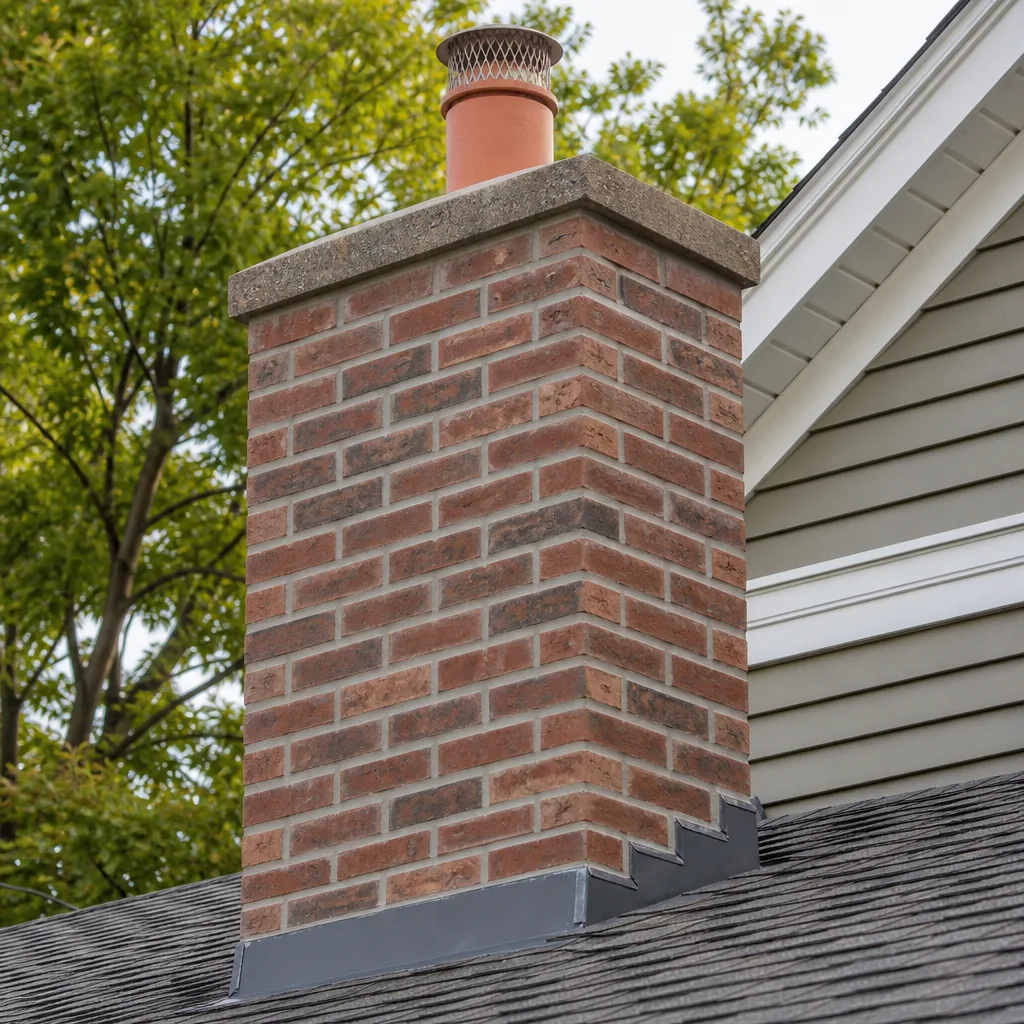
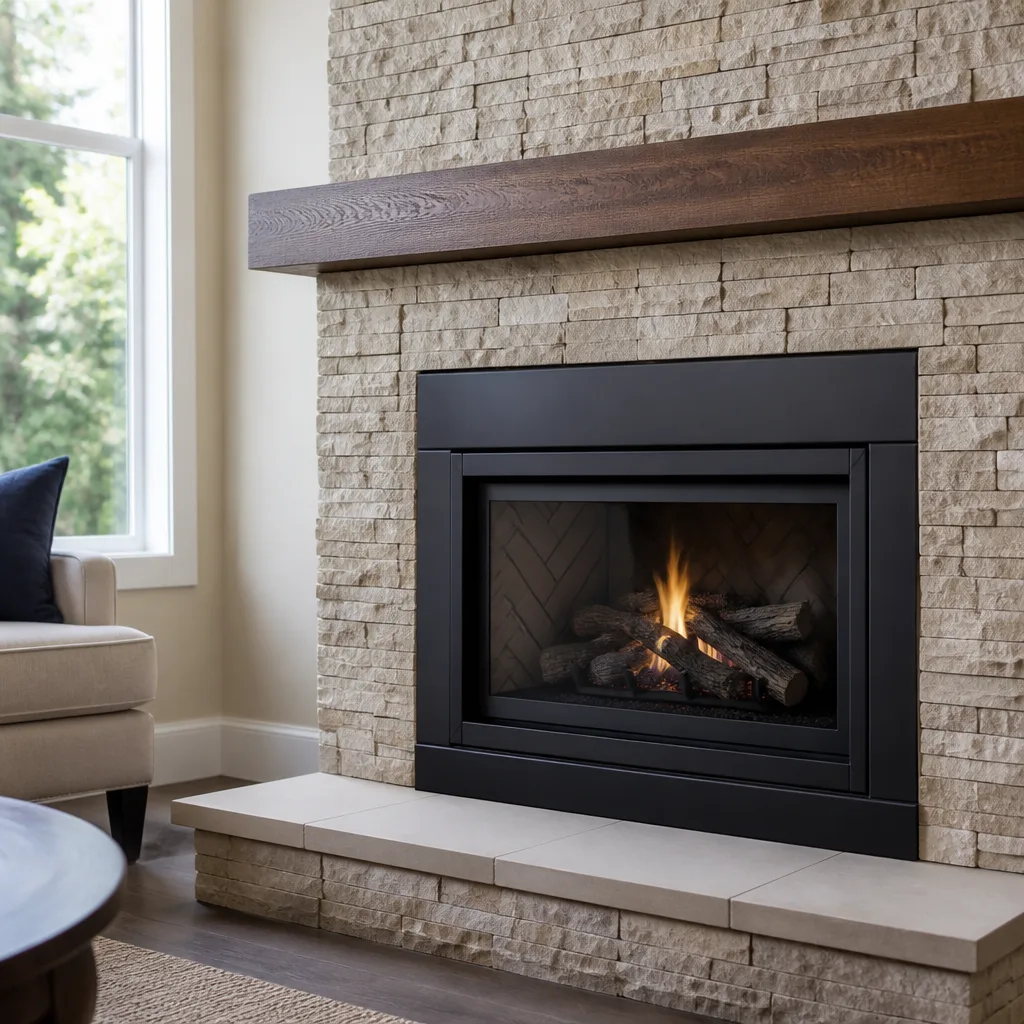
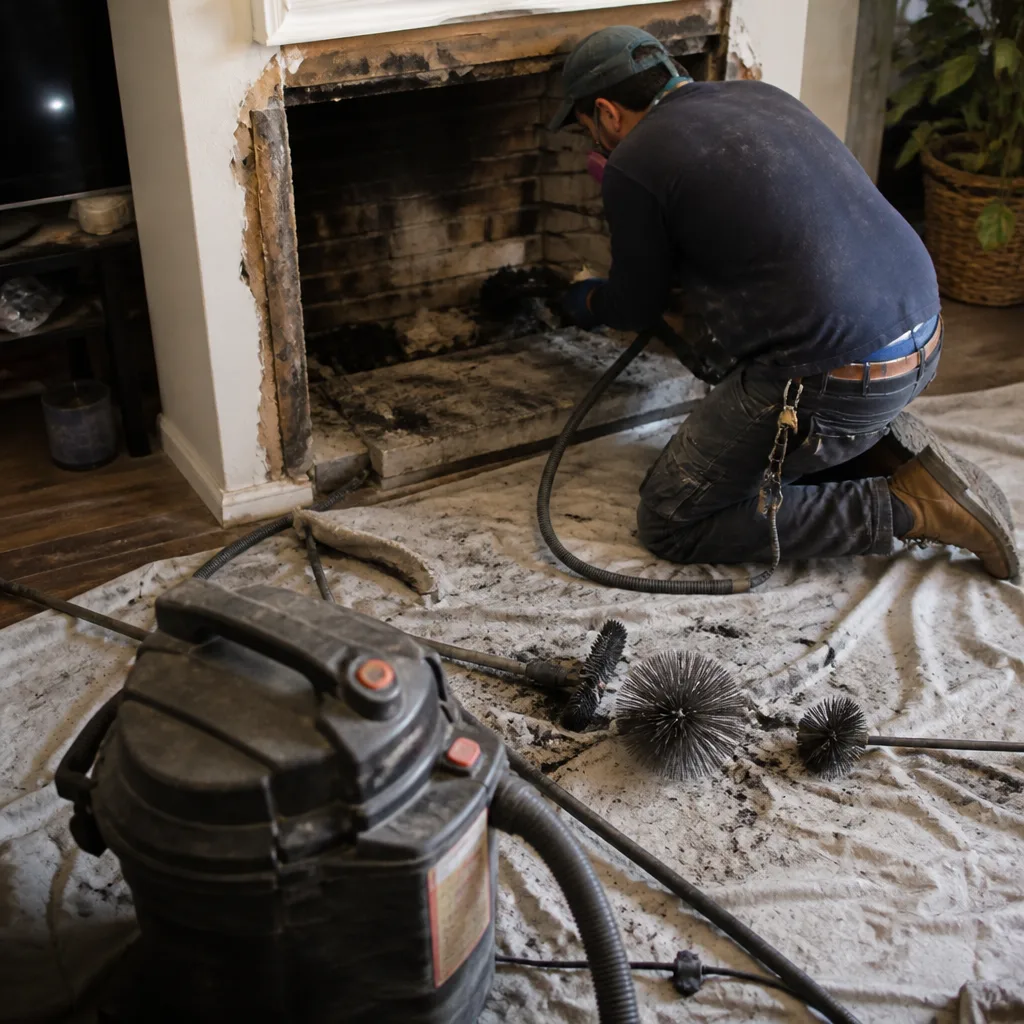 Before
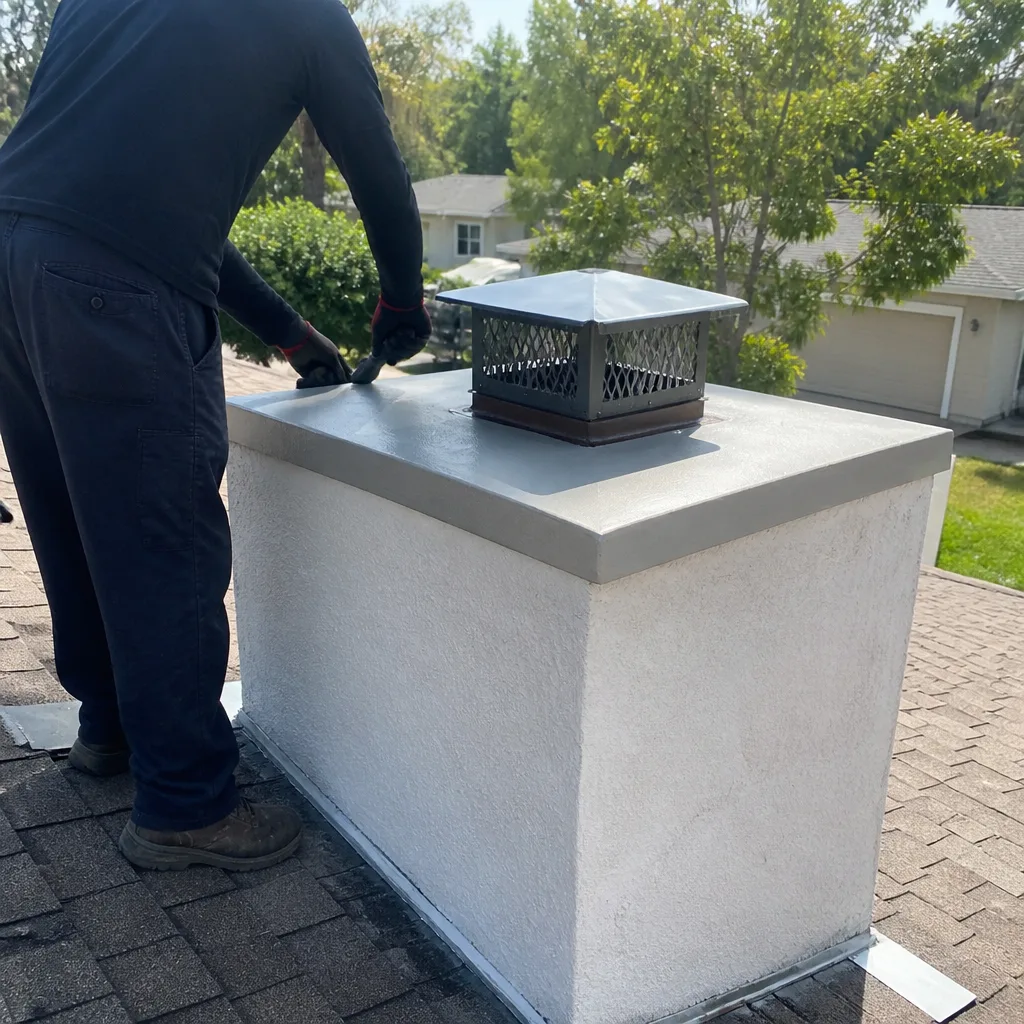 After
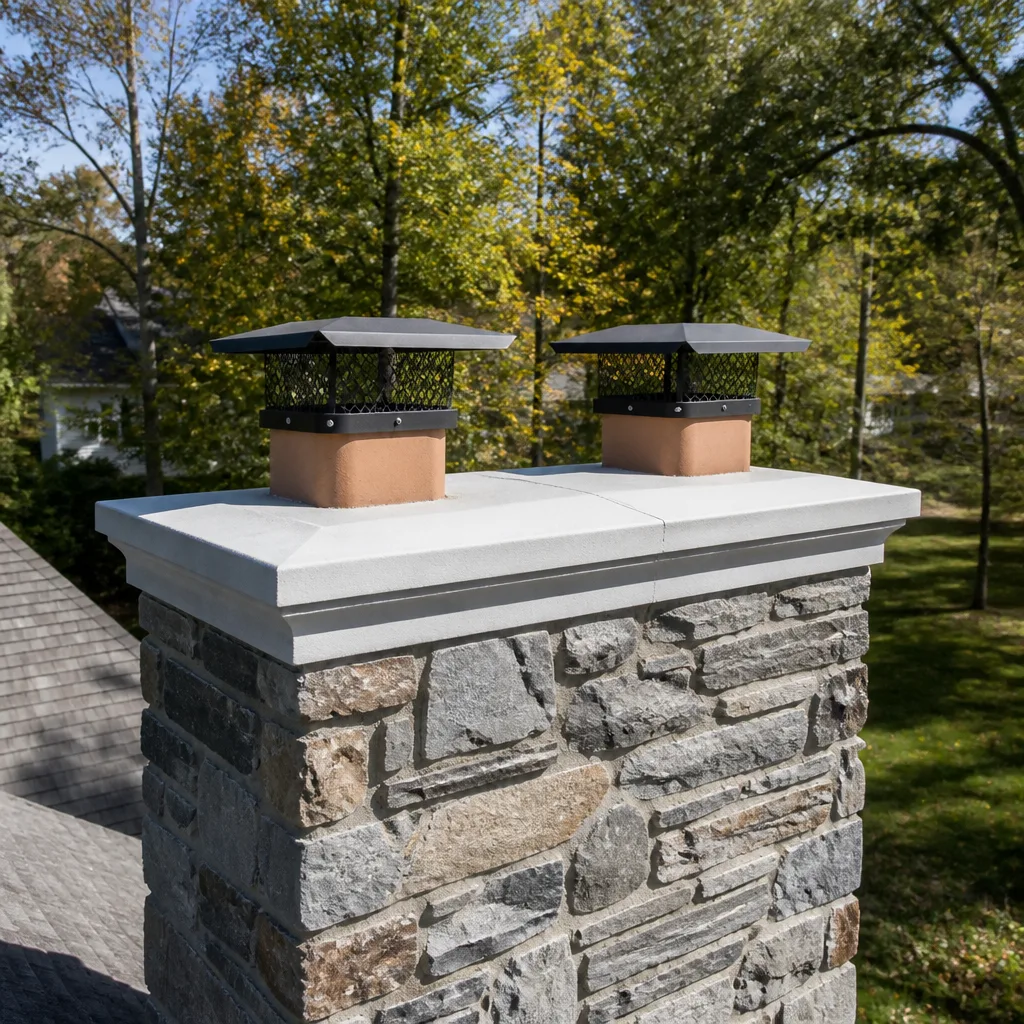
After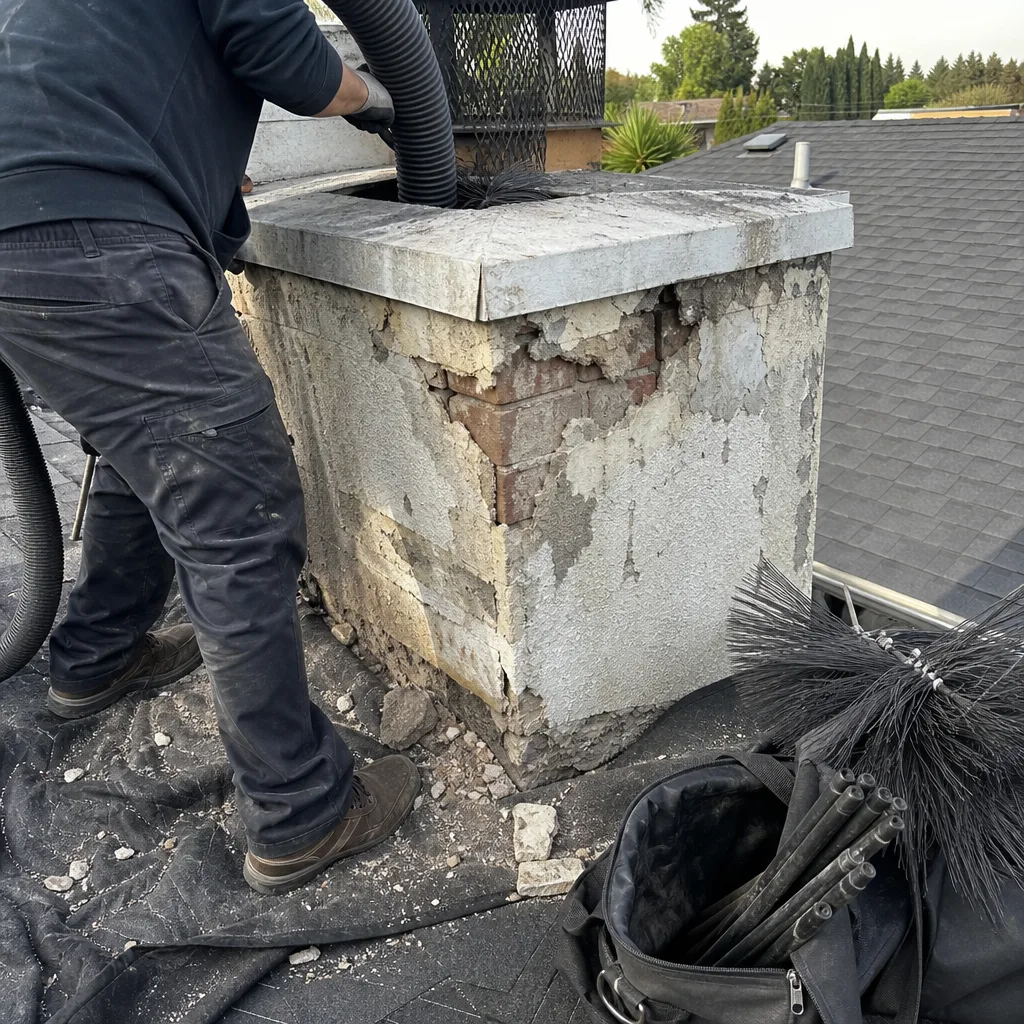 Before
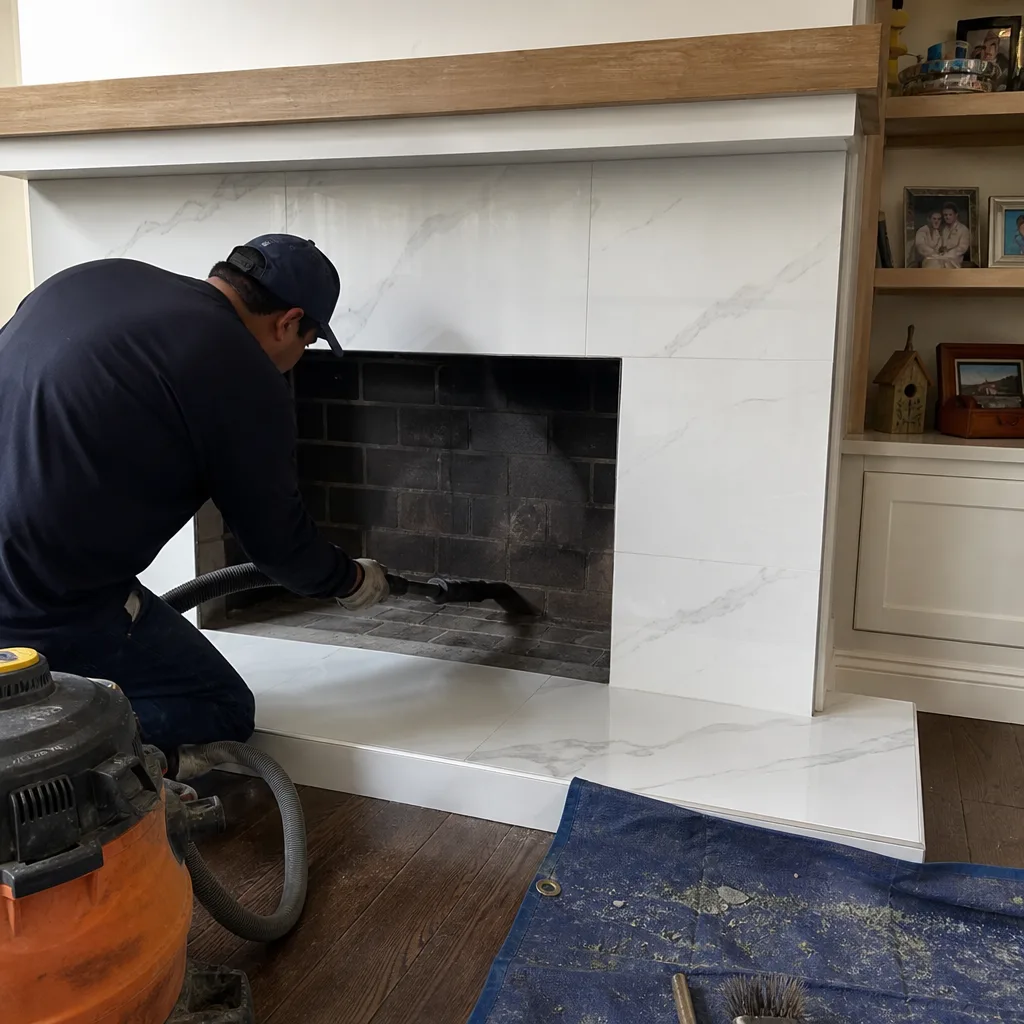 After
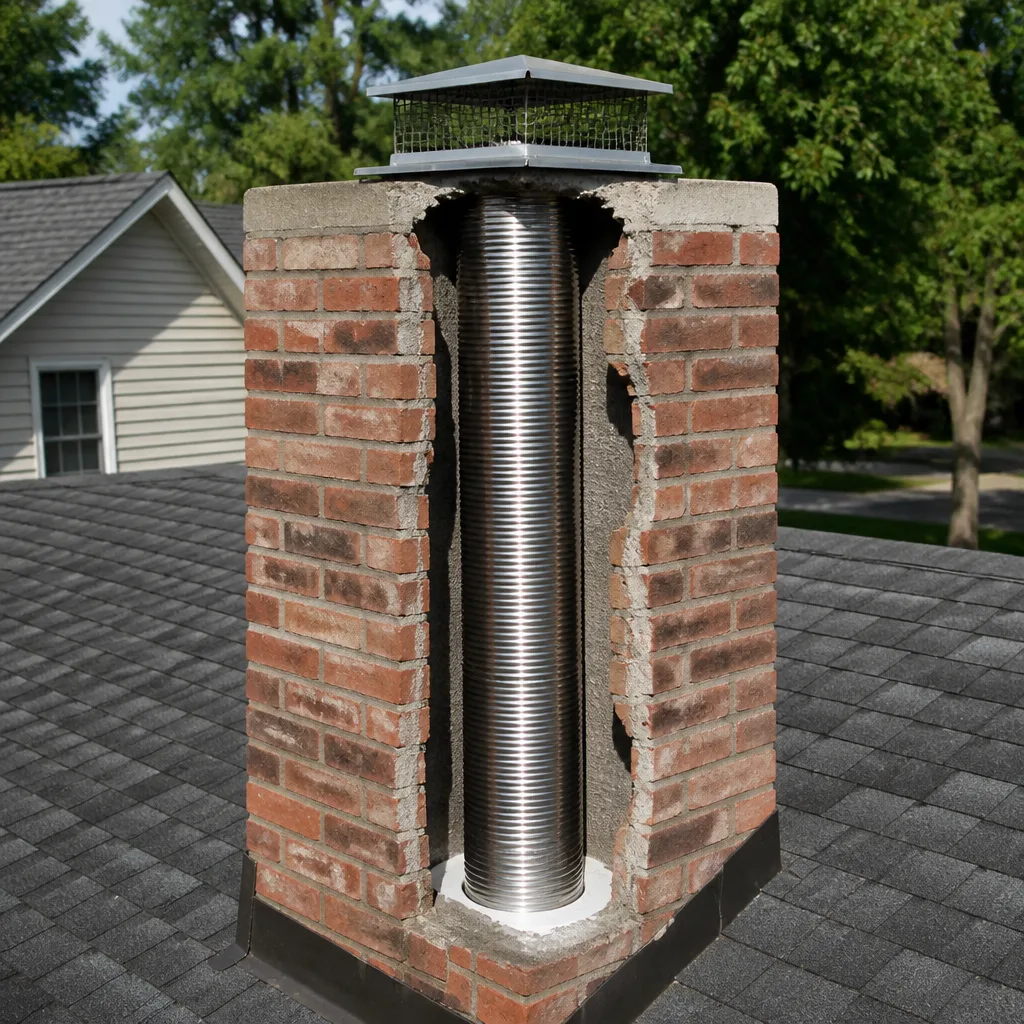
After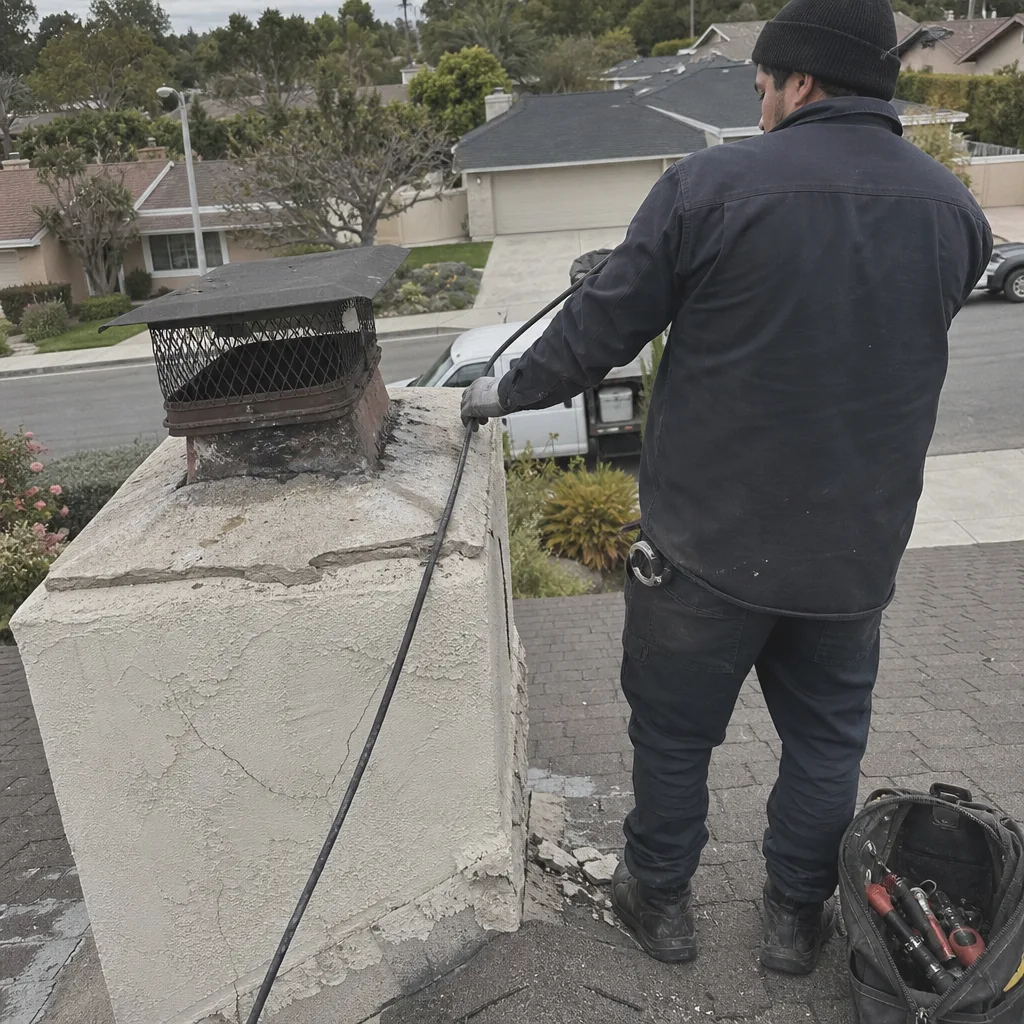 Before
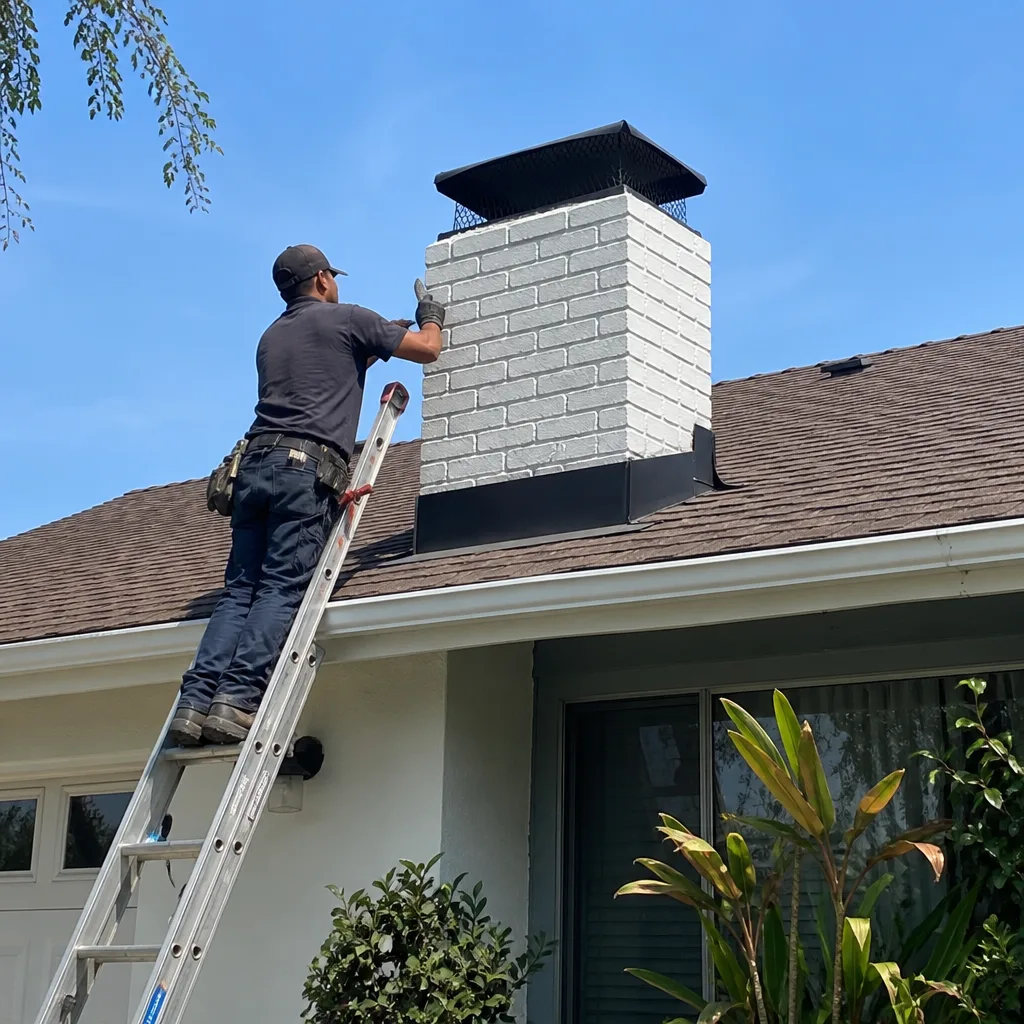 After
AfterFast, Reliable Chimney Repair Across Stonecrest
Chimney repair in Stonecrest usually comes down to two specific failures in this city’s housing stock: cracked prefab flue liners and rusted-out chimney caps. Most homes here were built between the mid-1990s and 2010, which means builder-grade liners that crack at the first hard heating season, and caps that rust through fast in Georgia’s humidity. Our crew runs repairs out here regularly, and we’re familiar with the streets from Fairington down through the subdivisions off Klondike Road. If your Stonecrest chimney has a draft that won’t cooperate, a damper that’s frozen, or water coming through the firebox, call (830) 251-4560. We’ll give you a written price before any work starts and a straight answer on what actually needs fixing.
Why Flint Chimney Sweep Is Stonecrest’s Preferred Chimney Repair Company
We operate under the Garrison Standard, the same written code every Garrison Partners location has followed since 2002. That means one thing for a Stonecrest homeowner: you know exactly what the job costs before the first tool comes off the truck, and you know exactly what’s covered for a full year after the work is done. No moving prices at the door, no vague handshake promises.
Our technicians are background-checked and show up in uniform, so the person at your door on Klondike Road or Panola Road is who we said we’d send. We don’t farm jobs out to subs. The tech who quoted the job is the one who does the work.
Every repair carries a written 365-day guarantee. If a covered repair fails within that year, we come back at no charge. That guarantee is printed on the work order. It’s not something you have to ask for.
What we hear most from Stonecrest customers is that their last chimney company either never showed, changed the price mid-job, or left mortar dust across the living room floor. That’s exactly what the Garrison Standard is built to prevent. Written price first, documented scope, done right, guaranteed for a year.
Chimney Cap Replacement in Stonecrest
Chimney Cap Replacement is one of the most frequent repairs we perform in Stonecrest, and it’s almost always the same story: builder-grade galvanized caps rust through in five to eight years of Georgia humidity and pollen, and suddenly rain is dropping straight into the flue and onto the damper assembly. A typical cap replacement here runs $200 to $550 installed, depending on whether the flue is standard size or requires a custom stainless cap. We use Olympia Chimney and Copperfield caps, and we stock the common sizes for a faster turnaround on Stonecrest jobs.
What a Worn Cap Does to Your Firebox
Once a cap rusts through, water doesn’t just sit in the flue. It drips onto the damper, and over a season or two the damper assembly seizes or rots at the hinges. That’s when you notice a stuck damper or a musty smell rolling into the room. The cap is the cheap fix. The damper it protects is not.
The Repair Standard We Follow
We don’t patch caps. If the mesh is blown out or the metal has rusted through, we replace it with a stainless cap sized to the flue and rated to shed water properly around the crown’s edge. The new cap gets sealed and mechanically fastened, not just set in place.
Chimney Liner Installation in Stonecrest
Chimney Liner Installation in Stonecrest is the repair most people never see coming. Homes in the 1990s and 2000s subdivisions here were built with builder-grade prefab flue liners, and those liners crack and spall from thermal cycling in as little as ten years. Once that inner wall fails, exhaust gases leak into the chimney chase instead of venting. A full liner job for a typical Stonecrest home runs $2,800 to $4,900, depending on flue height and whether we’re relining a masonry or factory-built system.
DuraFlex: The Liner We Specify Here
For Stonecrest homeowners with cracked prefab liners, we standardize on DuraFlex stainless liners. The material is rated for the heat cycling our local builders’ homes go through, and it holds up better in the humid climate than budget alternatives. DuraFlex is a product you can verify independently before we ever write the quote.
The Reason Liner Cracks Show Up Here
Unlike older intown Atlanta masonry chimneys, Stonecrest’s subdivision chimneys rarely fail at the crown first. The firebrick behind the prefab liner doesn’t move, but the liner itself takes all the expansion stress. When it pops, the symptom is usually a draft that changed for no reason or a smoke smell that lingers even after the fire is out. A camera inspection tells you in five minutes whether the liner is the problem.
Trusted Brands We Service in Stonecrest
We don’t run whatever’s cheapest off the truck. We specify by job, not by margin. For Stonecrest customers, that means DuraFlex for stainless liners, Copperfield and Olympia Chimney for caps, Famco for termination and chase covers, and HeatShield for resurfacing masonry flues where a liner install isn’t warranted. When a job calls for a specific material, you’ll see it named on the written proposal with a reason attached. We also keep the most common Stonecrest part sizes stocked locally so cap replacement and liner kits aren’t waiting on a warehouse order halfway across the state.
Common Chimney Repair Problems We See in Stonecrest Homes
- Cracked prefab flue liners: The most common structural issue in Stonecrest’s 1990s and 2000s subdivisions. Heat cycling cracks the factory-built liner, and draft problems follow. A Level 2 camera check is the only way to see it.
- Rusted builder-grade caps: Georgia humidity and pollen are brutal on galvanized caps. Once rust gets through, water lands on the damper assembly and the whole thing seizes up within a season or two.
- First-degree creosote left too long: Stonecrest fireplaces tend to run a few fires a year, not heavy daily burning. That creates flaky first-degree creosote that looks harmless but hardens into third-degree glaze if left for years. The flaky stage is when a brush still removes it. The glazed stage is when it stops being a cleaning job.
- Damper and smoke-chamber corrosion: When a cap fails and water gets in year after year, the damper and smoke chamber corrode. You’ll notice a stuck handle, smoke that rolls in instead of drawing up, or a rust smell on humid mornings.
Pricing for Chimney Repair in Stonecrest, GA
We don’t ask Stonecrest homeowners to call blind. Here’s the ballpark for the repairs we handle most often: chimney cap replacement runs $200 to $550. Flue liner installation runs $2,800 to $4,900 depending on flue height. Mortar repointing and tuckpointing run $15 to $25 per square foot of masonry. Spalling brick replacement runs $40 to $90 per brick. Chimney waterproofing runs $350 to $800 for a standard single-flue stack. Flashing repair runs $450 to $950. A partial chimney rebuild runs $1,200 to $2,800, and a full rebuild runs $3,000 to $7,000. The price we write before the job is the price you pay. Call (830) 251-4560 for a free estimate on your Stonecrest chimney repair.
Written by Hank Delano, Owner at Flint Chimney Sweep, serving Stonecrest under the Garrison Standard.
We Also Serve Cities Near Stonecrest
Our crews cover Chimney Repair in Stonecrest and the surrounding metro, including Atlanta, South Fulton, Sandy Springs, and Roswell. If you’re in one of those areas, the same Chimney Repair standards, pricing structure, and written guarantee apply.
Serving Stonecrest, GA - Our Local Coverage Area
We’re based in the Stonecrest area and know this community well. Use the map below to see our service coverage - if you’re nearby, we can almost certainly help.
FAQs About Chimney Repair in Stonecrest
Once a year is the honest answer, even if you only burn a handful of fires. The problem in Stonecrest specifically isn’t heavy use, it’s what light, occasional use leaves behind: flaky first-degree creosote that hardens into glaze if ignored for years, plus a moisture cycle from Georgia humidity that rusts caps and corrodes dampers regardless of how often you light a fire. A Level 1 inspection takes less than an hour and tells you exactly what’s there. Call (830) 251-4560 to schedule one, and we’ll give you the price before the appointment is booked.
Yes, a Level 2 inspection with a camera report is a paid service, and you’ll always know the price of any repair or service before we book. No tech shows up at a Stonecrest home with an open-ended work order, and no tool comes off the truck until you’ve approved a written price for the work. That’s the Garrison Standard, and it applies to every single call.
We run scheduled service in Stonecrest, and our dispatch pegs availability to a window we actually keep, not a “sometime between 8 and 6” shrug. We don’t promise same-day service, because we don’t fire-drill jobs. What you get instead is a crew that arrives inside the window we gave you, with the parts and a written price. If you’re in Fairington or the neighborhoods off Panola Road, call (830) 251-4560 and we’ll tell you honestly what this week looks like.
First-degree creosote is flaky, dry, and still removable with a standard brush. Third-degree creosote is a hardened glaze that has baked into the flue wall, and a brush won’t touch it. The reason it matters in Stonecrest is that most homes here burn a few fires a season, not heavy daily loads. That usage pattern produces exactly the amount of creosote needed for the flaky stage to sit and turn into glaze over several years of neglect. Get it swept at flaky stage and you said something cheap. Wait for glaze and you’re looking at real remediation. We’ll show you photos either way.
Usually it’s both in Stonecrest. The smoke rolling back is caused by a draft problem, and the stuck damper is usually rust from water that got in through a failed cap. We’ll run the camera, see where the blockage or corrosion actually is, and write a repair plan that names the parts and the price before we touch anything. It may just be a thorough sweep plus a cap replacement, or it may involve damper or liner work. You’ll see the photos that justify whichever it is.