
Last updated October 9, 2026
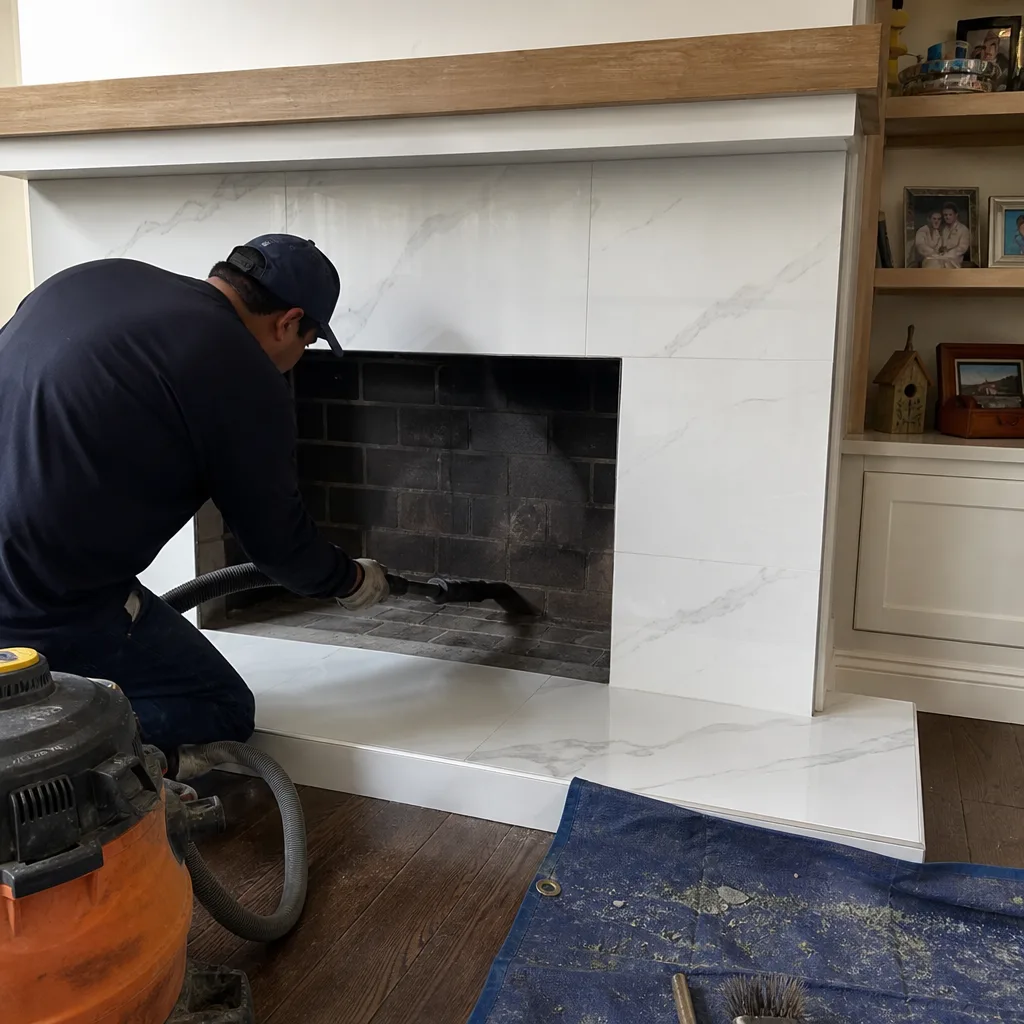
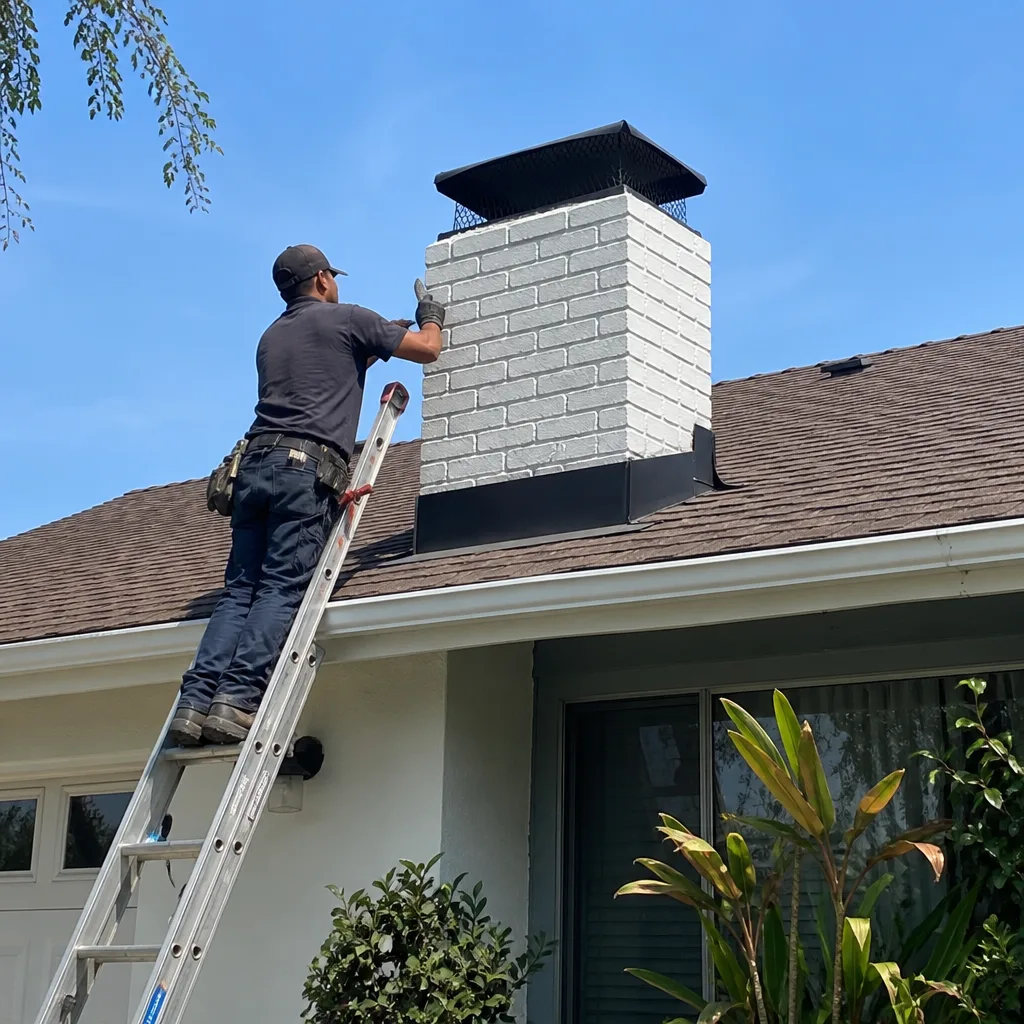
Level 1 sweep and inspection to the NFPA 211 annual standard - flue, crown, cap, and flashing checked and photographed
Chimney sweep logs do not sweep chimneys. They loosen some creosote - which then falls where a brush and vacuum still have to collect it.
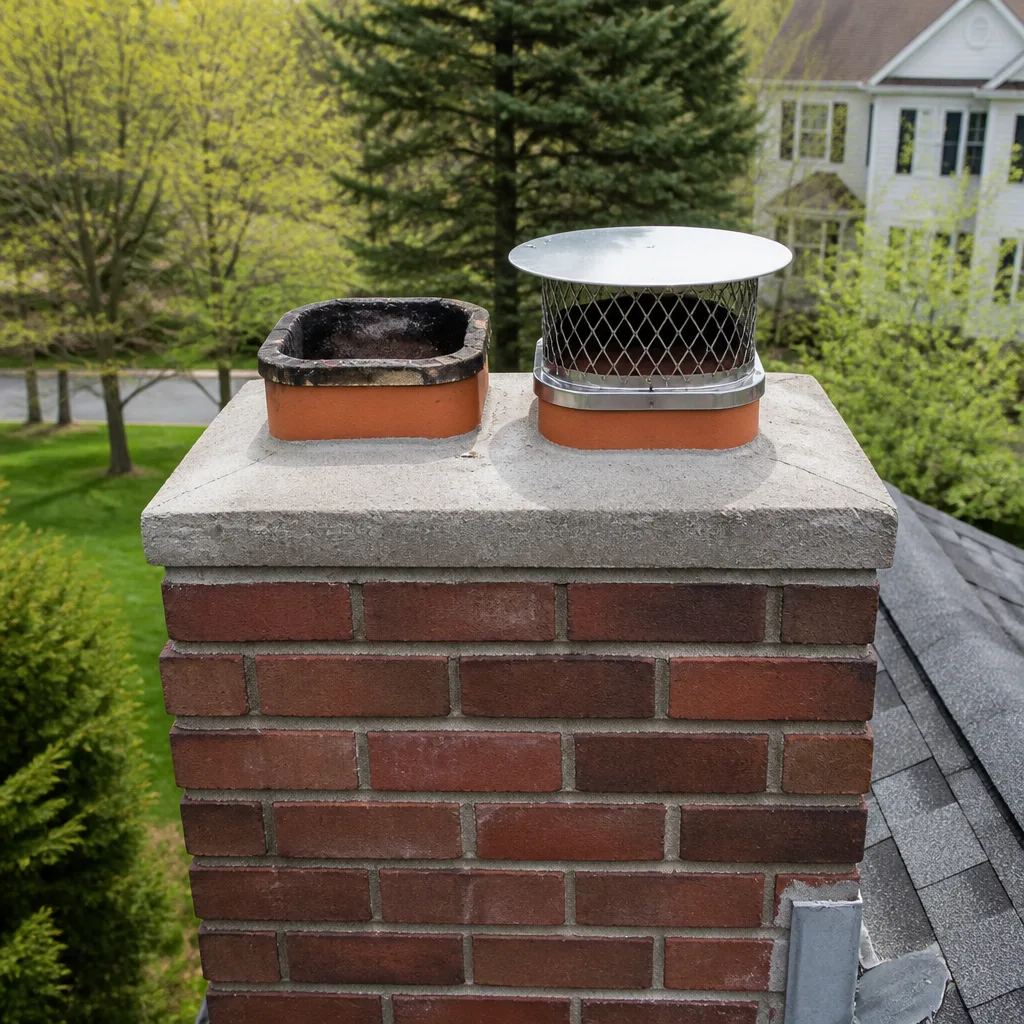
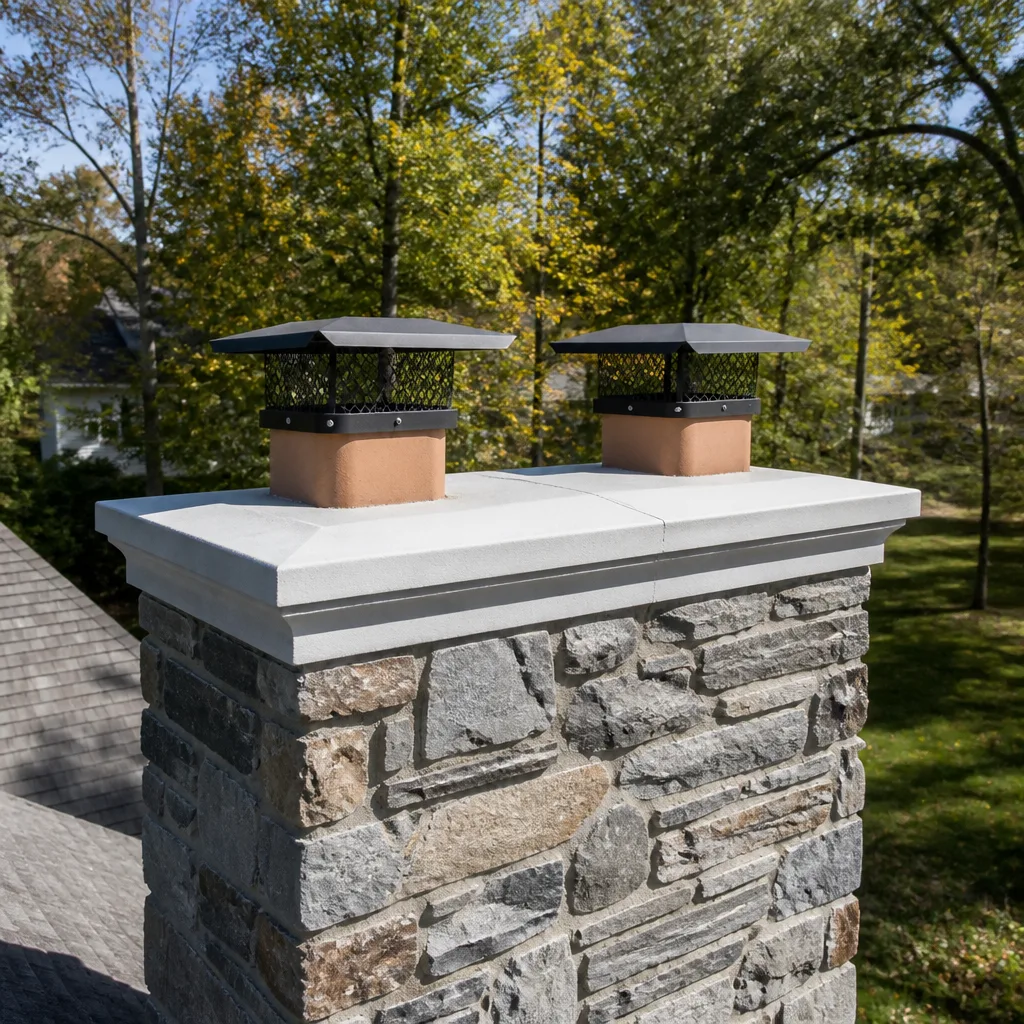
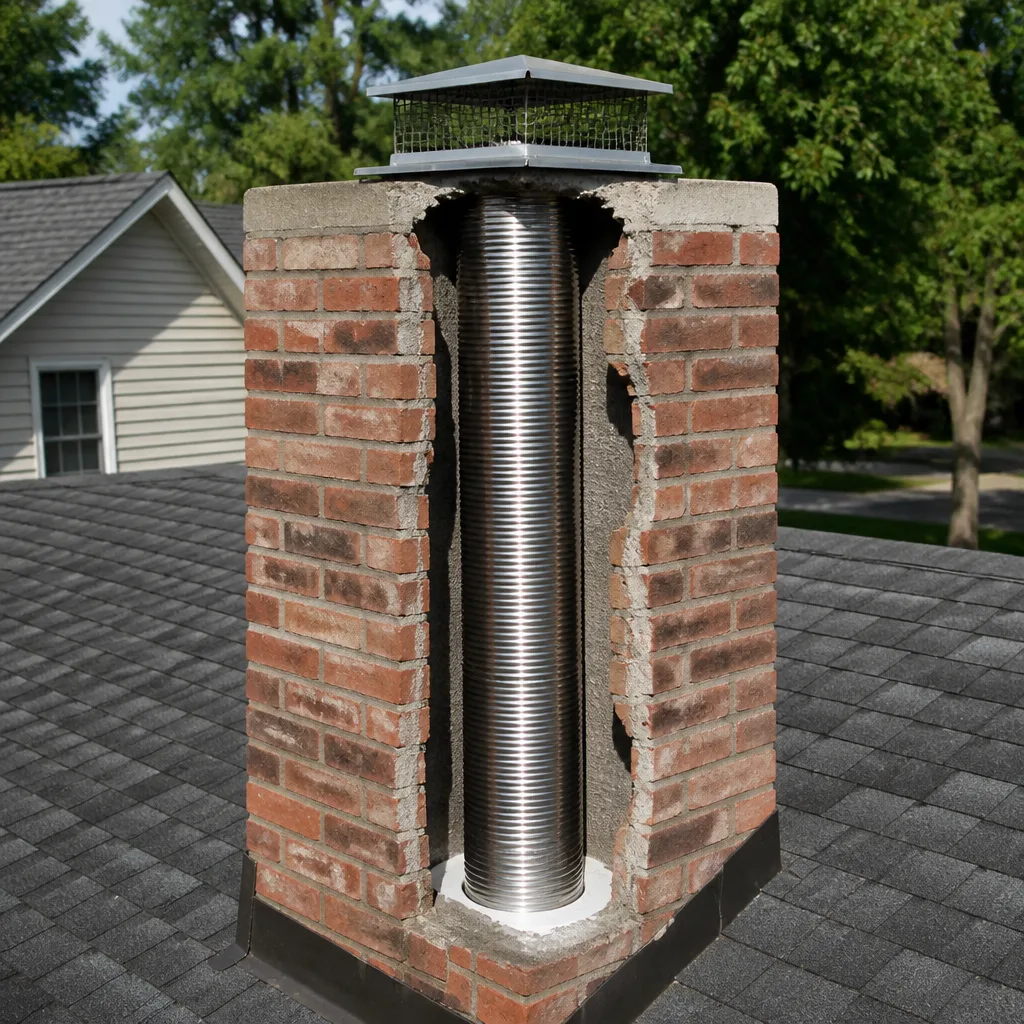
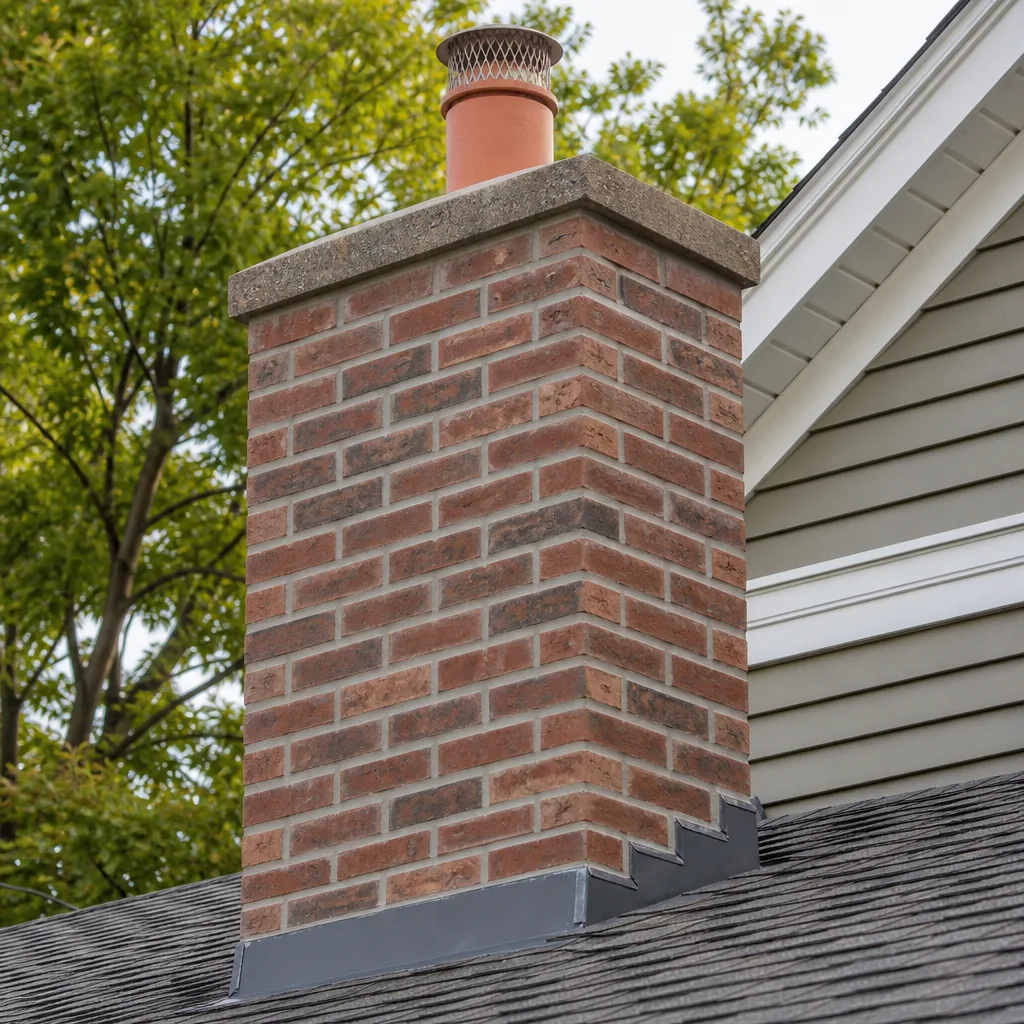
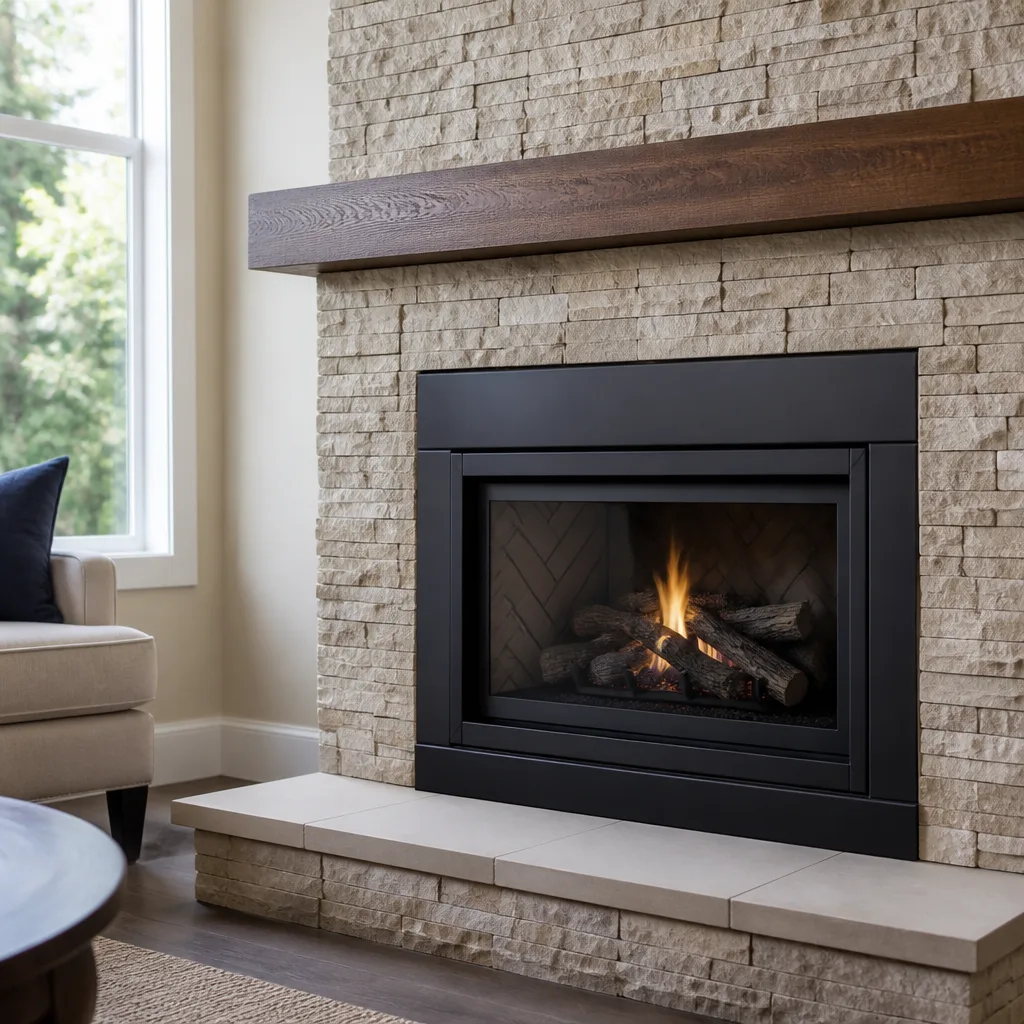
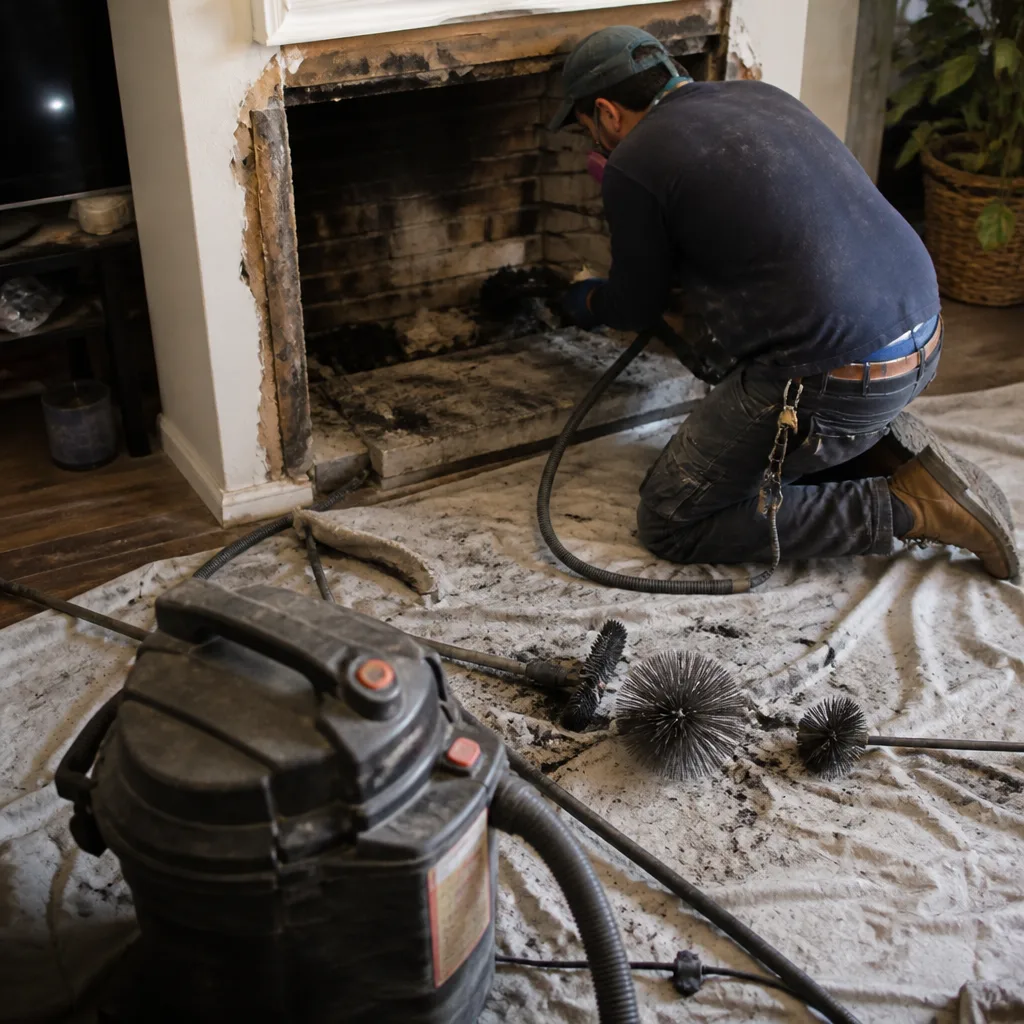 Before
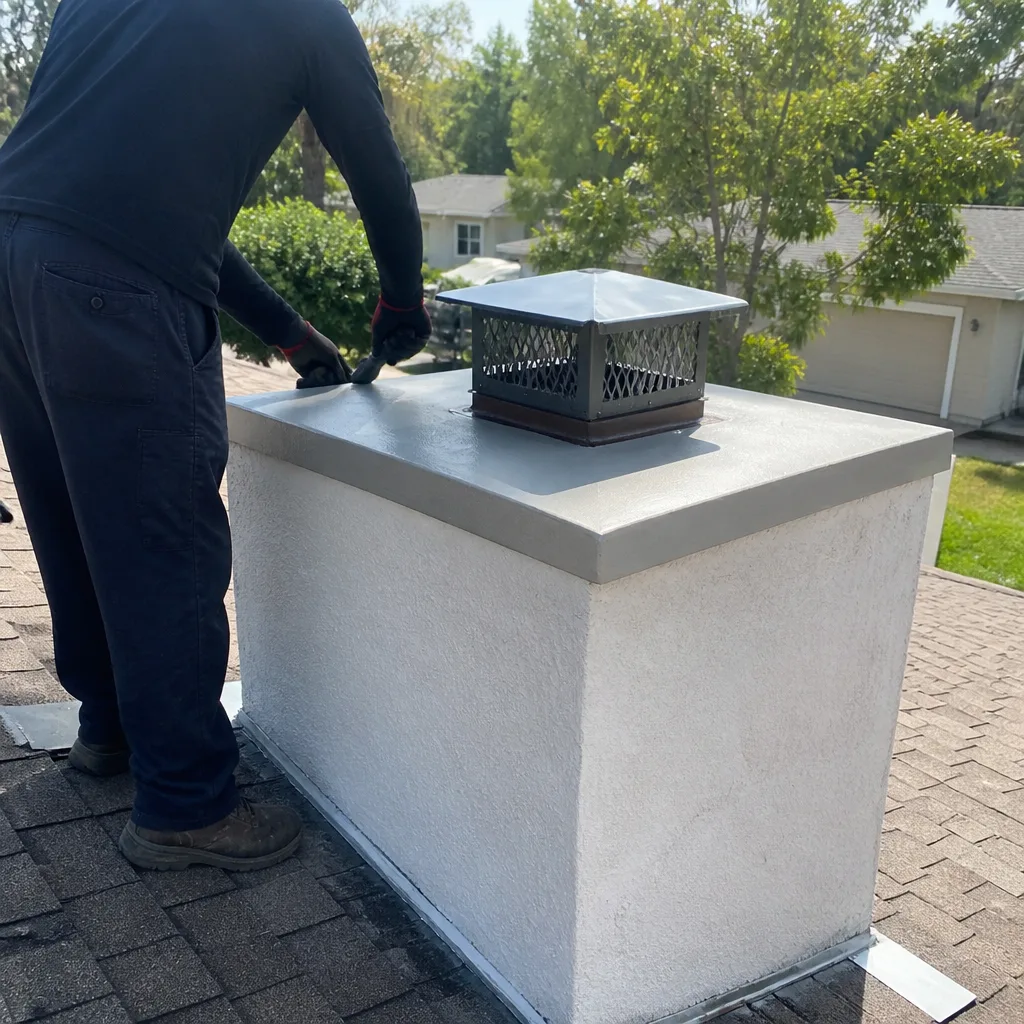 After
After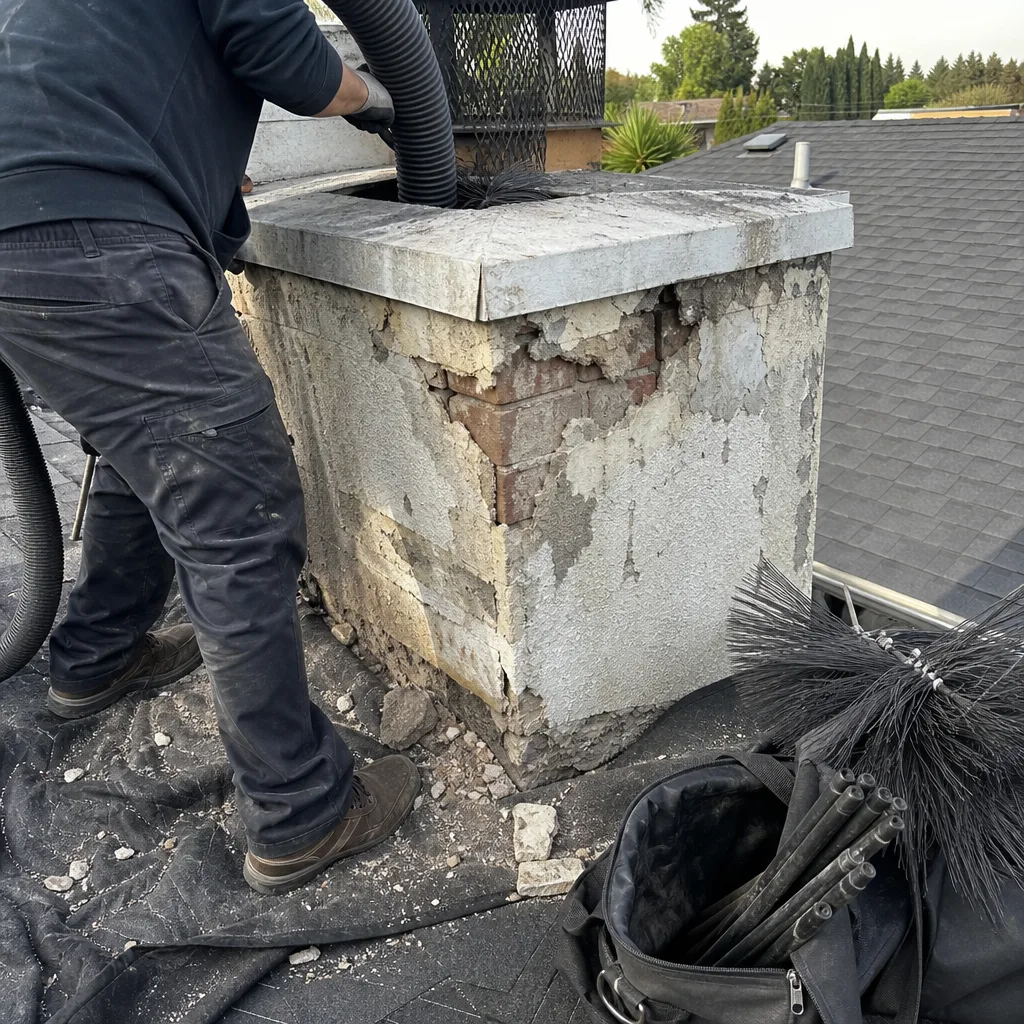 Before
 After
After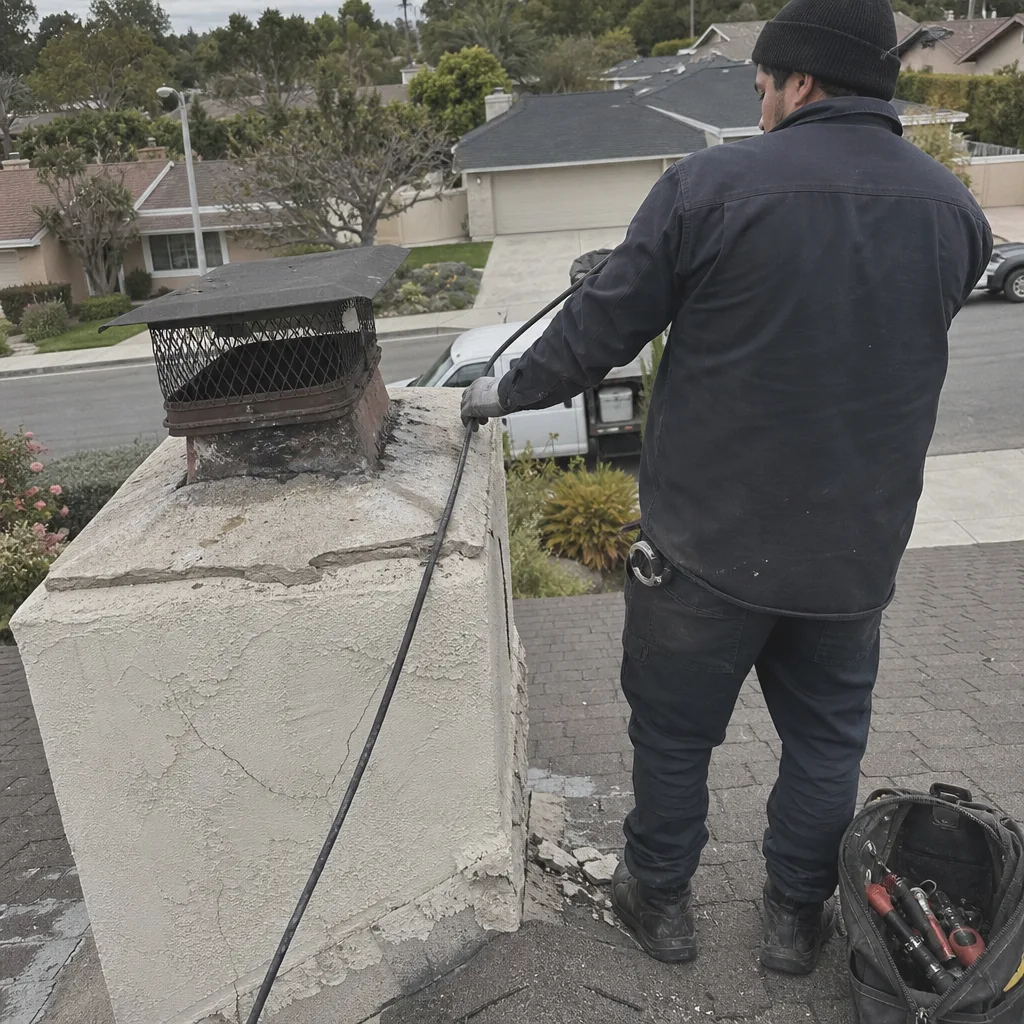 Before
 After
AfterChimney Cleaning Emergency Preparedness Guide for Los Angeles Homes
During the 2025 Eaton and Palisades fires, fire investigators identified spark arrestor failure as a contributing ignition factor in multiple residential structures. The component that failed was an $80 mesh screen, and most Los Angeles homeowners don’t know they need to check it until after an event like that makes the news. This guide explains what a chimney emergency actually looks like in Southern California, how to prevent the three most common emergencies before they happen, and what to do when a real problem lands in your lap.
Quick Answer
A chimney emergency in Los Angeles is rarely a dramatic fire. It’s more often an escrow inspection failure, a spark arrestor compromised by Santa Ana winds, or carbon monoxide backing up into a home during a power outage. The fix is a pre-season chimney inspection every September, a $80-$200 spark arrestor replacement before fire season, and a written inspection report that documents your chimney’s condition before an emergency forces the issue.
Table of Contents
- What “Chimney Emergency” Actually Means in Los Angeles
- The Three LA-Specific Chimney Emergencies
- The Pre-Fire-Season Emergency Audit Checklist
- What to Do in the 48 Hours After a Nearby Wildfire
- Getting a Chimney Cleared for Escrow in Under 72 Hours
- What “Emergency Chimney Service” Actually Costs in LA
- Carbon Monoxide and the Blocked Flue: The Power Outage Problem
- Common Mistakes to Avoid
- When to Call a Professional
- Frequently Asked Questions
- The Bottom Line
What “Chimney Emergency” Actually Means in Los Angeles
In Los Angeles, a chimney emergency almost never looks like the image in your head. You’re picturing flames shooting out of the top of a house. What actually happens here is quieter and more expensive: an escrow deal stalls because an inspector flags a cracked flue liner. Or a Red Flag Warning hits and you realize your spark arrestor is gone, ripped off by the same Santa Ana winds that are now pushing embers toward your roof. Or the power goes out, you light the fireplace for heat, and the carbon monoxide detector goes off at 3 a.m. because the flue you haven’t swept in four years is blocked.
We work in Los Angeles, and in our experience, most emergency calls come from people who skipped routine maintenance for years and got caught at the worst possible moment. The good news is that every one of these emergencies has a known cause and a documented prevention protocol. You don’t need to guess. You need a checklist and a written record.
The Los Angeles Fire Department’s brush clearance and ember-resistance rules apply to chimneys in specific ways. LAFD requires that spark arrestors on any chimney serving a fireplace or wood-burning appliance have mesh openings no larger than 5/8 of an inch. That’s not a suggestion. It’s a code requirement with a specific number attached. If your spark arrestor was installed before that standard was enforced, or if it’s been dented, rusted, or torn by wind, you’re out of compliance and your insurance company has a documented reason to question a claim after a fire.
Here’s what “emergency” means for an LA chimney, in order of how often we see it:
- Mid-escrow inspection failure: A home sale stalls because a chimney inspection reveals damage the seller didn’t disclose.
- Post-wind-event spark arrestor damage: Santa Ana winds rip the cap or screen off and fire season is weeks away.
- Carbon monoxide accumulation: A blocked flue pushes CO back into the house, often during a power outage when the fireplace becomes the backup heat source.
- Water intrusion after storm damage: Crown cracking or cap displacement allows rain into the chimney chase, soaking the flue and adjacent framing.
- Active chimney fire: Rare but real. Creosote ignites inside the flue, producing a roar that sounds like a freight train and smoke that backs up into the living space.
Every one of these has a documented prevention protocol. The rest of this guide walks through them in plain English.
The Three LA-Specific Chimney Emergencies
If you live in Los Angeles, your chimney faces three pressures that a chimney in Cleveland or Seattle doesn’t. Dry, wind-driven ember exposure during fire season. A real estate market where escrow timelines are compressed and inspectors are thorough. And an aging housing stock where many fireplaces date to the 1940s through 1970s, often with original clay liners that have never been evaluated.
1. Mid-Escrow Inspection Failure
Here’s how this unfolds. You’re selling a house in Los Feliz or Sherman Oaks. The buyer’s home inspector flags something on the chimney: missing cap, visible spalling on the brick, a damper that won’t fully open. The buyer calls a chimney company. The chimney company finds a cracked flue liner and writes a quote for $8,000. The deal goes into a tailspin because nobody planned for this line item, and now the escrow officer needs a written report documenting the scope, the cost, and whether the repair is a safety issue or a cosmetic one.
This is the single most common “emergency” we respond to. The fix is documentation: a chimney inspection in Los Angeles that produces a written report with photographs of the interior flue, using a camera system that shows the actual condition of the liner. That report becomes the deliverable the escrow officer needs. Without it, everyone is arguing about a problem they cannot see.
2. Post-Wind-Event Spark Arrestor Damage
Santa Ana winds routinely reach 60-80 mph in the foothills and canyon areas of Los Angeles. Those winds have been documented to rip spark arrestors, chimney caps, and even entire chase covers off of chimneys. The problem is that homeowners don’t check the roof after a wind event, so the damage goes unnoticed until a fire inspector points it out during a Red Flag Warning, or until embers get into an uncapped flue during the next fire.
A spark arrestor is a metal screen, usually stainless steel, fitted over the top of the flue to catch embers before they exit onto the roof. In Los Angeles, the maximum allowable mesh opening is 5/8 of an inch. We see older homes with 1-inch mesh, which doesn’t meet code. We see arrestors that have been bent by falling branches, rusted through from repeated wet-dry cycles, or knocked completely off by wind. All of these are documented fire season liabilities.
3. Carbon Monoxide Accumulation During a Power Outage
When the power goes out in Los Angeles, especially during a heat wave or a wind event, people light their fireplaces. Many of those fireplaces haven’t been used in years. The flue might be blocked by a bird nest, a collapsed liner section, or creosote buildup from years of neglected use. You burn a fire, the exhaust has nowhere to go, and carbon monoxide fills the living space.
Carbon monoxide is odorless and colorless. The only reliable detection is a working CO detector. This scenario is the reason we recommend a chimney inspection whenever a fireplace transitions from “decorative” to “functional heat source.” A level that’s fine for infrequent, low-heat fires may be dangerous when you’re running a sustained fire during a multi-day outage.
The Pre-Fire-Season Emergency Audit Checklist
Los Angeles fire season now stretches effectively from May through November, with the highest-risk period running August through October when vegetation is driest and winds are strongest. The smartest time to audit your chimney is in September, before the worst fire weather arrives but early enough to schedule repairs with a normal turnaround time.
Here’s the audit, step by step. You can do the visual portion yourself from the ground or a safe ladder position. The interior flue portion requires a scope inspection by a professional.
- Check the spark arrestor mesh size. LAFD requires 5/8-inch maximum openings. If you can see the screen and the openings are visibly larger, or if the screen is missing, torn, or dented, schedule a replacement now. A standard stainless steel arrestor replacement in Los Angeles typically runs $80-$200 installed, depending on flue size and roof access.
- Verify the cap is seated. The cap sits above the spark arrestor and sheds rain. If it’s tilted, missing, or rattling, water is getting into the flue. Water in the flue degrades the liner and can seep into the chimney chase, which is the wooden framing that encloses the flue in many LA homes.
- Check the damper seal. Open and close the damper several times. It should move freely and seat completely. A damper that’s stuck open is a significant heat-loss pathway and also lets embers and smoke drift into the living space when the fire is dying down.
- Inspect the crown. The crown is the concrete slab at the very top of the chimney. Look for cracking, flaking, or pooling water. Hairline cracks in the crown are entry points for moisture, and moisture is the enemy of every component below it.
- Look for spalling brick or crumbling mortar joints. Spalling is the technical term for brick face pieces flaking off due to trapped moisture. If you see brick chips accumulating at the base of your chimney or on the roof below it, the structural integrity of the masonry is compromised.
- Schedule a Level 2 camera inspection. This is the only way to establish the condition of the flue liner. A Level 2 inspection is what LAFD, insurance companies, and escrow officers recognize as a legitimate condition assessment. It involves running a video camera from the top or bottom of the flue and documenting any cracks, gaps, or blockages. In Los Angeles, expect to pay $200-$400 for this inspection, and make sure you get a written report with photos.
Once the audit is complete and any repairs are documented, you have a baseline. Next September, you’re looking for changes from that baseline, not starting from zero.
What to Do in the 48 Hours After a Nearby Wildfire
If a wildfire burns within several miles of your home in Los Angeles, the most important thing to know is that even a fire that never touches your property can leave your chimney vulnerable. Ember wash, the term fire agencies use for the cloud of embers that travels ahead of a wildfire front, can accumulate on roofs and around chimneys even when the flame front is a mile away. Those embers can smolder in a crack in the crown, under a lifted cap, or against a torn spark arrestor screen.
Here’s the 48-hour protocol, step by step:
- Do not climb onto the roof in the immediate aftermath of a wildfire. Ash is slippery, embers may still be hot, and the air quality during a Los Angeles wildfire event is hazardous even at roof level. Wait until the air quality index drops below 150 and the roof is dry.
- Do a visual check from the ground. Use binoculars if you have them. You’re looking for three specific things: a spark arrestor that’s no longer sitting flat on the flue, a visible crack or missing chunk in the crown, and a noticeable separation between the chimney cap and the flue tile. These are all signs of heat stress from ember wash or radiant heat exposure.
- Check the mortar joints. Look for gaps between the bricks near the top of the chimney. Intense heat exposure causes mortar to expand and contract quickly, which can crack the joints. Mortar joint separation at the top of the chimney is a structural issue and also a fire spread pathway.
- Schedule a post-event inspection before the next burn. Even if the visual check looks clean, get a chimney inspection documented in writing. Your insurance company may ask for proof that you maintained the chimney after a nearby fire event. That written report is your evidence.
- Do not burn a fire until the inspection is complete. This is the one rule we tell every Los Angeles homeowner. If your chimney was exposed to ember wash or radiant heat, burning a fire before an inspection is how you turn a small crack into a chimney fire.
Getting a Chimney Cleared for Escrow in Under 72 Hours
Los Angeles real estate runs on compressed timelines. When a chimney issue surfaces during a home inspection, the escrow officer doesn’t need a vague promise. They need documentation that answers three questions: Is the chimney safe? What does the repair cost? Will the seller or buyer cover it?
The deliverable in this situation is a written Level 2 inspection report. That’s the document every escrow officer, lender, and insurance underwriter in Los Angeles recognizes. Here’s the realistic timeline to get one:
- Day 1: Call a chimney company that performs camera inspections. Expect to pay $200-$400 for the inspection. Confirm the report will be delivered within 24 hours of the inspection and that it includes photos of the flue interior.
- Day 2: Inspection happens. The technician scopes the flue from the roof or firebox, documents any defects, and writes the report. In Los Angeles, most inspection appointments can be scheduled within 1-2 business days of the call.
- Day 3: You have the report. If the flue is clean and the chimney is sound, the escrow officer gets a “clear” document and the deal moves forward. If defects are found, the report gives everyone a specific line-item cost to negotiate.
What the escrow officer actually needs is not a verbal assurance. It’s a document that states the condition of the flue liner, the spark arrestor, the damper, and the crown, with a specific recommendation for repair or clearance. Our chimney inspection service in Los Angeles produces exactly this: a written report with date-stamped photos and a plain-English summary of what was found and what needs to happen next.
What “Emergency Chimney Service” Actually Costs in LA
This section exists because we see homeowners in Los Angeles get overcharged for emergency chimney service every fire season. The key to not overpaying is knowing the difference between a legitimate emergency surcharge and a company that simply raises the price because the calendar says September.
Here’s the landscape in plain numbers:
- Standard chimney sweep in Los Angeles: $180-$350 depending on the level of buildup and flue height.
- Level 2 camera inspection in Los Angeles: $200-$400, written report included.
- Spark arrestor replacement in Los Angeles: $150-$400 depending on flue size, material, and roof access difficulty.
- Emergency dispatch fee in Los Angeles: $75-$200 above the standard service rate. This is the legitimate part of the emergency surcharge, representing the cost of pulling a technician off a scheduled route and dispatching immediately.
Here’s the problem we see. Some companies will quote a “fire season emergency rate” that’s double or triple their standard price, without any change to the scope of work. They don’t arrive faster. They don’t carry different equipment. They just raised the price because they know you’re scared and in a hurry. That’s not an emergency surcharge. That’s price gouging.
The legitimate differences between emergency and standard service are: dispatch priority, the appointment window, and sometimes after-hours labor. You should always receive a written price before any work starts. If a company won’t put the emergency scope in writing before the technician arrives, that’s your sign to call someone else.
One more note on emergency repairs in Los Angeles. The most common “emergency repair” we perform is a spark arrestor replacement in the weeks before fire season. If the old arrestor is rusted, torn, or missing entirely, a full replacement is the only correct fix. But if the arrestor is intact and simply dented, that is not an emergency. A dented arrestor still passes LAFD code as long as the mesh openings are intact and no larger than 5/8 inch. A competent chimney company will tell you that and charge you for a standard service, not an “emergency” replacement.
Carbon Monoxide and the Blocked Flue: The Power Outage Problem
When a public safety power shutoff hits Los Angeles during fire weather, or a heat wave overloads the grid, the fireplace becomes a survival tool. But here’s what most people don’t know: the chimney that works fine for occasional decorative fires may not be safe for the sustained, high-heat burning you’d need during an outage.
Carbon monoxide is produced by incomplete combustion. When a flue is blocked, even partially, the CO has nowhere to go but into the living space. The danger compounds during a power outage because windows stay closed for warmth or security, reducing ventilation. A CO detector is the only reliable warning. If you don’t have one, or if the one you have is more than seven years old, replace it before you ever light a fire.
The blockage itself usually takes one of three forms in Los Angeles: a bird or squirrel nest built during the spring when the fireplace wasn’t in use, a partial liner collapse that narrows the flue passage, or creosote accumulation that has built up over several seasons of use. A flue that was last swept four years ago may look fine from the firebox, but the upper third of the flue could be narrowed to a fraction of its original diameter.
If you’re planning to use your fireplace as a backup heat source, get the flue scoped and cleaned before you need it. If the power is already out and you have any doubt about the chimney’s condition, do not burn a fire. Use blankets, layers, and a safe indoor space heater instead. The risk of CO poisoning is not worth the temporary warmth.
Common Mistakes to Avoid
- Waiting until fire season to inspect the chimney. In Los Angeles, September is the busiest month for chimney inspection requests. By late September, scheduling windows are weeks out and emergency rates apply. Inspect in May or June and you’ll get standard pricing and your choice of appointment times.
- Assuming a home inspector checked the chimney. A general home inspector does a visual check of the firebox and the exterior. They do not scope the flue interior. A chimney inspection is a separate service with a separate report, and escrow officers in Los Angeles know the difference.
- Replacing a spark arrestor with the wrong mesh size. Any mesh opening larger than 5/8 of an inch is non-compliant with LAFD code. If you buy a generic cap online with 1-inch mesh to save money, you’ve installed a fire liability.
- Painting over problem signs. Efflorescence, the white staining that appears on brick, is a sign of moisture migration inside the masonry. Painting over it traps the moisture and accelerates the spalling process. The right fix is finding and sealing the moisture entry point, not covering up the symptom.
- Ignoring a slow draft or slight smoke backup. A chimney that has always been “a little smoky” or that drafts poorly in certain wind conditions may have a liner problem or a flue obstruction. These don’t fix themselves, and the failure mode is usually a CO event or an escrow stall, not a gradual improvement.
- Skipping the written report. An inspection without a written report is a conversation. A report is a document. In Los Angeles, where real estate disputes and insurance claims happen, the document is what protects you.
When to Call a Professional
Call a chimney professional if you notice any of these warning signs: visible damage to the spark arrestor or cap after a wind event, a musty or smoky smell coming from the firebox when the fireplace isn’t in use, white staining or flaking brick on the chimney exterior, a damper that won’t fully close or fully open, or any sign of water in or around the firebox. In each of these cases, the problem is structural or functional, not cosmetic, and delay increases the eventual cost. If you’re in Los Angeles and need a document for an escrow, an insurance claim, or a post-fire safety evaluation, Flint Chimney Sweep offers free estimates in Los Angeles. Call (830) 251-4560 and we’ll give you a written price before any work begins.
Frequently Asked Questions
A standard chimney sweep in Los Angeles typically runs $180-$350 depending on the amount of creosote buildup, the height of the flue, and whether the chimney has been cleaned in the past five years. If you’re due for a sweep and also need a camera inspection, bundle them and you’ll usually pay less than booking separately. Call (830) 251-4560 for an exact quote, and we’ll put the number in writing before the appointment.
A cracked flue liner is not always a full replacement situation, but it is always a repair situation. Small surface cracks in a clay liner can sometimes be addressed with a resurfacing product like HeatShield, which seals the flue from the inside without a full rebuild. Large cracks, gaps between liner sections, or a liner that has separated from the chimney structure usually require a full relining. The right answer comes from the camera footage. If a company tells you the liner “needs” replacement without showing you the video, get a second opinion. Call (830) 251-4560 and we’ll show you the footage before we quote the repair.
The National Fire Protection Association standard is to sweep the chimney when creosote reaches 1/8 inch of buildup, or at minimum once per year if you burn regularly. In Los Angeles, where many fireplaces are used only a few times per winter, you’re more likely to have an animal nest or a wind-driven debris blockage than deep creosote accumulation, but both require the same fix: a professional sweep and a visual inspection. If it’s been more than two years since your last sweep, schedule one before you burn again.
Skipping chimney maintenance in Los Angeles usually produces one of three outcomes. You pass a few seasons without issue, then a spark arrestor failure goes unnoticed and your chimney becomes an ember entry point during a wind event. Or you go to sell the house and the buyer’s inspection uncovers a liner problem you now have to address on the buyer’s timeline. Or in the worst case, a blocked flue concentrates carbon monoxide in your living space during a power outage. Every one of these is more expensive to fix than a routine inspection would have been. Call (830) 251-4560 and get it documented before it becomes someone else’s timeline.
Yes. LAFD requires a spark arrestor with mesh openings no larger than 5/8 of an inch on any chimney serving a solid-fuel-burning appliance. The requirement applies to wood-burning fireplaces and wood stoves. If your chimney was built before the current code was adopted, the requirement still applies to any replacement or repair you perform. If you’re unsure whether yours meets code, a visual check takes under ten minutes. Call (830) 251-4560 and we’ll send a technician to check it and document what’s there.
A Level 1 inspection is a visual check of the accessible parts of the chimney and firebox, performed when the chimney has been in continuous use and nothing has changed. A Level 2 inspection includes everything in Level 1 plus a camera scope of the flue interior, and it’s the standard for real estate transactions, insurance claims, and any time the chimney has been exposed to significant weather or fire events. In Los Angeles, where escrow timelines are tight and fire season produces real liability, we recommend Level 2 for any situation that involves documentation.
The Bottom Line
Los Angeles chimney emergencies are predictable and preventable-see our more guides & resources for year-round maintenance help. The spark arrestor that fails during a wind event is the one nobody checked. The escrow stall is the inspection nobody scheduled. The carbon monoxide event is the flue nobody scoped. In every case, the same written report, camera documentation, and seasonal audit are the difference between a controlled repair and a crisis. Do the September audit. Get the written inspection. Keep the documentation. And if you see something now, call (830) 251-4560. We’ll give you a written price before any work starts, and every repair carries our 365-Day Done Right Promise in writing. That’s how you prevent the emergency before it finds you.
Written by Hank Delano, Owner at Flint Chimney Sweep, serving Los Angeles since 2002.