
Last updated October 9, 2026
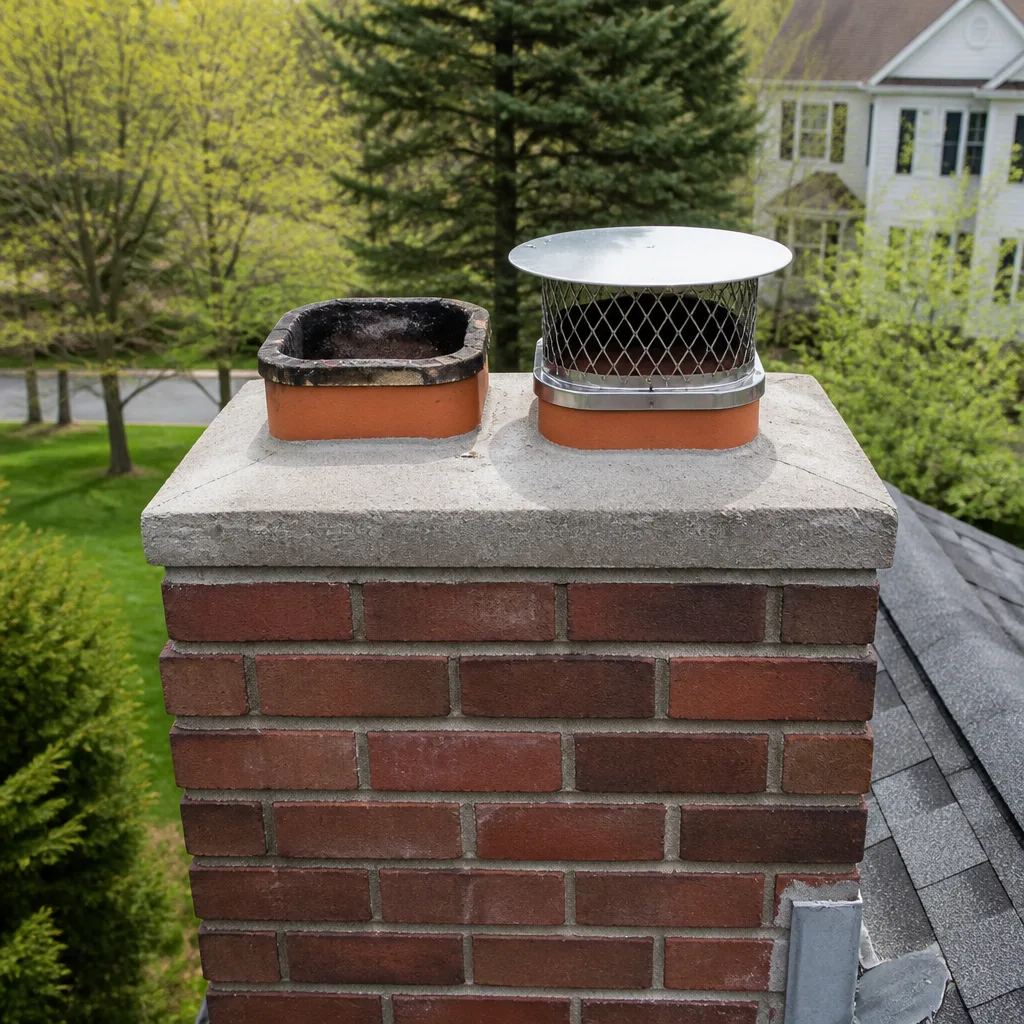
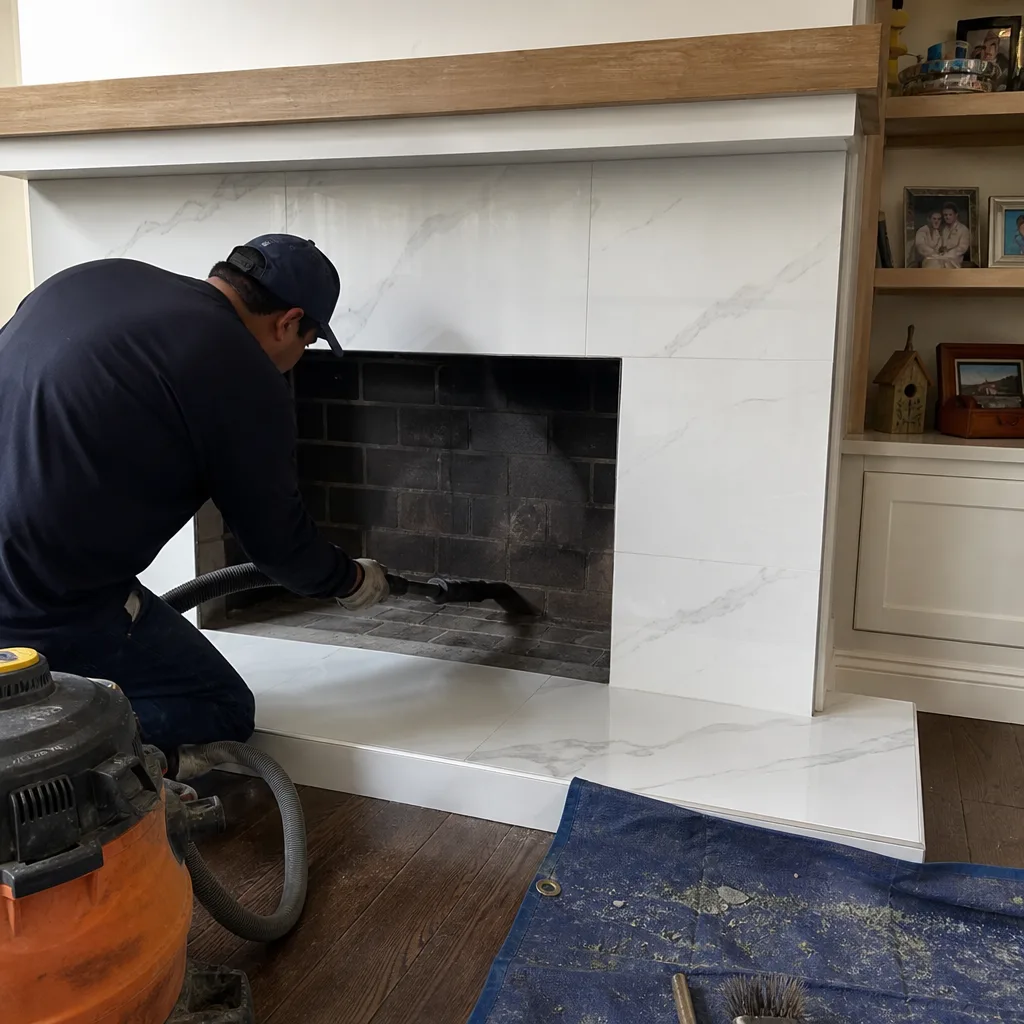
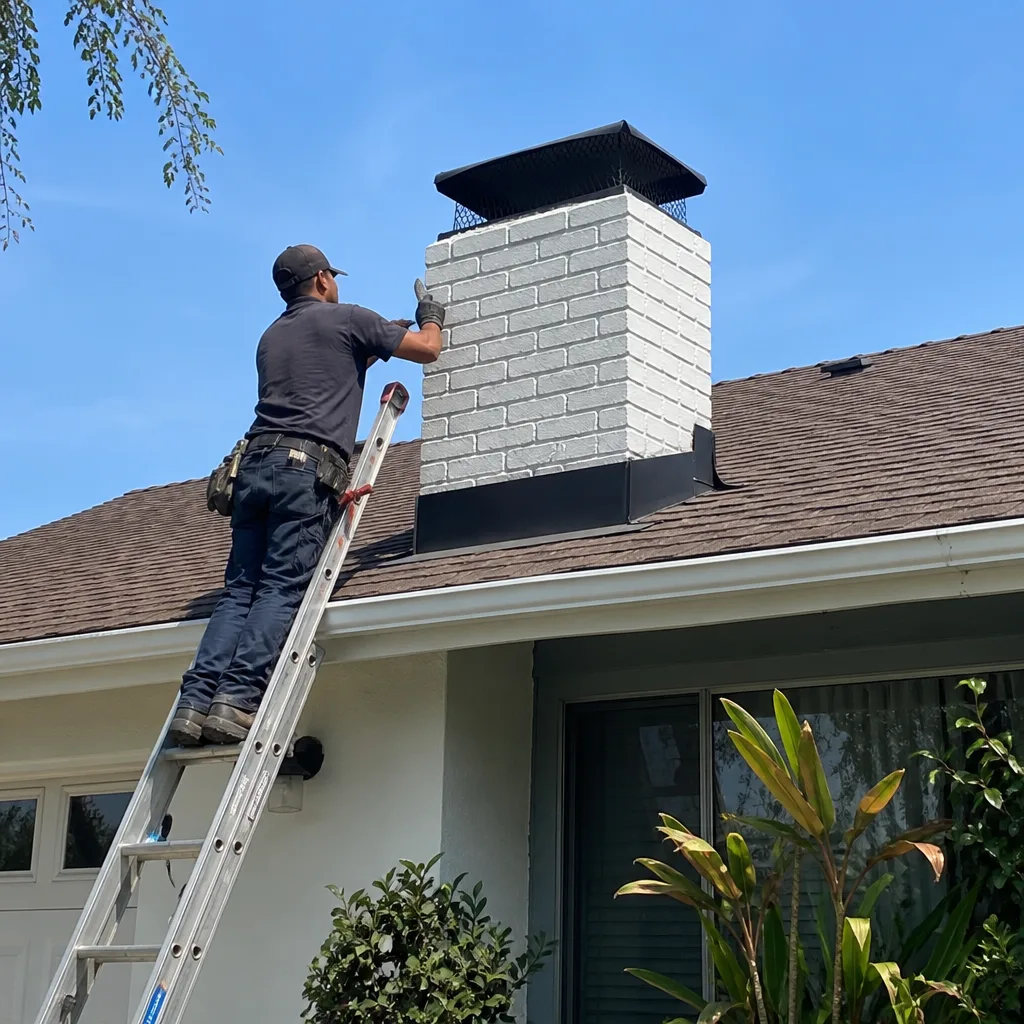
Level 1 sweep and inspection to the NFPA 211 annual standard - flue, crown, cap, and flashing checked and photographed
Chimney sweep logs do not sweep chimneys. They loosen some creosote - which then falls where a brush and vacuum still have to collect it.
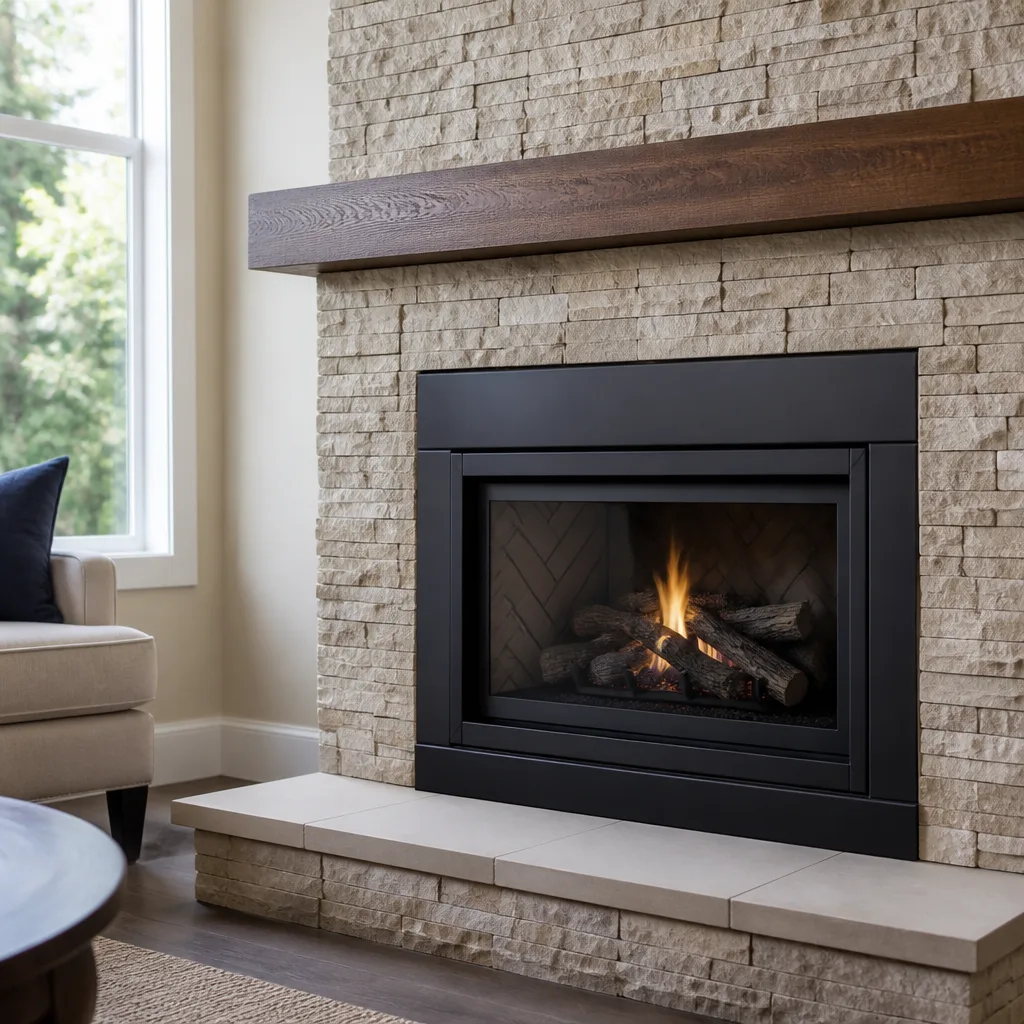
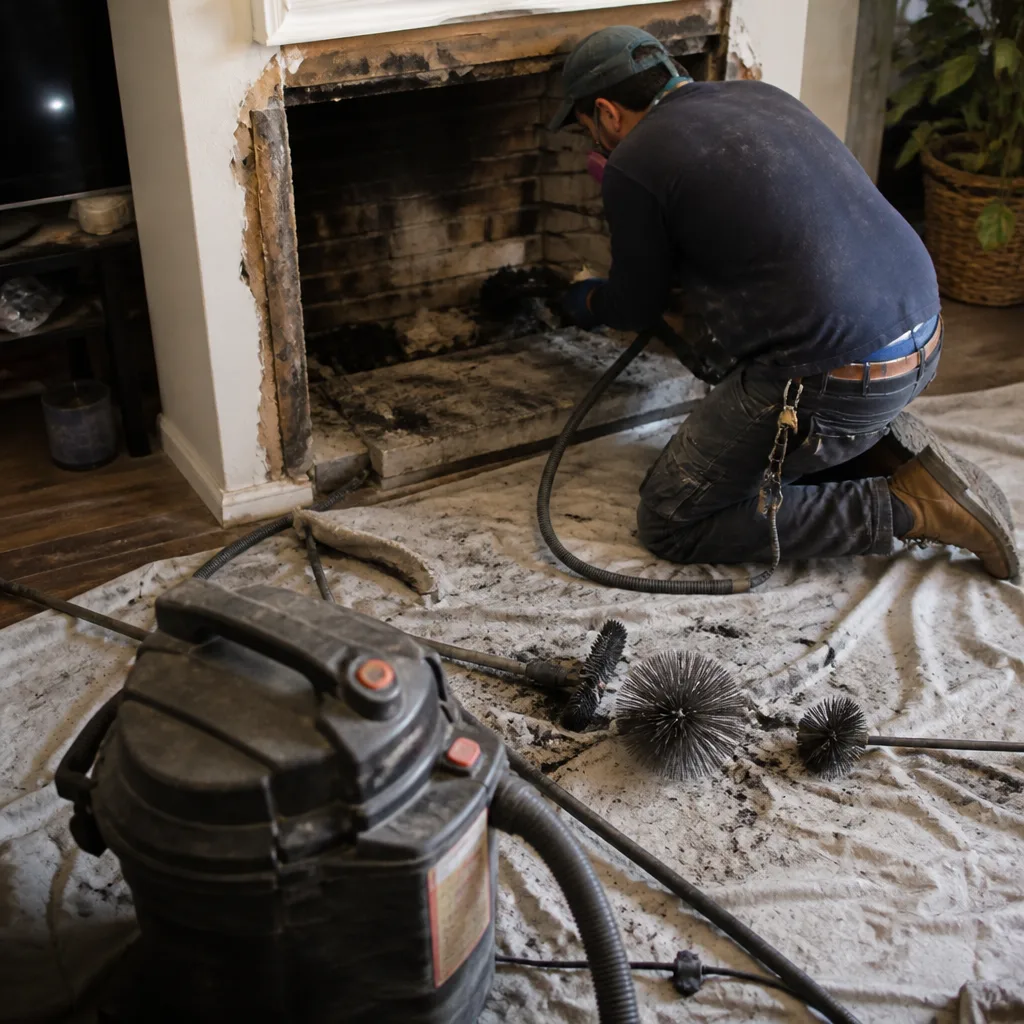 Before
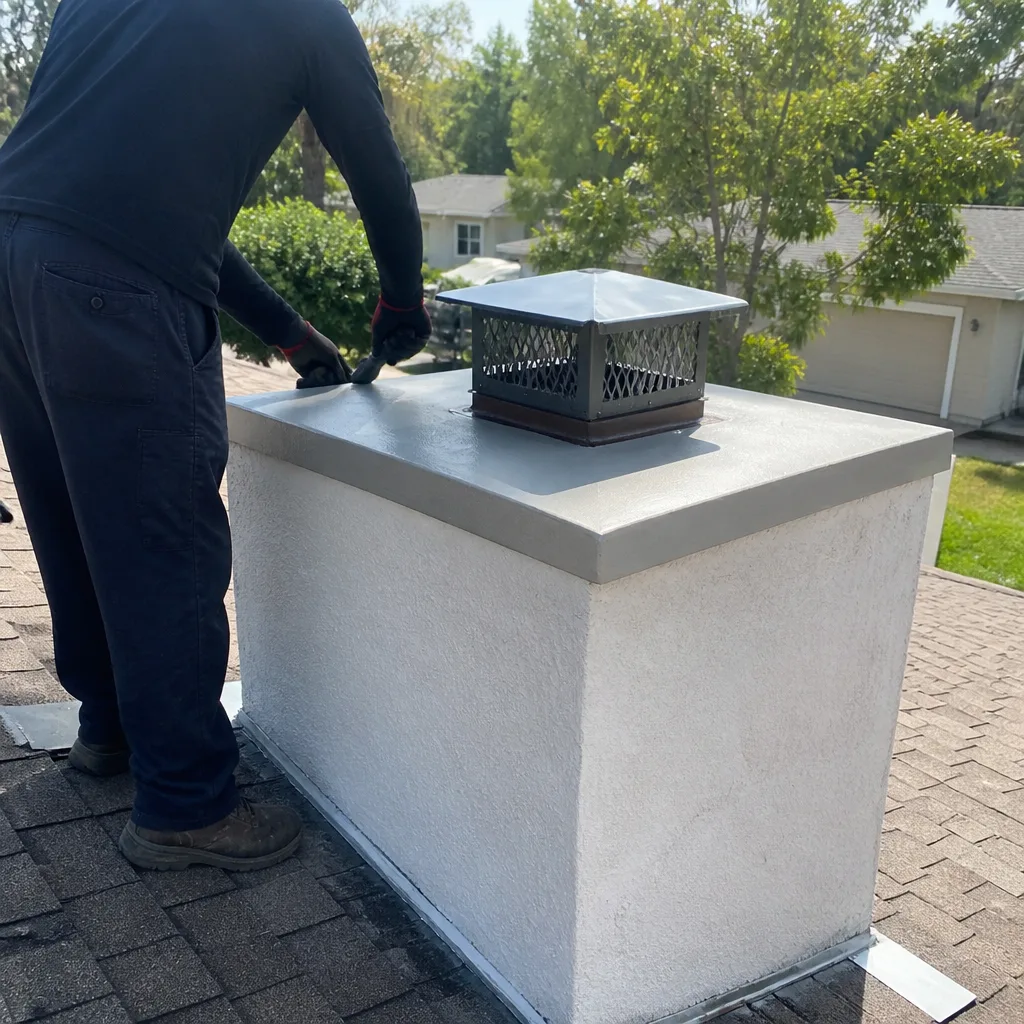 After
After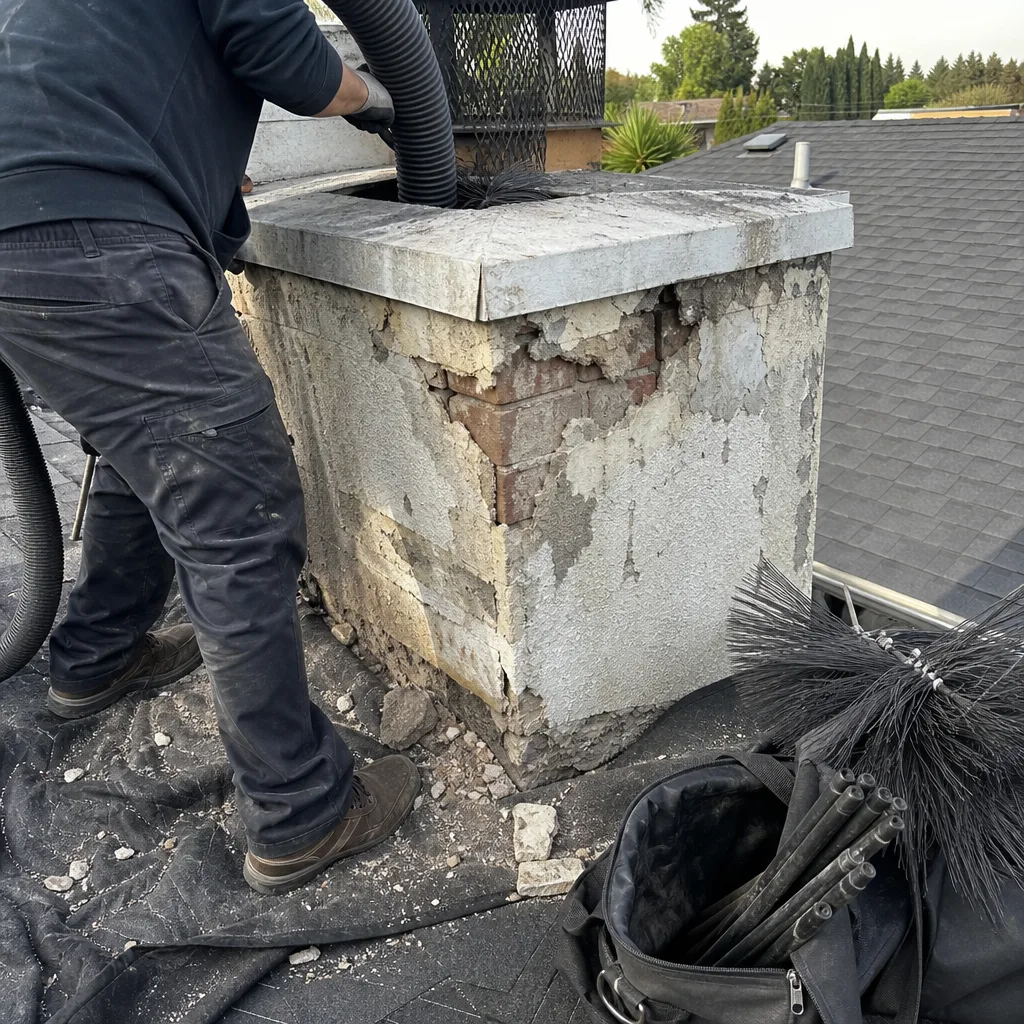 Before
 After
After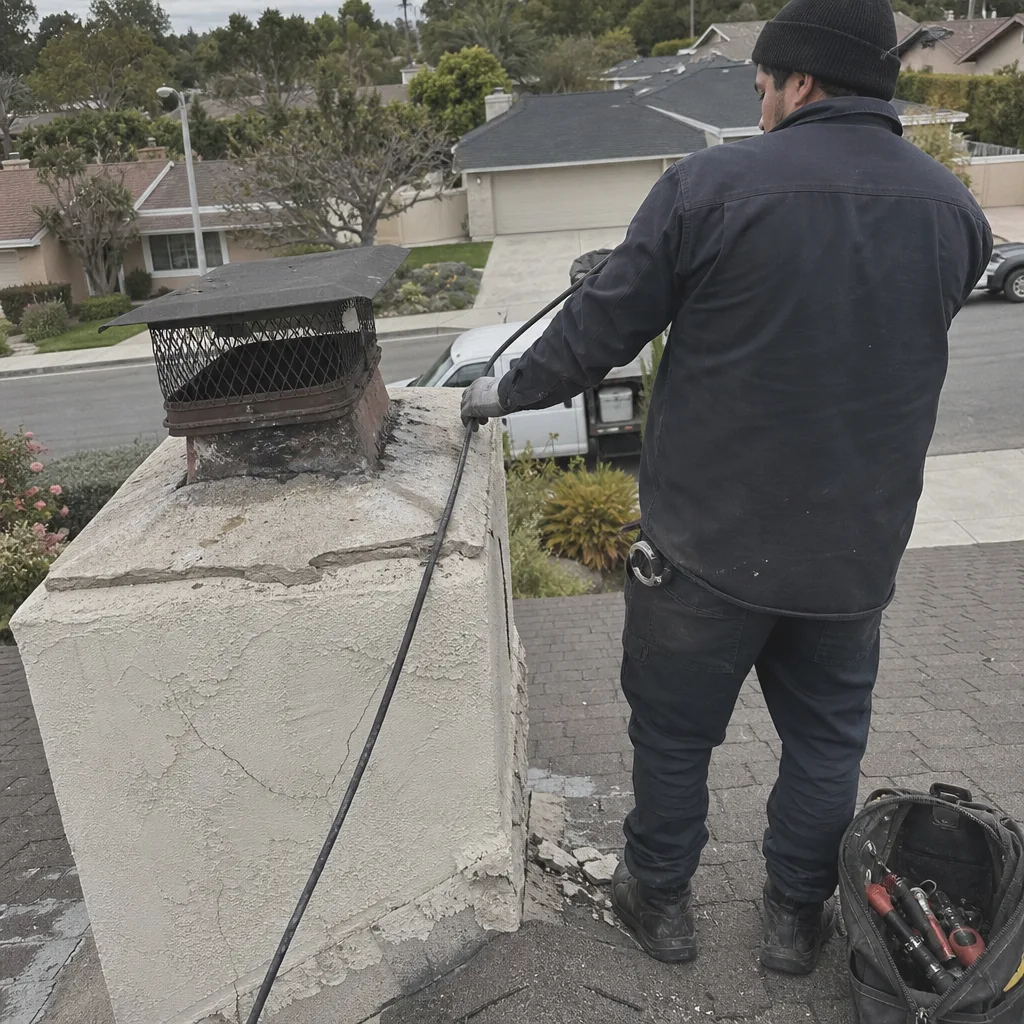 Before
 After
AfterChimney Sweep Maintenance Schedule: What to Do and When
If your fireplace burned fewer than 10 fires last year, sweeping it on the same schedule as a Vermont cabin that burned 4 cords of wood is money spent on a clean chimney rather than a necessary chimney. Yet that’s exactly what most generic maintenance advice tells you to do. This Chimney Sweep guide replaces the one-size calendar with a decision-tree schedule built around how you actually use your fireplace in Los Angeles, what fuel you burn, and what kind of chimney you have. You’ll learn the burn-frequency thresholds that determine whether you need an annual sweep, every-two-years service, or just an inspection, plus the between-sweep checks that catch problems early and how to document your maintenance so a warranty claim or insurance question never catches you flat-footed.
Quick Answer
Most Los Angeles homeowners with wood-burning fireplaces need a chimney sweep every 1 to 2 years, depending on how many fires they burn. Gas log sets and decorative-only chimneys follow a different schedule: annual inspection with sweeping typically needed only every 3 to 5 years. The right interval comes down to three things: fuel type, burn frequency, and what the last inspection found.
Table of Contents
- The Decision Tree: How Often Should a Chimney Be Swept?
- Wood-Burning Fireplaces: Burn Count Determines Sweep Interval
- Gas Log Inserts and Gas Fireplaces: A Different Maintenance Schedule
- Decorative-Only and Unused Chimneys: Inspection Matters More Than Sweeping
- Between Sweeps: Three Homeowner Checks That Catch Problems Early
- Documenting Your Chimney Maintenance: Why a Written Record Exists
- The Los Angeles Timing Window: Why October and November Matter
- Common Mistakes to Avoid
- When to Call a Professional
- Frequently Asked Questions
The Decision Tree: How Often Should a Chimney Be Swept?
The honest answer to “how often should a chimney be swept” is not a number. It’s a short series of questions, and depending on your answers, the right interval lands somewhere between every year and every five years. Here’s the decision path we use with homeowners across Los Angeles, from Hancock Park to Studio City to the hills above Pasadena:
Step 1: What fuel do you burn?
Wood: Creosote is the issue here. Every wood fire produces creosote, a tar-like residue that condenses inside the flue as smoke cools. Creosote is combustible. Left alone, it builds up in layers and becomes the fuel for a chimney fire. Even a single season of regular wood burning produces enough creosote to matter.
Gas (log set or insert): Gas does not produce creosote. But it does produce acidic condensation that can deteriorate mortar joints and metal components over time. It also produces a fine, sooty film that can accumulate on the damper and flue walls. The risk profile is different, so the schedule is different.
Step 2: How many fires per year?
This is where the generic advice falls apart. The National Fire Protection Association (NFPA 211) says chimneys should be inspected at least once a year and swept when necessary. The key phrase is “when necessary.” A chimney that burned 5 fires last year and shows minimal creosote at inspection does not need the same work as one that burned 40 fires.
Step 3: What did the last service find?
If the last sweep noted heavy creosote or a level of buildup that surprised the technician, that’s a signal to shorten the interval. If the last inspection found a clean flue with only light dusting, you may safely extend it. The chimney’s own history is the most reliable predictor of its future needs.
The Short Version
- Burns wood frequently (20+ fires/year): Sweep annually.
- Burns wood occasionally (5 – 20 fires/year): Sweep every 1 – 2 years, inspect annually.
- Burns wood rarely (under 5 fires/year): Inspect annually, sweep every 2 – 3 years.
- Gas log set or gas insert: Inspect annually, sweep every 3 – 5 years.
- Decorative only, never burned: Inspect every 2 years, sweep only if debris or animal activity is found.
Hank Delano, who runs Flint Chimney Sweep home, puts it this way: “We’d rather tell a client their chimney can go another year than take their money for a sweep they don’t need. The camera tells us the truth. The schedule follows the evidence.”
Wood-Burning Fireplaces: Burn Count Determines Sweep Interval
If you burn wood in Los Angeles, you’re probably not heating your home. You’re burning for ambiance, holidays, or the occasional cold snap in January when the marine layer hangs low and the house finally feels like it needs a fire. That means your burn counts are far lower than someone in a cold climate. A Nordic winter burns a fire most days from October to April. A Los Angeles winter might produce 15 fires between Thanksgiving and Valentine’s Day, then nothing for eight months.
Here’s what that means for your maintenance schedule:
Under 5 fires per year
You’re at the low end of the creosote risk scale. At this burn rate, a sweep every 2 to 3 years is usually sufficient, but an annual inspection still matters. Why? Because Los Angeles chimneys that sit idle for long stretches develop a different set of problems: birds, leaves, tennis balls from kids, and in the hills, the occasional raccoon or squirrel. An inspection catches blockages before you light the first fire of the season. A sweep may not be needed, but a look down the flue definitely is.
5 to 20 fires per year
This is the most common range for Los Angeles wood burners. At this burn count, creosote accumulation is real but not aggressive if you’re burning seasoned hardwood. Expect to sweep every 1 to 2 years. The deciding factor is what the technicians saw on the last visit. If the flue showed glazed or shiny creosote (the dense, hardened kind), push toward annual. If it showed light, brushable soot, two years may be fine.
20+ fires per year
You’re an active burner. In Los Angeles, this means you’re in the fireplace most winter weekends. At this rate, annual sweeping is the right call, no exceptions. The volume of creosote produced by 20-plus fires per season is enough to coat a flue in a single winter, and in some LA homes with older, oversized flues, the draft is not strong enough to clear the smoke effectively, which accelerates buildup.
One more Los Angeles-specific note: the type of wood matters more than most people think. Burning unseasoned eucalyptus (plentiful in Southern California) produces a heavy, oily smoke that condenses fast. If you burn local free wood that hasn’t been split and dried for at least a year, treat your chimney as if you burn one tier higher.
Gas Log Inserts and Gas Fireplaces: A Different Maintenance Schedule
Gas gets treated like the easy option, and in some ways it is. No creosote, no flying embers, no ash cleanup. But gas-burning chimneys develop their own problems, and they follow their own schedule.
When natural gas burns, it produces water vapor and small amounts of acidic compounds. Inside a flue, that vapor condenses on cooler surfaces. Over months and years, the acidic condensation attacks mortar joints, degrades clay tile liners, and corrodes metal components. Chimneys serving gas logs typically wear differently than wood-burning flues: less creosote, more spalling and flaking.
Here’s the gas maintenance schedule:
Annually
- Inspect the flue for deteriorated mortar or damaged liner tiles.
- Check the damper position and function. Gas logs require a damper clamp or a permanently open damper so combustion gases always vent.
- Verify the gas log set is properly positioned and the burner is clean.
- Check the chimney cap for corrosion or blockages.
Every 3 to 5 years
- Full sweep of the flue to remove accumulated soot film and any debris that has fallen in.
- More detailed inspection of mortar joints, with repair recommendations if spalling is found.
- Evaluation of the liner condition, especially if the home is older and the liner is clay tile.
If your gas fireplace vents directly through a wall instead of a chimney, none of this applies. Direct-vent gas fireplaces have sealed combustion and don’t use the chimney at all.
Decorative-Only and Unused Chimneys: Inspection Matters More Than Sweeping
Plenty of Los Angeles homes have fireplaces that never see a flame. They’re architectural features or were decommissioned by a previous owner. If that describes your home, the sweeping schedule is not your concern. Your concern is the slow, invisible damage that happens when a chimney sits unused.
Here’s what we find in unused Los Angeles chimneys:
- Nesting animals: Chimney swifts, starlings, and squirrels love an unused flue. Nests block draft and create a fire hazard if the chimney is ever lit again.
- Leaf and debris accumulation: Especially in Los Angeles neighborhoods with mature oak, sycamore, and eucalyptus trees hanging over rooflines.
- Water intrusion: A cracked chimney cap or degraded crown lets rainwater into the flue, and rain plus unused soot equals an acidic sludge that eats at mortar.
- Damper seizure: Dampers that sit closed for years rust in place, making the fireplace impossible to use without repair.
For unused and decorative chimneys, schedule an inspection every two years. Sweeping is only needed if the inspection finds debris, animal activity, or significant buildup from prior use. The goal is to catch water damage and blockages before they turn into Chimney Repair in Los Angeles bills that could have been avoided.
Between Sweeps: Three Homeowner Checks That Catch Problems Early
You don’t need tools or training to spot Chimney Sweep Warning Signs Every Homeowner Should Know. Between professional services, these three checks take less than ten minutes total and catch most problems before they become expensive. They follow the trade principle of inspect what you expect.
Check 1: The Flashlight Look (Monthly, or Before Each Fire)
- Open the damper and shine a flashlight up the flue.
- Look for anything that shouldn’t be there: nesting material, leaves, hanging debris, or a dark, shiny coating on the flue walls (that’s glazed creosote).
- If you see blockage or heavy buildup, stop using the fireplace and schedule an inspection.
Check 2: The Crown and Cap Check (Quarterly, or After Any Big Storm)
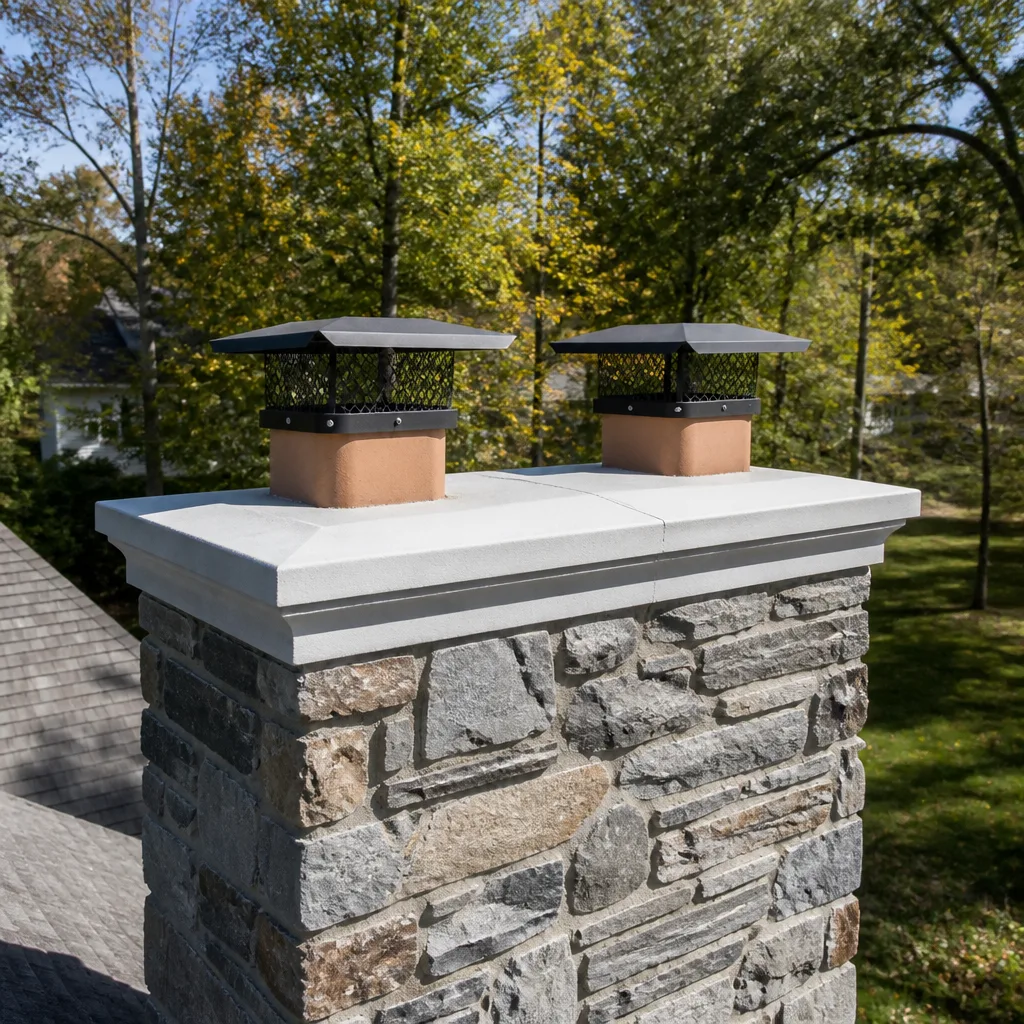
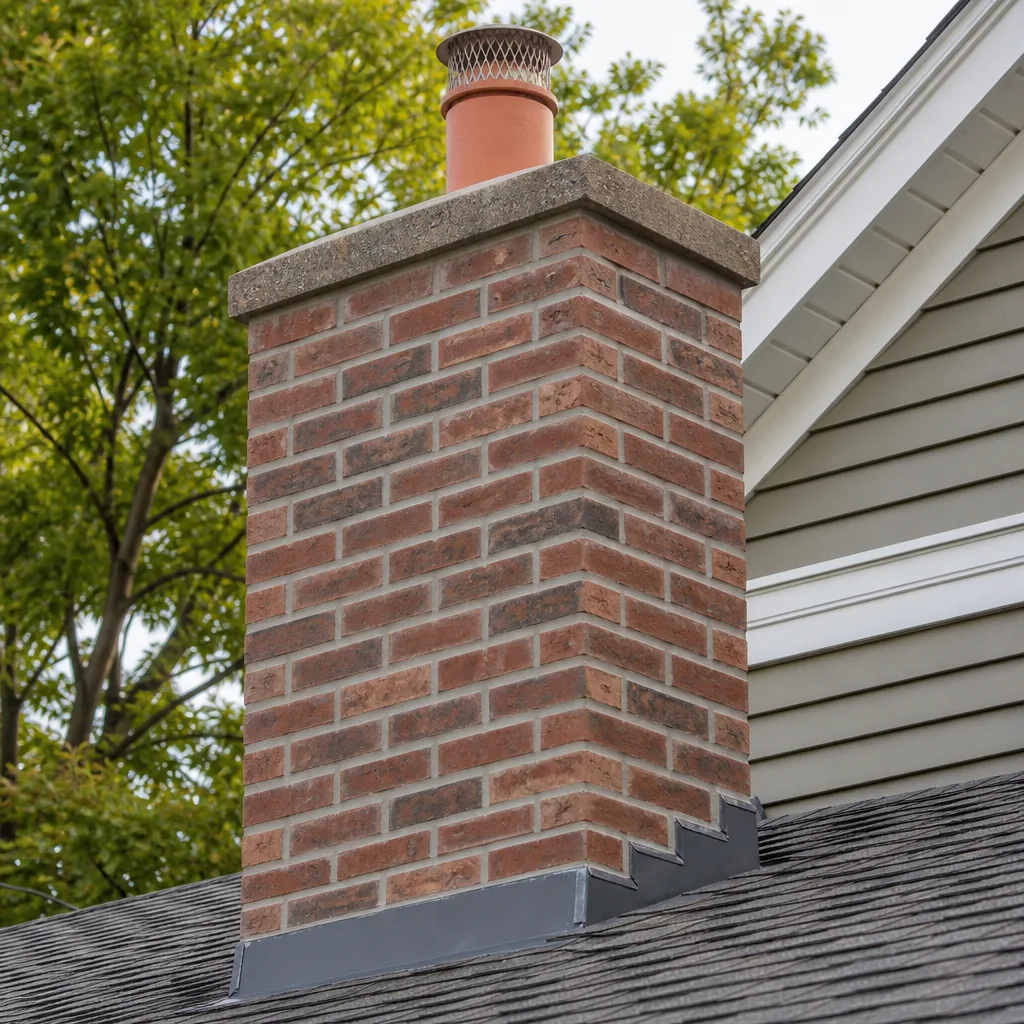
From the ground or a safe vantage point, look at the top of the chimney. The crown (the concrete surface at the very top) and the cap (the metal cover) are your first line of defense against water. You’re looking for cracks in the concrete, a cap that’s come loose or tilted, or visible rust on the cap. In Los Angeles, the violent Santa Ana winds of October and November are the most common cause of cap damage we see.
Check 3: The Floor-Level Smell Test (Year-Round, Especially in Summer)
Stand near the fireplace and take note of any odor. A properly functioning chimney should not smell during hot weather. If you get a smoky, musty, or “wet ash” smell in July or August, that’s a sign of moisture getting into the flue or creosote accumulation that has absorbed humidity. In Los Angeles, where summer temperatures regularly push into the 90s, this is a common complaint. It usually signals a chimney cap problem, a missing damper seal, or a buildup that needs sweeping.
Documenting Your Chimney Maintenance: Why a Written Record Exists
Most homeowners don’t think about chimney documentation until they need it, and by then it’s too late. Here’s why you should keep a written record, and how to do it without turning it into a chore.
Reason 1: Warranty Claims
If you’ve had a liner installed, a chimney rebuilt, or any repair work done, the material warranty almost always requires proof of regular maintenance. Brands like DuraFlex, Olympia Chimney, and Famco all carry warranties on their chimney products. Those warranties are void if the chimney wasn’t maintained to a reasonable standard. Your service records are the proof. A homeowner who can produce a receipt showing a sweep and inspection at the proper intervals is in a strong position. A homeowner who says “I think we had it cleaned once” is not.
Reason 2: Insurance Questions
If a chimney fire or water damage claim ever lands on your insurance policy, the adjuster’s first question will be about maintenance. Insurers expect homeowners to maintain their chimneys the same way they maintain their roofs and water heaters. Written records showing regular sweeps and inspections make your claim straightforward. No records mean an uphill fight.
Reason 3: Selling Your Home
In the Los Angeles real estate market, a chimney that looks neglected can cost you in negotiations. A clean maintenance record tells the buyer’s inspector, and the buyer, that the fireplace is not a hidden problem.
How to Keep Your Records
- Save every invoice and inspection report in one folder, physical or digital.
- Make sure each report states the date, what was done, and what was found.
- Ask for photo documentation if it’s not included. A good Chimney Inspection in Los Angeles will include camera photos of the flue as standard.
- Note any recommendations the technician made, even if you didn’t act on them, so you can track them over time.
At Flint Chimney Sweep, every service includes a written report with photos. If a covered repair fails within our one-year guarantee period, we return at no charge, and the record of that repair is yours to keep.
The Los Angeles Timing Window: Why October and November Matter
Los Angeles doesn’t have a winter in the way most of the country does, but it has a fireplace season, and it starts predictably: the first evening when the temperature drops low enough that you want a fire, usually in late November or December. The mistake most people make is waiting until then to schedule a sweep.
The right time to book your chimney sweep in Los Angeles is October or November. Here’s why the timing matters in this city specifically:
Better Pricing and Faster Appointments
Chimney service companies in Los Angeles get slammed the week after Thanksgiving. It’s the same dynamic as air conditioning repair in July. If you schedule in October, you get your choice of appointment times at regular pricing. If you wait until December 5th, you’re competing with every other homeowner who just lit their first fire and realized the fireplace smells.
Santa Ana Season
October and November bring the strongest Santa Ana winds of the year to Los Angeles. These winds are hard on chimney caps and crowns, and they strip leaves off trees and deposit them into open flues. An October inspection catches that damage before you light a fire under it.
Burn Season Begins on a Schedule
Los Angeles County’s no-burn days, declared by the South Coast Air Quality Management District on high-pollution days, mean you’ll sometimes light your first fire earlier than expected simply because weather allows it. An October sweep means you’re ready the first no-burn evening of the season, not waiting for a service call you can’t get until January.
If you need a Chimney Sweep in Los Angeles, aim for October. Even November is fine. By December, you’re paying the procrastination penalty in wait time if not in dollars.
Common Mistakes to Avoid
- Sweeping on a herd schedule. If your neighbor gets an annual sweep because a national company sent a reminder postcard, that doesn’t mean you need one. Your schedule follows your burn count and fuel type, not a marketing calendar.
- Skipping the inspection because the fireplace “works fine.” A chimney can be dangerously blocked and still look fine from the living room. The dangerous stuff is inside the flue where you can’t see it without a camera.
- Ignoring gas fireplace maintenance entirely. Gas logs don’t produce creosote, but they do produce acidic condensation that eats mortar over time. “It’s just gas” is not a maintenance plan.
- Burning unseasoned wood and thinking the sweep schedule covers it. Wet or green wood, especially the eucalyptus that’s abundant in Los Angeles, produces heavy creosote fast. One season of green wood can undo years of careful maintenance.
- Waiting until December to schedule. In Los Angeles, the post-Thanksgiving rush is real. October and November appointments are easier to get and often cheaper.
- Throwing away your service records. The receipt from three years ago is the proof you need for a warranty claim or insurance adjuster today. Keep it.
- Assuming an unused chimney needs no attention at all. Unused chimneys collect animals, water, and debris. An inspection every two years catches small problems before they become structural ones.
When to Call a Professional
Call a chimney professional when you notice any of these issues, which we detail in our Chimney Sweep Troubleshooting: Common Problems and How to Fix Them: a burning smell that wasn’t there before, visible cracks in the firebox or the chimney’s exterior, water stains on the ceiling near the chimney, animals or debris in the flue, or a fire that won’t draft properly and pushes smoke into the room. Also call if it’s been more than two years since your last inspection, regardless of how little you’ve used the fireplace. If you’re in Los Angeles and want a straight answer without pressure, Flint Chimney Sweep offers free estimates. Call (830) 251-4560 and we’ll tell you what your chimney actually needs, with a written price before any work begins.
Frequently Asked Questions
A standard chimney sweep in Los Angeles typically runs between $180 and $350, depending on the chimney’s height, accessibility, and the amount of buildup present. At Flint Chimney Sweep, we provide a written price before any work starts, so the number you approve is the number you pay, no surprises. Call (830) 251-4560 for an exact quote. Estimates are free.
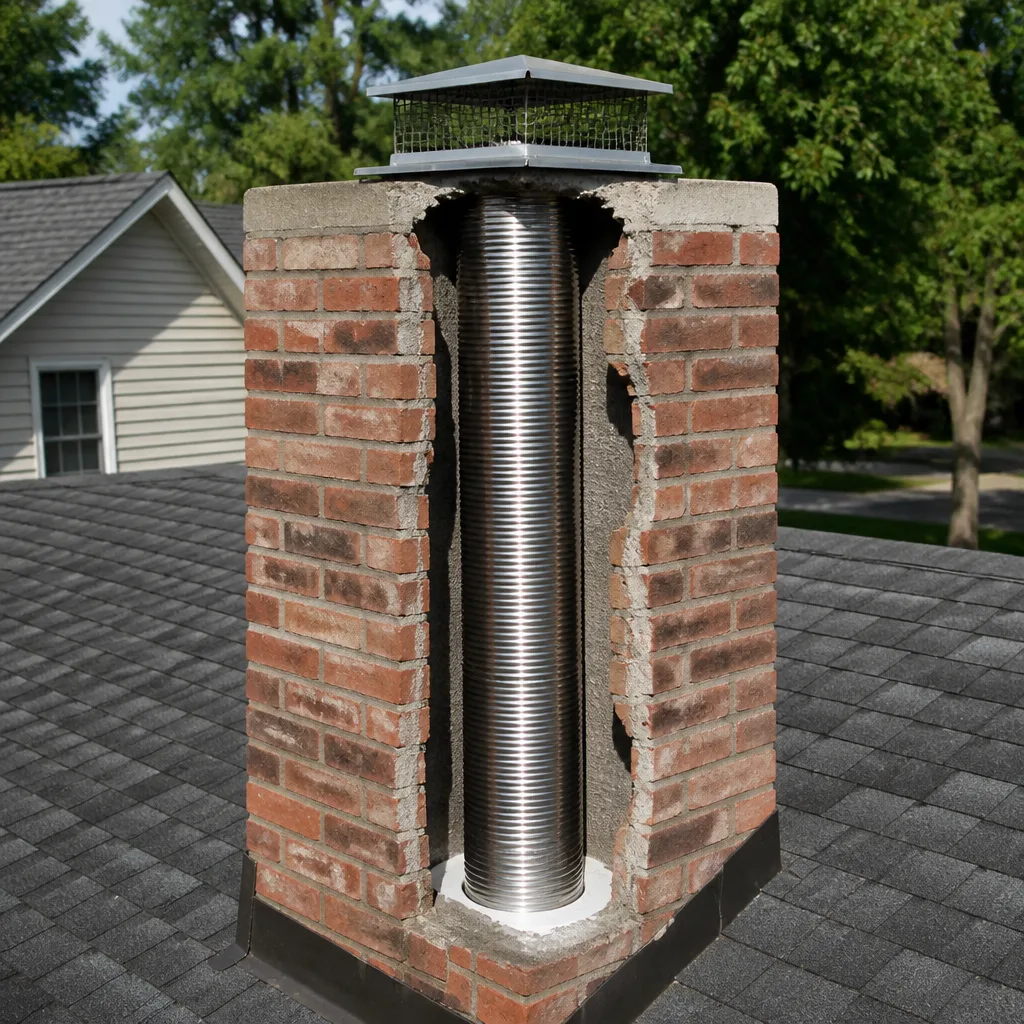
A new liner is only needed when the current one is cracked, spalling, or no longer safely contains combustion gases, which a camera inspection can confirm. In our experience, many homeowners are told they need a new liner based on age alone, but the camera tells the real story. If the liner is intact and the flue is clean, you don’t need to spend thousands replacing it just because a company wants the job.
Creosote builds up in the flue, and creosote is combustible. If it accumulates thickly enough and a fire gets hot enough, the creosote can ignite, creating a chimney fire that reaches temperatures high enough to crack flue tiles and spread to the house. Even short of a fire, buildup restricts draft and pushes smoke into your home. A sweep costs a few hundred dollars. A chimney fire costs a lot more.
A gas fireplace should be inspected once a year, with a full sweep typically needed every 3 to 5 years. The annual check catches soot buildup, damper issues, and acidic corrosion of mortar joints before they become real problems. Call (830) 251-4560 to schedule an inspection, and we’ll tell you honestly whether your gas chimney needs a sweep this year or can wait.
You can do a basic visual check of the firebox and the exterior chimney, looking for cracks, debris, or visible damage. But the interior flue requires a camera and, often, roof access, which is work best left to a trained technician. The danger in a chimney inspection is the part you can’t see from the living room.
The single best prevention is a properly fitted chimney cap with intact mesh screening, installed by a professional. Los Angeles neighborhoods with tree canopy and older homes see regular issues with squirrels, birds, and raccoons in chimneys. A secure cap stops animals and debris from getting in while still allowing proper draft.
The Bottom Line
For more guides & resources, the right chimney maintenance schedule depends on what you burn, how often you burn, and what your last inspection found. Wood burners in Los Angeles generally need sweeping every 1 to 2 years depending on burn count. Gas fireplaces need annual inspection with sweeping every 3 to 5 years. Unused chimneys need inspection every 2 years. October and November are the smart months to schedule in Los Angeles, the months when pricing is fair and appointments are available. And whatever your schedule, keep the receipts. A written service record is the difference between a smooth warranty or insurance claim and a fight you can’t win.
Written by Hank Delano, Owner at Flint Chimney Sweep, serving Los Angeles since 2002.