
Last updated October 9, 2026
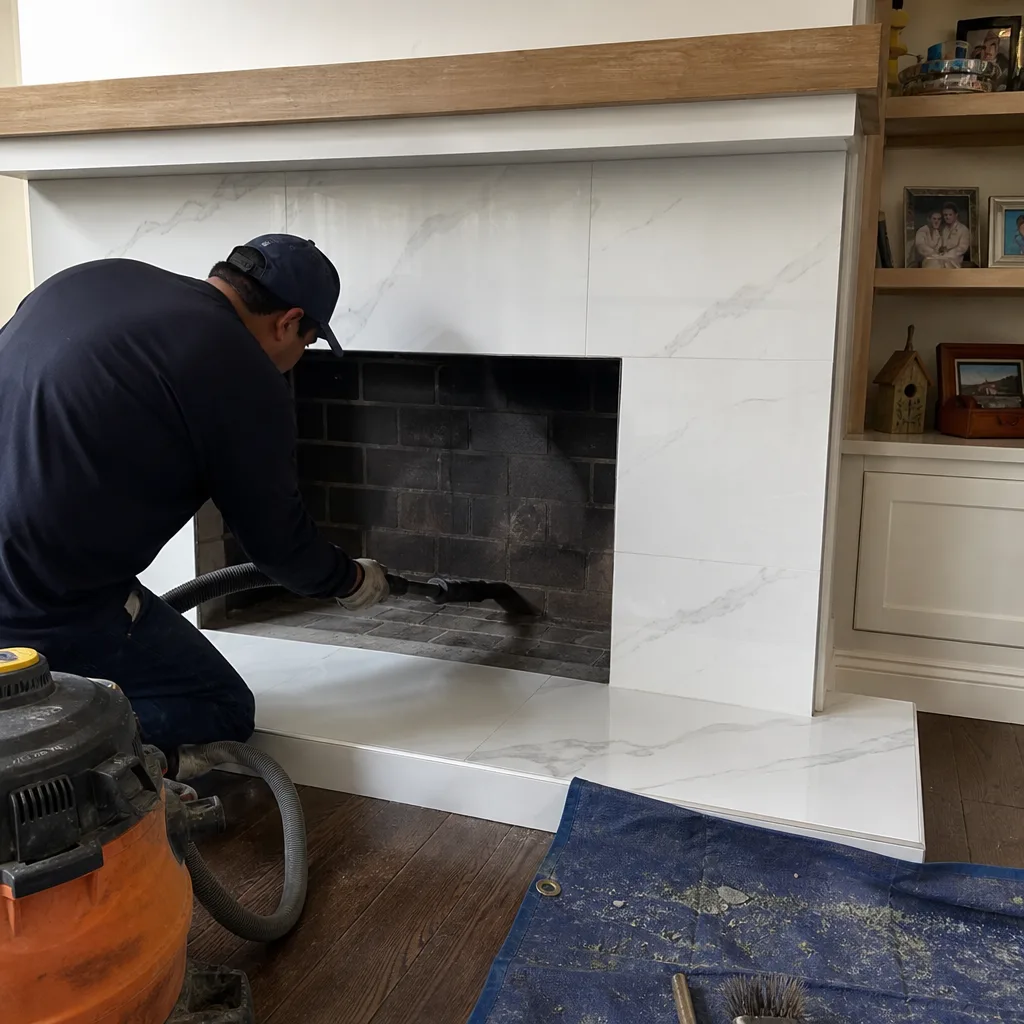
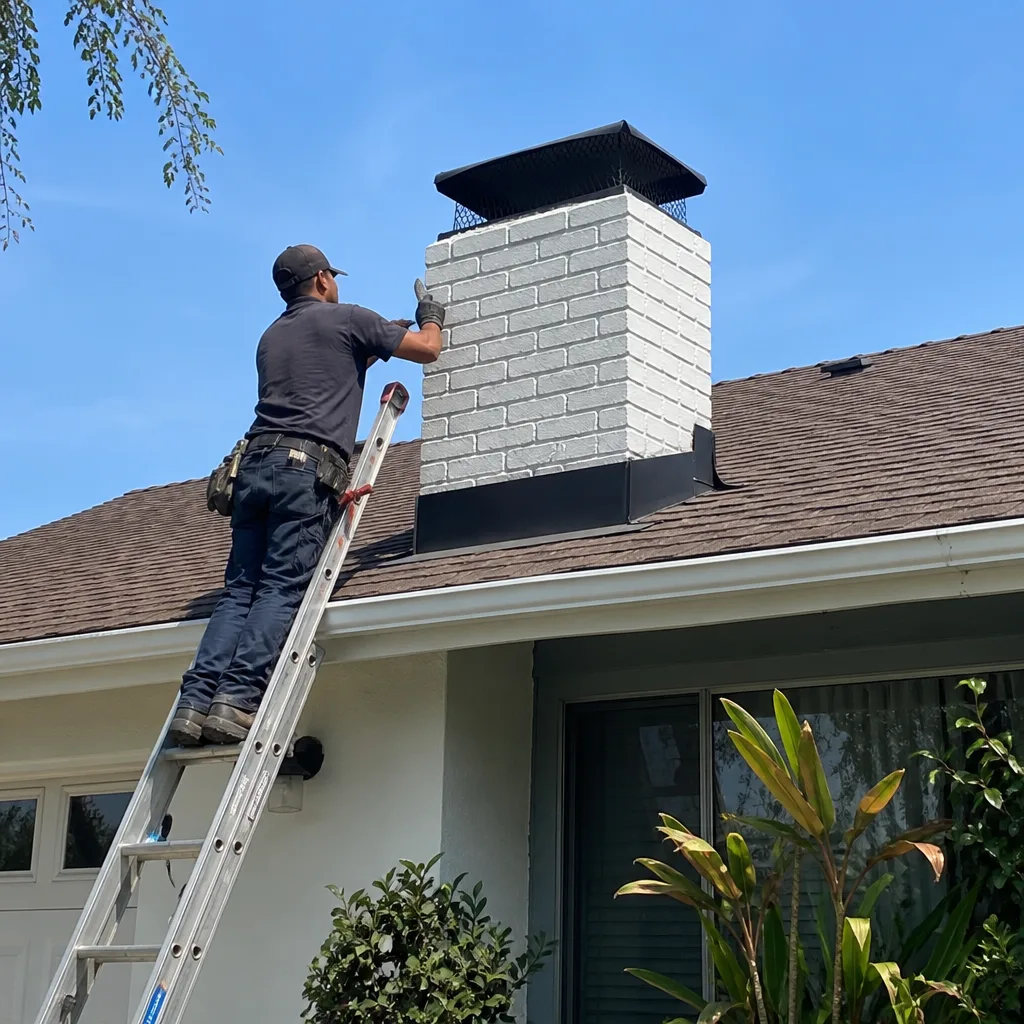
Level 1 sweep and inspection to the NFPA 211 annual standard - flue, crown, cap, and flashing checked and photographed
Chimney sweep logs do not sweep chimneys. They loosen some creosote - which then falls where a brush and vacuum still have to collect it.
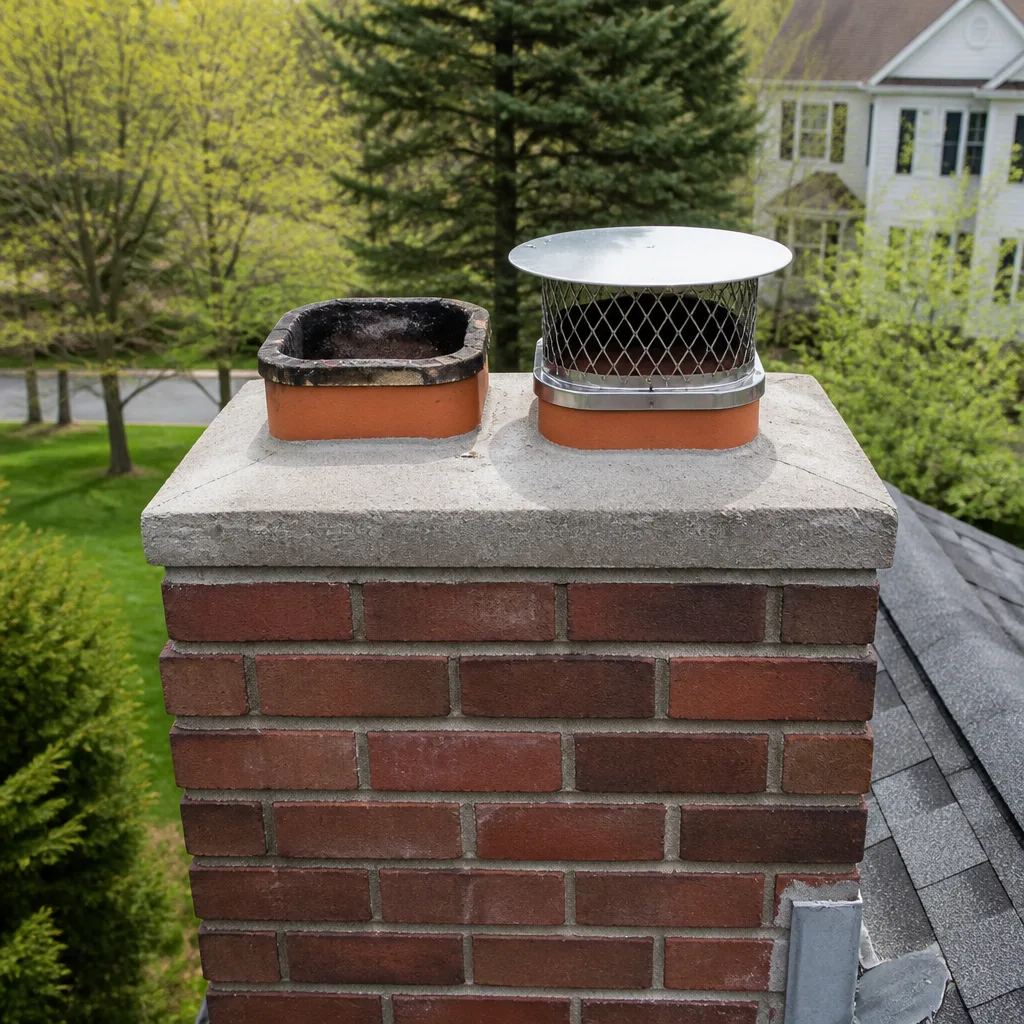
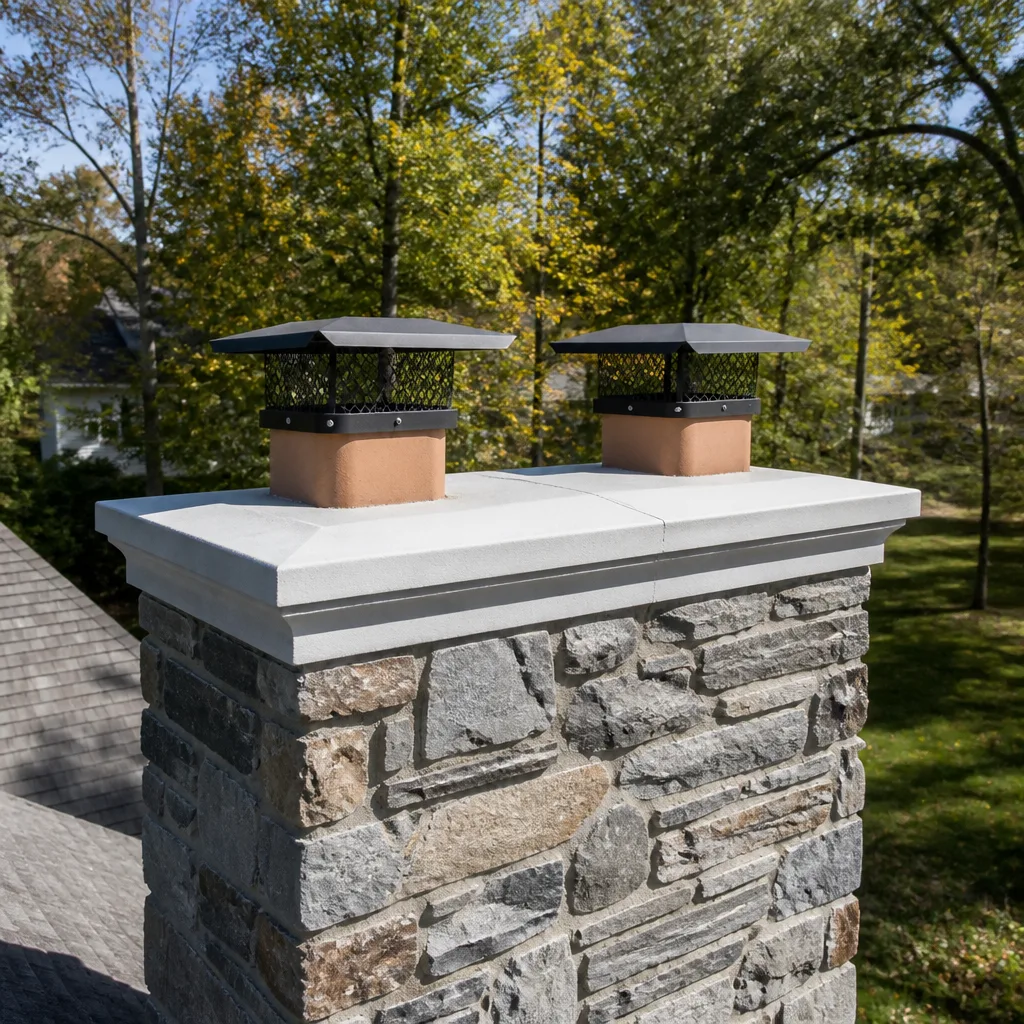
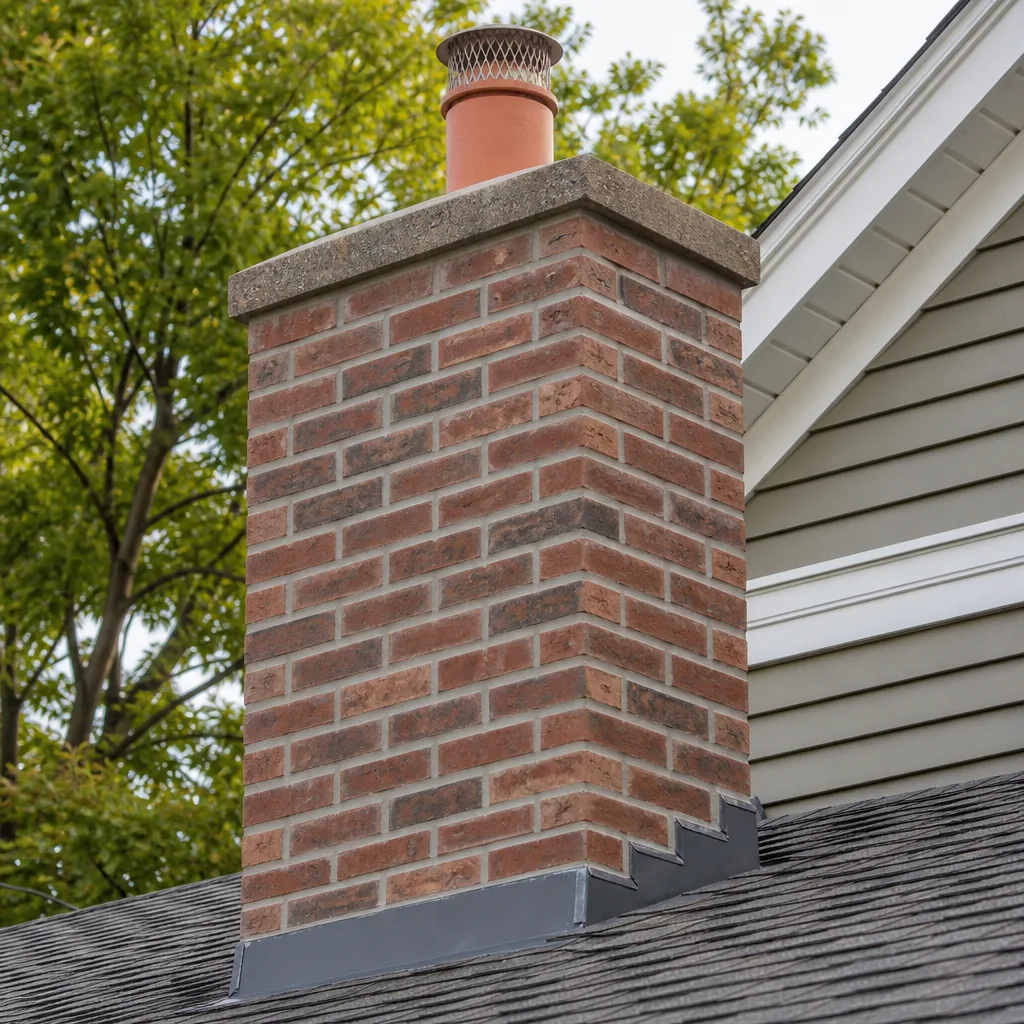
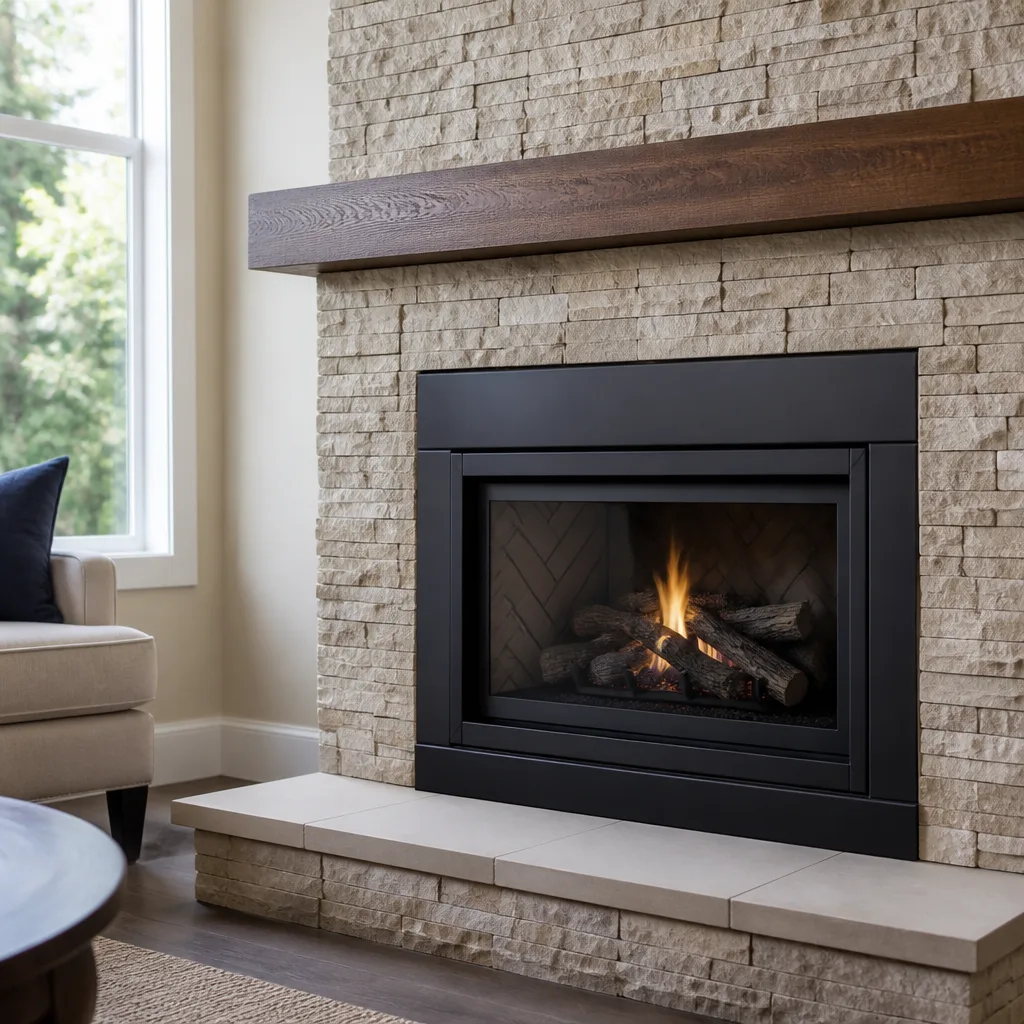
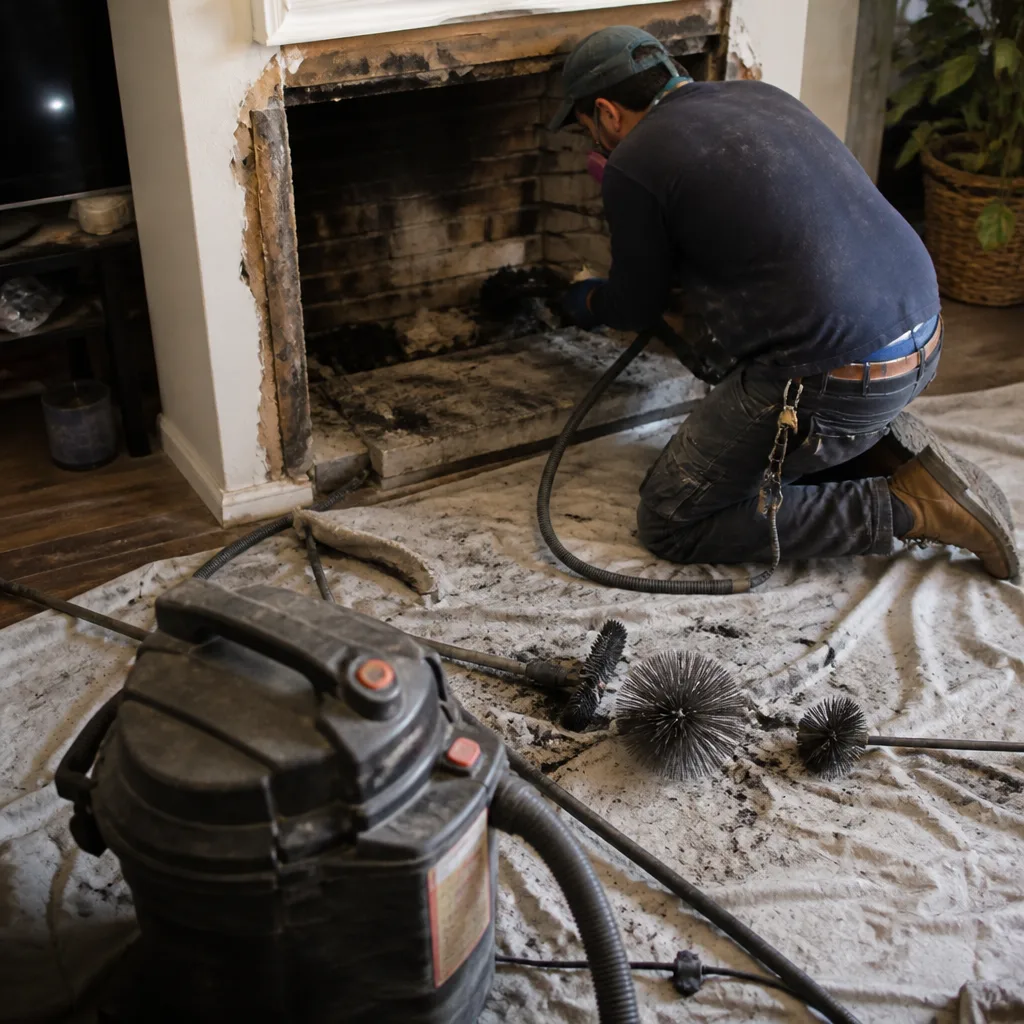 Before
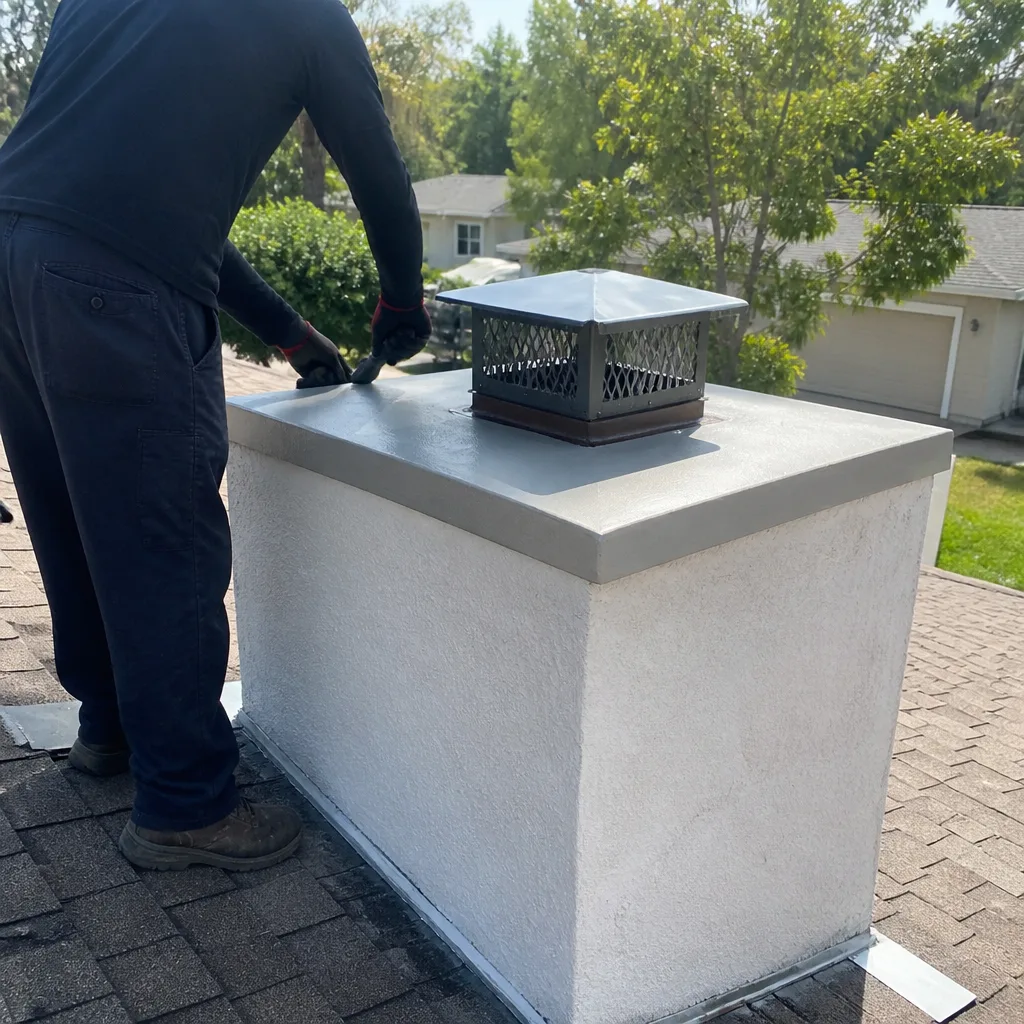 After
After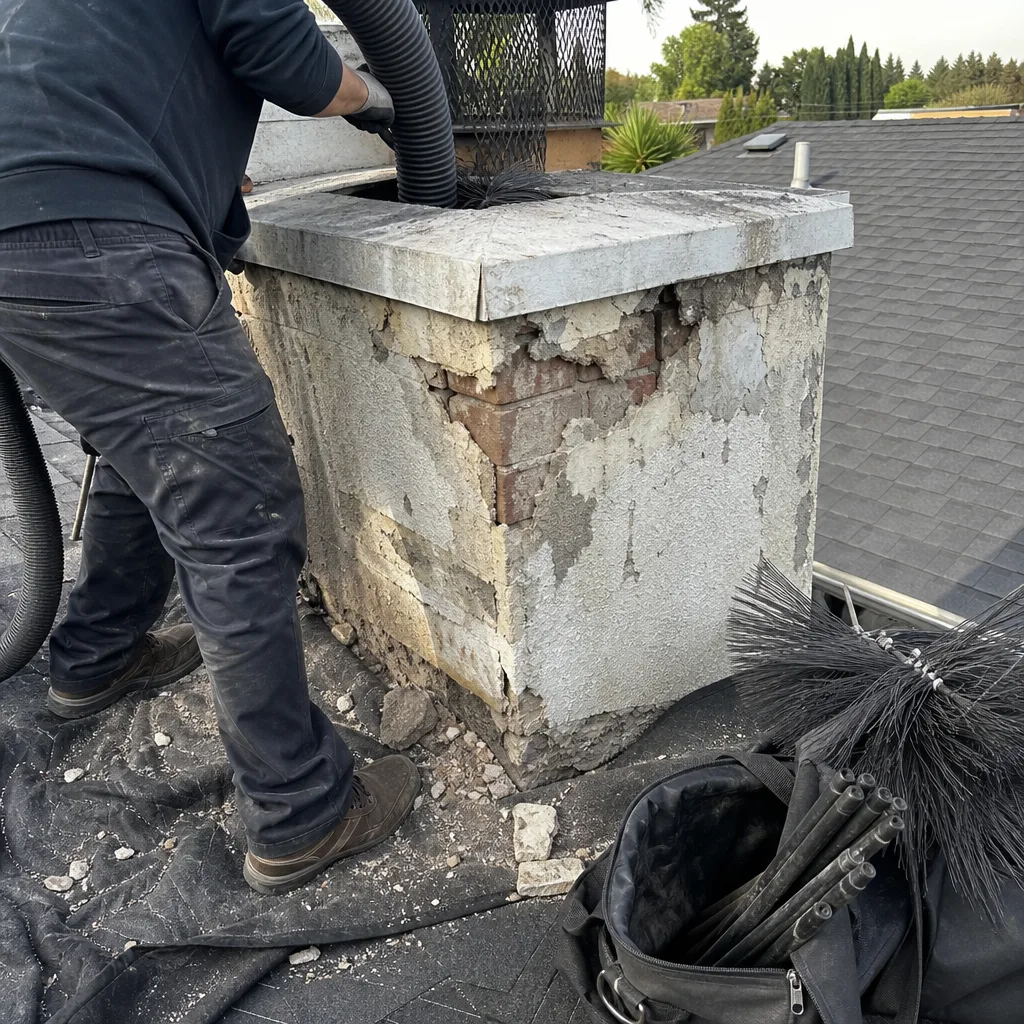 Before
 After
After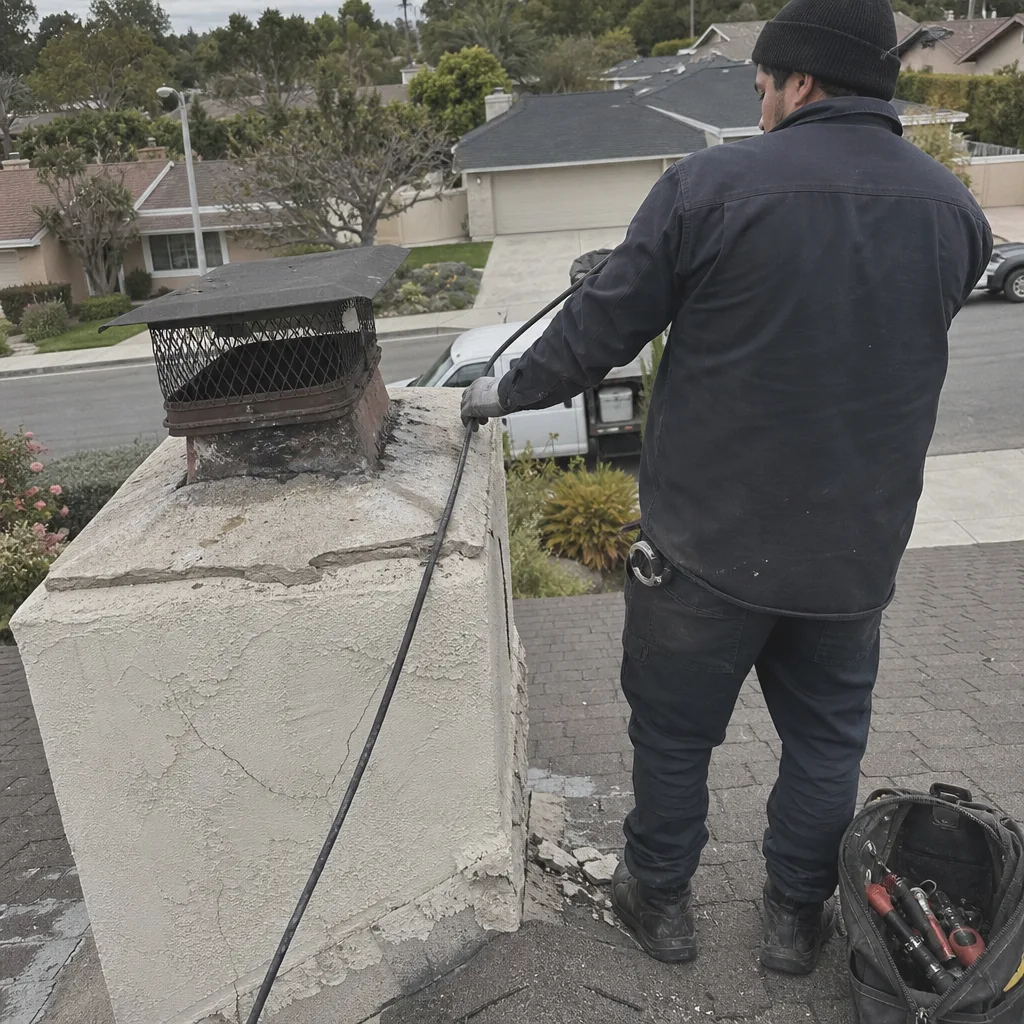 Before
 After
AfterChimney Repair Troubleshooting: Common Problems and How to Fix Them
When a chimney smokes back into the house, nine out of ten homeowners assume the flue is blocked. In Los Angeles, where homes built before 1980 rarely have modern combustion air intakes, the actual cause is negative air pressure at least half the time. That means no amount of sweeping fixes it. This guide walks through the diagnostic chain for every major chimney problem: what you observe, what it means structurally, and what the correct Chimney Repair services actually is. You’ll learn how to spot a legitimate estimate, how to run a simple draft test yourself, and how to tell the difference between a real hazard and a scare-tactic upsell.
Quick Answer
Chimney problems fall into five categories: draft failure, moisture intrusion, structural deterioration, damper malfunction, and flue liner damage. Each has a specific root cause, and most can be diagnosed visually before a contractor ever steps inside the house. A smoky fireplace usually means negative air pressure, not a dirty flue. Efflorescence means water is getting into the masonry, not that the bricks are old. Knowing the difference determines whether you pay $200 for a sweep or $3,000 for a liner you didn’t need. For Chimney Repair Warning Signs Every Homeowner Should Know, read our detailed guide.
Table of Contents
- Problem 1: The Fireplace Smokes Back Into the House
- Problem 2: White Stains on the Exterior Brick (Efflorescence)
- Problem 3: A Damper That Won’t Seal or Open
- Problem 4: Water in the Firebox After Rain
- Problem 5: Crumbling Mortar Joints
- Problem 6: Flue Liner Cracks and Deterioration
- Problem 7: Strong Odors When the Fireplace Isn’t in Use
- Common Mistakes to Avoid
- When to Call a Professional
- Frequently Asked Questions
Problem 1: The Fireplace Smokes Back Into the House
What you observe: Smoke rolls into the living room when the fire is lit, gets worse as the fire builds, and lingers long after the flue is open.
What it means structurally: Most Los Angeles homeowners assume a blocked flue. In our experience, that’s wrong about half the time. The real culprit is usually negative air pressure. Modern homes are sealed tight: double-pane windows, weatherstripped doors, attic insulation, kitchen exhaust fans. When you light a fire, the chimney needs to draw air from somewhere. If the house can’t supply it, the chimney reverses and pulls smoke down instead of venting it up. Running a clothes dryer or a range hood makes it worse.
How to confirm before spending money: Crack a window near the fireplace two inches and relight the fire. If the smoke clears, you have a draft problem, not a blockage problem. A blocked flue stays smoky with the window open. That’s the match test in practice, and it costs you nothing.
The correct repair: If the window test confirms negative pressure, the fix is a combustion air intake or a top-sealing damper that stays open during use. If the flue is genuinely obstructed, a sweep resolves it. In Los Angeles, nests, creosote glaze, and fallen mortar are the three most common blockages we pull out of flues. A standard sweep in the LA market typically runs $180 to $320. If the blockage is a deteriorated liner section, the repair is different, and we cover that below.
Problem 2: White Stains on the Exterior Brick (Efflorescence)
What you observe: White, chalky deposits on the brick face, often in bands or patches, worse after rain. It looks like salt crusted on the surface.
What it means structurally: Efflorescence is not a cosmetic problem and it’s not a sign your bricks are failing. It’s mineral salts carried to the surface by water moving through the masonry. That water is entering somewhere: a cracked chimney cap, missing crown mortar, damaged flashing, or porous brick that was never sealed. The stain itself is harmless. The water movement behind it is not.
The correct repair: Stop the water entry point first. In Los Angeles, where we get sudden heavy rain followed by long dry spells, water cycles through masonry aggressively. The crown, the concrete slab at the top of the chimney, is the most common entry point here because seismic settling shifts chimneys and cracks the crown. A proper repair means a new crown or a repaired one with a flexible sealant applied over a bond break. Then address the flashing at the roofline. Only after the water is stopped do you clean the efflorescence and, if needed, apply a breathable masonry sealer.
What a legitimate estimate itemizes: Crown repair or replacement, flashing inspection and correction, masonry cleaning, and optional sealing. A quote that skips the water source and only offers power washing is a red flag. You’d pay for a clean chimney that re-stains after the next storm.
Problem 3: A Damper That Won’t Seal or Open
What you observe: A damper handle that’s stiff, a damper that falls open, or one that won’t close fully. In summer, you feel warm air dropping into the room. In winter, you feel a cold draft. Maybe you hear metal scraping when you work the handle.
What it means structurally: Dampers fail three ways: warped metal, corroded hinges, or a detached linkage. Warping happens when a fire burns too hot with the damper partially closed, which is common in older Los Angeles homes where fireplaces were built without proper smoke shelves. Corrosion is rust, plain and simple, accelerated by coastal moisture in neighborhoods near Santa Monica or Marina del Rey. A detached linkage means the handle spins but nothing moves inside the throat of the flue.
The correct repair: A stuck or detached damper can often be repaired with a new linkage assembly, which is inexpensive, usually under $150 in parts and labor. A warped or rusted damper plate usually needs replacement. The better long-term fix is a top-sealing damper, which seals from the top of the flue with a gasket, cuts drafts, and sits out of the fire’s direct heat. Top-sealing dampers run $250 to $500 installed in the LA area, and they solve the seal problem permanently.
A caution: Never burn a fire with a damper that won’t open. Carbon monoxide builds, and it doesn’t care if you meant to fix it this fall.
Problem 4: Water in the Firebox After Rain
What you observe: Puddles or dampness in the firebox after storms. Sometimes you hear dripping from inside the flue. Rust streaks appear on the damper. The firebox smells musty in summer.
What it means structurally: Water in the firebox has one of four sources: a cracked chimney crown, failed flashing where the chimney meets the roofline, a missing or damaged chimney cap, or a cracked flue liner letting rain in from the side. In Los Angeles, the crown is the usual suspect because our dry-season heat cycles bake the concrete until it cracks, and then winter rain finds the crack and flows straight down the flue.
The diagnostic chain:
- Check the cap first. If the cap is missing or rusted through, rain falls directly into the flue. That’s the simplest fix: install a proper stainless cap.
- If the cap is intact, check the crown. Look for visible cracks, spalling, or a crown that slopes toward the flue instead of away from it.
- If the crown looks sound, inspect the flashing. Failed flashing shows up as water stains on the ceiling near the chimney chase, not just in the firebox.
- If all three are sound, the liner may be cracked, and the fix is a flue resurfacing or relining job, which runs $2,000 to $6,000 depending on the system.
We install chimney caps made by Olympia Chimney and Famco because they hold up to the coastal salt air better than the thin aluminum caps that come with most builder-grade setups. A proper stainless cap runs $180 to $400 installed.
Problem 5: Crumbling Mortar Joints
What you observe: Missing or crumbling mortar between the bricks, especially near the top of the chimney. Bits of mortar appear in the gutter or on the ground below. The brick itself may look fine, or you might see chunks falling away.
What it means structurally: Mortar is the sacrificial layer of a masonry chimney. It absorbs the movement from thermal expansion and seismic activity so the brick doesn’t crack. When mortar deteriorates past a certain point, the chimney loses structural integrity. In Los Angeles, where we live with regular minor earthquakes, deteriorated mortar is a real safety issue, not just an appearance issue. A chimney with failing mortar can shift during an earthquake and drop bricks onto the roof or into the house.
The correct repair: Tuckpointing, which means grinding out the old mortar to a consistent depth and repacking the joints with fresh mortar matched to the original. This runs $15 to $30 per square foot in LA depending on access and height. If the deterioration has gone far enough that bricks are loose, the repair shifts to partial rebuild, which costs more and needs a structural evaluation.
How to tell which you need: If you can scrape mortar out with a flathead screwdriver and the bricks still feel solid, you need tuckpointing. If bricks shift when you push on them with firm hand pressure, you need more than mortar, and you should have it evaluated before the next rainy season. We work with Copperfield masonry products for tuckpointing because their mortar mixes are engineered for the thermal cycling specific to chimneys.
Problem 6: Flue Liner Cracks and Deterioration
What you observe: You won’t see liner cracks from the living room. What you’ll see are the secondary signs: pieces of flue tile at the bottom of the firebox, white staining on the exterior brick in one vertical stripe, or smoke seeping through the walls into upper rooms. If you have a level 2 inspection done, the camera shows the damage directly.
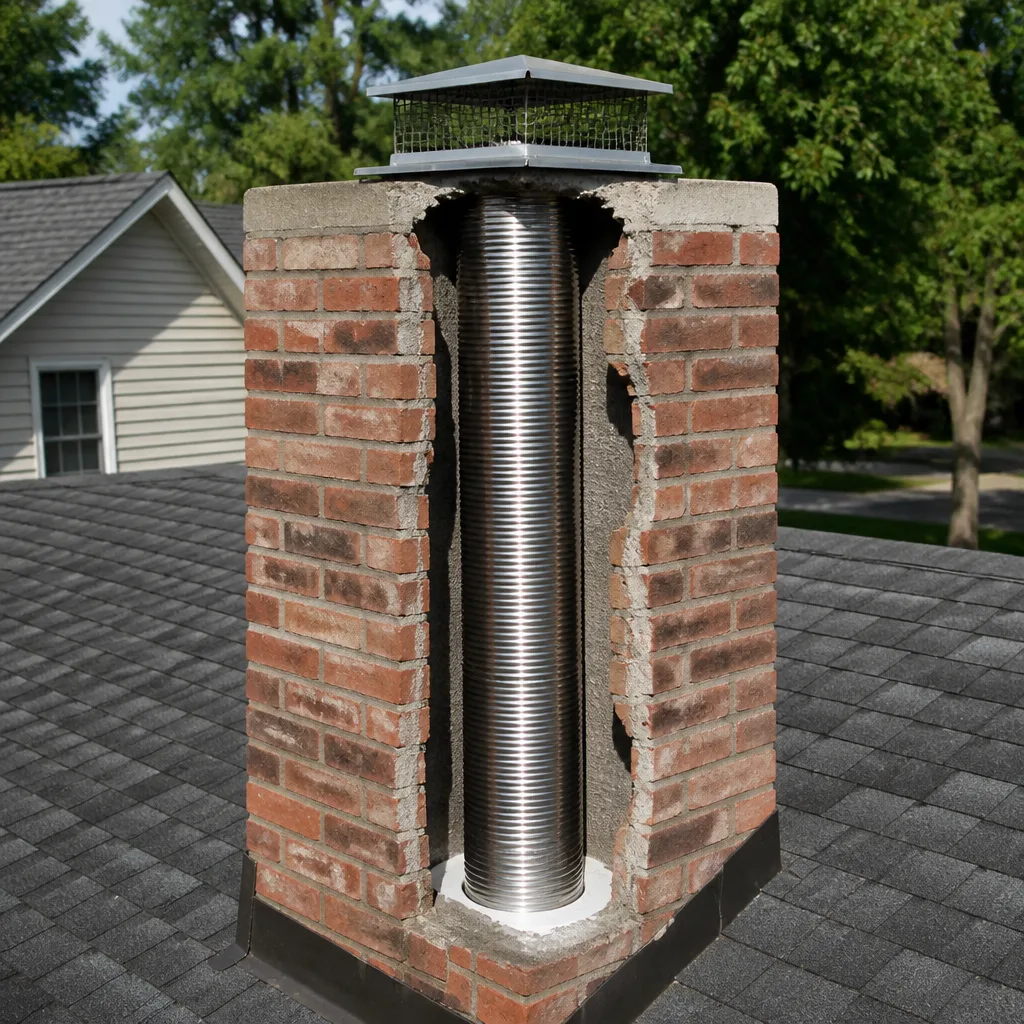
What it means structurally: The flue liner is the inner pipe that channels smoke and heat safely out of the house. In Los Angeles, most pre-1985 chimneys were built with terracotta clay tiles. Heat cycles and seismic movement crack those tiles. Once a liner is cracked, the smoke path is compromised, and heat can reach the combustible framing around the chimney. That’s how chimney fires start in houses that have never had a hot fire in the flue itself.
The correct repair, two options:
- HeatShield resurfacing: A ceramic material applied through the flue to seal cracks and restore a smooth, continuous smoke path. Best for minor to moderate damage with no missing tile sections. Runs $2,000 to $4,000 in LA.
- Stainless steel relining with DuraFlex: A flexible stainless liner installed inside the existing flue. Best for severe damage, missing tiles, or when switching to a wood stove or insert. Runs $3,500 to $7,000.
Neither of these should be sold to you sight unseen. A legitimate repair estimate includes a camera inspection showing exactly where the damage is and why the recommended fix matches the damage. If a contractor recommends a liner without showing you the camera footage, get a second opinion. We don’t recommend liner work without photo evidence the homeowner can look at themselves, because you shouldn’t be asked to approve a $5,000 repair on trust alone.
Problem 7: Strong Odors When the Fireplace Isn’t in Use
What you observe: A campfire smell in summer, a musty odor after rain, or a sulfur-like smell on humid days. Sometimes it fills the whole room. Sometimes it’s only noticeable near the fireplace.
What it means structurally: Odor comes from three sources. Creosote in the flue, the black residue that builds up from wood fires, releases a sweet campfire smell when humidity spikes. Standing water in the firebox or at the base of the flue releases a musty smell. And a damper that doesn’t seal lets outdoor air, with whatever is out there, drop into the house.
The diagnostic chain:
- If the smell is sweet and campfire-like, the flue has creosote buildup. The fix is a sweep, typically $180 to $320 in Los Angeles.
- If the smell is musty and worse after rain, water is getting in. That points to the crown, cap, or flashing problems covered in the water intrusion section above.
- If the smell comes and goes with the wind, the damper isn’t sealing. A top-sealing damper solves that.
One more LA-specific note: coastal neighborhoods get heavier morning marine layer, which drives humidity into flues and amplifies creosote odors. If you’re near the water and smell campfire on July mornings, a sweep makes an immediate difference, and a top-sealing damper stops the air exchange altogether.
Common Mistakes to Avoid
- Assuming smoke means a clogged flue. Run the window test first. If the smoke clears with a window open, cleaning the flue won’t fix the problem. You have a draft issue, not a blockage.
- Sealing efflorescence before fixing the water source. Sealing over active water intrusion traps moisture in the brick and accelerates spalling. Stop the water, clean the stain, then seal if needed.
- Accepting a liner recommendation without camera evidence. A cracked liner is invisible from the top of the chimney. Any legitimate repair estimate includes video inspection footage you can see with your own eyes.
- Running the dryer or kitchen exhaust during a fire. Both pull air out of the house and can reverse the chimney draft on a sealed LA home. Turn them off, crack a window, and see if the smoke stops.
- Patching cracked crowns with roof caulk. Silicone roof caulk doesn’t bond properly to concrete crowns and fails within a season. The crown needs a flexible sealant applied over a bond break, or replacement.
- Burning pine and construction lumber in an open fireplace. Resinous wood creates fast creosote buildup and, in Los Angeles where many flues are oversized for the firebox, incomplete combustion makes it worse. Seasoned hardwood burns cleaner.
- Ignoring mortar deterioration because the chimney looks fine from the street. Mortar fails from the top down. By the time you see it from the ground, the top three feet of the chimney may already be structurally weak. LA’s seismic activity doesn’t wait for you to get around to it.
When to Call a Professional
Call a professional when you see water in the firebox that isn’t resolved by a new cap, when mortar joints are actively crumbling, when a liner crack shows up on inspection, or when smoke won’t stop even with a window cracked and the dryer off. Those are structural problems, not maintenance items. We also recommend a professional inspection after any significant earthquake, even if it didn’t feel that strong. Chimneys are cantilevered masonry structures, and a quake that does nothing to your walls can open a hairline crack in a crown or liner. Flint Chimney Sweep offers free estimates in Los Angeles, and every repair gets a written price before any work starts. Call (830) 251-4560.
Frequently Asked Questions
A chimney sweep in Los Angeles runs $180 to $320. A chimney cap with installation runs $180 to $400. Tuckpointing runs $15 to $30 per square foot. A top-sealing damper runs $250 to $500. Flue resurfacing with HeatShield runs $2,000 to $4,000, and a full stainless relining with DuraFlex runs $3,500 to $7,000. These are the ranges we see across the LA market, and every Flint Chimney Sweep job includes a written price before work starts. Call (830) 251-4560 for an exact quote.
Yes, for draft and water issues you can run two simple tests. The window test tells you whether smoke is caused by negative air pressure or a blockage. The visual inspection tells you whether the crown, cap, and flashing are intact. What you can’t test yourself is the condition of the flue liner and the smoke shelf, which require a camera inspection. Those hidden areas are where the expensive repairs live, so a level 2 inspection is worth the cost before any big repair decision.
The efflorescence itself is cosmetic. The water movement behind it is not. Water moving through masonry will eventually crack bricks through freeze-thaw cycles, and while Los Angeles doesn’t freeze hard, the wet-dry cycle we do get is rough on brick over a decade. Fix the water source, and the efflorescence stops recurring.
Annually, and after any significant seismic event. The National Fire Protection Association standard is an annual inspection with a sweep as needed based on usage. LA’s earthquake risk means a visual check after any shaker is worth doing even if you use the fireplace rarely.
A sweep removes creosote and debris from the flue so the chimney drafts safely. An inspection evaluates the structure: the liner, crown, cap, flashing, mortar, damper, and smoke shelf. A sweep doesn’t reveal hidden liner cracks. An inspection doesn’t clean the flue. Most LA chimneys need both, and our Chimney Inspection in Los Angeles service covers the structural evaluation with camera documentation.
If the damage is sudden and accidental, like an earthquake cracking a liner or a storm breaking a cap, coverage is possible. Wear-and-tear, like crumbling mortar or a rusted damper, is typically excluded. We recommend documenting the condition with photos and keeping your inspection records, because claims go through faster when you can show the damage was not gradual neglect. For repair estimates and guides on what documentation to keep, call (830) 251-4560.
The Bottom Line
Every chimney problem has a symptom you can see, a cause you can identify, and a fix that either makes sense or doesn’t. Smoke that clears with a window open means draft, not obstruction. Efflorescence means water, not age. Crumbling mortar means tuckpointing, not a full rebuild, unless the bricks themselves have shifted. A liner recommendation without camera footage means find another contractor. In Los Angeles, where we deal with seismic movement, coastal humidity, and a housing stock that predates modern building codes, the cheapest fix is often the correct one, and the expensive fix is sometimes a sales pitch dressed up in a hard hat. Learn the diagnostic chain. Ask for the evidence. And if you want a second set of eyes on the problem, call (830) 251-4560 for a free estimate. Every repair comes with a written price before work starts and a 365-Day Done Right Promise in writing. For more on our repair services, see Chimney Repair in Los Angeles, and for regular maintenance, start with Chimney Sweep in Los Angeles.
Written by Hank Delano, Owner at Flint Chimney Sweep, serving Los Angeles since 2002.