
Last updated October 9, 2026
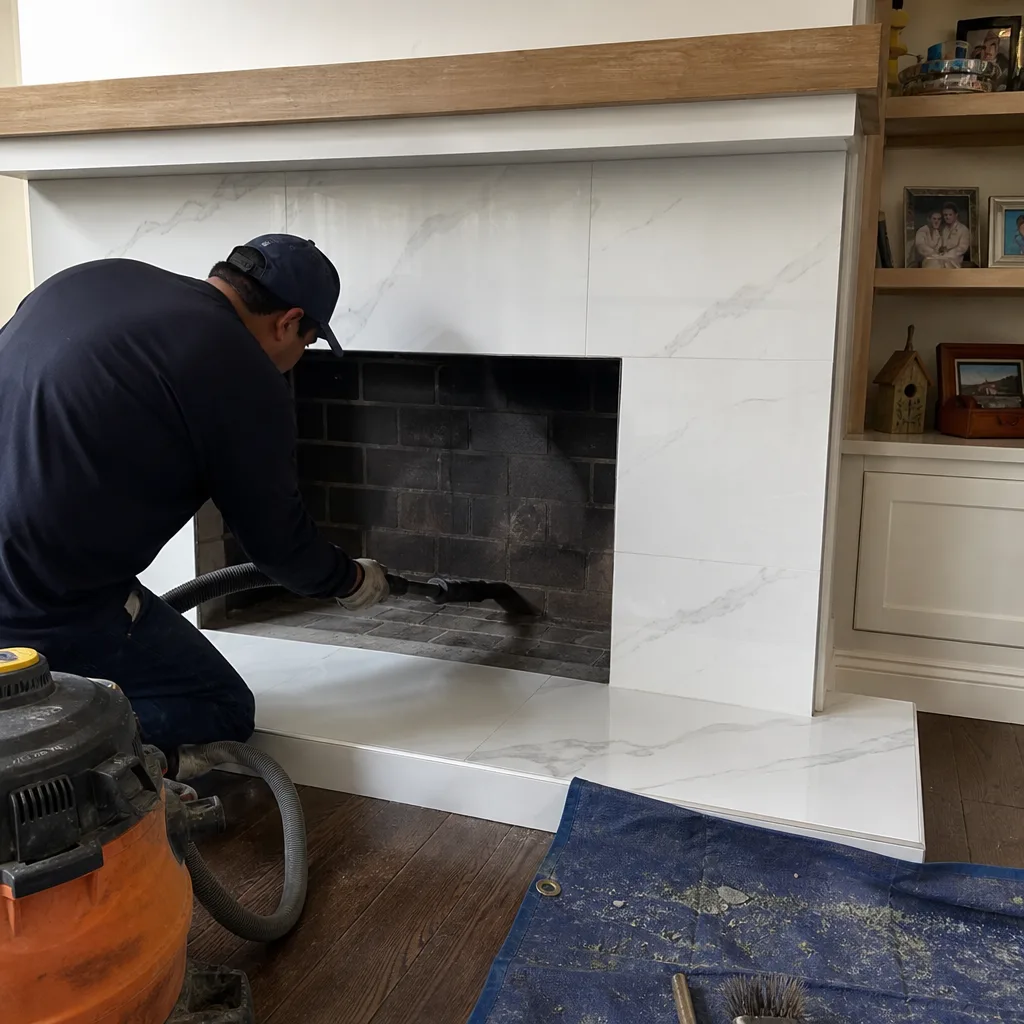
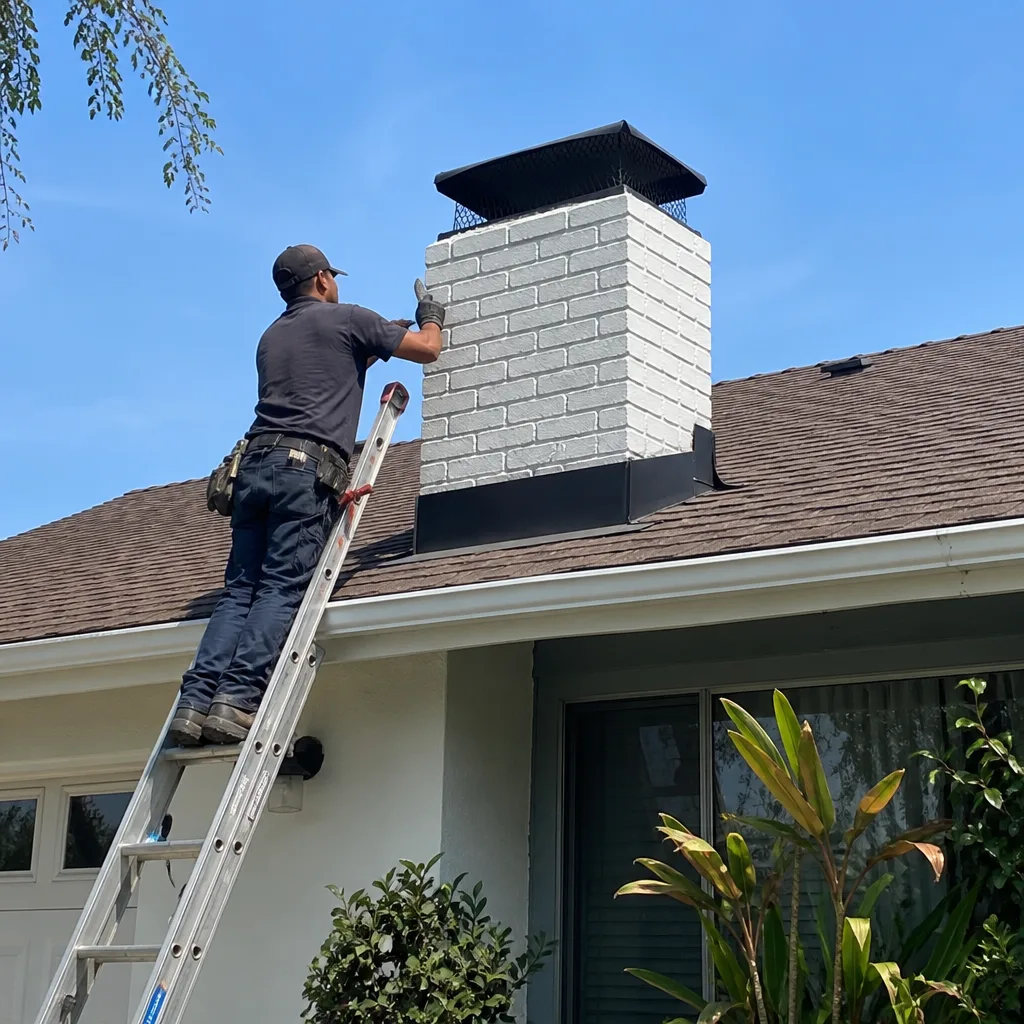
Level 1 sweep and inspection to the NFPA 211 annual standard - flue, crown, cap, and flashing checked and photographed
Chimney sweep logs do not sweep chimneys. They loosen some creosote - which then falls where a brush and vacuum still have to collect it.
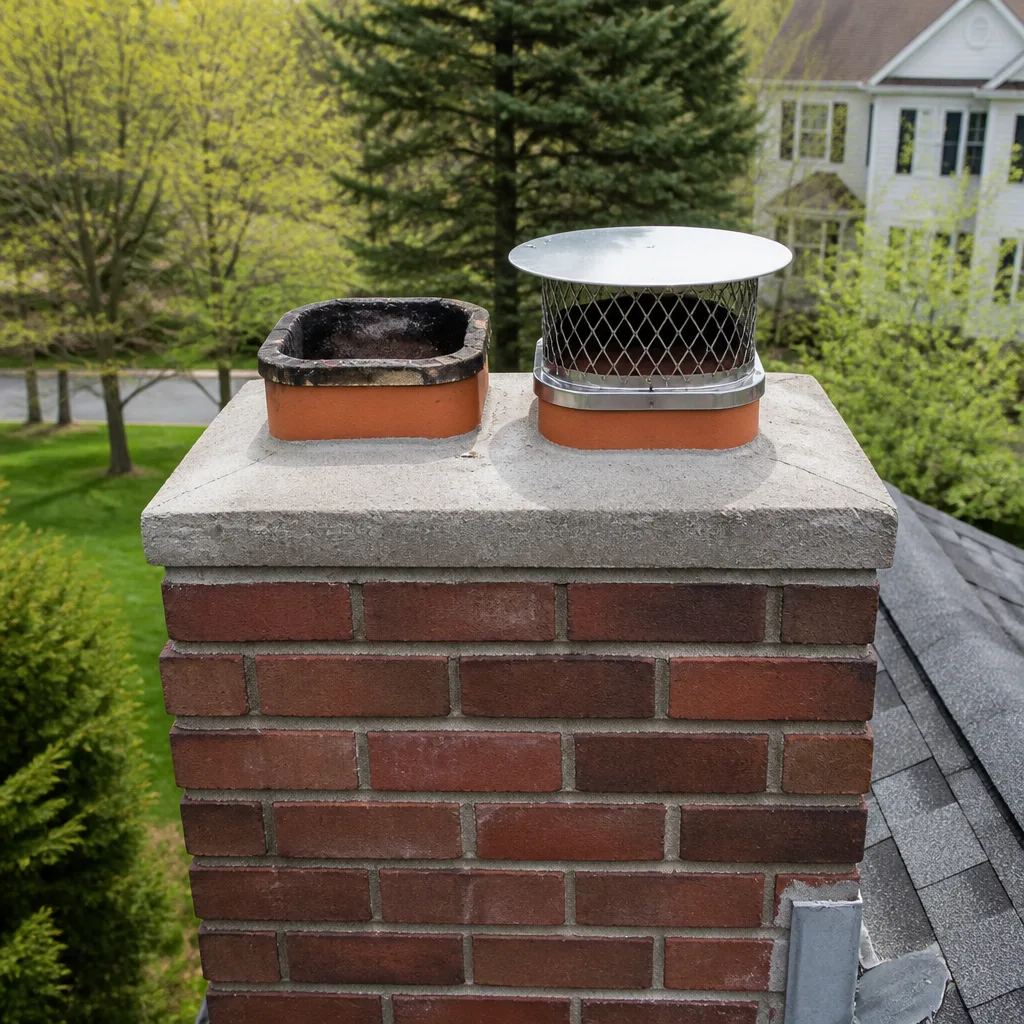
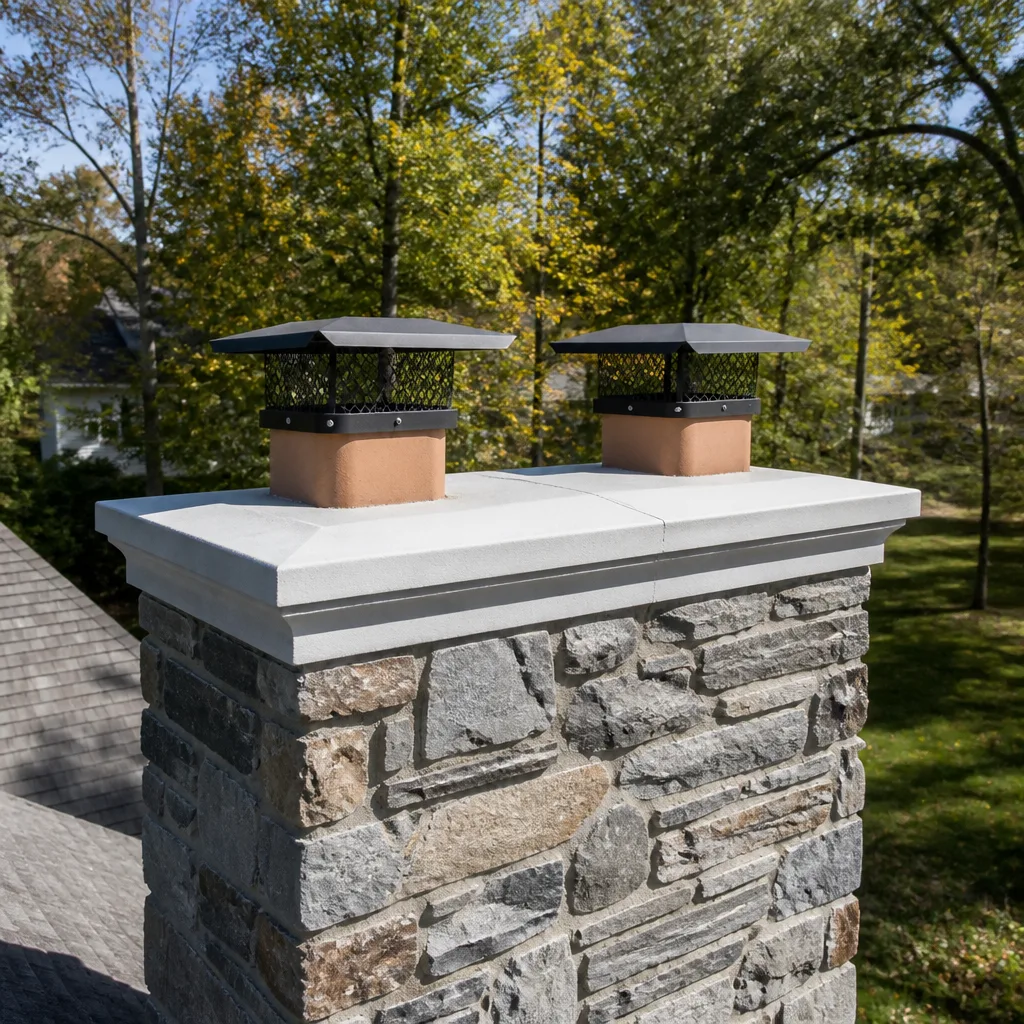
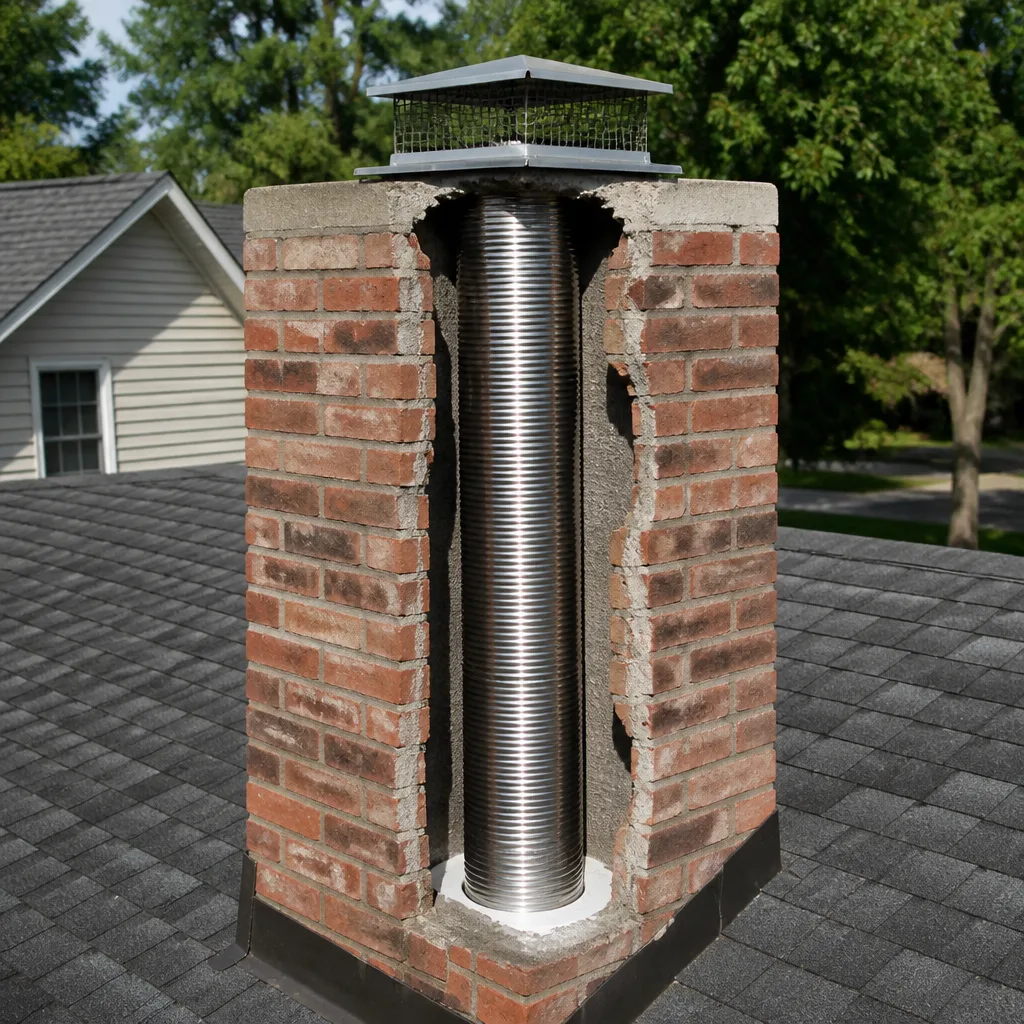
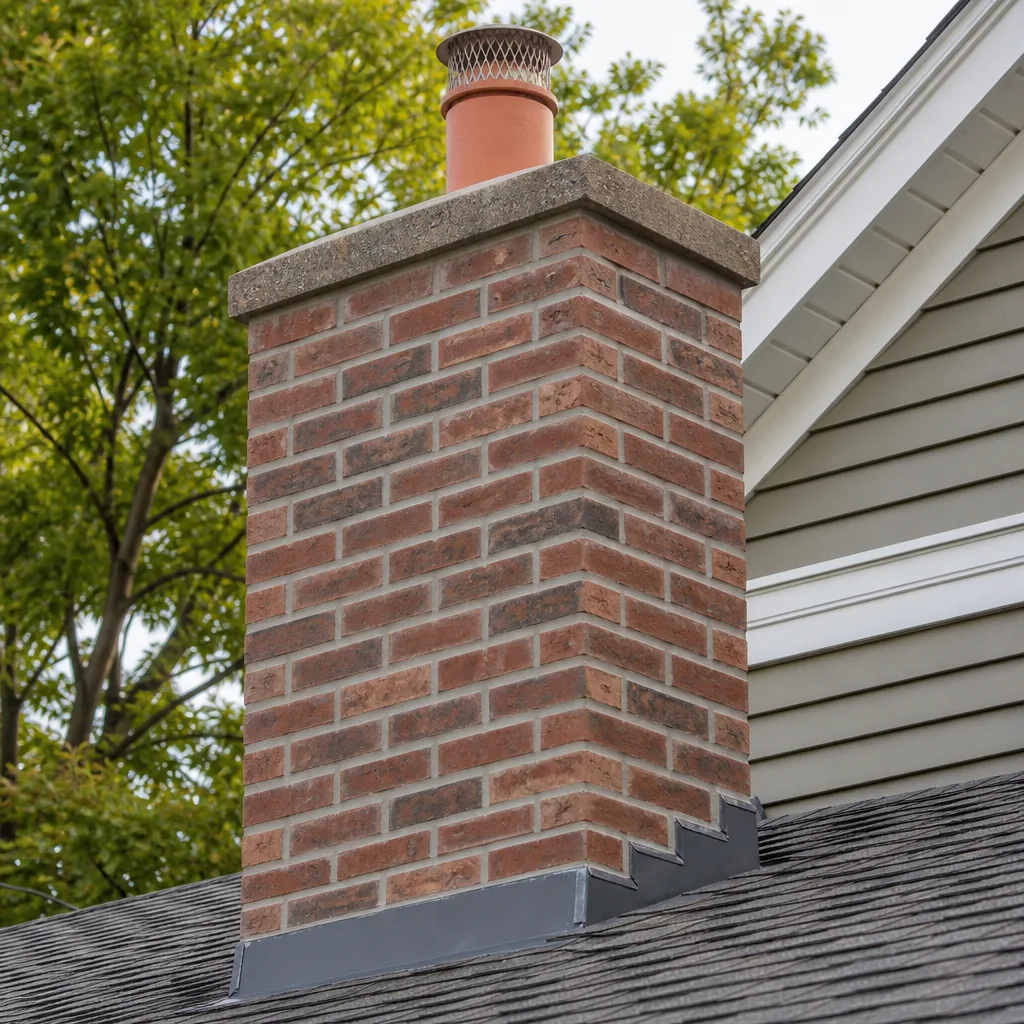
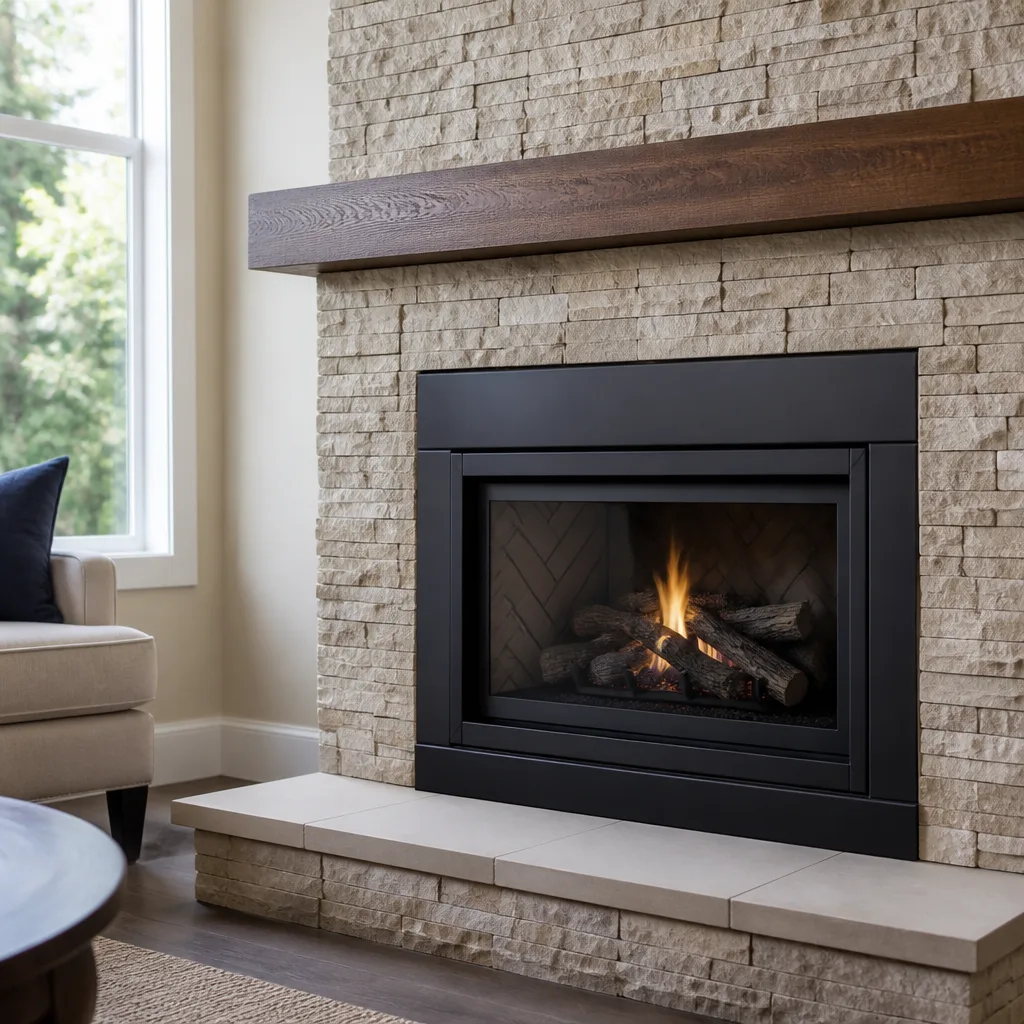
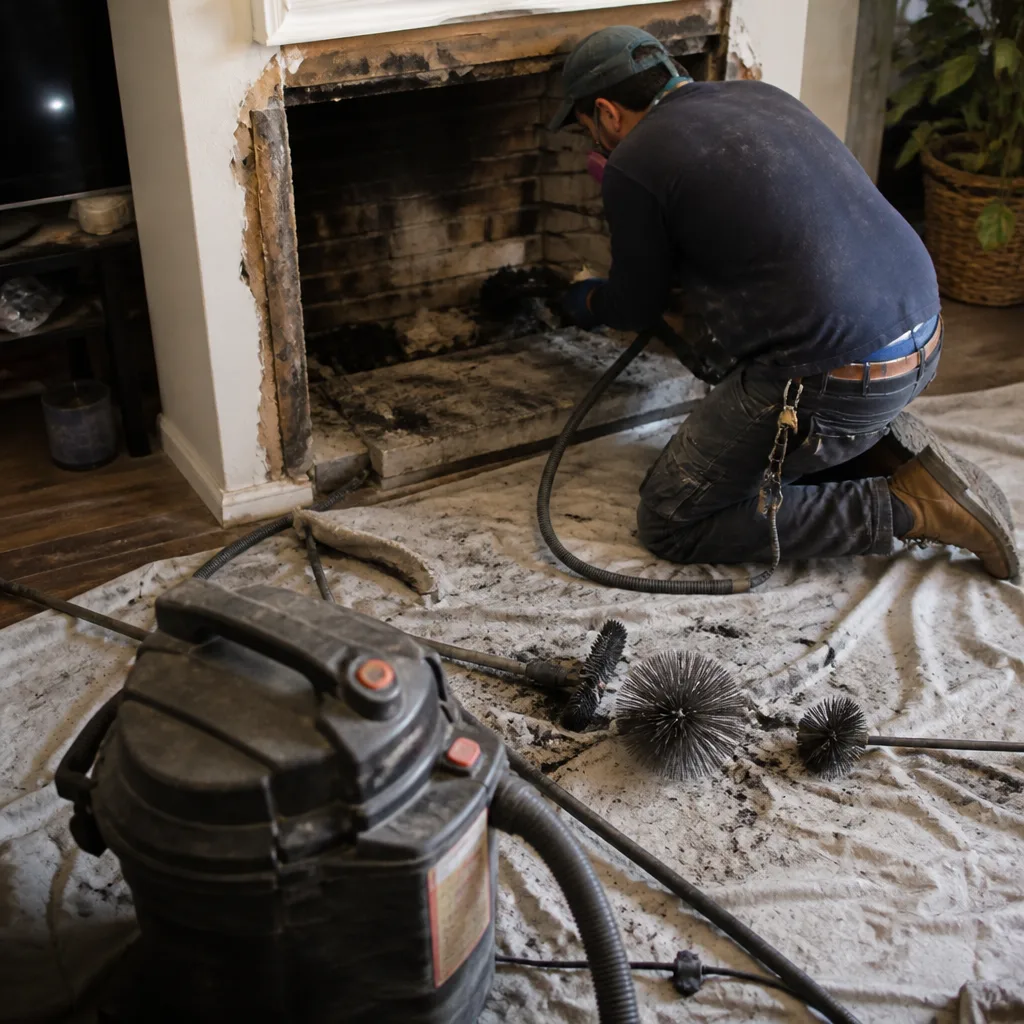 Before
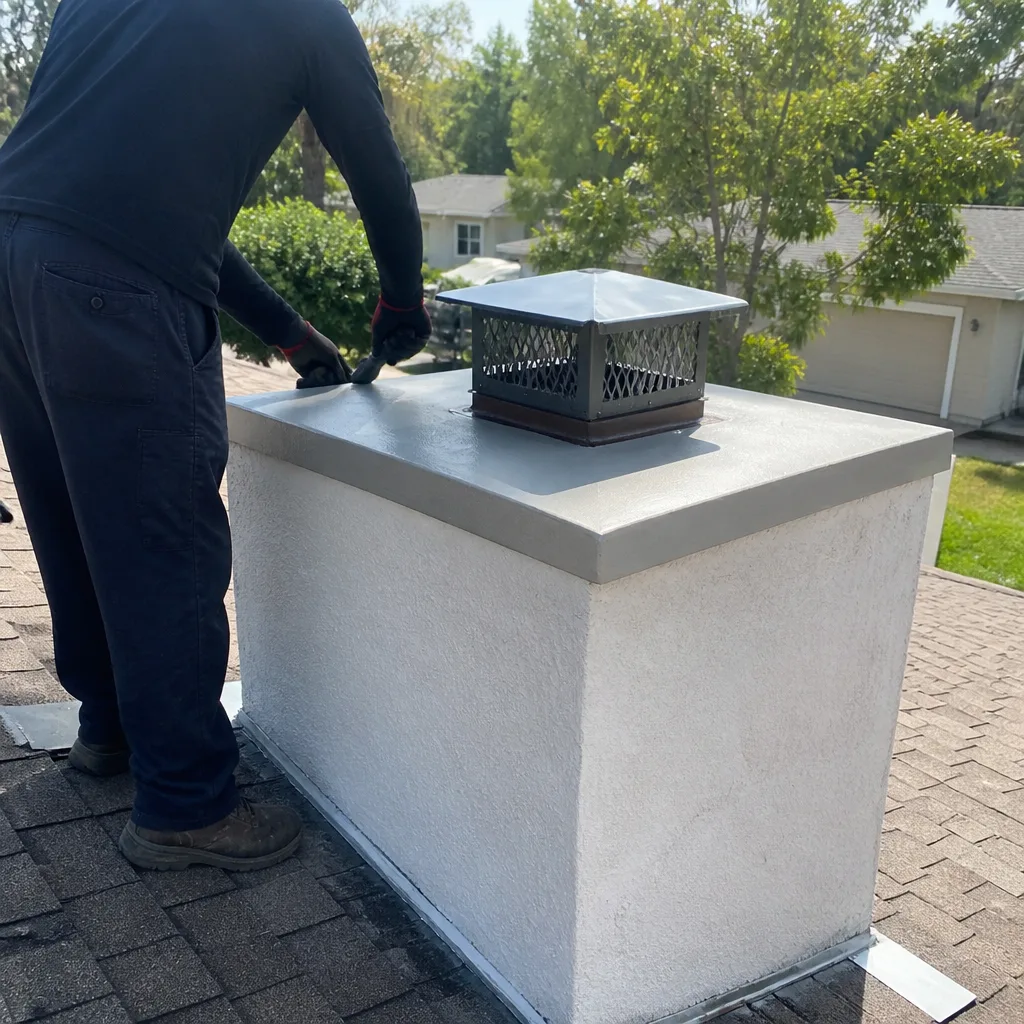 After
After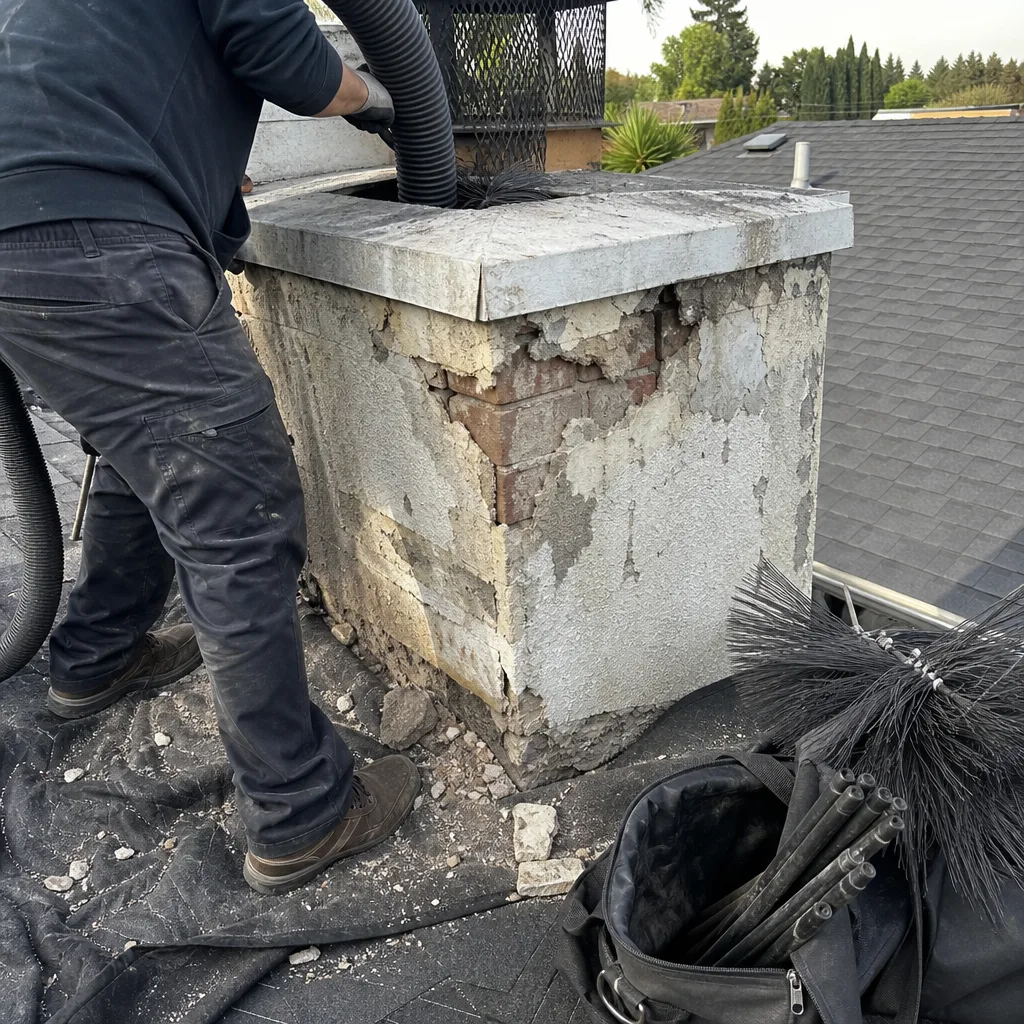 Before
 After
After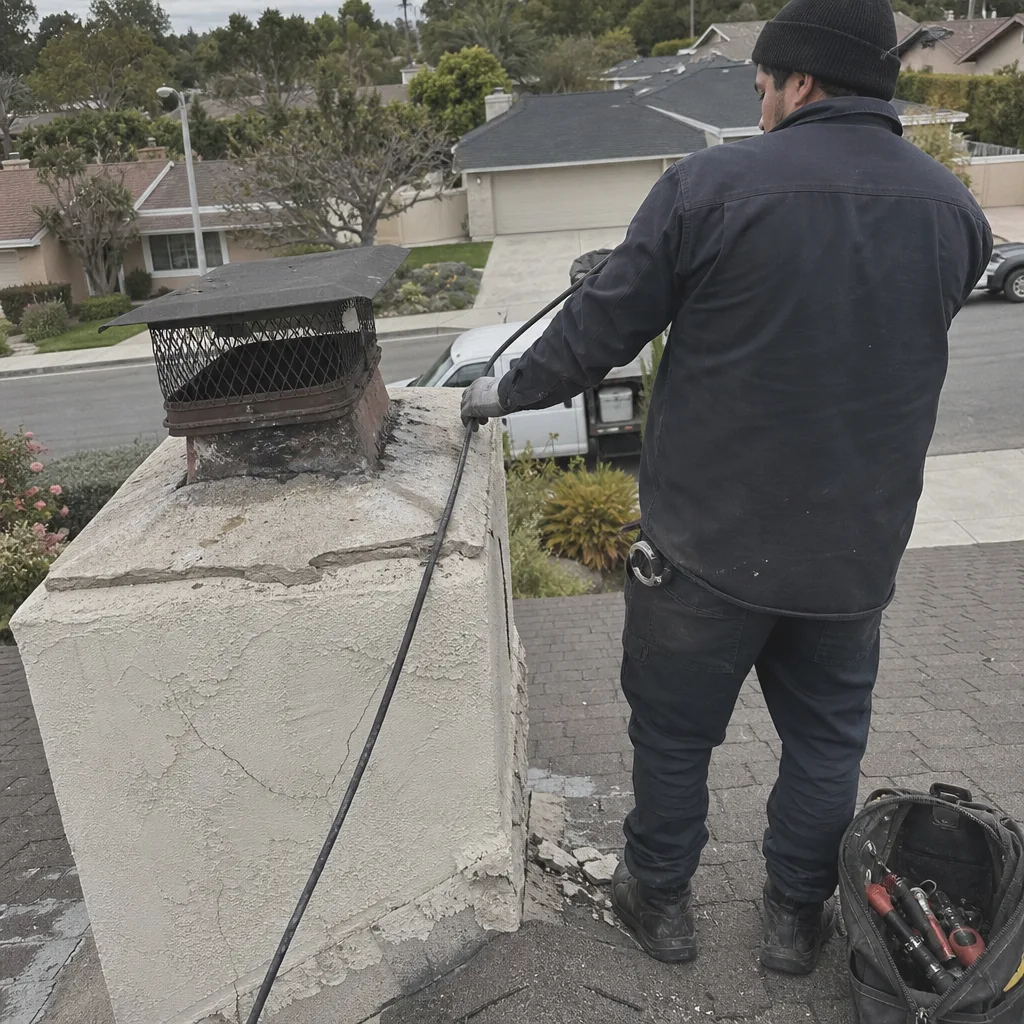 Before
 After
AfterChimney Cleaning Permits, Codes & Inspections in CA: What You Need to Know
A surprising number of Los Angeles homeowners discover that their fireplace is not just a cozy feature but a regulated structure only after a chimney sweep finds damage. The city and county treat a simple cleaning and a structural repair very differently under the law. Understanding where that line sits can mean the difference between a $250 maintenance visit and a $6,000 unpermitted repair that bites you at resale. This guide breaks down exactly which chimney tasks require a permit in Los Angeles, which are exempt, how NFPA 211 inspections work, what SCAQMD Rule 445 means for your wood-burning fireplace, and how to check permit history before you buy a home.
Quick Answer
Chimney cleaning itself requires no permit anywhere in California, including the City of Los Angeles. However, most structural repairs, including flue relining, firebox rebuilding, and chimney height extension, do require a permit from LADBS or the local building department. The distinguishing factor is whether the work alters the structure, firebox, or flue liner versus routine maintenance that removes soot and creosote.
Table of Contents
- What Chimney Work Is Permit-Exempt in California
- What Chimney Work Requires a Permit in Los Angeles
- NFPA 211 Inspection Levels and California Insurance Requirements
- SCAQMD Rule 445 and Wood-Burning Fireplace Rules in LA County
- How to Pull Permit History on a Los Angeles Property
- Permit Filing Requirements for Chimney Structural Work in LA
- What Permitted Chimney Repairs Cost in Los Angeles
- Common Mistakes to Avoid
- When to Call a Professional
- Frequently Asked Questions
What Chimney Work Is Permit-Exempt in California
Most routine chimney maintenance falls squarely outside the permit system, and for good reason. The California Building Code (CBC) and the Los Angeles Department of Building and Safety (LADBS) do not consider a standard chimney sweeping, a cap replacement, or a damper swap to be structural alterations. These tasks do not change the firebox dimensions, alter the flue pathway, or modify the exterior envelope of the house. A permit is simply not required, and no inspection sign-off is needed.
Here are the common tasks that do not require a permit anywhere in California:
- Chimney sweeping (removing soot and creosote from the flue interior with brushes or rotary tools)
- Chimney cap replacement (swapping a standard cap for a new one, including custom stainless steel caps from brands like Olympia Chimney)
- Damper replacement (replacing a throat damper or top-sealing damper without altering the surrounding masonry)
- Minor crown sealing (applying a flexible crown sealer to stop water intrusion, as long as no structural concrete form is being poured)
- Camera inspection (running a video scope through the flue to assess condition)
- Routine maintenance (cleaning the smoke chamber, removing ash, checking for obstructions)
In our experience, the most common confusion in Los Angeles comes from cap and damper work. A cap replacement that bolts onto the existing flue tile or crown requires no permit. A cap replacement that involves modifying the flue termination, extending flue height, or rebuilding a masonry crown does. The difference is almost never visible to a homeowner, which is why a qualified chimney sweep should make the call and put it in writing.
What Chimney Work Requires a Permit in Los Angeles
Once work touches the structure, firebox, or flue liner, the rules change. CBC Section 2113 governs masonry and factory-built chimneys and fireplaces, and Los Angeles has adopted the state code with local amendments. LAFD Local Amendment 3103.12 adds fire district review for certain chimney alterations. The core principle is simple: any repair that changes how smoke and heat move through the chimney, or that alters the structural integrity of the chimney, requires a permit and a final inspection.
These are the chimney tasks that trigger a LADBS permit in Los Angeles:
- Flue relining (replacing the inner liner that channels smoke safely out of the house, whether with stainless steel systems like DuraFlex or a poured-in-place material like HeatShield)
- Firebox rebuild (repointing or replacing the masonry firebox panels where the fire actually burns)
- Chimney height extension (adding flue tile or masonry to make the chimney taller, often required when drafting fails)
- Masonry chimney rebuild (replacing a section of the chimney structure above the roofline after earthquake damage or spalling brick)
- Fireplace conversion (changing a wood-burning fireplace to gas logs or a gas insert, which requires LADBS mechanical permit review)
- Structural repair after chimney fire (any repair where the firebox or flue liner suffered thermal damage)
The key takeaway is not that repairs are optional. Repairs are mandatory when safety is at issue. The key takeaway is that you should never hire a contractor who says a flue relining in the City of Los Angeles needs no permit. That position is wrong and will surface on a title report if you sell the home. A licensed contractor files the permit, the work is inspected by LADBS, and the sign-off becomes part of the property record.
NFPA 211 Inspection Levels and California Insurance Requirements
The National Fire Protection Association standard 211 is the document that defines chimney inspections, and most homeowners only hear about it after a chimney fire or an insurance claim. For a deeper look at what inspectors check, see our Chimney Inspection Troubleshooting: Common Problems and How to Fix Them. NFPA 211 establishes three inspection levels, and knowing the difference is the difference between a $199 visual check and a $500 camera inspection that can satisfy an insurer.
Here is how the three levels break down in plain language:
- Level 1 inspection is a visual check of the readily accessible areas of the chimney, firebox, and exterior. It is appropriate when the fireplace is being used the same way as before and no changes are being made. A Level 1 inspection usually accompanies a standard chimney sweep.
- Level 2 inspection adds video scanning of the flue interior, attic, crawlspace, and roof areas. NFPA 211 requires a Level 2 inspection after any chimney fire, any change to the fuel type, any change to the flue liner, or upon transfer of property. In Los Angeles, most insurance companies require a Level 2 inspection report after a chimney fire claim, and many home buyers commission one before closing.
- Level 3 inspection goes further and involves opening up parts of the chimney or surrounding structure to access concealed areas. This is only done when a Level 2 inspection reveals serious concerns that require invasive examination.
After a chimney fire, the insurance adjuster is not going to accept a hand-written note that says “chimney looks okay.” They want a Level 2 inspection report with video documentation, a written condition assessment, and a clear statement of what repairs are needed. That report should also reference the permit path if repairs are required. Homes in Los Angeles that have a documented Level 2 inspection before a sale often move through escrow faster, because it removes a known inspection objection before it comes up.
SCAQMD Rule 445 and Wood-Burning Fireplace Rules in LA County
Los Angeles County is not like most of the country when it comes to wood-burning fireplaces. The South Coast Air Quality Management District, the agency known as SCAQMD, regulates wood smoke under Rule 445, and the rules affect when and whether you can legally burn wood in your own fireplace. This rule intersects with chimney maintenance because a dirty, poorly drafting chimney produces more visible smoke, and visible smoke can prompt a neighbor complaint.
Key points of SCAQMD Rule 445 as it applies to Los Angeles homeowners:
- On a “No-Burn Day,” when air quality is forecast to be unhealthy, burning wood in a fireplace or wood stove is prohibited unless the fireplace is the sole source of heat for the home.
- Rule 445 requires that only clean, dry, seasoned wood be burned. Wet or green wood creates more smoke and more creosote, which accelerates chimney fire risk.
- A properly maintained chimney with a conventional open-hearth fireplace still emits particulates, but a clean flue significantly reduces visible smoke and keeps the fire drafting correctly, minimizing neighbor complaints.
- SCAQMD enforcements are not tied to your chimney sweep, but regular cleaning is a reasonable step to show diligence if a complaint is filed.
What this means practically is that Los Angeles homeowners with wood-burning fireplaces should not think of chimney sweeping as optional seasonal decoration. A clogged chimney smokes more, and a smoking chimney in a dense neighborhood like Echo Park or Sherman Oaks is a nuisance complaint waiting to happen. The maintenance obligation and the air quality rules point in the same direction: keep the flue clean, keep the firebox intact, and burn properly seasoned wood.
How to Pull Permit History on a Los Angeles Property
Before buying a home in Los Angeles or unincorporated LA County, checking for unpermitted chimney work is a step most buyers skip because they don’t know it is possible. LADBS maintains a public permit database that any citizen can search. The title report may flag unpermitted additions or conversions, but chimney work that required a permit and never got one often sits in the shadow of the permit system until a sharp inspector finds it.
Here is the process for checking permit history on a property in Los Angeles:
- Go to the LADBS Building Records section online and search by address. The database covers permits issued in the City of Los Angeles, including chimney relining, firebox rebuilds, and fireplace conversions.
- If the property is in an unincorporated part of LA County, search the LA County Department of Public Works building records instead. The database is separate from LADBS.
- Look for any mechanical permit associated with a fireplace conversion, a structural permit for chimney rebuild, or a final inspection sign-off on flue work.
- If the property has a newer stainless steel liner, a gas fireplace insert, or a rebuilt firebox but no matching permit, that is a red flag. The work was likely done without a permit.
Unpermitted chimney work on a title report is not as dramatic as an unpermitted room addition, but it still matters. Lenders may condition financing on resolving an unpermitted fireplace conversion. Home insurance carriers may decline coverage on a home with a gas insert that was never inspected. In hot markets like the San Fernando Valley or the Westside, the cost of retroactively permitting a fireplace conversion often ranges from $1,000 to $3,500, and the seller is generally the one who pays in negotiation.
Permit Filing Requirements for Chimney Structural Work in LA
When a chimney job does require a permit in Los Angeles, the contractor doing the work is the party who files the paperwork. The City of Los Angeles has a specific process for a licensed contractor filing a chimney structural or mechanical permit, and it differs from the process in unincorporated LA County. Knowing the form name and the sequence saves time and prevents a contractor from stalling a job with “permit issues.”
For the City of Los Angeles, a licensed contractor files LADBS forms for structural and mechanical work using the Express Permit process when the scope is limited. This covers most chimney relining jobs where the existing firebox is intact and the liner is being replaced with a listed system like DuraFlex or HeatShield. The sequence in the City of LA is:
- Contractor files the permit application with LADBS, identifying the job scope and the materials to be used.
- LADBS issues the permit after a plan review if the scope crosses thresholds that trigger review, which applies to firebox rebuilds and masonry reconstruction.
- Contractor performs the work, then requests a rough inspection if the job involves firebox masonry or structural work where the interior is exposed before final enclosure.
- A final inspection is performed by LADBS, and the sign-off is recorded. This sign-off is the document that proves the work was permitted and compliant.
In unincorporated LA County, LA County Department of Public Works Building and Safety handles the same process under its own forms. The functional difference is the agency, not the requirement. Any licensed contractor who works chimneys in the Los Angeles area should be able to name which agency applies to your address and file through the correct one. We go further, putting the permit path in writing before work begins so there are no surprises halfway through a relining job.
What Permitted Chimney Repairs Cost in Los Angeles
Homeowners in Los Angeles get a lot of conflicting information about chimney repair pricing, and most of the confusion comes from comparing unpermitted work to permitted work. A flue relining done with a stainless steel system like DuraFlex typically runs between $3,500 and $7,500 in Los Angeles depending on flue height, access, and whether one or two stories are involved. The permit itself is usually $300 to $900, which is not nothing, but it is a fraction of the total. Unpermitted work is generally cheaper, often by $1,000 to $2,000, and contractors who skip the permit use that price gap to win jobs.
Here is a line-item look at typical permitted chimney repair pricing in Los Angeles:
- Standard chimney sweep: $190 – $295, no permit, 60 – 90 minutes
- Level 2 camera inspection: $350 – $600, no permit, includes video and written report
- Chimney cap replacement: $250 – $750 installed, no permit for standard cap swaps
- Flue relining with DuraFlex stainless steel: $3,500 – $7,500, permit required in City of LA
- HeatShield poured-in-place liner: $4,000 – $8,000, permit required where structural repair is involved
- Firebox rebuild: $1,500 – $4,500, permit required when masonry is altered
- Chimney crown rebuild: $800 – $2,500, permit generally not required for crown sealing but required for structural crown replacement
In our experience, Los Angeles chimney pricing is higher than the national average because labor and LADBS fees are higher, and access to rooftops in neighborhoods like Silver Lake or Los Feliz can be genuinely difficult. But the range above gives you a working ballpark so you are not calling around blind. Every estimate from Flint Chimney Sweep includes a written price before work starts, and the invoice matches the quote, every time.
Common Mistakes to Avoid
- Hiring a contractor who says a reline needs no permit in Los Angeles. This is the most expensive mistake a homeowner can make. The contractor either does not know CBC Section 2113 or does not want to file. Either way, you own the unpermitted work.
- Skipping a Level 2 inspection after a chimney fire. Thermal damage to a flue liner is invisible from the outside. A visual walk-around will not reveal cracked clay tiles. Your insurer wants the camera inspection.
- Burning wood on SCAQMD No-Burn Days. A neighbor complaint can trigger a visit from the district. The enforcement path is slow, but the fine is not theoretical, and a smoking chimney in a dense neighborhood like West Hollywood draws attention.
- Buying a home with a gas fireplace conversion and no permit. The previous owner may have installed the gas insert without a mechanical permit. The fire risk is real, and the title report will not be kind.
- Assuming a home warranty covers chimney repairs. Most home warranties exclude chimneys entirely or cap coverage well below the cost of a legitimate relining. Read the exclusions.
- Putting off a crown repair because it “doesn’t look bad.” A cracked crown leaks water into the masonry, and Los Angeles rainstorms in January and February do more damage in a month than a decade of dry summers.
- Hiring based on price alone for chimney work. A cheap sweep often skips the camera inspection, leaves creosote in the smoke chamber, and disappears when you call about the smell. The written guarantee matters more than the low bid.
When to Call a Professional
Any time the question involves a permit, a firebox, or a flue liner, you need a professional. Chimney cleaning itself is safe to hire out and not something to attempt with a borrowed brush from the hardware store, because the creosote and soot removal requires a proper rotary system and a professional who can identify hidden flue damage. If you smell smoke in the house when the fireplace is not in use, see crumbling brick in the firebox, or hear a hollow sound when you tap the flue tile, that is a structural issue and not a cleaning issue. Flint Chimney Sweep offers free estimates in Los Angeles, and every estimate includes a written price before work begins. Call (830) 251-4560 to schedule a Level 1 or Level 2 inspection, and we will tell you plainly whether a permit is required on your job. You can also explore more guides & resources on our blog.
Frequently Asked Questions
A standard chimney sweep in Los Angeles typically runs $190 to $295, and that includes the flue cleaning, firebox brushing, smoke chamber cleaning, and a basic visual inspection. Add a camera inspection, roof access challenges, or a heavy creosote buildup and the price can reach $400. Flint Chimney Sweep provides a written price before any work begins, and the number you approve is the number you pay. Call (830) 251-4560 for a free estimate with no upsell and no surprise line items.
No, chimney cleaning requires no permit anywhere in California. Cleaning removes soot and creosote without altering the structure, so neither LADBS nor any local building department regulates it. The line is drawn when a cleaning reveals damage that requires structural repair, at which point a permit enters the conversation.
Yes. In the City of Los Angeles, flue relining is a structural alteration governed by CBC Section 2113, and LADBS requires a permit and final inspection for any liner replacement. A contractor who says otherwise is wrong, and the unpermitted work will follow the property. The permit cost is modest relative to the repair itself, and the sign-off protects your resale.
The National Fire Protection Association recommends a chimney inspection once a year and cleaning whenever creosote buildup reaches 1/8 inch. Our Chimney Inspection Maintenance Schedule: What to Do and When breaks this down in detail. For a wood-burning fireplace used regularly during a Los Angeles winter, that means a sweep every 1 to 2 years. A gas fireplace needs less frequent cleaning but still benefits from an annual inspection. If you are not sure when your chimney was last cleaned, schedule a Level 1 inspection and let the condition of the flue determine the cadence.
Creosote, a tar-like byproduct of wood smoke, accumulates on the flue walls and becomes a fuel source. A chimney fire burns hot enough to crack flue tiles and ignite roof framing, and many Los Angeles chimney fires happen in homes where the fireplace was cleaned years ago and forgotten. Carbon monoxide risk also increases when a flue is partially blocked, and that gas has no smell. The cleaning is cheaper than the repair, and it is cheaper than the alternative.
No California law requires a chimney inspection at sale, but many Los Angeles real estate contracts include a fireplace and chimney clause under the buyer’s inspection contingency. A Level 2 inspection is the document most buyers and insurers want because it includes video and a written condition assessment. Homes with a clean Level 2 report in hand close faster and negotiate from a stronger position.
The Bottom Line
Chimney cleaning in California requires no permit, full stop. But the line between cleaning and repair is where Los Angeles homeowners get surprised. Flue relining, firebox rebuilding, and structural chimney alterations require a permit from LADBS or the county, and the contractor should file it, not you. NFPA 211 Level 2 inspections are the document your insurer wants after a chimney fire, and SCAQMD Rule 445 is the air quality rule that governs what you can burn and when. Before buying a home, pull the permit history. Before hiring a contractor, ask whether the job requires a permit and get the answer in writing. If the answer is vague, call someone who will put it in writing. Flint Chimney Sweep leads with a written price and a written guarantee, and we serve the entire Los Angeles area, including Flint Chimney Sweep home service territory. For Chimney Sweep in Los Angeles, Chimney Inspection in Los Angeles, or Chimney Repair in Los Angeles, call (830) 251-4560 and we will give you a straight answer on permits, price, and scope before any work begins.
Written by Hank Delano, Owner at Flint Chimney Sweep, serving Los Angeles since 2002.