
Last updated October 9, 2026
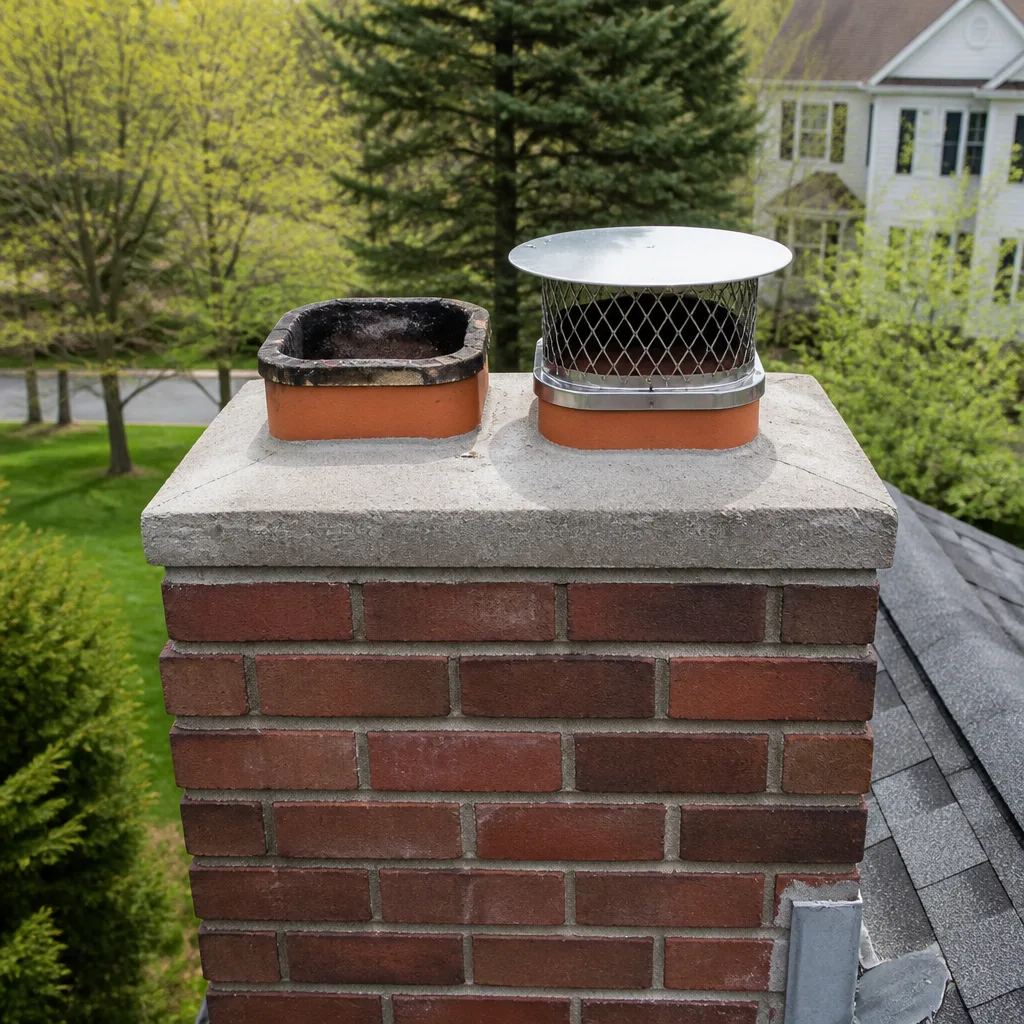
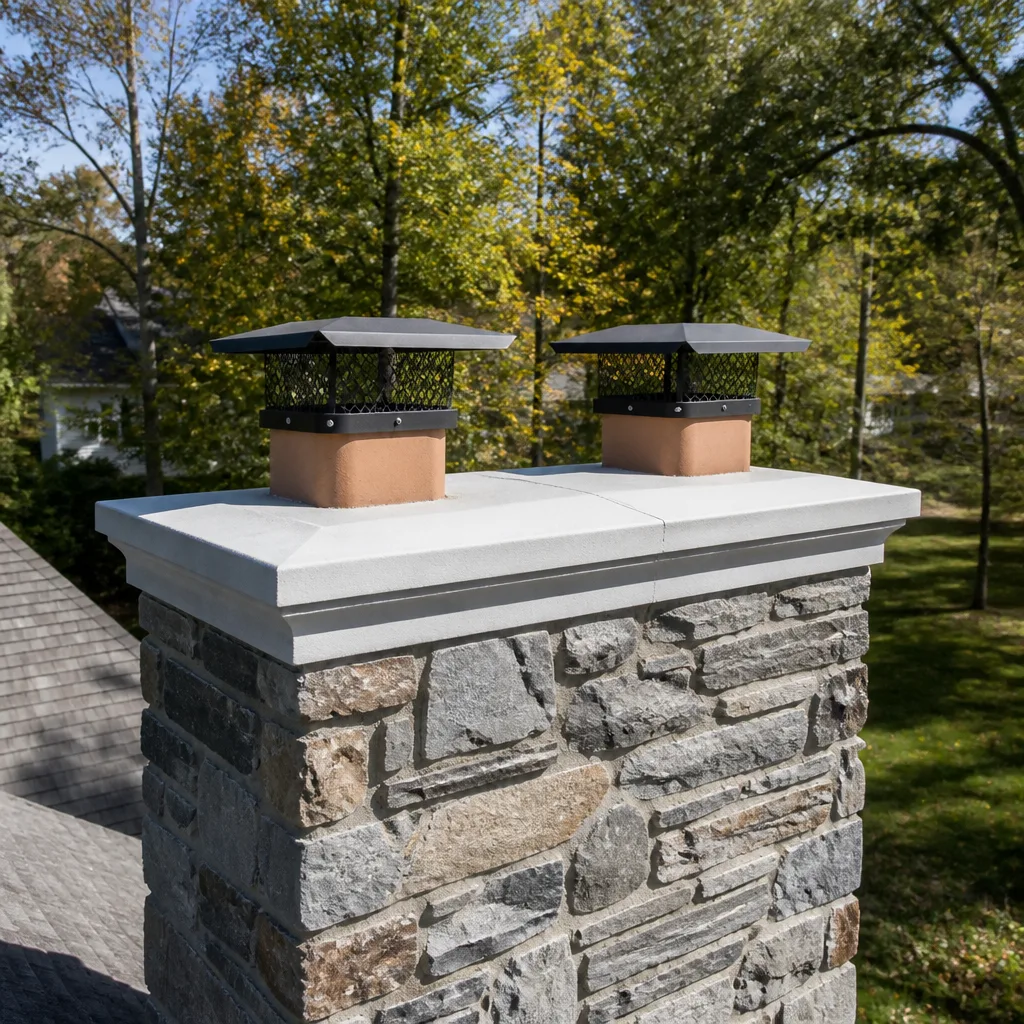
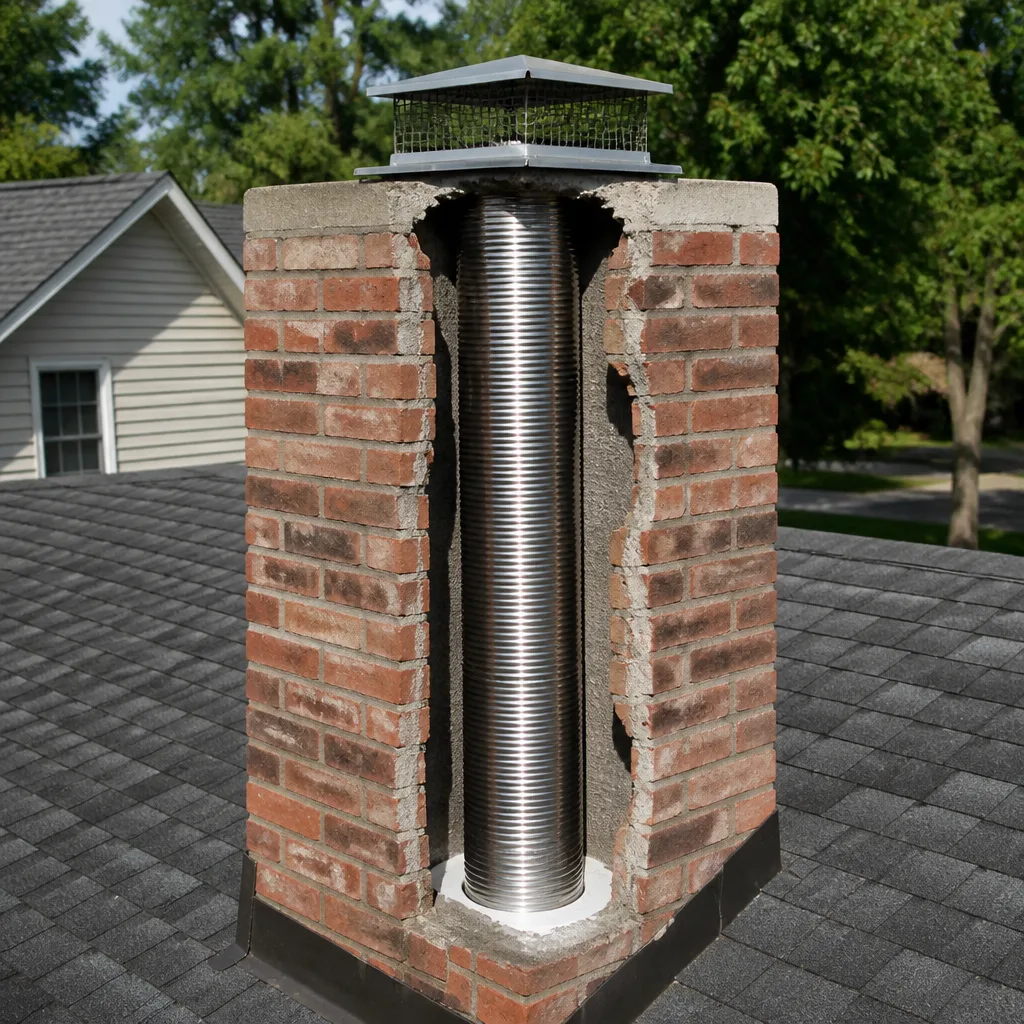
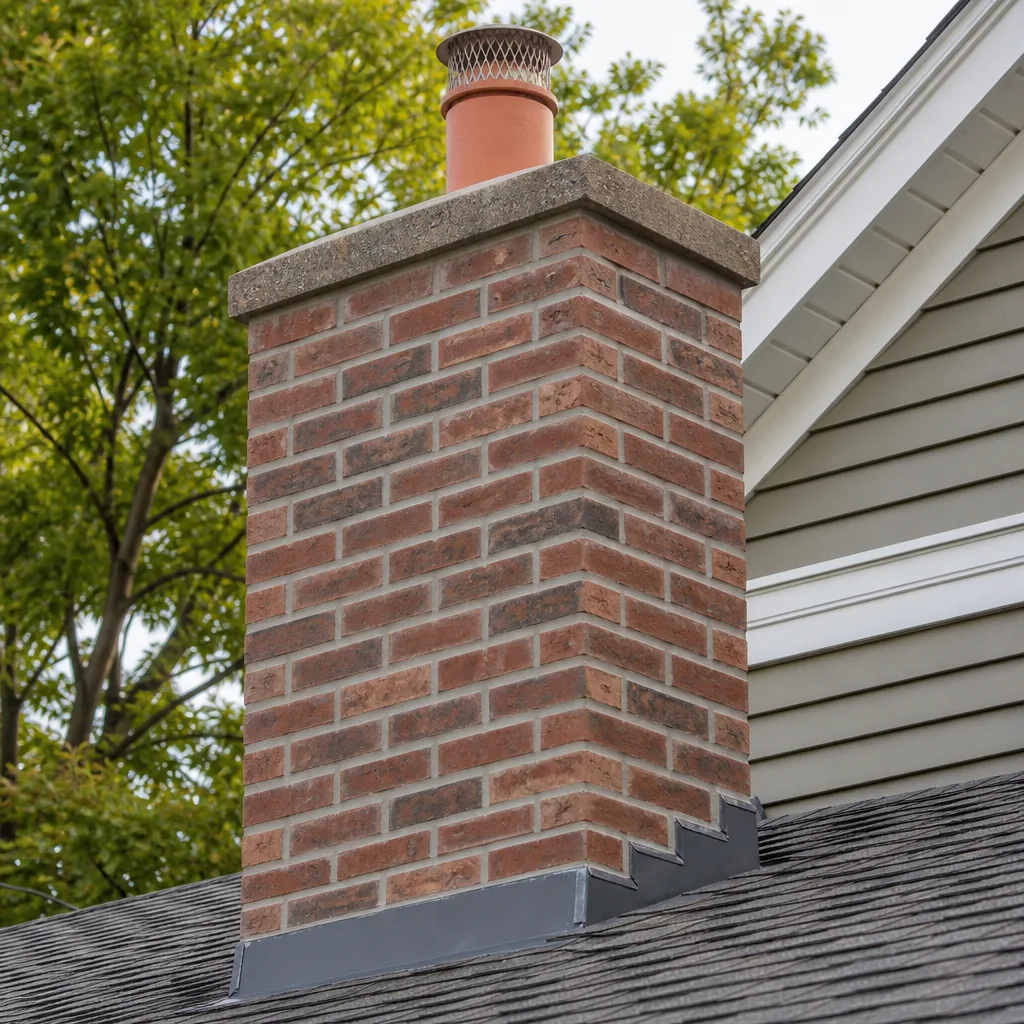
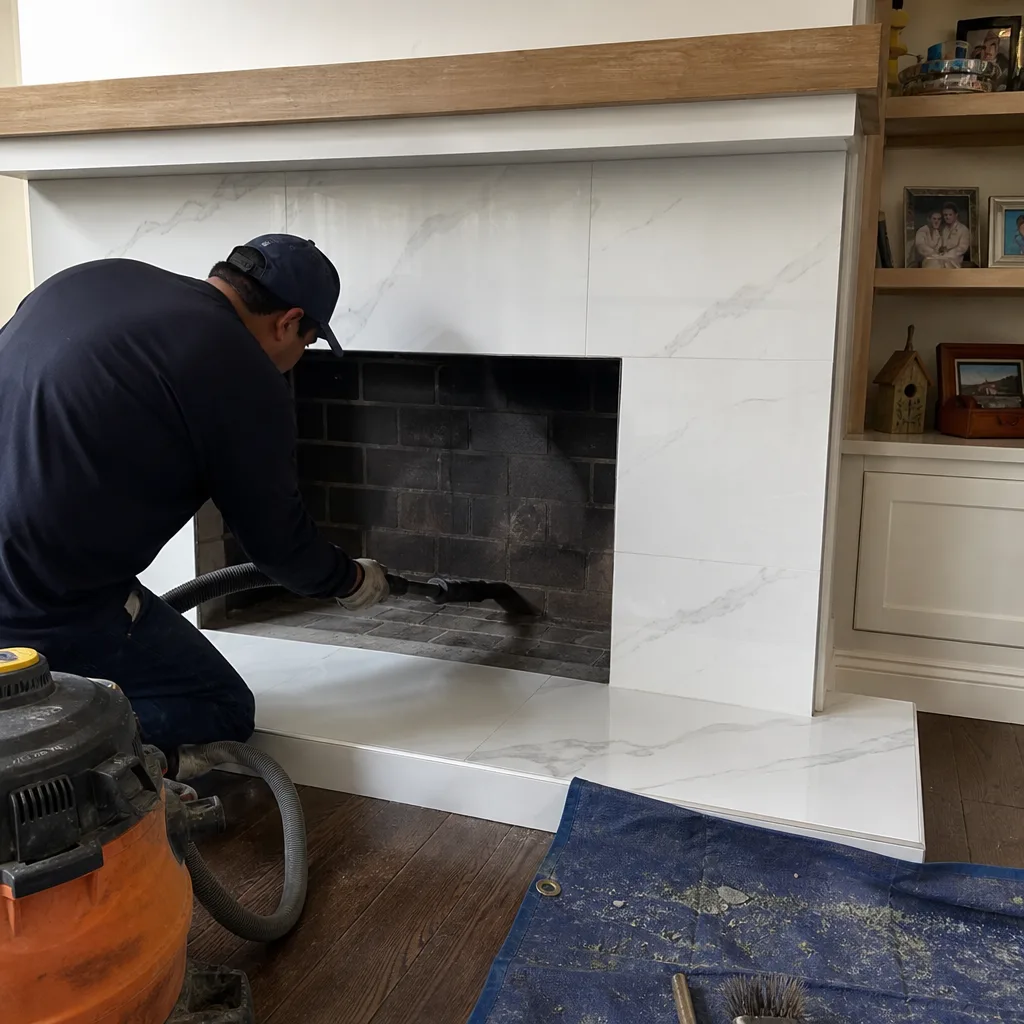
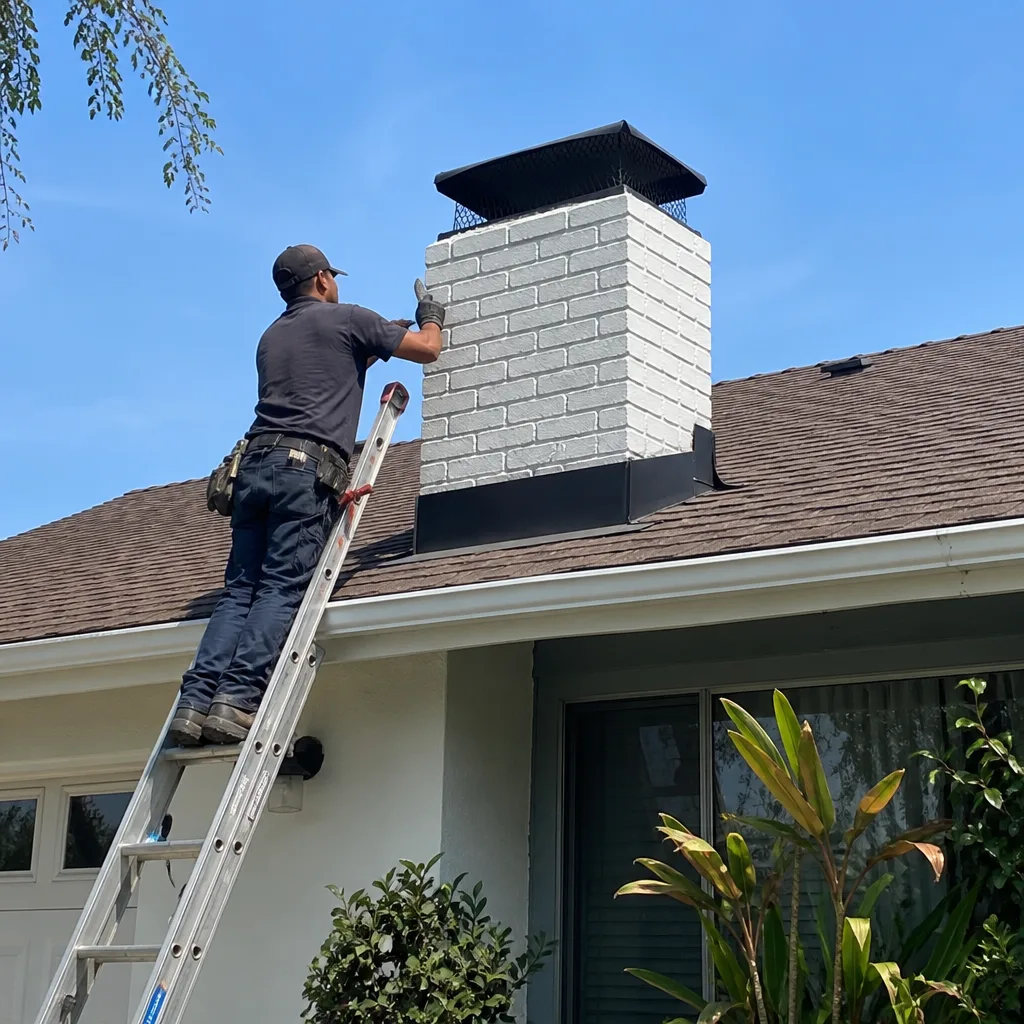
Level 1 sweep and inspection to the NFPA 211 annual standard - flue, crown, cap, and flashing checked and photographed
Chimney sweep logs do not sweep chimneys. They loosen some creosote - which then falls where a brush and vacuum still have to collect it.
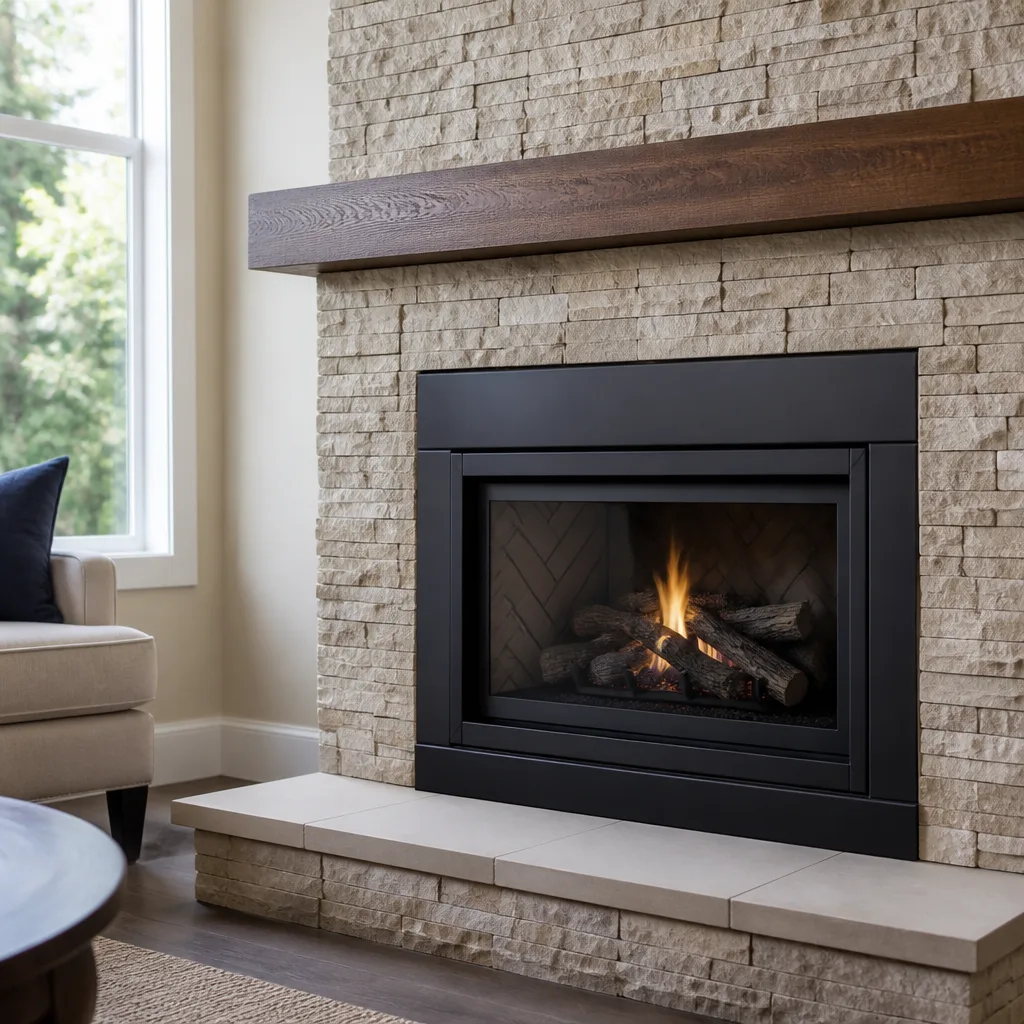
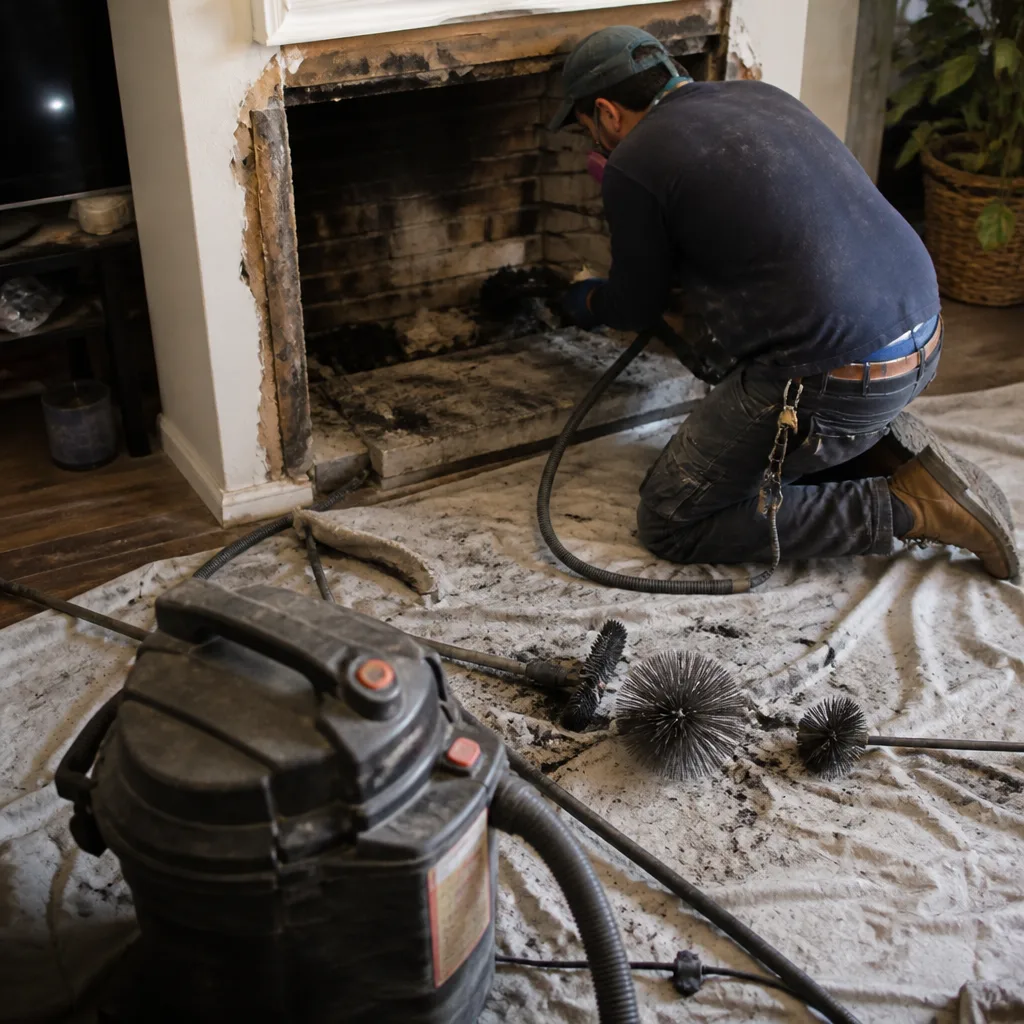 Before
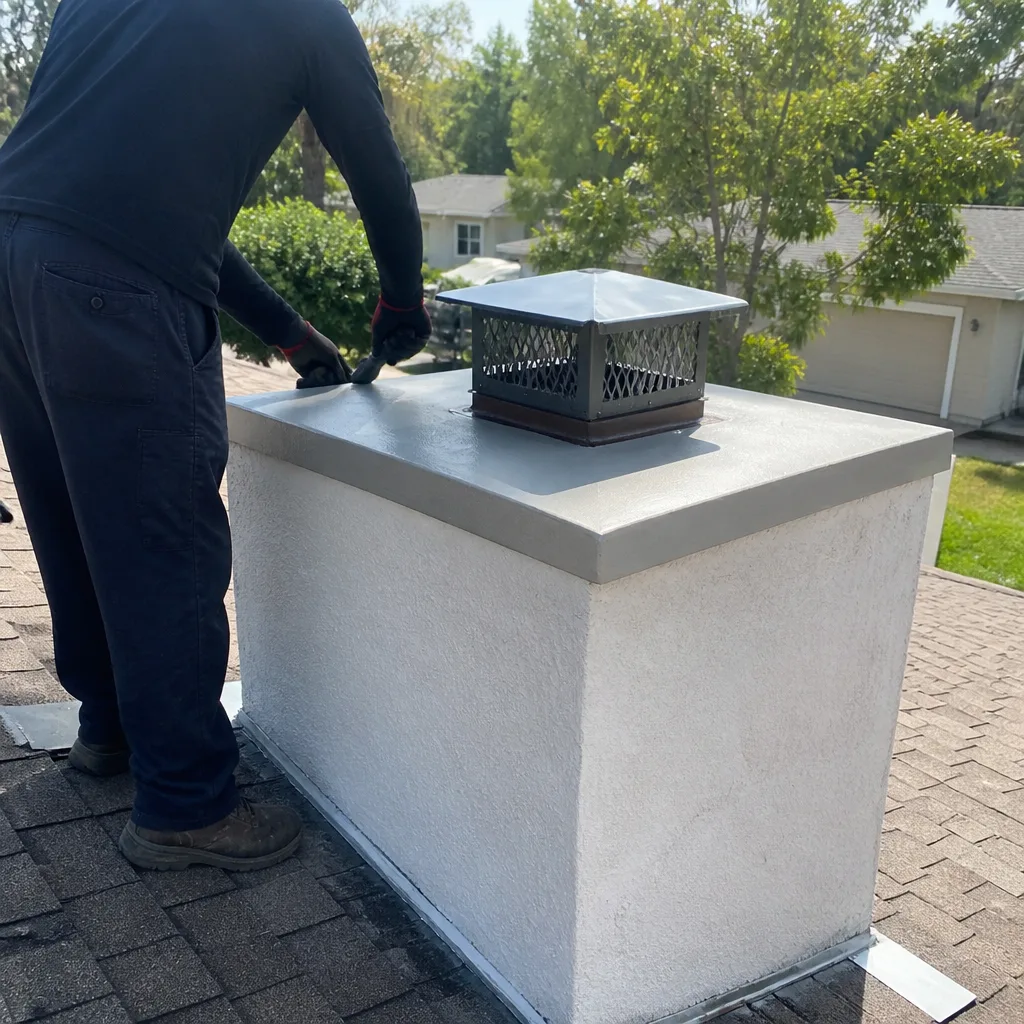 After
After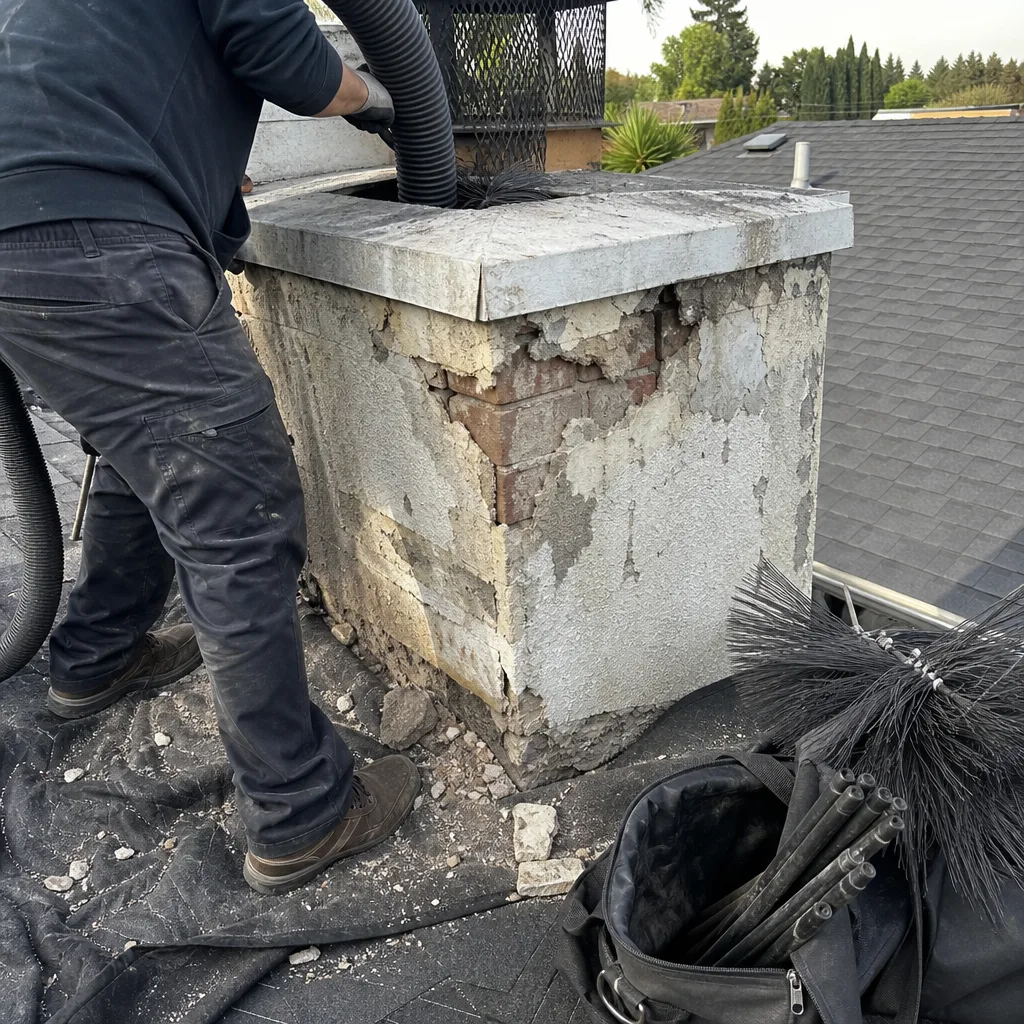 Before
 After
After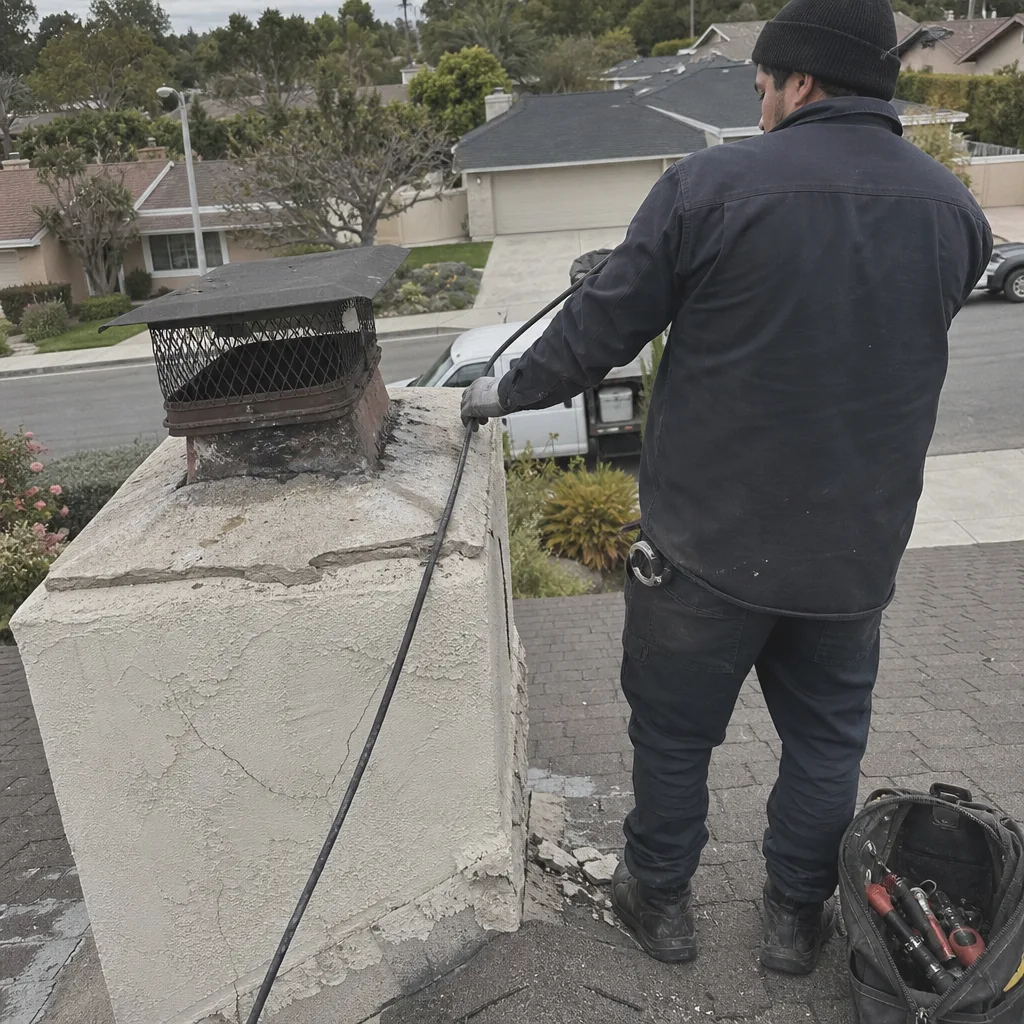 Before
 After
AfterChimney Inspection Troubleshooting: Common Problems and How to Fix Them
Here’s a number most Los Angeles homeowners never hear: a standard Level 1 chimney inspection costs $150 to $300, but the repairs that inspection flags can run from $200 to $8,000 depending on what the technician finds and how the report is worded. The problem isn’t the inspection itself. It’s that inspection reports are written in trade language that doesn’t distinguish between “fix this before you burn another fire” and “keep an eye on this, it’ll need attention in a few years.” This guide translates the ten most common Chimney Inspection findings into plain English, with honest cost ranges and the questions that force a straight answer. By the end, you’ll be able to look at any chimney report, circle the items that actually matter, and know exactly which ones are negotiable.
Quick Answer
Chimney Inspection Warning Signs Every Homeowner Should Know starts with reading between the lines of a technician’s report. Most findings fall into one of two buckets: safety-critical defects that mean the fireplace should not be used until repaired, or maintenance-advisable issues that can be scheduled within a season. The difference usually comes down to three things: whether the inner liner is compromised, whether creosote buildup is at a dangerous level, and whether water is actively getting into the masonry. If a report uses the phrase “recommend repair” without saying which bucket it belongs in, ask the inspector directly: “Can I burn safely before this is fixed?”
Table of Contents
- Creosote Buildup: When It’s Routine vs. When It’s a Fire Hazard
- Cracked or Deteriorated Flue Liner
- Smoke Chamber Deterioration: The $200 vs. $2,000 Problem
- Spalling Brick and Masonry Damage
- Cracked Chimney Crown and Water Intrusion
- Damper Problems: Stuck Open, Stuck Closed, or Missing
- Failed Flashing at the Roof Line
- Clearance to Combustibles and Code Violations
- Common Mistakes to Avoid
- When to Call a Professional
- Frequently Asked Questions
Creosote Buildup: When It’s Routine vs. When It’s a Fire Hazard
Creosote is the black or brown residue that condenses on your chimney walls when wood smoke cools on its way up. Every wood-burning fireplace produces it. The question your inspection report should answer is how much has accumulated and what stage it’s in. Stage 1 creosote is flaky and brushes off easily. Stage 2 is crusty and baked on. Stage 3 is glazed: a hard, shiny, tar-like coating that is highly combustible and requires chemical treatment or mechanical removal.
Here’s what the report language typically means:
- “Light creosote deposits” – Stage 1, normal for a season of burning. Schedule a sweep when convenient, typically $180 to $300 in the Los Angeles area.
- “Moderate creosote accumulation” – Stage 2, burn with caution, schedule a sweep soon. At 1/4 inch of buildup, the National Fire Protection Association (NFPA) considers the chimney unsafe to use.
- “Heavy or glazed creosote” – Stage 3, do not use the fireplace until a professional sweep removes it. Glazed creosote burns at over 2,000°F and is the leading cause of chimney fires. Removal typically runs $350 to $600 because it requires chemical agents and rotary tools.
Los Angeles chimneys get a lot of use during the December-to-February stretch, then sit idle for months. That idle period doesn’t reduce creosote risk. Creosote absorbs moisture from coastal air and can become more corrosive over time. If you burned through a cord of wood during a wet winter and then skipped the spring sweep, your inspection will likely flag it.
Cracked or Deteriorated Flue Liner
The flue liner is the inner sleeve that channels smoke and combustion gases safely up and out of the house. When an inspection report notes “cracked flue tile” or “deteriorated liner,” the first question to ask is whether this is a single cracked tile or a system-wide failure. This matters because the repair paths and price tags are wildly different.
A single cracked clay tile in an otherwise sound chimney can sometimes be addressed with a targeted repair or a HeatShield cerfractory patch, typically $500 to $1,200. But if the inspection reveals multiple cracked tiles, gaps between tiles, or liner sections that have separated, you’re looking at a full relining job. Flue relining (replacing the inner liner that channels smoke safely out of the house) in Los Angeles typically runs $3,500 to $7,000 depending on chimney height, liner material, and roof access. A stainless steel system like DuraFlex is the standard for wood-burning applications because it’s rated for high temperatures and resists the corrosive byproducts of combustion.
One finding that should never be ignored: if the liner has cracks exposing the masonry behind it, the chimney is unsafe to use. The gap between liner and brick allows heat and gases to reach combustible framing. In older Los Angeles homes built before the 1950s, many chimneys were constructed without any liner at all. If your inspection notes “unlined chimney,” plan on a relining before the next burn season.
Smoke Chamber Deterioration: The $200 vs. $2,000 Problem
When an inspection report says something like “deteriorated mortar joints in smoke chamber,” that sentence contains a repair that can cost $200 or $2,000 depending on extent and access, and the report rarely tells you which. The smoke chamber is the funnel-shaped area above the firebox and below the flue. Its job is to compress smoke and guide it into the flue without turbulence. Over decades of heating and cooling cycles, the mortar between chamber bricks loosens, crumbles, and falls away.
If the deterioration is minor and the chamber is accessible, a technician can parge (recoat) the smoke chamber walls with a refractory mortar. That’s the $400 to $900 end of the spectrum. If the chamber has deep gaps, missing bricks, or the damage extends behind the damper housing, the repair is more involved. Full smoke chamber rebuilds in Los Angeles homes run $1,500 to $2,500, because the work requires reaching through the firebox opening and laying material in a tight, awkward space.
The key number to ask for is square footage of parging needed. A good inspector measures and writes a number. If the report says “recommend parge smoke chamber” with no measurement, ask for it before booking the repair. That number determines everything.
Spalling Brick and Masonry Damage
Spalling is what happens when water soaks into brick, then the brick face pops off or flakes away in sheets. You’ll see it most often on older Los Angeles chimneys, especially those built with softer clay brick. The bricks look like they’ve been chipped at with a hammer, and you’ll find reddish-brown brick dust or chips on the roof or at the chimney base.
The cause is almost always water: rain from above, groundwater wicking upward, or condensation from the warm interior meeting cold exterior brick. Once the brick face has spalled, the damage is permanent. You can’t glue it back on.
Repair scope depends on how much brick is affected:
- Minor spalling (a few bricks) – individual brick replacement and repointing, typically $400 to $900
- Moderate spalling (a section of the chimney) – partial rebuild of the affected area, typically $1,500 to $3,000
- Severe spalling (structural weakening) – full chimney rebuild above the roofline, $6,000 to $12,000 or more
Los Angeles gets relatively little rain compared to other markets, but coastal fog and morning condensation push moisture into brick chimneys just as effectively. If your inspection flags spalling, the follow-up question is whether the water source has been identified and fixed. Repointing brick without addressing the water entry point means you’ll be looking at the same damage in five years.
Cracked Chimney Crown and Water Intrusion
The crown is the concrete cap that sits at the very top of the chimney. Its job is to shed water away from the flue and the brick below. A crown that’s cracked, settled, or built with the wrong material lets water seep into the chimney structure, which accelerates every other masonry problem on this list.
A “hairline crack” noted on an inspection report is a maintenance item. Sealant application runs $200 to $400 and buys a few more years. A crown with wide cracks, crumbling edges, or a crown that’s pulling away from the flue is a repair item. Rebuilding a crown in the Los Angeles market typically runs $800 to $1,800, more if the chimney is tall or the roof pitch is steep.
One thing your report may not tell you: many older Los Angeles chimneys were crowned with ordinary mortar mix, which absorbs water instead of shedding it. The correct material is a Portland cement-based mix designed for exterior flatwork. If your crown is original mortar and it’s cracked, a rebuild is the right call, not a patch. A Gelco or equivalent water-repellent coating applied after the rebuild extends the life of the new crown significantly.
Damper Problems: Stuck Open, Stuck Closed, or Missing
The damper is the metal plate inside the chimney, just above the firebox, that opens to let smoke out during a fire and closes to seal the house from outside air when the fireplace is idle. Inspection findings on dampers usually come in three flavors.
Stuck open: The damper won’t close, which means conditioned air from your house flows up the chimney year-round. In Los Angeles, where summer cooling costs matter more than winter heating, a damper stuck open means your AC works harder and your energy bill climbs. Replacement dampers typically run $300 to $700 installed, with top-sealing models on the higher end.
Stuck closed: The damper won’t open, which means the fireplace can’t be used safely. This is often caused by rust, warping from heat, or soot buildup in the track. Repair runs $150 to $400 if the damper can be freed and re-seated. Full replacement is the more common fix in older Los Angeles homes where 40-year-old cast iron dampers have rusted through.
Missing or severely damaged: Some inspections report that the damper is entirely absent, broken beyond repair, or the wrong size. The fix is a new damper matched to the flue dimensions. A lock-top or top-sealing damper from a brand like Copperfield costs more upfront ($500 to $900 installed) but seals better and pays back through energy savings over time.
Failed Flashing at the Roof Line
Flashing is the metal barrier where your chimney meets the roof. It’s the most common point of water entry in Los Angeles homes, especially on pitched roofs where the chimney rises through the roof plane rather than sitting at the peak. When flashing fails, water runs down the outside of the chimney and into the attic or ceiling below.
Inspection reports describe flashing failures in stages:
- “Flashing needs resealing” – the metal is intact but the sealant at the edges is peeling or cracked. Resealing is a $200 to $400 job that can extend flashing life by several years.
- “Flashing is loose or lifting” – the metal has pulled away from the brick or the roof deck. This needs mechanical reattachment and resealing, typically $400 to $800.
- “Flashing is rusted, missing, or improperly installed” – the fix is removal and replacement with new step or counter flashing, typically $800 to $1,600 depending on chimney size and roof access.
The distinction between resealing and replacing matters because resealing is a maintenance item and replacement is a repair. A good inspection report will tell you which one, with a reason. If the phrase is just “flashing needs attention,” ask what the metal actually looks like: intact with failed caulk, or corroded and separating.
Clearance to Combustibles and Code Violations
Clearance to combustibles means the required air space between a hot chimney surface and anything that can burn: wood framing, attic insulation, roof sheathing. Fire code in Los Angeles requires specific clearances depending on whether the chimney is interior or exterior, masonry or factory-built. When an inspection notes a clearance violation, it means the chimney was built or modified without enough distance from flammable material.
This is a safety-critical finding. The fireplace should not be used until the violation is corrected, because chimney heat transfers through framing over time and can ignite a fire even without visible flame contact. Fixing clearance issues varies enormously. Sometimes the repair is as simple as removing insulation that was packed too close. Other times it requires installing a chimney fire-block system or rebuilding a section of the chase. Costs run from $500 for simple corrections to $4,000 or more for structural modifications.
Los Angeles has a large stock of pre-1960 homes where chimneys were built to older code standards. If you bought one of these homes and the inspection is the first one done in decades, clearance violations are a common finding. The report should tell you the exact location of the violation and the current clearance measured in inches. If it doesn’t, ask.
- Ask for the measurement. A clearance finding without a specific number tells you nothing about severity. Demand the measured distance and the required distance.
- Ask whether the fireplace is usable today. This one question separates a safety finding from a maintenance finding. If the technician hesitates, the answer is usually no.
- Ask what the fix costs in a range, not an exact quote. A good inspector can ballpark the repair scope on the spot. If they refuse entirely, that’s a red flag you want to explore.
- Ask which findings are related. Cracked crown, spalling brick, and failed flashing often share one water source. Fix the water, then fix the damage. Treating them as three separate repairs costs more.
Common Mistakes to Avoid
- Treating every “recommend repair” line as urgent. Inspection reports are often written to be comprehensive, not prioritized. A crown hairline crack and a cracked liner can appear in the same list with similar wording, but one is a wait-and-see item and the other is a stop-using-the-fireplace item. You have to ask which is which.
- Getting one quote and accepting it. The same smoke chamber repair priced at $900 by one Los Angeles company can come in at $2,100 from another. Get at least two written quotes, and make sure both are scoped against the same inspection report.
- Skipping the follow-up after a repair. If you pay for a liner repair or crown rebuild, schedule the post-repair inspection before you burn. It costs less than a repair not done right.
- Not asking for documentation. A verbal “your liner looks rough” protects no one. A written report with photos, measurements, and specific findings is your evidence if anything is later disputed. At Flint Chimney Sweep home, every inspection includes a written report with photo documentation and a clear severity callout on each finding.
- Ignoring water intrusion findings because “it doesn’t rain much in LA.” Coastal fog and morning dew push water into masonry just as steadily as rain. A cracked crown in Los Angeles will do the same damage as one in Seattle, just over a longer timeline.
- Using the fireplace while a safety-critical repair is pending. If the report says the liner is compromised or creosote is glazed, don’t light a fire until it’s fixed. The repair bill is always cheaper than a chimney fire.
- Patching instead of repairing. Sealant on a cracked flue tile, caulk on failed flashing, paint on spalling brick. These patches mask the problem and buy months, not years. The inspection already found the root cause. Fix the root cause.
When to Call a Professional
Some findings are DIY-friendly. Light creosote can be brushed by a homeowner with the right tools and safety gear. A loose damper handle can often be tightened with a wrench. But anything involving the flue liner, smoke chamber, masonry structure, or roof work deserves a trained professional. Cracked liners leak heat and gas into your home’s framing. Smoke chamber rebuilds require working in tight spaces with refractory materials that have specific cure times. Roof-level repairs on a Los Angeles tile roof carry fall risk plus the hazard of breaking tiles underfoot. Flint Chimney Sweep offers free estimates in Los Angeles, call (830) 251-4560 to get a written price before any work starts. If you’re unsure whether your inspection finding needs attention now or can wait a season, we’ll tell you straight, and we’ll put it in writing.
Frequently Asked Questions
A standard Level 1 chimney inspection in Los Angeles typically runs $150 to $300. If the inspection involves video scanning of the flue interior, which is common when a home is being sold or when a previous inspection found liner issues, expect $250 to $500. At Chimney Inspection in Los Angeles, priced before any work begins, so the number you approve is the number you pay. Call (830) 251-4560 for an exact quote.
A Level 1 inspection is a visual check of the accessible portions of the chimney and fireplace when the home is not changing hands and the chimney has been used without problems. A Level 2 inspection includes everything in Level 1 plus video scanning of the flue interior and is required when the home is sold, after a chimney fire, after an earthquake, or when the system has been changed. Los Angeles homeowners buying homes built before 1980 should expect a Level 2 as part of the purchase process. We offer Chimney Sweep in Los Angeles services that include a full written report after every inspection visit.
The National Fire Protection Association recommends inspection at least once per year for chimneys in regular use. In Los Angeles, where fireplaces burn seasonally rather than daily, many homeowners stretch this to two years. That works until it doesn’t. If you’ve had an earthquake (common enough in Southern California), a chimney fire, or water damage, get an inspection before you burn again. An annual Chimney Repair in Los Angeles check finds small cracks before they become liner replacements.
Chimney sweeping and inspection is not a state-licensed trade in California, which means any company can call itself a chimney service. What you should look for instead is certification through the Chimney Safety Institute of America (CSIA) or equivalent trade training, plus proof of insurance. Ask whether the technician is CSIA-certified and whether the company carries liability and workers’ compensation coverage. A legitimate company answers immediately and can show documentation.
It depends on the repair. Skipping a light creosote sweep means the buildup continues, eventually reaching a level where it ignites during a normal fire. Skipping a crown repair means water keeps entering the masonry, widening cracks and accelerating spalling. Skipping a liner repair means heat and gases escape into places they shouldn’t. The cost of the skipped repair almost always compounds. The $400 crown patch becomes a $4,000 masonry rebuild in a few years if left alone. Call (830) 251-4560 and we’ll tell you which findings are fine to defer and which are not.
Yes, and you should bring specific documentation: the original inspection report, any photos the inspector provided, and the age of the home and chimney if known. A second inspector can review the report with you, discuss the findings, and often provide a verbal opinion during a shorter visit, which costs less than a full Level 2. If the two assessments disagree, ask each to explain the difference in plain terms. We’ve reviewed reports from other Los Angeles companies and found the findings were accurate but the severity was overstated. We’ve also found the reverse. Get the second opinion before authorizing a big repair.
The Bottom Line
A chimney inspection report is a set of findings, not a list of demands. Some findings mean stop burning today. Others mean plan for a repair next season. The difference is knowable if you ask the right questions: Is this safety-critical? How urgent? What’s the repair range? Are these findings connected? Then get the answers in writing. The Garrison Standard we work under at Flint Chimney Sweep exists because too many Los Angeles homeowners have been told to approve repairs they couldn’t verify against a clear report. Every inspection we do includes a written report, measured findings, and a plain-English summary of what’s urgent, what’s deferred, and what each repair should cost. Call (830) 251-4560 for a free estimate, and you’ll have a written price before any tool comes off the truck.
Written by Hank Delano, Owner at Flint Chimney Sweep, serving Los Angeles since 2002.