
Last updated October 9, 2026
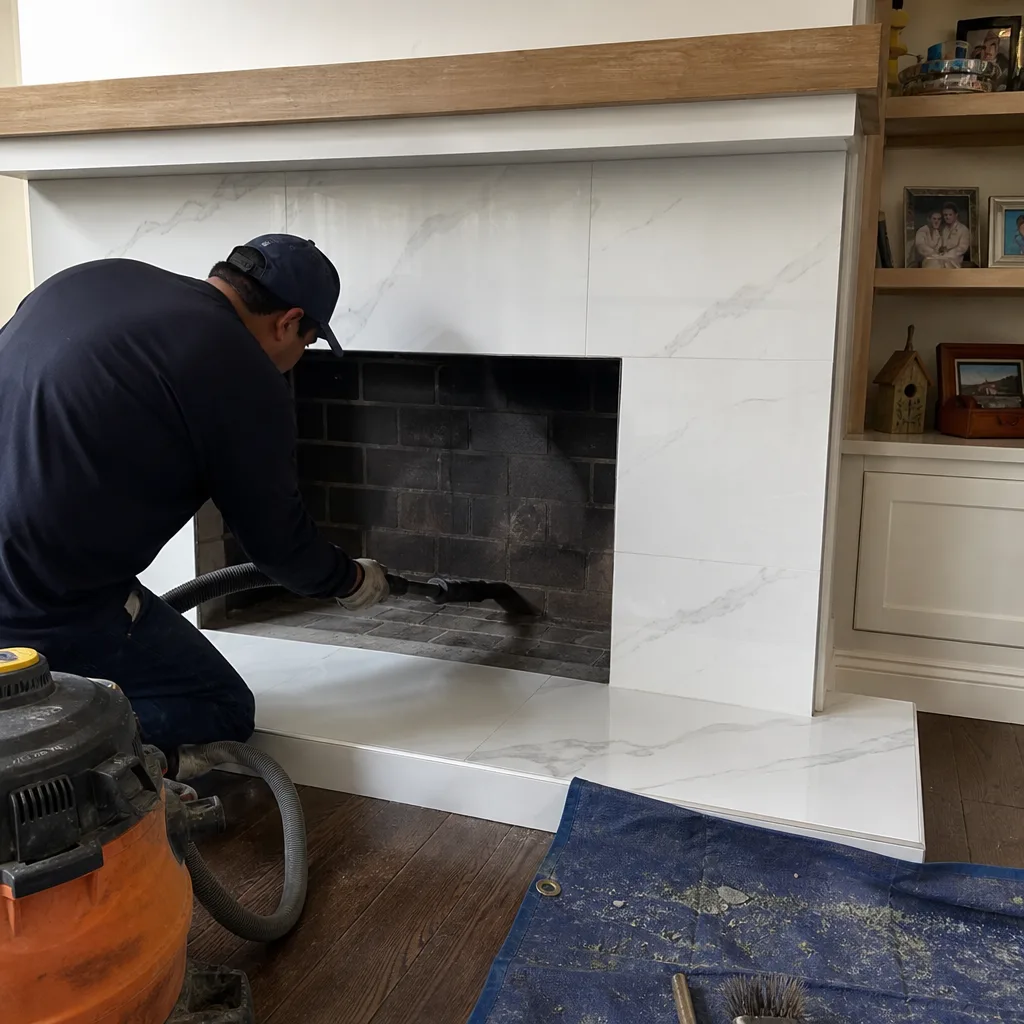
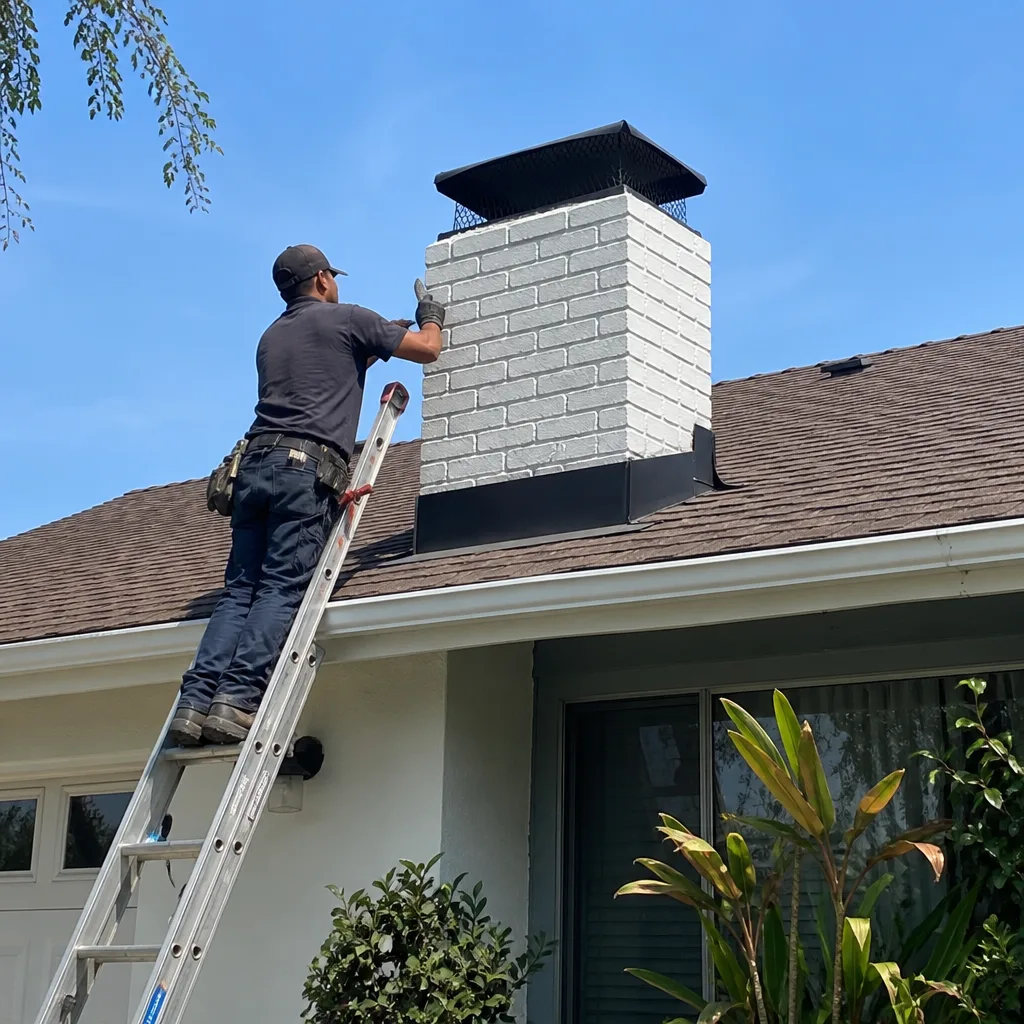
Level 1 sweep and inspection to the NFPA 211 annual standard - flue, crown, cap, and flashing checked and photographed
Chimney sweep logs do not sweep chimneys. They loosen some creosote - which then falls where a brush and vacuum still have to collect it.
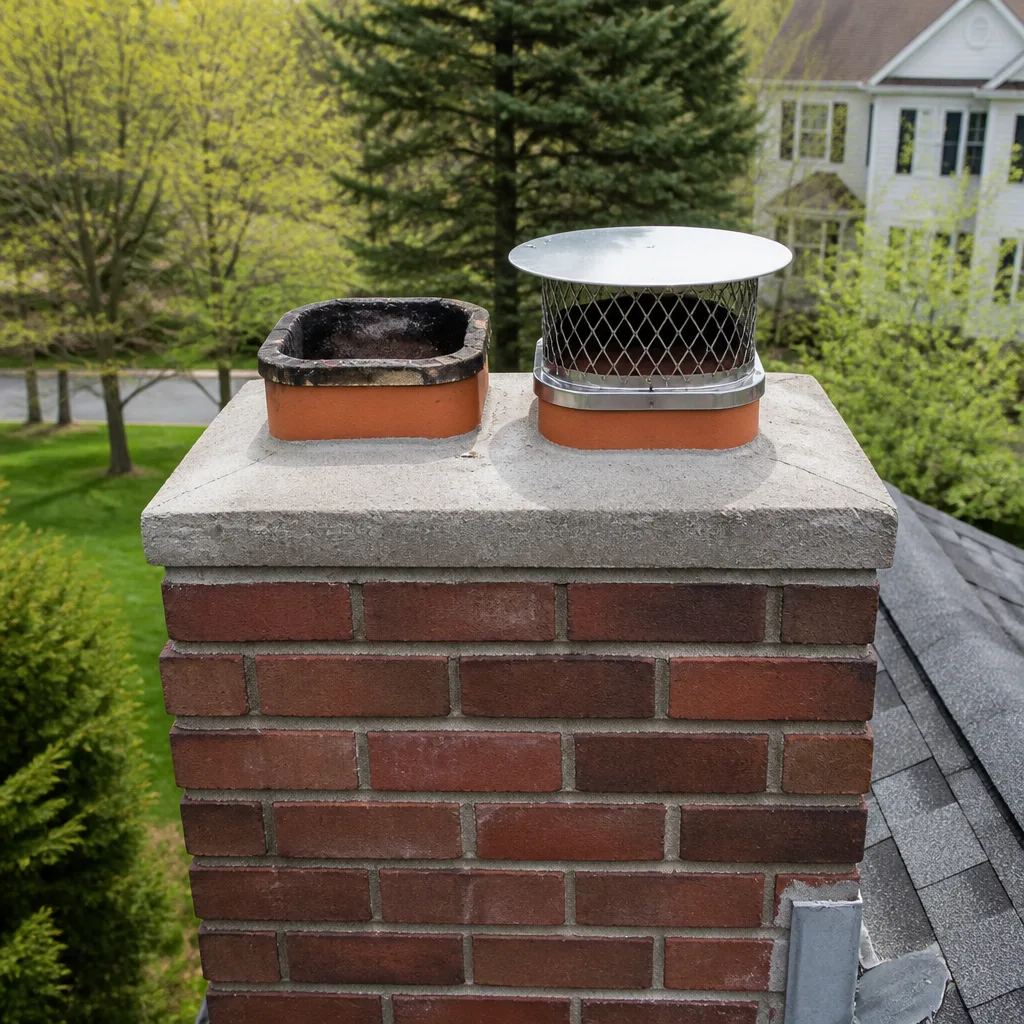
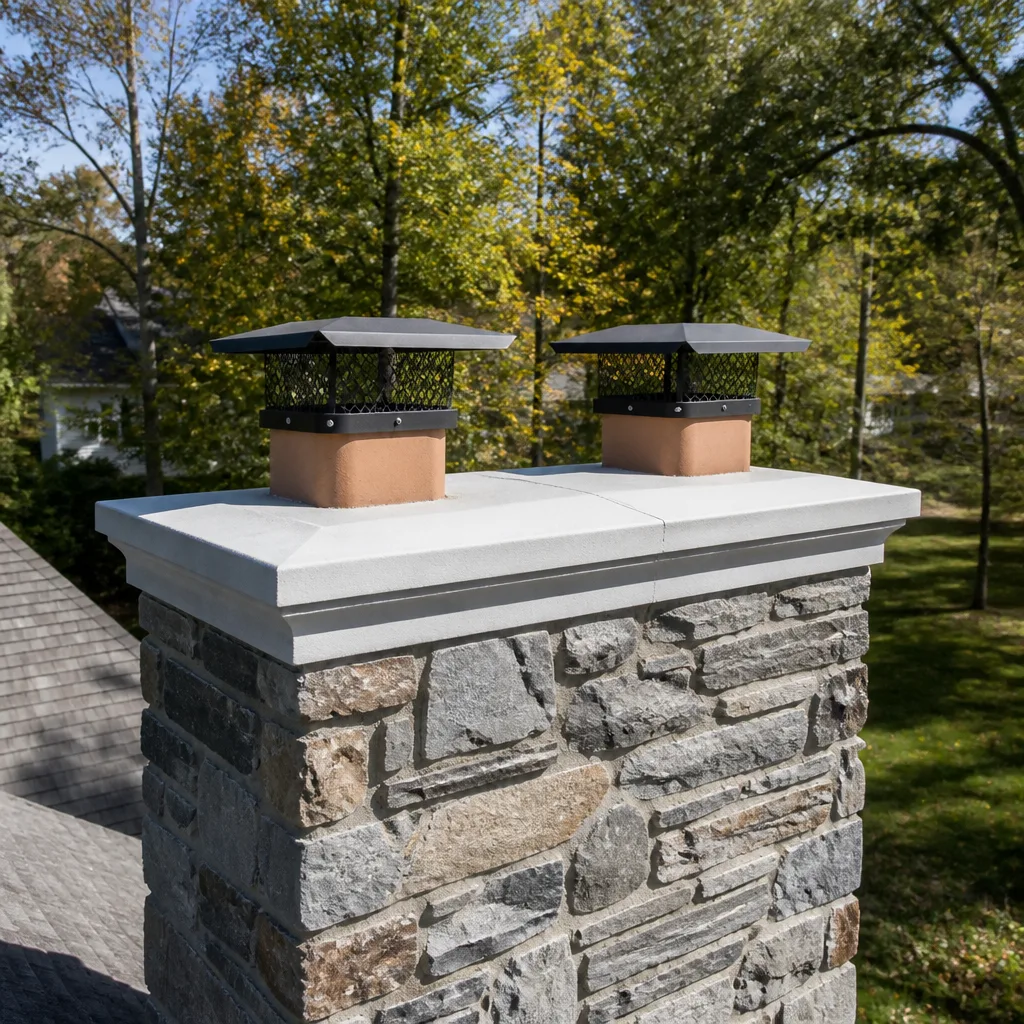
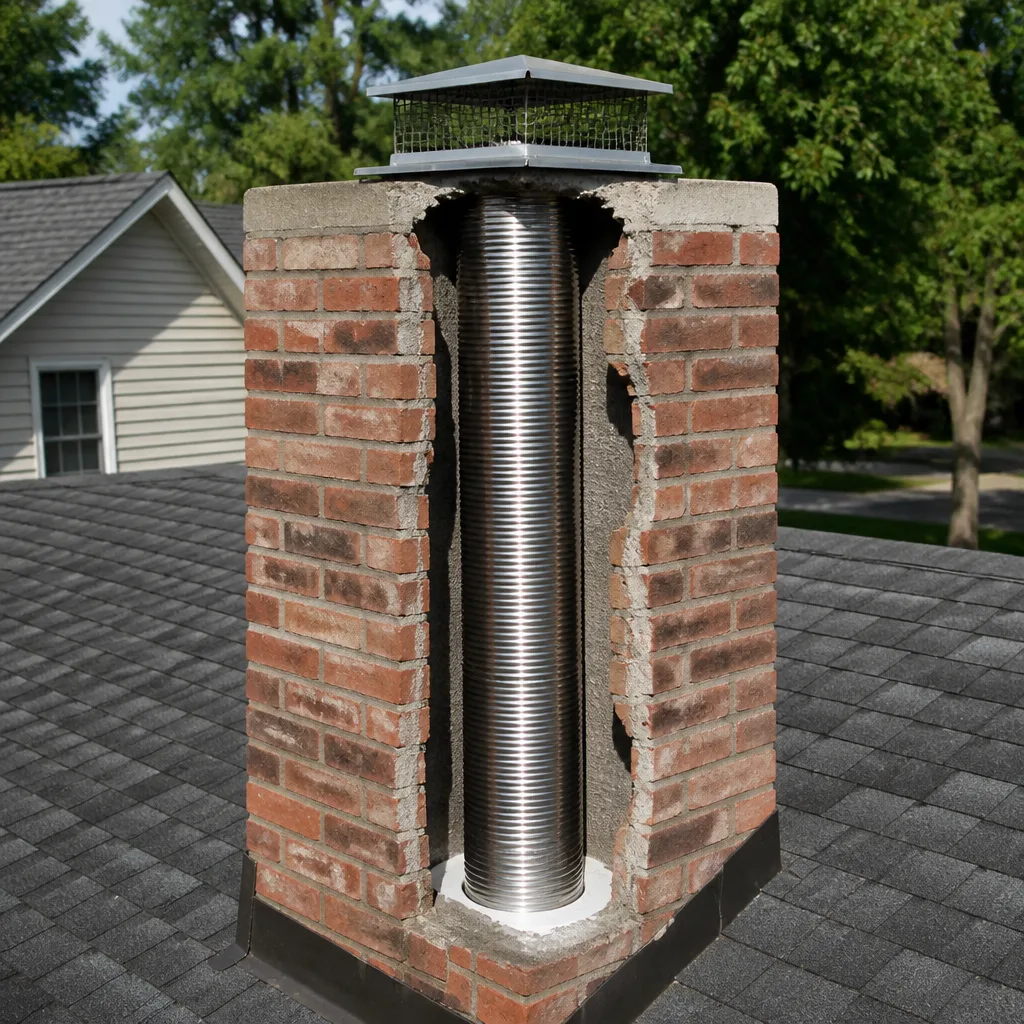
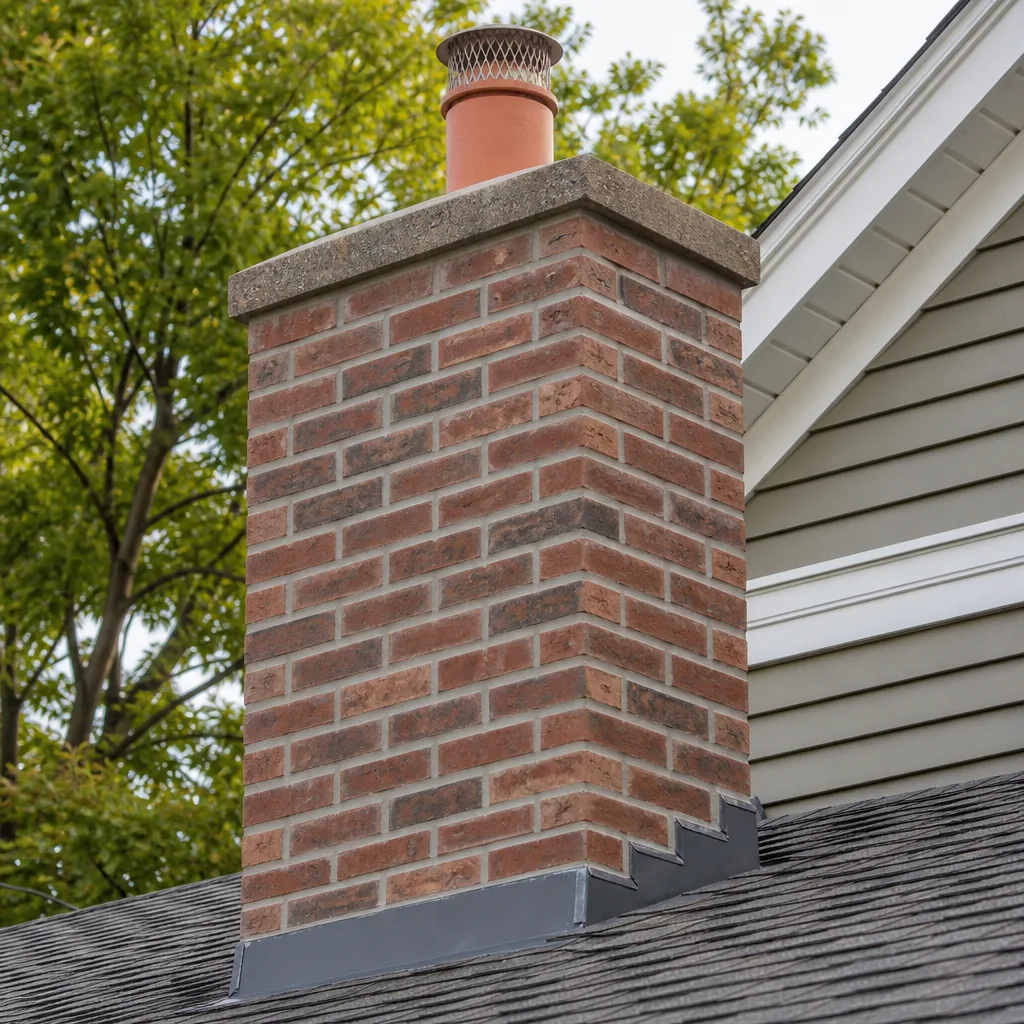
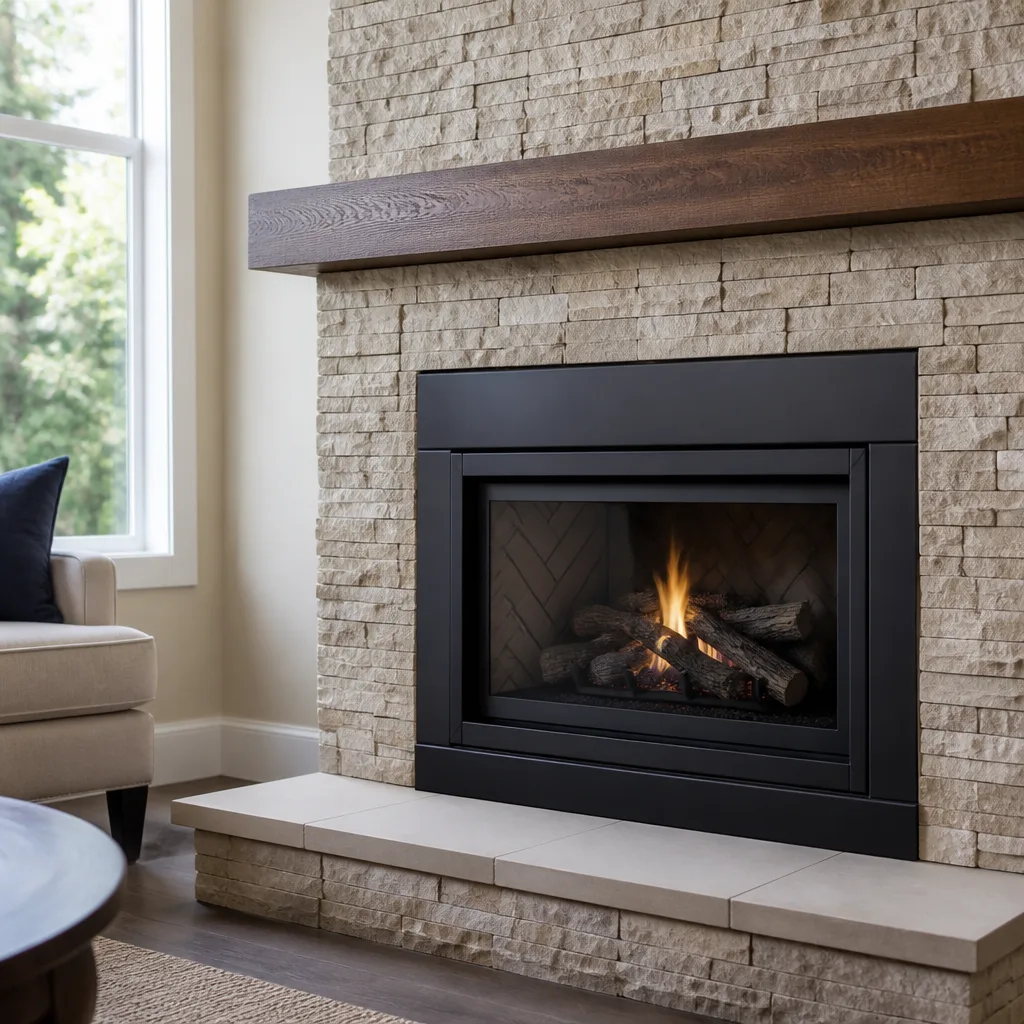
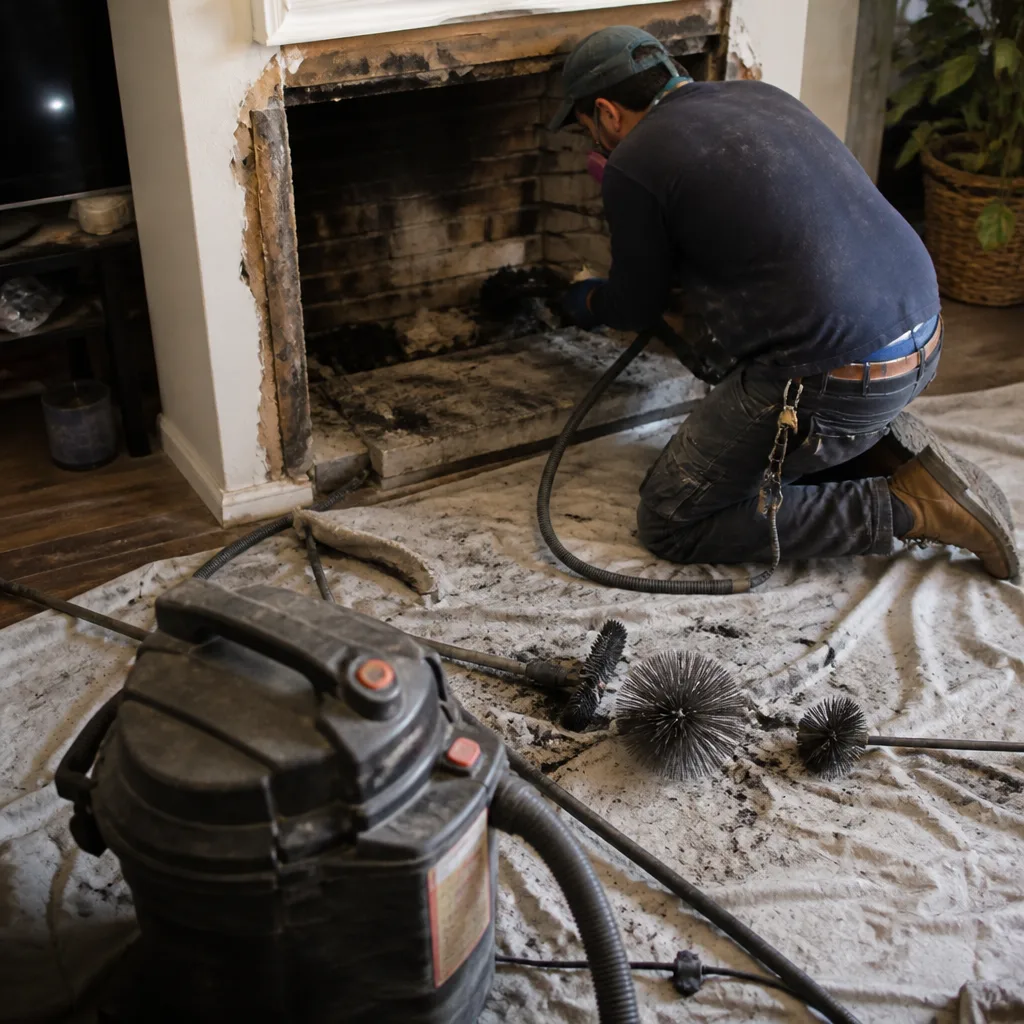 Before
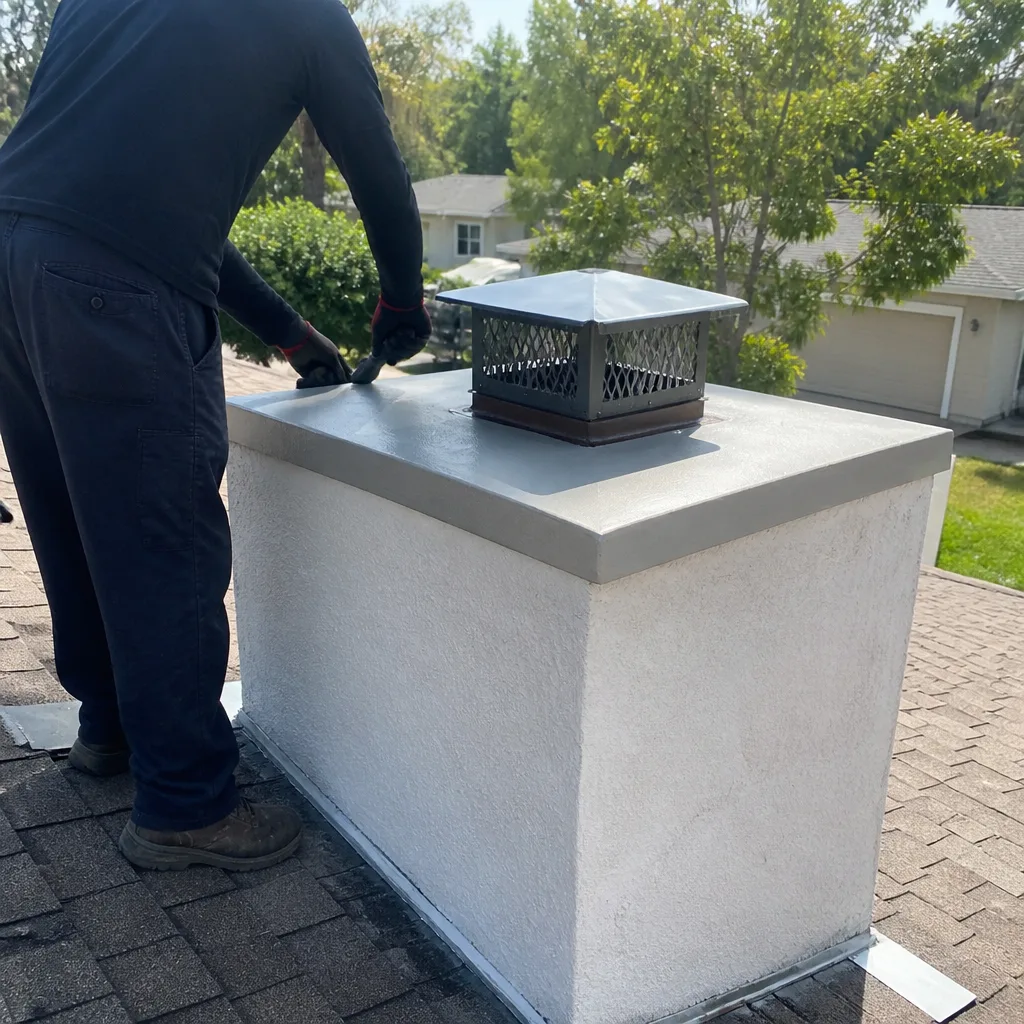 After
After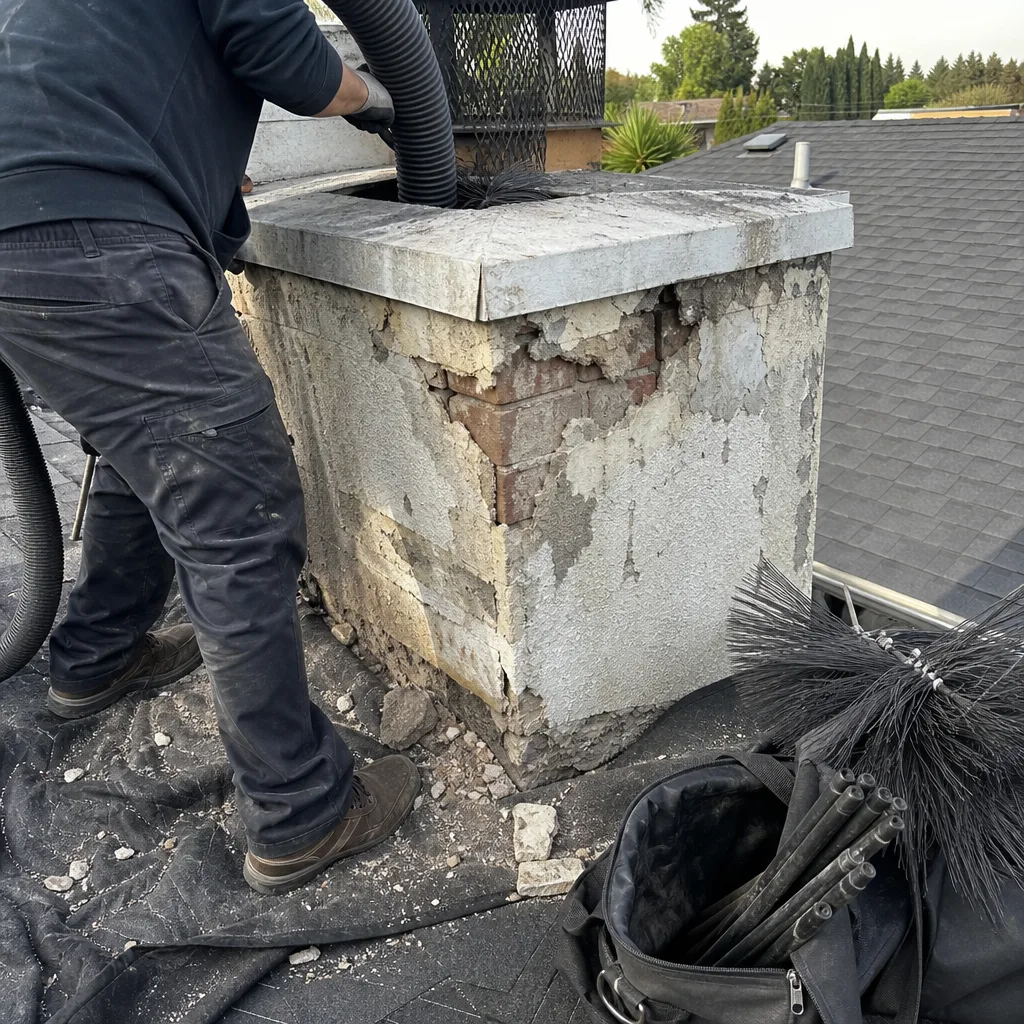 Before
 After
After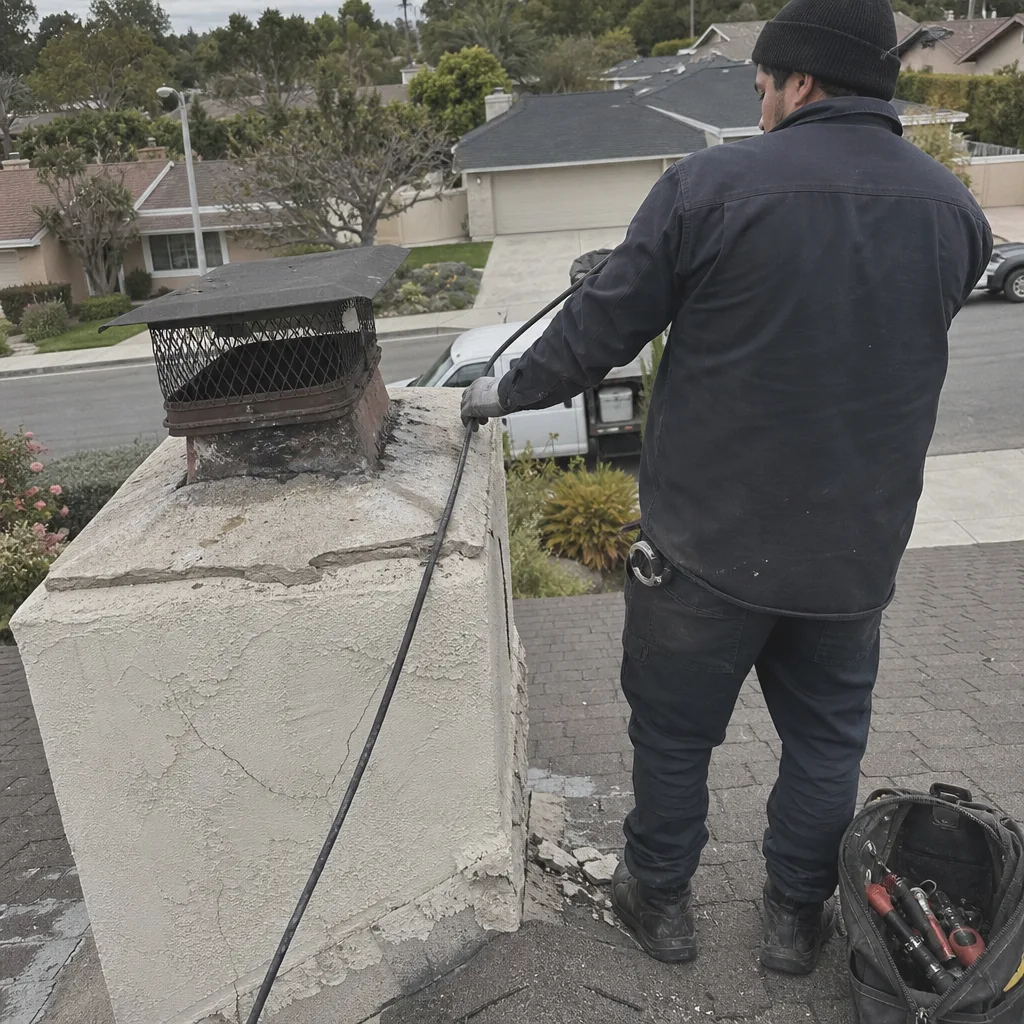 Before
 After
AfterDIY vs Professional Chimney Cleaning: The Los Angeles Homeowner’s Decision Guide
Most Los Angeles homeowners assume the DIY chimney cleaning debate is about skill: can I run a brush up a flue without making a mess or hurting myself? The honest answer is usually yes, with the right tools and enough patience. But in Los Angeles, that’s the wrong question. The right question is whether your insurance carrier will accept your word that the chimney was clean when the fire started. They won’t. And in LA’s high-fire-severity zones, that distinction matters more than in almost any other city in California. This guide walks through the real decision points: what you can safely do yourself, what requires professional equipment, what LAFD expects, and what your insurer will ask for after a claim. For related guidance, see our DIY vs Professional Chimney Sweep: What’s Safe to Do Yourself.
Quick Answer
DIY chimney cleaning in Los Angeles is safe and sensible for a narrow set of tasks: ash removal, visual checks of the cap and damper, and cleaning a decorative fireplace that never burns. Anything involving an active wood-burning flue, a creosote layer thicker than 1/8 inch, or a chimney connected to a furnace or water heater should be handled by a professional, because the written service record is what your insurer and LAFD will ask for. A standard professional sweep in Los Angeles runs $189 to $349, and that price includes the documentation a DIY job can’t produce.
Table of Contents
- What a Los Angeles Homeowner Can Safely Do Themselves
- What Actually Requires Professional Equipment
- The Real Equipment Cost of a Proper DIY Flue Cleaning
- The LAFD Red-Tag and Clearance Process in Los Angeles
- What Insurance Adjusters Look For After a Chimney Fire in California
- The One Scenario Where DIY Is the Correct Answer
- When to Call a Professional
What a Los Angeles Homeowner Can Safely Do Themselves
Let’s start with what’s genuinely within reach. A competent homeowner with basic tools and the right mindset can handle three chimney maintenance tasks without a professional, and doing them regularly is good practice between professional sweeps.
1. Firebox ash removal. Wait at least 72 hours after the last fire, scoop ash into a metal container with a tight lid, and set it outside, away from the house and any combustible materials. This is the single most overlooked maintenance task in Los Angeles homes, because our burning season is short and people simply forget between February and November. A firebox half-full of ash restricts airflow, which makes fires burn dirtier and builds creosote faster.
2. Cap and spark arrestor visual check. From the ground, use binoculars to look at the chimney cap. Is it in place? Are the mesh sides of the spark arrestor intact, or are there gaps where embers could escape? After Santa Ana wind events, we routinely find caps shifted or mesh torn loose. You can see the cap clearly from the street or yard. You cannot properly assess the flue liner from the ground, and that’s fine; that’s not the task.
3. Damper operation test. Open and close the damper a few times. Does it move freely? Does it seal when closed, or can you feel a draft? A damper that doesn’t seal properly pulls conditioned air out of your house year-round, and in Los Angeles where air conditioning runs half the year, that’s real money on your DWP bill. If the damper sticks, binds, or won’t fully close, that’s a repair call, not a DIY project.
These three tasks require no specialized equipment, no ladder work above the roofline, and no contact with creosote. They will not void any insurance requirement, because they are not the cleaning itself. They are routine maintenance between professional visits.
What Actually Requires Professional Equipment
The break point between DIY and professional chimney inspection is not skill. It’s access and extraction. Any task that requires you to get on the roof, reach into the flue, or remove creosote from your living space without releasing fine particulate into your home is a professional job. Here’s what that looks like in practice.
Full-length flue brushing. A chimney brush sized to your flue diameter, attached to enough rod sections to reach the full length of the flue, worked from the roof down or from the firebox up. This is the core of a sweep. If you buy a brush off the shelf and run it up the flue from below, you will not fully remove the creosote on the upper third of the flue in most Los Angeles fireplaces, because the angles and offsets in the flue route are not straight. A professional uses a rotary brush system or a rod-and-brush system with the proper diameter measured for your specific flue dimensions.
Creosote removal and disposal. Creosote is flammable, sticky, and when disturbed it becomes airborne particulate that settles on furniture, floors, and into HVAC returns if you don’t run a HEPA vacuum with a proper seal. The extraction side of chimney cleaning is as important as the brushing side. A professional setup includes a HEPA vacuum running at the firebox opening the entire time the brush works, plus drop cloths and sealing media at the fireplace opening.
Chimney inspection after cleaning. A sweep without an inspection is incomplete. After the brush runs, a professional in Los Angeles does a visual inspection of the flue liner, checks the smoke chamber, and confirms the damper seals. That inspection becomes a written record. Your insurance carrier accepts it. Your DIY effort, however thorough, produces no such record.
Appliance-connected chimneys. If your chimney vents a gas furnace, water heater, or boiler, do not attempt to clean it yourself. These systems involve combustion gases under specific pressures and clearances, and disturbing the flue without proper testing can create a carbon monoxide risk inside the home. This is not a scare tactic. It is the line between a fireplace flue and a venting system that operates whenever your heat runs, whether you are home or asleep.
The Real Equipment Cost of a Proper DIY Flue Cleaning
The most common argument for DIY is cost. Let’s price out a proper one-time DIY flue cleaning in Los Angeles, with equipment that would actually do the job correctly, not the $39 brush kit at a big-box store that will leave you frustrated and dirty.
- Flue brush set sized to your flue diameter: $60 to $120 for a quality brush with rod attachments.
- HEPA vacuum with chimney-specific attachment and filter: $250 to $500. A standard shop vac will not contain the fine creosote dust; it will blow it back into your living room.
- Drop cloths, sealing tape, and poly sheeting to seal the firebox opening: $40 to $75.
- Disposal bags rated for creosote and ash: $25 to $40.
- Roof harness and tie-off if you access the flue from the roofline: $80 to $150 for a basic kit, and you need to know how to use it correctly.
- Total realistic outlay: $455 to $885 for a first-time DIY setup.
A professional chimney sweep in Los Angeles runs $189 to $349 for a standard fireplace. The professional visit includes the cleaning, the extraction, the inspection, and a written service record. The DIY path costs more upfront, requires storage space for the equipment, and produces nothing your insurer will accept as proof of maintenance. Where DIY makes financial sense is only if you plan to sweep the same chimney year after year and you accept the documentation gap.
We have also walked into Los Angeles homes where the homeowner attempted a DIY clean and the flue was so damaged by the wrong brush diameter that the DIY vs professional chimney repair cost three times what a sweep would have. A flue liner scratched by an undersized or oversized brush does not heal. It needs either resurfacing or replacement. In our experience across Los Angeles neighborhoods, the homes most likely to have DIY damage are those built between 1940 and 1975, where the original clay tile liners are already fragile.
The LAFD Red-Tag and Clearance Process in Los Angeles
Los Angeles is one of the few cities in California where a fireplace or chimney can be flagged, or “red-tagged,” by the Los Angeles Fire Department during a property inspection, a transfer inspection, or after a visible chimney fire. Understanding how this process works, and how a DIY cleaning complicates it, is the single most overlooked factor in the DIY versus professional decision.
- The tag is issued. An LAFD inspector identifies a condition that creates a fire or safety hazard: visible creosote buildup, a cracked or deteriorated flue liner, an improperly installed cap, or evidence of a chimney fire. The inspector issues a written notice, commonly called a red tag, that the fireplace or appliance must not be used until the condition is corrected.
- Correction is required. The homeowner must have the condition repaired, cleaned, or replaced by a qualified party. LAFD does not specify who must do the work, but it does require documentation that the work was done correctly and the hazard was cleared.
- Clearance is documented. The homeowner submits proof of correction. This is where the documentation gap hits: a written professional service record satisfies the requirement. A homeowner’s verbal assertion that “I cleaned it myself” often does not. LAFD wants to see a report, not a promise.
- Re-inspection may be required. In some cases, LAFD will re-inspect the property to confirm the tag can be lifted. This is more common in the Very High Fire Hazard Severity Zones, which cover significant portions of the hillsides and canyon areas around Los Angeles.
If your chimney was red-tagged and you perform a DIY cleaning with no written record, you are relying on an LAFD inspector’s judgment that your work resolved the hazard. If the inspector is not satisfied, you start over, and the clock runs. A professional sweep and inspection produces the documentation an inspector will accept, usually on the first pass. This is not about quality of work; it is about accountability. A written record means someone else is accountable. That is what LAFD, like any regulatory body, wants to see. If you find yourself in this situation, a chimney inspection in Los Angeles with a written report is the fastest path back to a usable fireplace.
What Insurance Adjusters Look For After a Chimney Fire in California
California insurance carriers in high-fire-severity zones have tightened chimney-related claim standards over the last decade. The adjuster’s job after a chimney fire is to determine whether the homeowner maintained the chimney in a way that a reasonable person would. Your answer to that question, without documentation, is shaky ground.
Here is what an adjuster will ask for:
- Most recent professional cleaning or inspection report. In California’s high-fire-risk zones, many policies now include a clause requiring professional chimney maintenance as a condition of coverage for chimney-related claims. A self-performed cleaning, however diligent, does not satisfy a requirement that specifically calls for professional service.
- Receipts for any repairs, with company name and date. If you repaired the flue liner or replaced the cap, the adjuster wants to see who did it and when. A receipt from a chimney supplier, without a professional installation record, does not prove the work was done correctly.
- Evidence of regular maintenance over time. One cleaning five years ago will not protect a claim. Adjusters look for a pattern: a record of sweeps, ideally annual, with dates and company names. This is the strongest documentation a homeowner can produce, and it is only possible with professional service records.
The uncomfortable truth: after a chimney fire, the first thing an adjuster does is look for a reason to deny the claim. In our experience in Los Angeles, the fastest denials happen when the homeowner cannot produce any professional service record and the flue shows heavy creosote buildup. The written record from a professional sweep is the single piece of paper that separates a paid claim from a denied one. That’s not a sales pitch. That’s what the adjuster told the homeowner in the three claim consultations we’ve been asked to support in Los Angeles County in the last two years.
The One Scenario Where DIY Is the Correct Answer
There is exactly one situation in Los Angeles where DIY chimney cleaning is the right call, and it’s worth naming it plainly, because a lot of generic advice misses it.
A decorative, non-functional fireplace with a sealed or permanently capped flue. If your fireplace has never been used for burning, was sealed by a previous owner, has a permanently installed cap that blocks any use, or has been converted to a decorative feature (gas logs with a sealed flue, or no burner at all), then a professional chimney sweep is not required. There is no creosote to remove. The flue is not carrying combustion gases. The fireplace is a visual feature, not a venting system.
In this case, your maintenance is what we laid out in the first section: ash removal if there’s leftover ash from a previous life, a visual check of the cap from the ground, and a damper test. If the damper is sealed shut or removed, you skip that step. Your insurance carrier has no claim exposure related to chimney fire because there is no burning. LAFD has no inspection trigger because there is no fuel being consumed. This is the one clean case for DIY, and it’s not a compromise; it’s the correct answer.
If the fireplace is decorative but the flue is open to the exterior and birds or water are getting in, that’s a cap or damper repair, not a cleaning. A chimney repair in Los Angeles with the right cap, installed and documented, is the fix. A sealed flue that starts leaking needs a professional, not a brush.
Common Mistakes to Avoid
- Buying a brush without measuring the flue. Flue diameters vary by a lot. A brush that is too large will jam; too small will not clean. Measure first, or call someone who will.
- Cleaning an active flue without a HEPA vacuum running. Creosote dust released into your living room settles into carpet, upholstery, and HVAC returns. It is extremely difficult to fully remove once it spreads.
- Attempting a DIY repair on a clay tile liner. Cracked tiles require professional assessment. Covering a crack with sealant from a hardware store will fail, and the repair will be more expensive later.
- Ignoring the smoke chamber. The smoke chamber, the area above the damper where smoke funnels into the flue, collects creosote faster than most parts of the chimney. A brush that only runs the flue misses the chamber. This is a common DIY blind spot.
- Assuming a gas log set means no maintenance. Gas log sets with open flues still need periodic inspection. Soot from gas logs can build up, and the flue still vents combustion gas, even if it doesn’t produce wood creosote.
- Cleaning from the roof without a harness. Los Angeles roofs have steep pitches and, in the hills, long drops. A fall from a roof is a life-altering injury. If you are not equipped and trained to work at height, don’t get on the roof.
When to Call a Professional
Call a professional if you see visible creosote buildup thicker than 1/8 inch (it looks like shiny black tar or flaky crust), if you smell a strong smoky odor from the fireplace when it’s not in use, if you had a chimney fire event, if your flue vents a furnace or water heater, or if your chimney has been red-tagged and you need documented clearance. Any of these conditions means the job is no longer a simple cleaning. Flint Chimney Sweep home details our full service area and process. Flint Chimney Sweep offers free estimates in Los Angeles, call (830) 251-4560.
Frequently Asked Questions
A standard chimney sweep in Los Angeles typically costs between $189 and $349, depending on flue height, creosote level, and accessibility. The price includes the cleaning, the extraction, a visual inspection, and a written service record. Call (830) 251-4560 for an exact quote, estimates are free.
You can perform basic maintenance yourself: ash removal, cap visual check, and damper testing. A full flue cleaning requires equipment most homeowners don’t have, produces documentation your insurer expects, and involves risk if the flue vents a furnace or water heater. If you burn wood more than a few times per year, the professional record is worth the cost.
The National Fire Protection Association recommends a professional inspection at least once per year, and a sweep whenever creosote reaches 1/8 inch. In Los Angeles, where burning seasons are shorter than in colder climates, a sweep every one to two years is usually sufficient for a wood-burning fireplace used regularly during winter months. If you burn unseasoned wood or use the fireplace heavily, sweep annually.
Creosote accumulates in the flue and smoke chamber. At 1/8 inch, it becomes a fuel load. A hot fire with a tight updraft can ignite it, creating a chimney fire that reaches 2,000 degrees Fahrenheit, cracks the flue liner, and can spread to the house. Even without a fire, a blocked or heavily coated flue can push carbon monoxide back into the living space. For a documented assessment, call (830) 251-4560.
The absence of a paper trail is the tell. After a chimney-related claim, the adjuster will ask for maintenance records. If none exist, the standard assumption is that maintenance was not performed. A professional service record, dated and itemized, is the documentation that satisfies the policy requirement. It is not a matter of honesty; it is a matter of process.
Los Angeles does not require annual professional chimney inspections for all homes. But if a chimney is red-tagged by LAFD, or if the property is in a Very High Fire Hazard Severity Zone with an insurance policy that includes a chimney maintenance clause, documentation of professional service becomes a practical requirement for clearance or claim payment. An inspection that produces a written report is the standard.
The Bottom Line
The DIY versus professional chimney cleaning decision in Los Angeles is not about whether you can do it. It’s about what you get when you’re done. A DIY cleaning saves money only if you ignore the equipment cost, the documentation gap, and the insurance reality. A professional sweep costs $189 to $349 and gives you a clean flue, a written record, and an inspection report your insurer and LAFD will accept. For the narrow case of a decorative fireplace that never burns, DIY is correct. Explore more guides & resources on chimney safety and maintenance. For everything else, call (830) 251-4560 and get a free estimate before the burning season starts.
Written by Hank Delano, Owner at Flint Chimney Sweep, serving Los Angeles since 2002.