
Last updated October 9, 2026
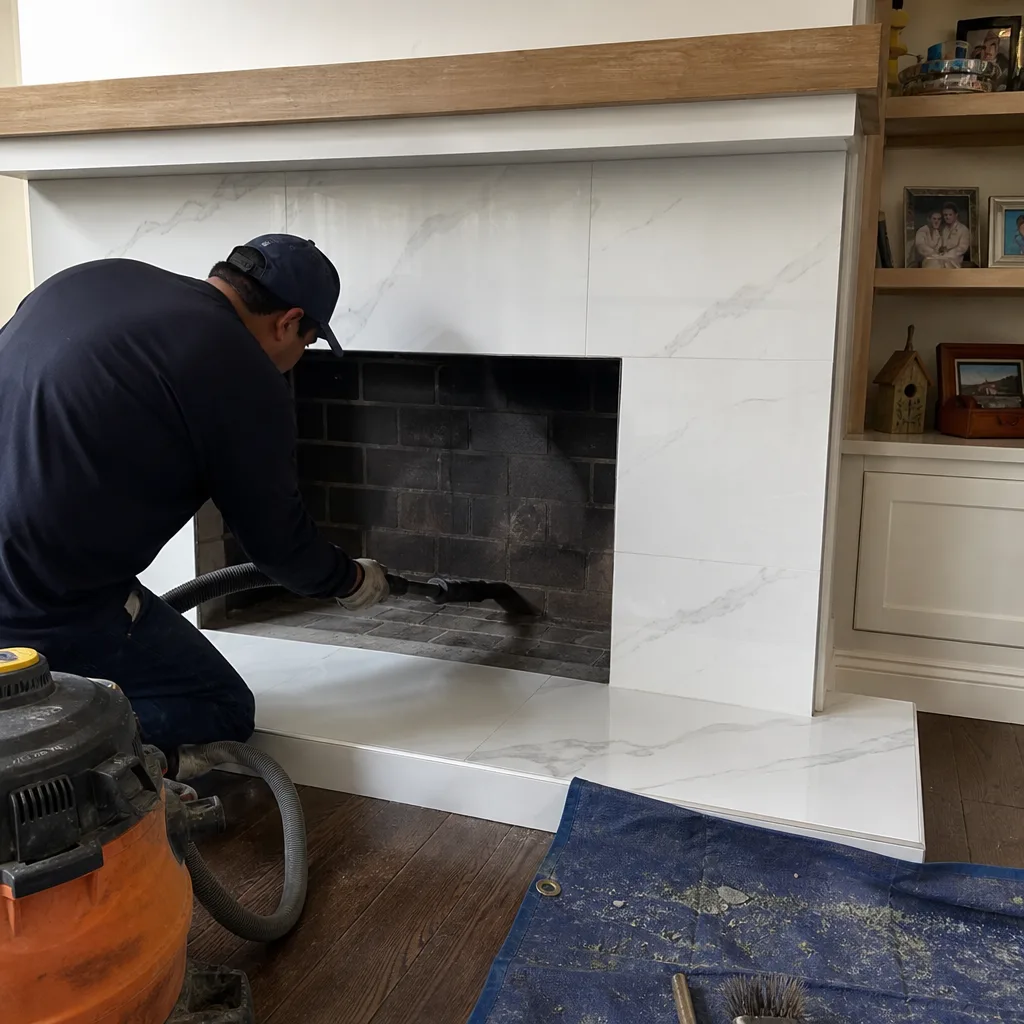
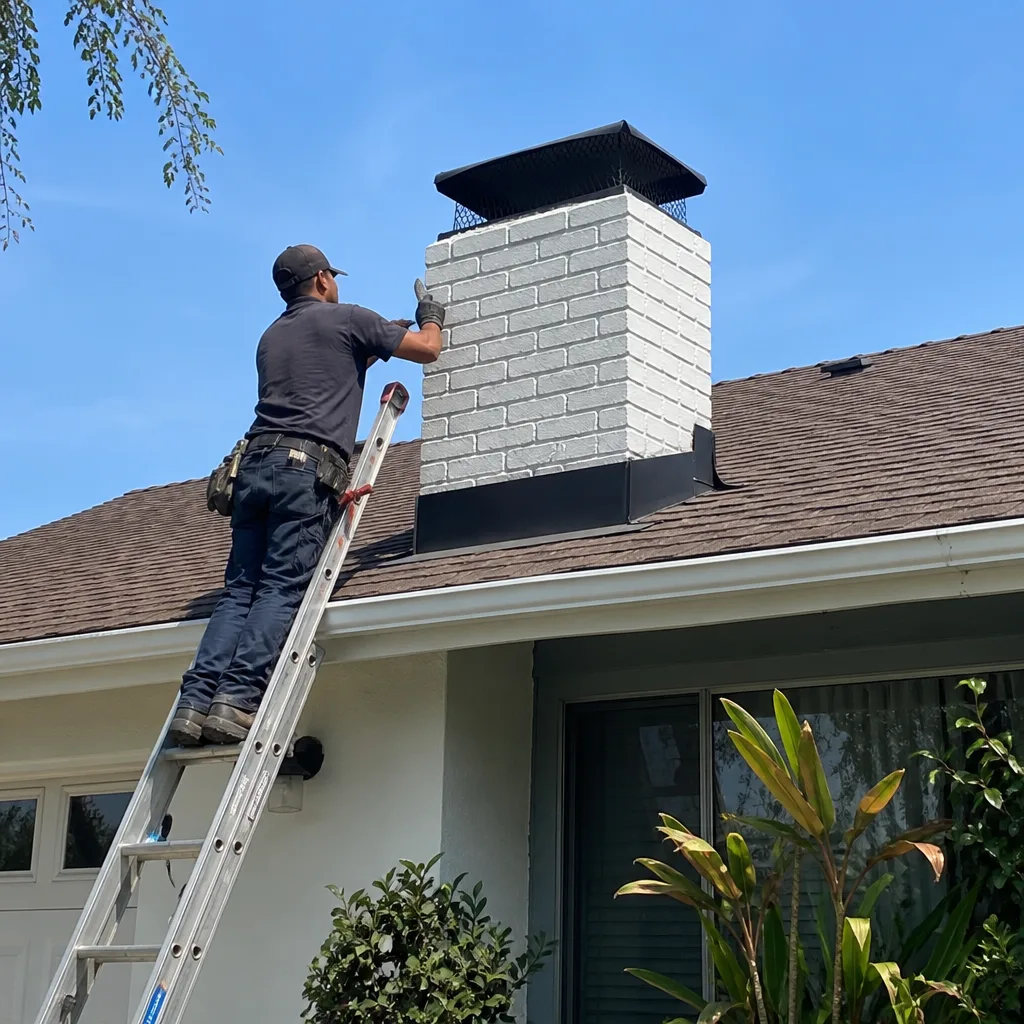
Level 1 sweep and inspection to the NFPA 211 annual standard - flue, crown, cap, and flashing checked and photographed
Chimney sweep logs do not sweep chimneys. They loosen some creosote - which then falls where a brush and vacuum still have to collect it.
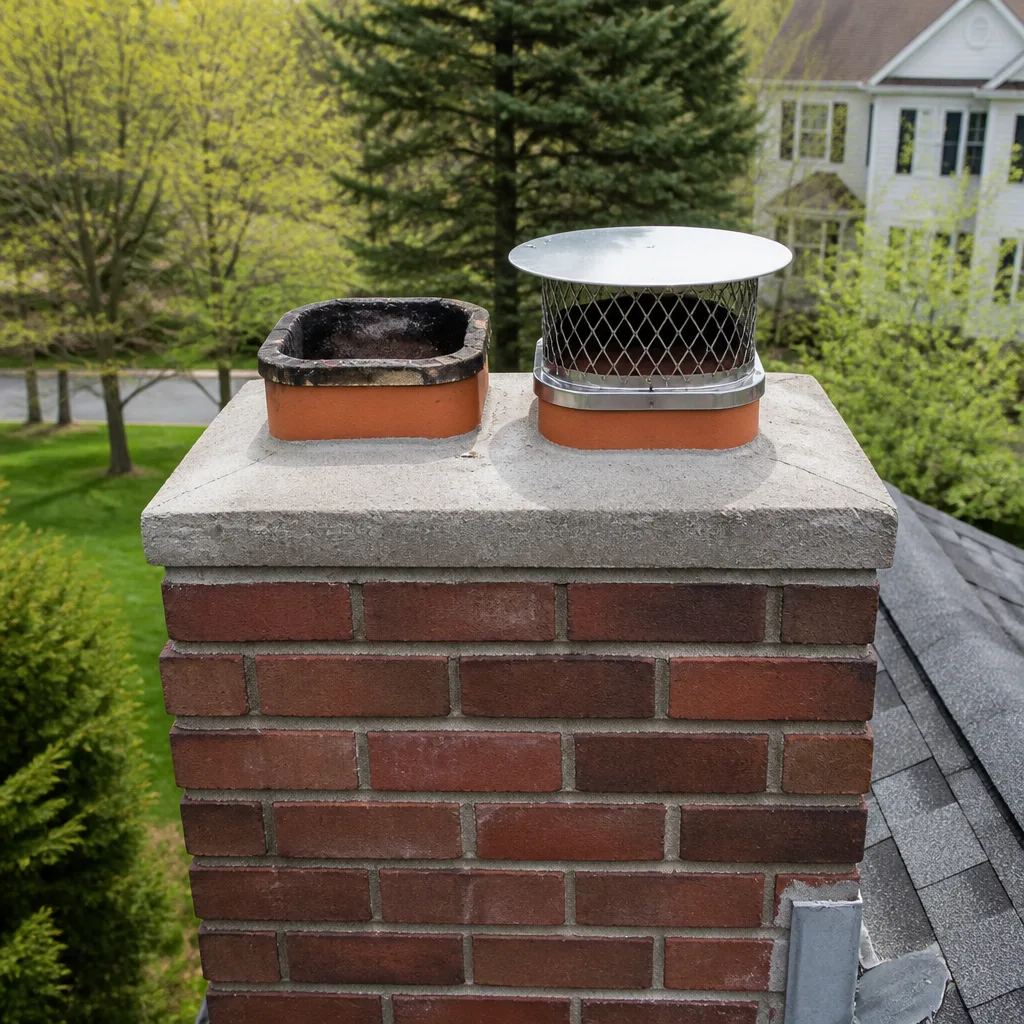
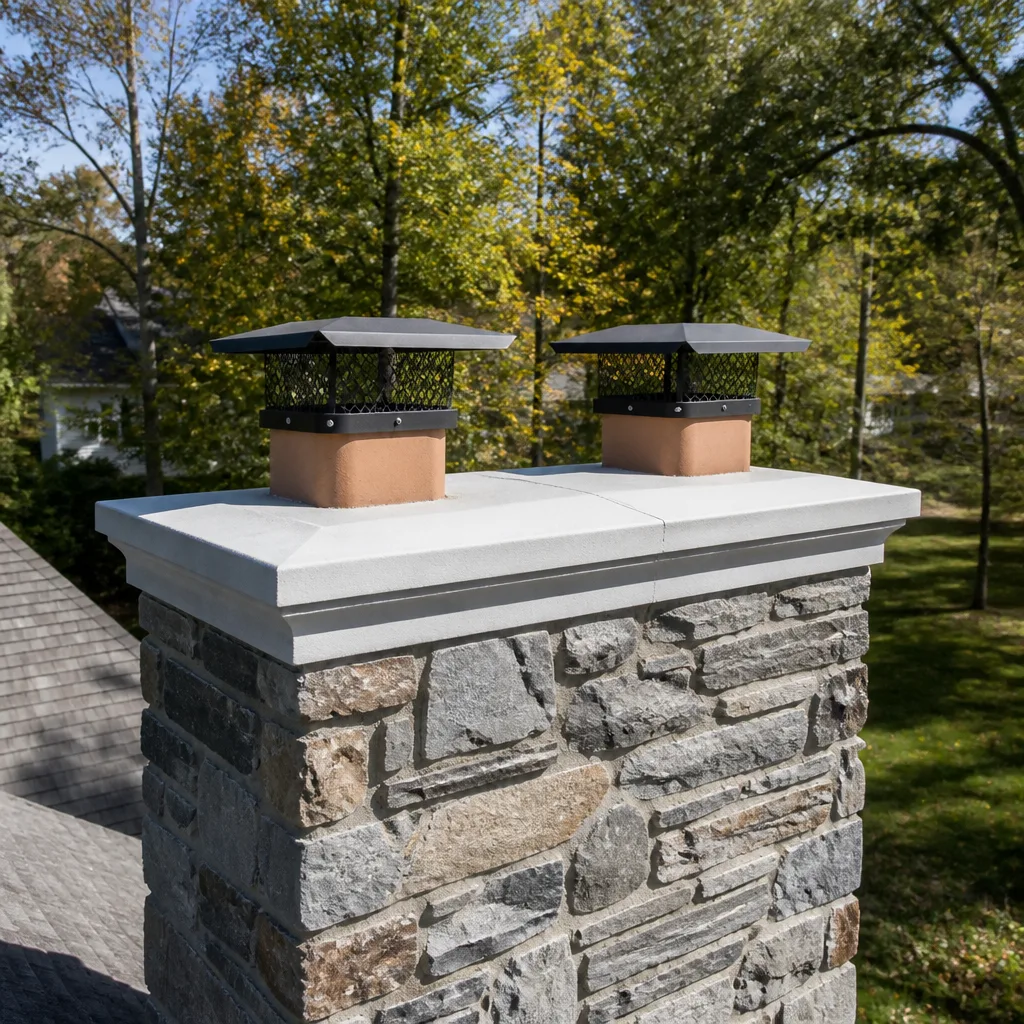
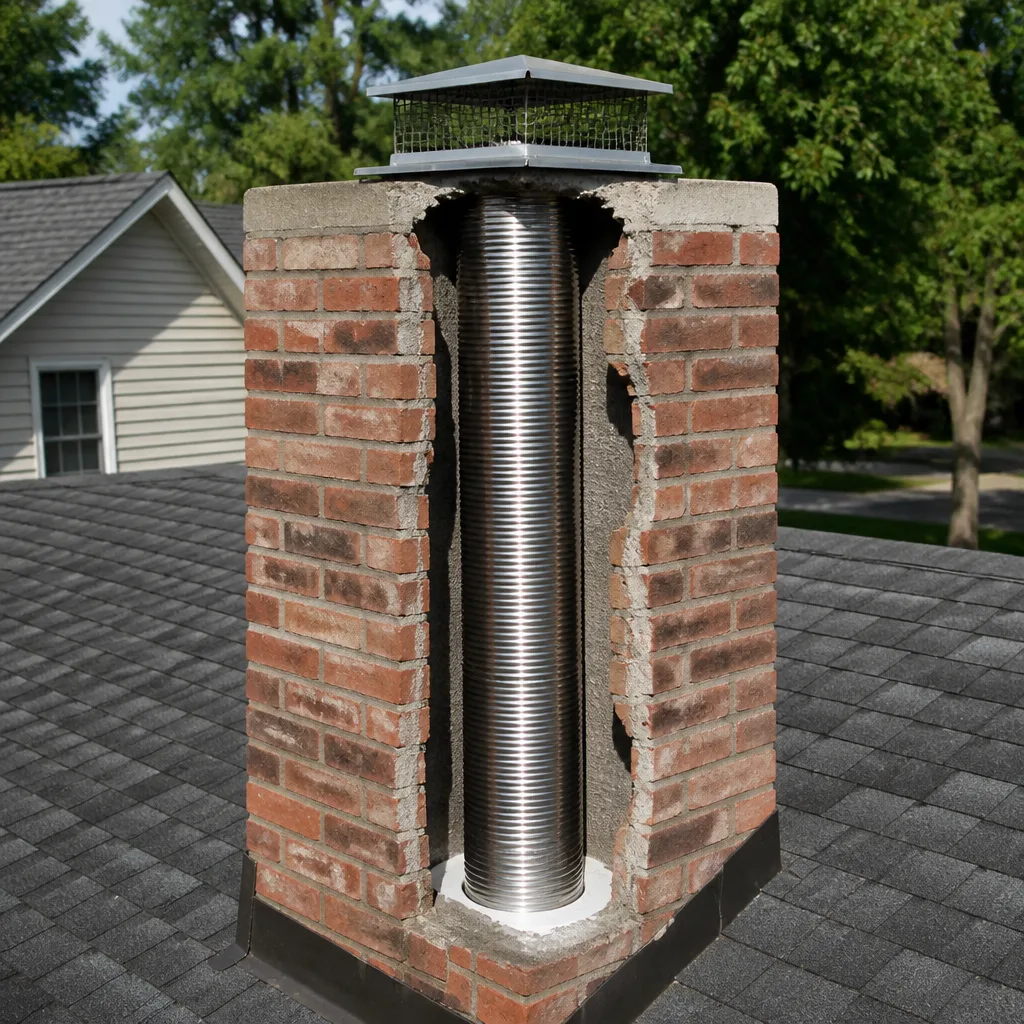
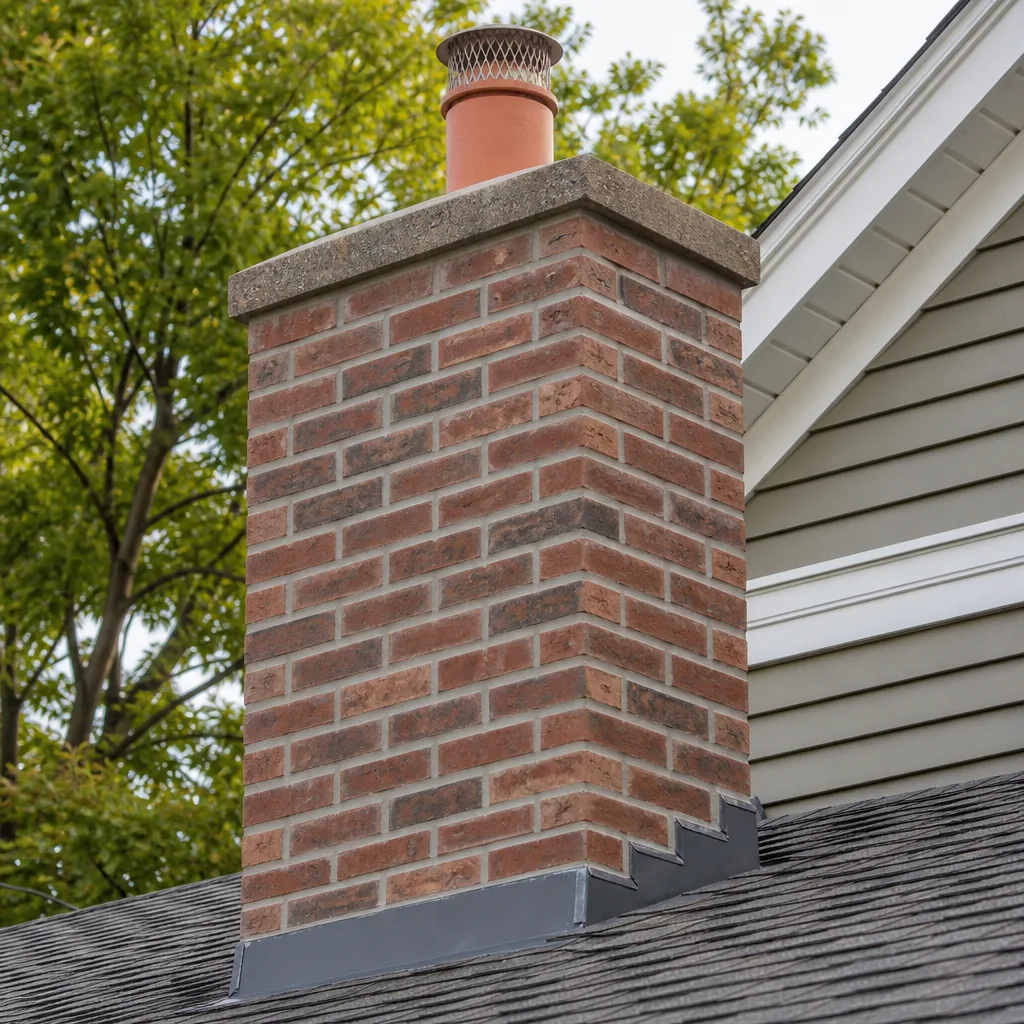
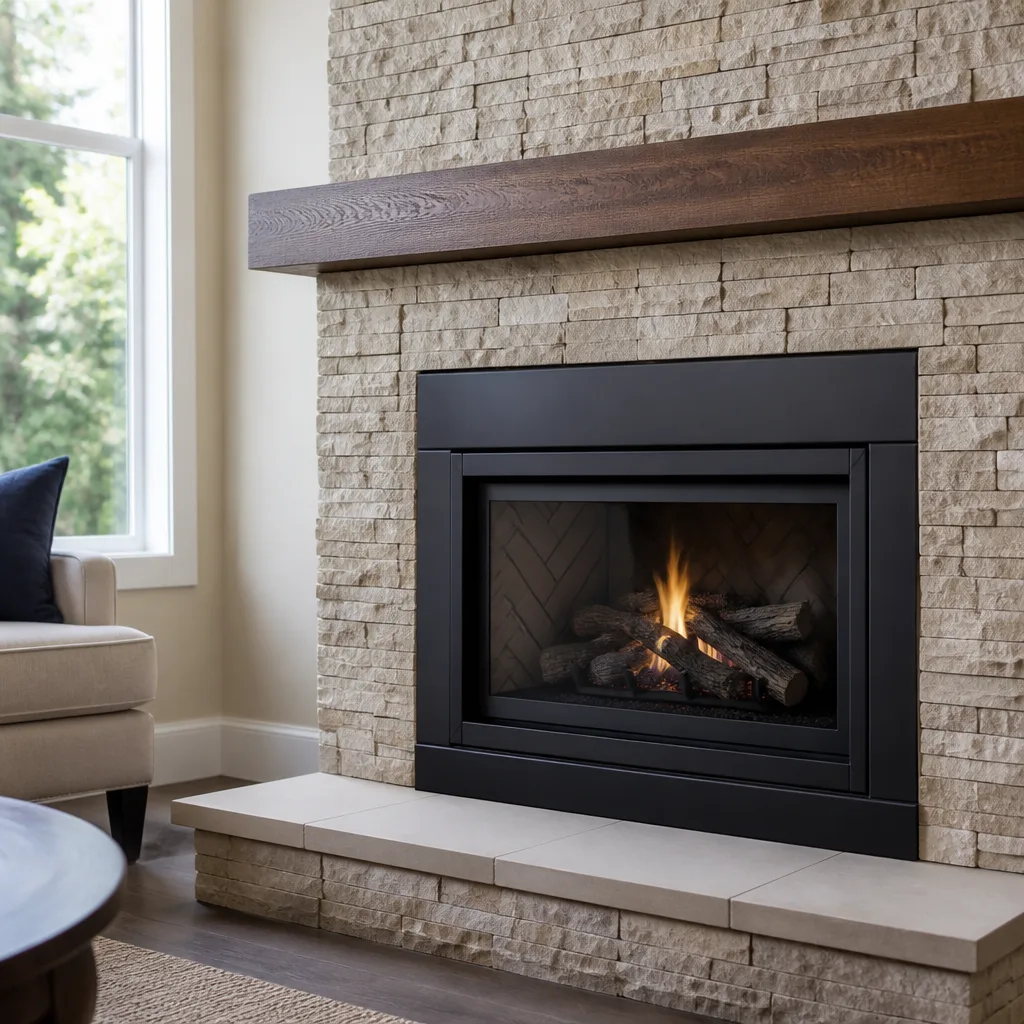
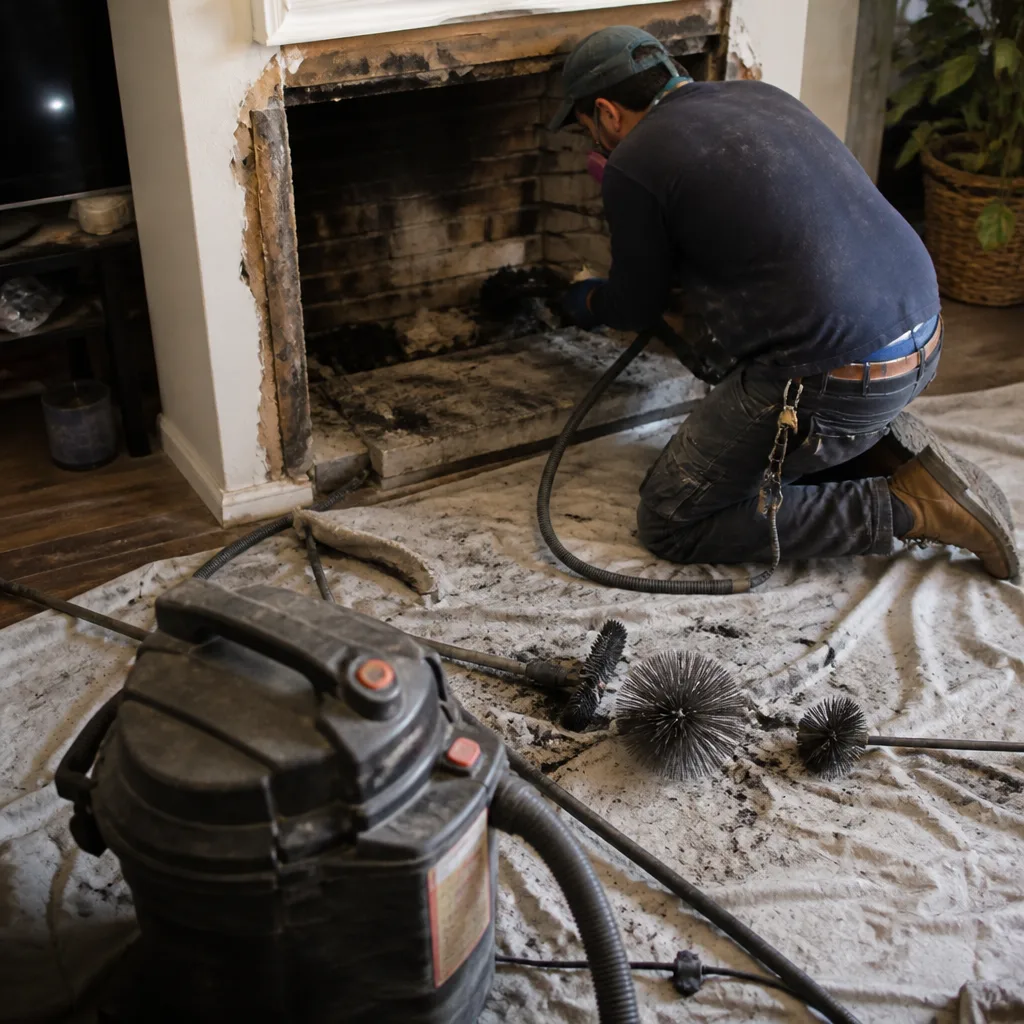 Before
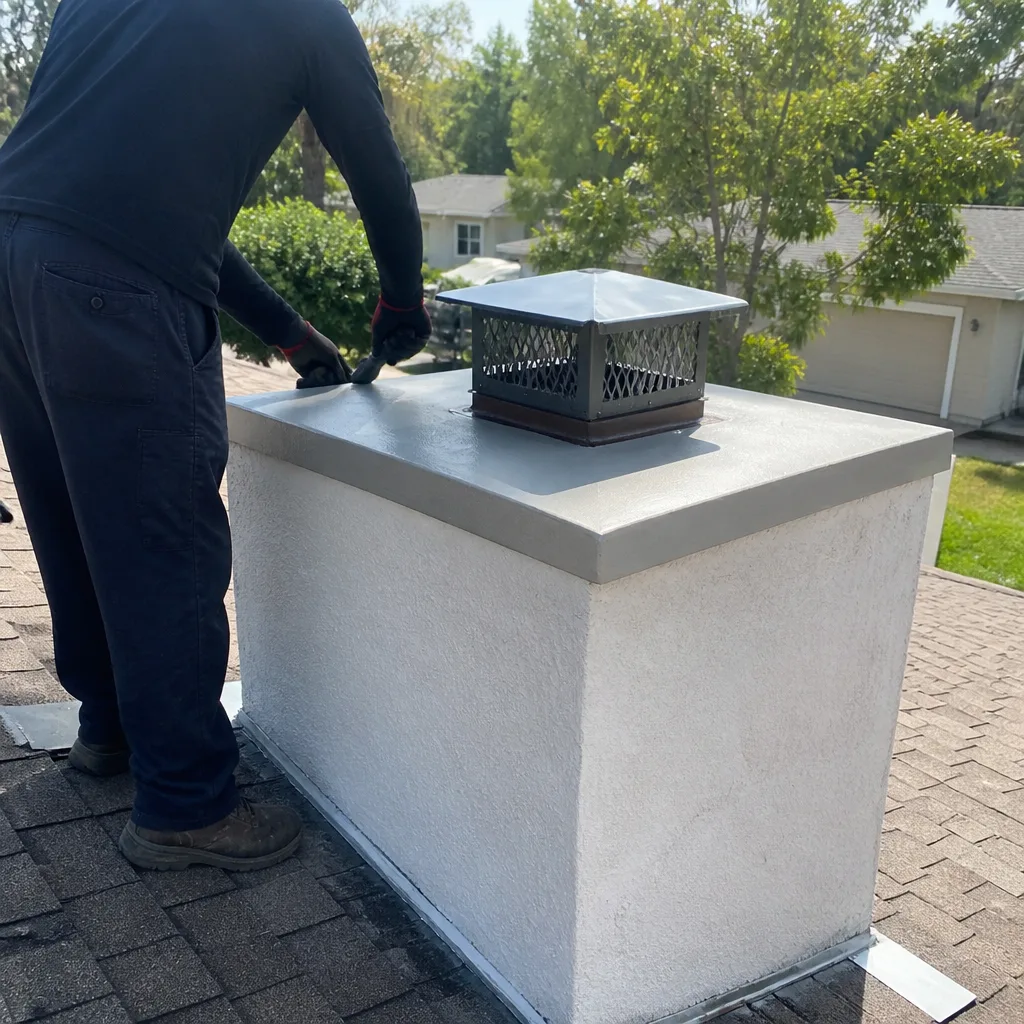 After
After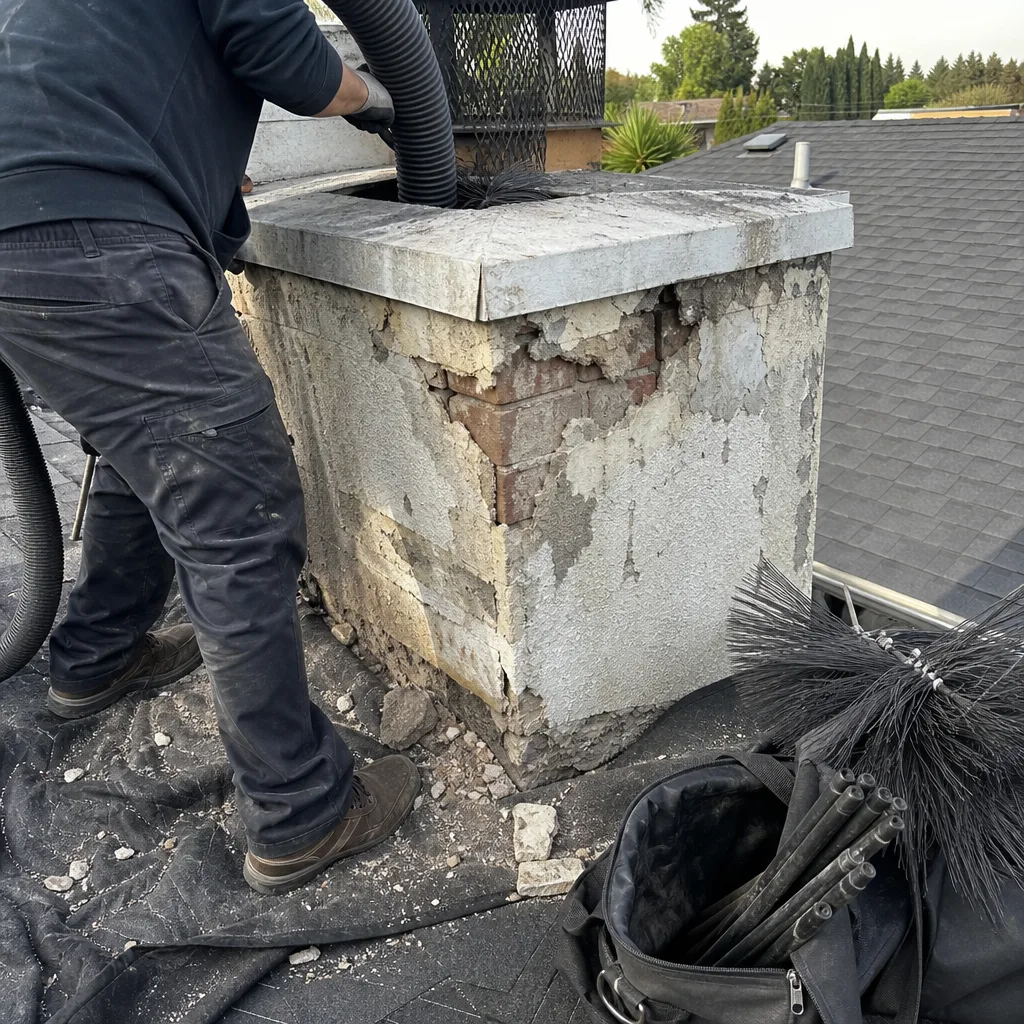 Before
 After
After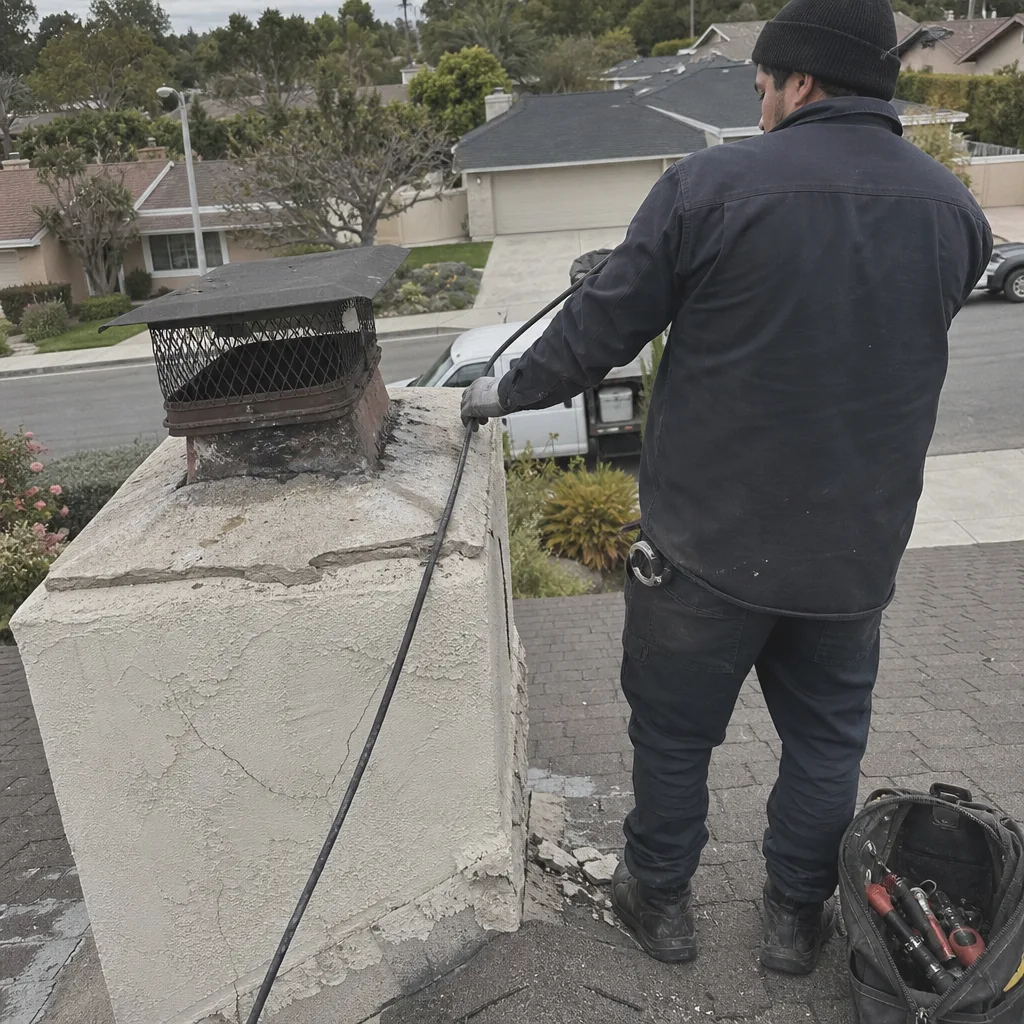 Before
 After
AfterChimney Sweep Troubleshooting: Common Problems and How to Fix Them
A chimney that smokes into the room after a chimney sweep isn’t proof the sweep was done wrong. It’s frequently a drafting problem that no amount of cleaning will fix. In Los Angeles, where homes range from 1920s Spanish Revivals with unlined masonry chimneys to tight new construction with negative air pressure, the same symptom can point to entirely different causes. This guide maps each problem to its likely source so you can tell a creosote buildup from a structural draft failure before you spend a dime on the wrong fix.
Quick Answer
Most chimney problems fall into four symptom buckets: smoke rollback, persistent odor, slow draw, and visible debris. Creosote buildup causes roughly half of all service calls, but draft failures, negative air pressure in tight Los Angeles homes, and hidden structural damage account for the rest. The fix depends on identifying which bucket you’re in, and that requires knowing what to look for before the technician arrives. For Chimney Sweep Warning Signs Every Homeowner Should Know, read our detailed guide.
Table of Contents
- Smoke Rollback: When Smoke Pours Into the Room
- Persistent Odor After a Cleaning
- Slow Draw: When the Fire Just Won’t Get Going
- Visible Debris and What It Actually Means
- Creosote Problem vs. Structural Draft Problem: How to Tell Before the Tech Arrives
- Questions to Ask Any Sweep Company Before They Start
- When Troubleshooting Requires a Level 2 Inspection
- Why Los Angeles Negative-Pressure Homes Smoke Without a Dirty Chimney
Smoke Rollback: When Smoke Pours Into the Room
Smoke rollback means smoke enters the living space instead of rising up the flue. In our experience across Los Angeles, this is the number one reason homeowners assume the chimney is dirty. Often it isn’t. A clean chimney can roll smoke back for several mechanical reasons, and a dirty one can draft perfectly if the pressure dynamics are right.
Here’s what actually causes rollback, ranked by how frequently we encounter it in the field:
- Negative air pressure inside the home. Exhaust fans, whole-house fans, and furnace operation pull air out of the house faster than it can be replaced. The chimney becomes the make-up air inlet, and smoke gets dragged backward into the room. This is especially common in newer Los Angeles construction with tight envelopes.
- Flue too cold to establish draft. A cold flue in a masonry chimney on a brisk morning resists the upward movement of warm air. It takes a longer preheat, and until the flue warms, smoke lingers at the fireplace opening.
- Competing vents in the same room. A kitchen range hood vented to the exterior running at 400 CFM will overpower a fireplace draft in seconds.
- Blockage in the flue. Less common than the pressure issues above, but a bird nest, collapsed tile liner, or thick creosote glaze can physically restrict the path.
The fix for rollback is not automatically a cleaning. If the flue is clean and the problem persists, the issue is almost always air pressure. We’ve seen Los Angeles homeowners spend $300 on a sweep, wait a week, light a fire with the kitchen fan running, and have smoke pour right back in. The cleaning wasn’t the problem. The house was.
Before you call a sweep company for smoke rollback, do this test: open a window in the room with the fireplace, turn off all exhaust fans, and try again. If the smoke behaves, you have a pressure problem, not a creosote problem. If the smoke still rolls, the flue needs a look.
For homeowners who want the answer in writing before any work begins, Chimney Sweep in Los Angeles service visits start with a diagnostic assessment, not an automatic cleaning recommendation.
Persistent Odor After a Cleaning
A chimney that still smells after a professional cleaning frustrates homeowners more than almost any other issue. You paid for the work. The smell should be gone. And when it’s not, the natural conclusion is that the sweep did something wrong. Sometimes that’s true. Often it isn’t.
Odor after a sweep falls into three categories:
- Residual creosote absorbed into porous masonry. Older Los Angeles chimneys built with soft brick and lime mortar absorb creosote vapors deep into the material. A standard sweep removes the surface deposits but can’t extract what’s soaked into the masonry itself. The smell returns when humidity rises or when the chimney warms. This is common in pre-1960 homes throughout neighborhoods like Silver Lake and Pasadena.
- Downdraft carrying fireplace smells into the room. When the house is under negative pressure, air flows down the chimney instead of up it. That air smells like soot and ash, and it enters the living room even when no fire is burning. No amount of cleaning changes which direction the air moves.
- Moisture mixing with soot deposits. Rain entering through a damaged or absent chimney cap creates a damp environment inside the flue. Water plus creosote produces a sharp, acrid smell that’s hard to source until you know what you’re smelling.
If odor persists after a cleaning, the next step is a diagnostic question: does the smell get worse when the air conditioner or exhaust fan runs? If yes, you’re likely dealing with downdraft. If the smell is strongest on humid or rainy days, moisture is probably involved. If the smell is always present and the flue hasn’t been relined in decades, the masonry itself may be saturated with creosote.
A standard sweep can’t fix any of those three conditions. A camera inspection showing exactly what’s inside the flue is the only way to know which path applies. At Flint Chimney Sweep, we photograph the flue on every inspection and show you the images before any repair is recommended. If the masonry is saturated, a Chimney Repair in Los Angeles solution like HeatShield resurfacing seals the pores and stops the odor at its source. If the problem is pressure, it’s not a chimney repair at all, it’s a ventilation adjustment.
Slow Draw: When the Fire Just Won’t Get Going
Slow draw means the fire burns, but the smoke doesn’t move up the chimney efficiently. The fire feels sluggish. Smoke lingers at the opening. The room smells faintly of smoke even when nothing visibly rolls back. Homeowners describe it as “the fire just doesn’t feel right.”
Slow draw has five primary causes, and only one of them is dirt:
- Flue temperature differential too small. Smoke rises because hot air is less dense than cool air. If the flue is too large for the firebox or too cold, the temperature difference collapses and smoke stalls. This is a design issue, not a maintenance issue.
- Inadequate combustion air. A fire needs roughly 10 to 15 cubic feet of air per minute. Tight Los Angeles homes with weatherstripped doors and sealed windows often starve the fire of oxygen.
- Incorrect flue sizing. A flue that’s oversized for the fireplace allows smoke to cool too quickly, stall, and spill. A flue that’s undersized chokes the flow. Both produce slow draw.
- Partial blockage. A piece of broken tile liner, a bird nest partially obstructing the flue, or glazed creosote reducing the interior diameter.
- House pressure imbalance. Same negative pressure issue as rollback, but milder. The smoke doesn’t pour in, it just doesn’t leave.
Here’s a quick pre-call diagnostic for slow draw. Open a window near the fireplace. Light the fire with the damper fully open. If the draw improves within five minutes, the house is pressure-starved. If the draw stays sluggish, look at flue sizing and physical condition. A Chimney Inspection in Los Angeles with camera documentation will identify physical blockages or sizing problems that a visual glance from below will miss.
We’ve walked into Los Angeles homes where the homeowner spent a decade grumbling about a mediocre fireplace, assuming it was just “how the house is.” In several cases the flue was simply too large, and a correctly sized liner transformed the fireplace into something that actually heated the room. The fix was structural, not cosmetic.
Visible Debris and What It Actually Means
When homeowners see debris in the fireplace, they call a sweep. That instinct is right. Debris inside the firebox or falling into the room is a signal, but the signal varies depending on what kind of debris you’re seeing.
- Fine black soot dust. Normal byproduct of burning. Indicates the chimney has been used without recent cleaning. Not necessarily a problem. A standard sweep removes it.
- Crunchy, shiny black flakes. This is glazed creosote, also called third-degree creosote. It forms when fires burn hot and the flue is cool. It’s highly combustible and doesn’t brush off easily. Some companies describe it as “tar glaze.” This requires mechanical removal or chemical treatment, not a standard brush job.
- Gray or tan flakes that look like thin shards. Flue tile spalling. The clay liner is breaking down and pieces are sloughing off. This is structural, not cosmetic. The liner has reached the end of its service life.
- Mortar crumbs or brick chips. Masonry deterioration inside the chimney. Water intrusion is usually the culprit. The chimney needs repair, not cleaning.
- Nesting material, twigs, leaves. An open flue without a proper cap has invited wildlife. The nest must be removed, the flue checked for damage, and a cap installed to prevent recurrence.
- White powdery residue on the firebox walls. Efflorescence from water intrusion through the masonry. Water is entering the chimney structure. A sweep won’t fix it; the leak must be found and sealed.
The key distinction: if the debris is black and soft, a cleaning handles it. If it’s gray, tan, or white, or if the black flakes are hard and shiny, the chimney needs a repair assessment. Los Angeles homeowners who try to self-diagnose debris often waste money on a sweep that doesn’t address the actual problem. See our guide on Choosing the Right Chimney Cleaning Brand: A Buyer’s Guide for Los Angeles to avoid common pitfalls. Camera documentation resolves the debate in minutes.
Creosote Problem vs. Structural Draft Problem: How to Tell Before the Tech Arrives
This is the diagnostic skill that saves homeowners money. A creosote problem is a maintenance issue. A structural draft problem is a mechanical defect of the chimney system. They present similarly but require entirely different fixes, and misidentifying which one you have is how people spend on cleaning when they needed a repair, or book a repair when a cleaning would have solved it.
Here’s the symptom-to-cause matrix we use in the field, adapted for homeowners:
- Symptom: Smoke rolls into the room only when exhaust fans run. Cause: Negative air pressure. Fix: ventilation adjustment, not chimney work.
- Symptom: Smoke rolls into the room always, even with windows open. Cause: Blockage, flue sizing, or liner damage. Fix: inspection first, then targeted repair.
- Symptom: Burning smell when fireplace is not in use. Cause: Creosote absorbed in masonry or downdraft. Fix: depends on source; camera inspection distinguishes them.
- Symptom: Fire burns well but chimney cap shows heavy black crust. Cause: Creosote buildup. Fix: professional sweep with appropriate tools for the creosote stage.
- Symptom: Fire burns poorly and smoke is thin and lazy. Cause: Slow draw from flue size or pressure imbalance. Fix: diagnostic visit, not a cleaning.
- Symptom: Debris that’s light-colored or hard and shiny. Cause: Structural deterioration. Fix: repair assessment with documentation.
One field test worth remembering: if your chimney has been swept within the last 12 months and a new problem appears, the odds drop significantly that creosote is the cause. A chimney doesn’t develop a half-inch of hard glaze in a year unless you’re burning unseasoned wood daily. When a recently cleaned chimney starts misbehaving, think draft, pressure, or structure before you think dirt.
At Flint Chimney Sweep, every diagnostic visit operates under what we call the Garrison Standard: the price goes in writing before work begins, and the problem is documented with camera images you can see yourself. If we can’t show you the cause, we don’t ask you to approve the fix.
Questions to Ask Any Sweep Company Before They Start
Before you approve any chimney work, these five questions separate disciplined operators from upsell machines. Ask them in this order.
- “Can you show me the problem on camera?” Any company doing legitimate repair work should offer to show you the flue interior with a camera before recommending a fix. If the answer is no, walk away. At Flint, we photograph every inspection and walk you through the images while the technician is still on site.
- “Is the price in writing before you start?” If the number changes after the work begins, you have no protection. A written price is non-negotiable in our operation, and it should be in any company you hire. Every Flint job gets a written price before a single tool comes off the truck.
- “What exactly is covered if the repair fails?” Listen carefully. “We’ll take care of it” is not an answer. A real answer names the coverage period and the remedy. Our answer: a written guarantee valid for 365 days, with a free return visit if a covered repair fails in that window.
- “Is the sweep and inspection bundled, or are they separate?” Some companies quote a low sweep price, then “discover” problems during the visit and charge for an inspection on top. Know before you book whether the visit includes a visual and camera assessment.
- “What products are you using, and why?” If the company can’t name the materials they install, they’re not the right company. We specify products by job requirements: Gelco for waterproofing treatments, Olympia Chimney for caps and termination hardware, Famco for dampers and venting. The product name goes on the estimate, not just “sealant” or “cap.”
These questions work in any city, but they matter more in Los Angeles, where the mix of old masonry and new construction creates a wide range of legitimate chimney problems, and a wide range of companies willing to exploit the confusion.
When Troubleshooting Requires a Level 2 Inspection
A Level 1 inspection is what happens during a standard sweep: a visual check of the accessible parts of the chimney and fireplace. A Level 2 inspection goes further, using a camera to examine the flue’s interior from top to bottom. The distinction matters because some problems can’t be seen without the camera, and some situations legally or practically require the deeper look.
Here’s when a troubleshooting visit should escalate to Level 2:
- You’ve had a chimney fire. Any fire that got loud enough to notice, produced unusual banging or rumbling, or poured smoke into the house requires a camera inspection. A Level 1 visual after a chimney fire is insufficient.
- A change in the chimney’s performance. A fireplace that drafted fine for years and suddenly doesn’t is signaling a change inside the flue. The camera finds it.
- You bought the house and have no maintenance history. Los Angeles real estate transactions rarely include chimney records. A Level 2 inspection documents what you actually own.
- Visible debris that isn’t soot. If you’re seeing tile shards, mortar crumbs, or light-colored material, the liner is degrading and the camera tells you how much remains.
- After weather events. Earthquakes are part of living in Los Angeles. After any seismic activity, a camera check of the flue is the responsible move.
A Level 2 inspection changes the cost picture. A Level 1 standard sweep runs roughly $169 to $259 in the Los Angeles market. A Level 2 inspection with camera documentation typically runs $249 to $399, and the camera report should be yours to keep. If the company charges extra for the photos after the inspection, that’s a red flag. The documentation is the deliverable, not an add-on.
We include camera documentation as standard practice on Chimney Inspection in Los Angeles visits, because a recommendation you can’t verify is just a sales pitch.
Why Los Angeles Negative-Pressure Homes Smoke Without a Dirty Chimney
Negative air pressure is the most underdiagnosed chimney problem in Los Angeles, and here’s why: modern construction in this city prioritizes energy efficiency. Sealed windows, tight door frames, continuous insulation, and weatherstripped everything. These are good things for your power bill. They’re bad things for your chimney draft.
When a house is sealed tight, it can’t replace the air that exhaust fans and HVAC systems remove. The house develops negative pressure relative to outside. Air gets drawn in through whatever opening allows it. Frequently that opening is the chimney.
The result is smoke rollback in a chimney that has nothing wrong with it. No creosote. No blockage. No liner damage. Just physics.
This problem concentrates in newer construction and recently renovated homes. Los Angeles neighborhoods with heavy teardown-and-rebuild activity, like Mar Vista, Sherman Oaks, and parts of Long Beach, produce this call constantly. The homeowner just spent money on a renovation to make the house comfortable and efficient, and now the fireplace doesn’t work.
The fix isn’t a chimney repair. It’s ventilation. Options include:
- Direct air intake to the fireplace. A dedicated outside air supply gives the fire combustion air without stealing it from the room.
- Make-up air system for the house. A mechanical system that brings in replacement air whenever exhaust fans run.
- Upgrading the chimney cap to a pressure-resistant design. Some caps reduce downdraft from wind, though they don’t solve internal negative pressure alone.
- Adjusting when you run competing exhaust. Not a permanent fix, but knowing to turn off the range hood before lighting the fire prevents the symptom.
Before you spend money on a sweep you may not need, run the window test described earlier. If opening a window fixes the behavior, the chimney was never the problem. The house was. And a responsible chimney company will tell you that plainly, even though it means less work for them. That’s the kind of honesty that defines our operation under the Garrison Code: diagnose the actual problem, document it, and fix what’s actually broken. Nothing more.
Common Mistakes to Avoid
- Paying for a sweep when the problem is pressure. If opening a window fixes the smoke rollback, a cleaning won’t help. You’ll pay $200 to $300 and the problem returns with the next fire.
- Ignoring light-colored debris. Gray flakes mean liner deterioration, not dirt. Waiting makes the repair more expensive when the liner finally fails completely.
- Skipping the camera documentation. A chimney company that won’t show you the problem on camera is asking you to trust a verbal recommendation about a part of your house you can’t see. Don’t.
- Buying a sweep, getting an inspection upsold at the door. Know before you book what’s included. A reputable Los Angeles company states the scope in writing before arrival.
- Assuming an old chimney is grandfathered out of needing repairs. Los Angeles has thousands of pre-1960 masonry chimneys with unlined or deteriorated flues. Age doesn’t exempt them from needing proper function. The fire hazard is real.
- Hiring on price alone. A $99 sweep special in Los Angeles almost always becomes a $900 “repair” once the tech arrives. The written-price model protects you. If the low price seems too good, it’s because the number isn’t real.
When to Call a Professional
Call a professional when smoke rolls into the room consistently, when debris falls into the firebox that isn’t soft black soot, when your fireplace smells sharper than usual, or when a fire doesn’t behave the way it used to. These are all signs of a developing problem, and the cost of diagnosis is always lower than the cost of a chimney fire or a carbon monoxide incident. You do not need to identify the cause yourself. You need to call someone who documents what they find. Flint Chimney Sweep offers free estimates in Los Angeles. Call (830) 251-4560 and a person answers, any hour of any day.
Frequently Asked Questions
A standard chimney sweep in Los Angeles typically runs $169 to $259 for the cleaning alone, with a Level 2 camera inspection adding $249 to $399 depending on the chimney height and accessibility. Prices rise if the creosote is glazed and requires chemical treatment or rotary tools. Get a written price before the work starts, not after. Call (830) 251-4560 for a free estimate, and we’ll put the number in writing before any tool comes off the truck.
The National Fire Protection Association standard is an annual inspection and a sweep whenever creosote reaches 1/8 inch of accumulation, which most fireplaces build in one season of regular use. If you burn unseasoned wood or burn fires more than three times a week in winter, expect to need sweeping more often. The inspection matters as much as the cleaning, because it’s the inspection that catches structural problems before they become expensive.
You need a new liner if the existing one is cracked, spalling, or absent, because a damaged liner lets heat and gases reach combustible materials inside the chimney structure. In Los Angeles, homes built before the 1950s often have unlined masonry, and those who burned years of fires without maintenance may have absorbed creosote into the brick that no cleaning can remove. A camera inspection shows exactly what condition your liner is in, and you should see the images before anyone recommends replacing it.
Creosote builds up, and because it’s highly flammable, a hot fire can ignite it and produce a chimney fire that sends flames up the flue and can spread to the home’s structure. Even without a fire, built-up creosote corrodes masonry liners over time and produces the sharp, acrid odor that seeps into living spaces. The downside of skipping a sweep is not just a smoky fireplace. It’s a fire hazard you can’t see and a repair bill that grows every year you wait.
Summer chimney odor is usually downdraft: warm air outside the house pulls cooler, odor-laden air down the chimney and into the living space. The smell comes from creosote deposits and soot inside the flue, even if the chimney was recently swept, because the masonry itself may be saturated. In Los Angeles, with our frequent marine layer and temperature swings, the effect is stronger. A damper sealing properly helps, but the underlying cause, whether creosote absorption or pressure-drawn downdraft, needs a diagnostic visit to resolve.
You can buy brushes and rods, but without the camera and the training to read what the debris means, you’re cleaning blind. The more important risk is that you’ll knock loose material down without knowing whether the liner was already compromised, and you’ll skip the inspection that catches structural problems. For what a professional sweep costs, the documentation alone is worth the price. Call (830) 251-4560 if you want a written estimate before you decide.
The Bottom Line
Chimney problems have causes, and those causes can be identified. Smoke rollback is usually pressure, not dirt. Persistent odor is usually masonry saturation or downdraft, not a failed cleaning. Slow draw is usually flue sizing or air supply, not creosote. Debris color tells you whether you’re looking at a maintenance issue or a structural one. The homeowners who save money are the ones who diagnose before they pay, which means asking for camera documentation and written pricing before any work begins. That’s how we operate at Flint Chimney Sweep, and it’s what the Garrison Standard demands. Explore more guides & resources on our blog.
Written by Hank Delano, Owner at Flint Chimney Sweep, serving Los Angeles since 2002.