
Last updated October 9, 2026
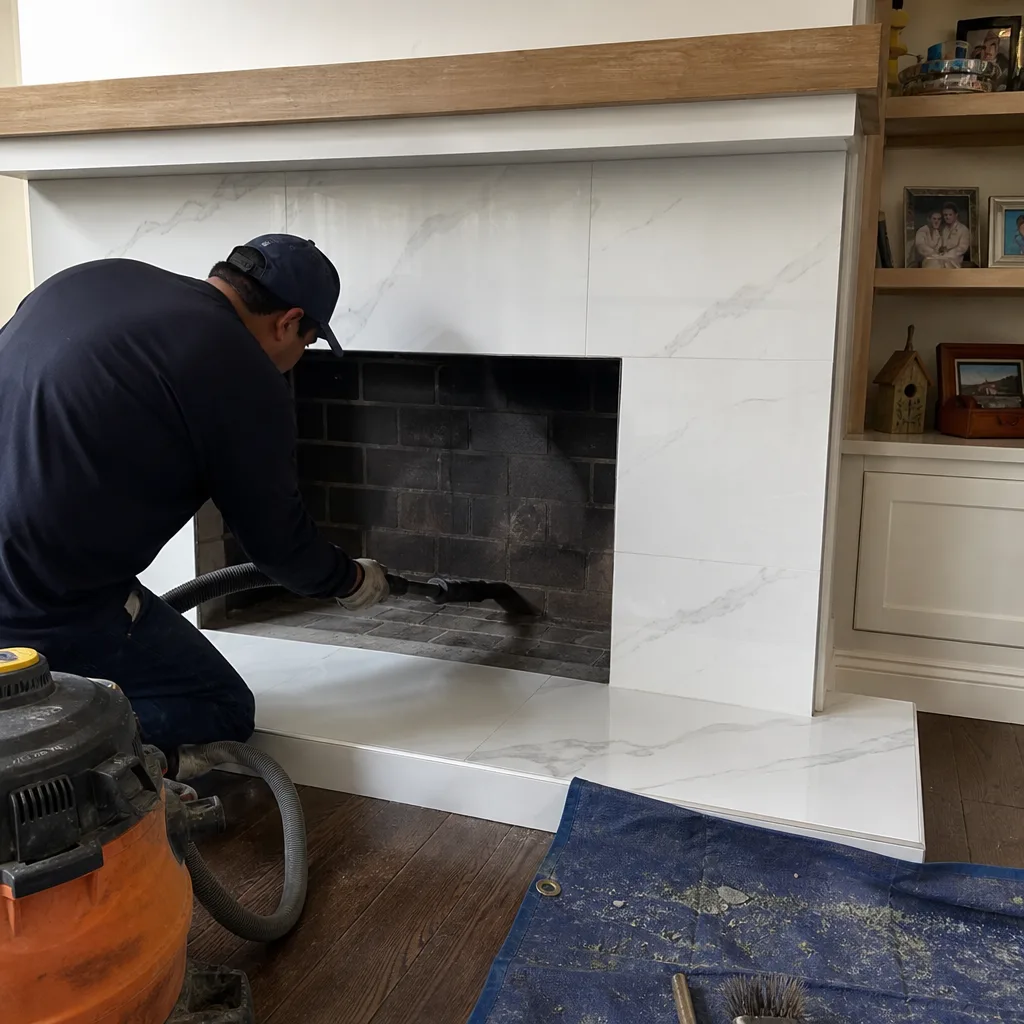
Level 1 sweep and inspection to the NFPA 211 annual standard - flue, crown, cap, and flashing checked and photographed
Chimney sweep logs do not sweep chimneys. They loosen some creosote - which then falls where a brush and vacuum still have to collect it.
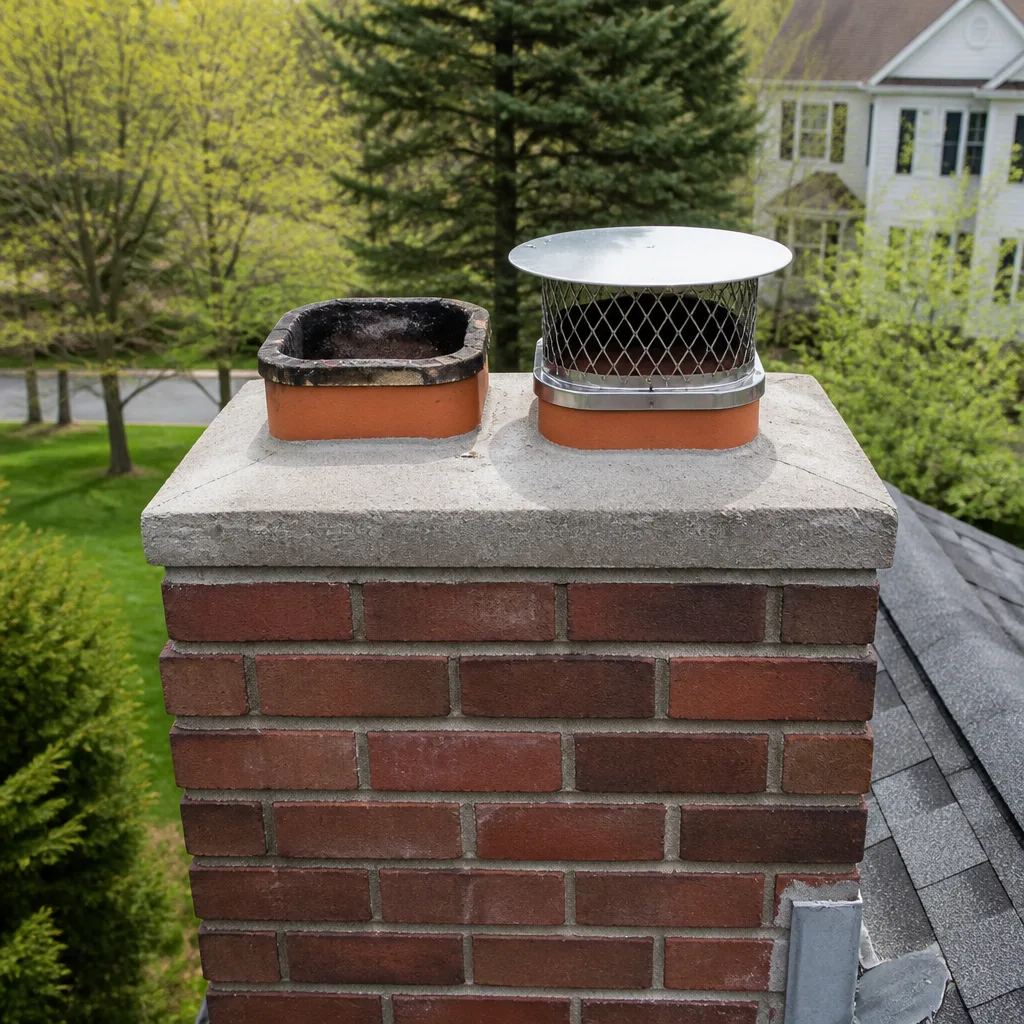
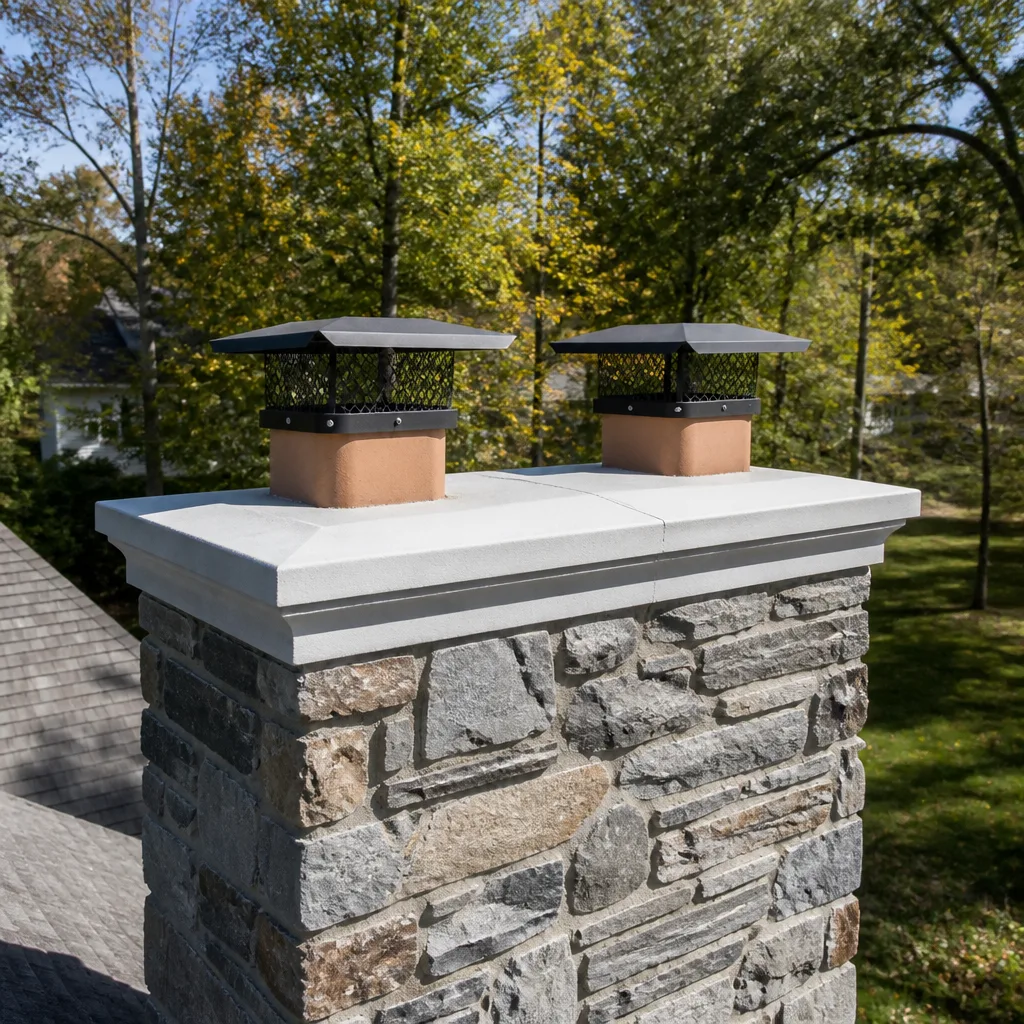
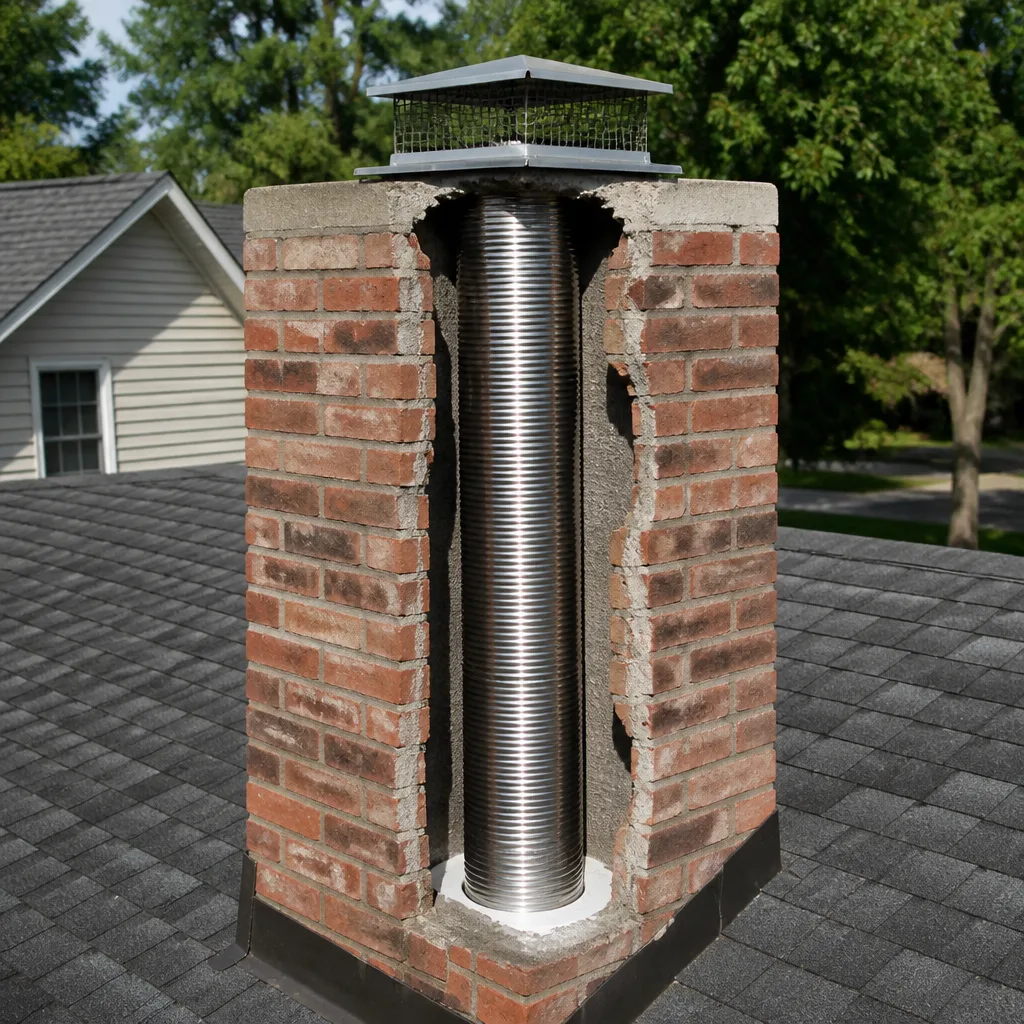
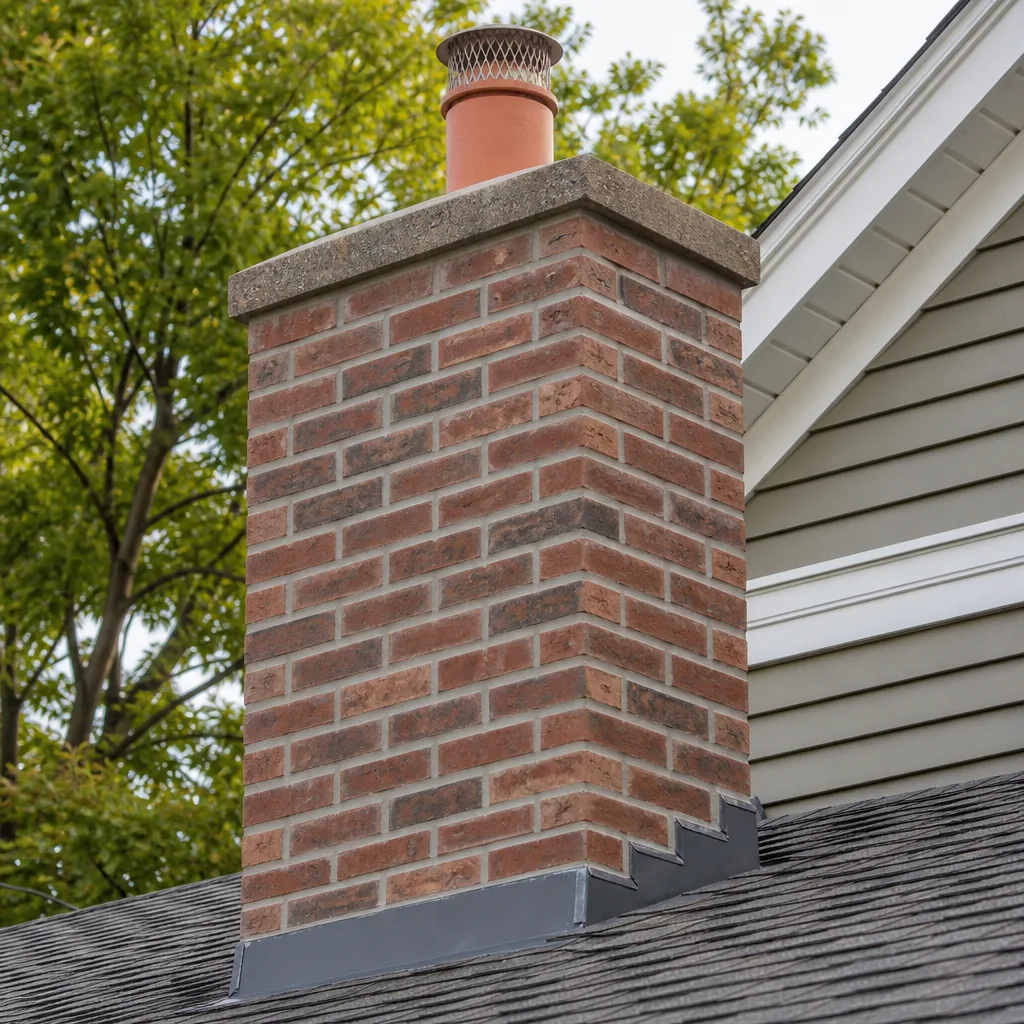
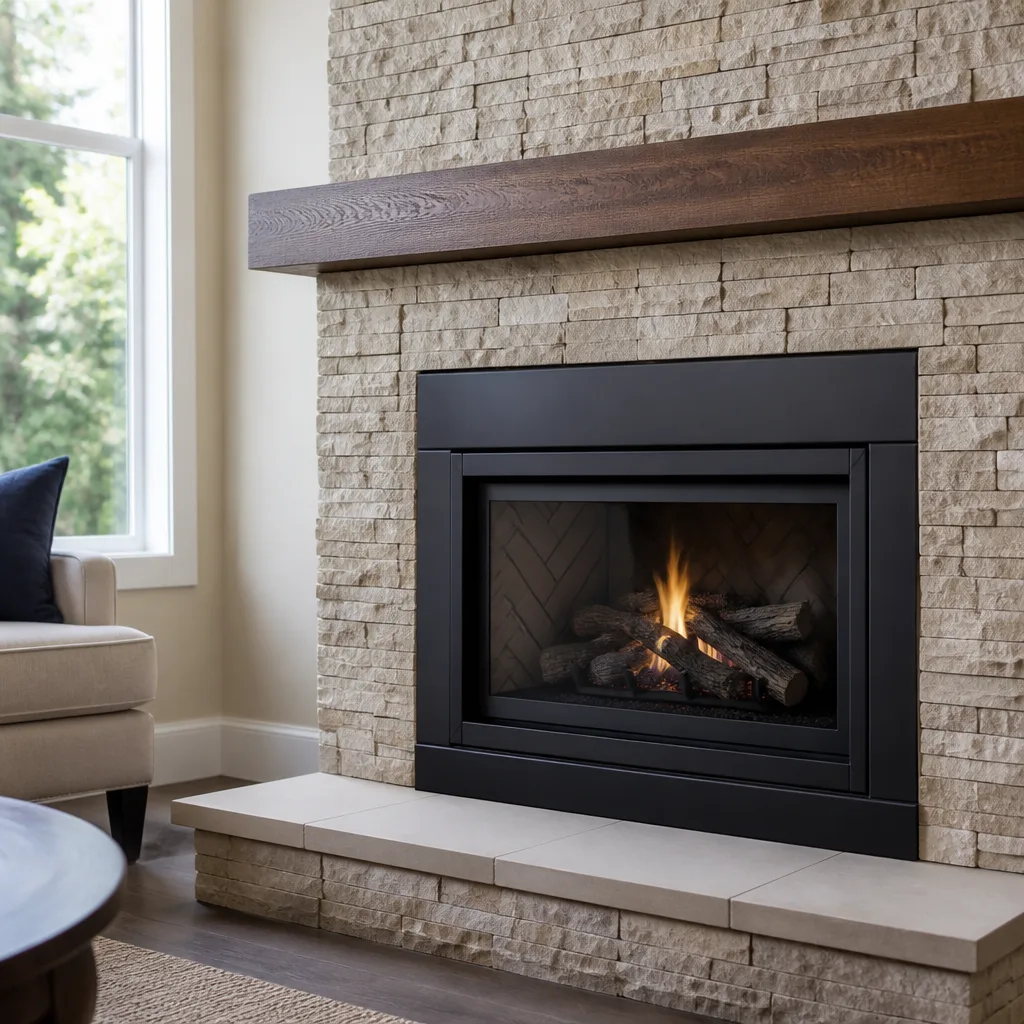
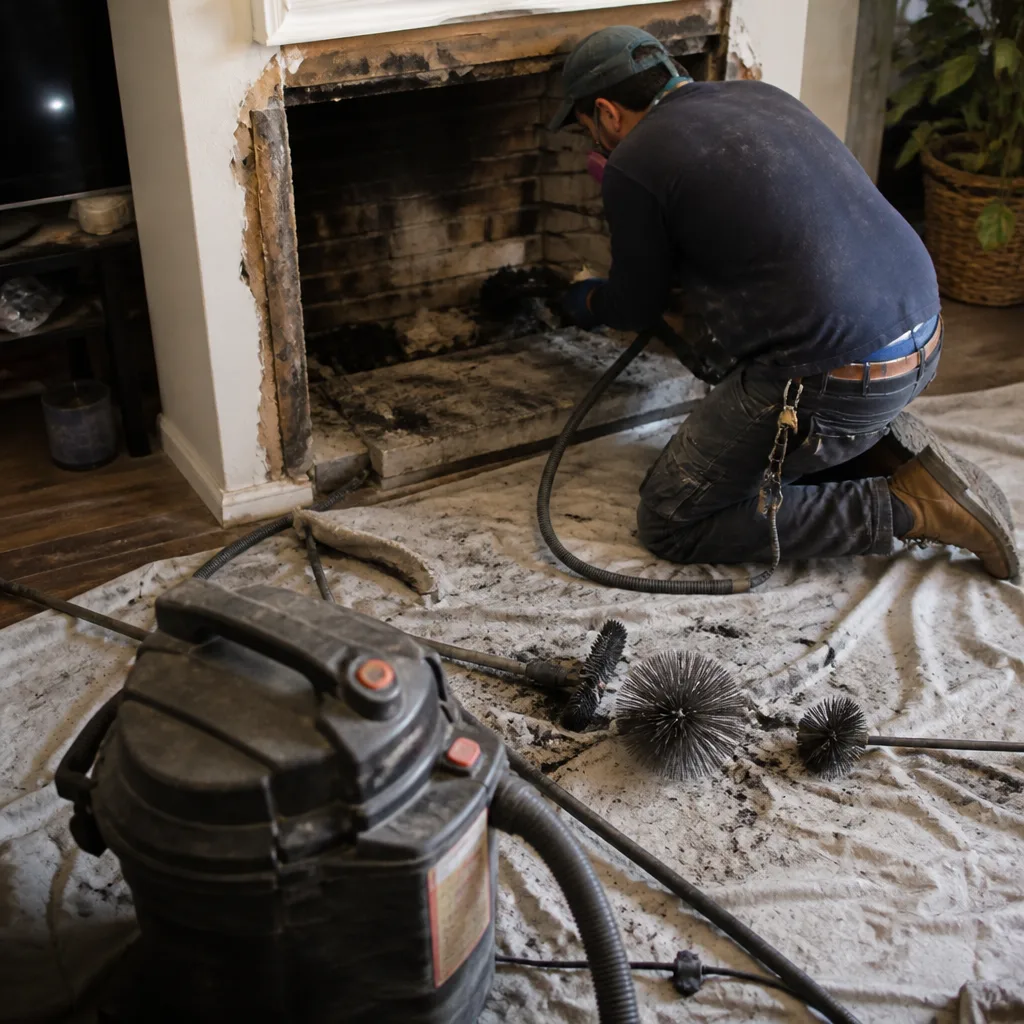 Before
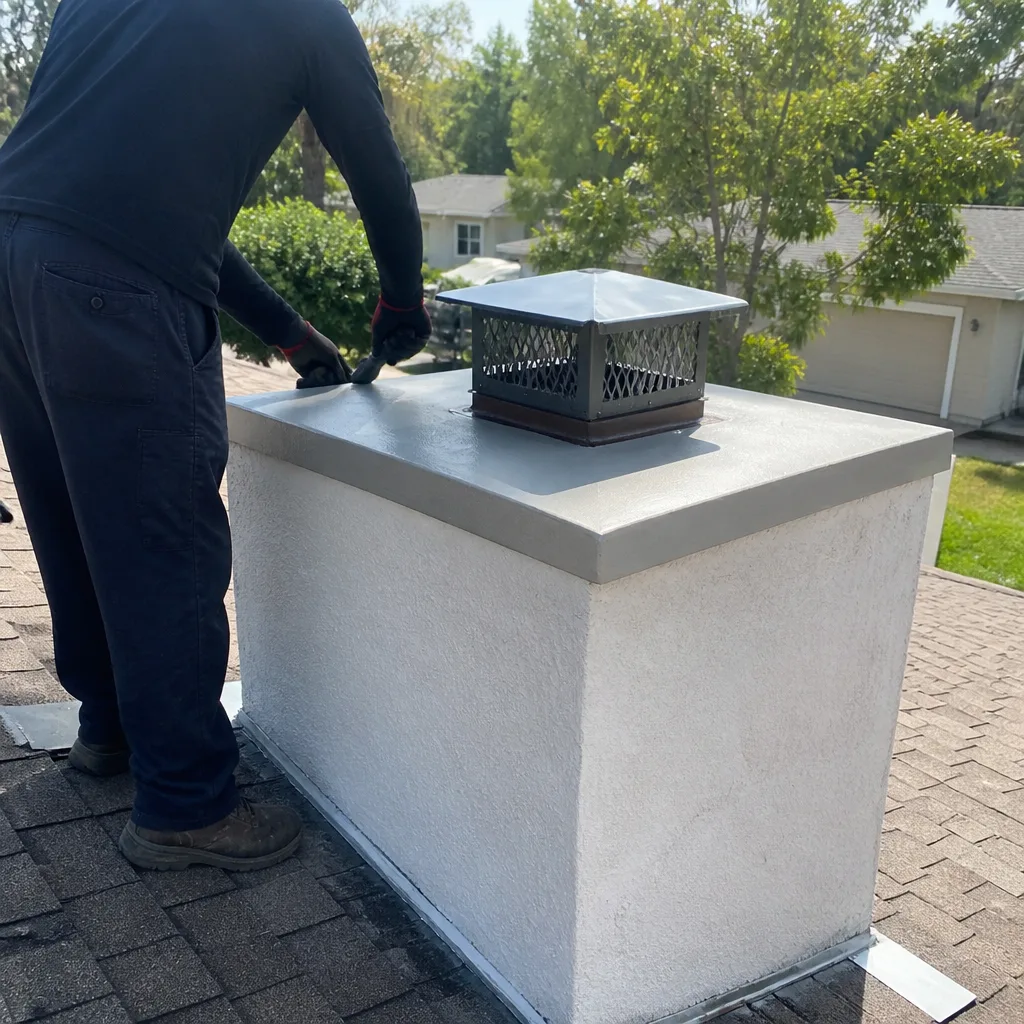 After
After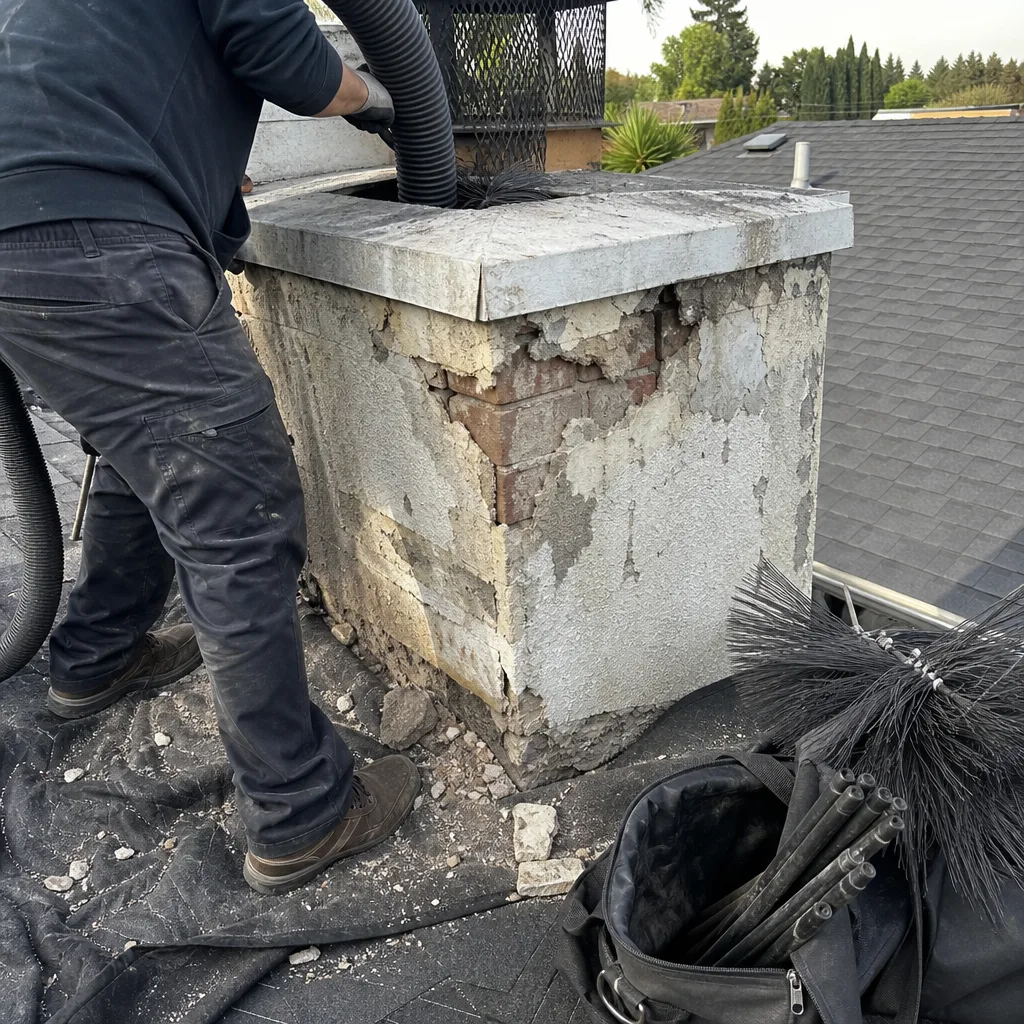 Before
 After
After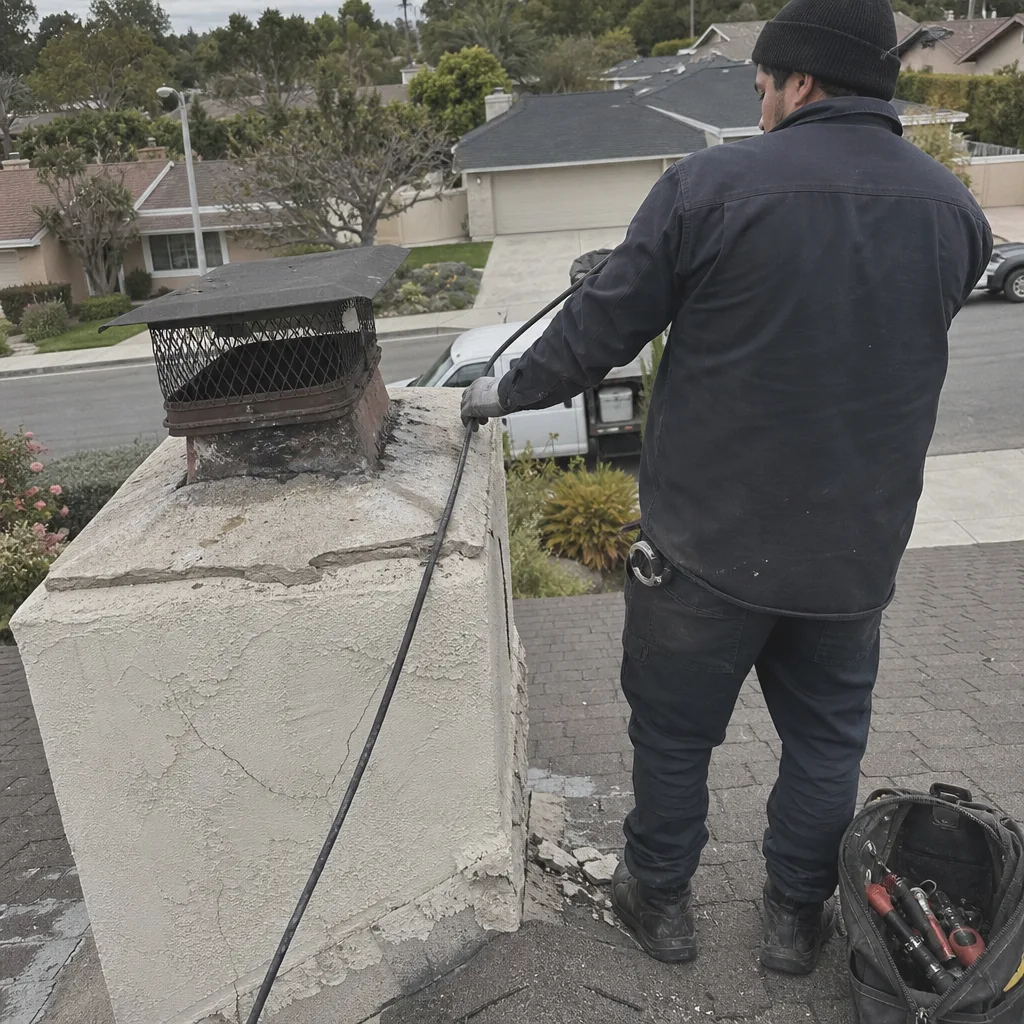 Before
 After
AfterThe Complete Chimney Inspection Guide for Los Angeles Homeowners
Here’s the counterintuitive truth most Los Angeles homeowners never hear: your chimney’s biggest threat isn’t the fires you burn. It’s the months you don’t. LA’s coastal air carries salt and moisture that silently corrodes mortar joints, while the dry season leaves creosote baked hard and brittle inside the flue. Factor in seismic activity, and you have a city where the chimney is one of the most overlooked structural components of the house. This guide explains the NFPA 211 inspection framework in plain English, teaches you how to read an inspection report, and tells you exactly when Chimney Inspection services in Los Angeles are legally required, not just recommended.
Quick Answer
A chimney inspection in Los Angeles follows the NFPA 211 three-level system, and the right level depends on why you’re inspecting. A Level 1 is a routine visual check for homes that haven’t changed anything. A Level 2 is required for home sales, insurance underwriting, after a 4.0+ magnitude earthquake, or after any event that may have damaged the chimney. A Level 3 is invasive, involving partial demolition to access hidden areas, and only happens when a Level 1 or Level 2 found serious problems. Most Los Angeles homeowners need a Level 2 inspection, and a standard Level 1 or Level 2 inspection typically runs between $250 and $600 depending on the chimney’s height, condition, and accessibility.
Table of Contents
- NFPA 211 Explained: The Three Levels of Chimney Inspection
- Level 1: The Routine Visual Inspection
- Level 2: When Los Angeles Law Requires It
- Level 3: What It Is and When You’ll Need It
- How to Read a Chimney Inspection Report
- The Inspection-to-Repair Pipeline: What Happens After a Deficiency
- Los Angeles-Specific Inspection Triggers
- Common Mistakes to Avoid
- When to Call a Professional
- Frequently Asked Questions
NFPA 211 Explained: The Three Levels of Chimney Inspection
The National Fire Protection Association publishes NFPA 211, the standard that governs chimney construction, maintenance, and inspection across the United States. Los Angeles building codes reference it directly, which means every legitimate chimney company in the city operates under the same three-level framework. The levels are not quality tiers. A Level 1 is not “basic” and a Level 3 is not “premium.” They are distinct procedures with different scopes, different equipment requirements, and different documentation standards. A company offering you “a full inspection” without specifying which level is either being vague or doesn’t understand the code.
Here’s what each level means in plain terms:
- Level 1: Visual inspection of readily accessible areas. No specialized tools required. This is the annual maintenance check.
- Level 2: Everything in Level 1 plus video scanning of the flue interior, attic and crawlspace access points, and a documented report. This is the standard for real estate and post-event inspections.
- Level 3: Everything in Level 2 plus the removal of building components (drywall, chimney crown, masonry) to access concealed areas. This is diagnostic surgery, not a routine check.
In our experience serving Flint Chimney Sweep home customers across Los Angeles, the confusion between Level 1 and Level 2 causes more wasted money than any other chimney issue. A homeowner books a “chimney check” for $99, gets a flashlight glance up the flue, and believes they’ve had a real inspection. Then a home sale falls through because the Level 2 inspection, the one actually required by law, finds damage the $99 check missed. Once you understand the levels, you can’t be sold the wrong one.
Level 1: The Routine Visual Inspection
A Level 1 inspection is designed for a chimney that has a known history. You’ve used it regularly. You haven’t changed the fuel type, the liner, or the appliance. Nothing unusual has happened. The purpose is to confirm that the system is still performing as it has been and to catch obvious deterioration before it becomes expensive.
What a Level 1 includes:
- Accessible flue interior check: The technician looks up the flue from the firebox and down from the roof, using a flashlight and mirror. They’re checking for creosote buildup, missing mortar joints, cracked flue tiles, animal nests, and debris.
- Basic appliance connection check: The damper is opened and closed to confirm it functions. The connector pipe between the stove or fireplace and the flue is checked for tightness and rust.
- Exterior chimney check: The crown (the concrete cap at the top), the cap and spark arrestor, the brick or stone face, and the flashing where the chimney meets the roof are all examined visually, from the ground or ladder where safely accessible.
- Clearance check: The technician confirms that the chimney maintains proper clearance from combustible materials like framing, insulation, and stored items in the attic.
What a Level 1 does not include: video scanning, attic access, crawlspace access, or any removal of building materials. A Level 1 in Los Angeles typically costs between $150 and $300. The right time for it is annual maintenance when nothing has changed and you use the fireplace routinely. If you’re uncertain about the chimney’s history or you’ve noticed a change in how it draws, you need Level 2, not Level 1.
Level 2: When Los Angeles Law Requires It
A Level 2 inspection is the legal standard for any transaction or event that changes the chimney’s status. Under California real estate disclosure requirements and NFPA 211, a Level 2 is not optional in these situations:
- Home sale or transfer: Los Angeles home inspectors often flag the chimney for a specialist Level 2 inspection before closing. Escrow cannot be legally conditioned on a Level 1, because a Level 1 does not meet the documentation threshold required by NFPA 211 for a property transfer.
- Insurance underwriting or renewal: Some LA homeowners’ insurance carriers now require a Level 2 chimney inspection with video documentation before issuing or renewing a policy on homes with wood-burning fireplaces, particularly in high-fire-risk zones.
- Post-seismic event: After any earthquake of 4.0 magnitude or greater with an epicenter within 50 miles, NFPA 211 requires a Level 2 inspection before the chimney is used again. More on this below.
- Any change to the system: Converting from wood to gas, installing a new insert, relining the flue, or changing the fuel type all trigger a Level 2 requirement.
- After a chimney fire or suspected damage: If you had a chimney fire even a small one, or you see spalling brick, cracked crown, or rust, Level 2 is the correct scope.
What a Level 2 adds to Level 1: a full video scan of the flue interior using a closed-circuit camera, inspection of the attic where the chimney passes through, inspection of the crawlspace or basement foundation, and a written report with findings. The video matters because it shows you exactly what the technician saw. At Chimney Inspection in Los Angeles, we include the video and a written report with every Level 2 inspection, and we walk you through the footage so you can see any deficiency with your own eyes before anyone tries to sell you a repair. A Level 2 in Los Angeles typically runs $300 to $600 depending on chimney height, roof pitch, and accessibility.
Level 3: What It Is and When You’ll Need It
A Level 3 inspection is the diagnostic last resort. It includes everything in Levels 1 and 2, plus the physical removal of building components to access concealed areas of the chimney system. That can mean cutting into drywall around the chimney chase, removing portions of the crown, breaking out a section of masonry, or opening the flue at a specific point where the Level 2 video scan showed a hidden problem.
You only need a Level 3 when a Level 1 or Level 2 has already found a serious deficiency that cannot be fully assessed without exposing the area. Examples from Los Angeles homes we’ve inspected: a Level 2 video scan shows a shattered flue tile at the smoke chamber, but the full extent of the damage cannot be measured without opening the chase. For context on what happens next, see The Complete Chimney Repair Guide for Los Angeles Homeowners. A Level 2 shows severe water intrusion at the roof line, but the source is hidden behind the flashing. A home sat vacant for a decade near the coast in Pacific Palisades, and the moisture damage needs to be measured surgically before anyone can quote a repair.
A Level 3 inspection requires a written plan before any demolition begins. It is never done “just to take a look.” The cost varies widely because the access work is included, and a Level 3 in Los Angeles can run $800 to $2,500 depending on what has to be opened and how much masonry or drywall removal is involved. If a company quotes you a Level 3 without a documented Level 2 finding first, get a second opinion.
How to Read a Chimney Inspection Report
An inspection report is only as useful as your ability to read it. The most important skill is separating cosmetic notes from safety deficiencies. A cracked mortar joint on the exterior face is cosmetic. A cracked flue tile on the interior is a safety deficiency. Both show up in a report, but one can wait and one cannot.
A proper chimney inspection report should contain at minimum:
- Inspection level performed: Level 1, 2, or 3, stated explicitly, with the date and the technician’s name.
- System description: Fuel type, fireplace or stove type, flue dimensions, liner material, chimney height, and construction type.
- Condition findings: Each component of the system listed separately with a condition assessment. This is where you’ll see “creosote buildup: moderate, requiring sweeping before use” next to “flue tile: cracked at tile 3, safety deficiency.”
- Video documentation: For any Level 2 or 3, the report should confirm that video was taken and identify the specific timestamp locations for any deficiencies.
- Clearance verification: Confirmation that the chimney maintains proper clearance from combustible materials in the attic and walls.
- Recommendations: A prioritized list of what needs action, what should be monitored, and what is cosmetic.
When you read the findings section, look for the words “deficiency,” “unsafe,” “failure,” or “action required.” Those terms carry weight. Words like “minor,” “cosmetic,” “monitor,” or “routine maintenance” mean the finding is not urgent. In Los Angeles, where many chimneys in older neighborhoods like Los Feliz and Hancock Park have original clay tile liners from the 1950s, the most common serious finding is a cracked or separated flue tile, followed closely by a deteriorated crown letting water into the masonry. Neither is a cosmetic issue. Both should be addressed before the next burning season.
The Inspection-to-Repair Pipeline: What Happens After a Deficiency
This is where Los Angeles homeowners get taken. The inspection finds a deficiency. The inspection company then quotes a repair. Nothing is documented separately. The homeowner cannot verify the scope or price against an independent standard, and the repair quote is padded with “related safety items” that may or may not exist.
Here’s how the pipeline should work:
- The inspection report stands alone. It documents what exists, what failed, and what level of concern applies. It should not contain repair prices. At Flint Chimney Sweep, the inspection report and any repair estimate are always separate documents.
- The repair scope is written separately. A specific scope of work names the exact components being repaired or replaced, the material brands being used for example, a DuraFlex stainless steel liner or a HeatShield ceramic flue restoration and the specific work steps. It does not say “chimney repair, various” with a lump sum.
- The repair price is line-itemed. Labor, materials, access equipment, disposal, and any required permit are separated. You can verify each line item can’t be verified against the inspection report.
- The repair is guaranteed in writing. A repair without a written warranty is a handshake. At Flint Chimney Sweep, every repair carries a 365-Day Done Right Promise: a written guarantee valid for one full year from the service date. If a covered repair fails within that year, we return at no charge. No argument, no call-back fee, no re-diagnosis charge.
This pipeline matters because it lets you compare. If you get a repair quote from one company and a second opinion from another, you can compare them line by line. You can verify the materials. You can hold us to the written guarantee. None of that is possible if the inspection and repair quote are blended into one “package.”
Los Angeles-Specific Inspection Triggers
Los Angeles has three unique conditions that trigger chimney inspections more often than almost anywhere else in the country: earthquakes, brush fires, and coastal salt air. If you live here, these apply to you.
After a 4.0+ Magnitude Earthquake
NFPA 211 is explicit: after any seismic event of 4.0 magnitude or greater within 50 miles, the chimney must receive a Level 2 inspection before it is used again. Los Angeles sits on an active fault system, and chimneys are the single most vulnerable structural component of a house during an earthquake. A masonry chimney is a rigid stack of bricks held together with mortar. When the ground shakes, the chimney flexes at its weakest points: the roofline and the top third. The damage is often invisible from the ground, even when the flue inside has cracked completely. You cannot feel this damage from inside the house. You can only see it with a video scan. If you felt the quake strongly enough to mention it to a neighbor, get the inspection.
After a Brush Fire Smoke Event
Los Angeles brush fires push smoke hundreds of miles beyond the fire line. That smoke contains fine particulates and acidic compounds that deposit inside your flue. Creosote, which forms from wood smoke, is already acidic. Brush fire smoke adds sulfates and nitrates that accelerate mortar deterioration. If you live in any Los Angeles neighborhood that experienced heavy smoke for a day or more, even if you never used the fireplace during that period, a Level 1 inspection before the next burning season is prudent. A Level 2 is warranted if the smoke event was accompanied by high winds, which can drive debris into the flue through a damaged or missing cap.
After an Extended Non-Use Period in a Coastal Environment
Homes within five miles of the coast in Venice, Santa Monica, Playa del Rey, and Marina del Rey sit in a salt-laden microclimate. Morning marine layer deposits moisture and salt on every exposed surface, including the chimney crown and the mortar. The salt crystallizes inside the mortar joints, expanding and cracking them over time. If your home sat unoccupied for a season, or you simply haven’t used the chimney in two or more years, a Level 2 inspection with video scanning is the right call before your first fire. We’ve seen chimneys in coastal Los Angeles neighborhoods develop crown deterioration and flue tile separation within five years of new construction, purely from salt air. It is a real factor, not a sales tactic.
Common Mistakes to Avoid
- Assuming a home inspector’s visual check equals a chimney inspection. A Los Angeles home inspector looks at the chimney from the roof and inside the firebox. They are not performing an NFPA 211 inspection, and their report will often state “chimney should be evaluated by a qualified specialist.” Get the Level 2 before closing, not after.
- Booking a “$99 chimney special” and thinking you got a Level 2. A $99 special is a Level 1 visual check at best. If the company uses the same service to issue a “certification” for your home sale, the certification will not hold up to escrow scrutiny.
- Using the fireplace after an earthquake without an inspection. The damage is invisible. The next fire you light could be pushing heat and carbon monoxide through a cracked flue into your wall cavity.
- Ignoring a “moderate creosote” finding. Moderate creosote is not a cosmetic note. Creosote ignites at around 450 degrees Fahrenheit, and a chimney fire can hit 2,000 degrees. It is a safety deficiency that requires sweeping before the next use.
- Accepting a repair quote without a written scope. You cannot compare quotes, verify materials, or enforce a guarantee on a quotation that says “repair chimney, $4,500.” Demand the line items.
- Treating all levels as interchangeable. A Level 1, Level 2, and Level 3 are different procedures with different equipment and different legal standards. Being sold a Level 1 when you need a Level 2 is the most common pricing shell game in this industry.
- Skipping the video review. If the company performs a Level 2 with a camera and doesn’t show you the footage, you didn’t really get the inspection. Always ask to see the video and the timestamped findings.
When to Call a Professional
Call a professional chimney company if you’re buying or selling a home in Los Angeles, if you felt a 4.0+ earthquake, if you’ve had a chimney fire or an event that may have damaged the flue, if your insurance company has requested a documented inspection, or if you’ve simply lost track of when the chimney was last checked and you want to burn safely this season. The inspection is not the moment to save money. It’s the moment to find out what you cannot see. Flint Chimney Sweep offers free estimates in Los Angeles – call (830) 251-4560 and we’ll get you on the schedule with a written price before any work begins.
Frequently Asked Questions
A Level 1 inspection in Los Angeles typically costs $150 to $300, a Level 2 runs $300 to $600, and a Level 3 can run $800 to $2,500 depending on access work. The right inspection level is determined by why you’re inspecting, not by your budget. Call (830) 251-4560 for a free estimate on the correct level for your situation.
A Level 1 is a visual check of accessible areas with basic tools, while a Level 2 adds video scanning of the flue interior, attic and crawlspace access, and a written report. A Level 2 is required for home sales, insurance underwriting, post-earthquake events, and any change to the chimney system, including fuel type.
A chimney that is never used still deteriorates in Los Angeles, from salt air corrosion, seismic movement, and animal intrusion. An unused chimney also accumulates dust, nesting material, and moisture, which can create blockages and structural issues. A Level 1 inspection every few years is prudent even for non-use.
Any home sale or transfer, insurance underwriting or renewal, earthquake of 4.0 magnitude or greater within 50 miles, chimney fire, change in fuel type or appliance, or any event that may have damaged the chimney. These are NFPA 211 requirements, not company policies.
A Level 1 inspection typically takes 30 to 45 minutes. A Level 2 with video scanning takes 60 to 90 minutes on average, longer for multi-story homes or difficult roof access in Los Angeles hillside neighborhoods. A Level 3 depends entirely on the access work required.
You can perform a basic visual check for obvious damage from the ground, but you cannot safely access the roof or the flue interior without training and equipment. A chimney inspection is a safety assessment, and a missed crack in the flue liner is invisible to the untrained eye. This is one of those tasks where the professional standard exists because the consequence of getting it wrong is a house fire. We recommend a professionally documented inspection.
The Bottom Line
A chimney inspection in Los Angeles is governed by a specific NFPA 211 framework that most homeowners never learn about until it costs them money. Level 1 is routine maintenance. Level 2 is the legal standard for home sales, insurance, and post-earthquake use. Level 3 is diagnostic access work. Understanding those three levels, reading your report by separating cosmetic from safety findings, and keeping the inspection and repair documents separate will protect you from the most common sales games in this industry. The inspection is not an upsell. It’s your only tool for seeing inside a system you cannot access yourself. For more guides & resources, explore our blog. For a free estimate on the right inspection level for your Los Angeles home, call (830) 251-4560.
Written by Hank Delano, Owner at Flint Chimney Sweep, serving Los Angeles since 2002.