
Last updated October 9, 2026
Level 1 sweep and inspection to the NFPA 211 annual standard - flue, crown, cap, and flashing checked and photographed
Chimney sweep logs do not sweep chimneys. They loosen some creosote - which then falls where a brush and vacuum still have to collect it.
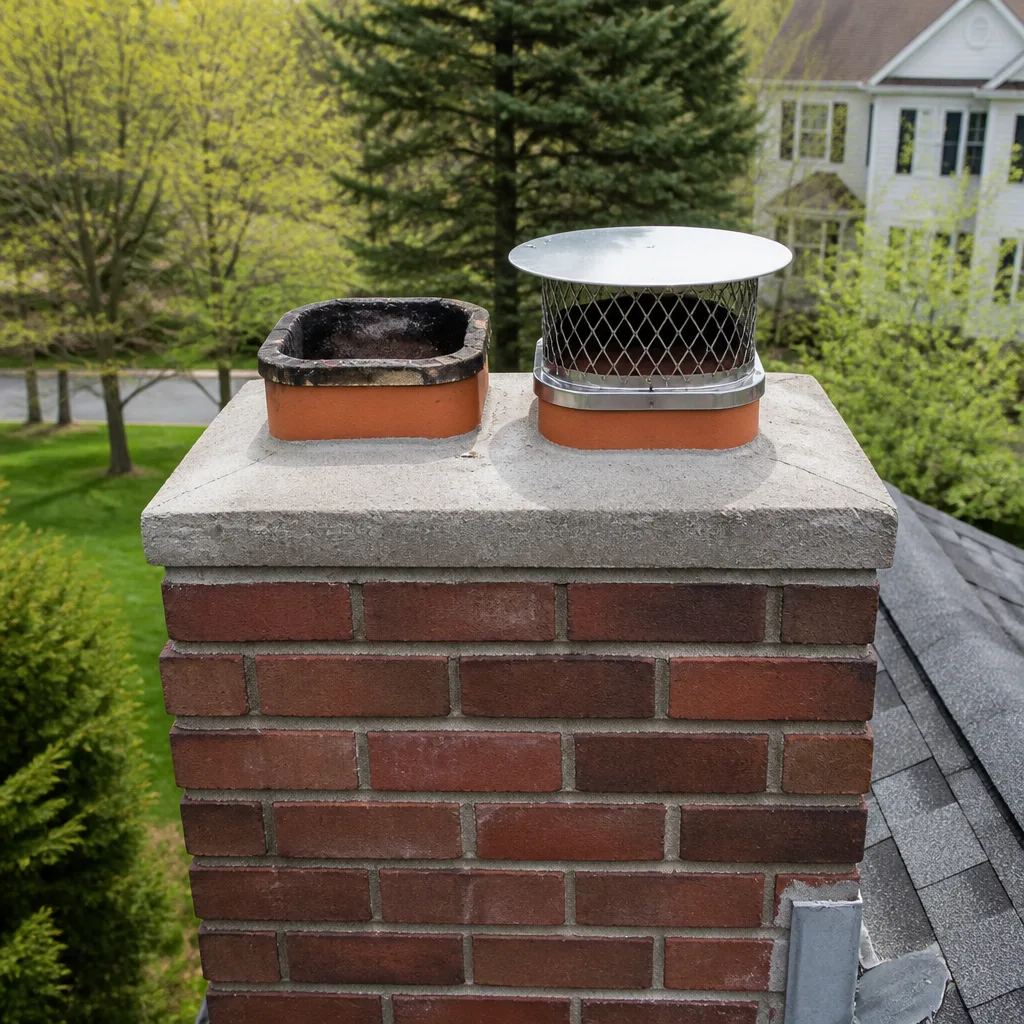
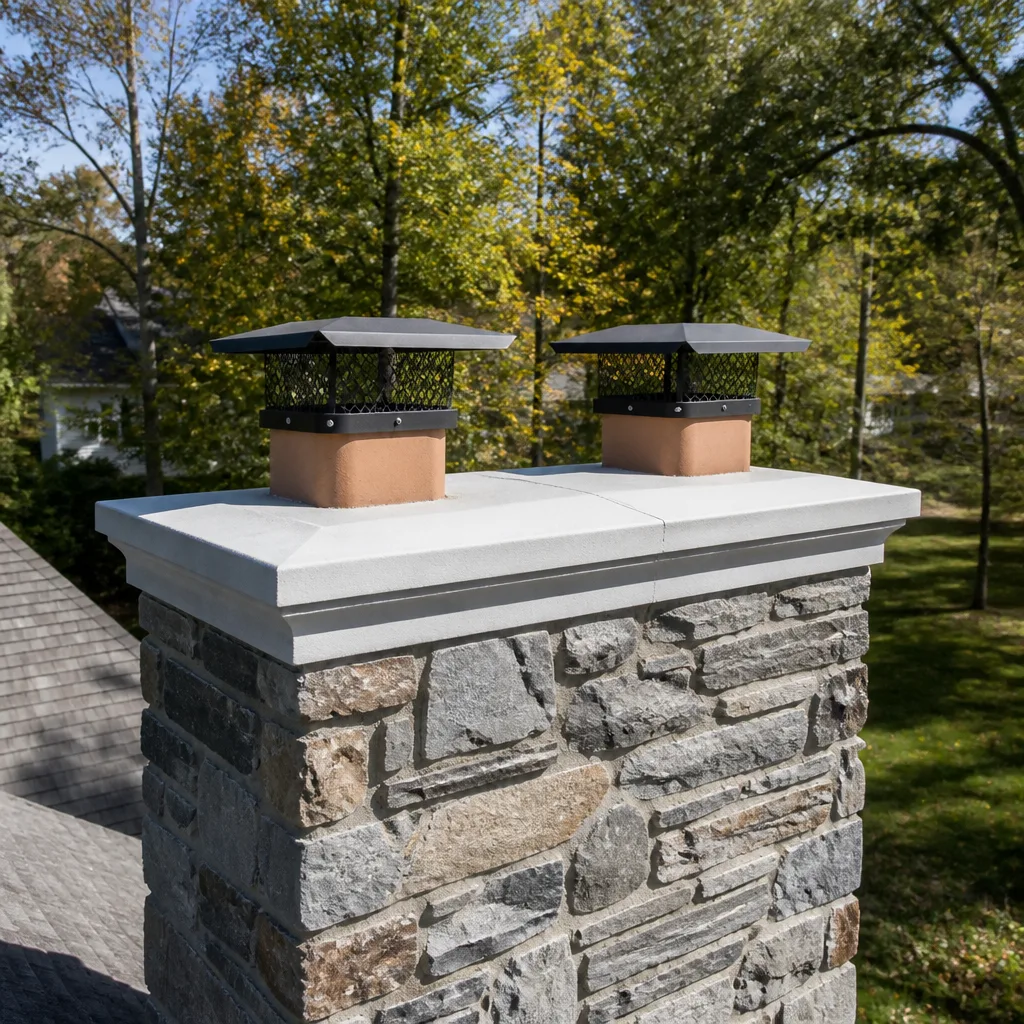
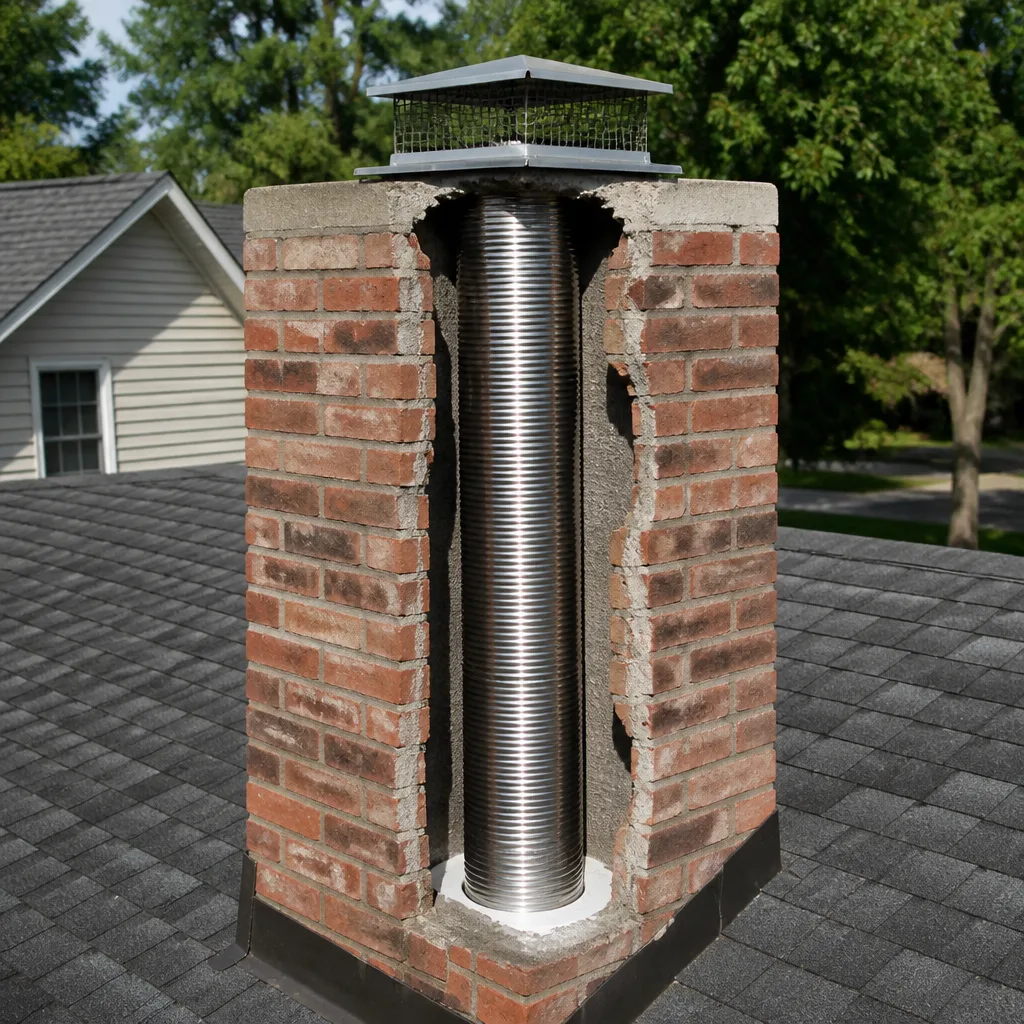
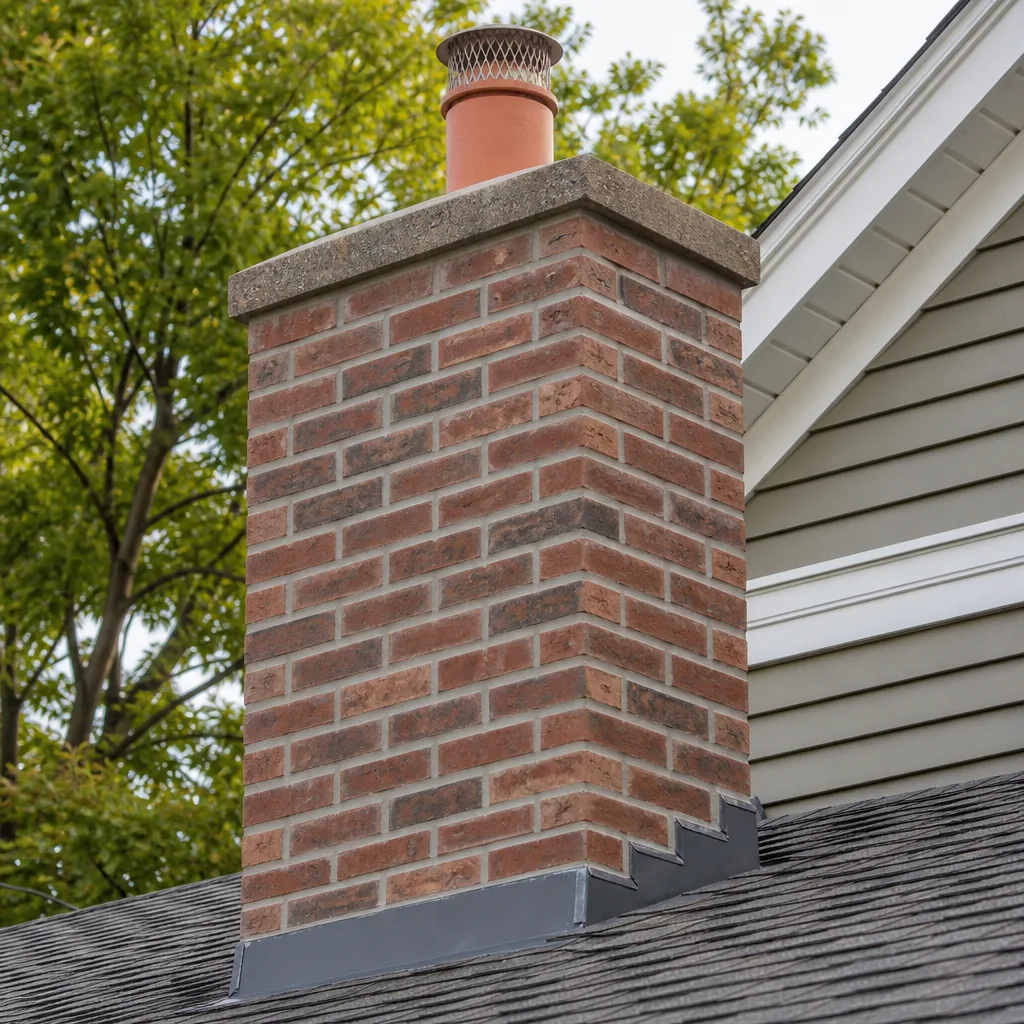
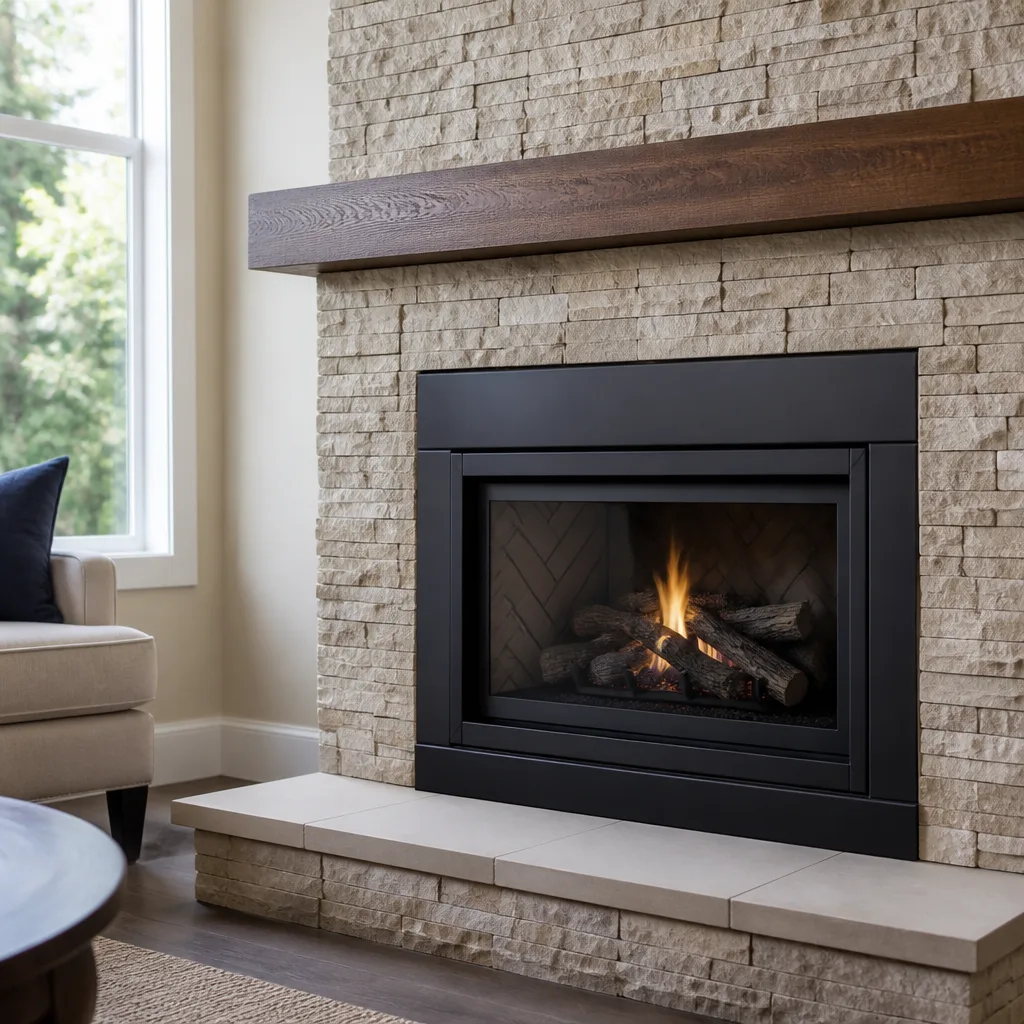
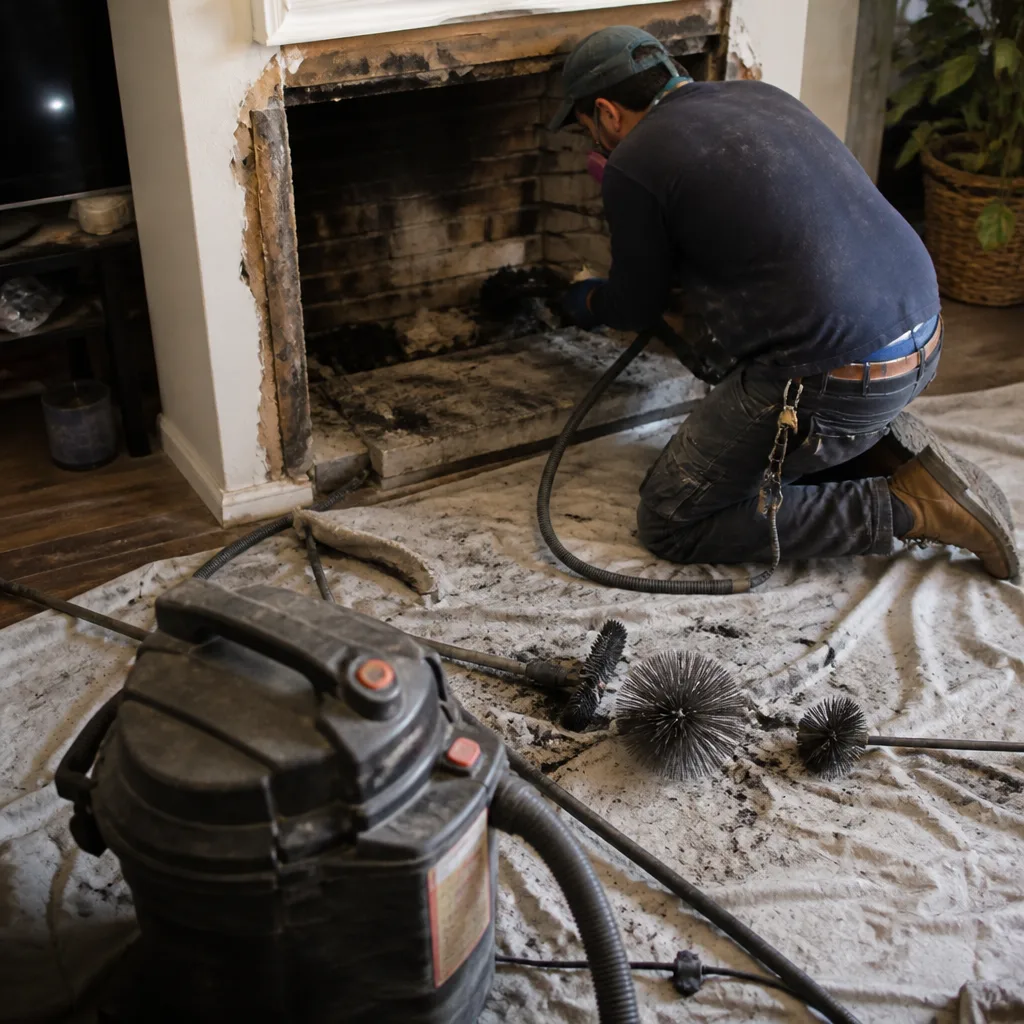 Before
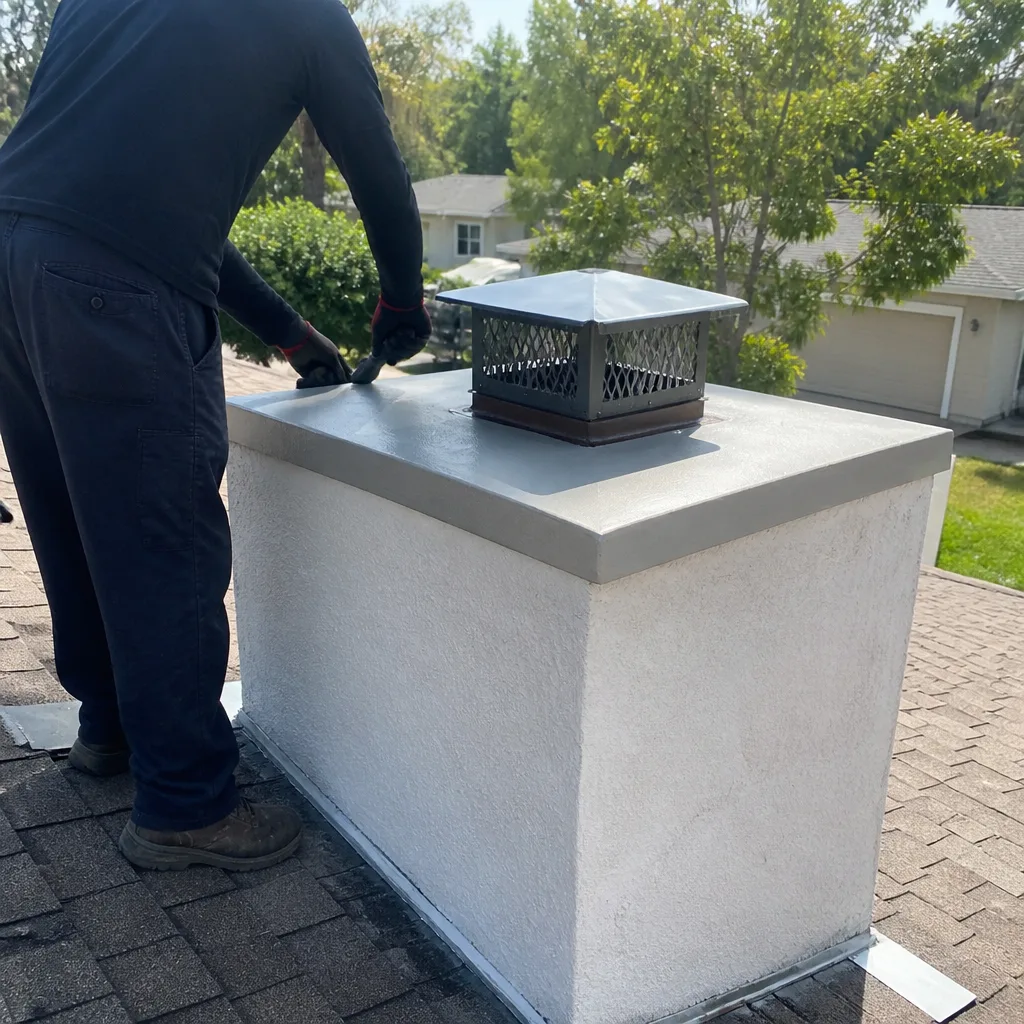 After
After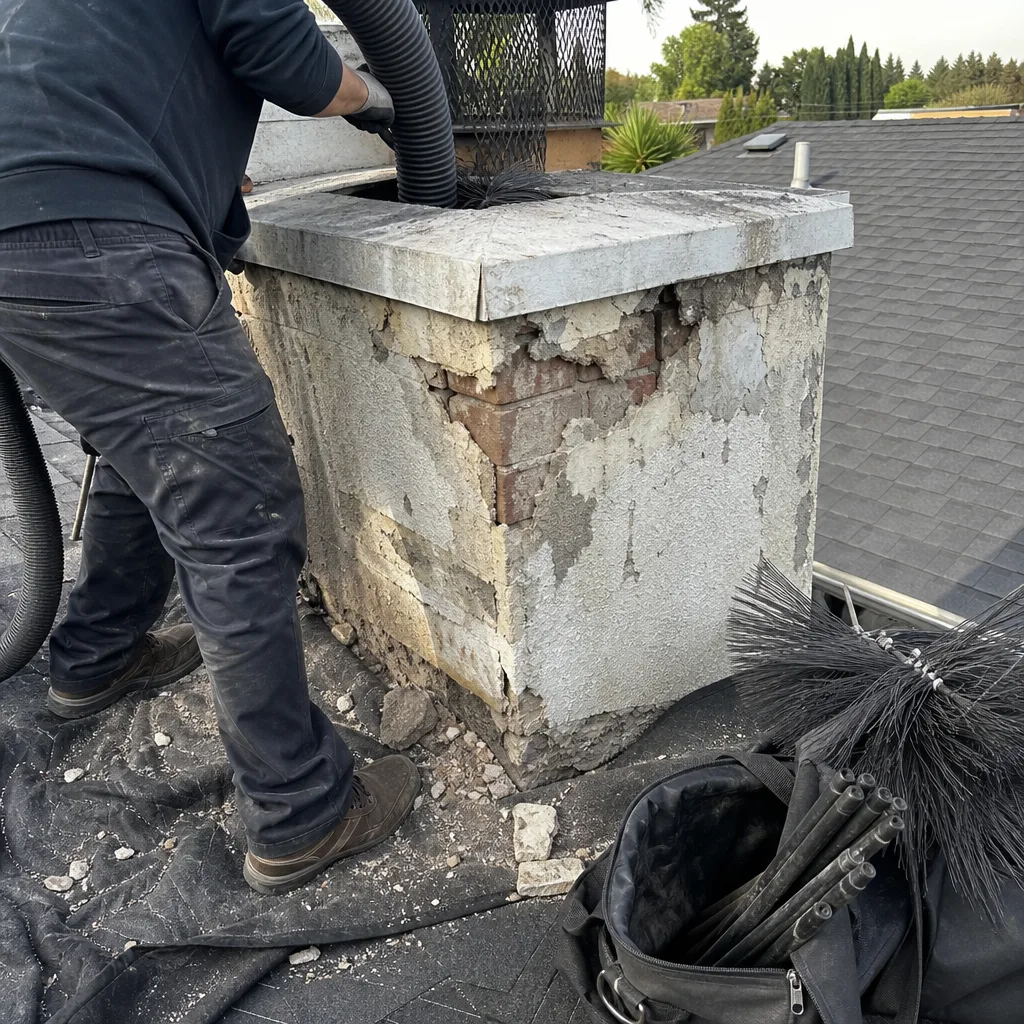 Before
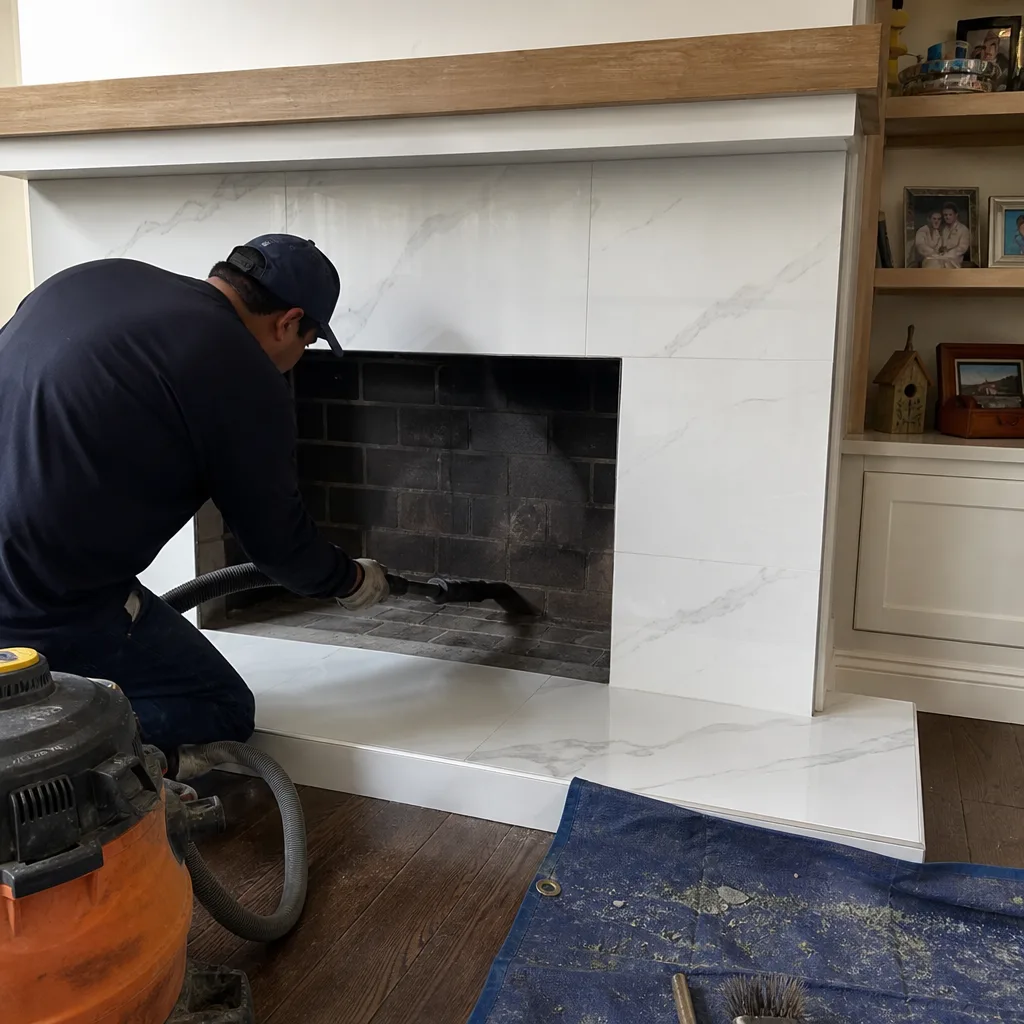 After
After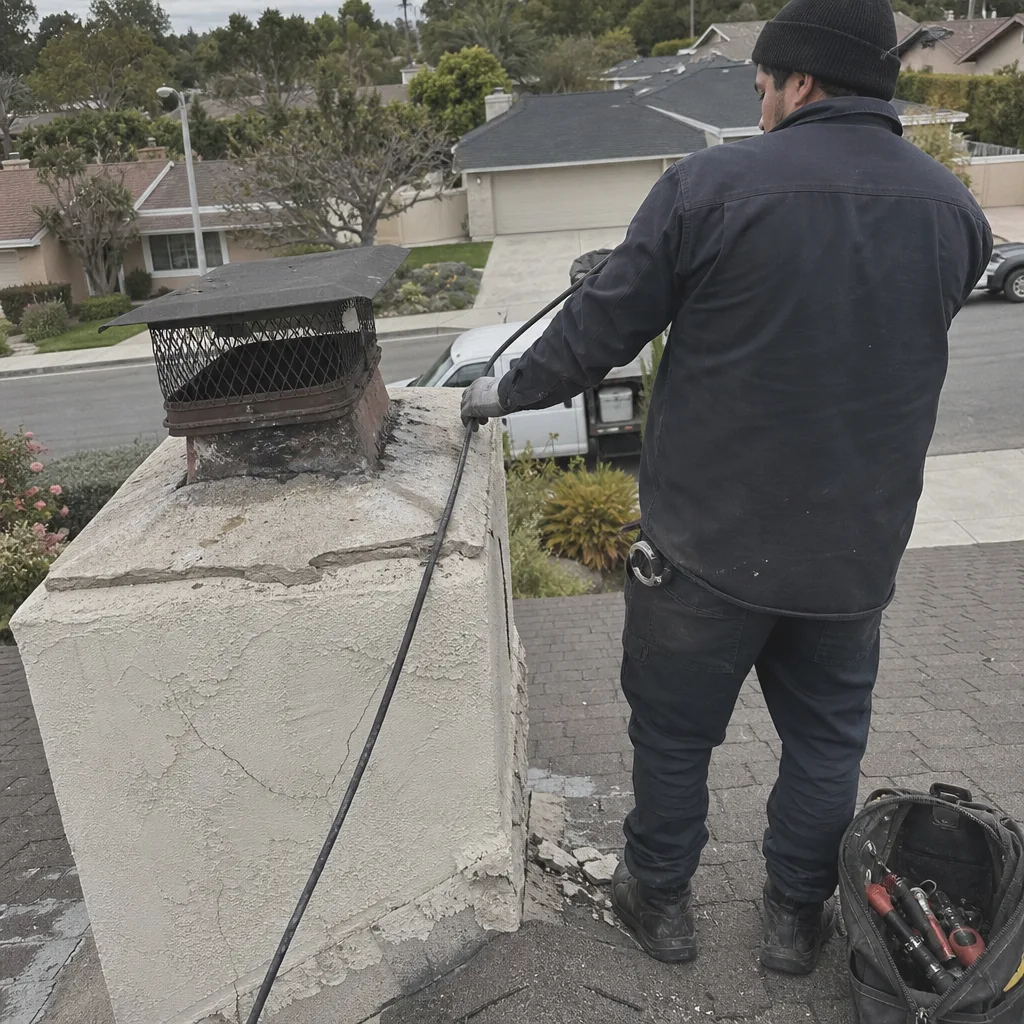 Before
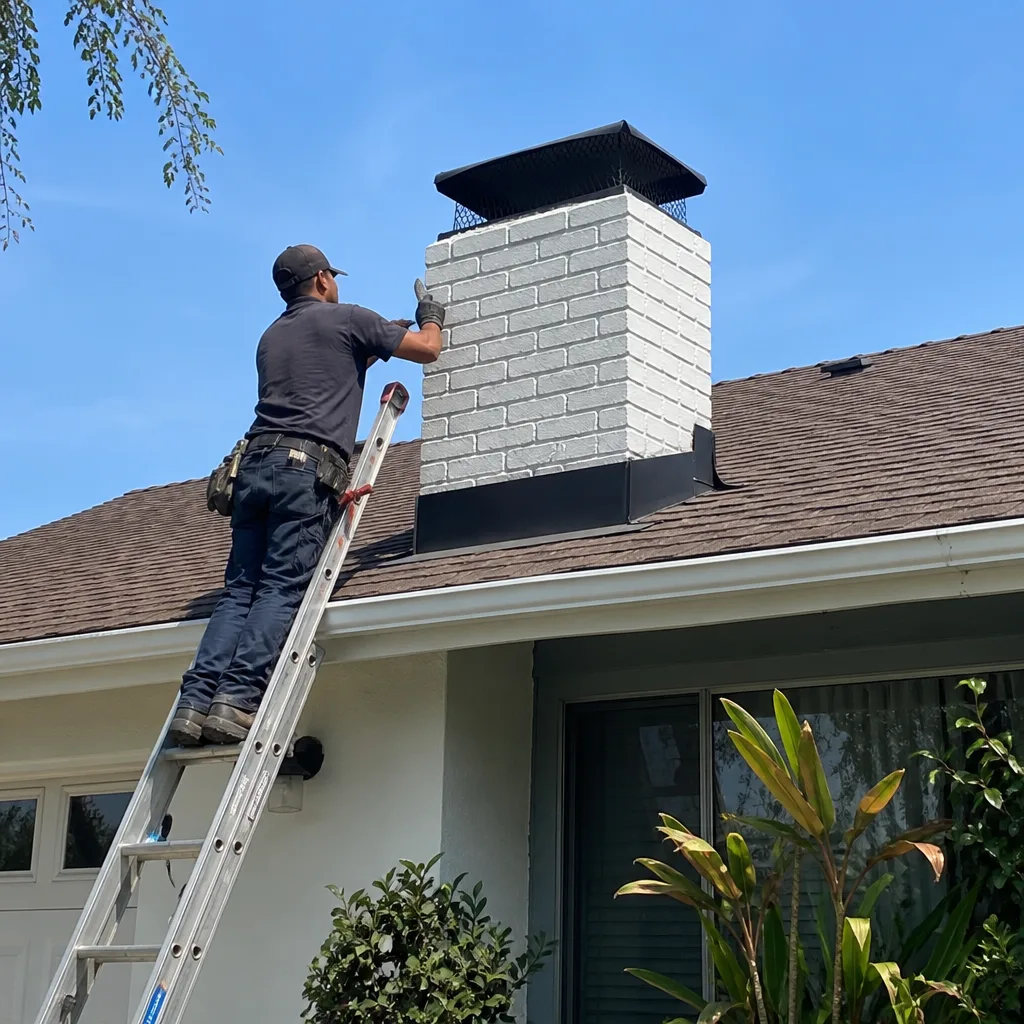 After
AfterThe Complete Chimney Sweep Guide for Los Angeles Homeowners
Most chimney sweep guides are written for the Midwest, where fireplaces run five months a year and creosote builds up like clockwork. In Los Angeles, the average fireplace burns fewer than 15 fires annually, and that low-use pattern creates its own distinct set of problems. This guide explains what a chimney sweep actually does, why Los Angeles chimneys fail differently than ones in Chicago or Minneapolis, what a sweep should cost in this market, and how to verify the person at your door is qualified to work on your house.
Quick Answer
A chimney sweep in Los Angeles typically costs $180 to $350 for a standard cleaning and visual inspection of the firebox, flue, and cap. In LA’s specific climate, infrequent fireplace use leads to animal nesting, passive creosote glaze, and mortar deterioration from earthquake stress rather than the thick black soot buildup common in colder regions. Flint Chimney Sweep puts a written price in your hand before any work starts, and every repair carries a written one-year guarantee.
Table of Contents
- What a Chimney Sweep Actually Does in Los Angeles
- Why LA Chimneys Fail Differently Than Cold-Climate Chimneys
- Earthquake Stress and the Hairline Cracks Sweeps Must Check For
- Marine Layer Moisture: Coastal vs. Valley Chimneys
- How Much a Chimney Sweep Costs in Los Angeles
- What a Written Price-and-Scope Document Should Contain
- CSIA Certification vs. California Licensing: What Actually Matters
- Common Mistakes to Avoid
- When to Call a Professional
- Frequently Asked Questions
What a Chimney Sweep Actually Does in Los Angeles
A chimney sweep does three things on a standard visit: removes flammable deposits and obstructions from the flue, inspects every accessible surface for damage or deterioration, and documents what was found and what was done. The cleaning component involves running a properly sized brush through the flue liner from either the roof or the firebox, depending on the chimney’s configuration and roof access. In Los Angeles, where many homes have Spanish tile roofs, flat pitches, or challenging parapet wall access, the method matters. Flint Chimney Sweep technicians assess roof access before quoting a price, so the number you approve includes the actual work required to reach your flue safely.
The inspection component covers the firebox, damper, smoke shelf, flue liner, chimney crown, cap, and exterior masonry. A standard sweep in Los Angeles should include all of these elements, not just a brush through the flue. The documentation component is where The Garrison Standard comes in: every Flint Chimney Sweep visit ends with a written record of what was cleaned, what was found, and whether any follow-up work is recommended, with a price for that work delivered in writing before you commit to it.
For more detail on our specific cleaning process, see Chimney Sweep in Los Angeles.
Why LA Chimneys Fail Differently Than Cold-Climate Chimneys
In a cold climate, a chimney’s biggest enemy is creosote buildup from heavy burning. In Los Angeles, the bigger threats run in the opposite direction: underuse invites animals, occasional fires produce oven-like soot that hardens into glaze faster than layered soot does, and long idle periods let moisture sit in masonry without the drying heat of regular fires. A Los Angeles chimney that burns 10 fires per year develops a different internal chemistry than a Minnesota chimney that burns 100.
Animal nesting is the most common finding on LA chimney inspections. The mild climate means squirrels, birds, and raccoons actively use chimneys as shelter nearly year-round, not just during a defined off-season. A nest built in March may still be inhabited in October, which is why spring and fall inspections matter equally here. We regularly remove nests from chimneys in the Hollywood Hills, Echo Park, and the canyons where tree cover meets rooflines. Nesting material compressed against a hot flue catches fire quickly, and the creosote mixed into those nests burns hotter than plain wood soot.
Passive creosote glaze is the second LA-specific issue. When a fireplace burns only occasionally, the byproducts of combustion cool and condense on the flue walls as a hard, shiny glaze rather than as flaky soot. This glaze resists standard brushing and requires either chemical treatment or mechanical rotary removal, which is why LA sweeps sometimes cost more than their cold-climate counterparts despite the lower volume of fires. A sweep in Los Angeles needs to know how to identify and treat glaze, not just brush soot.
Earthquake Stress and the Hairline Cracks Sweeps Must Check For
The 1994 Northridge earthquake and the smaller seismic events since have left hairline cracks in thousands of Los Angeles chimneys, most of them invisible from the ground and many of them still unaddressed decades later. A 6.7 magnitude quake applies lateral forces that chimneys are not structurally designed to absorb. The result is often micro-fractures in mortar joints, particularly where the chimney passes through the roofline and where the flue liner sections meet.
These cracks matter for two reasons. First, cracked mortar lets moisture into the masonry, and moisture plus the rare LA freeze cycle or marine-layer salt air accelerates deterioration. Second, a cracked flue liner allows heat and combustion gases to reach the chimney’s structural masonry, which is a fire hazard that no amount of sweeping will fix. A thorough chimney inspection in Los Angeles must include close examination of mortar joints for earthquake-related stress patterns, and it must document the findings clearly enough that a homeowner can make an informed decision about whether repair is urgent, advisable, or something to monitor.
Flint Chimney Sweep documents every crack we find with measurements and a written recommendation. We never tell a homeowner a crack needs immediate repair without showing them exactly what we’re seeing. For more on how we inspect, see Chimney Inspection in Los Angeles.
Marine Layer Moisture: Coastal vs. Valley Chimneys
Los Angeles is not one climate. A chimney in Marina del Rey endures different conditions than one in Woodland Hills, and the cleaning approach should account for that. The marine layer brings consistent moisture and salt air to coastal and Westside communities like Santa Monica, Venice, Playa del Rey, and Pacific Palisades. That moisture wicks into masonry and accelerates mortar erosion, especially where chimney crowns have hairline cracks from seismic stress. Salt air accelerates the corrosion of metal components including dampers, chase tops, and caps.
Inland valley chimneys in places like Northridge, Van Nuys, Burbank, and Glendale deal with intense sun exposure and the valley’s extreme temperature swings between day and night. That thermal cycling stresses masonry joints differently than coastal moisture does. The result is that a chimney in Sherman Oaks might show crown cracking from UV and thermal stress, while a chimney in Manhattan Beach shows mortar spalling from salt and moisture intrusion.
A sweep in Los Angeles should tailor the inspection and cleaning to the specific microclimate of the property. Flint Chimney Sweep technicians note the home’s location and known microclimate factors when planning each inspection, and our written reports reflect what those conditions mean for the chimney’s lifespan and maintenance schedule.
How Much a Chimney Sweep Costs in Los Angeles
A standard chimney sweep in Los Angeles typically runs $180 to $350, depending on the chimney’s condition, roof access difficulty, and whether glaze removal or animal nest extraction is required. Inspection-only visits range from $150 to $250 when booked separately, though many companies, including Flint Chimney Sweep, include a full inspection with every sweep. Repairs are priced separately and depend entirely on what the inspection finds.
- Standard sweep with full inspection: $180 – $350
- Glaze removal or rotary cleaning add-on: $75 – $150
- Animal nest removal (including disposal and sanitization): $100 – $250
- Chimney cap replacement: $150 – $400 depending on material and size
- Flue relining (replacing the inner liner that channels smoke safely out of the house): $2,500 – $6,000 depending on liner type and flue height
- Crown repair or reseal: $300 – $800
These are LA-specific ranges based on what we’ve seen in this market across thousands of inspections since 2002. Prices in other regions vary, and your chimney may fall outside these ranges. What matters is that you get the price in writing before work begins. Flint Chimney Sweep delivers a written price on every job, no exceptions. The number you approve is the number on the invoice. Call Flint Chimney Sweep home at (830) 251-4560 for a free estimate.
What a Written Price-and-Scope Document Should Contain
Before any sweep begins in Los Angeles, you should have a written document that states exactly what will be done, what it will cost, and what happens if something unexpected is found. Vague verbal estimates cost homeowners money because they allow the final price to drift upward once the technician is on the roof. A proper price-and-scope document contains specific elements, and you should refuse work from any company that will not provide one.
- The exact services to be performed: “clean flue and firebox, inspect damper, smoke shelf, liner, crown, cap, and exterior masonry” is specific. “Clean and inspect chimney” is not.
- The total price in dollars: not an hourly rate with an estimate of hours, and not a range. A specific number.
- What is included in that price: equipment, materials, roof access, basic sealant, disposal fees. If it’s not listed, assume it’s extra.
- What is not included: repairs, replacement parts, additional liner work, or anything discovered during the inspection that requires separate approval.
- The process for change orders: if the technician finds something that needs repair, when and how will you be notified, and will you approve the new price in writing before any additional work begins.
- Guarantee terms: what is covered, for how long, and what happens if the work fails. Flint Chimney Sweep includes a written 365-Day Done Right Promise on every repair: if a covered repair fails within one full year, we return at no charge.
The Garrison Standard exists because we’ve seen too many LA homeowners handed a bill that doesn’t match the verbal estimate. Written scope protects you, and it keeps us accountable. If a company refuses to put it in writing, that’s information you should use.
CSIA Certification vs. California Licensing: What Actually Matters
The Chimney Safety Institute of America (CSIA) certifies chimney sweeps through training and examination, and a CSIA certification is the most widely recognized national credential in the trade. However, California does not have a state-specific chimney sweep license. Unlike electricians, plumbers, and contractors, chimney sweeps in California operate without a mandated state licensing body, which means homeowners must rely on certification, company reputation, and written commitments to evaluate a sweep’s qualifications.
What you should look for, in order of practical importance: a written guarantee on any repair work, a documented background check for anyone entering your home, a clear process for price changes if the inspection finds something unexpected, and verifiable trade certifications. Flint Chimney Sweep is part of the Garrison Partners family founded in 2002, and every technician who works on your chimney has passed a background check and arrives in uniform with company identification.
When repairs involve specific materials, ask which brands are being used. Flint Chimney Sweep specifies professional-grade products including DuraFlex for liner systems, Olympia Chimney for caps and weatherproofing components, and Gelco for sealants. These are established trade brands you can verify independently, and a company that names its materials is a company that stands behind its supply chain.
For more on how we approach inspections and what we document, see Chimney Repair in Los Angeles.
Common Mistakes to Avoid
- Skipping the inspection because the chimney “looks fine.” The most dangerous defects in LA chimneys are inside the flue, behind the damper, or on the crown where you can’t see them from the yard. Earthquake cracks and glaze buildup are not visible from the living room.
- Using the fireplace without knowing when the chimney was last inspected. If you bought a home in Los Angeles and the seller did not provide a recent inspection report, assume the chimney has not been checked. We find unaddressed issues in a significant percentage of chimneys at homes sold without an inspection contingency.
- Accepting a verbal estimate without a written scope. Verbal numbers shift. Written ones don’t. The Garrison Standard exists specifically because this mistake costs LA homeowners real money every year.
- Hiring solely on price. A $99 chimney sweep special in Los Angeles is priced for a reason. The cheapest sweep often excludes roof access, inspection elements, or cap removal, and the “discount” disappears when the add-ons arrive.
- Ignoring the chimney cap. The cap is the first line of defense against animals and rain in Los Angeles. A missing or damaged cap nearly guarantees a nest or water intrusion within six months.
- Treating coastal and inland chimneys the same. If you live near the coast, salt and moisture require more frequent masonry inspection and more aggressive crown maintenance. Inland valley homes need attention to UV damage and thermal cracking. Your maintenance schedule should reflect where in Los Angeles you actually live.
- Deferring a recommended liner repair. A cracked or deteriorated flue liner is a fire hazard that sweeping cannot fix. Delaying relining puts the chimney’s structural masonry at risk and creates conditions for a chimney fire that no amount of cleaning prevents.
When to Call a Professional
You should have a chimney inspected and swept before your first fire of the season, after any earthquake of magnitude 5.0 or greater near your home, if you see water stains on the ceiling near the chimney, if you smell a campfire-like odor when the fireplace is not in use, or if you hear or see animals in or around the chimney. For full details, see The Complete Guide to Chimney Cleaning in Los Angeles. You should also schedule an inspection before buying or selling a home in Los Angeles, because chimney condition affects both safety and sale negotiation. If you are not sure when your chimney was last inspected, treat it as due now. Flint Chimney Sweep offers free estimates in Los Angeles – call (830) 251-4560.
Frequently Asked Questions
A standard chimney sweep in Los Angeles costs between $180 and $350, with additional charges for glaze removal, animal nest extraction, or difficult roof access. Flint Chimney Sweep provides a written price before any work begins, so you know the exact number before you approve anything. Call (830) 251-4560 for a free estimate based on your specific home.
Even with light use, a Los Angeles chimney should be inspected annually and swept as needed. The National Fire Protection Association recommends annual inspection, and in LA the animal nesting risk and earthquake stress make that annual check more important than in regions where chimneys are used heavily all winter. If you burn more than 30 fires per year, schedule a sweep every year. If you burn fewer, an annual inspection still catches nesting, water damage, and seismic cracks before they become expensive.
You need a new liner only if your current liner has cracks, gaps, or deterioration that allows heat or gases to reach the chimney’s structural masonry. That determination requires a camera inspection, and Flint Chimney Sweep will show you the images and explain what they mean before recommending any liner work. We specify liners from DuraFlex and other professional-grade brands, and any liner installation carries our written one-year guarantee.
Skipping a sweep in Los Angeles most commonly leads to undetected animal nests, which are a fire hazard, or accumulated glaze, which increases chimney fire risk and makes future cleaning more expensive. In the longer term, skipped inspections allow water intrusion through the cap or crown to deteriorate the masonry, and that deterioration in an earthquake-prone city like Los Angeles creates structural risks that a clean flue cannot prevent. The cost of an inspection is small compared to the cost of relining or rebuilding a fire-damaged or earthquake-failed chimney.
Yes, especially if you live in coastal or Westside neighborhoods of Los Angeles. Marine moisture and salt air penetrate cracked crowns and mortar joints, accelerating deterioration and corroding metal components like dampers and caps. If your home is within five miles of the coast, your maintenance schedule should account for salt air, and your inspection should include close examination of all metal components.
Before hiring, confirm that the company provides a written price and scope before any work starts, that the technicians are background-checked and uniformed, that any repair work carries a written guarantee, and that the company names the materials it uses. Flint Chimney Sweep meets all of these requirements under The Garrison Standard, and our repairs carry a 365-day written guarantee. Call (830) 251-4560 for an estimate.
The Bottom Line
Los Angeles chimneys fail differently than chimneys in cold climates, and the difference matters. Low use invites animals and creates glaze. Earthquakes crack mortar. Marine moisture corrodes coastal masonry. A proper chimney sweep in Los Angeles addresses all of these factors with a thorough inspection, a tailored cleaning, and written documentation of everything found and done. Get your chimney inspected annually. Demand written pricing. Ask about guarantee terms. For more guides & resources, visit our blog. And call Flint Chimney Sweep at (830) 251-4560 when you are ready for a sweep built around how Los Angeles chimneys actually behave.
Written by Hank Delano, Owner at Flint Chimney Sweep, serving Los Angeles since 2002.