
Last updated October 9, 2026
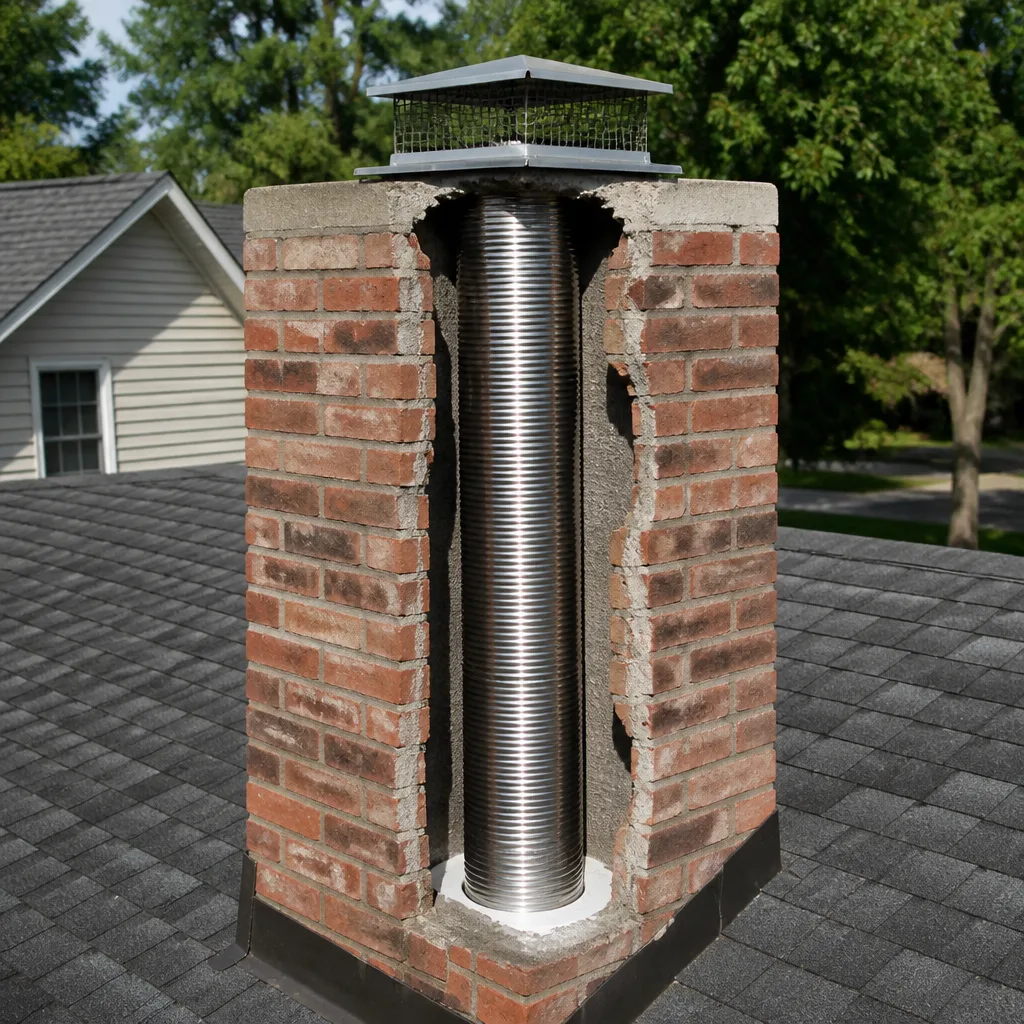
Level 1 sweep and inspection to the NFPA 211 annual standard - flue, crown, cap, and flashing checked and photographed
Chimney sweep logs do not sweep chimneys. They loosen some creosote - which then falls where a brush and vacuum still have to collect it.
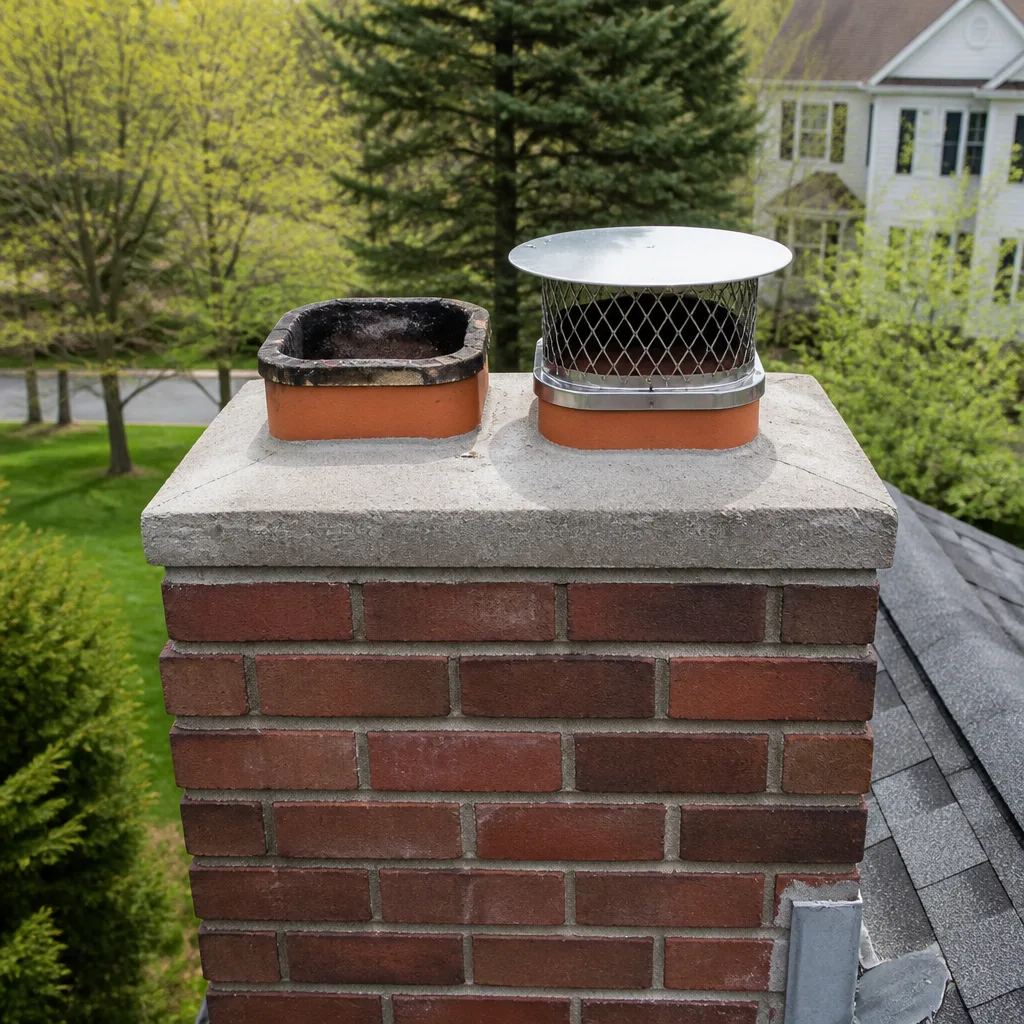
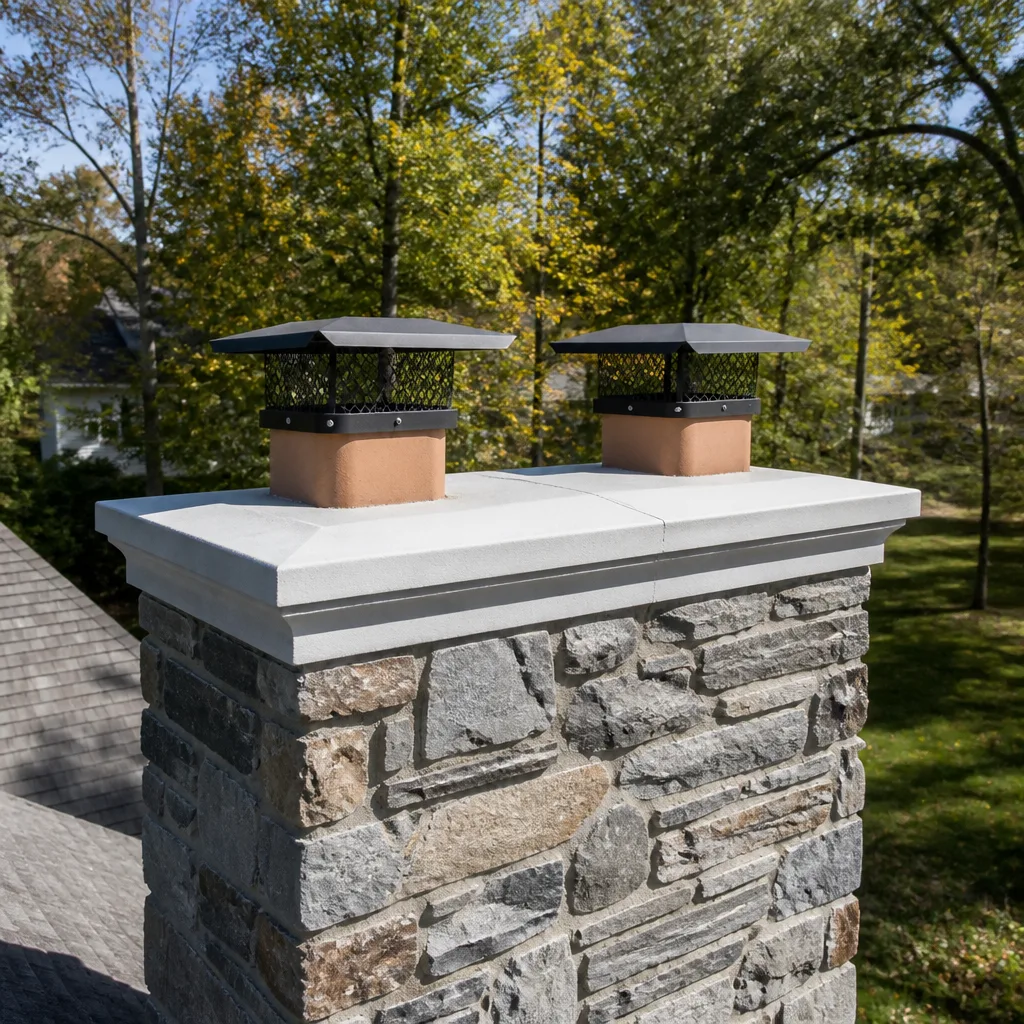
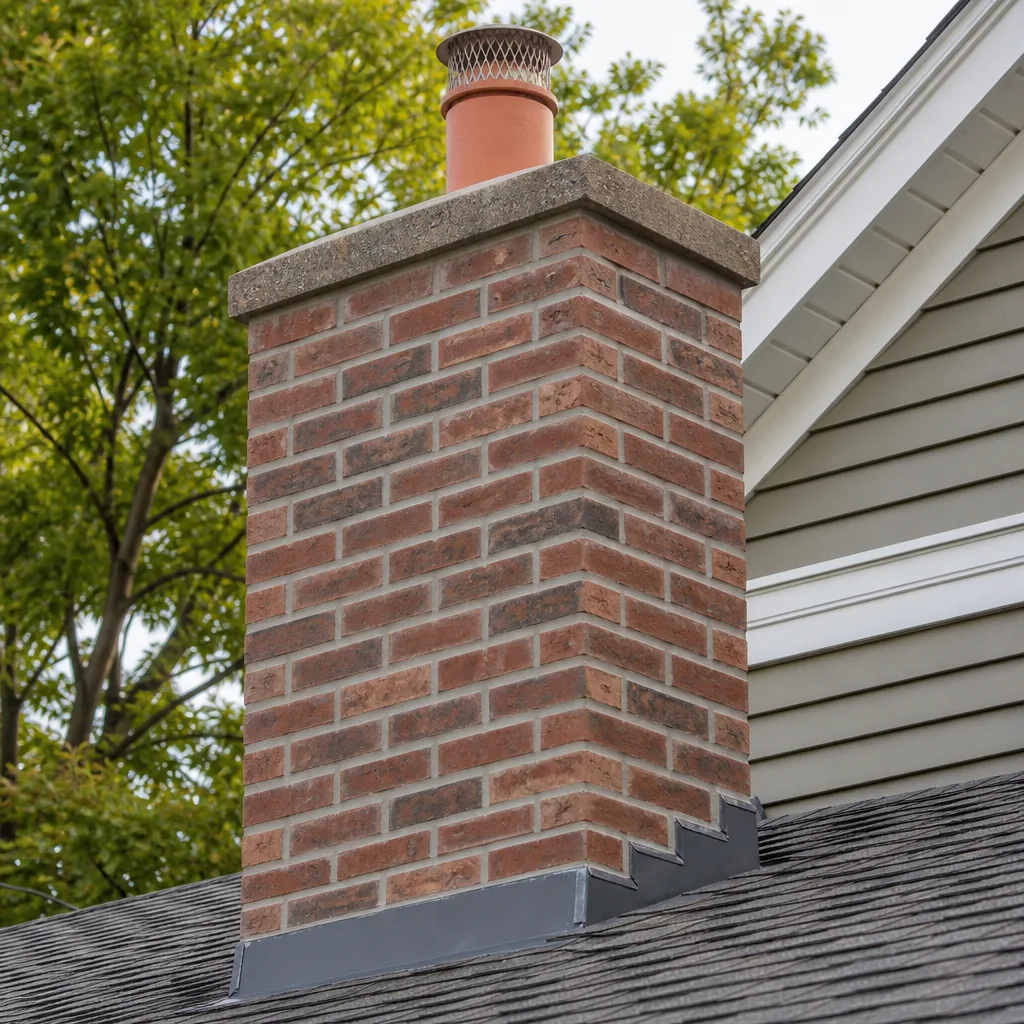
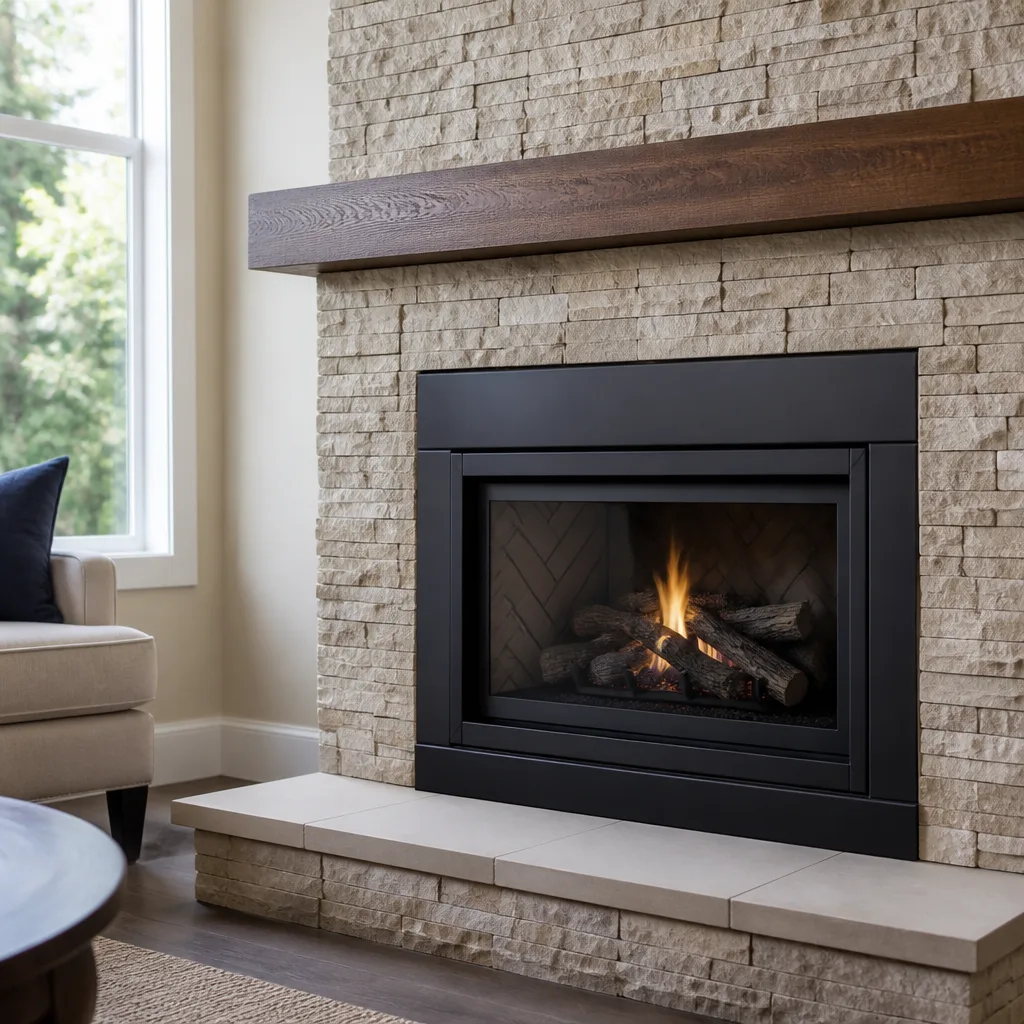
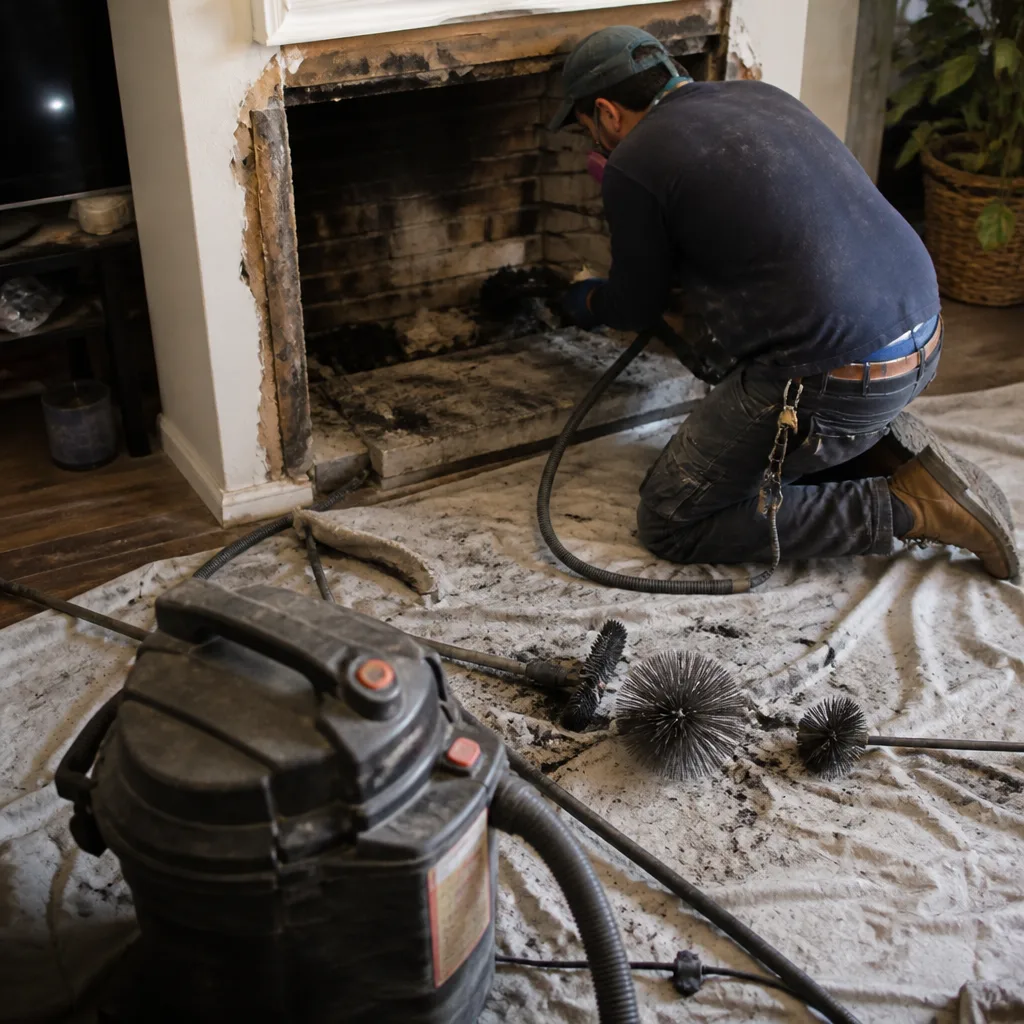 Before
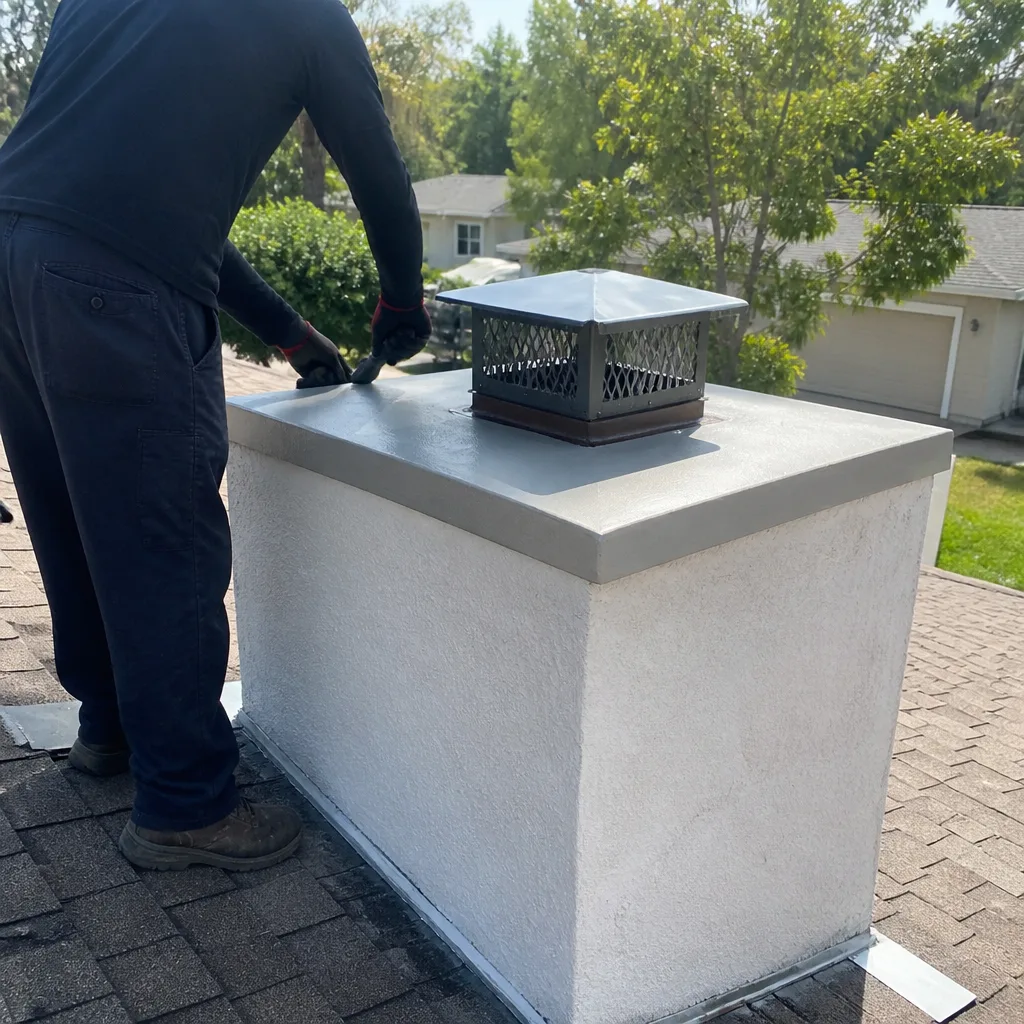 After
After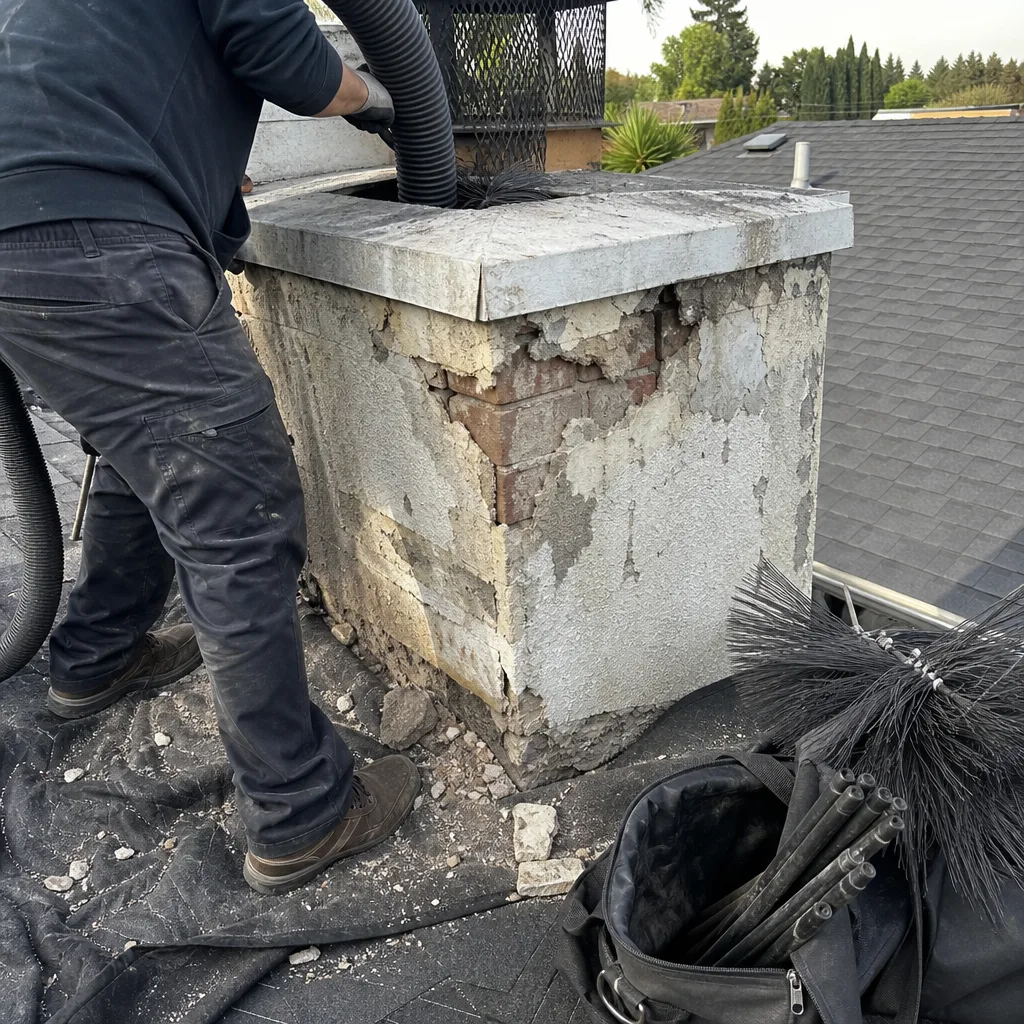 Before
 After
After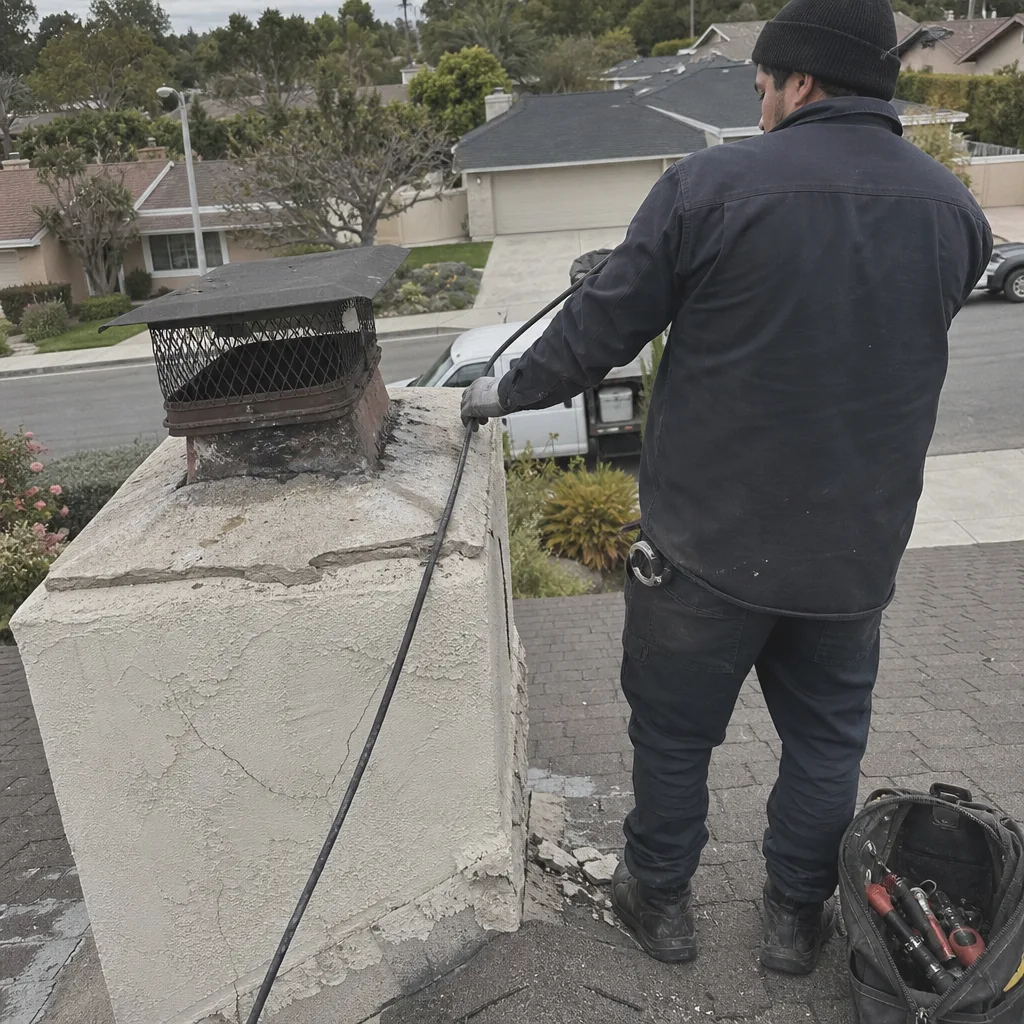 Before
 After
AfterThe Complete Guide to Chimney Cleaning in Los Angeles
Most chimney advice on the internet is written for a house in Minnesota that burns four cords of wood every winter. Los Angeles is not that house. A fireplace used three times a year builds up a different kind of problem than one that runs nightly from October to April, and the chimney industry largely ignores that difference. This guide explains what actually accumulates inside a low-use LA chimney, what it costs to clean it, when you can safely wait, and when waiting turns into a structural bill. For more guides & resources, see our blog. Along the way, you’ll learn the inspection levels, the materials, and the written-commitment standards that separate a disciplined chimney crew in Los Angeles from the rest.
Quick Answer
A professional chimney cleaning in Los Angeles typically costs between $189 and $320 for a standard sweep, depending on roof access, chimney height, and how long it has been since the last service. Infrequent fireplace use in LA’s mild climate creates bird nesting, rodent activity, and moisture-driven liner corrosion, which means a cleaning most often needs to be paired with at least a Level 1 inspection. Book the job before the first cool snap in late October, get a written price before any work begins, and never accept a verbal quote for liner repair without camera evidence in hand. If you’re weighing whether to tackle maintenance yourself, read our DIY vs Professional Chimney Cleaning: The Los Angeles Homeowner’s Decision Guide.
Table of Contents
- Why LA Chimneys Are Different From the National Norm
- What a Chimney Cleaning Actually Involves
- How Much Chimney Cleaning Costs in Los Angeles
- Creosote Stages and What LA Homes Actually Accumulate
- The Marine Layer Problem: Dormant Chimneys and Liner Corrosion
- Pests, Nesting, and the Low-Burn Fireplace
- Level 1 vs. Level 2 Inspections: Which One Applies to You
- What a Written Scope of Work Should Include
- Common Mistakes to Avoid
- When to Call a Professional
- Frequently Asked Questions
Why LA Chimneys Are Different From the National Norm
The national chimney narrative assumes a heating-season rhythm: burn from November to March, sweep in the fall, repeat. The CSIA’s own data confirms that in mild climates, disuse, not heavy use, is the leading cause of overlooked chimney hazards. Los Angeles flips the entire model. A fireplace that runs three or four times between Thanksgiving and Valentine’s Day sits dormant for eight or nine months straight. Empty flues become housing. Uncapped chimneys collect leaves, twigs, and the nests of birds that find an LA chimney liner a perfectly climate-controlled structure. Moisture from marine-layer humidity and winter rain, plus the condensation cycles that come with warm days and cool nights, sits against the clay or metal liner and does its slow work. By the time a homeowner in Sherman Oaks or Pasadena calls a chimney company, the problem is rarely the creosote glaze of a heavy-burn chimney. It’s a desiccated bird carcass, a line of rust weeping down the firebox wall, or a flue packed with twigs and leaves that weren’t there in March. This is the specific shape of chimney risk in Los Angeles, and any cleaning service that doesn’t understand it is working from a playbook written for another climate entirely.
What a Chimney Cleaning Actually Involves
A proper chimney cleaning is more than a wire brush run up the flue. Done by a trained technician, the process includes protecting the work area, removing debris and creosote from the flue walls and smoke chamber, clearing the damper and firebox, verifying the flue cap, and leaving the firebox free of loose soot and debris. In our experience servicing homes across Los Angeles, a chimney that hasn’t been cleaned in five years often contains material that a visual sweep from the roof won’t fully remove, which is why tools, not elbows, do the work.
Here is the sequence a disciplined crew follows:
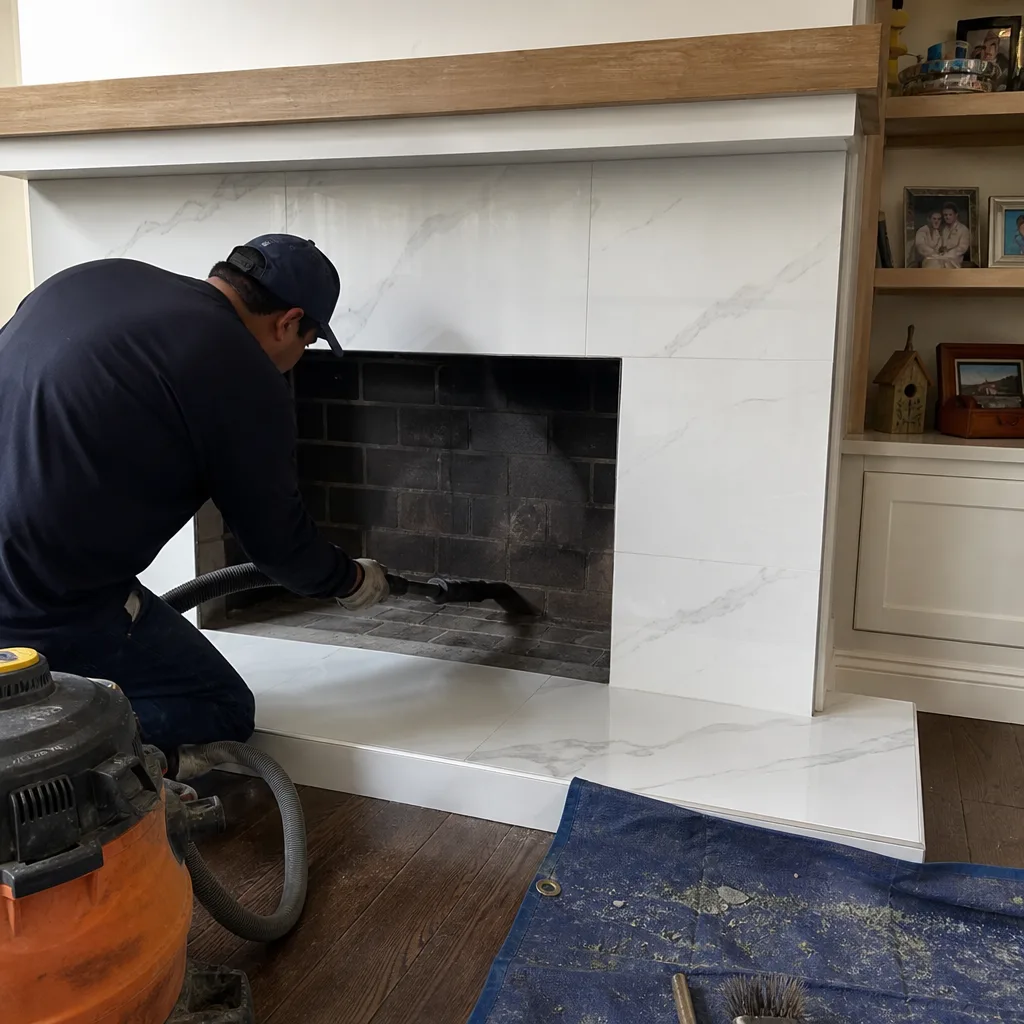
- Interior protection. Drop cloths go down in front of the fireplace, and a high-powered vacuum with a HEPA filter stays running throughout the work to keep soot out of the living space.
- Roof access and flue inspection. The technician gets eyes on the flue cap, crown, and upper flue before any brushing starts. If the cap is damaged or missing, that gets flagged for repair.
- Mechanical sweep. Wire or poly brushes sized to the flue run top to bottom. The goal is to remove material without scoring the liner. For a Stage 2 creosote situation, rotary tools may be needed. For the typical LA low-burn chimney, a standard sweep usually clears what’s there.
- Smoke chamber and damper cleaning. A surprising amount of debris settles in the smoke chamber above the damper. If it’s not cleared, the smoke path stays restricted.
- Firebox cleanup and removal. All cleared material is vacuumed and removed. The technician should show you what came out. You have a right to see it.
- Final check and documentation. A sweep report with photos closes the job. This matters more in Los Angeles than in most markets, where real estate transactions routinely require proof of chimney maintenance.
Brands matter at this stage. Professional crews in Los Angeles use commercial-grade rods, brushes, and vacuums, not hardware-store kits. The same goes for any repair work that follows a sweep. Materials like Olympia Chimney and Copperfield components show up in quality installations and repairs because they’re specified by flue size and use, not by whichever part is on the truck. That distinction becomes important when a cleaning turns up a damaged flue cap or cracked crown.
How Much Chimney Cleaning Costs in Los Angeles
A standard chimney sweep in Los Angeles costs between $189 and $320. The variance comes from chimney height, roof pitch, access difficulty (hillside homes in Silver Lake and Beachwood Canyon cost more than a flat suburban ranch in the Valley), and how long the flue has gone without service. Add-on work follows its own logic:
- Standard sweep: $189 – $320
- Level 1 inspection (included with most sweeps): $0 – $75 when bundled
- Level 2 inspection (camera scan): $250 – $450 standalone, less if combined with a sweep
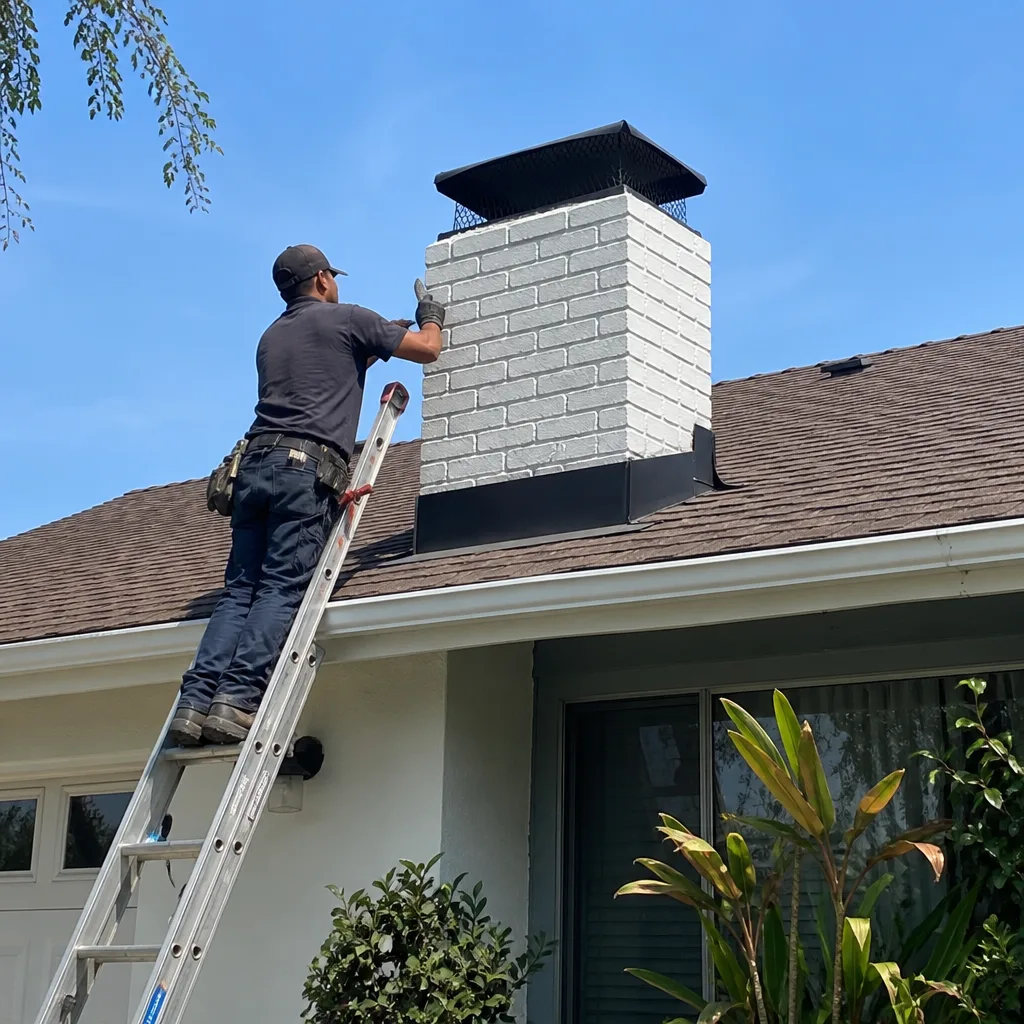
- Flue cap supply and installation: $125 – $300 depending on cap type and roof access
- Chimney crown repair: $400 – $1,200
- Stainless steel flue relining (DuraFlex or equivalent): $2,800 – $6,500 depending on flue height and diameter
- Firebox repair and repointing: $600 – $2,200
These are market-ballpark figures for Los Angeles as of 2025. Any company that gives a price over the phone and won’t put it in writing before arriving is setting up a door-knock adjustment. At Flint Chimney Sweep home, we operate under The Garrison Standard, which means every job gets a written price before any tool comes off the truck. The number on the invoice is the number approved. If a sweep reveals damage, the repair is quoted separately, in writing, with photo evidence. No exceptions, no surprise line items.
Creosote Stages and What LA Homes Actually Accumulate
Creosote forms in three stages. Stage 1 is a fine, flaky black dust that brushes off with a standard sweep. Stage 2 is a thicker, tar-like glaze that requires rotary tools or chemical treatments. Stage 3 is a hardened, glossy tar that narrows the flue and carries a serious chimney fire risk. National guides spend most of their time warning about Stage 3. The Los Angeles reality is different.
Most LA fireplaces accumulate Stage 1 creosote, and only a light layer of it at that. The reason is simple: creosote forms when smoke cools and condenses on flue walls, and LA’s short, mild burns produce far less of it than a sub-freezing Minnesota firebox load running flat out. What LA chimneys get instead is dry, particulate soot mixed with organic debris: dust, airborne leaf litter, spider webbing, and occasional pollen. This material doesn’t carry the same flashpoint risk as Stage 3 creosote, but it does two things that matter. First, it blocks proper draft, so smoke rolls into the living room when a fire is lit. Second, it holds dampness against the liner, which accelerates the corrosion covered in the next section. A sweep that just runs a standard brush through a Stage 1 flue usually cleans it completely. That’s why most Los Angeles homes never need the aggressive rotary treatment that colder markets default to. If a company is trying to sell you on a “deep clean” without showing you Stage 2 or 3 evidence on camera, ask to see the photos.
The Marine Layer Problem: Dormant Chimneys and Liner Corrosion
Los Angeles sits in a coastal basin where morning condensation is a fact of life for six months of the year. The marine layer pushes humid air inland through the night, and when it hits a cold chimney liner, water condenses on the inside wall. In a chimney that burns regularly, the heat of the fire dries that moisture out. In a Los Angeles chimney that sits unused from April to November, the moisture stays. Day after day, week after week.
Clay tile liners are particularly vulnerable to this cycle. Water absorbed into the porous clay expands and contracts with temperature swings, and over several years that can crack sections of the liner. Metal liners corrode at the seams and at the point where the flue cap meets the top course of tile. The damage is slow, and it’s invisible from the living room. By the time a homeowner notices rust staining inside the firebox or pieces of spalling clay at the base of the flue, the liner has already been compromised. This is why a camera inspection matters on first service. Chimney Inspection in Los Angeles is not a luxury add-on; it’s how you establish whether the moisture problem has already started. The flue cap is the first line of defense here, and it’s the most cost-effective single piece of hardware on the chimney. A quality cap keeps rain and marine moisture out while still allowing the flue to breathe.
Pests, Nesting, and the Low-Burn Fireplace
Cold-climate chimneys burn too hot too often for birds and rodents to set up residence. A Los Angeles chimney is a different animal, literally. The same mild conditions that spare our liners from heavy creosote make them ideal nesting sites. Starlings and sparrows build inside uncapped flues during spring. Rodents move in during the fall. Squirrels occasionally get trapped and die in the smoke shelf, and their remains then sit inches from the living room behind a thin damper plate.
The nest material is the hidden hazard. Twigs, dried grass, and feathers are tinder-dry and sit directly in the smoke path. A single ember drifting up from a firebox can ignite a nest, and the resulting chimney fire can crack a liner or spread to roof framing. This isn’t a scare statistic, it’s a plain fact of what happens when combustible material accumulates in a confined flue. The fix is prevention. A properly fitted flue cap with an animal guard stops birds and rodents from entering in the first place. If nest material is already present, it must be removed mechanically before any fire is lit. We’ve pulled enough nest material, leaves, and bedding out of chimneys in our years serving Los Angeles to know that a low-burn fireplace is often a high-occupancy one.
Level 1 vs. Level 2 Inspections: Which One Applies to You
NFPA 211 defines three inspection levels, and two of them cover almost every Los Angeles situation. The distinction matters because a sweep and an inspection are separate services, though they’re often done together.
Level 1 Inspection covers the readily accessible portions of the chimney: the flue interior with a light, the damper, the firebox, the chimney exterior, and the basic condition of the cap and crown. It’s the right choice when the chimney has been maintained on schedule and no changes have been made to the system. For a homeowner who just bought the house and has no service history, or who is putting the home on the market, Level 1 alone is usually insufficient.
Level 2 Inspection adds a camera scan of the entire flue interior from top to bottom. It’s required by NFPA 211 whenever a property is being sold or transferred, when the chimney has been damaged by weather, earthquake, or fire, or when the system has not been used or inspected in several years. In Los Angeles, where earthquake movement and marine moisture act on chimneys every year, a Level 2 scan reveals things no visual check can: hidden liner cracks, separated tile joints, or the early stages of internal corrosion. The camera evidence also settles what work actually needs to be done. When we quote a repair at Chimney Repair in Los Angeles, every recommendation is backed by footage the homeowner can watch with us. Nothing is proposed blind.
What a Written Scope of Work Should Include
Los Angeles is a competitive chimney market, and the dominant sales model is the kitchen-table quote: a number arrived at on the spot, often with an asterisk attached. A written scope of work changes the transaction. It forces specificity, which is the enemy of upsell. Before any crew starts at your house, the scope should state the following in writing:
- The exact services being performed. “Chimney sweep, Level 1 inspection, flue cap installation” is a scope. “Clean and check” is not.
- The fixed price for each line item. If a second crew member or bucket lift might be needed, the scope should say so, with the cost held to the quote.
- The condition findings and repair authorization process. If the sweep reveals damage, the scope should state that no repair work will be done without separate written approval and evidence.
- The guarantee terms. What is covered, for how long, and what happens if something fails. Not a verbal promise, a written one.
- Post-service documentation. A written report, photo records, and a receipt for the work performed.
Under The Garrison Code, this is how we’ve operated for over two decades. Hank Delano, our owner, built the company around the principle that a homeowner should never be asked to approve a number they haven’t seen on paper. That principle isn’t marketing language. It’s the structural difference between a service company and a sales operation.
Common Mistakes to Avoid
- Skipping the sweep because the fireplace is “hardly used.” In Los Angeles, low use doesn’t mean low risk. It means nests, moisture, and accumulated debris that never burns off. Sweep on a timeline, not on a usage count.
- Accepting a verbal quote for liner repair. If a company tells you a new liner is needed but won’t show you camera footage, don’t authorize the work. A liner replacement can run into the thousands, and any legitimate diagnosis in Los Angeles should be accompanied by visual proof you can see yourself.
- Burning Pine or wet wood in an open fireplace. Wet wood creates more smoke, more particulate, and more creosote than dry hardwood. The moisture problem starts in the firebox.
- Running the fireplace with a closed or partially closed damper. This sends smoke back into the room and creates incomplete combustion, which increases residue inside the flue.
- Hiring on price alone. The cheapest sweep in Los Angeles is often the one that spends twenty minutes on the roof and skips the smoke chamber. Ask what the cleaning includes and whether photos are provided.
- Waiting until winter to schedule. Every chimney company in Los Angeles books up the moment temperatures drop. Schedule in September or October if you want the date of your choice.
- Assuming a home warranty covers chimney repairs. Most don’t. Check the policy language before the problem appears, not after.
When to Call a Professional
Call a professional chimney company if you smell smoke in the house after the fire is out, see rust staining inside the firebox, hear animal sounds from the chimney, notice pieces of flue tile at the bottom of the firebox, or can’t remember the last time the system was inspected. A chimney fire that spreads to the roof structure is a five-figure repair, and carbon monoxide from a blocked or damaged flue is deadly. These are not conditions to diagnose from a YouTube video. If a chimney has not been inspected in more than two years, it is due. Flint Chimney Sweep offers free estimates in Los Angeles, call (830) 251-4560. A technician will assess the system and give you a written price before any work is approved.
Frequently Asked Questions
A standard chimney sweep in Los Angeles runs between $189 and $320 for a single flue, with the final price depending on roof height, pitch, access, and time since the last cleaning. Call (830) 251-4560 for an exact quote, estimates are free and always in writing.
The National Fire Protection Association recommends an annual inspection and cleaning as needed, but in Los Angeles, most low-use fireplaces are safe with a sweep and inspection every two to three years unless routine inspection shows faster buildup. If you burn more than twice a month during the winter, stick to an annual schedule.
Not always. The only way to verify a liner recommendation is a camera inspection. Ask to see the footage. If the liner has visible cracks, joint separation, or internal corrosion, the repair is real and should be done. If the company won’t show you the video, get a second opinion before spending thousands.
Debris and nest material build up inside the flue, moisture sits against the liner year-round, and the chimney’s draft becomes restricted. Eventually the liner cracks or corrodes, and the repair bill moves from a few hundred dollars to several thousand. The chimney doesn’t fail overnight. It fails quietly and then all at once.
Yes. Bird nests are made of dry twigs, grass, and feathers, and they sit directly in the smoke path. A live ember can ignite a nest, and the resulting chimney fire can damage the liner and roof framing. A flue cap with an animal guard is the prevention.
Yes, particularly for resale homes, earthquake-prone areas, and chimneys that have gone years without service. Los Angeles marine moisture and seismic movement damage liners in ways that aren’t visible from the roof or the firebox. A camera scan is the only way to see inside the flue, and it’s the only evidence you should accept before authorizing a liner repair. Call (830) 251-4560 for an exact quote, camera inspections are included with our Level 2 service and always come with photo records.
The Bottom Line
A Los Angeles chimney is a different animal than its cold-climate counterpart. Light use means less creosote but more nesting, more moisture retention, and more hidden liner damage. The right service sequence is a sweep plus a proper inspection, with camera evidence for anything that leads to a repair quote. The right company puts the price, the scope, and the guarantee in writing before any work begins. If you’ve been putting off the chimney because the fireplace is “hardly used,” that’s exactly why it needs attention now. Flint Chimney Sweep in Los Angeles serves the entire metro area with written pricing and the 365-Day Done Right Promise on every repair. Call (830) 251-4560 for a free estimate.
Written by Hank Delano, Owner at Flint Chimney Sweep, serving Los Angeles since 2002.