
Last updated October 9, 2026
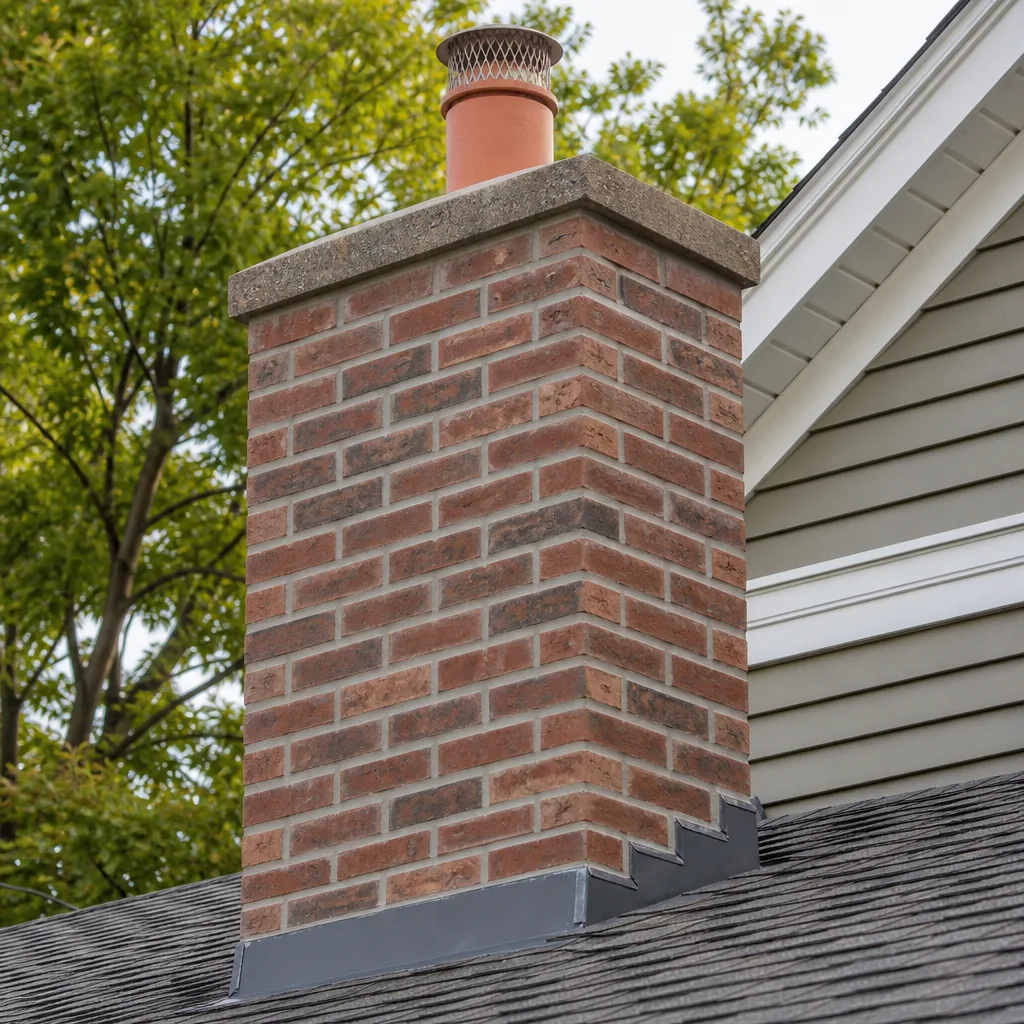
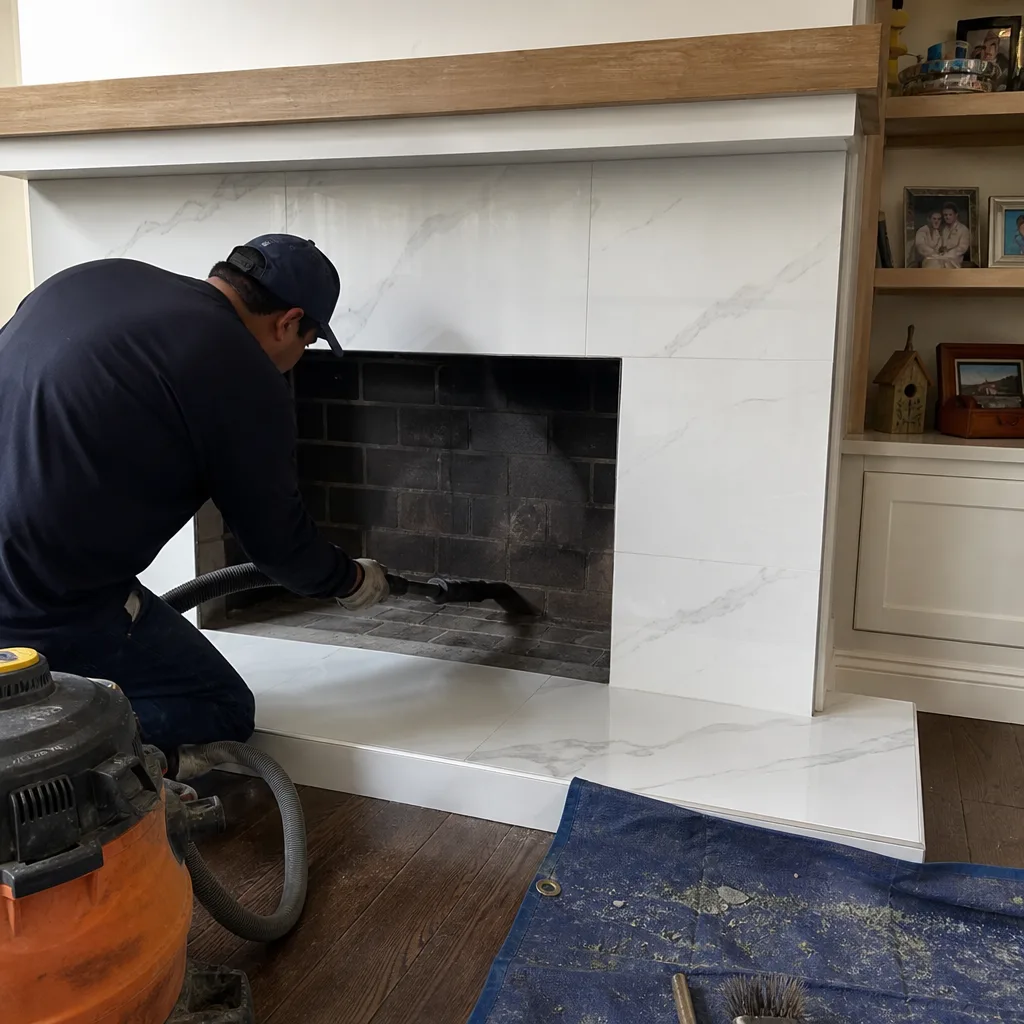
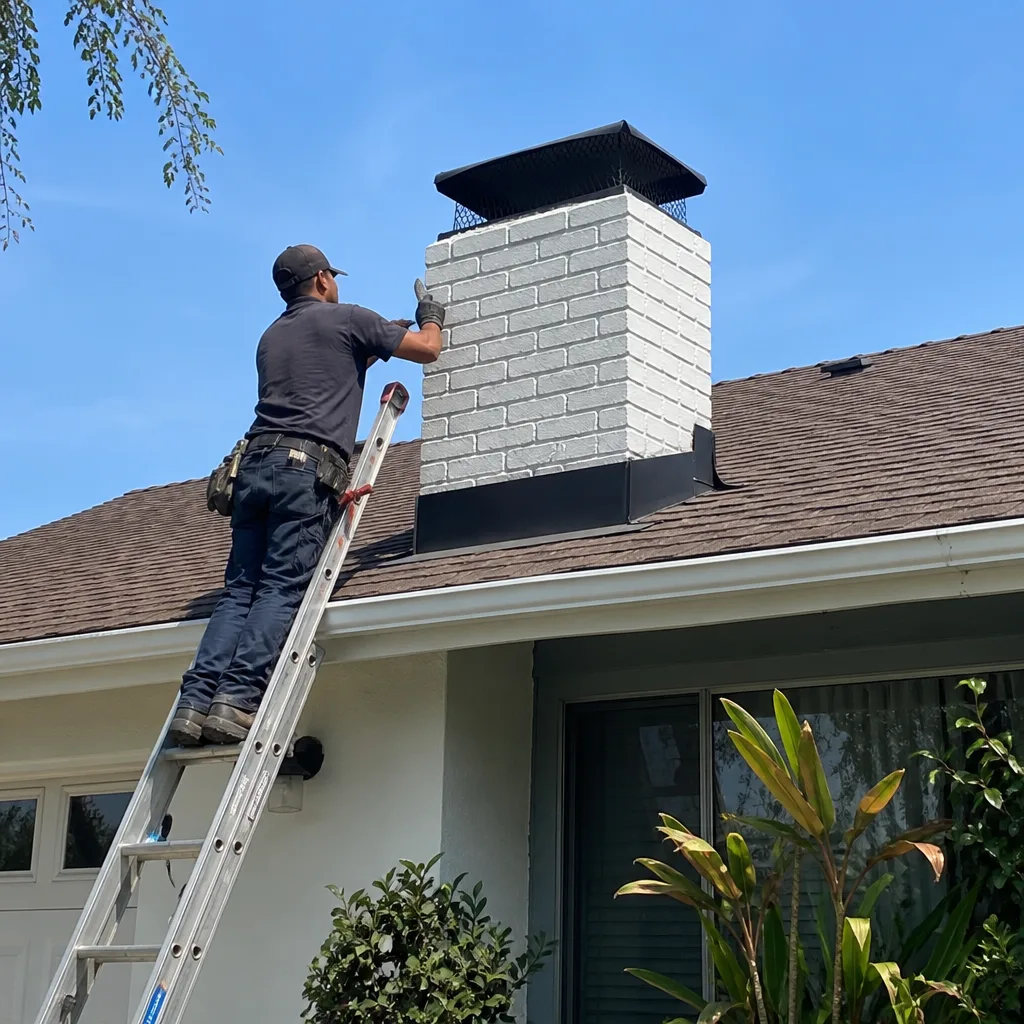
Level 1 sweep and inspection to the NFPA 211 annual standard - flue, crown, cap, and flashing checked and photographed
Chimney sweep logs do not sweep chimneys. They loosen some creosote - which then falls where a brush and vacuum still have to collect it.
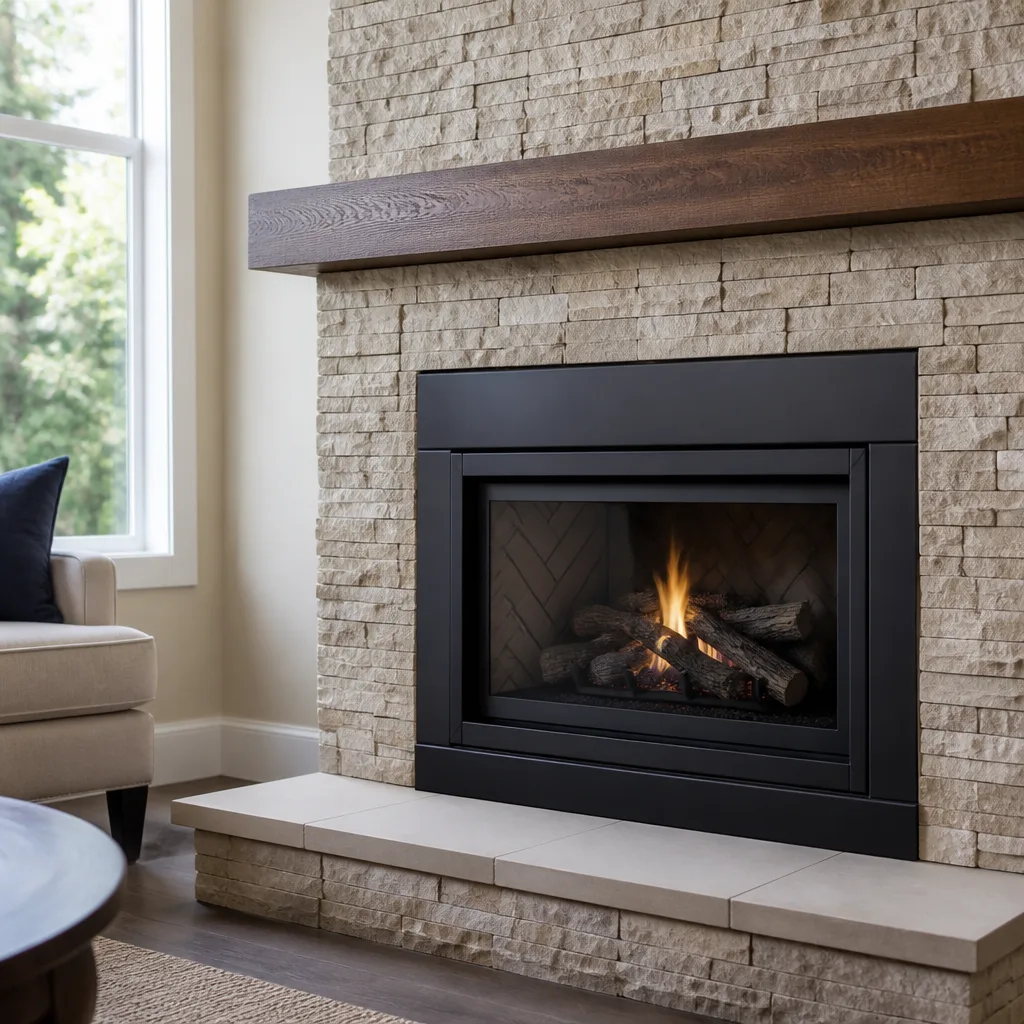
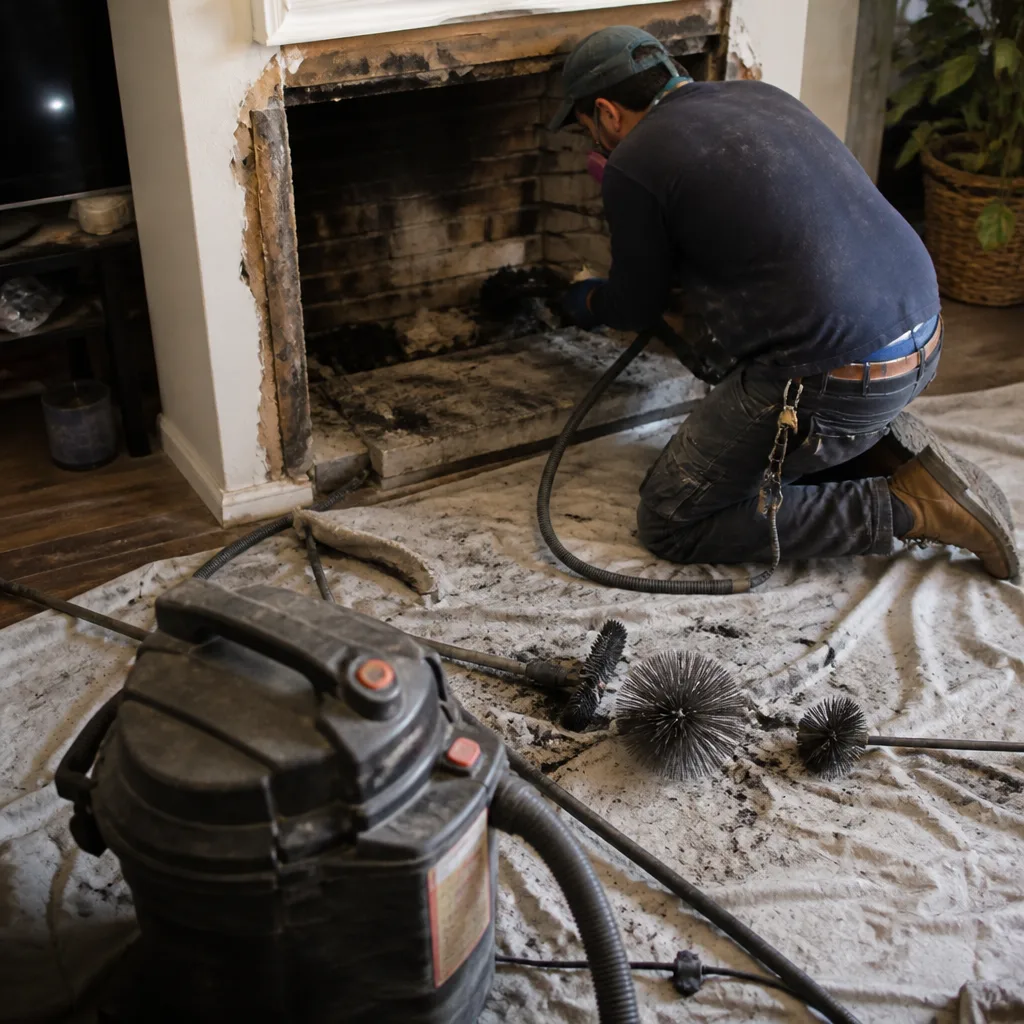 Before
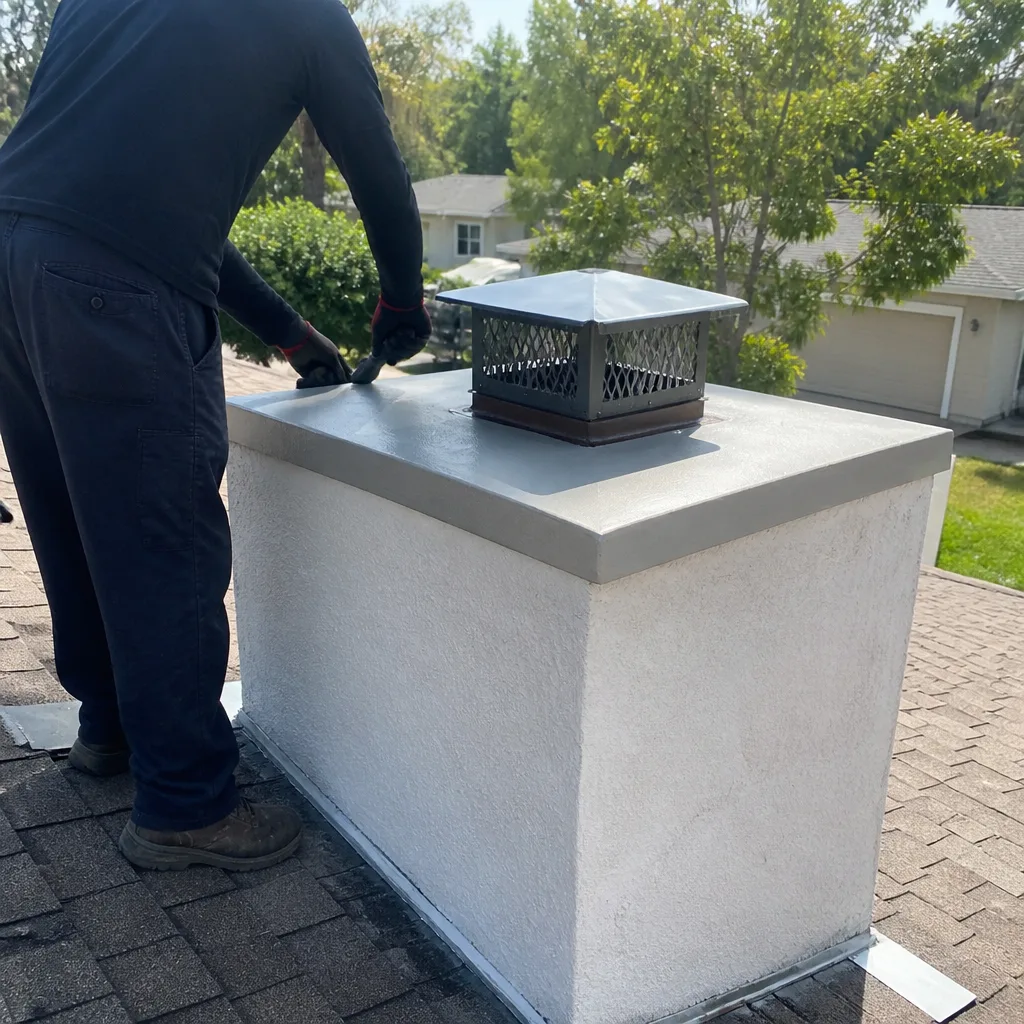 After
After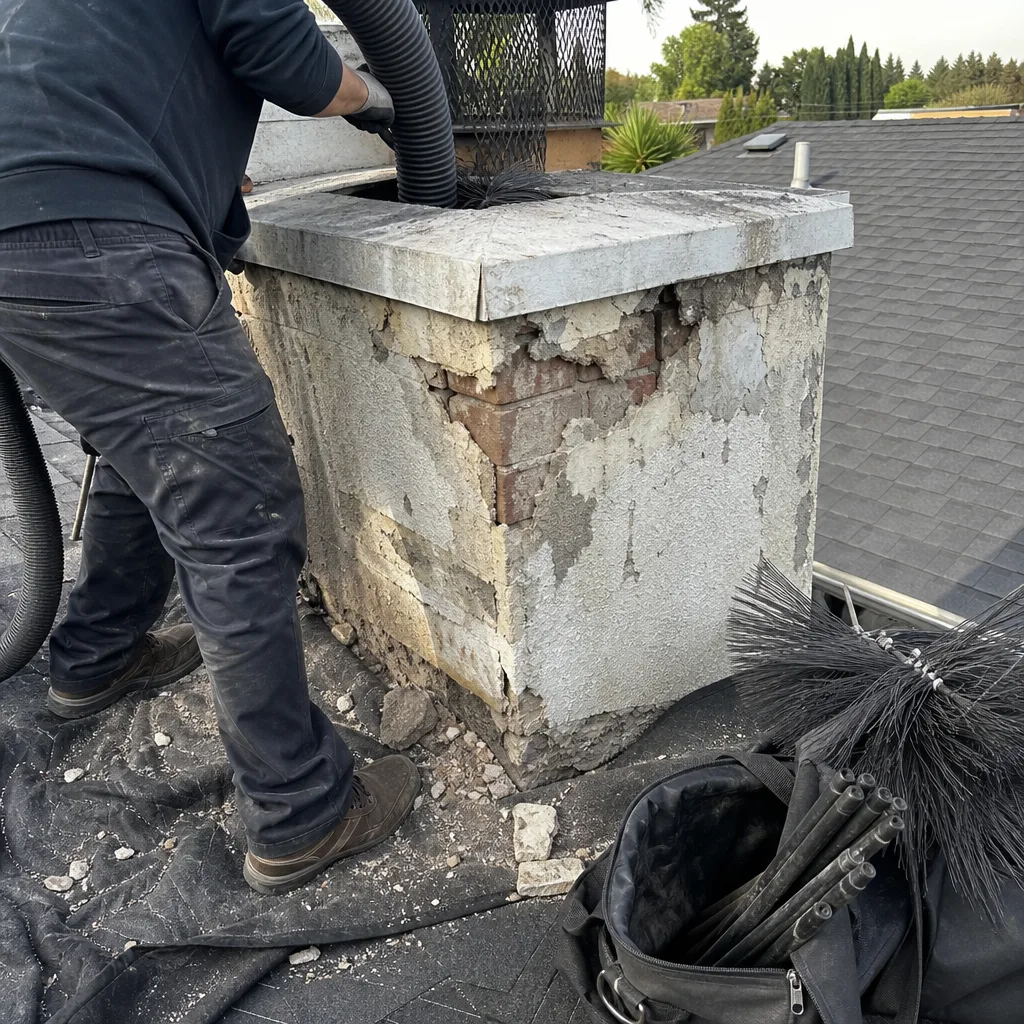 Before
 After
After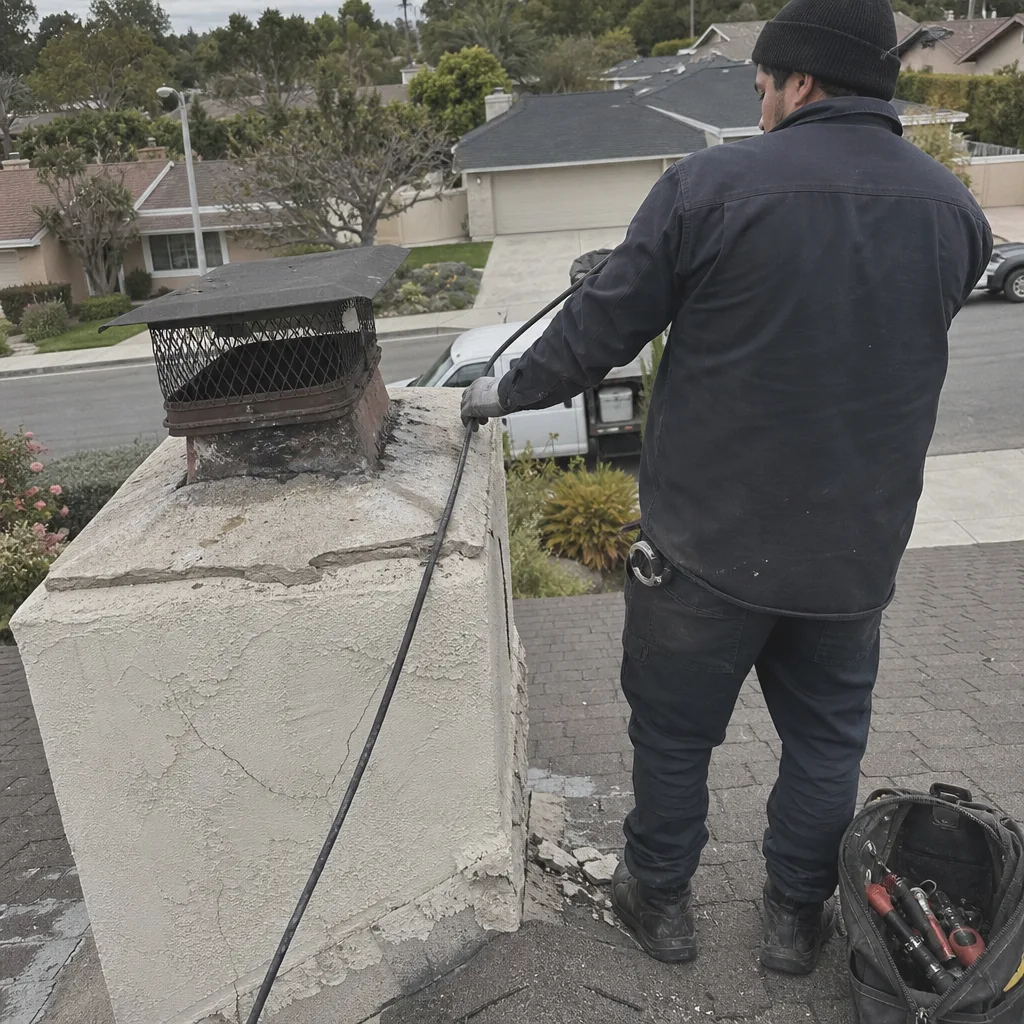 Before
 After
AfterChimney Sweep Warning Signs Every Homeowner Should Know
White staining on the outside of a brick chimney isn’t cosmetic, and it won’t wash off with a pressure washer. It’s efflorescence, and it means water is moving through your masonry right now. Half the homeowners in Los Angeles who see it assume it’s salt from coastal air or just an old-house thing. It’s not. It’s a structural warning sign that, left alone, turns into spalling brick and a chimney crown that crumbles into the firebox. This guide names every warning sign in plain English, explains what’s actually causing it, and tells you whether you need to stop using the fireplace today, schedule service within 30 days, or just keep an eye on it. No vague language. No guesswork.
Quick Answer
The chimney warning signs every homeowner should know fall into two groups: exterior signs you can spot from the ground (white staining, flaking brick, rust on the cap, a cracked crown, animal debris at the top) and interior signs you only notice when the fireplace is running (smoky odors, lazy flame, smoke that rolls back into the room). The urgent ones are smoke entering the living space, a strong smoky odor when the fireplace is cold, and visible cracks in the flue liner. A standard chimney sweep in Los Angeles typically runs $189 – $249, and a Level 2 inspection with a camera runs $299 – $399.
Table of Contents
- Efflorescence: White Staining That Means Water Is Moving
- Spalling Brick: When the Face of the Brick Pops Off
- Rusted Chimney Cap and Damper: Water and Creosote Working Together
- Damaged Chimney Crown: The Crack That Lets Water In
- Visible Daylight Through the Damper: The Seal That Failed
- Tar Staining Around the Firebox: Creosote You Can See
- Animal Debris at the Top: Nests, Droppings, and Blocked Flues
- Interior Warning Signs: Odor, Flame, and Smoke Behavior
- Los Angeles-Specific Warning Signs: Seismic, Santa Ana, and Marine Moisture
- What to Document Before You Call a Sweep
- Common Mistakes to Avoid
- When to Call a Professional
- Frequently Asked Questions
Efflorescence: White Staining That Means Water Is Moving
Efflorescence is the white, chalky deposit that forms on the outside of brick and mortar. It happens when water seeps into masonry, dissolves natural salts inside the brick, and then evaporates at the surface, leaving the salt behind. The stain itself is not dangerous. What it tells you is. Water is moving through your chimney, and it’s been doing it long enough to leave visible evidence. In Los Angeles, we see this most often on chimneys that face west and take the brunt of winter rain, and on older homes in Mid-City and Highland Park where the original mortar has never been repointed.
- What it means: Moisture has penetrated the masonry. This is not a cleaning issue.
- Urgency: Schedule a waterproofing assessment within 30 days. It won’t collapse tomorrow, but every rain cycle makes it worse.
- What a sweep will do: Assess the source of water entry, check the crown and flashing, and recommend a breathable waterproofing treatment if the masonry is sound. Pressure washing is the wrong answer, and it often drives more water in.
Spalling Brick: When the Face of the Brick Pops Off
Spalling is what happens after efflorescence gets ignored for a few years. Water inside the brick freezes and thaws, or in Los Angeles, expands and contracts through heat cycles. The face of the brick delaminates: a thin layer pops off, leaving the soft inner clay exposed. You’ll find brick chips on the roof, on the ground next to the chimney, or sitting in the gutter. Once spalling starts, it does not stop on its own. Each exposed brick surface absorbs more water, and the cycle accelerates.
- Walk around the house and look for brick chips or flakes on the roof, driveway, or planting beds near the chimney.
- Run your hand, if you can safely reach it, over the brick face. Loose, crumbling, or sandy texture means spalling is active.
- Check the mortar joints. Eroded, recessed mortar lets water sit against the brick edge and feeds spalling.
- If you can see the inner clay of the brick or if the face pops off with light pressure, schedule a repair estimate.
Spalling is a structural issue. In Los Angeles, where seismic events are a fact of life, a chimney with weakened brick is a liability in the next shaker. The repair usually involves replacing the damaged brick and repointing the mortar around it. On a chimney in Silver Lake or Echo Park built in the 1920s, this is routine work for a masonry-qualified chimney company. The Chimney Repair in Los Angeles work is not a patch job. It’s brick replacement and sealing, done so the water stops moving through the wall.
Rusted Chimney Cap and Damper: Water and Creosote Working Together
The chimney cap is the metal hat at the top of the flue. Its job is to keep rain, birds, and debris out while letting smoke flow. When a cap rusts through, water drops straight down the flue. That water hits the damper, which is the metal plate inside the throat of the fireplace. The damper rusts too. Creosote, the acidic residue left by wood combustion, accelerates rust formation because it’s hygroscopic: it pulls moisture from the air and holds it against the metal. In Los Angeles, we replace rusted dampers regularly on homes where the fireplace hasn’t been used in years but the cap failed a decade ago.
- Signs: Orange-brown staining on the exterior of the chimney near the top, visible flaking metal on the damper, or a damper that no longer closes fully.
- Urgency: Schedule within 30 days if the damper still operates. If the damper has seized, it’s a seasonal priority before the next burn.
- Why it matters: A rusted damper that won’t close is an open shaft into your living room. It wastes heated or cooled air year-round, and it lets downdrafts carry smoky air back into the house.
Replacement dampers and caps are standard parts. We install professional-grade components from brands like Olympia Chimney and Gelco, specified by job rather than by margin. The right damper for a given flue size is written on the estimate before any work begins.
Damaged Chimney Crown: The Crack That Lets Water In
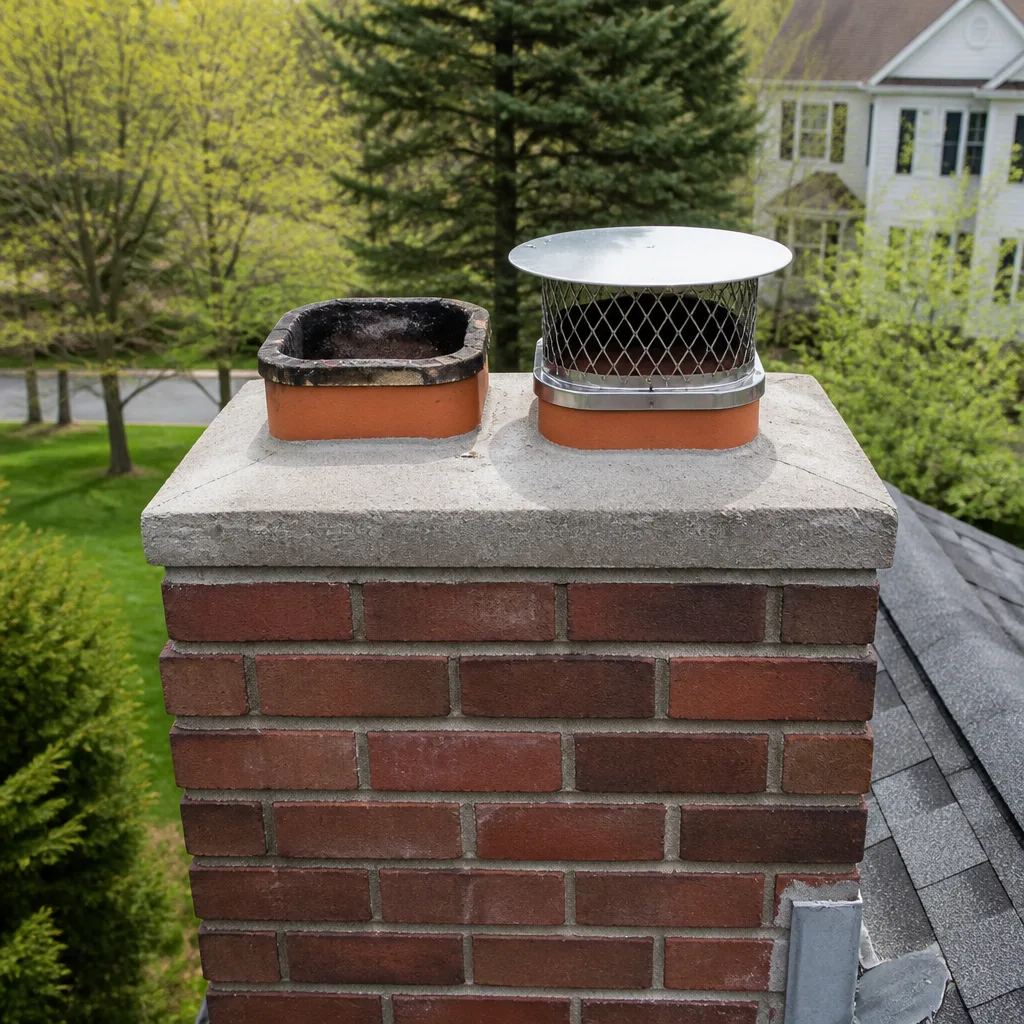
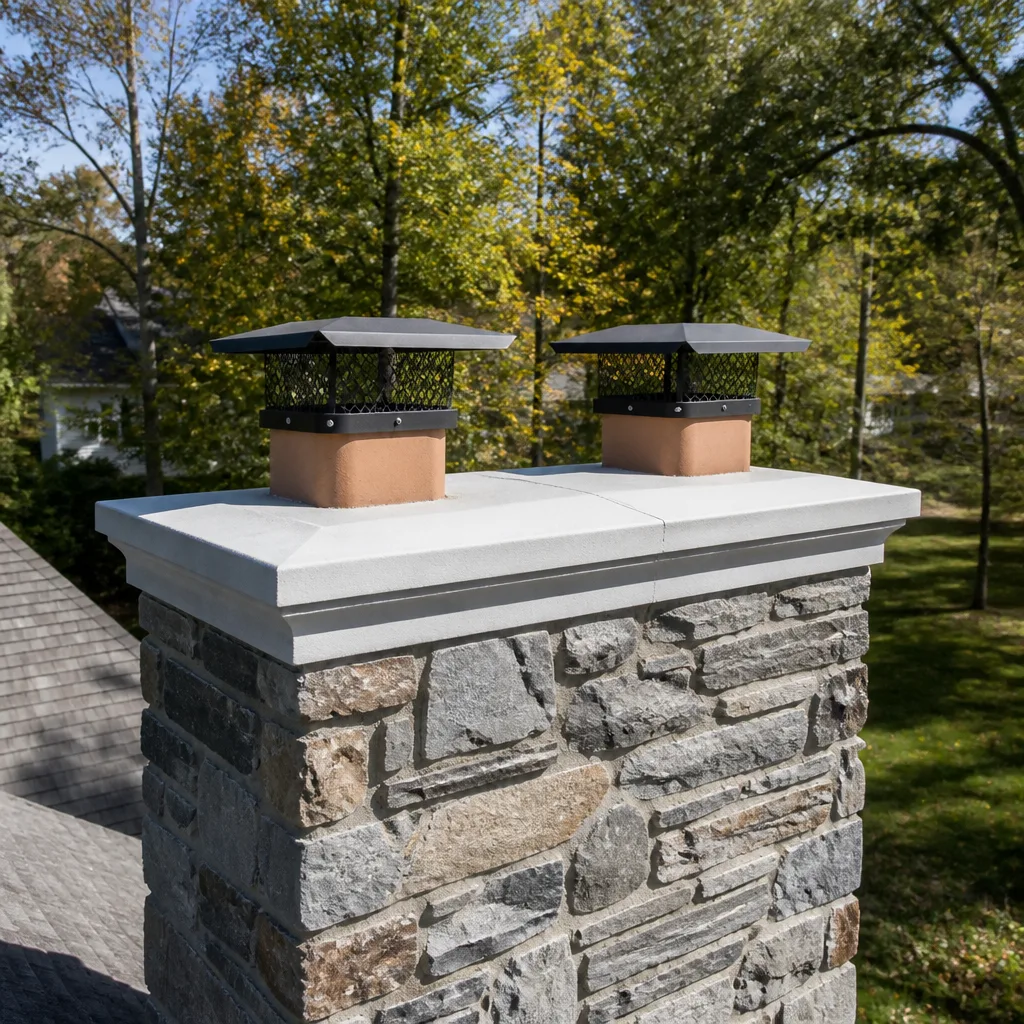
The crown is the concrete or mortar slab that covers the top of the chimney, surrounding the flue opening. It’s the chimney’s roof. A hairline crack in the crown expands with every heat and rain cycle. Water enters through the crack, seeps down through the brick, and shows up months later as efflorescence on the outside face, water stains on the ceiling near the fireplace, or a damp smell in the firebox. Crown damage is one of the most common findings on Chimney Inspection in Los Angeles calls.
A cracked crown is not an emergency, but it is a clock. In Los Angeles, where rain comes in concentrated winter bursts and summer heat bakes the masonry in between, a crown crack widens measurably in a single season. The fix is a crown repair or rebuild: remove the damaged material, install a proper bond break and expansion joint, and reseal with a waterproof material that moves with the chimney. A good crown repair should last 10 to 15 years. A bad patch job lasts about 18 months. We specify CrownCoat or a similar commercial crown repair system, and the work is covered by our 365-day written guarantee.
Visible Daylight Through the Damper: The Seal That Failed
Stand in front of the fireplace with the damper closed and the room dark. Wait 30 seconds for your eyes to adjust. Then look up into the throat. If you can see daylight around the edges of the damper, the seal has failed. A properly seating damper blocks light and air completely. Even a thin crescent of light means a gap, and a gap means air moving freely between your chimney and your living room.
This is one of the cheapest problems to fix and one of the most common things we find. The causes include rust (from the water issues described above), warping from heat, or a damper that was never sized correctly. In older Los Angeles homes, especially those built before 1950 in neighborhoods like Hancock Park or Los Feliz, the original damper may simply be worn out. A replacement damper runs $250 to $600 depending on the flue size and whether it’s a top-sealing or throat-mounted model. The written estimate includes the exact part and price before the work starts.
Tar Staining Around the Firebox: Creosote You Can See
Creosote is the black or brown residue deposited inside the flue when wood smoke condenses. It comes in three stages: loose soot, flaky granules, and glazed tar. The third stage is the one to worry about. Glazed creosote is a hard, shiny, tar-like substance that drips and runs. You may see it as dark staining on the face of the fireplace, black drips on the smoke shelf, or a sticky residue that smells like asphalt. It is highly flammable, and it’s the primary fuel for chimney fires.
Chimney fires in Los Angeles are less common than in cold-weather markets, but they happen, and they almost always involve a fireplace that hasn’t been swept in years. We’ve seen glazed creosote an inch thick on the smoke shelf of a Pasadena fireplace that the homeowner had used every winter for a decade without a more guides & resources on proper maintenance. That is a fire hazard, plain and simple. A standard chimney sweep typically runs $189 – $249 in Los Angeles, and it removes stage one and stage two creosote completely. Stage three glazed creosote may require chemical treatment or specialized removal, and the cost is quoted before we begin.
Animal Debris at the Top: Nests, Droppings, and Blocked Flues
Birds, squirrels, and raccoons don’t need an invitation. An uncapped or damaged chimney is a vertical hollow tube that looks, to a nesting animal, like a secure place to raise young. The signs are: twigs and grass visible at the top of the flue, feathers or droppings inside the firebox, noises coming from the chimney, or a smoke draft that suddenly got worse. In Los Angeles, we deal with birds nesting in chimney flues year-round, especially in the spring along the foothill communities.
A blocked flue is dangerous because combustion gases, including carbon monoxide, can’t vent. If you suspect an animal is in the chimney, don’t start a fire. A smokey fire won’t reliably evict the animal, and a dead animal in the flue is a smell you don’t want in an enclosed chimney. The resolution is a removal, a cleaning, and the installation of a proper chimney cap. We use Famco and Copperfield caps, which carry their own warranties and are sized to the flue tile. The cap is the long-term fix. Without one, the next animal moves in within a season.
Interior Warning Signs: Odor, Flame, and Smoke Behavior
Some warning signs only show up when the fireplace is running. These are the ones that tell you whether the flue is drafting correctly, whether creosote is building up, and whether the chimney is doing its job. Learn to read them.
- Smoky odor when the fireplace is cold: A campfire smell in the room when the fireplace hasn’t been used in days means creosote is built up inside the flue, and the house is pulling air down through the chimney. It’s worse on humid days. This is the most common chimney complaint we hear in Los Angeles, and a sweep usually resolves it.
- Smoke rolling back into the room when you light a fire: The flue is not drafting. Causes include a cold flue, a blocked flue, a damper that isn’t fully open, or a chimney that’s too short to clear the roof pressure zone. This is a stop-using-the-fireplace situation until it’s diagnosed.
- Lazy, orange flame instead of a crisp, active flame: Wood that burns slow and smokes heavily means insufficient combustion air. In a properly drafting fireplace, the flame should be lively and the smoke should pull cleanly up the flue.
- A sudden strong chemical or asphalt smell during the burn: That’s stage three glazed creosote heating up. Extinguish the fire carefully and schedule service.
If any of these show up in your fireplace, the Flint Chimney Sweep home page has more detail on what a sweep involves, and Chimney Sweep in Los Angeles covers our process in full.
Los Angeles-Specific Warning Signs: Seismic, Santa Ana, and Marine Moisture
Chimney warning signs in Los Angeles are shaped by the city’s specific conditions. Three factors produce signs you won’t see in most markets:
- Seismic activity: Earthquakes put lateral stress on chimney stacks. A chimney that survived the 1994 Northridge quake may have micro-fractures in the mortar joints that never got repaired. Those fractures widen slowly and show up as vertical cracks, loose brick, or a chimney that’s noticeably out of plumb. After any earthquake of 3.5 or greater, it’s worth a visual check and a Level 1 inspection.
- Santa Ana wind events: The hot, dry winds that blow through the LA basin from October through February pull moisture out of masonry and put downdraft pressure on chimney tops. Deteriorated mortar dries faster, loses its bond, and crumbles. Wind also exposes poor crown seals by driving debris and embers into any gap.
- Marine moisture: Homes within five miles of the coast, from Santa Monica down through Long Beach and up through the Palos Verdes peninsula, deal with salt-heavy air and persistent humidity. Rust forms faster on caps and dampers. Efflorescence appears even on chimneys that never see direct rain. Coastal Los Angeles chimneys often need their crowns sealed more frequently than inland ones.
None of this changes the fundamentals. It changes how aggressively a homeowner needs to act on signs they already see. In a dry inland market, spalling brick sits frozen in time. In Los Angeles, the combination of winter rain, summer heat, and occasional seismic movement means damage compounds faster than the average homeowner expects.
What to Document Before You Call a Sweep
The most productive chimney service calls start with facts, not guesswork. Before you pick up the phone, take five minutes to gather this information. It makes the conversation faster and helps the technician arrive with the right approach.
- Photograph the chimney from the ground. Walk to the street side and the yard side. Get the full height of the stack and a close shot of any staining, cracks, or missing brick.
- Photograph the firebox and damper. Open the damper and take a photo looking up the flue. Take one of the damper itself. Take one of any dark staining on the firebox walls.
- Note the last time the chimney was swept or inspected, if you know it. No need to dig through records. A rough year is enough. “Not since we moved in, in 2015” is a useful answer.
- Describe the odor, if there is one. Smoky, musty, chemical, or something dead in the wall? The type of odor is a diagnostic tool. Be specific.
- Note any recent changes. Did the fireplace start smoking more last winter? Did a Santa Ana event bring debris down the flue? Did you feel a small earthquake and then notice new cracks?
When the service conversation starts with this information, the estimate is based on what’s actually happening at your house, not a generic script of questions. And at Flint Chimney Sweep, the Chimney Inspection in Los Angeles process always includes a written report with photos so you can see exactly what we see. Nothing is recommended without camera evidence you can review yourself.
Common Mistakes to Avoid
- Pressure-washing efflorescence. You’re not removing the stain. You’re forcing more water into the masonry and accelerating the exact problem that created the stain in the first place.
- Ignoring a small crack in the crown because the chimney “looks fine.” Fine is not a structural assessment. A crack that lets water into the chimney stack is a multi-thousand-dollar repair that could have been a few hundred dollars if caught early.
- Burning the fireplace to “clean out” the creosote. This is how chimney fires start. A working fireplace does not self-clean. Creosote removal is a mechanical process done by a professional with the right brushes and rods.
- Waiting for the smell to go away. A smoky odor that comes and goes is still creosote buildup, still a fire risk, and still putting particulate into your living space. The flakes don’t go away because the odor temporarily does.
- Assuming a “recent inspection” from the real estate transaction counts. A generic home inspector’s visual check is not the same as a CSIA-level chimney inspection. Many Los Angeles homeowners learn this the hard way the first winter in the house.
- Replacing the damper without addressing the water that rusted it. A new damper in a chimney with a failed cap or cracked crown is a temporary fix. Stop the water, then replace the metal.
- Skipping the chimney cap because “birds never bothered us before.” They will. And a blocked flue is a carbon monoxide risk. The cap is cheap insurance.
When to Call a Professional
Call a chimney professional when you see smoke entering the living space, smell smoke when the fireplace is cold, see white staining or flaking brick on the chimney exterior, or find animal debris in the flue. Those are the signs that mean something is actively wrong. If you’re not sure which category a given warning sign falls into, that’s also a reason to call. A service visit is the fastest way to replace an educated guess with a documented answer. Flint Chimney Sweep offers free estimates in Los Angeles, with a written price delivered before any work begins. Call (830) 251-4560 and describe what you’re seeing. You’ll get a straight answer.
Frequently Asked Questions
A standard chimney sweep in Los Angeles typically runs $189 – $249. The price includes the full flue cleaning, a visual check of the damper and firebox, and cleanup. If the chimney has heavy glazed creosote or an animal nest, the quote will be adjusted before any work begins. Call (830) 251-4560 for an exact quote, estimates are free.
Once a year if you use the fireplace at all. The National Fire Protection Association’s standard is that a chimney should be swept when there’s 1/8 inch of soot buildup or more, which for a regularly used fireplace is roughly one season of burning. Even if you only have occasional fires in a Los Angeles winter, an annual sweep is the disciplined way to stay ahead of creosote buildup and water issues.
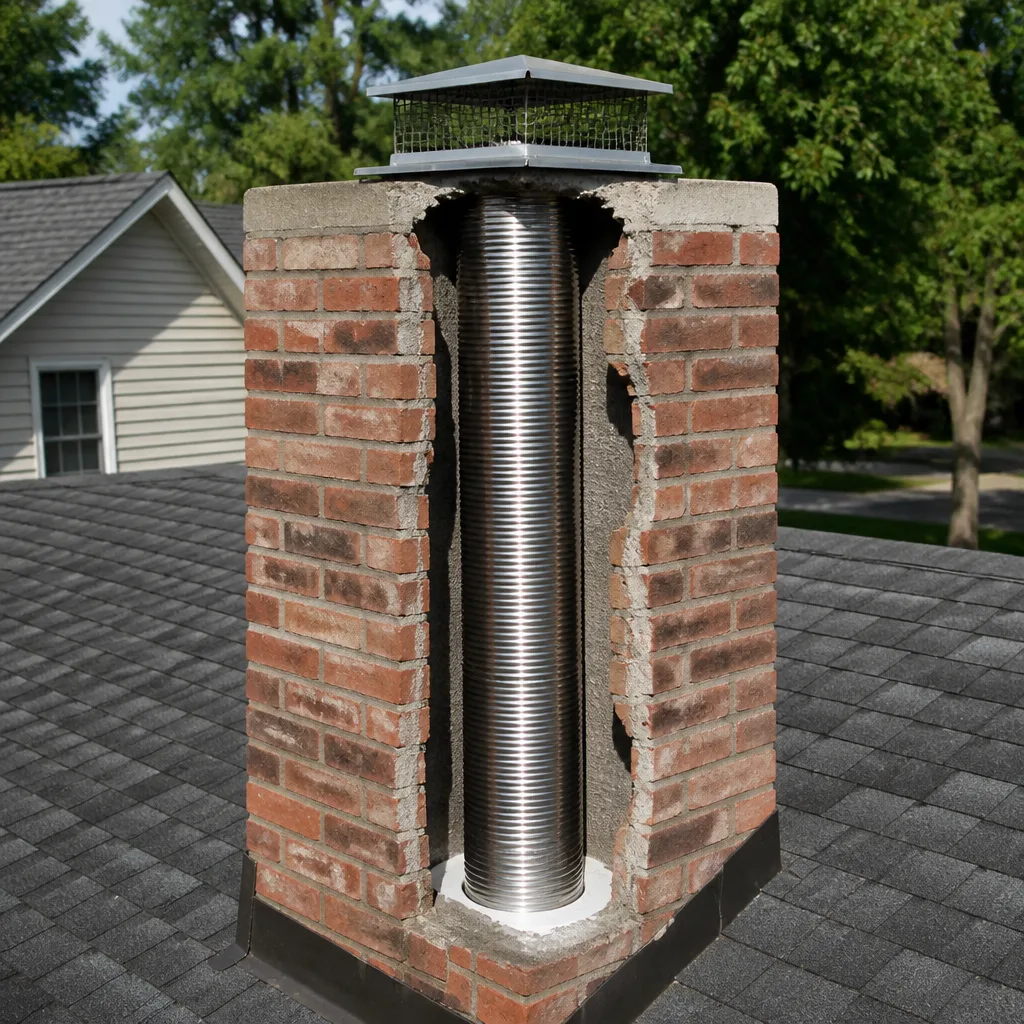
You need a new liner only if the camera inspection shows cracks, gaps, or deterioration in the current flue. Nothing is recommended without camera evidence you can see for yourself. If the inspection is clean, you don’t need a liner. That’s the entire policy at Flint Chimney Sweep: the recommendation is based on what the camera shows, and the photos are in your report. We install DuraFlex liners when the job calls for it, and the written quote shows exactly what’s being done and why.
Creosote builds up in the flue. The smoke drafts worse. The odor grows. Eventually, the buildup becomes a fire hazard, and the first fire of the season ignites something that could have been swept out for $225. It’s the most avoidable expensive problem in home maintenance.
Yes, especially in Los Angeles. An unused chimney still takes on water, still shelters animals, and still deteriorates. A Level 1 or Level 2 inspection catches crown cracks, rusted dampers, and blocked flues before they become interior water damage or a carbon monoxide risk. The inspection cost is minuscule compared to a chimney rebuild.
Look for visible rust, holes, or a cap that’s tilted or missing. If you see daylight through the damper when it’s closed, or if you’ve had animals in the flue, the cap may be the root cause. A new cap from a brand like Olympia Chimney or Copperfield installed with the flue size in mind resolves both problems. The cost is quoted before any work starts.
The Bottom Line
Chimney warning signs are not subtle. They’re visible on the masonry, audible in the draft, and smellable from the couch. White staining means water. Flaking brick means freeze-thaw and seismic stress. Rusted metal means the cap and damper are failing. Tar in the firebox means creosote at dangerous levels. Each sign has a plain-English diagnosis and a clear urgency level. The only version of this that goes wrong is the one where the homeowner ignores the signs, holds off on the inspection, and then replaces an entire chimney that could have been repaired for a fraction of the cost. Los Angeles conditions don’t forgive neglect. The written estimate, the camera evidence, and the one-year guarantee are how the work gets done right.
Written by Hank Delano, Owner at Flint Chimney Sweep, serving Los Angeles since 2002.