
Last updated October 9, 2026
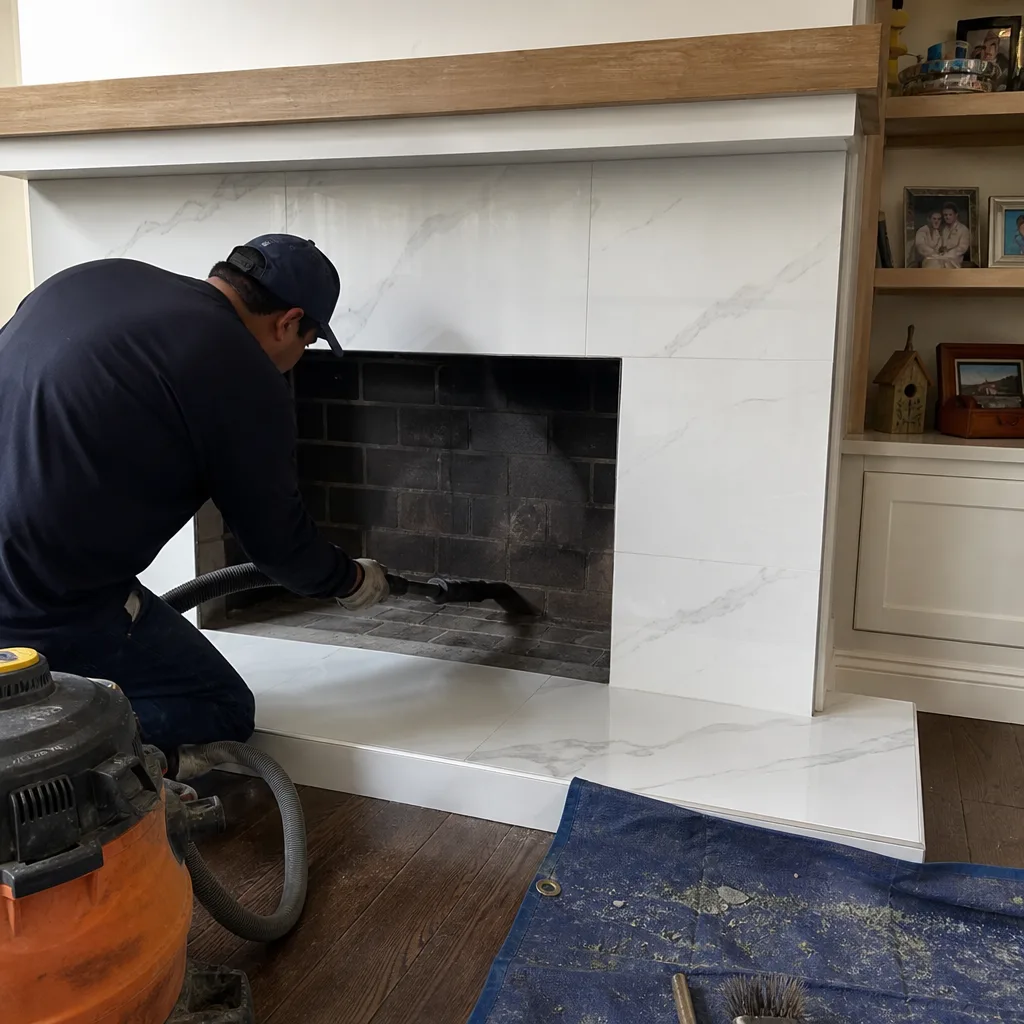
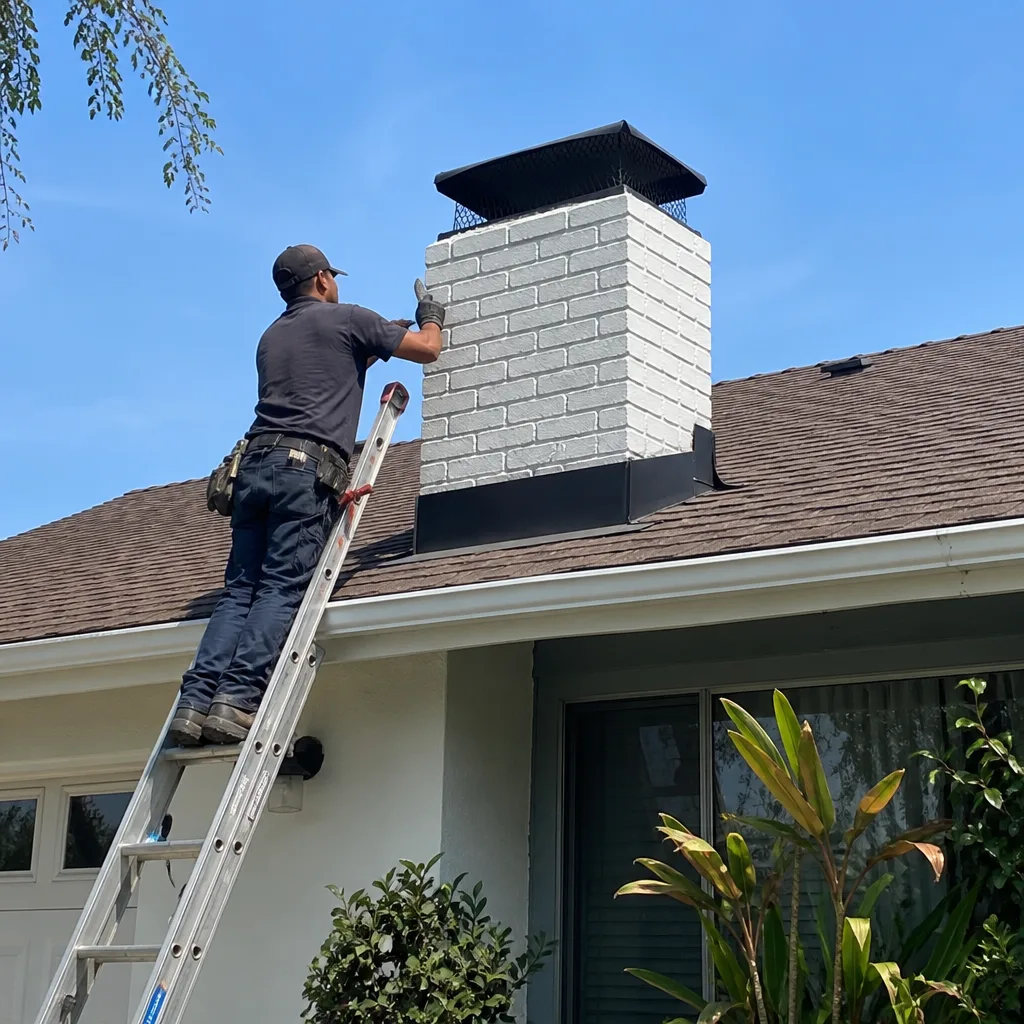
Level 1 sweep and inspection to the NFPA 211 annual standard - flue, crown, cap, and flashing checked and photographed
Chimney sweep logs do not sweep chimneys. They loosen some creosote - which then falls where a brush and vacuum still have to collect it.
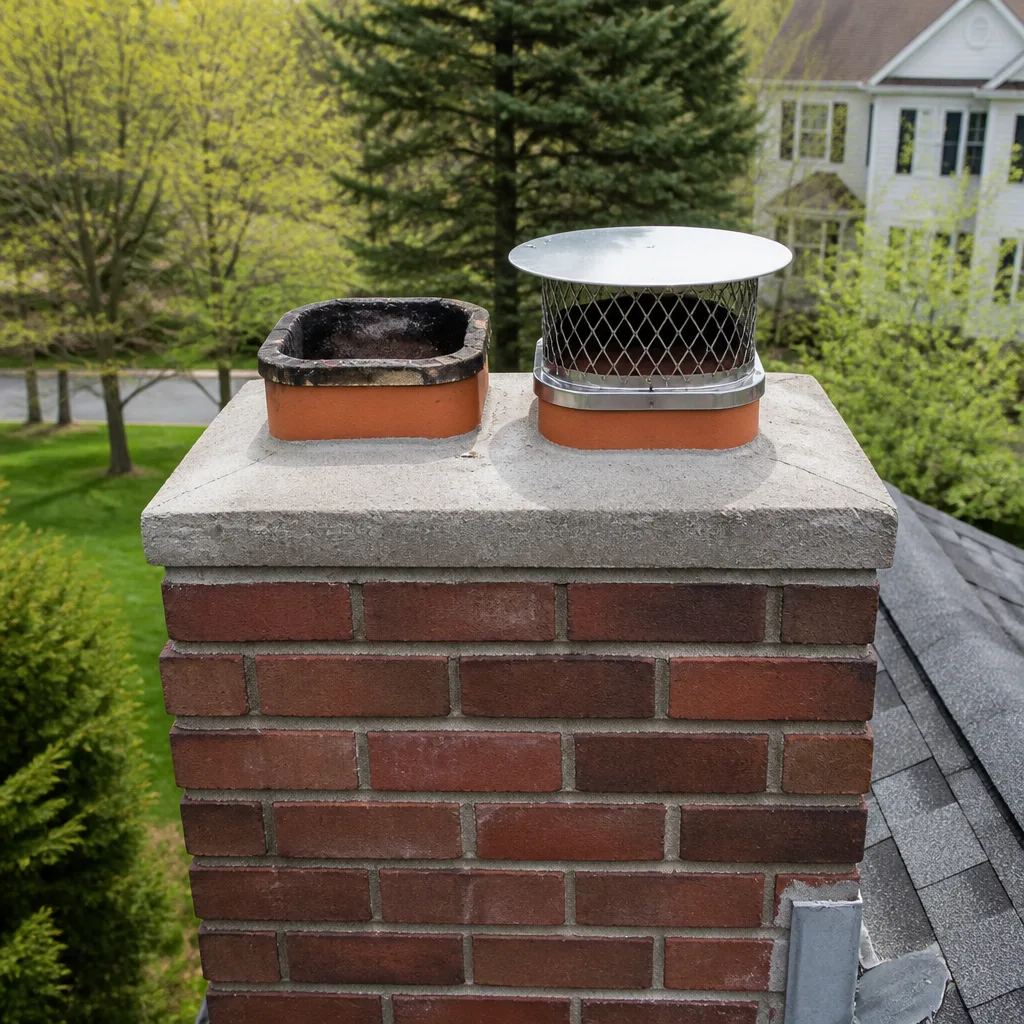
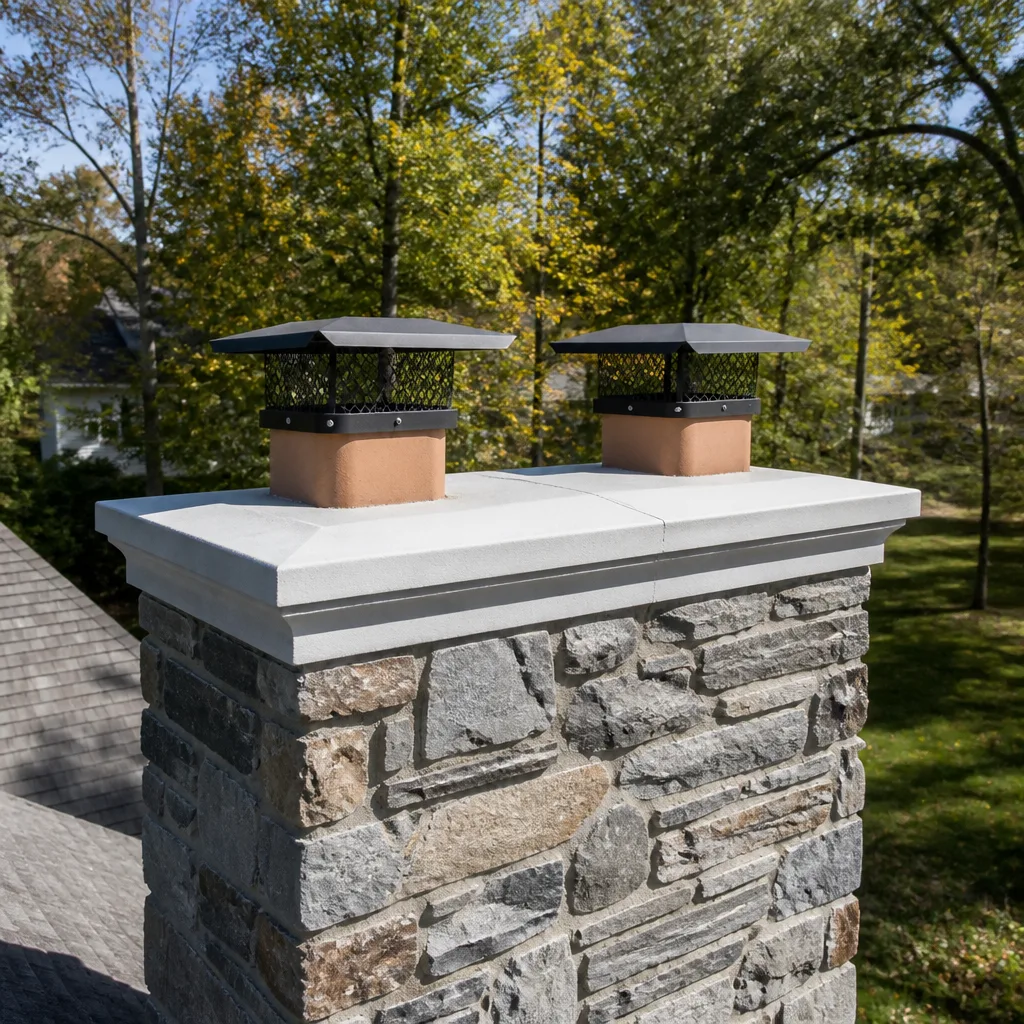
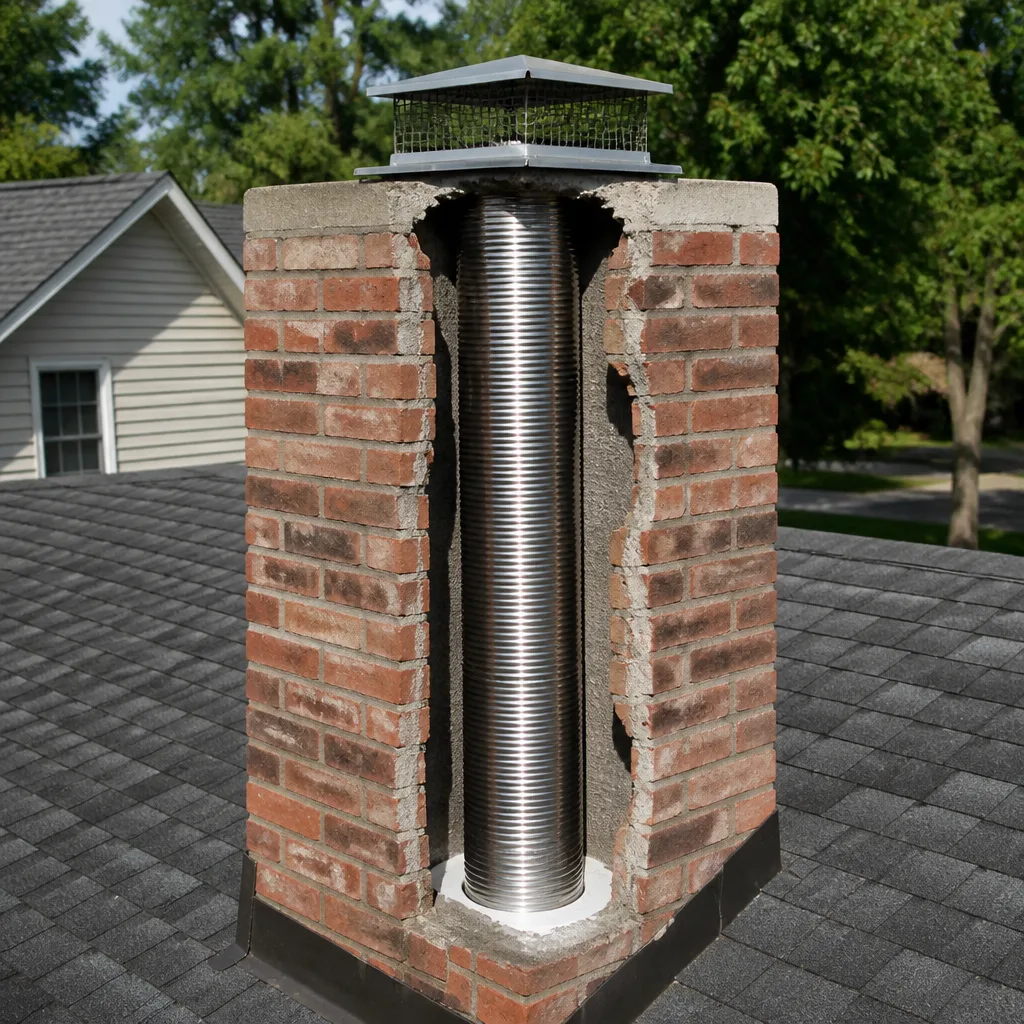
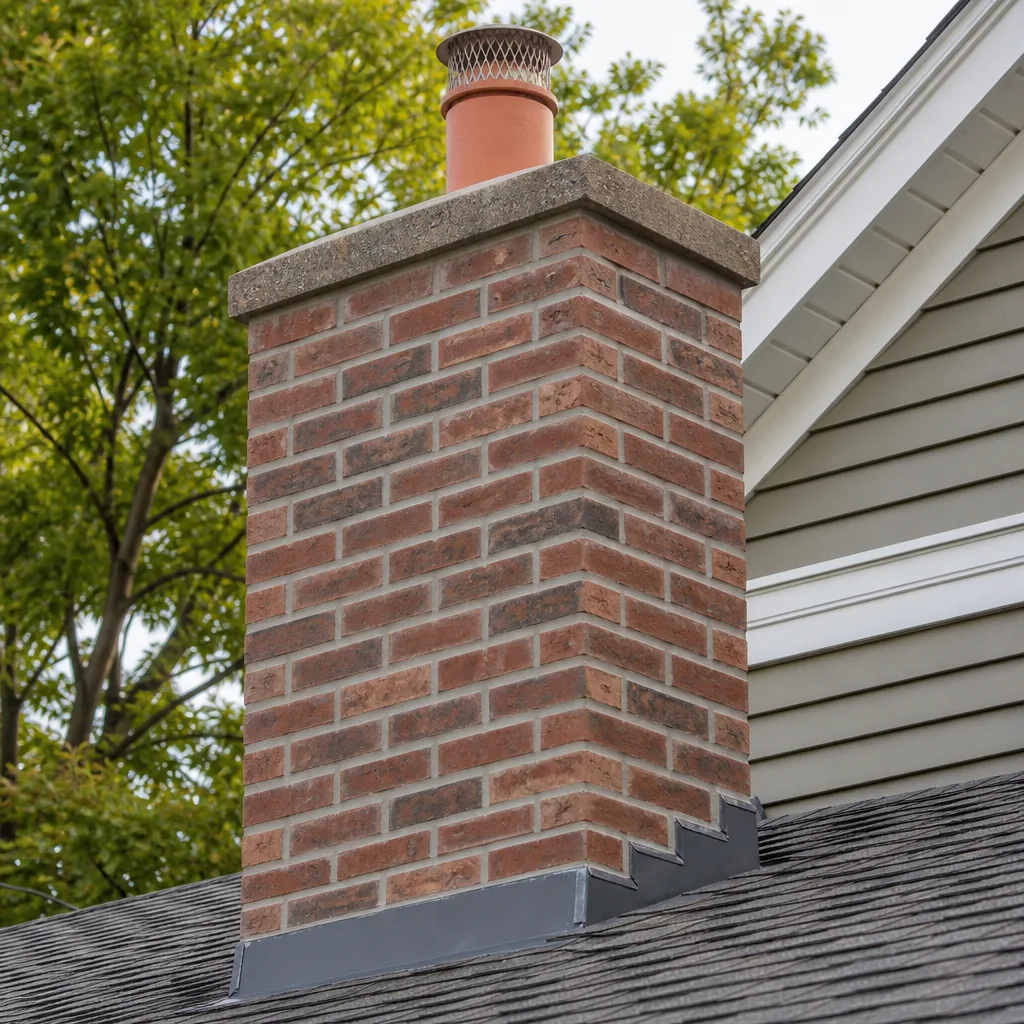
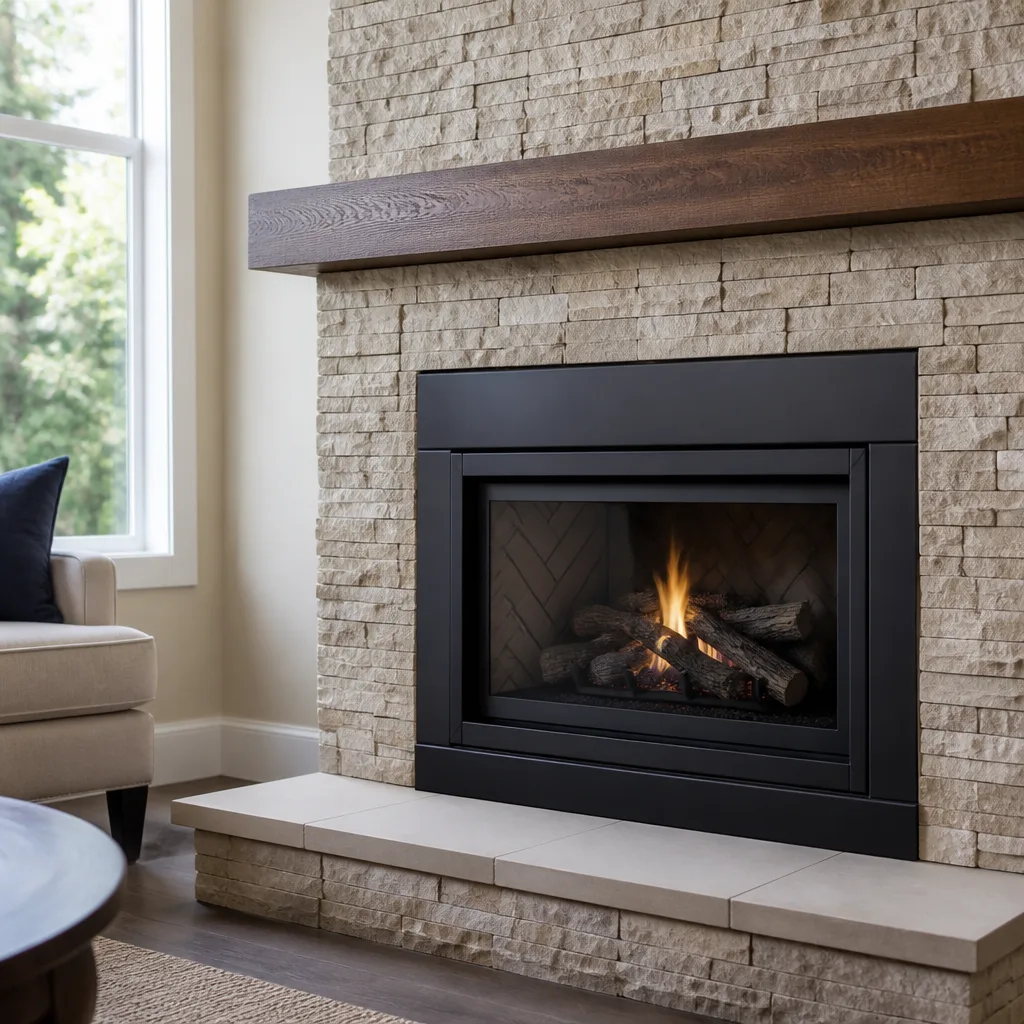
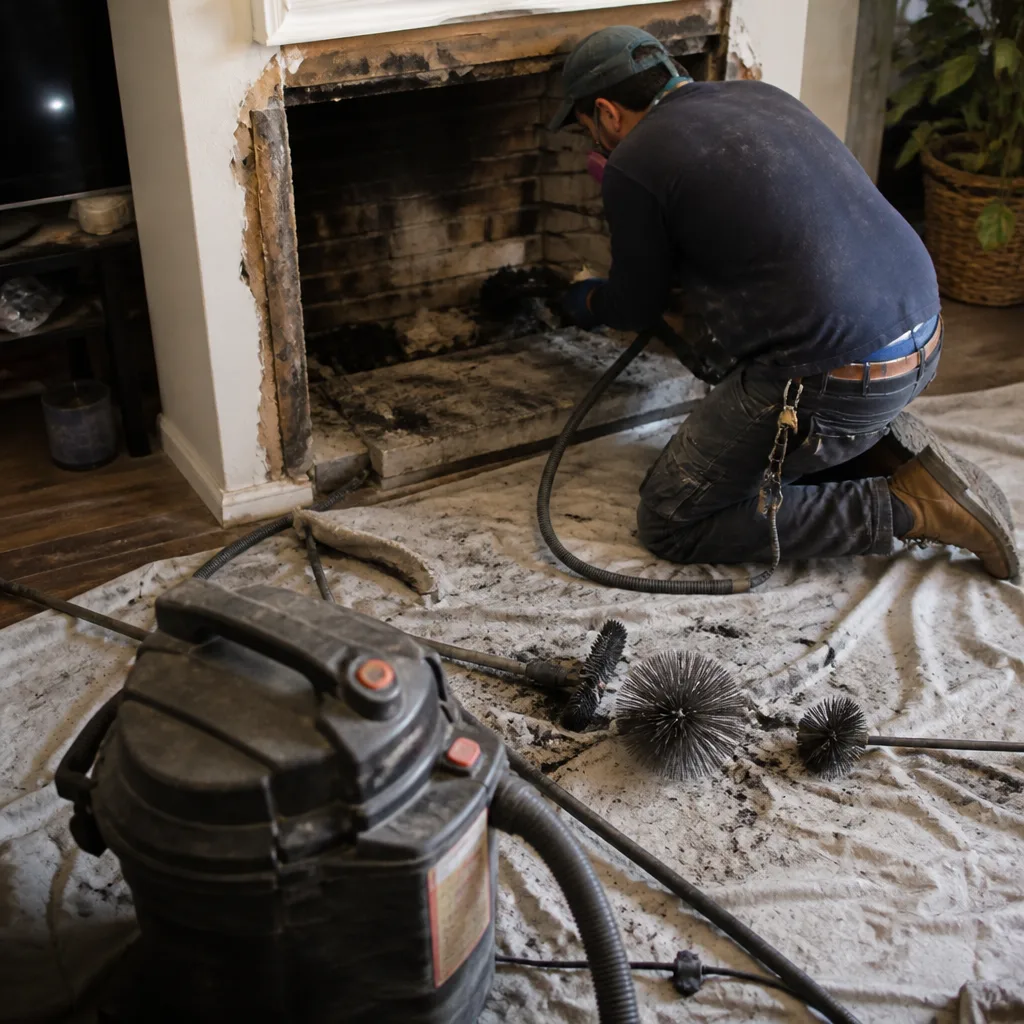 Before
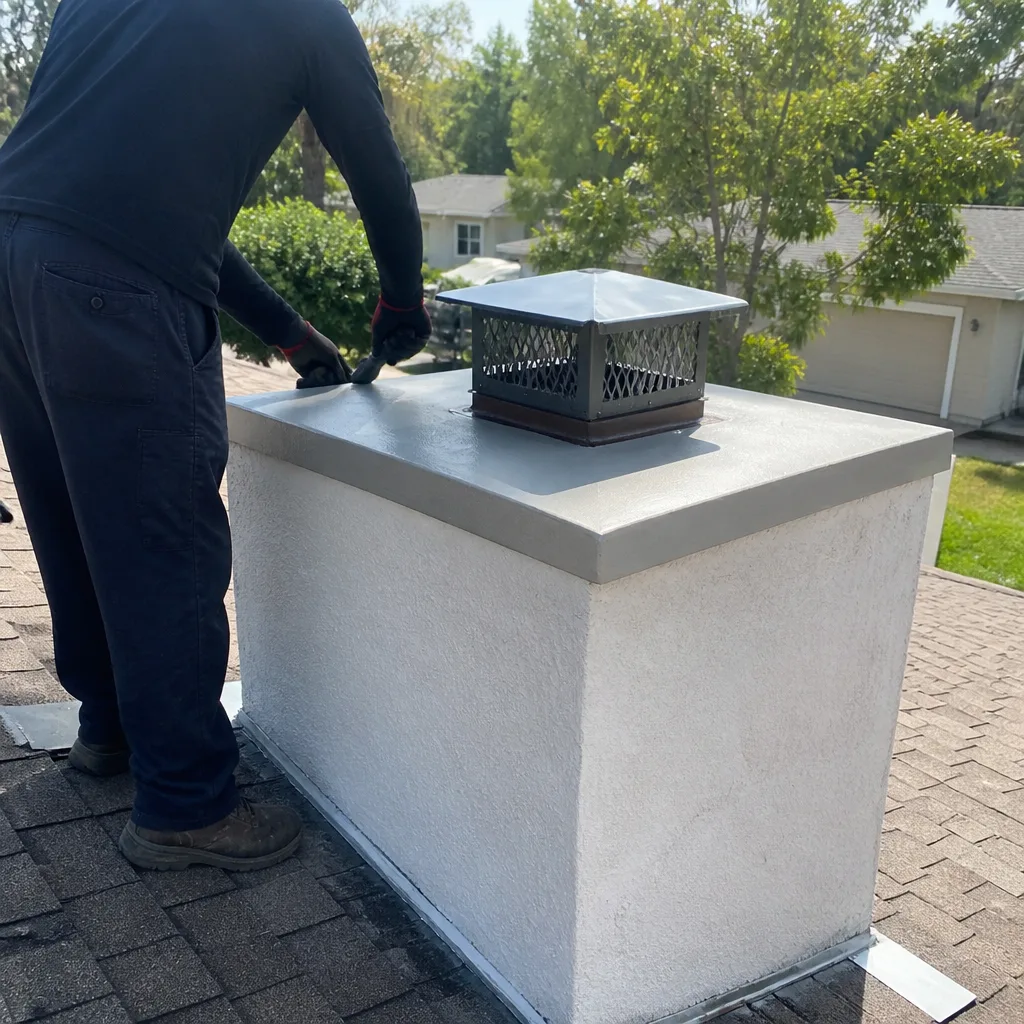 After
After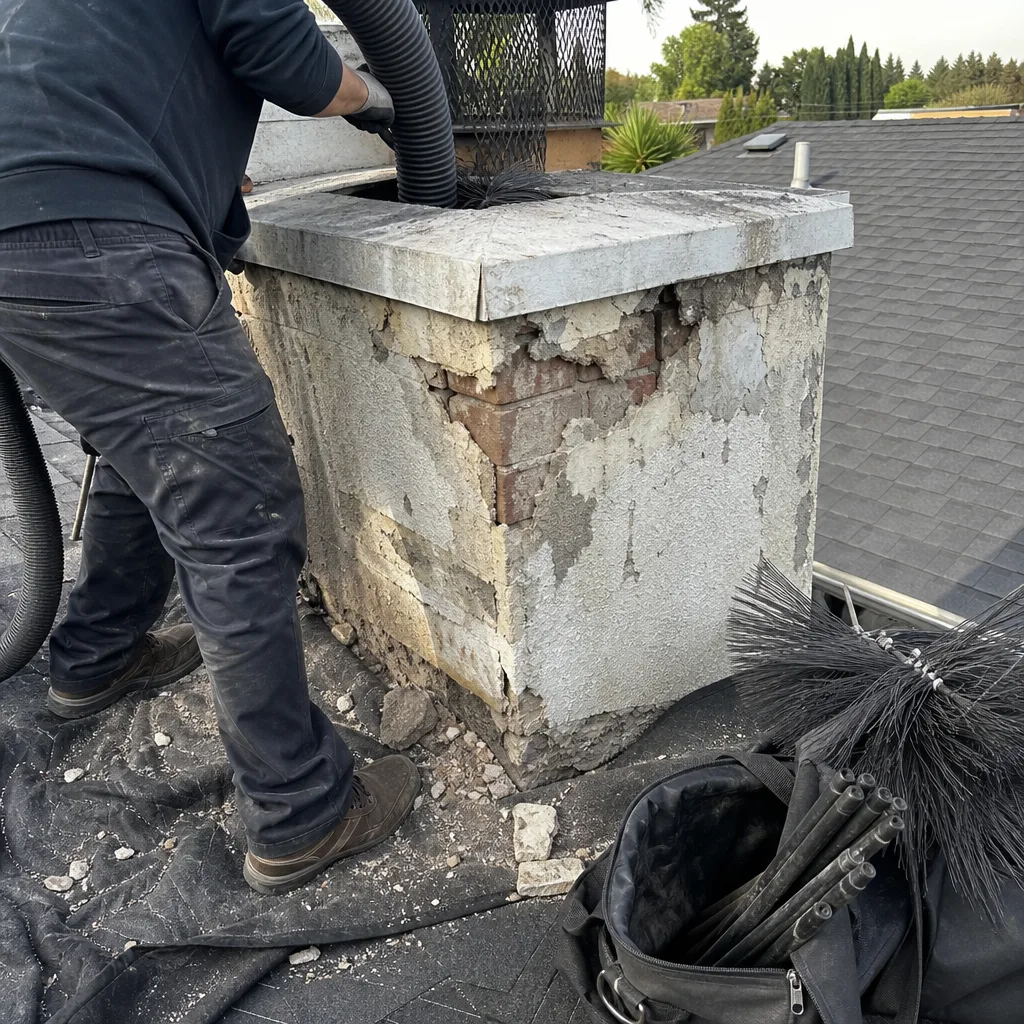 Before
 After
After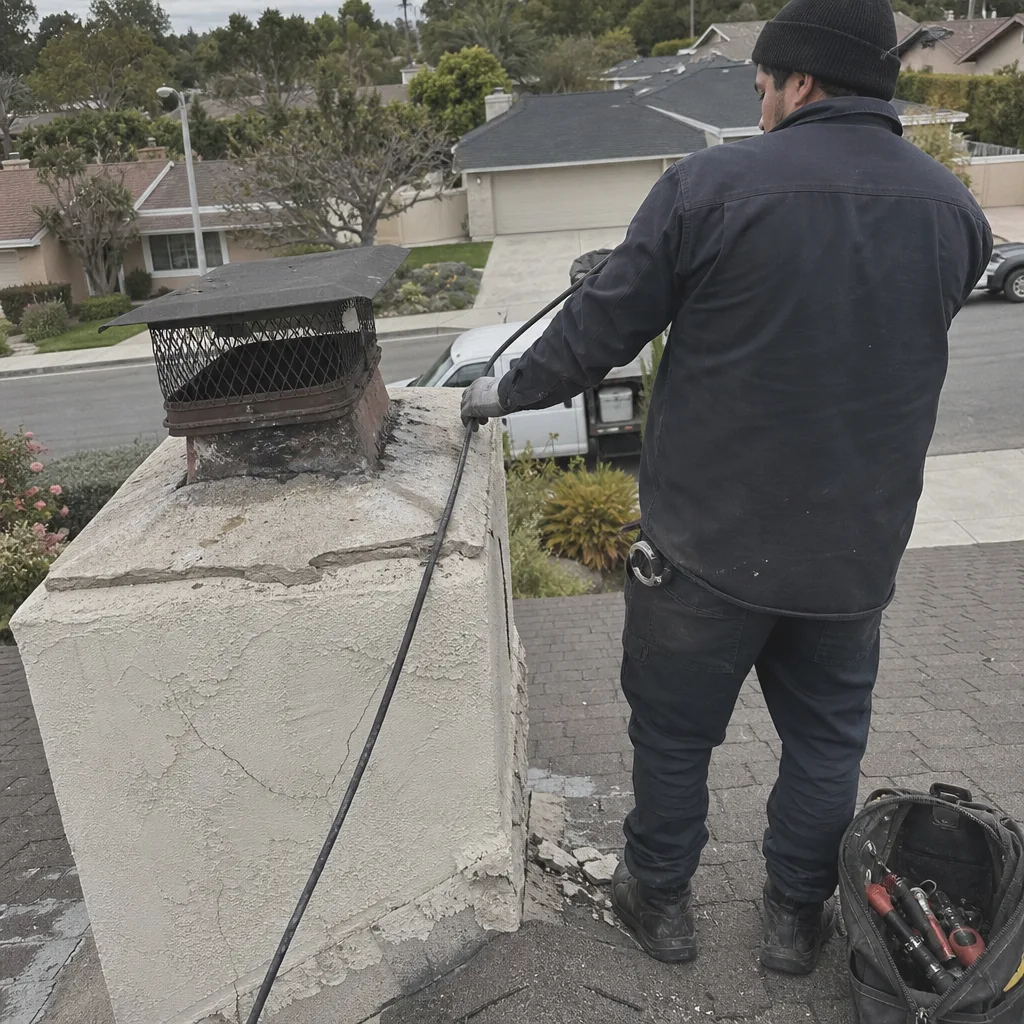 Before
 After
AfterThe Complete Chimney Repair Guide for Los Angeles Homeowners
Los Angeles has some of the least-used fireplaces in America, and that’s exactly why its chimneys deteriorate in ways that regular use would actually prevent. A chimney that never sees a fire still faces 300 days of sun, the occasional 4.0 tremor, and Santa Ana winds carrying embers from fires miles away. This guide covers the repair categories that actually matter in Los Angeles, what they cost in 2025, which permits the city requires, and how to get the work documented so you’re never guessing what you paid for. For hands-on help, see our Chimney Repair services.
Quick Answer
Chimney repair in Los Angeles typically costs between $400 and $4,500 depending on the repair, with crown rebuilds running $800 to $1,800, repointing $400 to $1,200, and flue liner replacement $2,500 to $4,500. Los Angeles requires permits for structural repairs but allows routine maintenance like crown coating, cap installation, and minor repointing without one under the California Residential Code. The repairs that matter most here are seismic reinforcement, ember-entry prevention, and addressing mortar failure from thermal cycling, since LA’s climate damages chimneys through sun exposure and temperature swings rather than freeze-thaw cycles.
Table of Contents
- Why LA Chimneys Fail Differently
- The 3 LA-Specific Repair Categories
- LA Permit Requirements for Chimney Repair
- 2025 Cost Ranges for the 5 Most Common Repairs
- Decorative vs. Functional Chimneys in LA
- The Written Scope of Work Difference
- Repair Materials Worth Specifying
- Step-by-Step: What a Proper Repair Looks Like
- Common Mistakes to Avoid
- When to Call a Professional
- Frequently Asked Questions
Why LA Chimneys Fail Differently
Most chimney repair guides are written for places where water freezes inside masonry. That’s not Los Angeles. Here, the damage comes from three local factors, and they produce a failure pattern that a Minnesota contractor would barely recognize.
First, Los Angeles gets roughly 284 days of sun each year. Masonry expands when heated and contracts when cooled. Over 8,000 cycles of that, the mortar between bricks starts to crumble from the inside out. We call it thermal cycling fatigue, and it’s the most common repair trigger we see in neighborhoods from Sherman Oaks to Pasadena. Second, the seismic environment means even minor tremors stress chimney structures at their weakest point, which is almost always the mortar joints above the roofline. Third, fire season has changed the priorities entirely. A chimney without a proper spark arrestor or ember screen is now a fire-entry point during Santa Ana conditions. No freeze-thaw required.
The practical result is that Los Angeles homeowners are more likely to need repointing and crown work at year 15 than a homeowner in Chicago, even if the LA homeowner never burned a single log.
The 3 LA-Specific Repair Categories
When we diagnose chimneys across Los Angeles, the repairs fall into three categories that generic guides rarely separate. Here’s what each one means in plain terms.
1. Seismic Reinforcement
After the 1994 Northridge quake, building codes across Southern California tightened for masonry structures above the roofline. A chimney that predates those codes may not have adequate bracing or may be built on a mortar bed that has since lost its bond. Seismic reinforcement typically means adding steel straps or bracing the structure to the roof framing, and in some cases rebuilding the upper courses with reinforced grout. This is structural work. It’s also the category where permits are most likely to be required in Los Angeles.
2. Ember-Entry Prevention
During wildfire season, embers don’t need an open damper to get inside. They enter through cracked crowns, missing mortar joints, and uncapped flues. The fix is a cap installation, a crown rebuild with an overhang of at least two inches, and sometimes a chimney inspection in Los Angeles to find gaps you can’t see from the ground. This work is often classified as maintenance, not structural repair, which means it can usually proceed without a permit.
3. Thermal Cycling Mortar Failure
This is the slow-motion category. The sun hits the south and west faces of your chimney hardest, so the mortar on those sides degrades first. The symptom is crumbling joints, especially at the transition from the firebox to the flue. The fix is repointing: grinding out the old mortar to a proper depth and packing in fresh material. In Los Angeles, this is the single most common repair we perform, and it’s the one that homeowners most often put off because it looks cosmetic. It is not. Loose mortar joints let water into the structure, and water is what turns a $1,200 repointing job into a $3,000 crown and liner repair.
LA Permit Requirements for Chimney Repair
Los Angeles follows the California Residential Code, with city-specific amendments from the Department of Building and Safety. Here’s what that means in practice.
Repairs That Typically Do NOT Require a Permit
- Crown resurfacing or sealing, as long as the structural shape is maintained
- Cap installation or replacement
- Minor repointing, defined as less than 10% of the mortar joints in any single wall section
- Damper replacement as a like-for-like swap
- Chimney sweeping and standard chimney cleaning
Repairs That DO Require a Permit
- Partial or full tear-down and rebuild of the chimney structure
- Removing and replacing the firebox with a different footprint or firebox material change
- Adding reinforcement that attaches to the roof structure through new penetrations
- Installing a new flue liner that requires cutting into existing masonry
If your contractor tells you a permit isn’t needed for a rebuild, get a second opinion. LA’s Building and Safety department is explicit on this. A permit protects you in two ways: the work gets inspected by a city inspector who doesn’t work for the contractor, and the repair becomes part of the public record when you sell the house.
2025 Cost Ranges for the 5 Most Common Repairs
These are Los Angeles market prices, not national averages. The ranges reflect what we see across the San Fernando Valley, the Westside, and the San Gabriel Valley in 2025. A standard chimney sweep in this market runs $180 to $340.
| Repair | Typical Cost Range | What the Work Includes |
|---|---|---|
| Crown rebuild | $800 – $1,800 | Removing the old crown, forming a new one with a 2-inch overhang and drip edge, sealing with a flexible crown coat |
| Repointing | $400 – $1,200 | Grinding out degraded joints, packing fresh mortar, tooling to match existing profile |
| Flue liner replacement | $2,500 – $4,500 | Removing the old clay liner, installing a new liner or a poured-in-place system, confirming proper draft |
| Firebox repair | $600 – $2,000 | Patching spalled firebrick, relining the firebox with refractory material, restoring a safe refractory surface |
| Cap installation | $250 – $600 | Measuring the flue, installing a correctly sized cap with spark arrestor mesh, verifying draw |
These are line-item prices, not bundled packages. Every repair we quote in Los Angeles gets a written price before any work begins, so the number on the estimate is the number on the invoice. If a repair requires a second contractor (say, roofing work around the chimney base), we’ll say so in the scope.
Decorative vs. Functional Chimneys in LA
A surprising number of Los Angeles homes have chimneys that were never meant to vent a real fire. Builders in the 1960s through the 1980s frequently added decorative chimney structures to give a house visual presence. The chamber looks like a fireplace, but there is no actual flue, or the flue was never connected to the firebox, or the entire assembly is a facade.
This matters for repair because the approach is completely different. A functional chimney needs a liner, proper clearances, and a flue that drafts. A decorative chimney needs none of that, but it still needs a crown and stable mortar. The trouble comes when a homeowner assumes their decorative chimney is functional and calls us for a liner replacement that isn’t possible, or assumes their functional chimney is decorative and ignores a genuine safety problem.
How to tell the difference: check the roof. If there’s a visible clay or metal flue tile protruding from the top, it’s likely functional. If the chimney is capped flush with no opening, it’s likely decorative. The definitive test is a chimney repair inspection with a camera run up the flue, which shows you exactly what you have in about twenty minutes.
The Written Scope of Work Difference
Los Angeles has a particular problem with verbal contracts. It’s a big market with a lot of contractor churn, and too many chimney companies quote over the phone, show up with a truck full of tools, and then start adding line items once the work is underway. By the time the homeowner realizes what happened, the old crown is already in a bucket.
The Garrison Standard exists because of this exact failure mode. Every Flint Chimney Sweep job operates under a written scope delivered before a single tool comes off the truck. That scope lists the specific repair, the exact price, the materials to be used, and what our 365-Day Done Right Promise covers for one full year from the service date. If a covered repair fails in that window, we return at no charge. No argument, no rearrangement of the original scope.
When you get a verbal quote in Los Angeles, you’re not getting a contract. You’re getting a conversation. A written scope changes the relationship: it gives you something to hold in your hand if the work doesn’t hold on your chimney.
Repair Materials Worth Specifying
The difference between a repair that lasts five years and one that lasts twenty is often the material specified. Most Los Angeles homeowners never ask, and most contractors never volunteer the answer. Here are three material categories where the brand name actually matters.
Flue liners: For a liner replacement, we spec Olympia Chimney stainless liners where the existing masonry allows, because the alloy holds up to both heat cycling and the mild marine air that reaches inland from the coast on foggy mornings. For homes near the water, from Venice up to Malibu, the corrosion factor is real and a cheaper liner will show pitting within a decade.
Crown systems: A Gelco crown coat handles the thermal cycling of the south-facing chimney wall better than standard mortar, and it flexes instead of cracking. For the rebuild itself, a proper overhang matters more than the brand. Two inches minimum, with a drip edge, or the water just runs down the brick and the repointing fails early.
Repair products for firebox spalling: Copperfield makes a refractory patch that bonds to firebrick instead of sitting on top of it. That’s the correct product for a spalled firebox, not hardware-store mortar, which will fail the first full fire you light.
If a contractor can’t tell you what brand of liner or crown material they’re installing, that’s an answer in itself. A professional knows what they’re putting in. You might also see Famco for caps and rain termination. The point is the specificity: the material should be named in the written scope.
Step-by-Step: What a Proper Repair Looks Like
Here’s the sequence a disciplined chimney repair follows in Los Angeles, from first call to final sign-off. This is what the written scope should reflect.
- Initial inspection: The technician reviews the structure from the roof and the interior firebox, documents conditions with photos, and identifies the specific failure. You should receive a written diagnosis with the evidence.
- Camera scope: For flue or liner questions, a camera is run the full length of the flue. This is non-negotiable for any liner recommendation on a functional chimney. If a contractor recommends a liner replacement without a camera inspection, seek another bid.
- Written scope and price: You receive a line-item scope listing each repair, the material brand where it matters, the price, and the one-year coverage terms under The Garrison Standard.
- Permit check: If the repair is structural, the contractor files the permit with LA Building and Safety before work begins. If the job is maintenance-class, the scope should say so explicitly so you have documentation.
- The work: The repair proceeds in the sequence written. No additions without a revised scope and your approval.
- Final inspection and documentation: Photos after the repair, a summary of what was done, and your written guarantee for a full year.
That sequence works because it removes the guessing. You know what’s being done, what it costs, and what happens if it fails. Those are the three things every Los Angeles homeowner should insist on before any repair begins.
Common Mistakes to Avoid
- Sealing without repairing: Coating a crown that already has structural cracks just traps water inside the masonry. A coating is a maintenance layer, not a structural repair.
- Skipping the camera scope on liner questions: You cannot see a cracked clay liner from the roof. The camera tells the truth. If the recommendation is a $3,000 liner replacement, demand the footage.
- Accepting a verbal quote in Los Angeles: The market is too big and too fast for a handshake to protect you. If it’s not written, it didn’t happen.
- Using the wrong mortar: Hardware-store mortar is too hard for older LA brick. It will crack the brick face and make the original damage worse. Repointing requires the correct lime-to-portland ratio.
- Treating ember-entry prevention as optional: In fire-country Los Angeles, an uncapped flue is a literal opening into your house. Even if you never light a fire, the cap matters.
- Assuming a decorative chimney is functional: Many LA homes have fireplace facades with no real flue. Spending money on liner work before verifying function is a mistake. Verify first.
When to Call a Professional
Call a professional if you see crumbling mortar at the chimney crown, especially on the south or west face where LA sun exposure is worst. Call if you find loose brick or mortar bits in the firebox after rain, because that means water is getting through. Call if you smell smoke or musty air inside the house near the hearth even when no fire is lit, which can indicate a draft or flue problem. Call if you’re buying or selling a house in Los Angeles and the chimney hasn’t been inspected in the last year, because a hidden repair can shift the price of the sale. Flint Chimney Sweep offers free estimates in Los Angeles, call (830) 251-4560. We’ll put the condition of the chimney in writing and tell you plainly whether repair is needed now or can safely wait. No repair proceeds until after the written scope is in your hand.
Frequently Asked Questions
Chimney repair in Los Angeles typically costs between $400 and $4,500 depending on the repair, with the most common jobs, repointing and crown rebuilds, running $400 to $1,800. Liner replacement is the high end at $2,500 to $4,500. Call (830) 251-4560 for a written, line-item estimate on your specific repair.
You need a permit for structural work like a tear-down and rebuild, firebox replacement with a changed footprint, or seismic reinforcement, but routine maintenance like crown coating, cap installation, and minor repointing generally does not require one under the California Residential Code. Any contractor who tells you a rebuild requires no permit is wrong.
A chimney used regularly should be swept once per year, and even a rarely used chimney should be inspected annually because LA sun exposure degrades mortar and Santa Ana winds can carry debris and embers into the flue. See The Complete Guide to Chimney Cleaning in Los Angeles for a full breakdown. The inspection matters even when a full sweep isn’t needed.
You should never accept a liner replacement recommendation without camera footage showing the specific damage, and this is true for any chimney company across Los Angeles. If the camera shows cracked clay tiles or gaps in the flue, the liner recommendation is legitimate. If they won’t show you the footage, get a second opinion.
Skipped crown and mortar repairs let water into the masonry, which then expands in the next heat cycle, and what starts as a $400 repointing job becomes a $2,500 crown and liner repair within a few years. In fire season, a damaged crown or missing cap becomes an ember entry point, which is a direct fire risk to the house.
Yes, most chimney repair work is done from the roof and the firebox, and you don’t need to be present as long as the technician has roof access and you’ve approved the written scope. All Flint Chimney Sweep technicians in Los Angeles are background-checked and uniformed, so you know exactly who is on your property. Call (830) 251-4560 for details on scheduling.
The Bottom Line
Los Angeles chimneys fail by sun, by shaking, and by ember exposure, not by frost, and that changes which repairs matter and what they should cost. The five repairs we’ve priced here cover the vast majority of what we see across the city, from crowns and repointing to liners and fireboxes. The single best protection you have is not an inspection. It’s a written scope of work that names the repair, the price, the material, and the coverage term before the work begins. And if the work doesn’t hold for a full year, the only reasonable answer is to return and make it right. We do. Call Flint Chimney Sweep at (830) 251-4560 for a free repair estimate in Los Angeles, including the camera evidence to prove exactly what you need.
Written by Hank Delano, Owner at Flint Chimney Sweep, serving Los Angeles since 2002.