
Last updated October 9, 2026
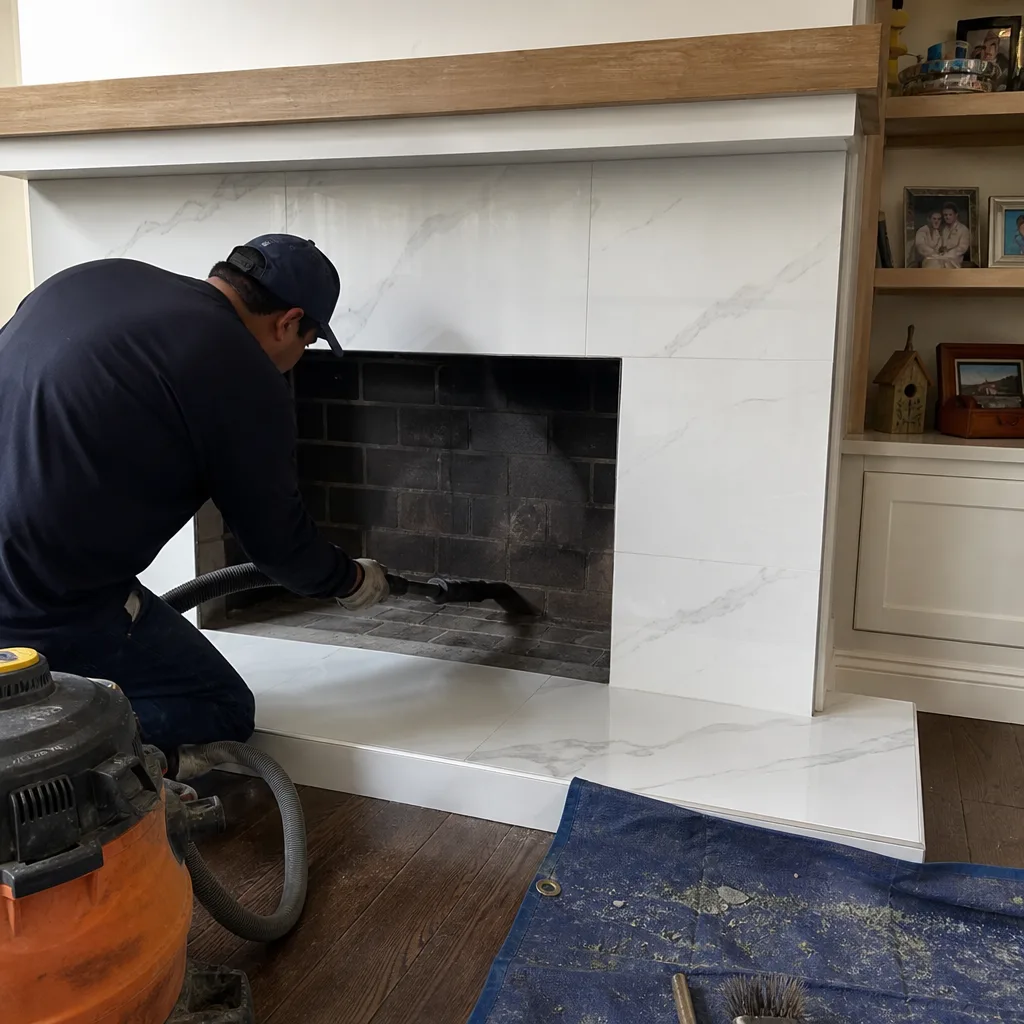
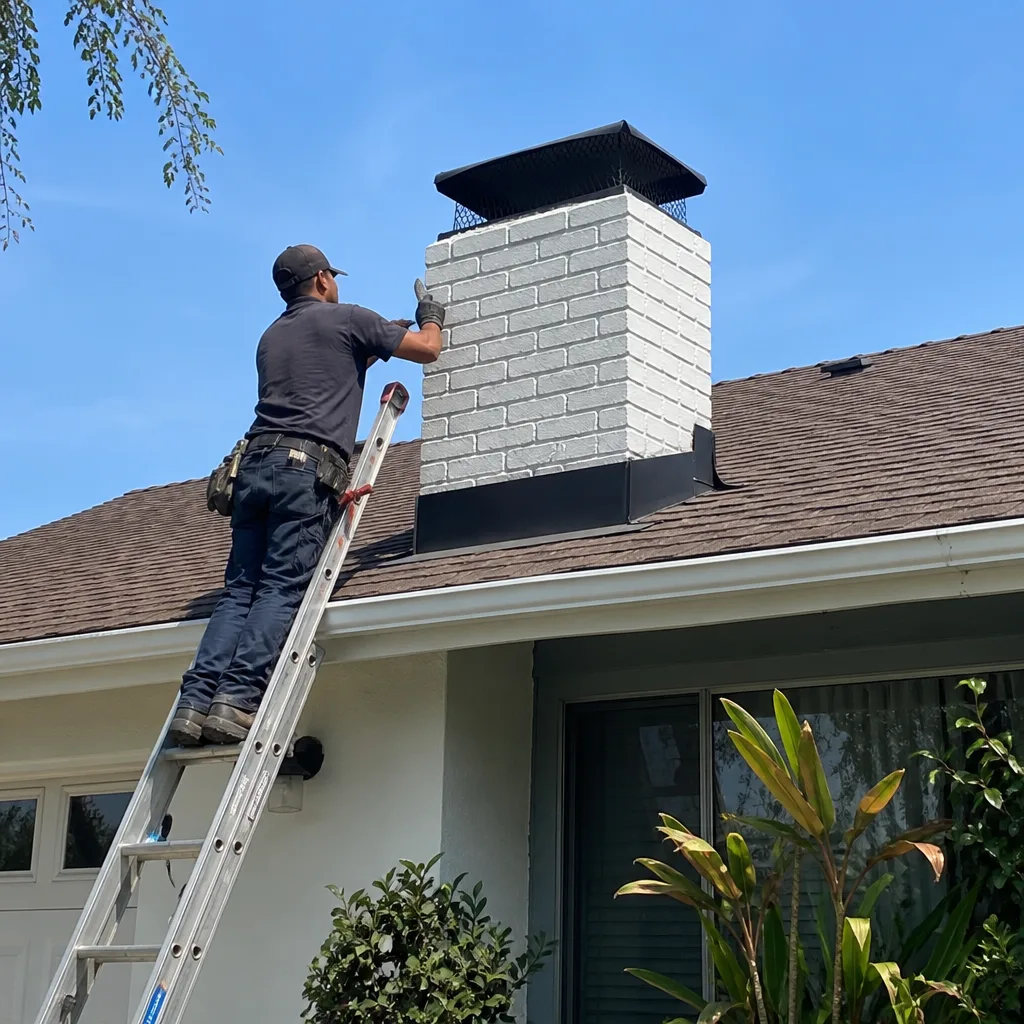
Level 1 sweep and inspection to the NFPA 211 annual standard - flue, crown, cap, and flashing checked and photographed
Chimney sweep logs do not sweep chimneys. They loosen some creosote - which then falls where a brush and vacuum still have to collect it.
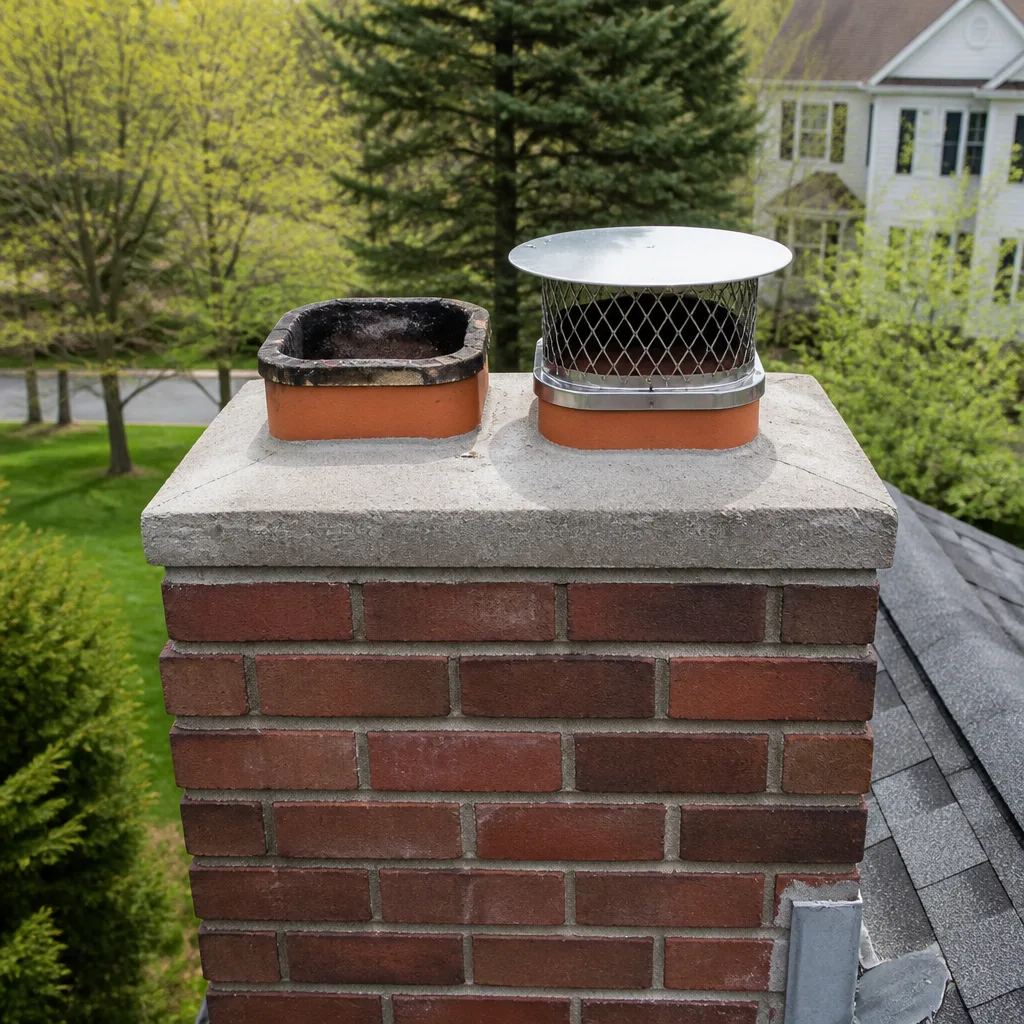
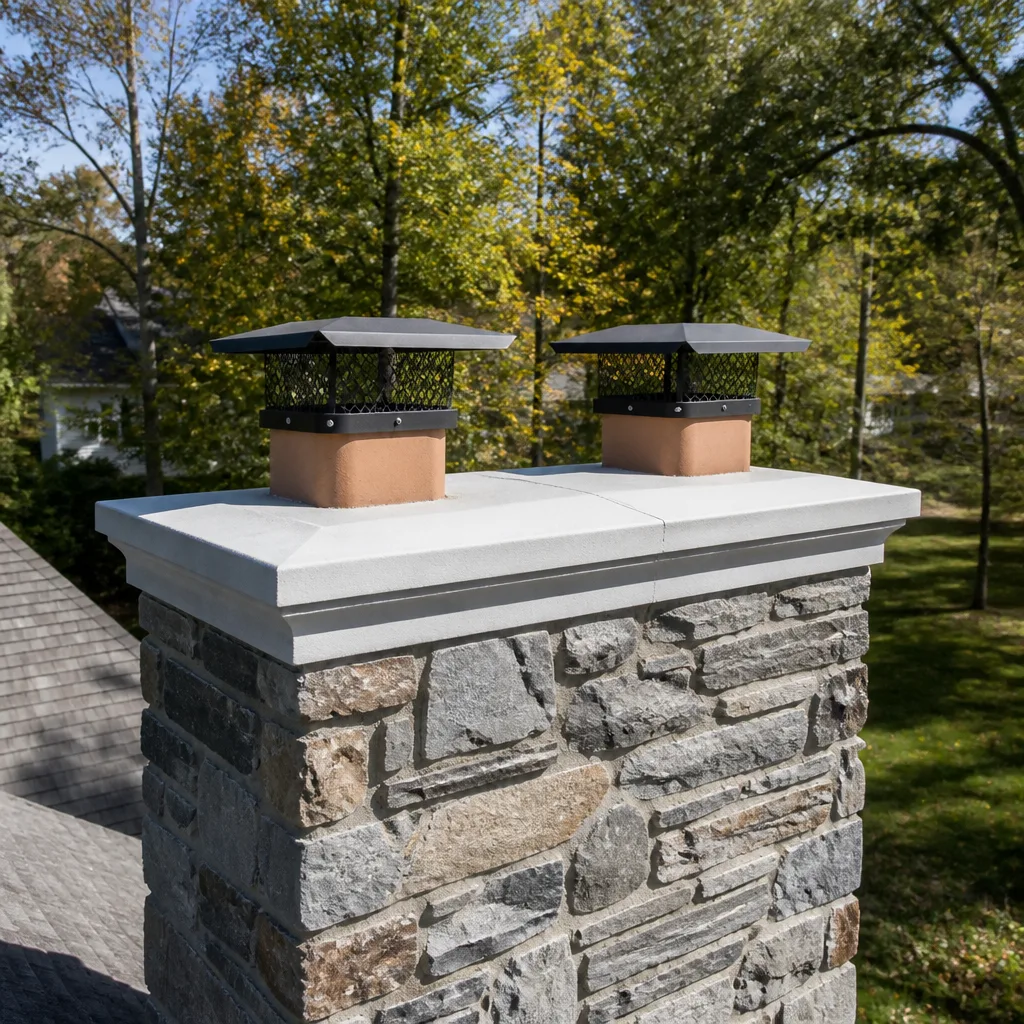
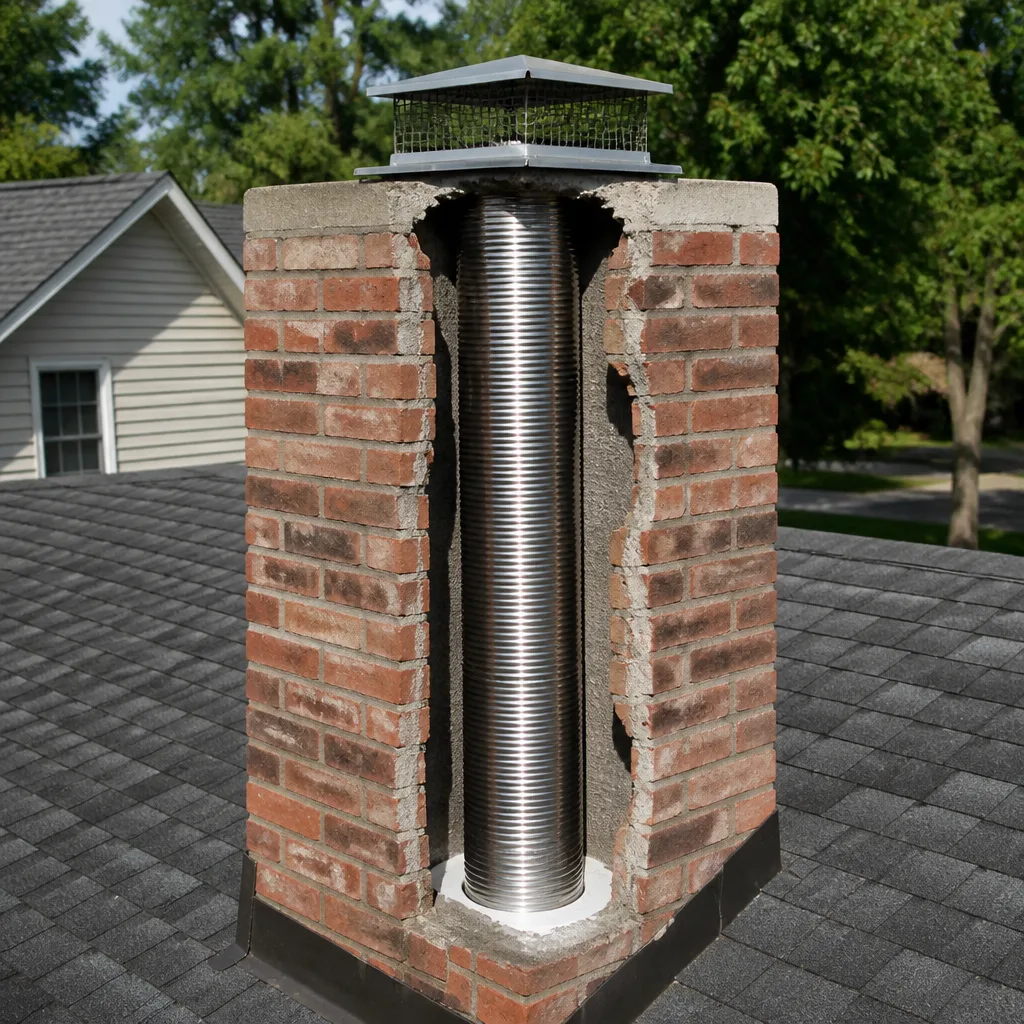
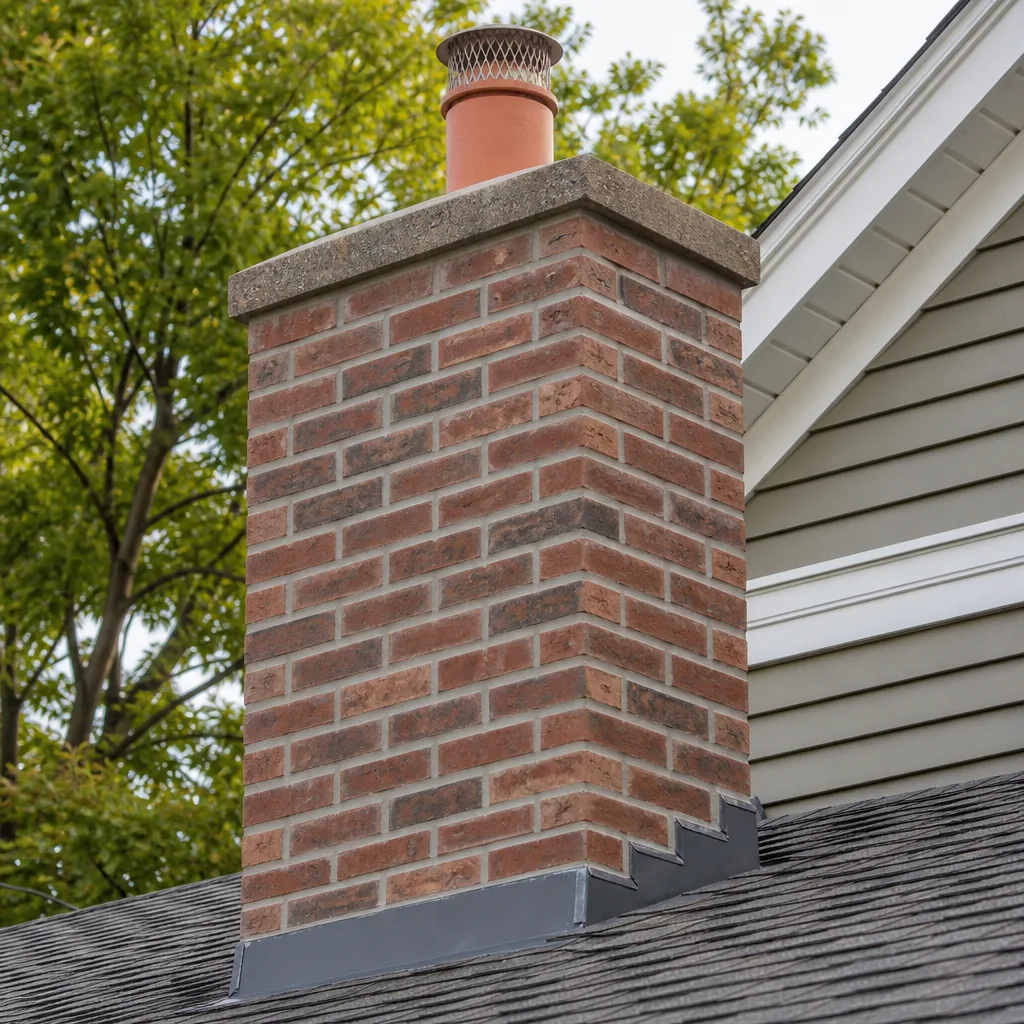
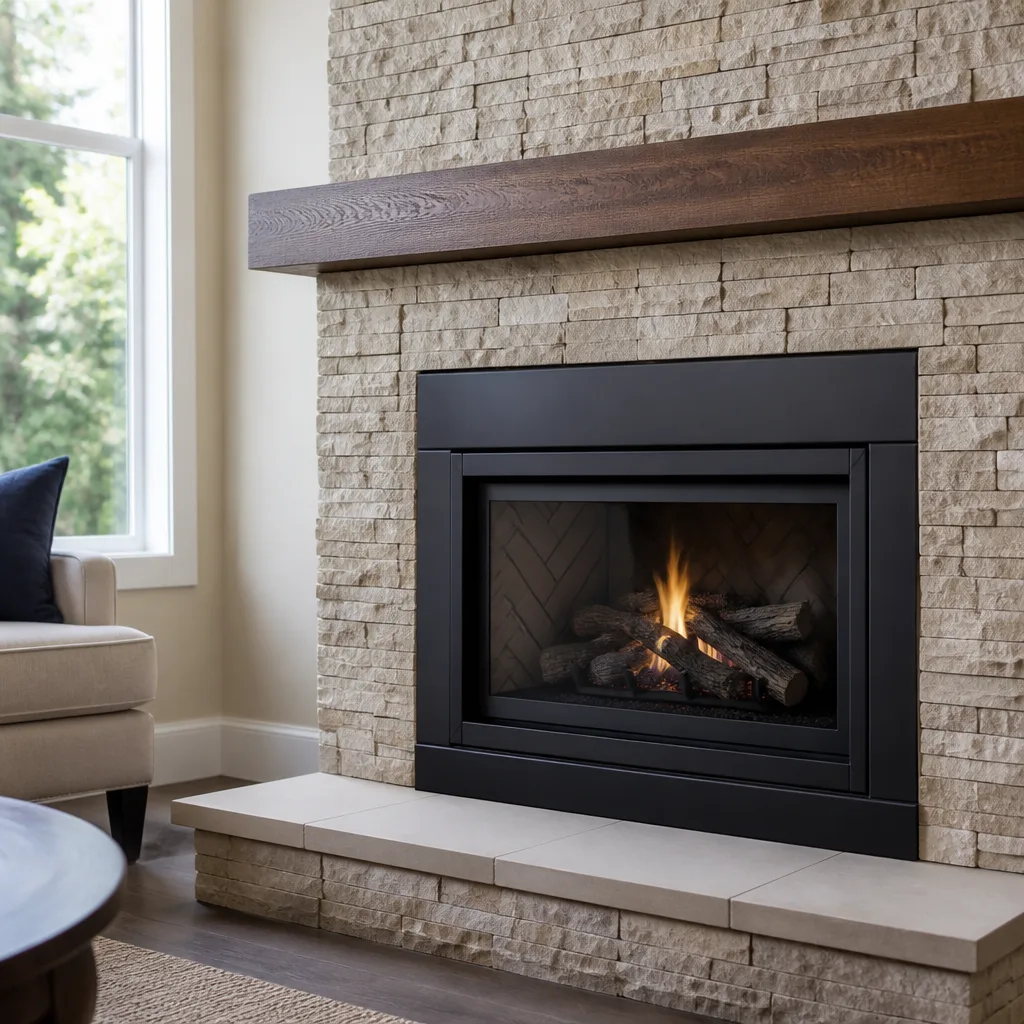
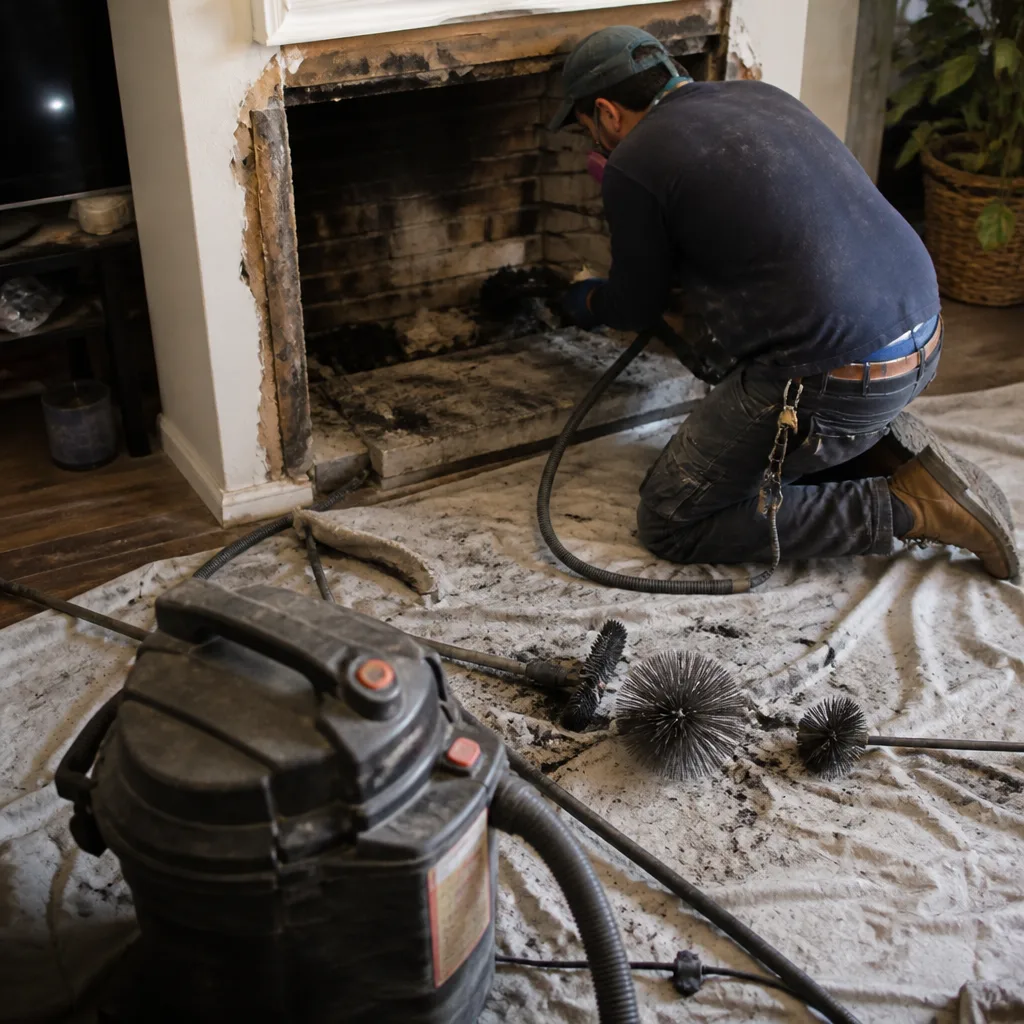 Before
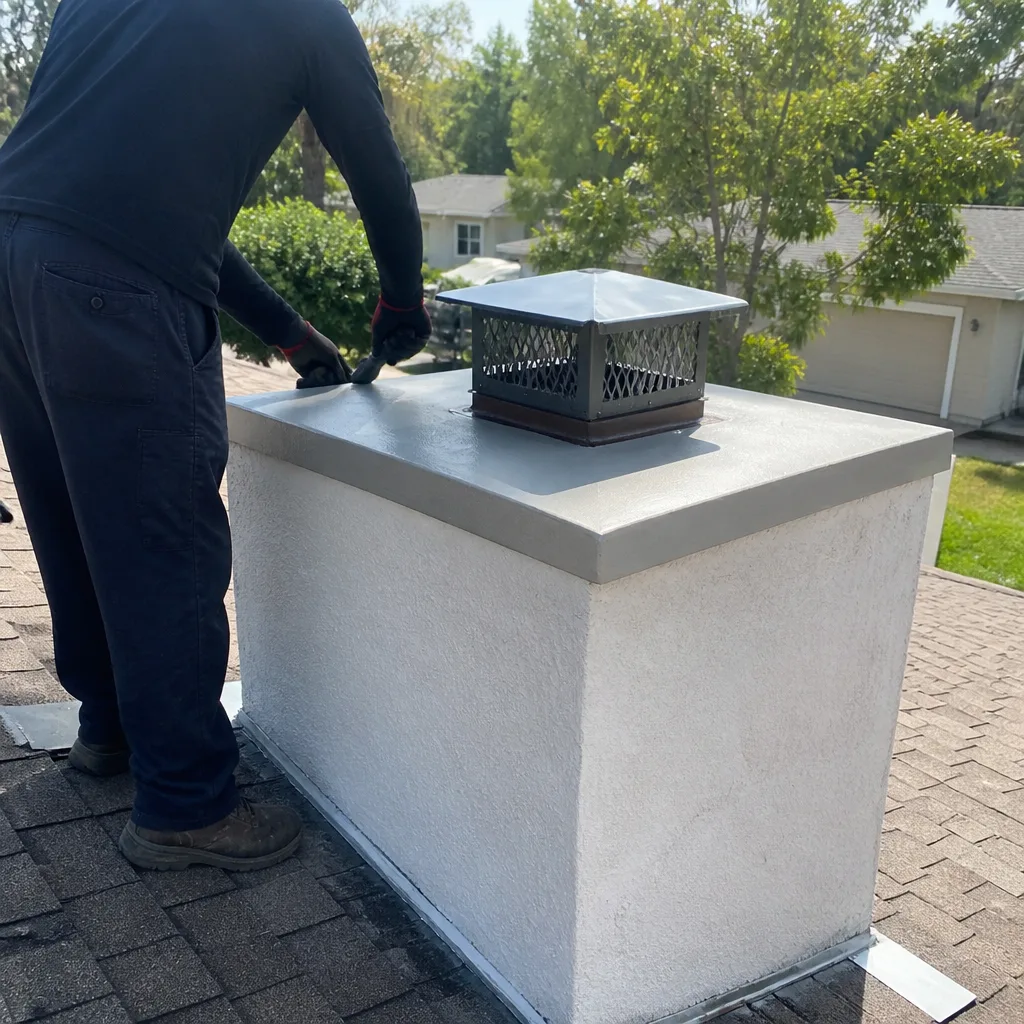 After
After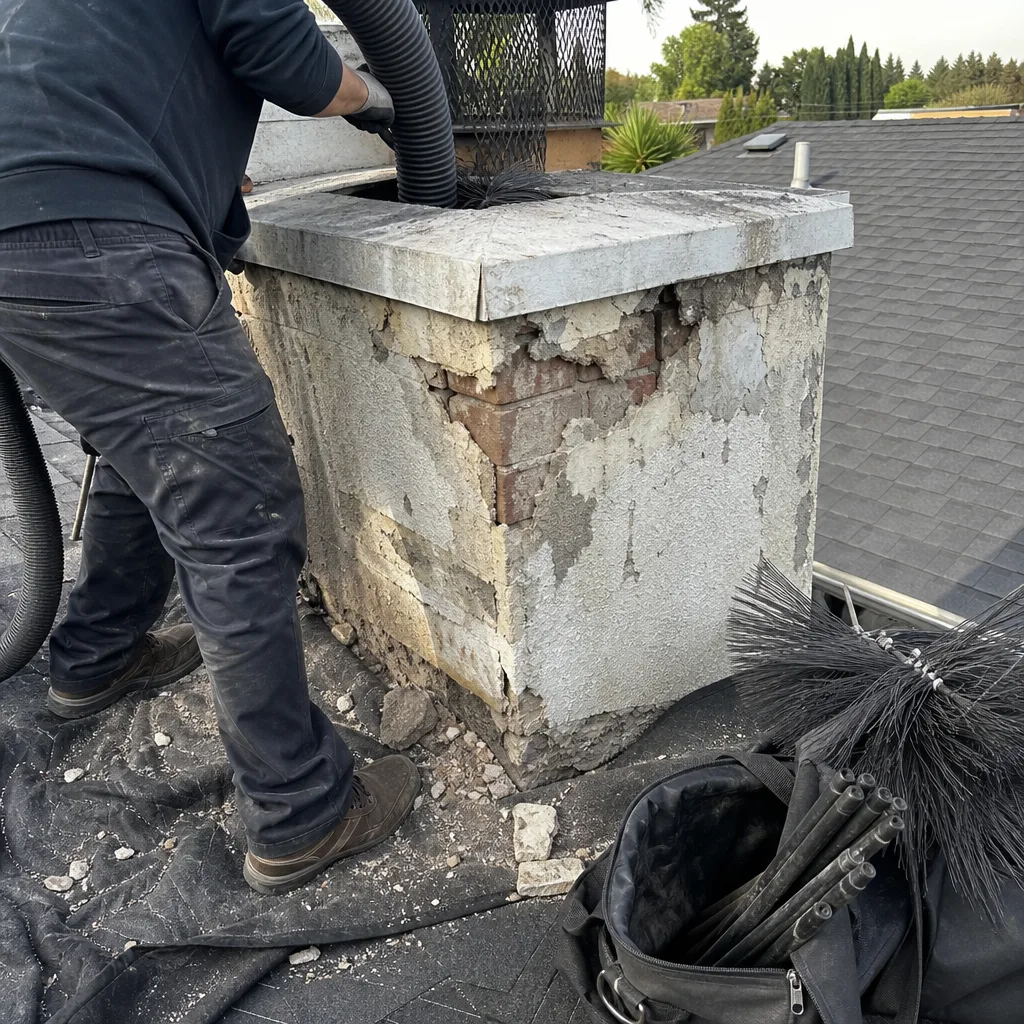 Before
 After
After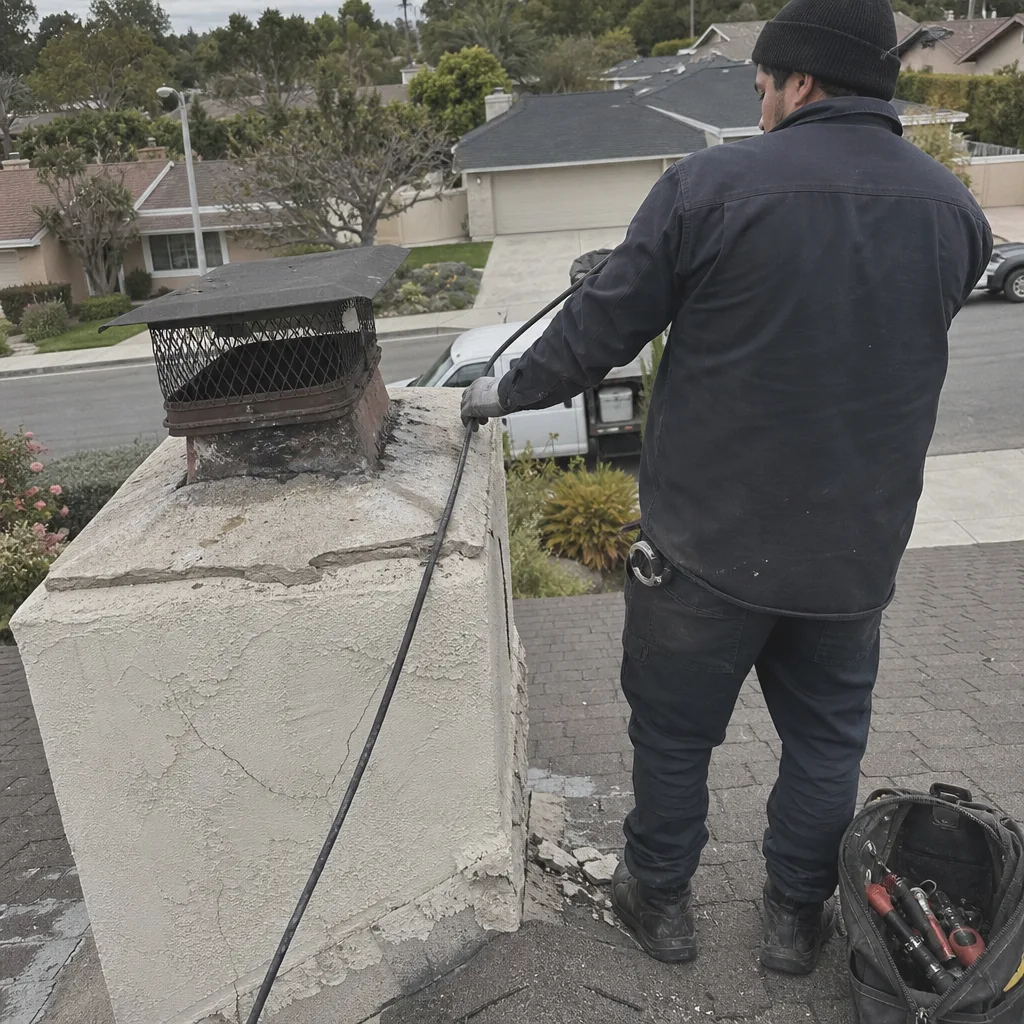 Before
 After
AfterHow Long Does Chimney Inspection Take? Timelines and What to Expect
Most homeowners book Chimney Inspection services without knowing there are three legally distinct NFPA 211 levels, and the cheapest one won’t catch the defect that causes a house fire. That’s not hyperbole. A Level 1 inspection is a visual check of accessible areas. A Level 2 adds video scanning inside the flue. A Level 3 involves demolition to access concealed structure. In Los Angeles, where earthquake damage hides inside chimney cavities, the difference between a Level 1 and Level 2 is often the difference between catching a cracked flue liner and discovering it after smoke has already filled a bedroom. This guide breaks down exactly how long each level takes, what happens during each phase, what extends the clock, and what your written report should contain when the technician packs up.
Quick Answer
A Level 1 chimney inspection typically takes 45 to 60 minutes. A Level 2 inspection with video scanning takes 90 minutes to 2 hours. A Level 3 inspection, which requires opening walls or structural access, can take half a day or more and usually spans multiple visits. If you’re in Los Angeles and your chimney hasn’t been looked at since before the last significant earthquake, expect the longer end of whatever level you’re booking.
Table of Contents
- How Long Does a Level 1 Chimney Inspection Take?
- How Long Does a Level 2 Chimney Inspection Take?
- How Long Does a Level 3 Chimney Inspection Take?
- What Physically Happens During Each Phase
- What Extends Inspection Time
- What Your Written Inspection Report Should Contain
- The Los Angeles Factor: Earthquake Assessment
- Common Mistakes to Avoid
- When to Call a Professional
- Frequently Asked Questions
- The Bottom Line
How Long Does a Level 1 Chimney Inspection Take?
A Level 1 chimney inspection takes between 45 and 60 minutes from the moment the technician walks in to the moment they hand you the report. That’s the standard time for a chimney that’s been serviced regularly and hasn’t changed since the last inspection. The clock covers three things: a visual check of the firebox and damper, a check of the flue from the top and bottom with a flashlight and mirror, and a confirmation that the chimney is structurally sound from what you can see without tools.
The NFPA 211 standard defines Level 1 as the minimum inspection performed during routine maintenance, like an annual chimney sweep in Los Angeles. It’s appropriate when the chimney is being used exactly as it has been, with the same appliance and the same fuel. No changes to the system. No new furnace, no new fireplace insert, no new liner. If nothing has changed since the last inspection, Level 1 is what you get, and 45 to 60 minutes is what it costs you in time.
What a Level 1 will NOT do is look inside the flue with a camera. That means it cannot see hairline cracks in a clay tile liner, gaps in mortar joints, or hidden creosote buildup in offsets. In our experience, homeowners who ask for “just a basic inspection” are often surprised when we explain what the basic inspection can’t see. It’s a legitimate service with a legitimate scope. The problem comes when a homeowner assumes the cheapest inspection is comprehensive. It isn’t, and it was never designed to be.
How Long Does a Level 2 Chimney Inspection Take?
A Level 2 chimney inspection takes 90 minutes to 2 hours. This is the inspection most homeowners should book, and it’s the one that actually answers the question you’re really asking: is my chimney safe to use? A Level 2 includes everything in a Level 1, plus video scanning of the entire flue interior from top to bottom, and access to attics, crawl spaces, and basements to check the chimney’s exposed structure.
The video scan is the time driver. A technician feeds a camera down the flue, pausing at every offset, every mortar joint, every visible crack or void. We’re looking for spalling brick, separated flue tiles, water penetration marks, and creosote deposits the naked eye can’t reach. That’s not a quick drive-by. It takes as long as it takes, and on a two-story Los Angeles home with a 30-foot flue, that’s the better part of an hour just for the camera work.
NFPA 211 requires a Level 2 inspection under specific conditions: when you’re selling a home, when you’re changing the fuel type or appliance, after a chimney fire, after an earthquake, or after any event that may have damaged the chimney. In Los Angeles, the earthquake condition is the one we hear about most often. If your house predates the 1994 Northridge earthquake and the chimney has never been inspected since, you need a Level 2. No question. The chimney inspection in Los Angeles that catches earthquake damage is always a Level 2, because that’s the only level that looks inside the flue where structural cracks live.
How Long Does a Level 3 Chimney Inspection Take?
A Level 3 chimney inspection takes anywhere from a half day to multiple days. This level is not routine. It’s ordered when a Level 2 finds something serious enough that the inspector needs to see inside walls, behind masonry, or under a hearth to understand the full extent of the damage. That means opening access panels, removing portions of a wall or chimney crown, or dismantling part of the masonry.
The clock runs long because demolition and reconstruction are part of the process. You’re not just inspecting anymore; you’re doing investigative work with a tool in hand. The good news is that Level 3 inspections are rare. Most homeowners will never need one. But if a Level 2 video scan reveals a cracked flue liner that could be allowing carbon monoxide into wall cavities, a Level 3 is the only way to map the damage before a repair like flue relining (replacing the inner liner that channels smoke safely out of the house) can be priced and planned.
We tell customers to budget a full day for a Level 3, and to expect a follow-up visit for any reconstruction the inspection requires. The inspection itself isn’t the full job. If we open a wall to look at a flue, we then need to close that wall back up, and that’s part of the same service call. In our experience, a Level 3 in an older Los Angeles home, especially one built before 1950 with original masonry, runs closer to a full working day when you account for both opening and closing the access point.
What Physically Happens During Each Phase
Here’s what you should expect to see when the technician works through an inspection, phase by phase. This applies to Level 1 and Level 2. Level 3 adds the access work on top.
- Exterior visual scan (10 to 15 minutes): The technician checks the chimney stack from the ground, looking at the crown, the brick face, the flashing where the chimney meets the roof, and the cap. They’re looking for cracked crowns, spalling brick, rusted flashing, and missing or damaged caps. In Los Angeles, we also check for earthquake separation at the roofline, which shows up as a gap between the chimney and the house.
- Firebox and damper check (10 to 15 minutes): Inside the house, the technician examines the firebox for cracked refractory panels, checks damper operation, and confirms the smoke chamber is visible and free of obstruction. A damper that won’t open or close properly adds time because it has to be worked loose or noted for repair.
- Flue scan from both ends (10 to 20 minutes): Using a flashlight and mirror or a camera, the technician examines the flue interior. On a Level 1, this is a visual check from the firebox up and from the crown down. On a Level 2, this is the full video scan, running the camera from top to bottom and capturing footage the homeowner can view.
- Report and review (10 to 15 minutes): This is the part homeowners forget to budget for. A proper inspection ends with a written report, photos or video review, and a plain-language explanation of what was found and what, if anything, needs attention. A technician who finishes the physical scan and immediately packs up without explaining anything is not done with the job.
What Extends Inspection Time
Four factors push an inspection past the standard clock, and none of them have anything to do with the technician working slowly.
- Inaccessible cleanouts: Some Los Angeles homes have chimney cleanout doors behind drywall, under decks, or in crawl spaces that haven’t been opened in decades. If we can’t access the cleanout, we can’t complete the bottom-end inspection without extra time spent locating and opening the access point.
- Multi-flue systems: Older homes sometimes have one chimney stack serving two or even three fireplaces or appliances. Each flue gets inspected separately. A three-flue system triples the camera time, and that’s just the reality of a thorough job.
- Heavy creosote or neglect: A chimney that hasn’t been serviced in five years or more will have creosote buildup that obscures the flue interior. We can’t inspect what we can’t see. The inspection may need to follow a sweep before the camera can capture a clear picture of the liner.
- Unusual construction or prior modifications: Improperly installed liners, hidden offsets, or earlier repair work done without permits can all slow the inspection down. We’ve seen liners that ended mid-chimney and flues that changed direction unexpectedly. Each one takes time to document properly.
What Your Written Inspection Report Should Contain
The report is the deliverable. You’re not paying for the technician to walk around your chimney for an hour. You’re paying for a written record of what they found. A proper inspection report should be in your hands before the technician leaves the property, not emailed a week later.
Your report should include: the inspection level performed, the date, the address, a list of what was inspected, what was found, and what was recommended. Photographs or video stills from the camera scan should be included for any defects noted. The report should distinguish between safety hazards that need immediate attention, maintenance items that can be scheduled, and cosmetic issues that can be left alone entirely.
We write reports in plain English. A homeowner should not need a chimney dictionary to understand what “flue tile spalling at the 18-foot mark with third-stage creosote accumulation” means. We explain it: there’s a crack in your flue liner about 18 feet up, and there’s a heavy creosote coating that needs to be swept before we can recommend the next step. If a report uses jargon to sound authoritative without explaining anything, it’s not a report; it’s a doorstop.
The Los Angeles Factor: Earthquake Assessment
Los Angeles changes the inspection calculus. Seismic activity is not theoretical here. The 1994 Northridge earthquake damaged tens of thousands of chimneys, and subsequent smaller events have continued to stress masonry across the basin. A chimney that looks fine from the ground can have a cracked flue liner, a separated firebox, or a sheared mortar joint that only shows up on a video scan.
Any Level 2 inspection in Los Angeles should include a specific earthquake damage assessment: checking the chimney’s anchorage at the roof line, looking for separation cracks in the exterior masonry, and scanning the flue interior for the kind of vertical cracking that seismic movement causes. That assessment adds 20 to 30 minutes to the inspection, but skipping it means missing the exact type of damage that makes a chimney dangerous after a seismic event.
If you bought your home after 2010 and you’ve never had the chimney inspected, assume the sellers didn’t do it either. Real estate transactions in Los Angeles often skip the chimney entirely unless the home inspector flags something visible. But the interior of the flue is not visible. That’s the whole point. In our experience, a significant percentage of Los Angeles chimneys we inspect for the first time show some level of creosote buildup, water entry, or structural concern that no one had ever documented before.
Common Mistakes to Avoid
- Booking a Level 1 by default because it’s cheaper. If you don’t know the history of the chimney, a Level 1 can’t answer the question you’re actually asking, which is whether the chimney is safe. You’ll pay less and learn less.
- Assuming the inspection will take 20 minutes. A proper inspection takes 45 minutes minimum for Level 1 and 90 minutes or more for Level 2. If a company promises a full chimney inspection in 20 minutes, they’re not doing the inspection NFPA 211 describes.
- Not asking what level you’re getting before you book. Homeowners call and ask for “an inspection” without specifying the level. Then they’re surprised when the Level 1 visual check doesn’t catch a lintel crack the Level 2 camera would have found. Ask the question on the phone: what level am I getting, and what will the technician actually do?
- Expecting the report to arrive days later. The report should be written while the technician is on site, and you should leave the appointment with a copy in hand. A company that needs a week to produce a report is overcomplicating a straightforward deliverable.
- Ignoring earthquake risk in Los Angeles. This market has a specific hazard profile. An inspection that doesn’t include seismic assessment is incomplete for this city. Make sure the technician knows you’re asking about earthquake damage, not just creosote.
- Filing the report away without reading the recommendations. The report is only useful if you act on it. A noted crack that sits unfixed for two winters becomes a bigger crack, and in a seismic event, it becomes a structural failure.
When to Call a Professional
Call a professional when you’ve just bought a home and have no chimney history, when your chimney has been dormant for more than two years, when you’ve felt seismic movement that rattled the house, when you notice water stains on the ceiling near the chimney, or when you smell smoke in the house after a fire. These are not DIY situations. A homeowner cannot see inside a flue. The tools required, the training required, and the safety risk of climbing onto a roof all point to the same conclusion. Flint Chimney Sweep offers free estimates in Los Angeles. Call (830) 251-4560 and a live person answers, 24 hours a day.
Frequently Asked Questions
A Level 1 chimney inspection in Los Angeles typically runs $99 to $175 when bundled with a sweep, while a standalone Level 2 inspection with video scanning runs $250 to $450 depending on roof access and flue count. The price difference reflects the equipment and time involved, not markup for its own sake. Flint Chimney Sweep puts a written price in front of you before any work starts, so the number you approve is the number you pay. Call (830) 251-4560 for an exact quote, no obligation.
NFPA 211 says every chimney should be inspected at least once a year, regardless of how often you use the fireplace. The inspection is separate from the sweep, though they’re often done on the same visit. If you use your fireplace heavily during a Los Angeles winter, or if you’ve experienced seismic activity near your home, more frequent inspection is warranted. Our rule of thumb: if you can’t remember the last time a professional looked at your chimney, it’s been too long.
You can check what’s visible from the ground: cracked brick, leaning stack, missing cap, rusted flashing. But you cannot see inside the flue where the problems that cause house fires actually live. A Level 2 video scan requires a camera, roof access, and the training to interpret what the footage shows. We recommend a professional for the same reason we recommend a professional for any structural safety check: the cost of being wrong is too high.
A chimney sweep removes creosote and debris from the flue. An inspection evaluates the chimney’s condition: liner integrity, masonry soundness, damper function, clearance to combustibles. They’re different services with different purposes. A sweep is often done alongside an inspection, which is why our chimney sweep service in Los Angeles includes a basic Level 1 inspection as part of the visit. But if you need a video scan, that’s the Level 2 inspection, and it’s booked separately.
NFPA 211 says yes: any property transfer triggers a Level 2 inspection. California real estate transactions don’t always enforce this, which means many homes change hands in Los Angeles with no chimney inspection at all. That’s a gap you don’t want to inherit. If you’re the buyer, insist on a Level 2 before closing. If you’re the seller, a documented Level 2 inspection protects you from post-sale disputes about chimney condition.
Creosote accumulates with every fire, and a chimney that hasn’t been inspected in years may have a dangerous buildup you can’t see. A chimney fire can reach 2,000 degrees Fahrenheit, crack the flue liner, and spread to the house structure within minutes. Carbon monoxide leaks from a cracked liner are odorless and fatal. The inspection is not a formality. It’s the difference between finding a problem early and finding out about it the hard way. If you’ve skipped inspections for years, book one now, and call (830) 251-4560 for a free estimate.
The Bottom Line
A chimney inspection takes 45 minutes to a full day depending on the level, and the level you choose determines whether the inspection actually protects you. Level 1 is a visual check, appropriate only when nothing has changed. Level 2 is the video scan most homeowners need, and in Los Angeles, it should always include earthquake damage assessment. Level 3 is investigative work reserved for structural concerns. Book the right level on the phone, get the report before the technician leaves, and read the recommendations. A chimney inspection is not a box to check. It’s a documented safety assessment, and the time it takes is the time it takes to do it right. For more guides & resources, see our blog.
Written by Hank Delano, Owner at Flint Chimney Sweep, serving Los Angeles since 2002.