
Last updated October 9, 2026
Level 1 sweep and inspection to the NFPA 211 annual standard - flue, crown, cap, and flashing checked and photographed
Chimney sweep logs do not sweep chimneys. They loosen some creosote - which then falls where a brush and vacuum still have to collect it.
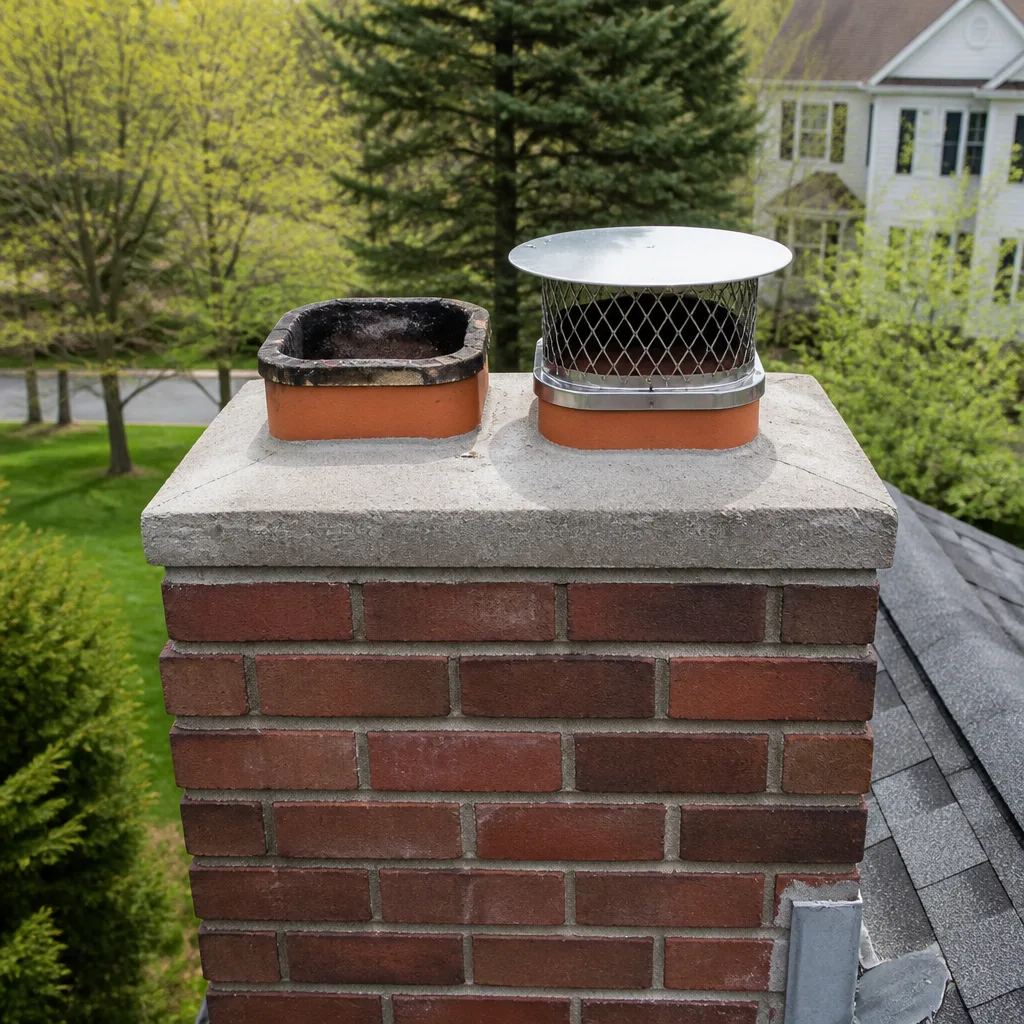
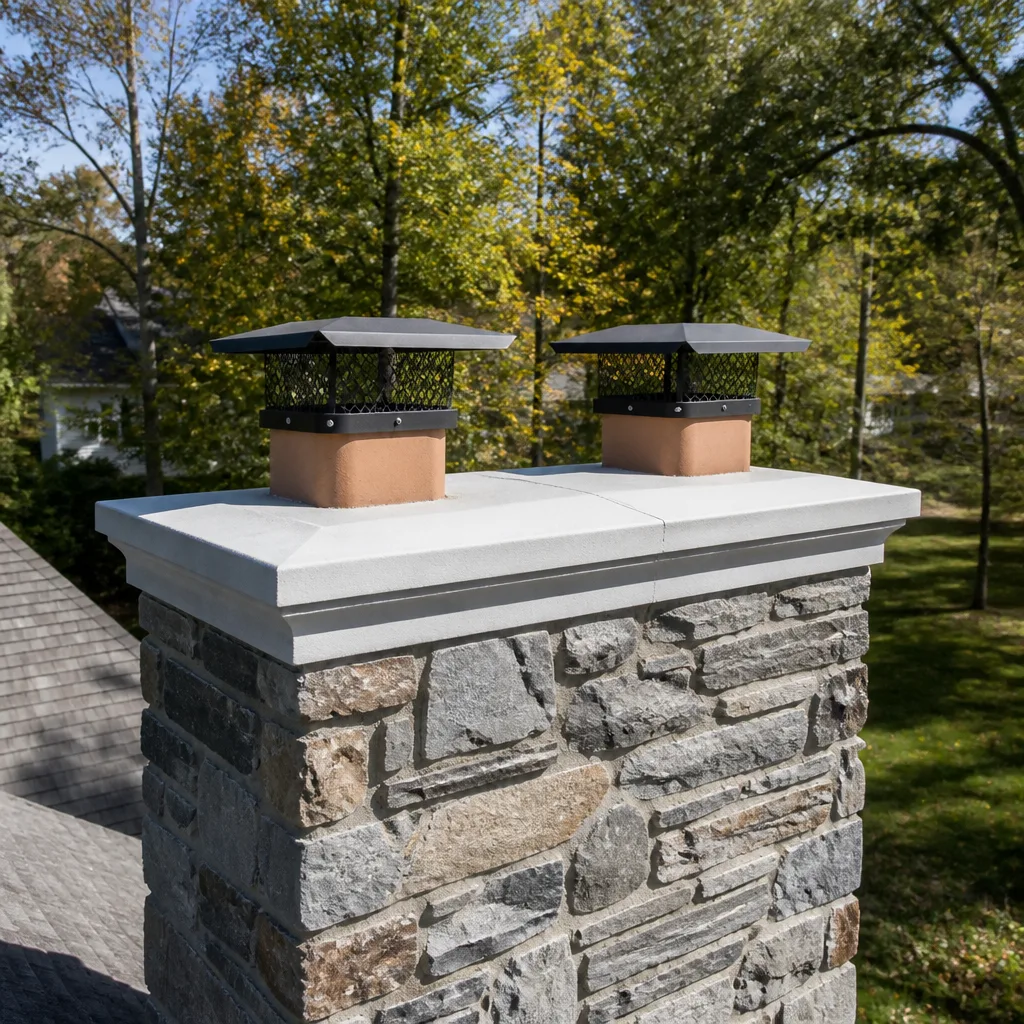
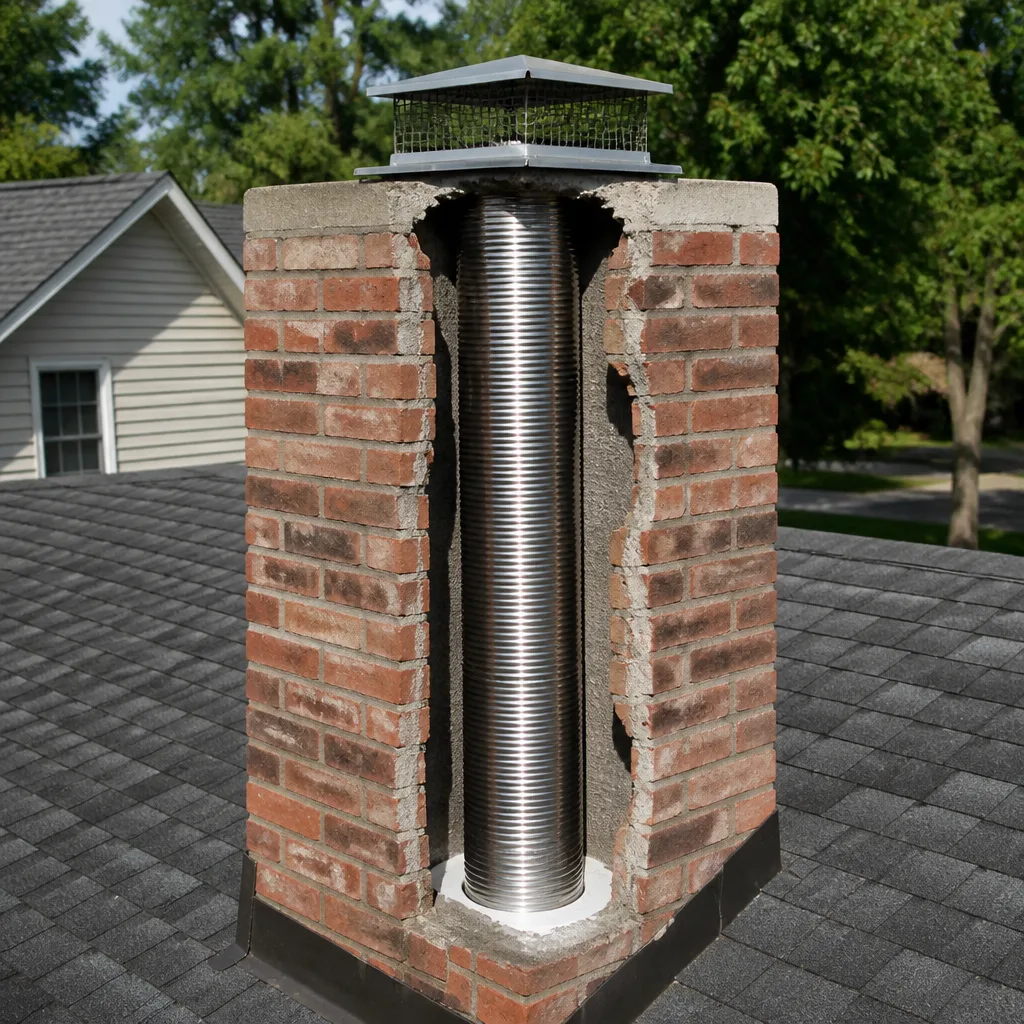
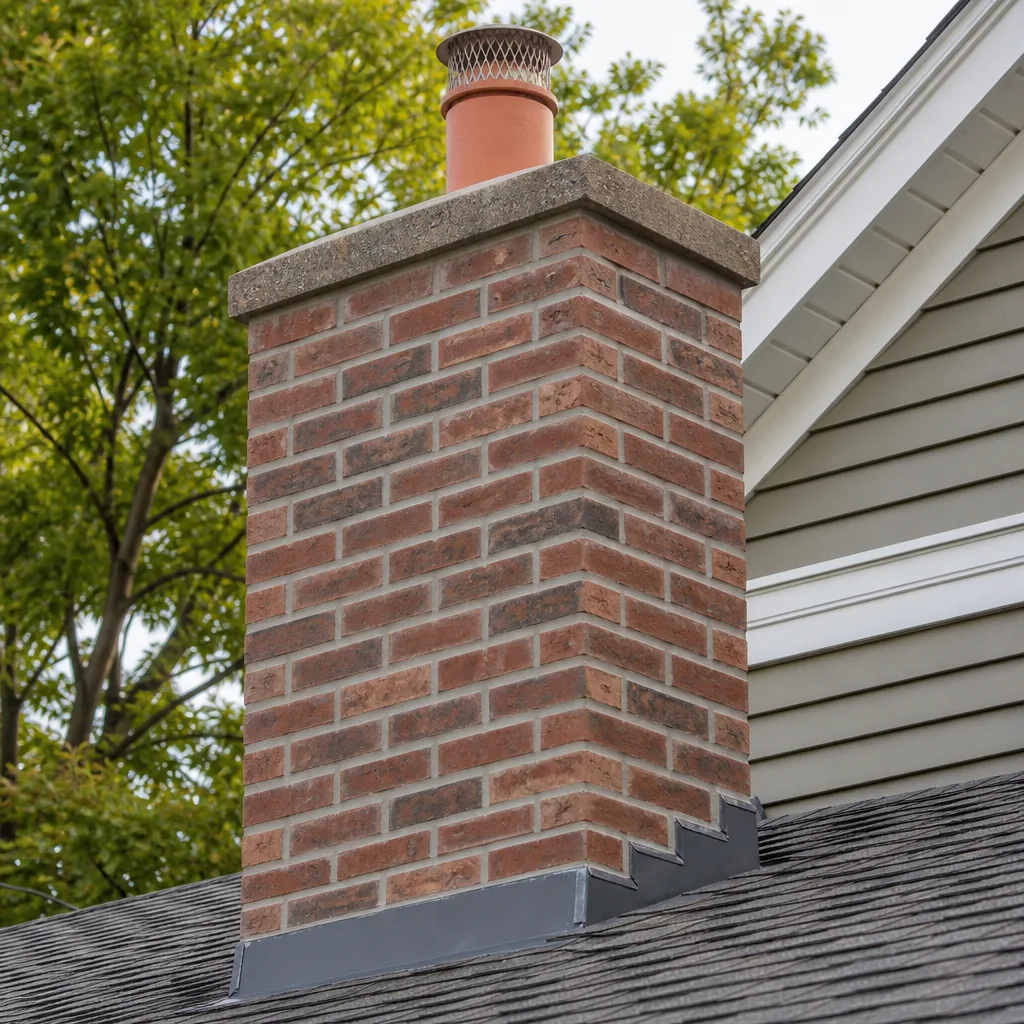
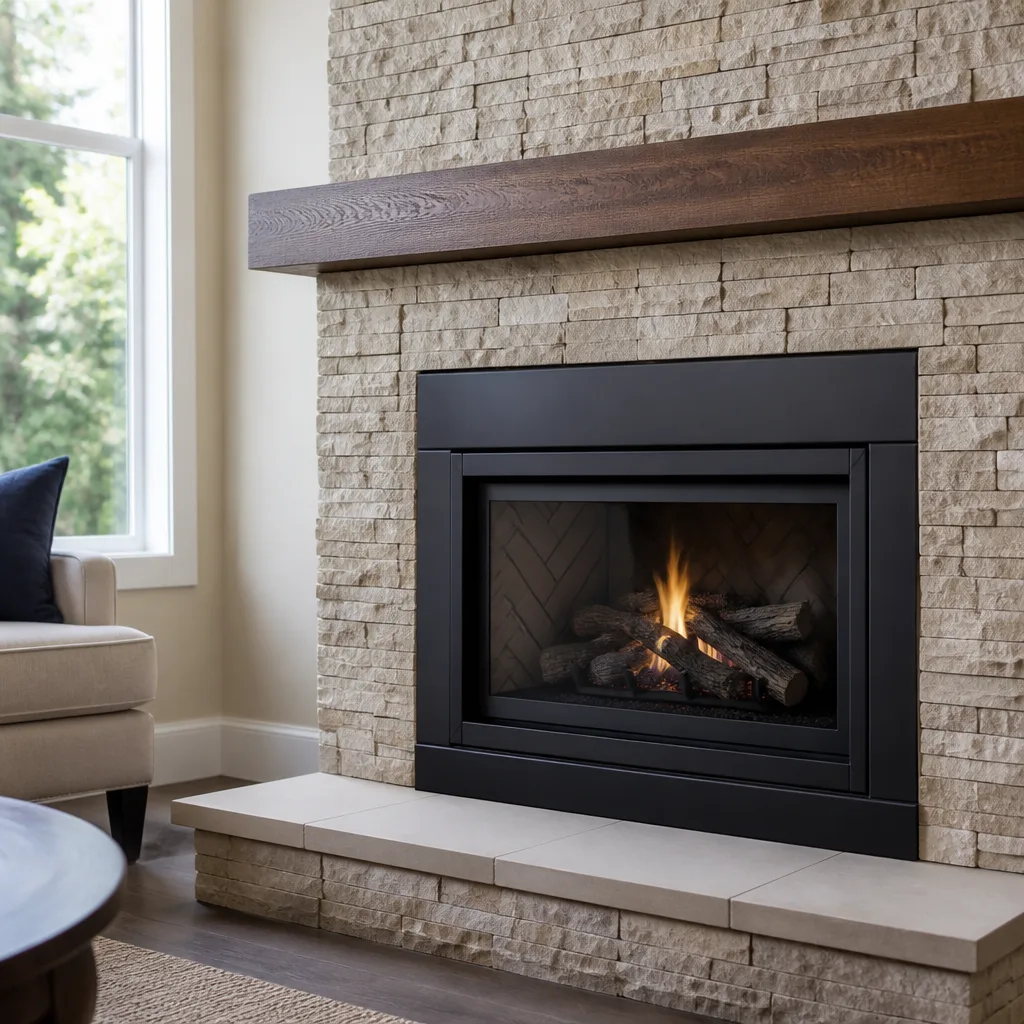
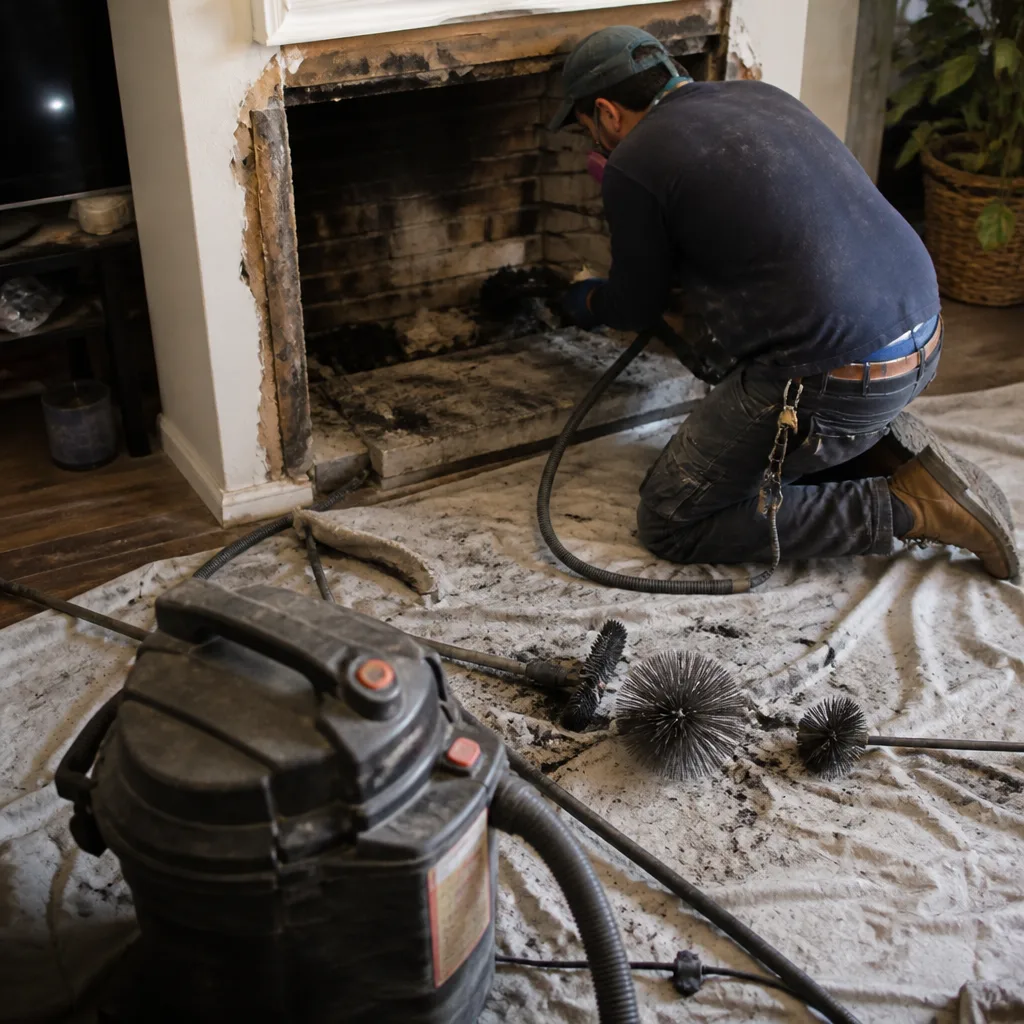 Before
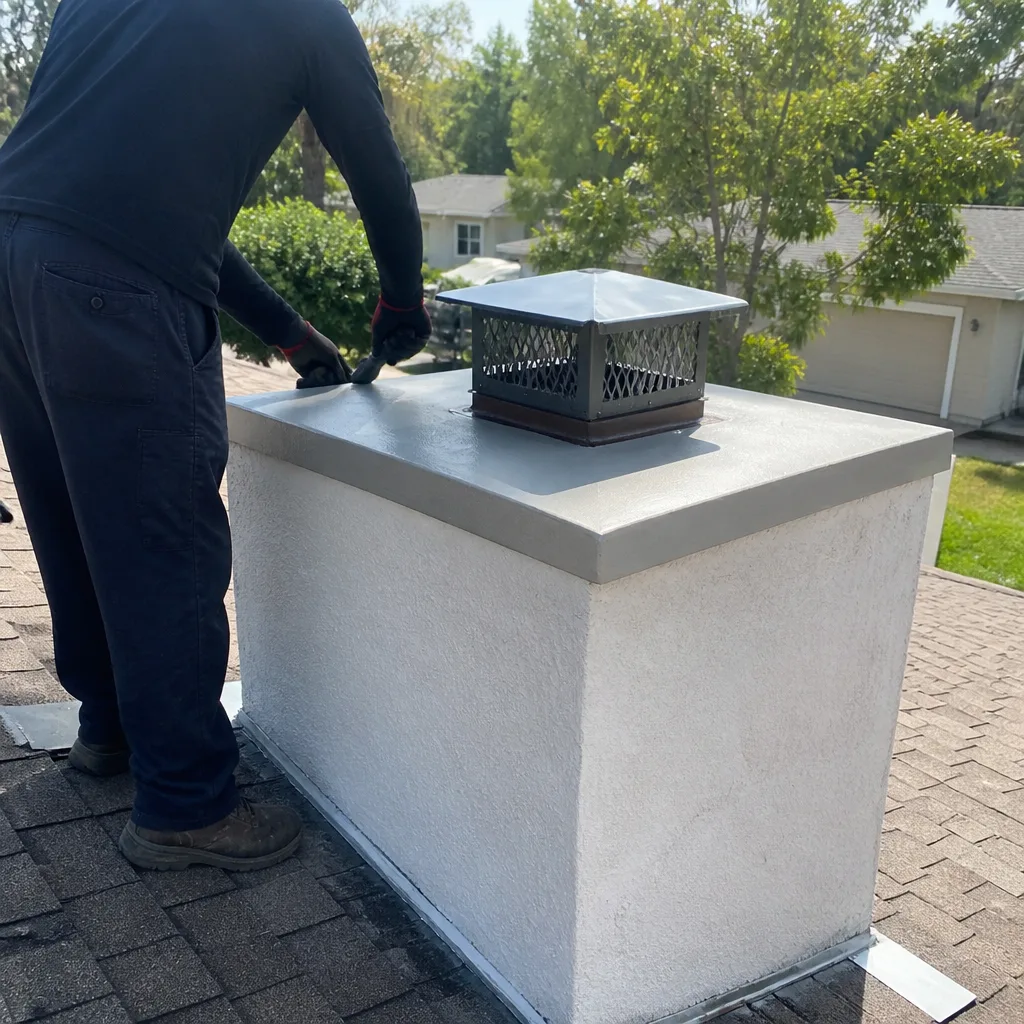 After
After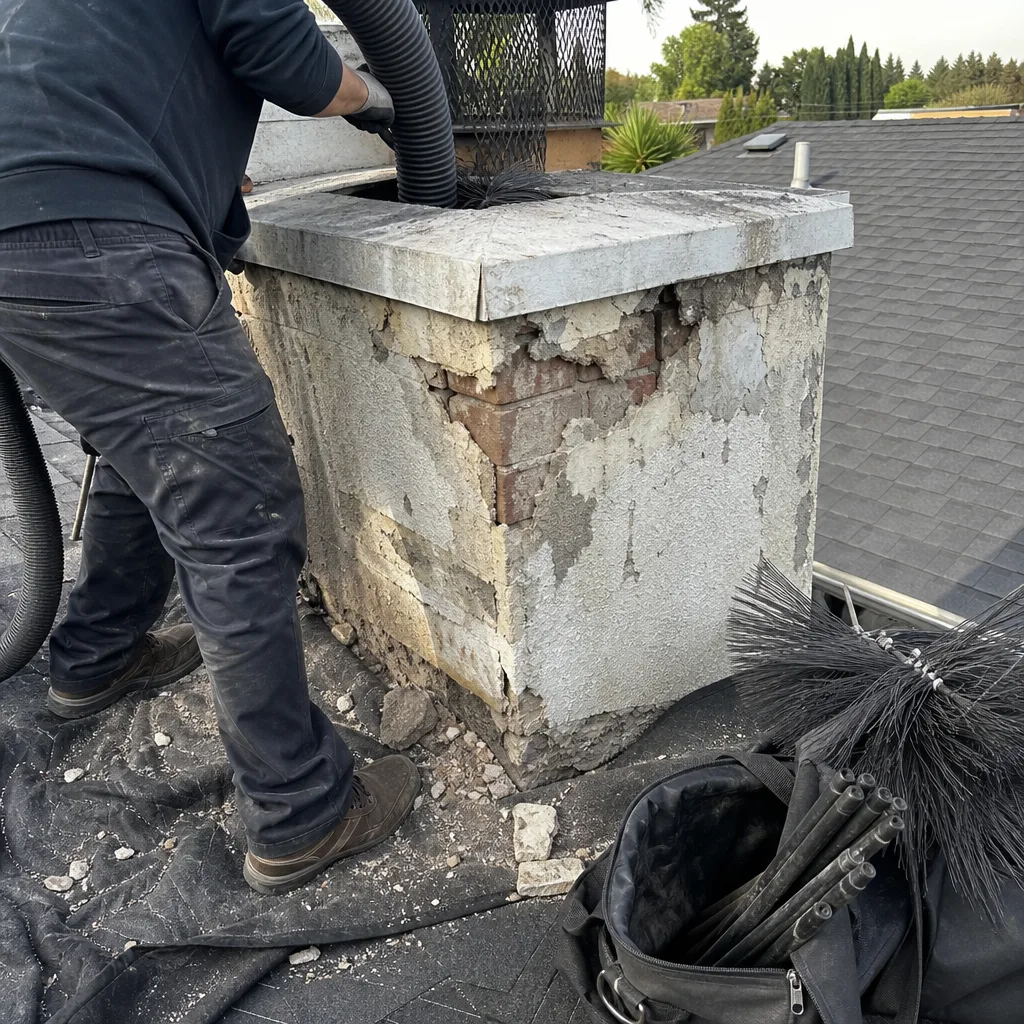 Before
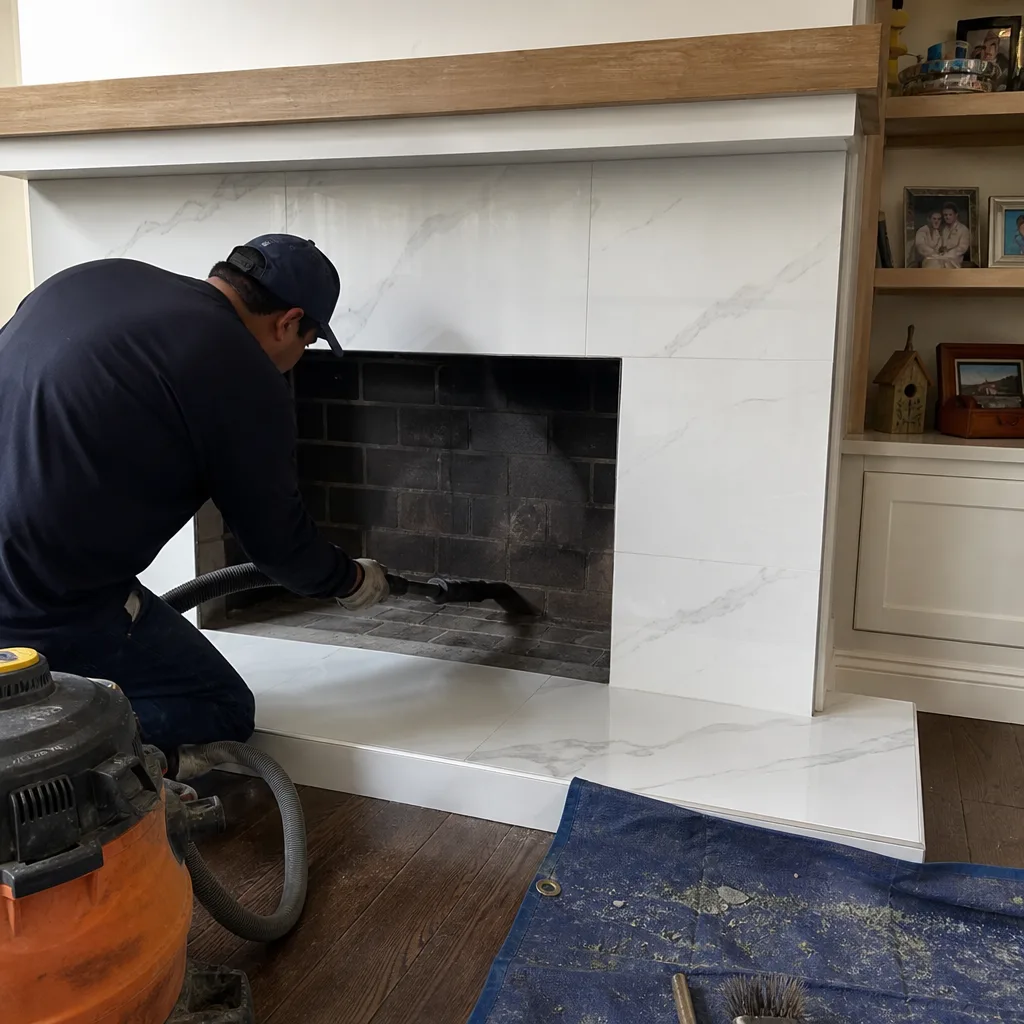 After
After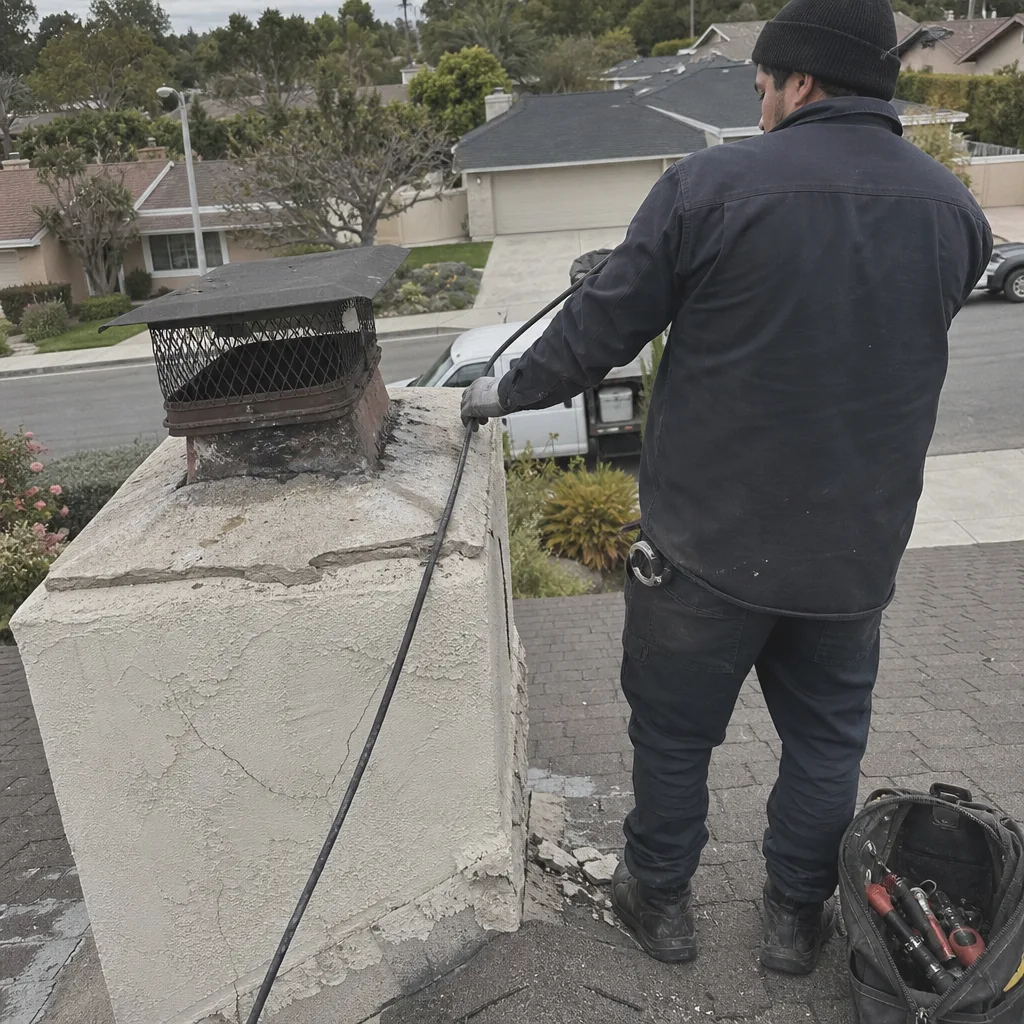 Before
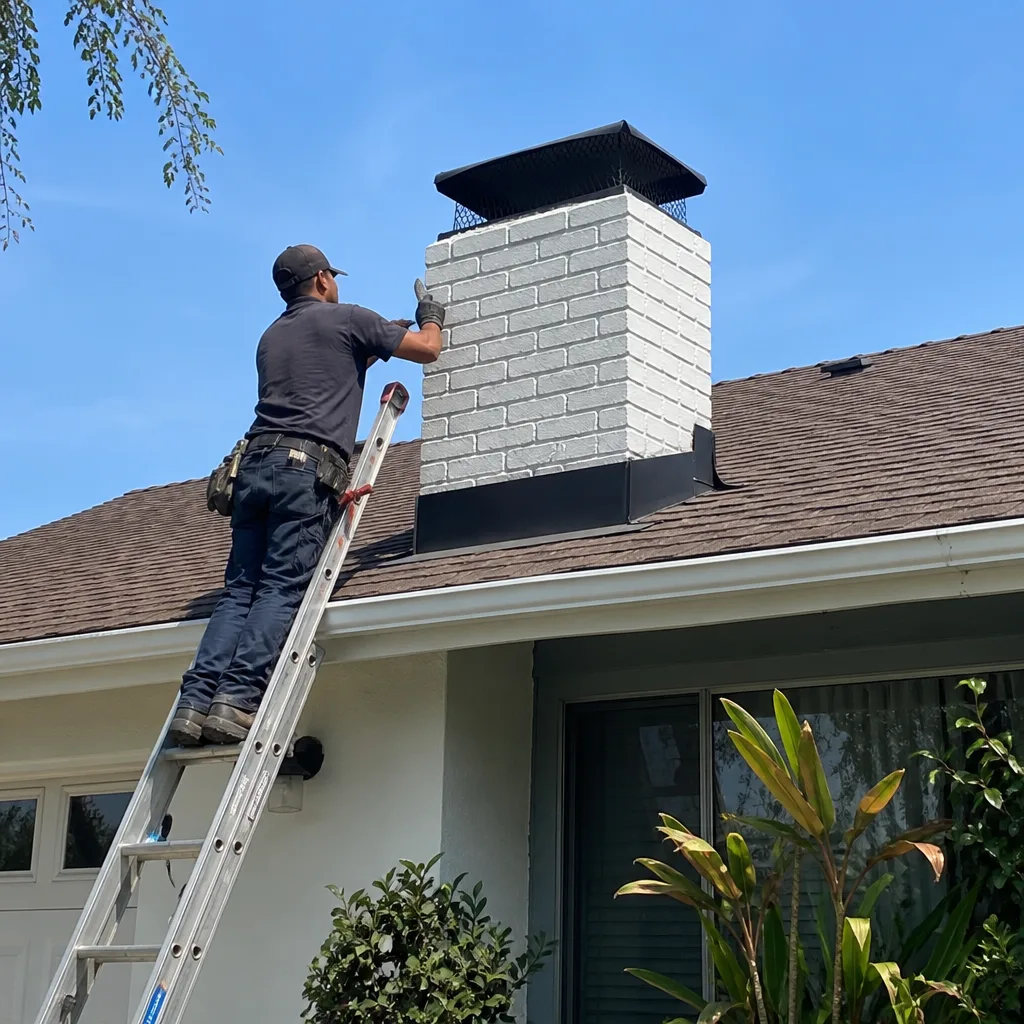 After
AfterDIY vs Professional Chimney Sweep: What’s Safe to Do Yourself
A $30 chimney brush and a YouTube tutorial will clean soot off the flue walls. They will not show you whether the tile liner cracked, whether the smoke chamber is eroding, or whether the damper seal is failing, and those are the conditions that cause house fires. In Los Angeles, where fireplaces run all winter and seismic settling puts constant stress on masonry, a homeowners’ visual inspection misses roughly 70 percent of what a camera scan catches. This guide draws a hard line between the tasks that are genuinely safe to do yourself and the ones where DIY creates undetected liability.
Quick Answer
Homeowners can safely remove ash from the firebox, check the damper by hand, and look at the chimney cap for visible rust or blockage. They cannot safely clean the flue, inspect the liner, repair the smoke chamber, or diagnose draft problems without training, equipment, and a documented process. A professional sweep costs $199 to $400 in Los Angeles, takes 45 to 90 minutes, and includes a written report a DIY job can never produce. For homeowners wondering about timing, see our guide on How Long Does Chimney Inspection Take? Timelines and What to Expect.
Table of Contents
- What’s Actually Safe to Do Yourself
- The Hard Line: What Requires a Professional
- DIY vs Professional: An Honest Cost Breakdown
- The Insurance Dimension in Los Angeles
- What a Written Post-Sweep Report Contains
- Los Angeles-Specific Factors That Change the Math
- Common Mistakes to Avoid
- When to Call a Professional
- Frequently Asked Questions
What’s Actually Safe to Do Yourself
There are three tasks a homeowner can perform without specialized training. Each one is safe because it happens at the firebox level or from a solid ladder with both feet planted, and none of it requires you to enter the flue or work at height without proper equipment.
1. Firebox Ash Removal
Wait at least 72 hours after your last fire. Use a metal ash shovel, not a plastic dustpan, and transfer ash to a metal container with a tight-fitting lid. Keep that container outdoors, away from the house, for at least a week before disposal. Los Angeles County asks residents to bag ash before placing it in the trash, and many neighborhoods from Sherman Oaks to Eagle Rock have local rules about ash disposal during Santa Ana wind events. Never vacuum ash with a standard household vacuum, the fine particles wreck the motor and blow straight back into the room.
2. Damper Check
Kneel in front of the firebox and look up past the damper plate. Operate the handle or chain and watch for full open and full close. You’re checking three things: the plate moves freely without scraping, the metal hasn’t warped enough to let light through when closed, and the hinges aren’t caked to the point of stiffness. A damper that won’t fully close adds $20 to $40 to your monthly heating bill in Los Angeles winters, because warm air rises straight up the flue.
3. Basic Cap Inspection from the Roofline
If you can safely reach your roofline with an extension ladder secured at the base, look at the chimney cap. You’re looking for visible rust-through, missing mesh sides, and large debris like palm fronds or bird nesting material blocking airflow. In Los Angeles, palm fronds and eucalyptus bark are the two most common cap blockers. If you see either, you can carefully remove the debris with a pole hook from the ladder, never by hand, and never by climbing onto the roof itself. Anything more than surface debris, call a chimney sweep in Los Angeles to take a closer look.
The Hard Line: What Requires a Professional
The line between DIY and professional work isn’t about skill. It’s about what you can see and document versus what requires camera equipment, calibrated tools, and a signed guarantee. Here’s what stays on the professional side of that line.
Flue Cleaning
Cleaning the flue means running a chimney brush up and down the entire liner, from the firebox to the cap. The brush must match the liner size and shape exactly. The wrong brush size scrapes off creosote unevenly or, worse, damages the clay tile. In our experience serving homes across Los Angeles, many fireplaces built before 1990 have shifted or cracked tiles from decades of minor seismic activity, and an aggressive brushing can finish the damage that an earthquake started. A brush you buy at a hardware store cannot tell you whether the tile you just scraped was already cracked.
Liner Inspection and Camera Scanning
This is the single biggest reason to pay for a professional inspection. A camera scan is the only way to document the condition of the interior liner, the smoke chamber, and the flue connection. Cracks, spalling, misaligned tiles, gaps in the mortar joint, all of these are invisible from the top and unreachable from the bottom. A professional camera inspection produces a video and photos with timestamps, which become the evidence you need for insurance claims and real estate disclosures. No amount of DIY effort produces that document.
Smoke Chamber Work
The smoke chamber is the awkward space above the firebox and below the flue, shaped like an inverted funnel, and it accumulates creosote at a rate that surprises most homeowners. Reaching it safely requires tools and experience. Brushing a smoke chamber by hand means working in a confined space with limited ventilation, and a proper job often includes applying a parge coat to smooth the chamber walls, which is skilled masonry work that uses products like HeatShield or a similar ceramic coating. This is not a weekend project.
Damper Replacement
Replacing a damper starts with knowing the make and model, which isn’t stamped on most units from the 1980s and earlier. Then it’s cutting or prying old hardware in a firebox, working around gas lines if you have a gas starter, and testing the seal. A damper that doesn’t seal correctly sends carbon monoxide into the room, and that’s a risk no homeowner should take on without gas-safe training.
Flue Relining
Flue relining, replacing the inner liner that channels smoke safely out of the house, is the most expensive repair in the chimney trade and the one most often oversold by unscrupulous operators. It involves either a poured-in-place material, a stainless steel liner like DuraFlex, or a heat-cured ceramic system. None of these are DIY products. They require professional measurement, installation, and a written guarantee because a failing liner is a fire and carbon monoxide risk.
DIY vs Professional: An Honest Cost Breakdown
Here’s the straight math for a homeowner in Los Angeles who is considering doing this themselves.
| Item | DIY Cost | Professional Cost (Los Angeles) |
|---|---|---|
| Chimney brush kit (basic) | $30 to $60 | Included in service |
| Extension ladder (if not owned) | $40 to $120 rental | Included in service |
| Drop cloths, plastic sheeting, tape | $15 to $30 | Included in service |
| Shop vacuum with HEPA filter | $80 to $200 if not owned | Included in service |
| Camera inspection | Not possible | $99 to $250 |
| Full chimney sweep | $165 to $410 total DIY | $199 to $400 total |
| Written report and guarantee | Not possible | Included |
The DIY path is not meaningfully cheaper once you assemble the right equipment, and it produces zero documentation. A professional sweep in Los Angeles typically runs $199 to $400 for a standard fireplace, and that price includes the brush work, the setup and cleanup, the camera inspection when ordered, and a written report. You’re not paying for labor so much as you’re paying for verified results and a document you can show your insurance company.
The Insurance Dimension in Los Angeles
Here’s the part most DIY guides skip entirely. Homeowner’s insurance policies in California commonly contain language about chimney maintenance. Many policies exclude fire damage claims if the homeowner cannot show documentation of professional chimney inspection or cleaning within a reasonable period before the fire. Reasonable period typically means the previous 12 to 24 months depending on the policy. A receipt from a hardware store for a brush does not meet that standard. A written report from a professional sweep with a date, a camera scan, and a service record does.
In Los Angeles, where wildfire risk already puts pressure on property insurance, a documented chimney inspection can also help when you’re renewing a policy or buying a home. Sellers in neighborhoods like Studio City, Pasadena, and Glendale are increasingly asked to produce chimney inspection reports as part of the disclosure pack, and a DIY cleaning with no paperwork weakens your position. We’ve seen real estate deals stall over a missing chimney inspection report, because the buyer’s insurer asked for it and the seller had nothing to show.
What a Written Post-Sweep Report Contains
A professional sweep produces a document that a DIY job cannot replicate. Here’s what it contains, and why each item matters.
- Date of service and full address. This is the legal timestamp for insurance and disclosure purposes.
- Technician name and company. A named individual who takes responsibility for the work.
- Condition of the flue liner. Documented with camera images, graded by level of wear or damage.
- Creosote level found. Recorded as Stage 1, 2, or 3, the standard trade rating for buildup.
- Damper operational status. Noted as functional, stiff, or in need of replacement.
- Smoke chamber condition. The area most homeowners never see, documented with notes and images.
- Cap and crown condition. Rust, dents, missing mesh, or cracking noted in writing.
- Recommendations with pricing. What needs work now, what can wait, and what each item costs.
This report is also the document you’ll want when you sell the house. A Los Angeles real estate transaction moves fast, and having a professional chimney inspection already on file shortens the escrow process. At Flint Chimney Sweep, we put every report in writing and hand it to you before we leave, because the document is half the value of the visit. Learn about our Chimney Sweep services and what each visit includes. Our commitment is the same one every Garrison Partners location follows under The Garrison Standard: written pricing before work starts, a written report when work is done, and a written guarantee on every repair.
Los Angeles-Specific Factors That Change the Math
Los Angeles is not a generic chimney market. Three local factors shift the DIY-versus-professional calculation more than most guides acknowledge.
Seismic Settling
Southern California experiences constant small seismic activity, and masonry chimneys absorb that stress unevenly. Hairline cracks in tile liners are extremely common in Los Angeles homes built before the 1994 Northridge earthquake retrofit standards. These cracks are not visible from the exterior and often don’t show up in a visual check from the top. A camera scan catches them. A brush does not.
Santa Ana Wind Debris
Santa Ana wind events push palm fronds, eucalyptus bark, and fine ash into chimney caps and flues at a rate unusual in other markets. A cap that showed clear in June can be half-blocked by October. This is one reason we recommend a professional chimney inspection in Los Angeles annually, ideally before the first burn of the season, because what the wind deposited is not something a homeowner can assess from the ground.
Seasonal Use Patterns
Los Angeles fireplaces run hard from November through February, then sit dormant through the hot summer. That cycle means creosote accumulates in the smoke chamber and upper flue, then hardens and becomes more difficult to remove. A fireplace that cools and reheats seasonally builds a different creosote profile than one burned daily in a cold climate. Professional equipment with the right brush stiffness removes hardened creosote safely. A homeowner with a basic brush often leaves the hardest deposits untouched.
Common Mistakes to Avoid
- Brushing a cracked liner. Running a brush through a flue with already-damaged tiles makes the damage worse, and you won’t know it happened until a camera inspection finds the new fragments months later.
- Using a standard vacuum for ash. Household vacuums without HEPA filters blow fine particulate back into the room and destroy the motor. Ash requires a dedicated ash vacuum or professional equipment.
- Climbing onto the roof without a harness. Los Angeles roofs are pitched, and many are clay tile that breaks under foot pressure. The fall risk is not worth saving $300.
- Skipping the damper test. A damper that doesn’t close is a year-round energy leak, and it’s the simplest check on this list. Five minutes with a flashlight saves real money on utilities.
- Assuming a clean firebox means a clean flue. The firebox is where wood burns. The flue is where smoke condenses. They accumulate creosote at completely different rates, and the flue is always worse.
- Waiting until smoke backs up. By the time smoke rolls into the room, you have a significant obstruction or draft failure. Annual inspection catches it earlier and cheaper.
- Buying the wrong brush size. A brush too large or too small scrapes unevenly or gets stuck in the flue. A lodged brush is a service call you did not budget for.
When to Call a Professional
Call a professional when you see any of these: smoke entering the room during normal use, a strong campfire smell when the fireplace is cold, visible cracks in the firebox brick, rust or water stains on the ceiling near the chimney, or animals nesting sounds in the flue. Any one of these is a signal that a DIY clean won’t solve the underlying problem. Flint Chimney Sweep offers free estimates in Los Angeles, call (830) 251-4560 to schedule a sweep or inspection. Every quote is in writing before work begins, and every repair carries a written one-year guarantee.
We also recommend calling before you buy a home in Los Angeles, even if the seller provided a report. An independent chimney repair in Los Angeles assessment protects you from inheriting a documented problem that the seller’s report glossed over.
Frequently Asked Questions
A standard chimney sweep in Los Angeles runs $199 to $400 for a single fireplace, depending on creosote level, liner condition, and access. A camera inspection adds $99 to $250. At Flint Chimney Sweep you get a written price before work starts, so there are no surprises on the invoice. Call (830) 251-4560 for an exact quote, estimates are free.
The National Fire Protection Association standard is annual inspection, with sweeping performed when creosote buildup reaches 1/8 inch or more. In Los Angeles, we recommend a professional sweep once per year before the burn season, because Santa Ana debris and seasonal fire cycles create buildup patterns that differ from cold-climate homes.
You can run a brush through a flue, but you cannot see whether you cleaned it completely or damaged the liner in the process. The brush removes loose soot, not the hardened creosote that causes chimney fires, and it produces no documentation for insurance purposes.
Creosote accumulates in layers, and once it reaches Stage 3, it is highly flammable. A chimney fire burns hot enough to crack tile liners and mortar joints, and those cracks then allow heat and gases into the wall cavity during your next fire. The fire you skip today becomes the $8,000 liner replacement you need next year. Call (830) 251-4560 and get an inspection before you burn again.
A visual check from the top and bottom misses most liner damage, and that’s the damage that causes house fires. In Los Angeles, where seismic activity cracks tile liners over time, a camera scan is the only reliable way to document the flue condition. It’s also the only way to produce the evidence an insurance company will ask for after a fire.
A standard visit includes flue brushing with a size-matched brush, smoke chamber cleaning, firebox ash removal, damper operation check, cap inspection, and a written report of findings. Setup and cleanup are included. At Flint Chimney Sweep, the visit also includes a written price before we start and a written one-year guarantee on any repair we recommend and perform.
The Bottom Line
The DIY chimney sweep question isn’t really about skill. It’s about what you can see and document. You can safely remove ash, check a damper, and spot visible cap damage from a ladder. You cannot clean the flue, inspect the liner, or repair the smoke chamber without equipment, training, and a written report. In Los Angeles, seismic settling and Santa Ana debris make professional inspection more important than in most markets, and insurance policies increasingly demand documentation that only a professional visit produces. The cost difference between a hardware store brush kit and a professional sweep is $50 to $100 at most, and the professional visit includes a guarantee, a report, and evidence you can use when it matters. That’s the honest math.
Written by Hank Delano, Owner at Flint Chimney Sweep, serving Los Angeles since 2002.