
Last updated October 9, 2026
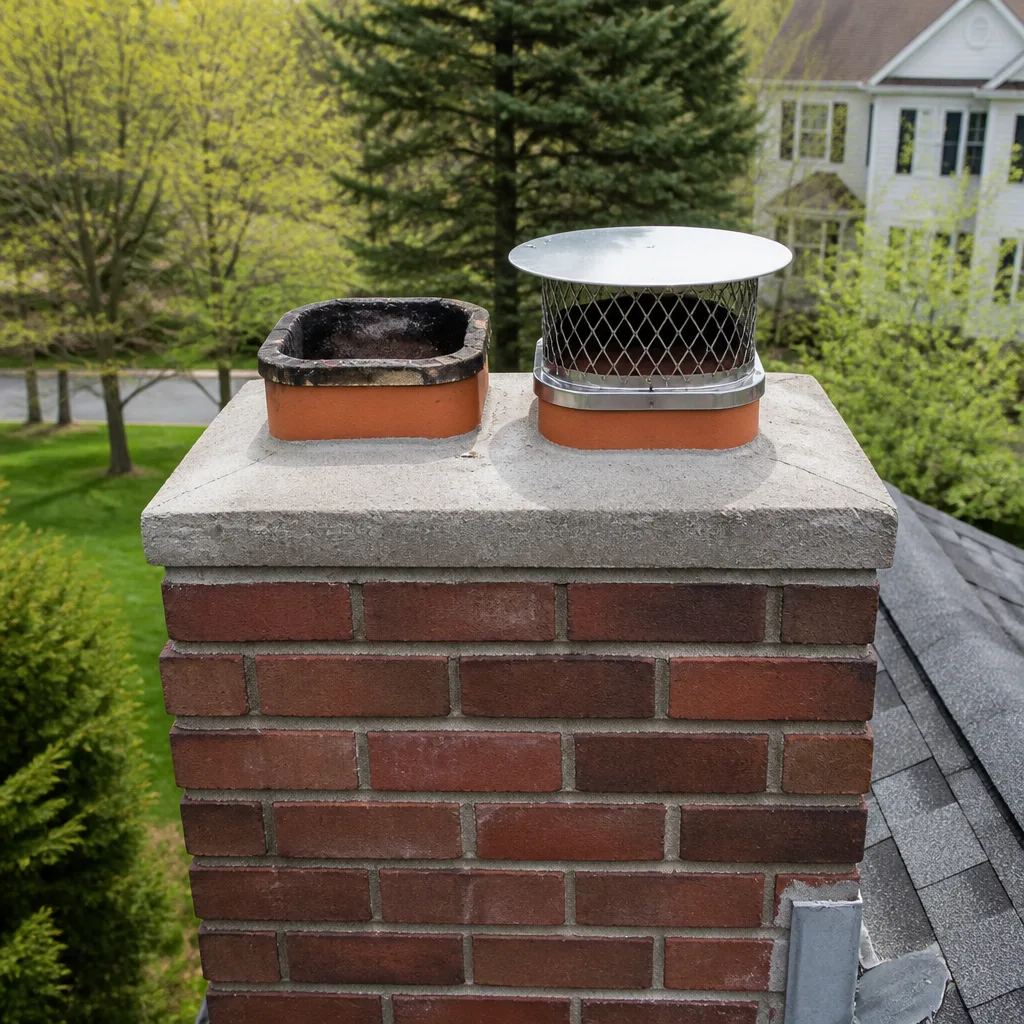
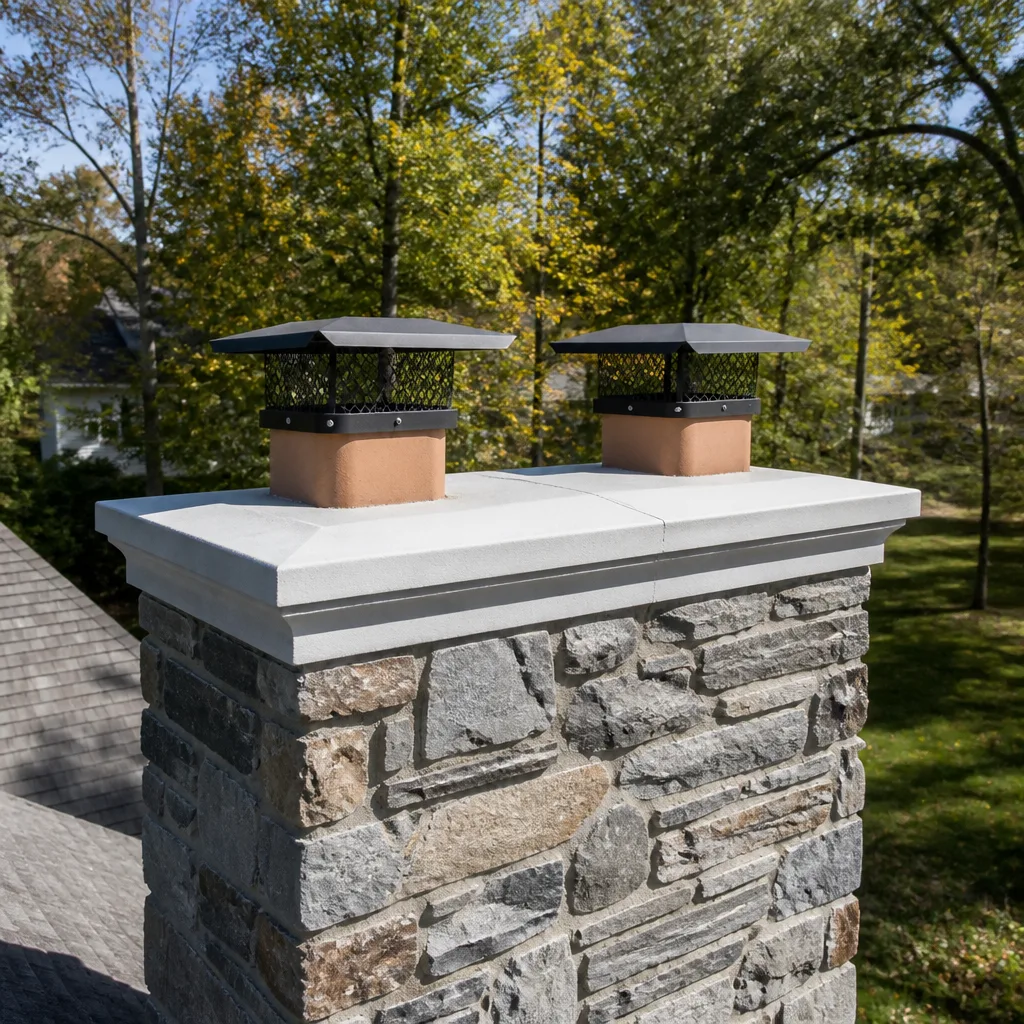
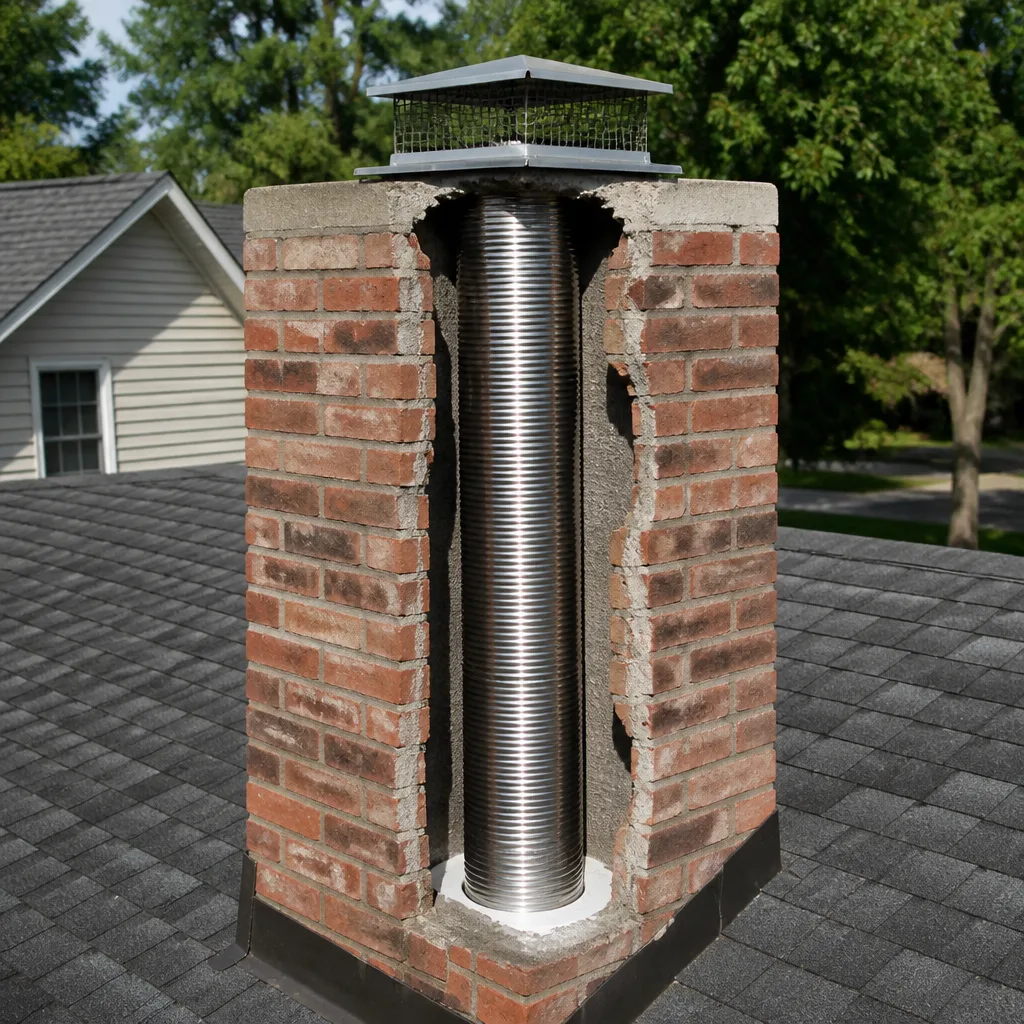
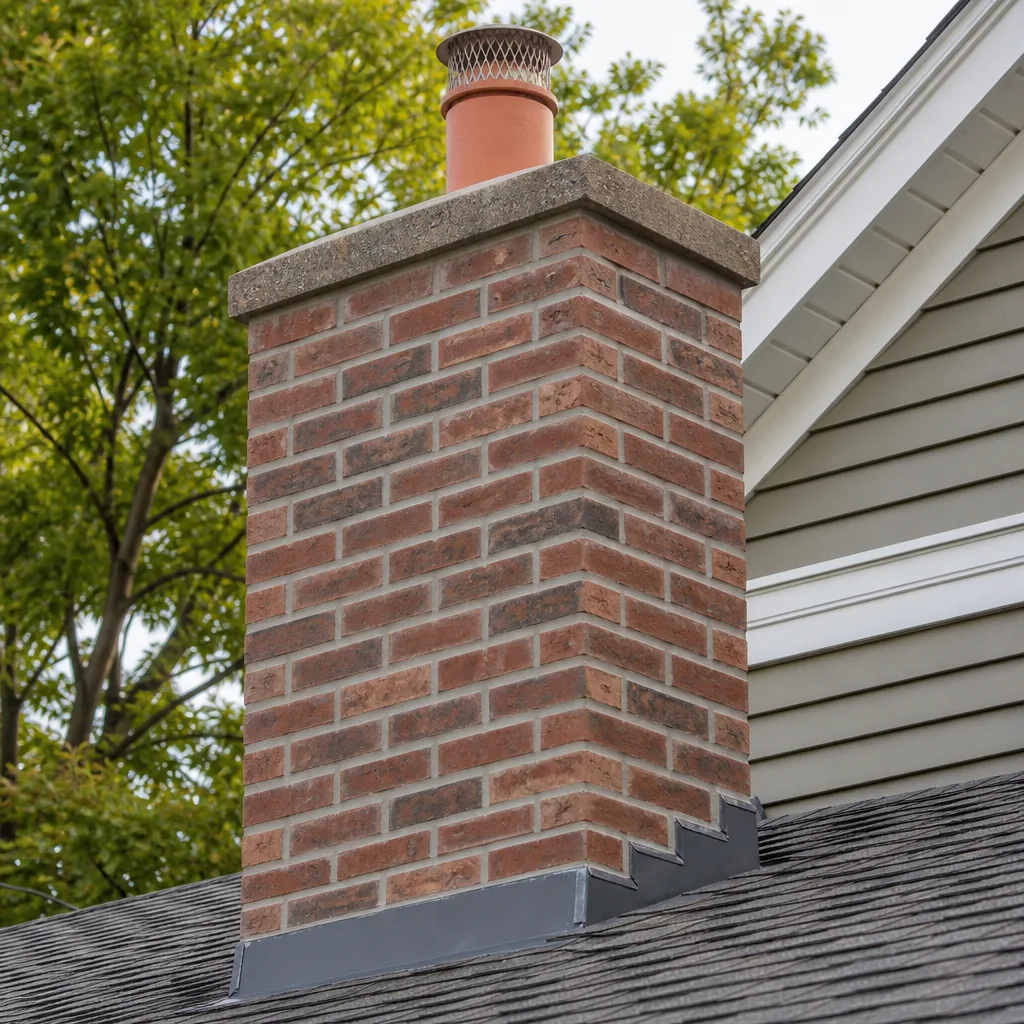
Level 1 sweep and inspection to the NFPA 211 annual standard - flue, crown, cap, and flashing checked and photographed
Chimney sweep logs do not sweep chimneys. They loosen some creosote - which then falls where a brush and vacuum still have to collect it.
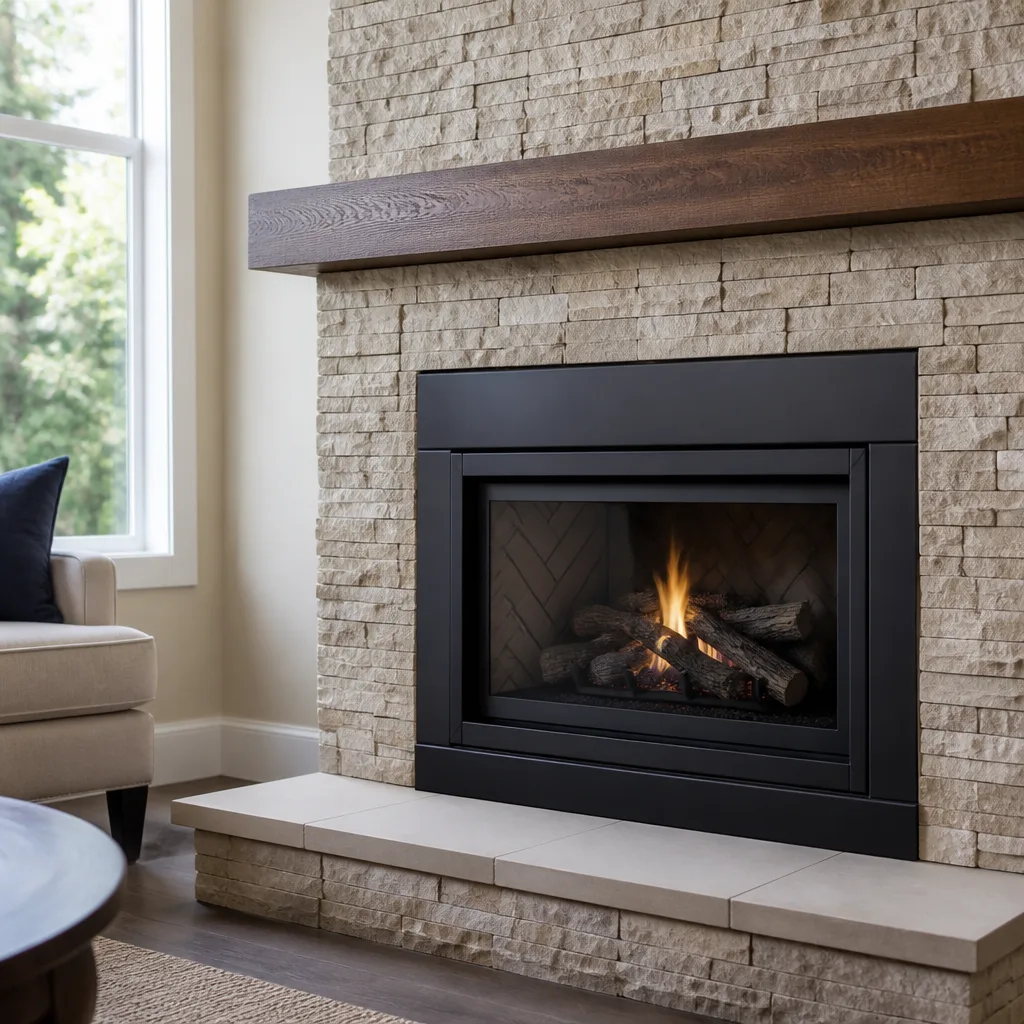
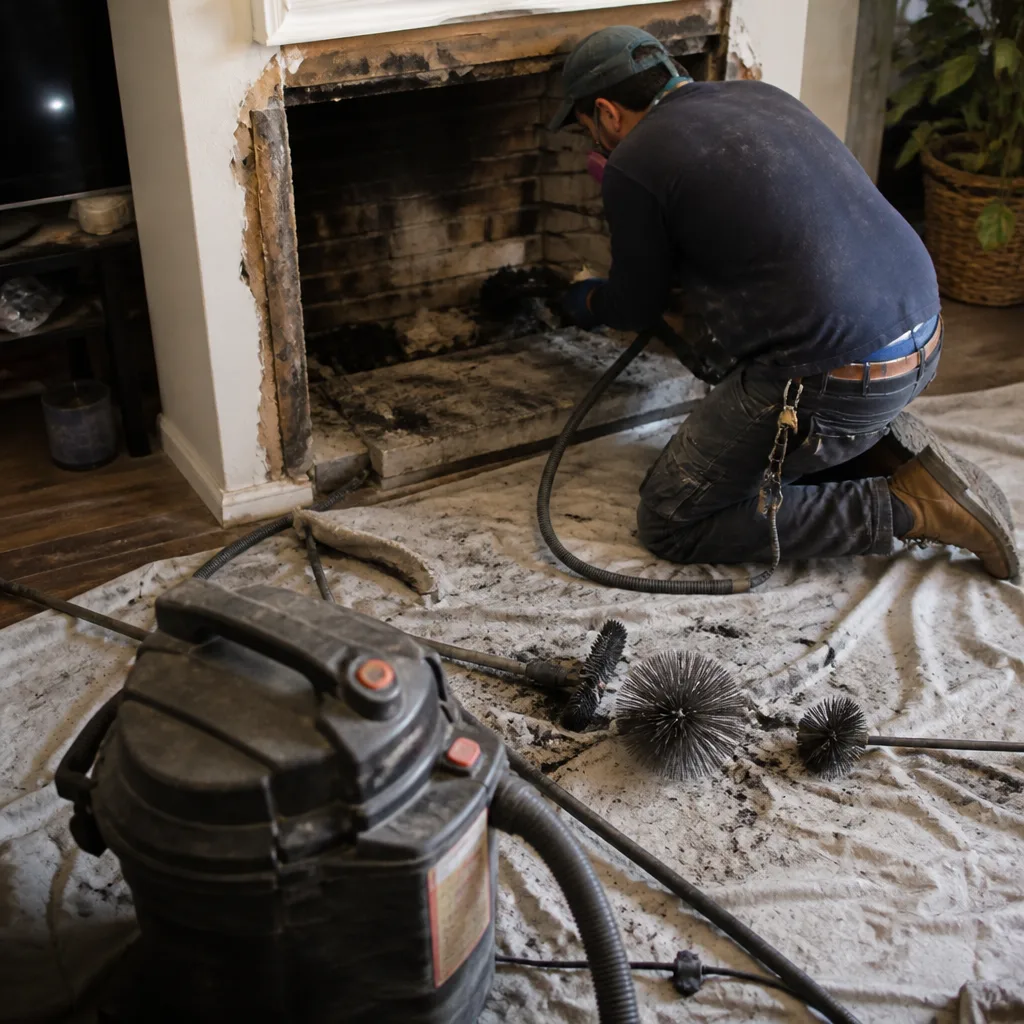 Before
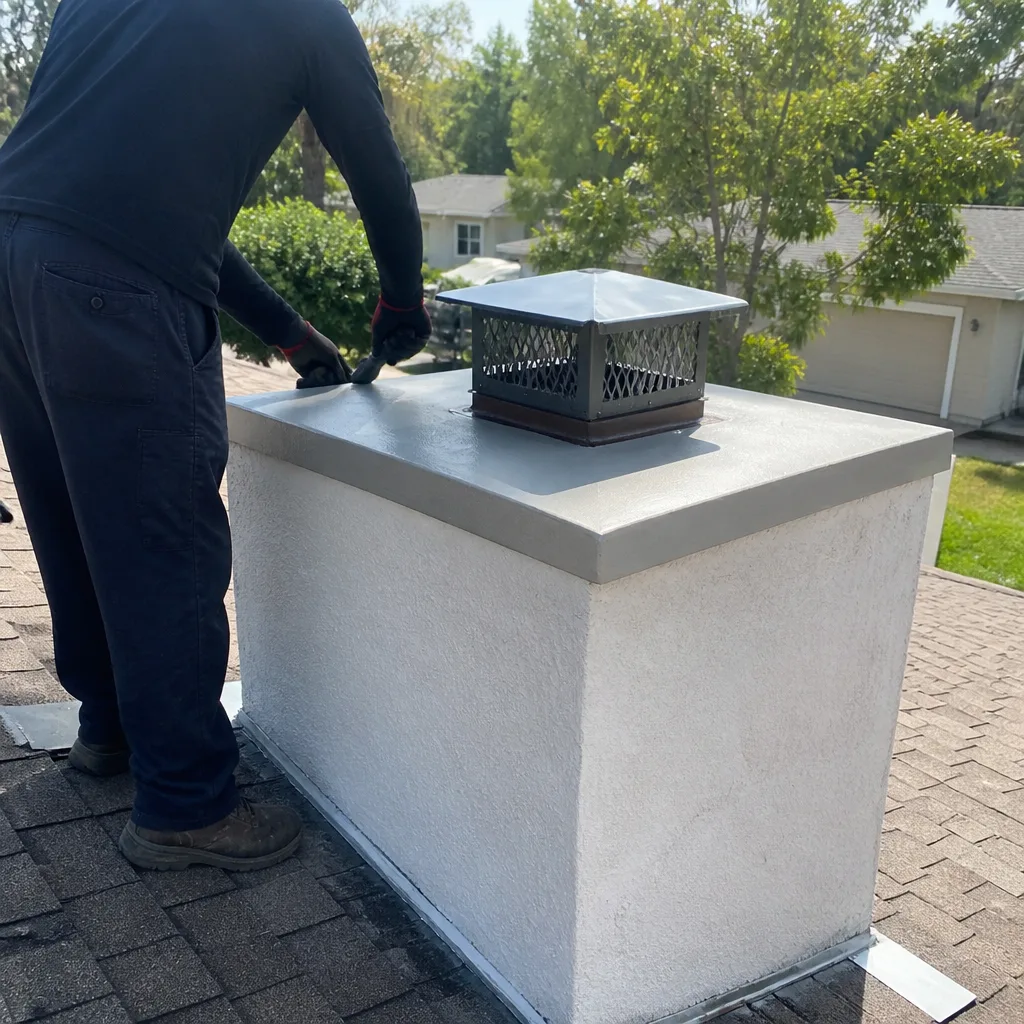 After
After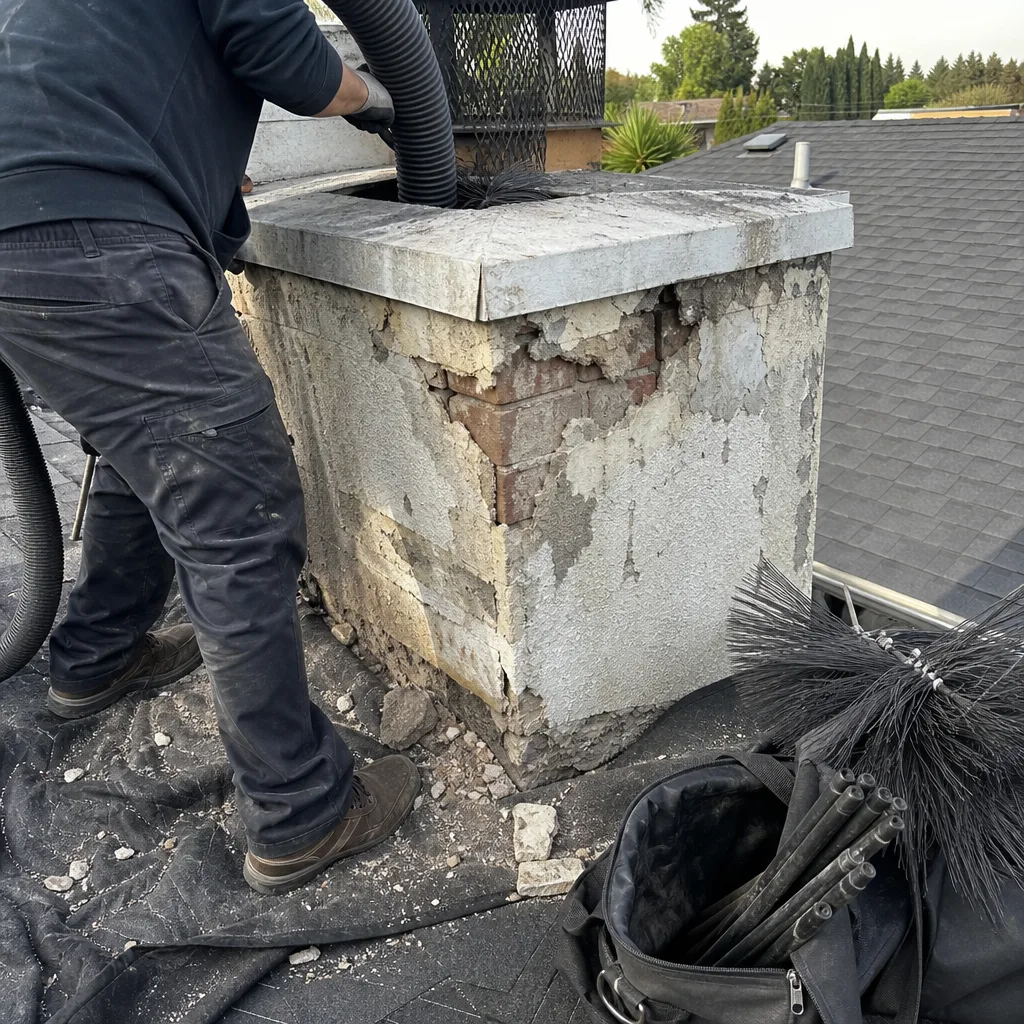 Before
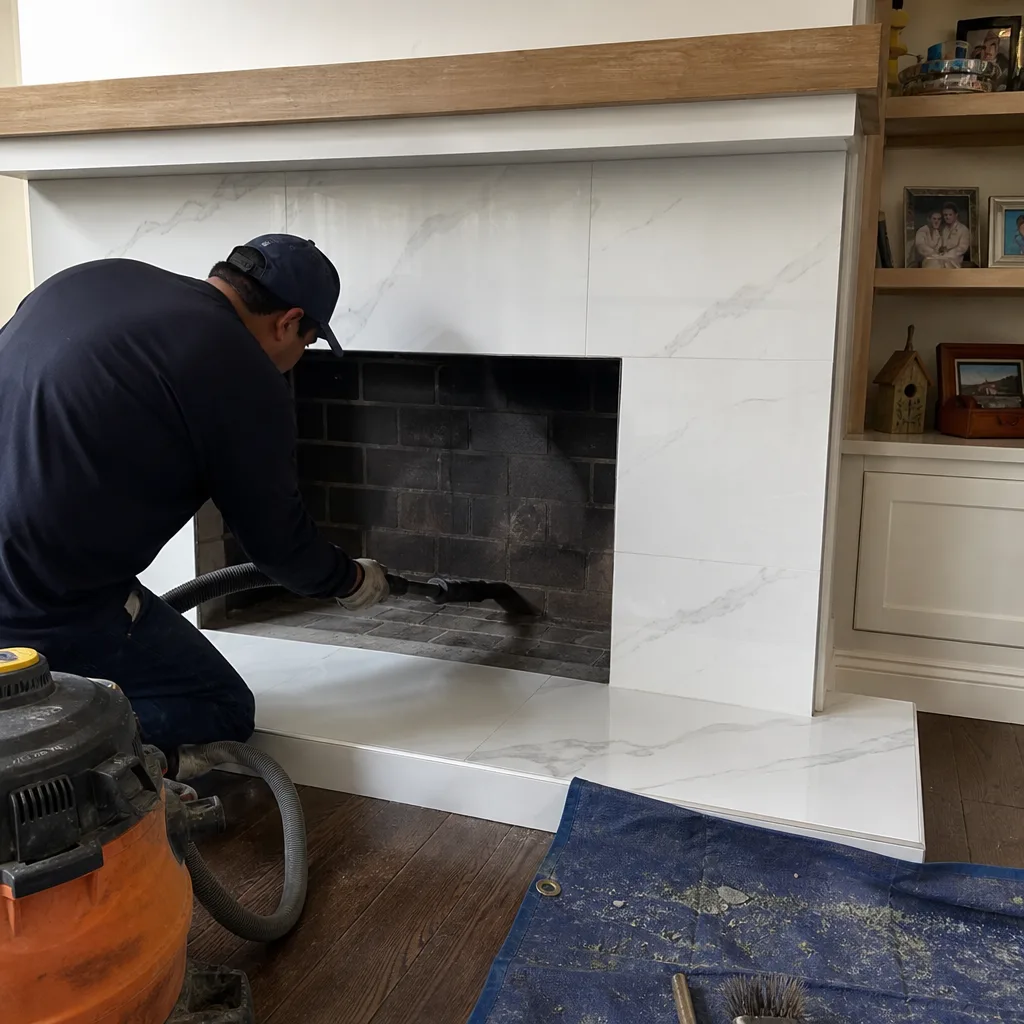 After
After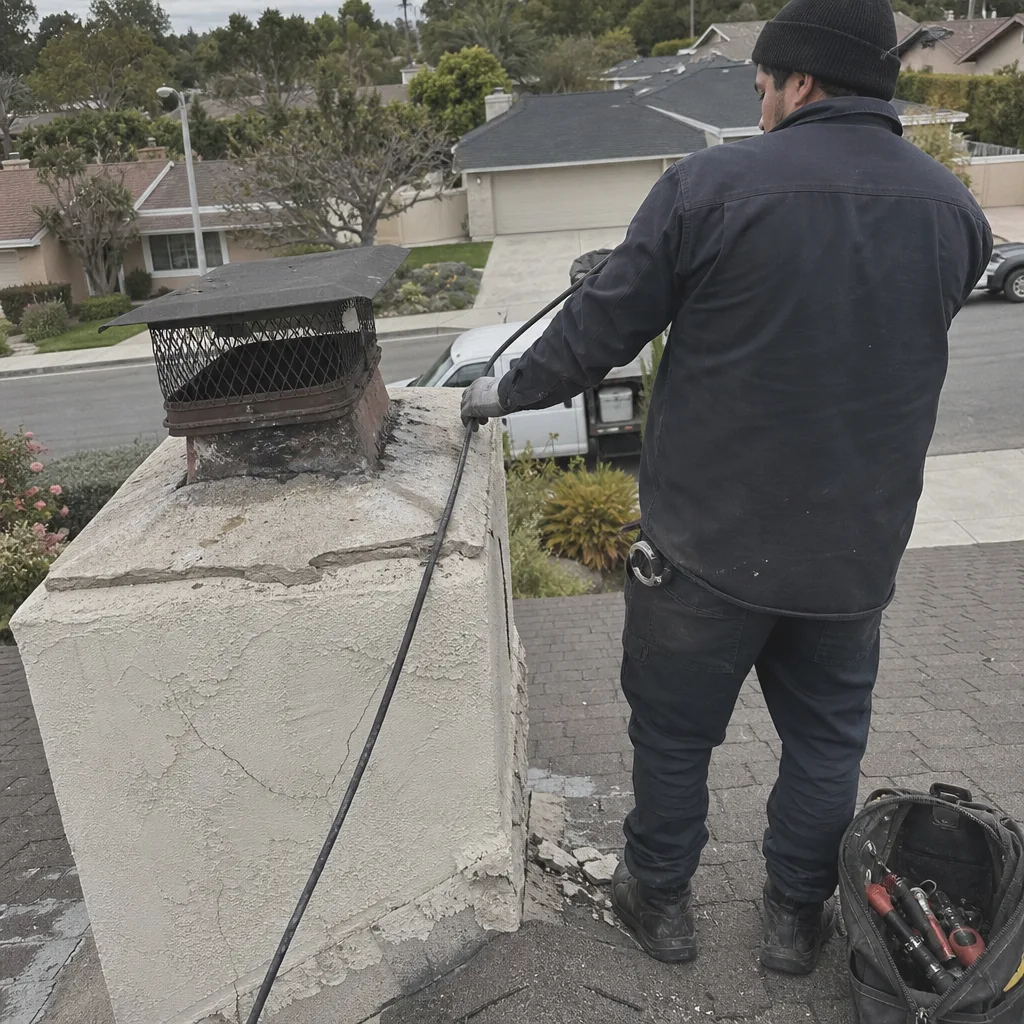 Before
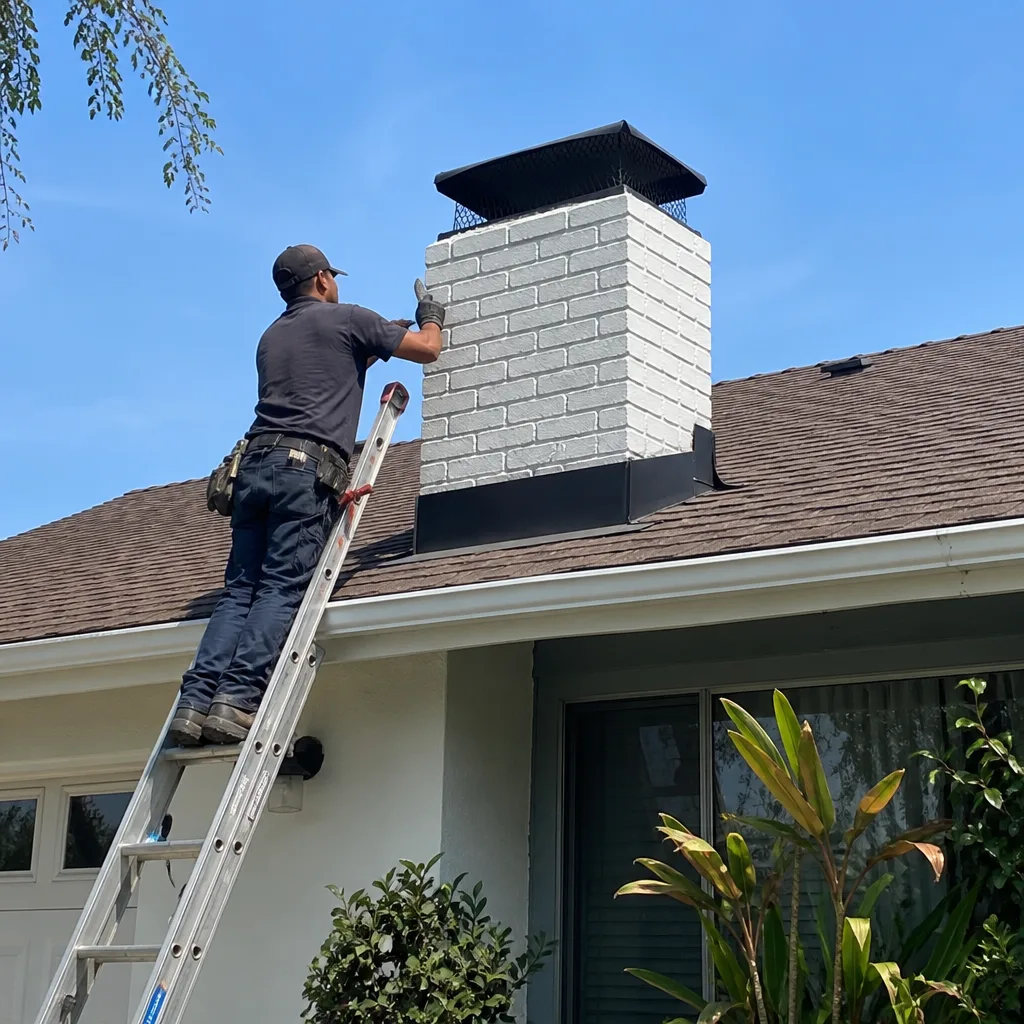 After
AfterChimney Inspection Maintenance Schedule: What to Do and When
Having your chimney swept does not mean it was inspected. A sweep removes deposits. An inspection documents the structural and liner condition. One is maintenance; the other is assessment, and they require different intervals. Los Angeles homeowners conflate the two constantly, which is why some pay for annual inspections they don’t need while others skip inspections entirely because they figure last fall’s cleaning covered it. This guide separates the two schedules, explains the logic behind each, and gives you a planning calendar you can actually use. For related reading, see our Chimney Inspection Warning Signs Every Homeowner Should Know. You’ll learn the NFPA standard, the California reality, what triggers an out-of-cycle inspection, and how to keep records that protect you when it’s time to sell.
Quick Answer
Chimney inspections should happen once a year under NFPA 211, the national fire safety standard, but the level of inspection varies: a Level 1 inspection during your annual sweep is sufficient for a chimney that hasn’t changed and hasn’t been through an earthquake or chimney fire. A Level 2 inspection is required when you buy or sell a home, change the appliance type, reline the flue, or experience a seismic event, chimney fire, or weather damage. In Los Angeles, where most homes burn wood only October through March and earthquakes are a real structural factor, every burning season should start with a Level 1 inspection, and any quake over about 4.5 magnitude within 30 miles should prompt a Level 2.
Table of Contents
- The Difference Between a Sweep and an Inspection
- How Often Should a Chimney Be Inspected?
- Level 1, Level 2, Level 3: What Each Inspection Actually Covers
- Events That Trigger an Out-of-Cycle Inspection
- A 5-Year Inspection Planning Calendar for Los Angeles Homes
- How to Track Inspection History in a Home Document
- Inspection by the Sweep Company vs. Independent Inspector: When Each Makes Sense
- Common Mistakes to Avoid
- When to Call a Professional
- Frequently Asked Questions
- The Bottom Line
The Difference Between a Sweep and an Inspection
A chimney sweep is the physical removal of creosote, soot, and debris from the flue. A chimney inspection is a documented evaluation of the chimney’s structure, liner, clearances, and connections. Think of it this way: you can have your car washed every week, but that doesn’t tell you whether the timing belt is about to fail. The wash removes grime; the mechanic’s check finds problems. In Los Angeles, where most fireplaces go dormant from April through September, the distinction matters even more. A sweep right before burning season clears out anything that accumulated over the summer, including bird nests, leaves, and spider webs in the smoke chamber. But only an inspection catches a cracked flue tile, a deteriorating mortar joint, or a rusted damper that would turn that first fire into a house fire. If you’re unsure whether yours is due, our Chimney Inspection services can help assess your system.
Chimney sweeps and inspections are often performed during the same visit. A Level 1 inspection is included with a professional sweep per industry practice, since the technician is already at the opening and viewing the accessible areas. But that inclusion is exactly why homeowners assume they’re covered. A Level 1 looks at the readily accessible portions of the chimney. It does not include video scanning of the flue interior. If you want documented liner condition, you need a Level 2, and that’s a separate scope, usually a separate line item. We explain that clearly at Flint Chimney Sweep home because the confusion about what was actually checked is the single biggest source of homeowner distrust in our industry.
How Often Should a Chimney Be Inspected?
The NFPA 211 standard says chimneys, fireplaces, and vents should be inspected at least once a year. That’s the national baseline. But frequency and depth aren’t the same thing, and this is where most online content falls apart. The question is not just how often but what level. A home that burns four cords of oak every winter in the San Fernando Valley needs a different approach than a Sherman Oaks condo where the fireplace is lit twice a year for ambiance.
Here’s the practical Los Angeles schedule we recommend to our own customers:
- Annual Level 1: Every home, every year, before the first fire of the season. This is the baseline. It catches visible damage, blockages, animal intrusion, and creosote buildup in accessible areas.
- Level 2 at property transfer: Buying or selling? The Level 2 inspection with video scan is the standard for real estate transactions. Most Los Angeles home inspectors don’t do this; they flag it for a specialist.
- Level 2 after structural events: Earthquake, chimney fire, major weather event, or any impact to the chimney. Los Angeles sits on active fault lines, and a chimney is usually the first thing to crack.
- Level 2 after appliance changes: Switching from wood to gas, installing a new insert, or relining the flue. The new appliance has different draft and clearance requirements.
- Level 2 after extended non-use: If the fireplace hasn’t been used in two years or more, treat the first return fire as a new installation. Critters, water damage, and hidden deterioration get a vote.
For a deeper look at what an inspection in Los Angeles actually involves, see our Chimney Inspection in Los Angeles page.
Level 1, Level 2, Level 3: What Each Inspection Actually Covers
The inspection levels come from NFPA 211, and they exist for a reason. Understanding them is the difference between paying for what you need and paying for what someone wants to sell you.
Level 1 Inspection
A Level 1 inspection covers the readily accessible areas of the chimney – the portions you can reach without opening walls or using specialized tools. The technician checks the firebox, damper, smoke chamber, flue opening, and exterior chimney above the roof line. It confirms that the chimney is clear of obstructions and combustible deposits, and that the installation matches its intended use. A Level 1 is what should happen with every annual sweep. It’s appropriate when the chimney is being used exactly as it has been, with no changes and no known events. Cost in Los Angeles typically falls between $85 and $175 as part of a sweep-and-inspect package, or $150 to $250 standalone.
Level 2 Inspection
A Level 2 inspection includes everything in a Level 1, plus a video scan of the flue interior and access to attic, crawl space, and basement areas where accessible. This is the inspection level that documents liner condition – cracked clay tiles, gaps between tile sections, creosote glaze, water intrusion stains, and premature mortar deterioration. It’s required when a property is sold or transferred, when the appliance type changes, when the flue is relined, or after a structural event like an earthquake or chimney fire. In Los Angeles, a Level 2 inspection typically runs $250 to $450, depending on chimney height and access difficulty. The camera tells the truth. If a liner is compromised, you’ll see it on screen with your own eyes, and that record belongs to you. For help interpreting findings, check our Chimney Inspection Troubleshooting: Common Problems and How to Fix Them.
Level 3 Inspection
A Level 3 inspection is invasive. Parts of the chimney, wall, or crown are opened up to access concealed areas. It’s required only when a Level 2 finds evidence of hidden damage that can’t be assessed any other way – sometimes after a chimney fire, a major seismic event, or a significant structural failure. Level 3 inspections are rare in Los Angeles, but when they happen, the scope and price must be documented in writing before any work begins. Most homeowners will never need one. The presence of a Level 3 in the code is mostly a reminder that chimney damage can hide behind the wall line.
Events That Trigger an Out-of-Cycle Inspection
Most Los Angeles homeowners are fine with one inspection per year. But certain events make an out-of-cycle inspection non-negotiable, regardless of when the last one happened. These aren’t suggestions; they’re the conditions that insurance adjusters and structural engineers look for after the fact.
- Earthquakes: Any quake over approximately 4.5 magnitude within 30 miles of your home can crack a chimney, often invisibly from the ground. Chimneys are rigid masonry structures attached to flexible wood-framed houses. They’re the first thing to fail. After a significant shaker, a Level 2 inspection is warranted, even if the chimney looks fine from the street.
- Chimney fires: If you’ve had a chimney fire – even a small one – the flue has been exposed to temperatures well beyond its rating. A Level 2 inspection is required to document whether the liner, mortar, or masonry has been compromised. Burned creosote can look like black cornflakes or a honeycomb texture in the flue.
- Extended non-use: Two years or more without a fire. During that time, moisture works on the crown and masonry, birds nest in the flue, and the damper iron can seize. Before the first fire after a long dormancy, get a Level 2 with video scan.
- Change in appliance type: Removing an open-hearth fireplace and installing a gas insert, or vice versa, changes the venting requirements. The existing flue may be improperly sized or made of the wrong material for the new appliance.
- Water intrusion evidence: Stains on the ceiling near the chimney, efflorescence (white mineral deposits) on the masonry, spalling brick faces, or a musty smell from the firebox. Water is the slow killer of chimneys in Los Angeles, especially in coastal neighborhoods where salt air accelerates mortar deterioration.
- Strange behavior during use: Smoke rolling into the room instead of up the flue, a persistent smell of cold ash in summer, or visible soot stains around the fireplace opening. These are signs the draft is failing, which is a ventilation problem, not just a nuisance.
A 5-Year Inspection Planning Calendar for Los Angeles Homes
Here’s what a rational inspection schedule looks like for a typical Los Angeles single-family home with a wood-burning fireplace used seasonally. This assumes no chimney fires, no major quakes, and no appliance changes. If those events occur, the clock resets.
- Year 1: Level 1 + Sweep (October). Baseline year. Sweep the flue, inspect accessible areas, clean the smoke chamber. Document the liner’s current condition with photos from the top and bottom for your records.
- Year 2: Level 1 + Sweep (October). Routine maintenance year. If no changes and no events, this is all you need. Don’t let anyone sell you a Level 2 because “it’s been a while.” It hasn’t.
- Year 3: Level 2 (October). Mid-cycle deep check. This is the year to put the camera in the flue and document liner condition. Three years is a reasonable interval for a video inspection in a climate with no year-round burning.
- Year 4: Level 1 + Sweep (October). Routine maintenance year. Compare against Year 1 photos. Any change in masonry alignment, water staining, or mortar condition should be noted.
- Year 5: Level 1 + Sweep (October), Level 2 planned for sale prep. If you’re listing within the next two years, schedule a Level 2 now so you have documented liner condition before listing. If not, the Year 3 Level 2 still stands as the current deep record.
The pattern: annual Level 1 during September or October, Level 2 every three to five years or triggered by an event. This schedule avoids paying for Level 2 scope when a Level 1 is sufficient, while still maintaining a documented liner history. For Los Angeles homeowners, seismic events are the wildcard. A 4.8 in the Pasadena area may not be felt strongly in Woodland Hills, but it still broke the rules for any chimney within the affected radius.
How to Track Inspection History in a Home Document
Most Los Angeles homeowners cannot produce the last chimney inspection report. It’s not that they didn’t get one; it’s that the report went into a drawer and disappeared. When the house goes on the market, or an insurance claim lands, or a warranty question comes up, the record doesn’t exist. A one-page home document fixes this permanently.
Here’s the simple version:
- Start a chimney file: A physical folder or a Google Doc titled “Chimney Records – [Your Address].” It takes one minute and will outlast every technician who ever sets foot on your roof.
- Log every service: Date, company name, technician name, work performed (sweep, Level 1, Level 2, repair), and price. One line per visit.
- Attach every report: The Level 2 video inspection report is the important one. Save the PDF or paper copy. Screenshot the liner condition images if you can. These are the photos that answer “what did it look like in 2024?”
- Note every event: Earthquakes felt, chimney fires, water leaks, appliance changes. Date them. These are your trigger events for the next inspection cycle.
- Keep the photos: Top-down flue photos, exterior masonry shots from the ground, and any images the technician takes. A phone is fine. The goal is a visual baseline you can compare against.
This document does more than help you remember when the last sweep happened. It establishes diligence. Insurance companies ask for maintenance records after structural claims. Buyers in Los Angeles increasingly request chimney condition documentation as part of the due diligence package. A ten-year log with attached reports is worth more than any verbal assurance a listing agent can make. Browse our more guides & resources for help maintaining your records.
Inspection by the Sweep Company vs. Independent Inspector: When Each Makes Sense
This is the question savvy Los Angeles homeowners ask, and the answer is not simply “independent is better.” The honest answer depends on what you’re trying to accomplish.
When a sweep-company inspection is appropriate: For the annual Level 1 and the routine Level 2 at the three-year mark, having the same company perform the sweep and the inspection is efficient. The technician already has boots on the roof and context from prior visits. At Chimney Sweep in Los Angeles, we document everything in writing before work starts, which removes the incentive question. A company that prices by scope, not by what the technician finds, has no reason to invent liner damage that doesn’t exist. We operate under The Garrison Standard – the price you approve is the price you pay, and the inspection report is yours whether or not you hire us for any repair.
When an independent inspection makes sense: In a real estate transaction, a third-party inspection without a repair relationship can carry more weight with a buyer’s agent or an insurance underwriter. If a seller hands a buyer an inspection from the same company that cleaned the chimney, the buyer’s agent may ask for a second opinion. That’s not paranoia; it’s due diligence. An independent Level 2 with video documentation is also useful if you’re disputing an insurance claim or need an impartial assessment for a structural engineering report.
The truth is that both models work when the inspection scope is documented and the report is delivered. What doesn’t work is a technician who glances up the flue with a flashlight and calls it an inspection. That’s a glance, not a Level 1, and it’s not worth paying for.
Common Mistakes to Avoid
- Believing a sweep includes an inspection automatically. A sweep removes deposits. An inspection documents condition. A Level 1 inspection usually accompanies a professional sweep, but if the invoice doesn’t say “Level 1 inspection,” it wasn’t documented, and documented is what matters.
- Paying for a Level 2 every year when nothing has changed. Annual Level 2 inspections are overselling. Unless a trigger event occurred, a Level 1 is the appropriate scope. A company pushing a camera inspection every single visit is padding the invoice.
- Skipping the post-earthquake check. Los Angeles homeowners feel quakes constantly and most don’t do structural damage. But a chimney crack from a 4.7 is not something you can see from the sidewalk. After any significant local quake, a Level 2 is cheap insurance against a chimney fire.
- Ignoring the exterior crown and flashing. Most chimney failures in Los Angeles start at the top with water intrusion through a cracked crown or failed flashing, not in the firebox. An inspection that never gets on the roof isn’t an inspection.
- Not knowing if your liner is clay or metal. Clay tile liners crack under thermal shock and seismic movement. Metal liners can corrode from the inside out. The material matters to the maintenance schedule, and a homeowner who doesn’t know what’s in their flue can’t make informed decisions about replacements like DuraFlex or HeatShield when the time comes.
- Throwing away inspection reports. The report is the value. Without a record, an inspection is just a memory, and memories don’t hold up in insurance claims or escrow negotiations.
- Using the fireplace as a decoration. Los Angeles has plenty of homes where the fireplace hasn’t been lit in a decade. Moisture, pests, and deterioration don’t care. A chimney that’s never used still needs a check if it’s attached to the house.
When to Call a Professional
Call a chimney inspection company if your last documented inspection was more than 12 months ago and you’re planning to light a fire. Call immediately if you’ve had a chimney fire, felt a significant earthquake, noticed water stains near the chimney, or see spalling brick on the exterior masonry. If smoke enters the room when the fireplace is lit, stop using it and schedule an inspection before the next attempt. If you’re buying or selling a home in Los Angeles, the Level 2 inspection with video scan is the standard for the transaction. Flint Chimney Sweep offers free estimates in Los Angeles – call (830) 251-4560 and a live person answers, any hour, any day.
Frequently Asked Questions
Once a year at minimum, with a Level 1 inspection accompanying your pre-season sweep. A Level 2 inspection with video scan should happen every three to five years, after any earthquake over about 4.5 magnitude near your home, after a chimney fire, or as part of a real estate transaction. Most Los Angeles homeowners can run an annual Level 1 with a Level 2 every third year and be fully in compliance, but seismic activity can reset that clock at any time. Call (830) 251-4560 for an exact recommendation based on your chimney’s condition and history – estimates are free.
A Level 1 inspection typically runs $85 to $175 when bundled with a sweep, or $150 to $250 standalone. A Level 2 inspection with video flue scan generally runs $250 to $450 depending on chimney height and roof access. Both are quoted in writing before any work begins. Call (830) 251-4560 for a fixed-price quote specific to your Los Angeles property.
A chimney inspection is not a legal requirement for a home sale in California, but it is standard practice in competitive markets like Los Angeles. Most buyers’ agents request a Level 2 inspection with video documentation as a condition of close, especially if the chimney shows visible exterior wear. Having a recent Level 2 report on hand can prevent a deal from stalling over unknown liner condition.
A Level 1 inspection checks the accessible portions of the chimney without special tools or access equipment – firebox, damper, smoke chamber, flue opening, exterior. A Level 2 includes everything in Level 1 plus a video scan of the full flue interior and access to attic, crawl space, and basement areas where accessible. Level 2 is required for real estate transactions, appliance changes, post-event conditions, and extended non-use.
Most homeowner’s policies cover chimney damage from sudden events like earthquakes (with separate earthquake coverage), chimney fires, or falling trees. Neglect-related damage – deteriorated mortar, cracked crowns allowed to worsen, water intrusion from deferred maintenance – is typically not covered. This is why documented annual inspections matter. A record showing consistent maintenance is your best defense in a claim dispute. Call (830) 251-4560 to have your current condition assessed before a small issue becomes an uncovered loss.
Yes. Switching from wood to gas changes the draft characteristics and the moisture profile of the flue. A wood-burning flue liner rated for high temperatures may be inappropriate or oversized for a gas appliance, and the change can require a different liner material or cap configuration. A Level 2 inspection before the conversion tells you whether the existing flue is suitable or whether a relining with a product like DuraFlex or HeatShield is warranted. Call (830) 251-4560 to discuss your specific conversion.
The Bottom Line
Inspect annually, sweep seasonally, and document everything. A Level 1 inspection with your October sweep keeps you safe and compliant in Los Angeles. A Level 2 every three to five years, or after any earthquake, chimney fire, appliance change, or property transfer, gives you the liner documentation that protects your house and your resale value. Don’t pay for camera inspections every year when nothing has changed, and don’t believe a sweep alone is an inspection. The record matters. Start your chimney file today, and if you’re not sure where things stand, Chimney Repair in Los Angeles always begins with the question: “What does the last inspection say?”
Written by Hank Delano, Owner at Flint Chimney Sweep, serving Los Angeles since 2002.